The Great Gender Flip: How Patriarchy Conquered Humanity
Explore the shocking 2,500-year transformation that flipped thousands of years of gender equality, revealing how patriarchy isn't natural law but a historical accident we can undo.

The Great Gender Flip: How Patriarchy Conquered Humanity最佳语录
Since patriarchy has a beginning in history, it can also have an end. We're not fighting against biology or human nature; we're dismantling a system that was constructed for specific political and economic purposes that are no longer relevant.

此音频课程由 BeFreed 社区成员创建
History of patriarchy

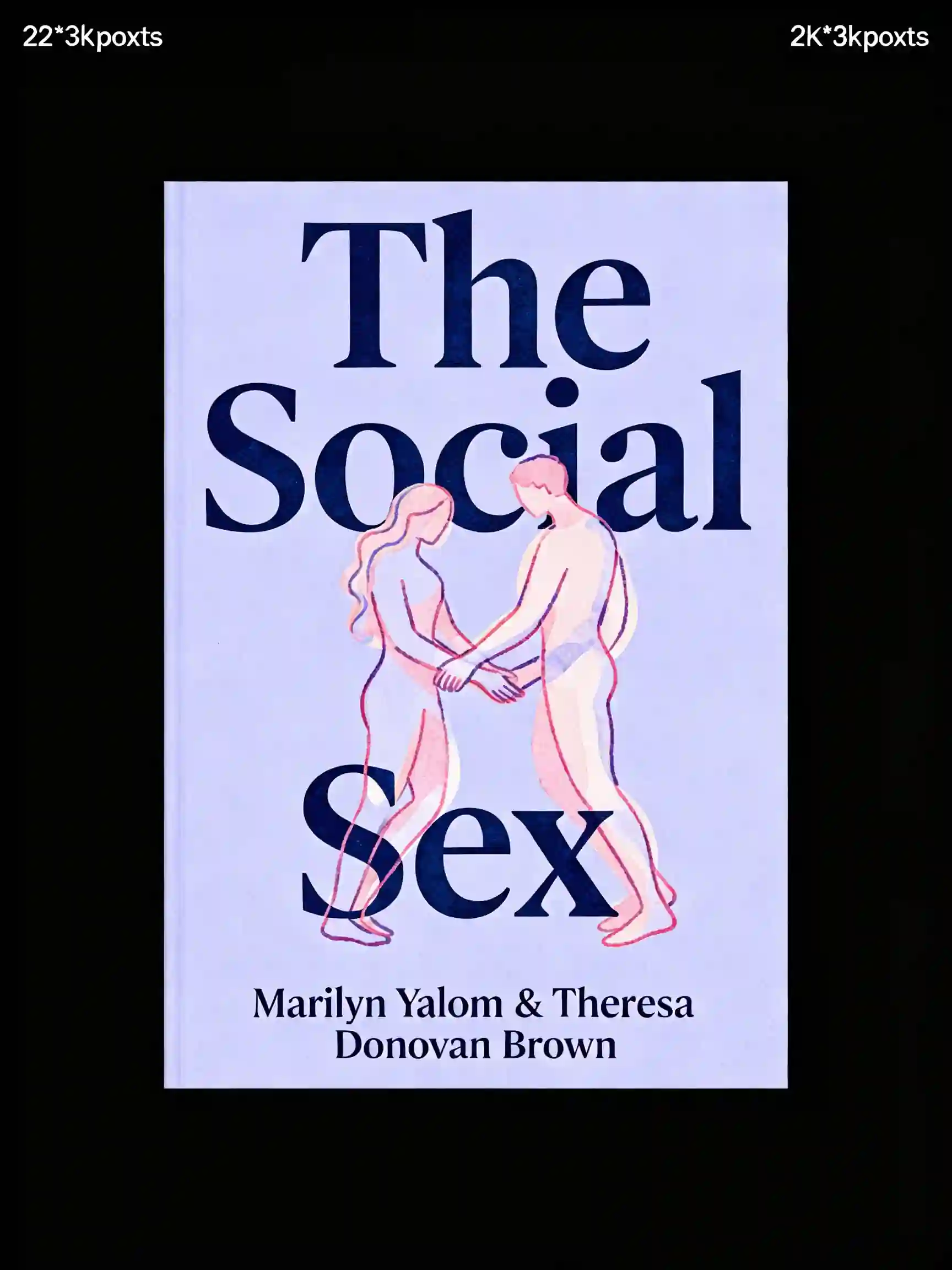
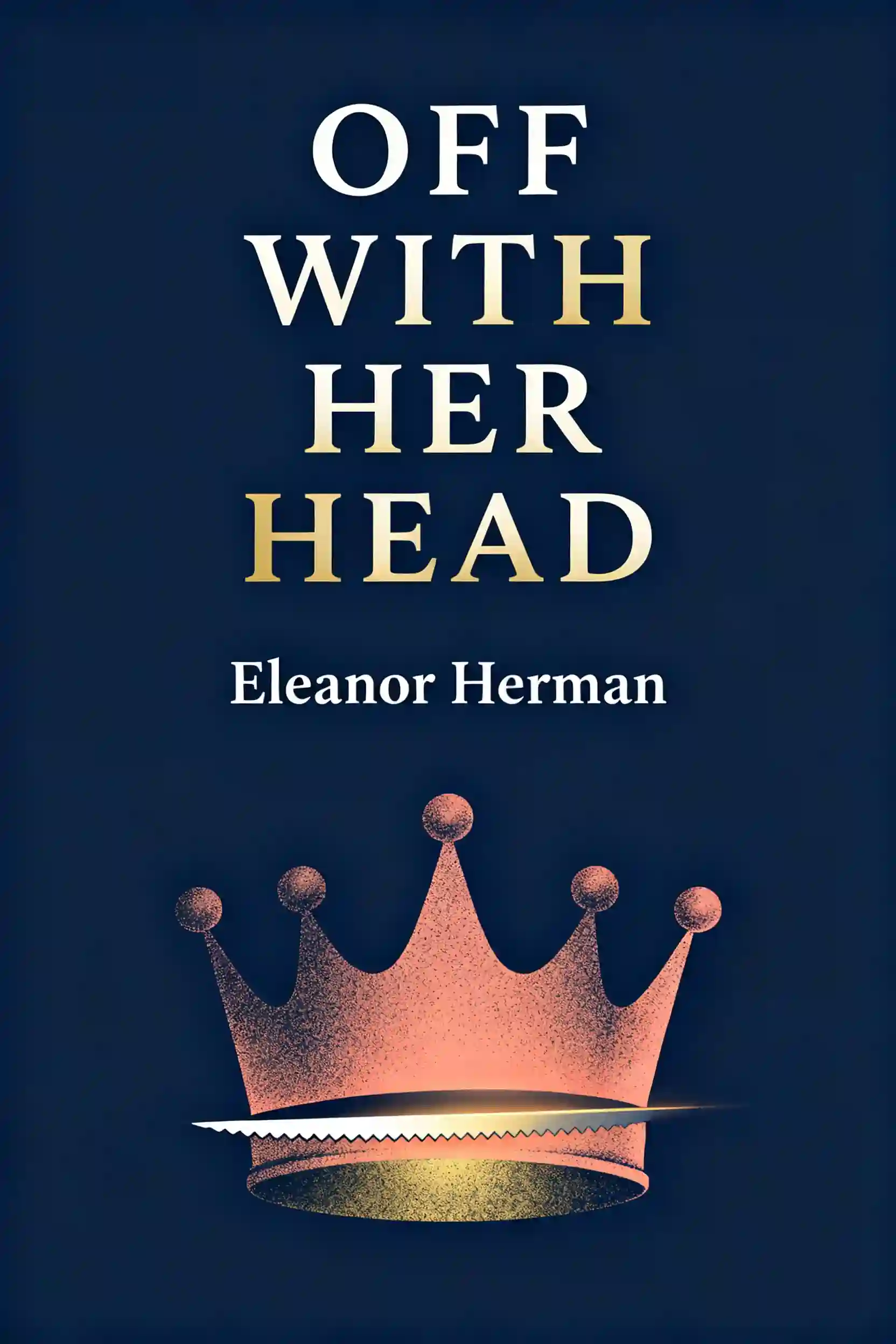
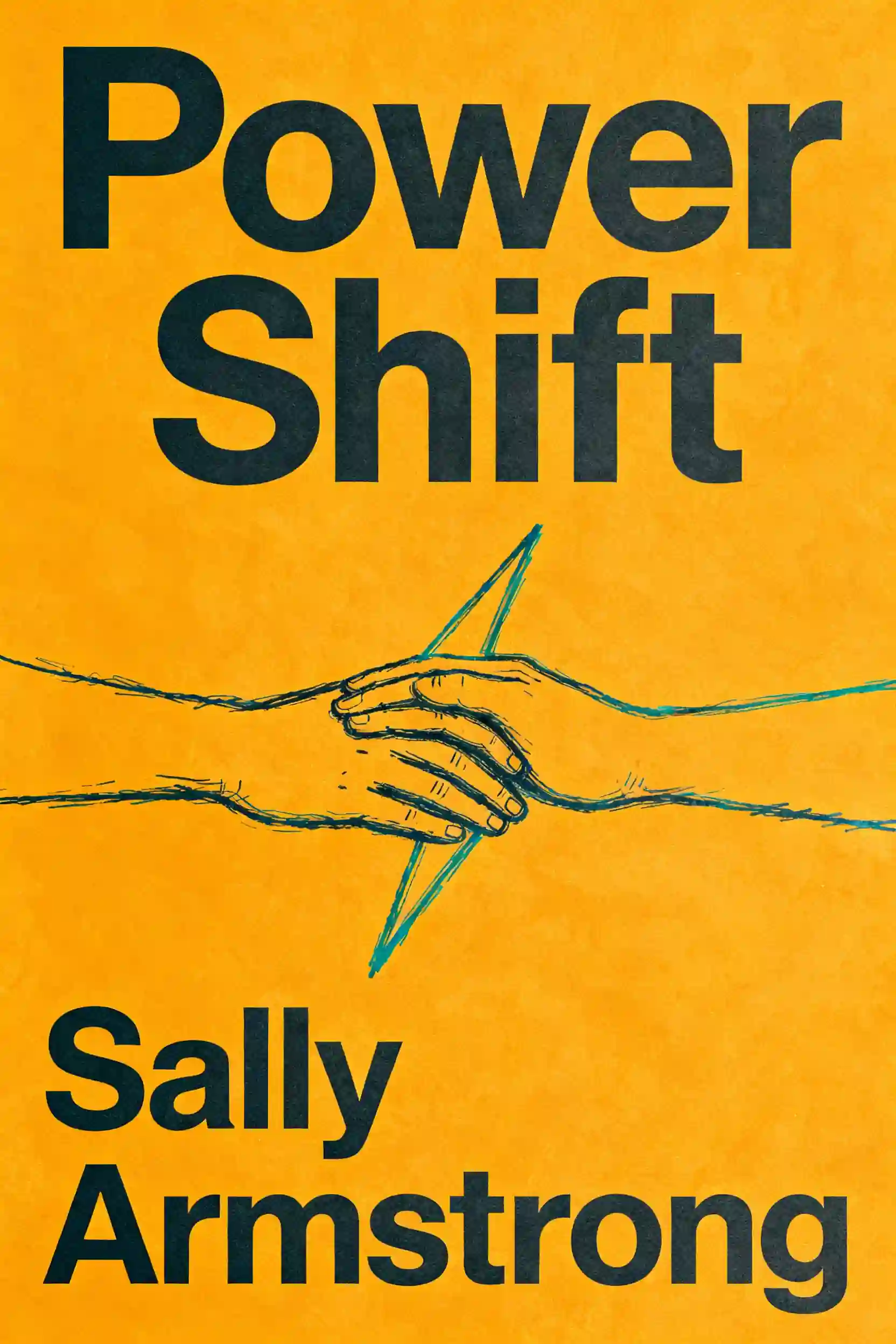
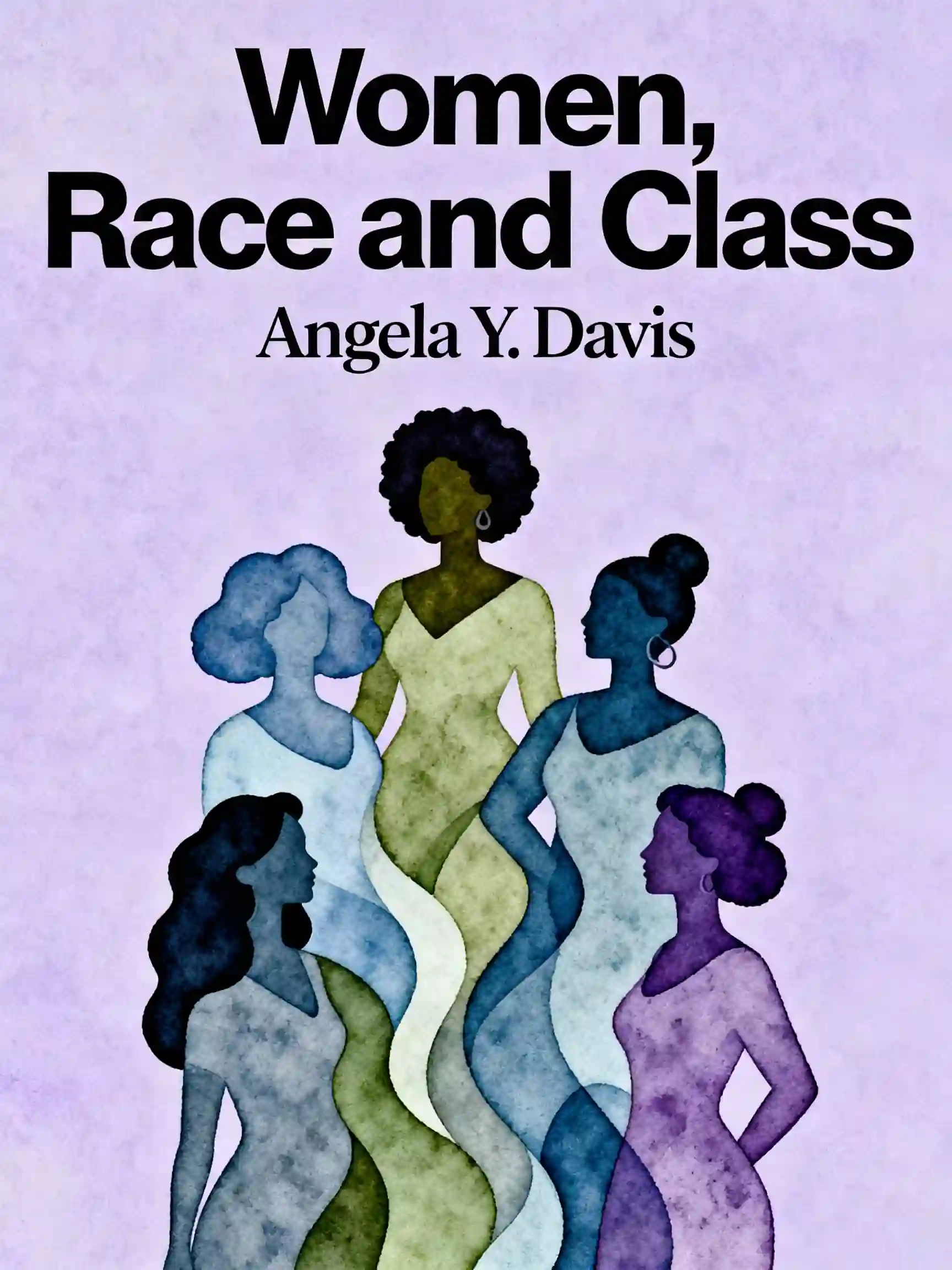
发现更多

The Female Eunuch: Reclaiming Vitality
This plan is essential for anyone seeking to understand the radical roots of modern feminism and the social construction of gender. It is ideal for students of sociology, gender studies, or readers looking to reclaim their personal autonomy from societal expectations.

The Lineage of Gender Diversity
This plan bridges the gap between historical cultural traditions and modern clinical science. It is essential for educators, healthcare providers, and advocates seeking a comprehensive understanding of gender diversity across time and biology.

Faith Beyond Cultural Patriarchy
This plan is essential for individuals seeking to reconcile their personal faith with a desire for gender equity. It serves those who feel restricted by traditional cultural interpretations and want practical tools to advocate for their autonomy in religious spaces.

feminism
This plan provides a vital framework for understanding the social and political evolution of gender equality. It is ideal for students, activists, and professionals seeking to foster more inclusive and equitable environments in their personal and professional lives.

The Pendulum of Power: A History of Human Ambition
This plan provides a macro-historical lens on how power dynamics and social structures evolve over millennia. It is ideal for history enthusiasts and policy thinkers seeking to understand the root causes of societal rise and fall.
Redpill
This plan is essential for men seeking to understand the underlying biological and psychological drivers of attraction and social hierarchy. It is designed for individuals who want to move beyond surface-level dating advice to achieve genuine personal mastery and healthier, more informed relationship dynamics.

Unstoppable: Women Leading Global Change
This plan is essential for aspiring and established female leaders looking to break systemic barriers and drive meaningful global change. It offers a unique blend of historical perspective, practical navigation of modern workplace dynamics, and advanced visionary leadership skills.

The Grit of Change
This plan offers a deep dive into the volatile eras that reshaped the modern world, focusing on the friction between progress and human rights. It is essential for students of history, sociology, or activism who want to understand how collective action drives societal evolution.
"Instead of endless scrolling, I just hit play on BeFreed. It saves me so much time."


"I never knew where to start with nonfiction—BeFreed’s book lists turned into podcasts gave me a clear path."


"Perfect balance between learning and entertainment. Finished ‘Thinking, Fast and Slow’ on my commute this week."
"Crazy how much I learned while walking the dog. BeFreed = small habits → big gains."
"Reading used to feel like a chore. Now it’s just part of my lifestyle."

"Feels effortless compared to reading. I’ve finished 6 books this month already."
"BeFreed turned my guilty doomscrolling into something that feels productive and inspiring."

"BeFreed turned my commute into learning time. 20-min podcasts are perfect for finishing books I never had time for."
"BeFreed replaced my podcast queue. Imagine Spotify for books — that’s it. 🙌"

"It is great for me to learn something from the book without reading it."
"The themed book list podcasts help me connect ideas across authors—like a guided audio journey."
"Makes me feel smarter every time before going to work"
"Instead of endless scrolling, I just hit play on BeFreed. It saves me so much time."
"I never knew where to start with nonfiction—BeFreed’s book lists turned into podcasts gave me a clear path."
"Perfect balance between learning and entertainment. Finished ‘Thinking, Fast and Slow’ on my commute this week."
"Crazy how much I learned while walking the dog. BeFreed = small habits → big gains."
"Reading used to feel like a chore. Now it’s just part of my lifestyle."
"Feels effortless compared to reading. I’ve finished 6 books this month already."
"BeFreed turned my guilty doomscrolling into something that feels productive and inspiring."
"BeFreed turned my commute into learning time. 20-min podcasts are perfect for finishing books I never had time for."
"BeFreed replaced my podcast queue. Imagine Spotify for books — that’s it. 🙌"
"It is great for me to learn something from the book without reading it."
"The themed book list podcasts help me connect ideas across authors—like a guided audio journey."
"Makes me feel smarter every time before going to work"
"Instead of endless scrolling, I just hit play on BeFreed. It saves me so much time."
"I never knew where to start with nonfiction—BeFreed’s book lists turned into podcasts gave me a clear path."
"Perfect balance between learning and entertainment. Finished ‘Thinking, Fast and Slow’ on my commute this week."
"Crazy how much I learned while walking the dog. BeFreed = small habits → big gains."
"Reading used to feel like a chore. Now it’s just part of my lifestyle."
"Feels effortless compared to reading. I’ve finished 6 books this month already."
"BeFreed turned my guilty doomscrolling into something that feels productive and inspiring."
"BeFreed turned my commute into learning time. 20-min podcasts are perfect for finishing books I never had time for."
"BeFreed replaced my podcast queue. Imagine Spotify for books — that’s it. 🙌"
"It is great for me to learn something from the book without reading it."
"The themed book list podcasts help me connect ideas across authors—like a guided audio journey."
"Makes me feel smarter every time before going to work"
"Instead of endless scrolling, I just hit play on BeFreed. It saves me so much time."
"I never knew where to start with nonfiction—BeFreed’s book lists turned into podcasts gave me a clear path."
"Perfect balance between learning and entertainment. Finished ‘Thinking, Fast and Slow’ on my commute this week."
"Crazy how much I learned while walking the dog. BeFreed = small habits → big gains."
"Reading used to feel like a chore. Now it’s just part of my lifestyle."
"Feels effortless compared to reading. I’ve finished 6 books this month already."
"BeFreed turned my guilty doomscrolling into something that feels productive and inspiring."
"BeFreed turned my commute into learning time. 20-min podcasts are perfect for finishing books I never had time for."
"BeFreed replaced my podcast queue. Imagine Spotify for books — that’s it. 🙌"
"It is great for me to learn something from the book without reading it."
"The themed book list podcasts help me connect ideas across authors—like a guided audio journey."
"Makes me feel smarter every time before going to work"