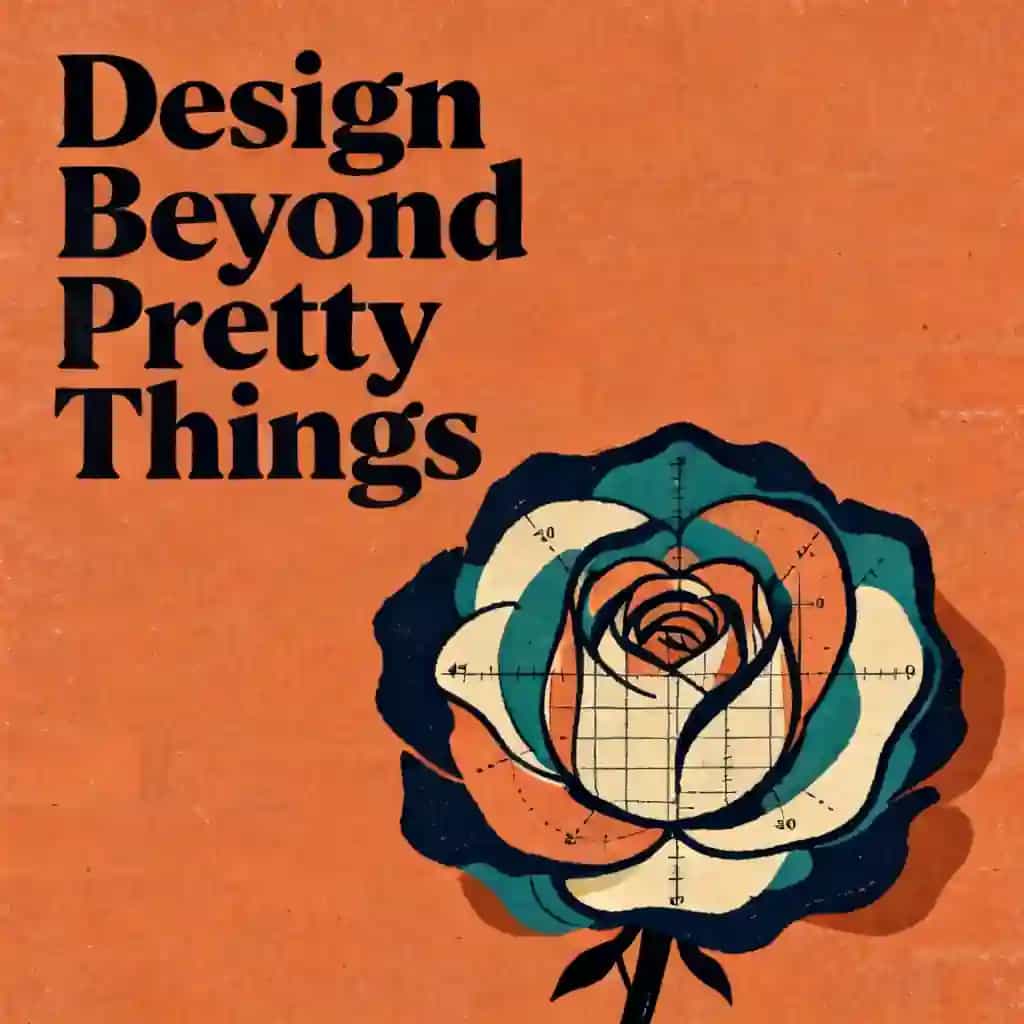
The Art of Developing Good Taste
Stop settling for the mainstream feed and start building your aesthetic muscle. Learn how to move beyond passive consumption to develop a sharp, intentional, and uniquely personal sense of taste.

The Art of Developing Good Taste最佳语录
Taste is more like a muscle you have to work out; it’s about moving from a vague 'I like this' to an intentional understanding of the mechanics and internal logic that make something resonate with you.
Generated by Freedee_4E8A7E13
My good taste

常见问题
No, according to the script, taste is not a mysterious gift or a natural talent like having nice hair. Instead, it is described as a "muscle" that must be exercised and a cultivated skill that anyone can develop. It is built through intentionality, varied exposure, and the development of a "visual vocabulary" or "perceptual chunks" that allow you to decode and understand what you are experiencing.
Inverted snobbery occurs when individuals intentionally stick to mainstream content or "whatever the feed gives them" because they are afraid of being labeled a snob. This often leads to the "let people enjoy things" trap, where a person avoids critical thinking or intentionality in their consumption to fit in, rather than developing the ability to articulate why they actually like or dislike something.
Not being moved by a masterpiece does not mean your taste is broken; rather, it provides a valuable "data point" for your personal training. The key is to move beyond a simple "I don't like this" and ask why by examining the subject matter, colors, or technique. Developing taste involves balancing expert opinion with personal instinct and using "Comparative Analysis"—looking back and forth between two different works—to sharpen your ability to see nuance.
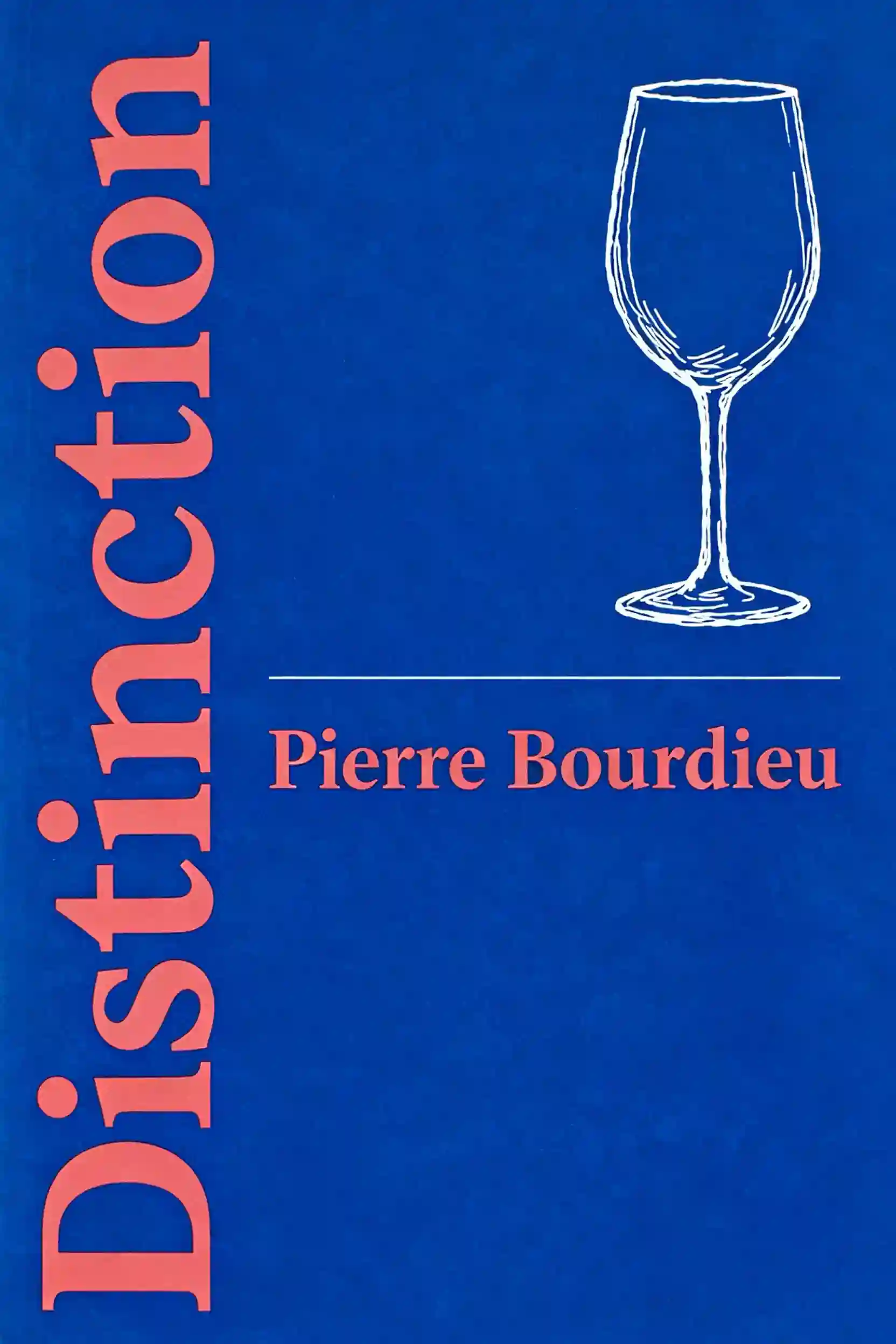
Being a cultural omnivore is a modern form of "distinction" where status is signaled by having the breadth to appreciate many different genres rather than just "high-brow" art. An omnivore can find artistry in a blockbuster movie or a local taco truck just as easily as in the opera. This shift reflects a move away from traditional snobbery toward "cultural cosmopolitanism," though it can sometimes lead to "cultural gentrification" when elites rebrand working-class culture as a trend.
You can train your senses by using structured frameworks, such as the "5-Step Framework" for wine: See, Swirl, Smell, Sip, and Savour. Practical drills include "doctoring" glasses of wine with ingredients like lemon for acidity or sugar for sweetness to isolate specific elements. By naming and verbalizing these sensations—such as identifying the "sandpaper" feeling of tannins on the gums—you turn a passive experience into an active skill and build lasting muscle memory.
"Instead of endless scrolling, I just hit play on BeFreed. It saves me so much time."


"I never knew where to start with nonfiction—BeFreed’s book lists turned into podcasts gave me a clear path."


"Perfect balance between learning and entertainment. Finished ‘Thinking, Fast and Slow’ on my commute this week."
"Crazy how much I learned while walking the dog. BeFreed = small habits → big gains."
"Reading used to feel like a chore. Now it’s just part of my lifestyle."

"Feels effortless compared to reading. I’ve finished 6 books this month already."
"BeFreed turned my guilty doomscrolling into something that feels productive and inspiring."

"BeFreed turned my commute into learning time. 20-min podcasts are perfect for finishing books I never had time for."
"BeFreed replaced my podcast queue. Imagine Spotify for books — that’s it. 🙌"

"It is great for me to learn something from the book without reading it."
"The themed book list podcasts help me connect ideas across authors—like a guided audio journey."
"Makes me feel smarter every time before going to work"
"Instead of endless scrolling, I just hit play on BeFreed. It saves me so much time."
"I never knew where to start with nonfiction—BeFreed’s book lists turned into podcasts gave me a clear path."
"Perfect balance between learning and entertainment. Finished ‘Thinking, Fast and Slow’ on my commute this week."
"Crazy how much I learned while walking the dog. BeFreed = small habits → big gains."
"Reading used to feel like a chore. Now it’s just part of my lifestyle."
"Feels effortless compared to reading. I’ve finished 6 books this month already."
"BeFreed turned my guilty doomscrolling into something that feels productive and inspiring."
"BeFreed turned my commute into learning time. 20-min podcasts are perfect for finishing books I never had time for."
"BeFreed replaced my podcast queue. Imagine Spotify for books — that’s it. 🙌"
"It is great for me to learn something from the book without reading it."
"The themed book list podcasts help me connect ideas across authors—like a guided audio journey."
"Makes me feel smarter every time before going to work"
"Instead of endless scrolling, I just hit play on BeFreed. It saves me so much time."
"I never knew where to start with nonfiction—BeFreed’s book lists turned into podcasts gave me a clear path."
"Perfect balance between learning and entertainment. Finished ‘Thinking, Fast and Slow’ on my commute this week."
"Crazy how much I learned while walking the dog. BeFreed = small habits → big gains."
"Reading used to feel like a chore. Now it’s just part of my lifestyle."
"Feels effortless compared to reading. I’ve finished 6 books this month already."
"BeFreed turned my guilty doomscrolling into something that feels productive and inspiring."
"BeFreed turned my commute into learning time. 20-min podcasts are perfect for finishing books I never had time for."
"BeFreed replaced my podcast queue. Imagine Spotify for books — that’s it. 🙌"
"It is great for me to learn something from the book without reading it."
"The themed book list podcasts help me connect ideas across authors—like a guided audio journey."
"Makes me feel smarter every time before going to work"
"Instead of endless scrolling, I just hit play on BeFreed. It saves me so much time."
"I never knew where to start with nonfiction—BeFreed’s book lists turned into podcasts gave me a clear path."
"Perfect balance between learning and entertainment. Finished ‘Thinking, Fast and Slow’ on my commute this week."
"Crazy how much I learned while walking the dog. BeFreed = small habits → big gains."
"Reading used to feel like a chore. Now it’s just part of my lifestyle."
"Feels effortless compared to reading. I’ve finished 6 books this month already."
"BeFreed turned my guilty doomscrolling into something that feels productive and inspiring."
"BeFreed turned my commute into learning time. 20-min podcasts are perfect for finishing books I never had time for."
"BeFreed replaced my podcast queue. Imagine Spotify for books — that’s it. 🙌"
"It is great for me to learn something from the book without reading it."
"The themed book list podcasts help me connect ideas across authors—like a guided audio journey."
"Makes me feel smarter every time before going to work"



![[408eb94a-3dab-4bf7-82bc-a2185f7a196a:c0000] # Strategic Positioning Through a Point of View ## Naviga… p1-1](/_next/image?url=https%3A%2F%2Fd1y2du6z1jfm9e.cloudfront.net%2Fassets%2Fpodcast%2Fgreen.png&w=1024&q=50)
![[1c0d359b-39bb-44da-8a68-f463c49236ee:c0000] # Strategic Positioning Through a Point of View ## Naviga… p1-1](/_next/image?url=https%3A%2F%2Fd1y2du6z1jfm9e.cloudfront.net%2Fassets%2Fpodcast%2Fblue.png&w=1024&q=50)