Richard de Beauchamp and the Stafford Family Legacy
How did a 15th-century power couple navigate the Wars of the Roses? Explore the strategic marriage of Richard de Beauchamp and Elizabeth Stafford.

Richard de Beauchamp and the Stafford Family Legacy最佳语录
These families aren't just living through history—they’re actively engineering it through their family trees. They’re like the ultimate venture capitalists, but instead of startups, they’re investing in bloodlines and land.
Generated by Cathy
Can you create a lesson on the family history of both sir Richard de Beauchamp 1435 1503 married to Elizabeth Stafford

常见问题
The 15th century featured multiple prominent men with this name due to conservative naming traditions within the nobility. The script highlights two first cousins: Richard de Beauchamp, the Earl of Worcester (died 1422), and Richard de Beauchamp, the 13th Earl of Warwick (died 1439). To distinguish them, historians look at their spouses; the Earl of Worcester married Isabel le Despenser, while the Earl of Warwick married Elizabeth Berkeley and later his cousin's widow, Isabel le Despenser. The specific Richard discussed in the later 15th century (1435–1503) was married to Elizabeth Stafford and belonged to a branch of the family navigating the fallout of these earlier high-profile alliances.
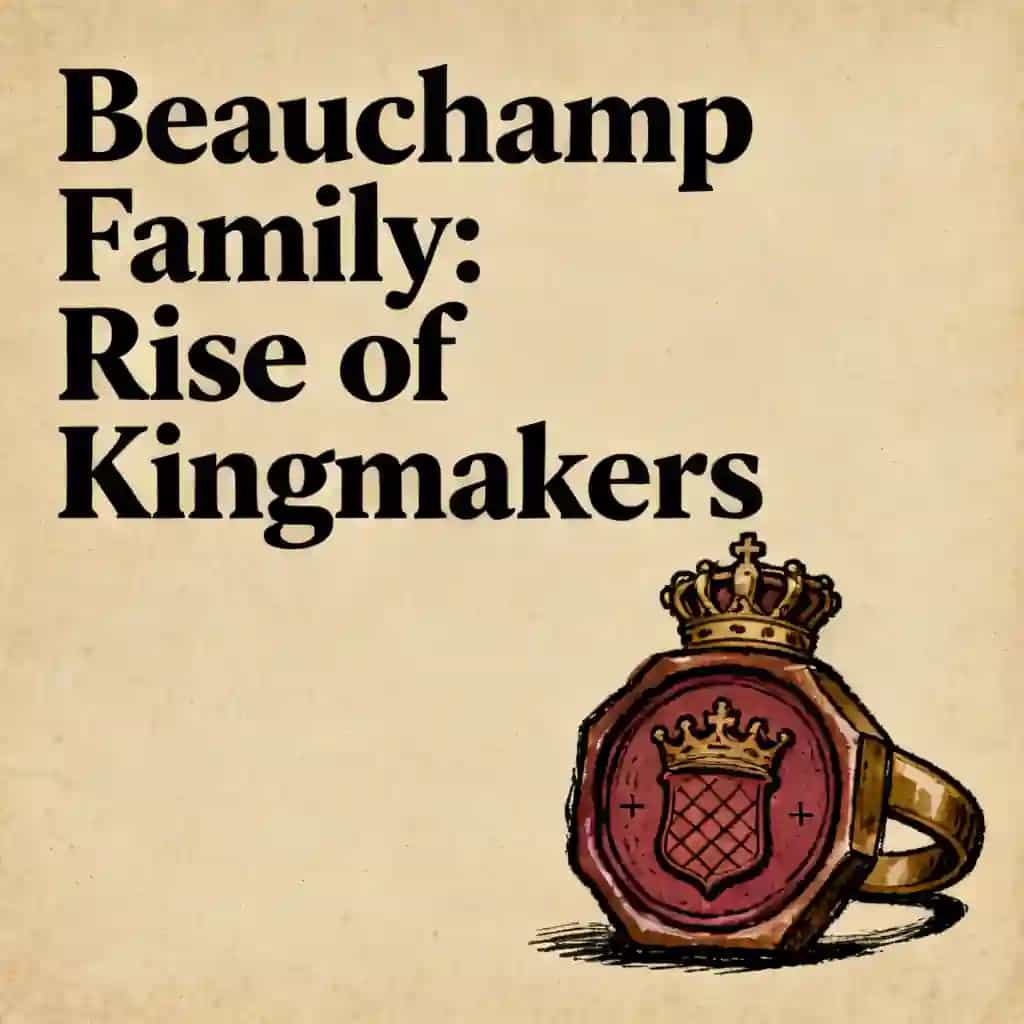
The union of Richard de Beauchamp and Elizabeth Stafford was a strategic "power play" that merged two of England's most ambitious lineages. Elizabeth brought a prestigious bloodline to the marriage, as her mother, Margaret Audley, was a descendant of King Edward I. This connection provided the Beauchamp family with royal prestige and linked them to the Staffords, who eventually became the Dukes of Buckingham. For Richard, marrying Elizabeth was a way to anchor his branch of the family with immense wealth and royal connections during the volatile Wars of the Roses.
After the death of her husband, the "Kingmaker," at the Battle of Barnet in 1471, the government of Edward IV declared Anne Beauchamp a legal non-entity to seize her massive inheritance. Although the lands belonged to her by birthright, her sons-in-law—the Dukes of Clarence and Gloucester—wanted to divide her estates between themselves. By treating her as if she were deceased, they bypassed her legal rights to the Beauchamp and Despenser lands, leaving her to live in sanctuary at Beaulieu Abbey until the Tudor dynasty eventually restored some of her property and dignity.
The plague created a cycle of rapid remarriage to protect lands and political interests. Elizabeth Stafford was betrothed to Fulk Lestrange as a teenager, but he died in 1349 during the height of the Black Death. Rather than observing a long period of mourning, King Edward III issued a license for her to marry John de Ferrers only a few weeks later. This clinical approach to marriage ensured that valuable estates and alliances remained secure within the nobility despite the high mortality rates of the era.
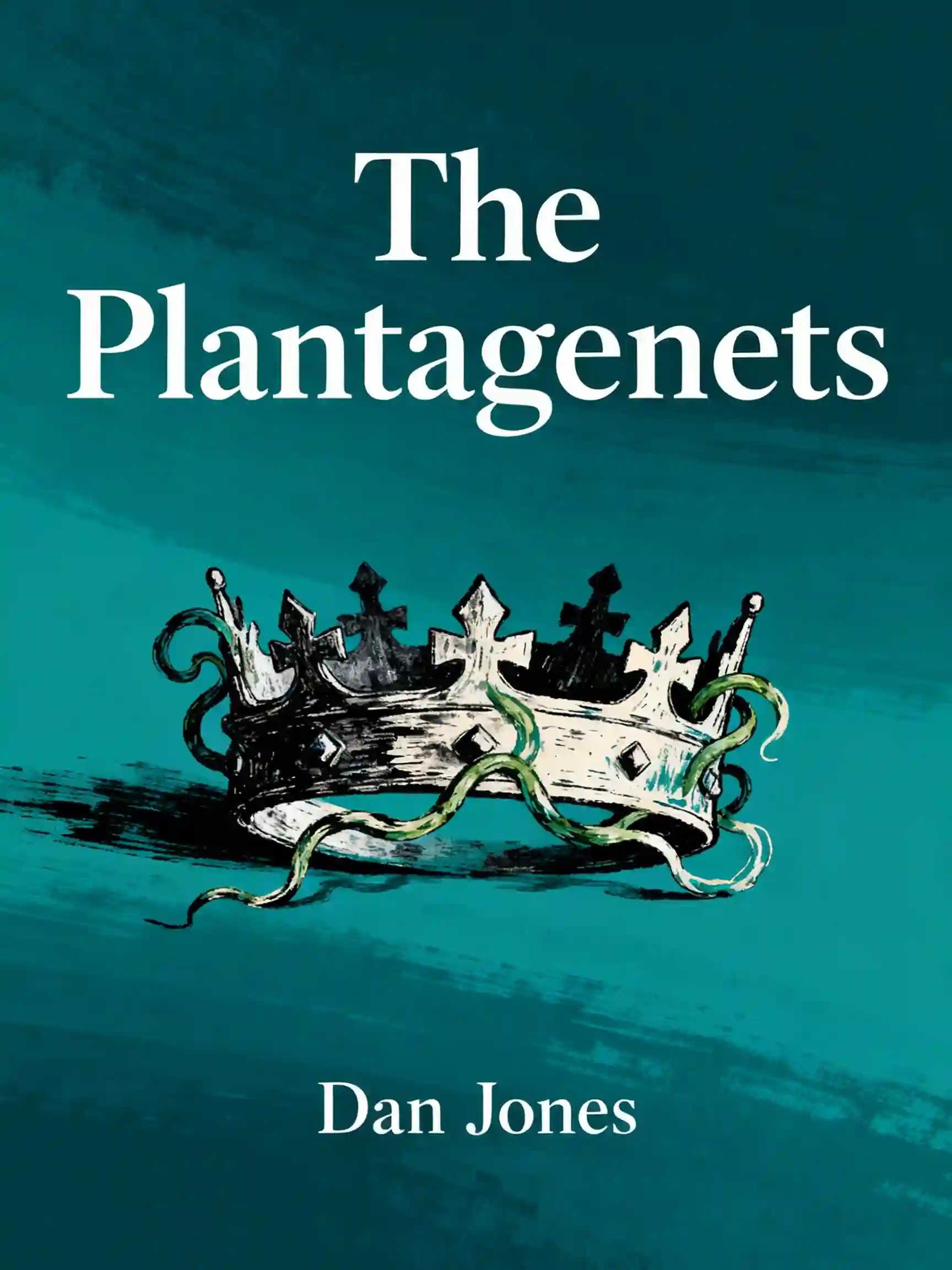
These families operated like "venture capitalists" of the medieval world, investing in strategic marriages and land acquisitions rather than businesses. They consistently "married up," targeting wealthy heiresses like Maud FitzJohn or Margaret Audley to expand their territorial reach. By placing daughters into other powerful families like the Nevilles and Talbots, they created a "Beauchamp lobby" across the English peerage. This network of cousins and allies allowed them to remain central to the infrastructure of the English state for centuries, even as dynasties shifted from the Plantagenets to the Tudors.
由哥伦比亚大学校友创建 源自旧金山
BeFreed 汇聚全球求知若渴的学习者


"Instead of endless scrolling, I just hit play on BeFreed. It saves me so much time."


"I never knew where to start with nonfiction—BeFreed’s book lists turned into podcasts gave me a clear path."


"Perfect balance between learning and entertainment. Finished ‘Thinking, Fast and Slow’ on my commute this week."
"Crazy how much I learned while walking the dog. BeFreed = small habits → big gains."
"Reading used to feel like a chore. Now it’s just part of my lifestyle."

"Feels effortless compared to reading. I’ve finished 6 books this month already."
"BeFreed turned my guilty doomscrolling into something that feels productive and inspiring."

"BeFreed turned my commute into learning time. 20-min podcasts are perfect for finishing books I never had time for."
"BeFreed replaced my podcast queue. Imagine Spotify for books — that’s it. 🙌"

"It is great for me to learn something from the book without reading it."
"The themed book list podcasts help me connect ideas across authors—like a guided audio journey."
"Makes me feel smarter every time before going to work"
由哥伦比亚大学校友创建 源自旧金山
BeFreed 汇聚全球求知若渴的学习者
"Instead of endless scrolling, I just hit play on BeFreed. It saves me so much time."
"I never knew where to start with nonfiction—BeFreed’s book lists turned into podcasts gave me a clear path."
"Perfect balance between learning and entertainment. Finished ‘Thinking, Fast and Slow’ on my commute this week."
"Crazy how much I learned while walking the dog. BeFreed = small habits → big gains."
"Reading used to feel like a chore. Now it’s just part of my lifestyle."
"Feels effortless compared to reading. I’ve finished 6 books this month already."
"BeFreed turned my guilty doomscrolling into something that feels productive and inspiring."
"BeFreed turned my commute into learning time. 20-min podcasts are perfect for finishing books I never had time for."
"BeFreed replaced my podcast queue. Imagine Spotify for books — that’s it. 🙌"
"It is great for me to learn something from the book without reading it."
"The themed book list podcasts help me connect ideas across authors—like a guided audio journey."
"Makes me feel smarter every time before going to work"
"Instead of endless scrolling, I just hit play on BeFreed. It saves me so much time."
"I never knew where to start with nonfiction—BeFreed’s book lists turned into podcasts gave me a clear path."
"Perfect balance between learning and entertainment. Finished ‘Thinking, Fast and Slow’ on my commute this week."
"Crazy how much I learned while walking the dog. BeFreed = small habits → big gains."
"Reading used to feel like a chore. Now it’s just part of my lifestyle."
"Feels effortless compared to reading. I’ve finished 6 books this month already."
"BeFreed turned my guilty doomscrolling into something that feels productive and inspiring."
"BeFreed turned my commute into learning time. 20-min podcasts are perfect for finishing books I never had time for."
"BeFreed replaced my podcast queue. Imagine Spotify for books — that’s it. 🙌"
"It is great for me to learn something from the book without reading it."
"The themed book list podcasts help me connect ideas across authors—like a guided audio journey."
"Makes me feel smarter every time before going to work"
"Instead of endless scrolling, I just hit play on BeFreed. It saves me so much time."
"I never knew where to start with nonfiction—BeFreed’s book lists turned into podcasts gave me a clear path."
"Perfect balance between learning and entertainment. Finished ‘Thinking, Fast and Slow’ on my commute this week."
"Crazy how much I learned while walking the dog. BeFreed = small habits → big gains."
"Reading used to feel like a chore. Now it’s just part of my lifestyle."
"Feels effortless compared to reading. I’ve finished 6 books this month already."
"BeFreed turned my guilty doomscrolling into something that feels productive and inspiring."
"BeFreed turned my commute into learning time. 20-min podcasts are perfect for finishing books I never had time for."
"BeFreed replaced my podcast queue. Imagine Spotify for books — that’s it. 🙌"
"It is great for me to learn something from the book without reading it."
"The themed book list podcasts help me connect ideas across authors—like a guided audio journey."
"Makes me feel smarter every time before going to work"