Probabilistic Thinking: Superforecasting and Outcome Distributions
Learn how to master probabilistic thinking and superforecasting. Shift from seeking certainties to analyzing the distribution of outcomes for better decisions.

Probabilistic Thinking: Superforecasting and Outcome Distributions最佳语录
High performers judge themselves by the quality of their decisions, not the results; they know that if they have a positive expected value process, the results will take care of themselves over the long run.
Generated by Piyush
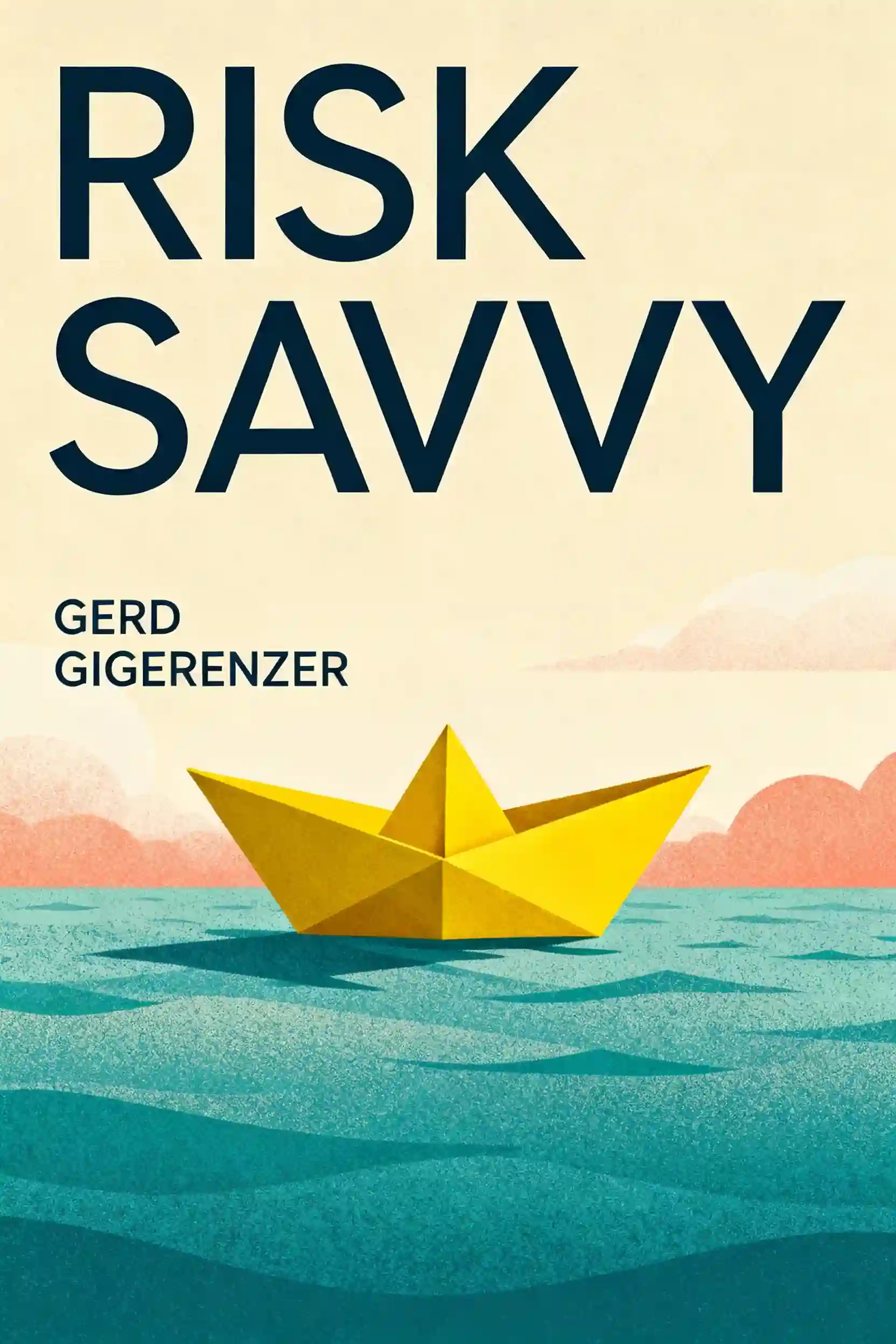
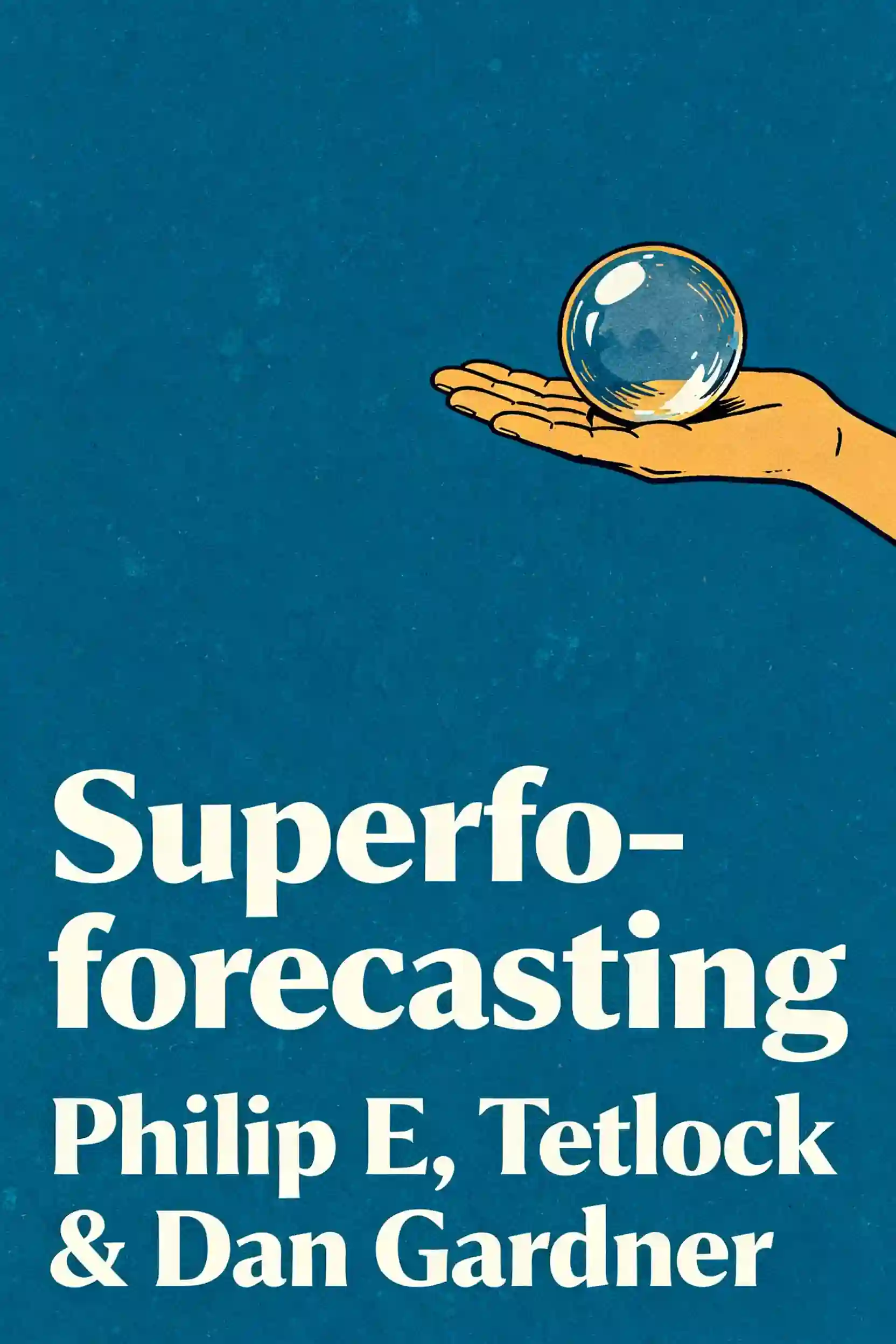
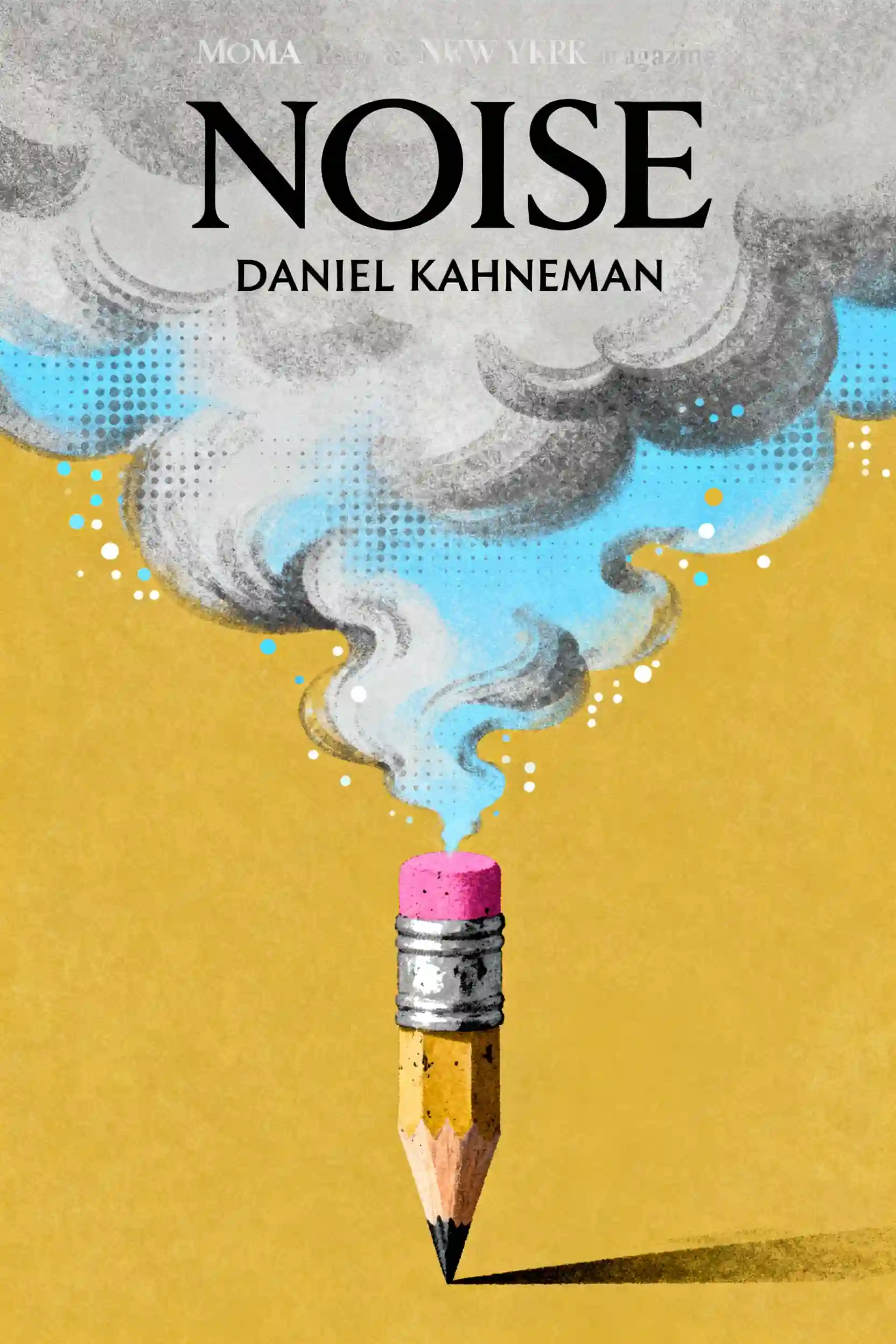
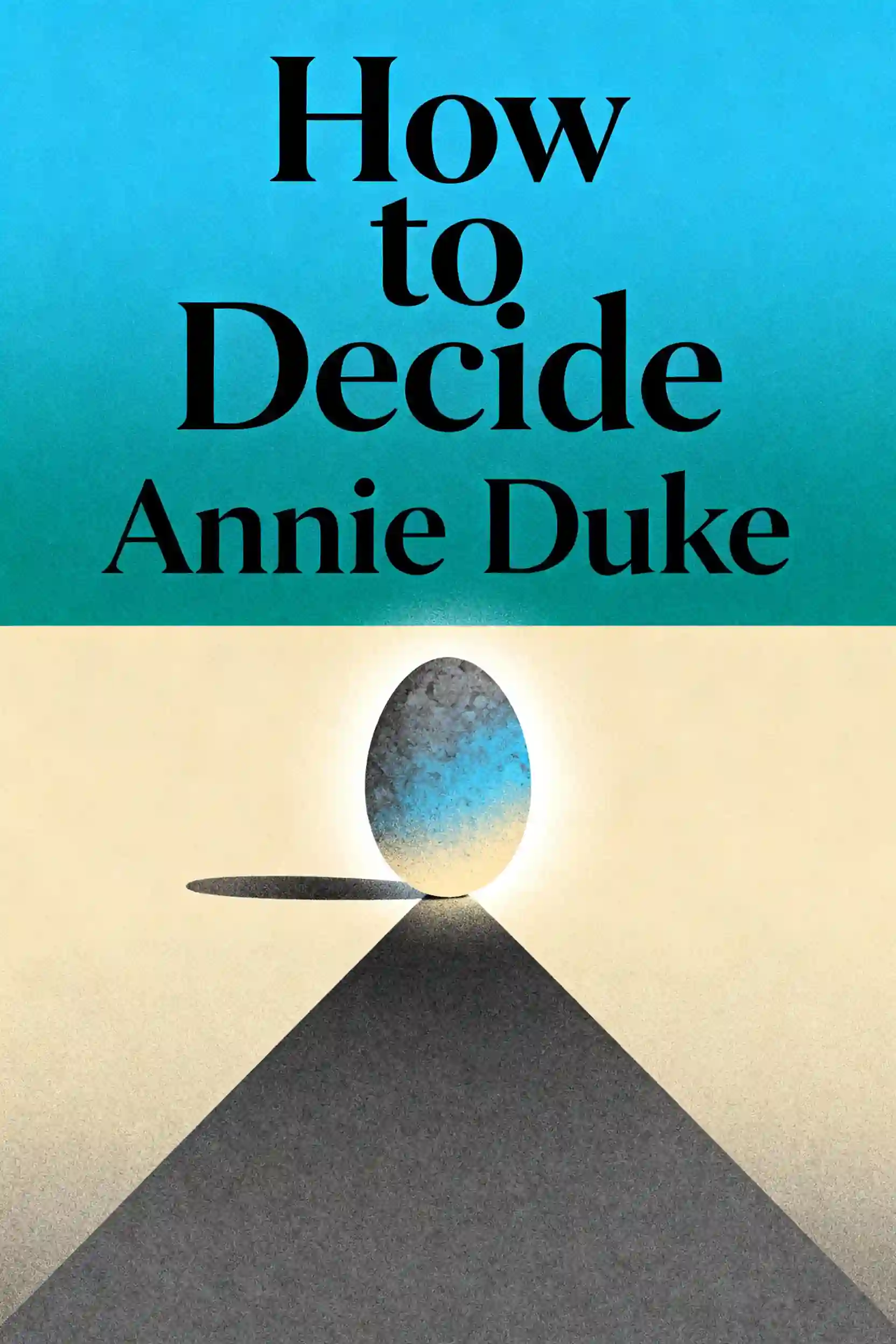
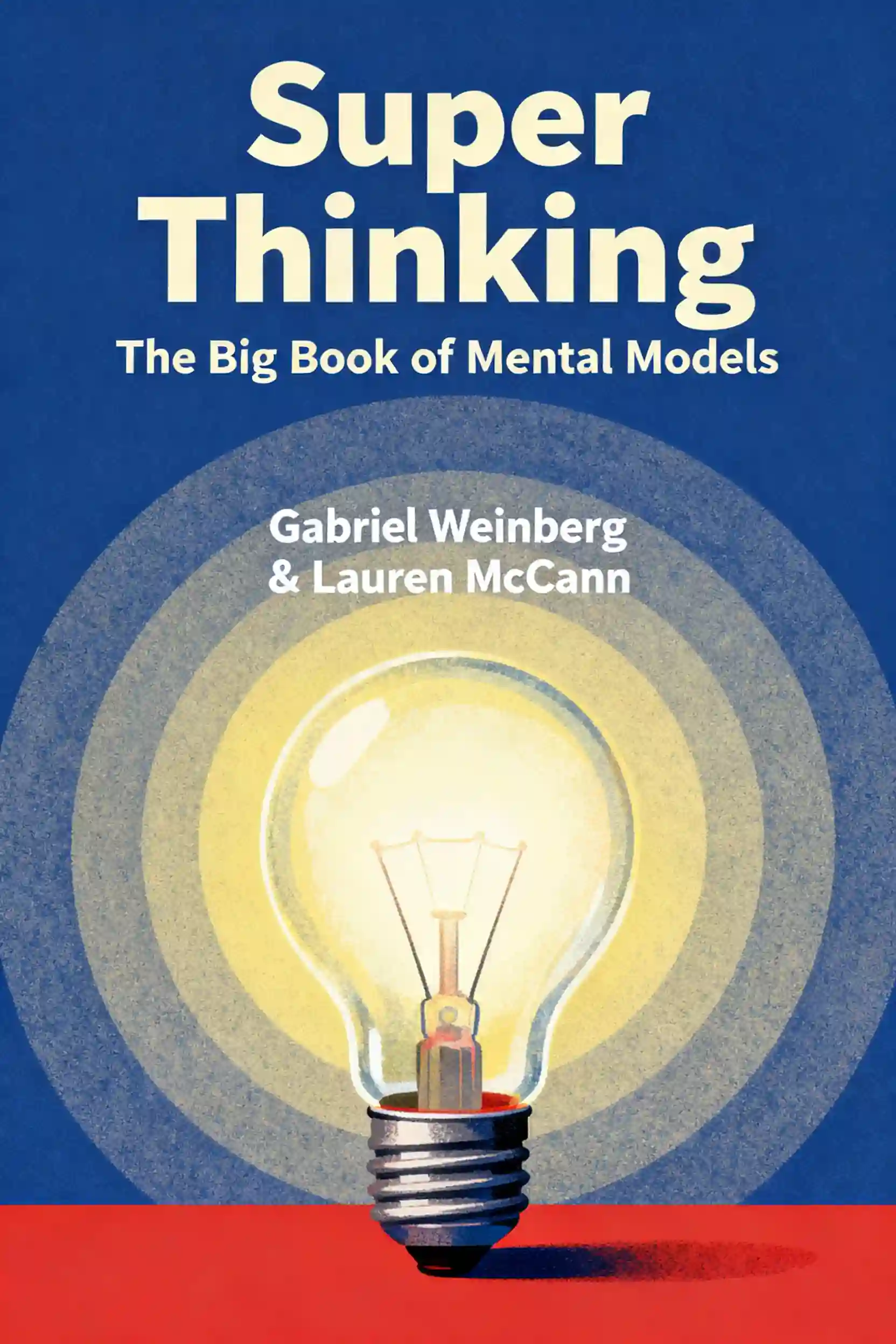
Probabilistic Thinking Thinking in probabilities rather than certainties. Not “will this work” but “what are the odds this works and what does the distribution of outcomes look like.” Superforecasting is the book that builds this most directly.

常见问题
Probabilistic thinking is the practice of evaluating situations based on the likelihood of various results rather than seeking a simple yes or no answer. Instead of asking if a project will work, you analyze the odds of success and the potential distribution of outcomes. This mindset helps individuals navigate uncertainty by acknowledging that most events are not guaranteed, allowing for more nuanced and accurate decision making in complex environments.
Superforecasting involves using specific analytical methods to predict future events with higher accuracy than the average person. By breaking down complex problems into smaller, calculable parts and constantly updating beliefs based on new data, superforecasters move away from gut feelings toward a more mathematical approach. This technique emphasizes the importance of probability vs certainty, ensuring that forecasts are based on evidence and logical distributions rather than emotional biases.
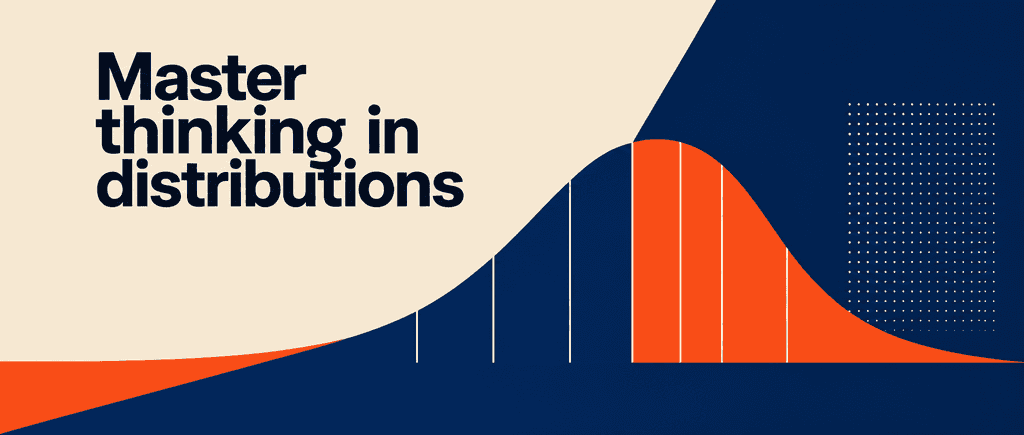
Looking at the distribution of outcomes means considering the full range of possible results for any given action, rather than focusing on a single best-case or worst-case scenario. By understanding this distribution, you can identify not just the most likely result, but also the risks and opportunities associated with outliers. This comprehensive view is a core component of probabilistic thinking, as it prepares decision makers for a variety of potential realities.
"Instead of endless scrolling, I just hit play on BeFreed. It saves me so much time."


"I never knew where to start with nonfiction—BeFreed’s book lists turned into podcasts gave me a clear path."


"Perfect balance between learning and entertainment. Finished ‘Thinking, Fast and Slow’ on my commute this week."
"Crazy how much I learned while walking the dog. BeFreed = small habits → big gains."
"Reading used to feel like a chore. Now it’s just part of my lifestyle."

"Feels effortless compared to reading. I’ve finished 6 books this month already."
"BeFreed turned my guilty doomscrolling into something that feels productive and inspiring."

"BeFreed turned my commute into learning time. 20-min podcasts are perfect for finishing books I never had time for."
"BeFreed replaced my podcast queue. Imagine Spotify for books — that’s it. 🙌"

"It is great for me to learn something from the book without reading it."
"The themed book list podcasts help me connect ideas across authors—like a guided audio journey."
"Makes me feel smarter every time before going to work"
"Instead of endless scrolling, I just hit play on BeFreed. It saves me so much time."
"I never knew where to start with nonfiction—BeFreed’s book lists turned into podcasts gave me a clear path."
"Perfect balance between learning and entertainment. Finished ‘Thinking, Fast and Slow’ on my commute this week."
"Crazy how much I learned while walking the dog. BeFreed = small habits → big gains."
"Reading used to feel like a chore. Now it’s just part of my lifestyle."
"Feels effortless compared to reading. I’ve finished 6 books this month already."
"BeFreed turned my guilty doomscrolling into something that feels productive and inspiring."
"BeFreed turned my commute into learning time. 20-min podcasts are perfect for finishing books I never had time for."
"BeFreed replaced my podcast queue. Imagine Spotify for books — that’s it. 🙌"
"It is great for me to learn something from the book without reading it."
"The themed book list podcasts help me connect ideas across authors—like a guided audio journey."
"Makes me feel smarter every time before going to work"
"Instead of endless scrolling, I just hit play on BeFreed. It saves me so much time."
"I never knew where to start with nonfiction—BeFreed’s book lists turned into podcasts gave me a clear path."
"Perfect balance between learning and entertainment. Finished ‘Thinking, Fast and Slow’ on my commute this week."
"Crazy how much I learned while walking the dog. BeFreed = small habits → big gains."
"Reading used to feel like a chore. Now it’s just part of my lifestyle."
"Feels effortless compared to reading. I’ve finished 6 books this month already."
"BeFreed turned my guilty doomscrolling into something that feels productive and inspiring."
"BeFreed turned my commute into learning time. 20-min podcasts are perfect for finishing books I never had time for."
"BeFreed replaced my podcast queue. Imagine Spotify for books — that’s it. 🙌"
"It is great for me to learn something from the book without reading it."
"The themed book list podcasts help me connect ideas across authors—like a guided audio journey."
"Makes me feel smarter every time before going to work"
"Instead of endless scrolling, I just hit play on BeFreed. It saves me so much time."
"I never knew where to start with nonfiction—BeFreed’s book lists turned into podcasts gave me a clear path."
"Perfect balance between learning and entertainment. Finished ‘Thinking, Fast and Slow’ on my commute this week."
"Crazy how much I learned while walking the dog. BeFreed = small habits → big gains."
"Reading used to feel like a chore. Now it’s just part of my lifestyle."
"Feels effortless compared to reading. I’ve finished 6 books this month already."
"BeFreed turned my guilty doomscrolling into something that feels productive and inspiring."
"BeFreed turned my commute into learning time. 20-min podcasts are perfect for finishing books I never had time for."
"BeFreed replaced my podcast queue. Imagine Spotify for books — that’s it. 🙌"
"It is great for me to learn something from the book without reading it."
"The themed book list podcasts help me connect ideas across authors—like a guided audio journey."
"Makes me feel smarter every time before going to work"