说真的,我还没把这个 app 完全摸透,但用了这几天已经被惊艳到了… BeFreed 和我用过的任何学习类 app 都不在一个层级。它让人特别投入,还能实实在在地提升专注力,对刷手机停不下来的人来说太合适了!
@ladyInfinity
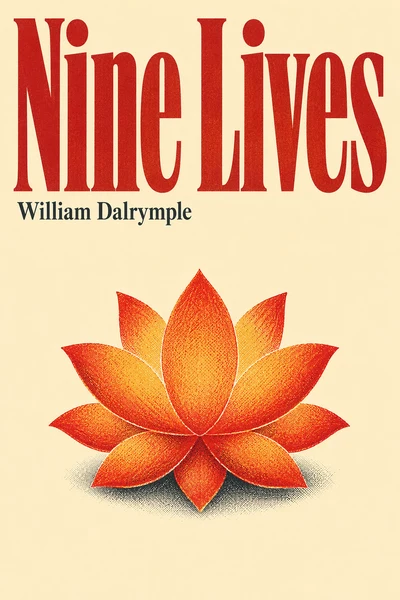
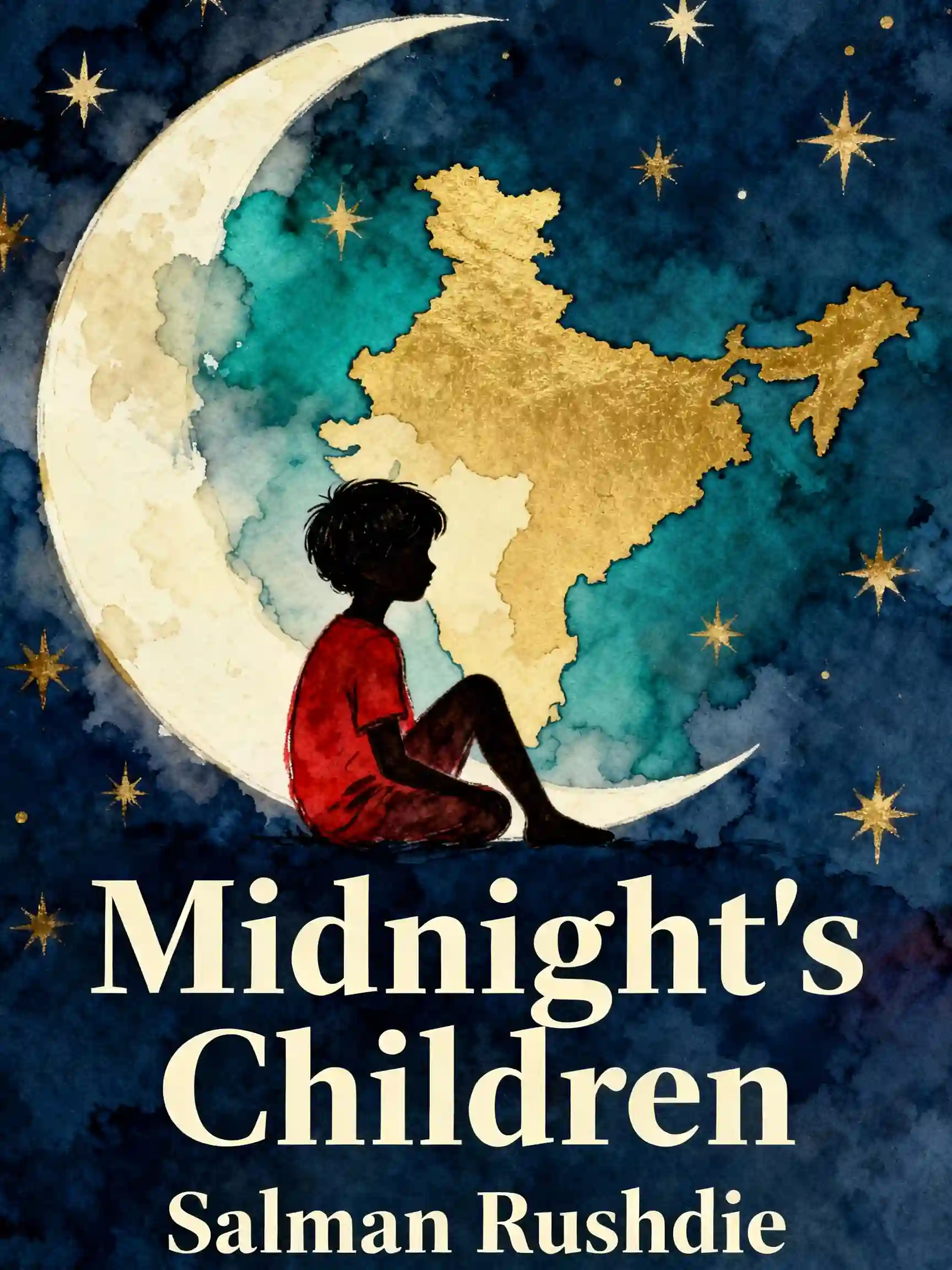
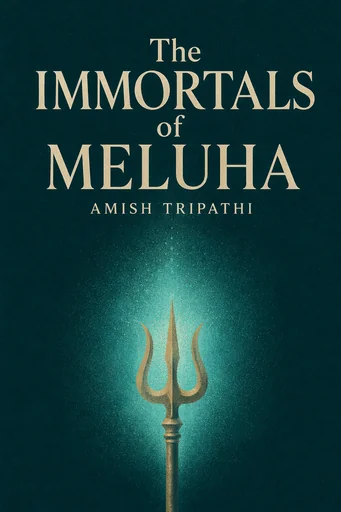
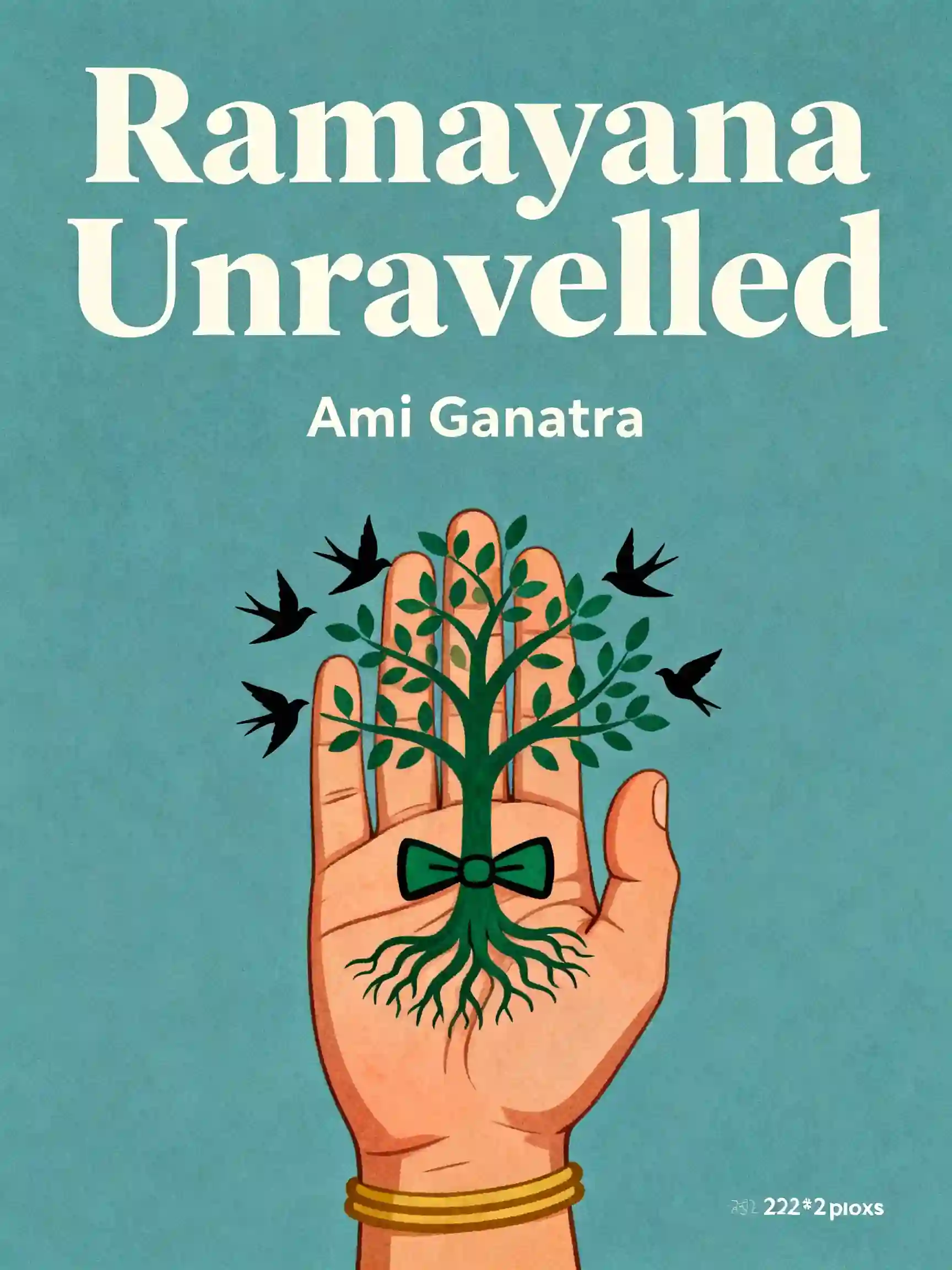
Discover the vast diversity of Indian literature spanning thousands of years and dozens of languages, from ancient Sanskrit epics to contemporary voices that reach far beyond what's typically translated into English.

Indian literature is one of the oldest and most diverse literary traditions in the world, spanning thousands of years and dozens of languages. It has always been about the big questions that don't have expiration dates—how do we live meaningful lives and find the universal in the particular?
Indian literature

由哥伦比亚大学校友创建 | 源自旧金山
平均评分
7,840+ 条 App 评分
BeFreed 社区
说真的,我还没把这个 app 完全摸透,但用了这几天已经被惊艳到了… BeFreed 和我用过的任何学习类 app 都不在一个层级。它让人特别投入,还能实实在在地提升专注力,对刷手机停不下来的人来说太合适了!
@ladyInfinity
我买 BeFreed 正好 23 天,从那以后每天都在用。它已经完全融入了我的日常工作流和学习习惯。
@jayallen
说实话,这个 app 超出了我所有的预期。我可以让它就任何主题生成音频,无论是什么,效果都很惊艳。我的专业领域是心理治疗方向,而且是多学科交叉的,但它给出的内容非常准确。
@Raguipa
我最感激的是它大大减少了我刷手机的时间——花在搜索上的时间少了,吸收信息的时间多了。完整有声书、播客加上学习计划的组合,真的很出色。
@colonyofcreatorsNGO
我做 PhotoReading 快速学习讲师已经 24 年了… 书籍、阅读和学习就是我的本行,而 BeFreed 用一种创新的方式,把知识变得特别容易吸收,做得非常出色。
@BeFreed user
它不只是一个书籍摘要 app。我用过「有趣」这个阅读模式,比传统方式的摘要好得多,理解观点也更容易,光这一点就值回票价。
@austinakon
我爱这个 app。用了几天,完全停不下来。作为开始,再好不过了。
@jcrules328
我真的很喜欢这个产品;已经试用了大概一个月,感觉挖到宝了。它特别好用,因为我可以用 BeFreed 创建自己想学的主题,声音也很棒,旁白选择多到用不完。
@DanielCZ
我特别喜欢它能把有用的信息和想法浓缩成 8-15 分钟的播客式音频。我本来不太爱听播客,因为废话太多,但它把这些全都去掉了。
@BeFreed user
我正在读博士的最后阶段,需要读大量不熟悉的材料… 用 BeFreed,只要输入一个提示,app 就会帮你找到源材料并生成一期音频播客。我觉得 BeFreed 的流程比 NotebookLM 更顺畅。
@Brad
我经常在做早餐、散步、通勤的时候上 YouTube 找点东西听,而 BeFreed 提供了更有针对性的选择,没有广告,也没有废话!
@BeFreed user
这个平台最棒的地方是它的多面性。真的没有任何主题是它讲不了的,你丢给它什么它都能处理… 很少能找到一个毫无限制、又真正兑现承诺的学习工具。
@jayallen
BeFreed 太棒了。界面好用,让我花在找功能上的时间更少,花在学习上的时间更多。有声书、播客和学习计划的组合是天才设计,彻底改变了我的日常。
@BeFreed user
一开始我花了点时间才弄明白怎么生成意大利语的播客,然后就——哇!太棒了!我可以让它讲解任何一个话题,它讲得又好又聪明!
@matteo77
BeFreed 已经成了我每天都用的有声书 app… 我最喜欢的是,把自己的文字放进去,它就能生成随时随地都能听的音频。
@kotanzu1




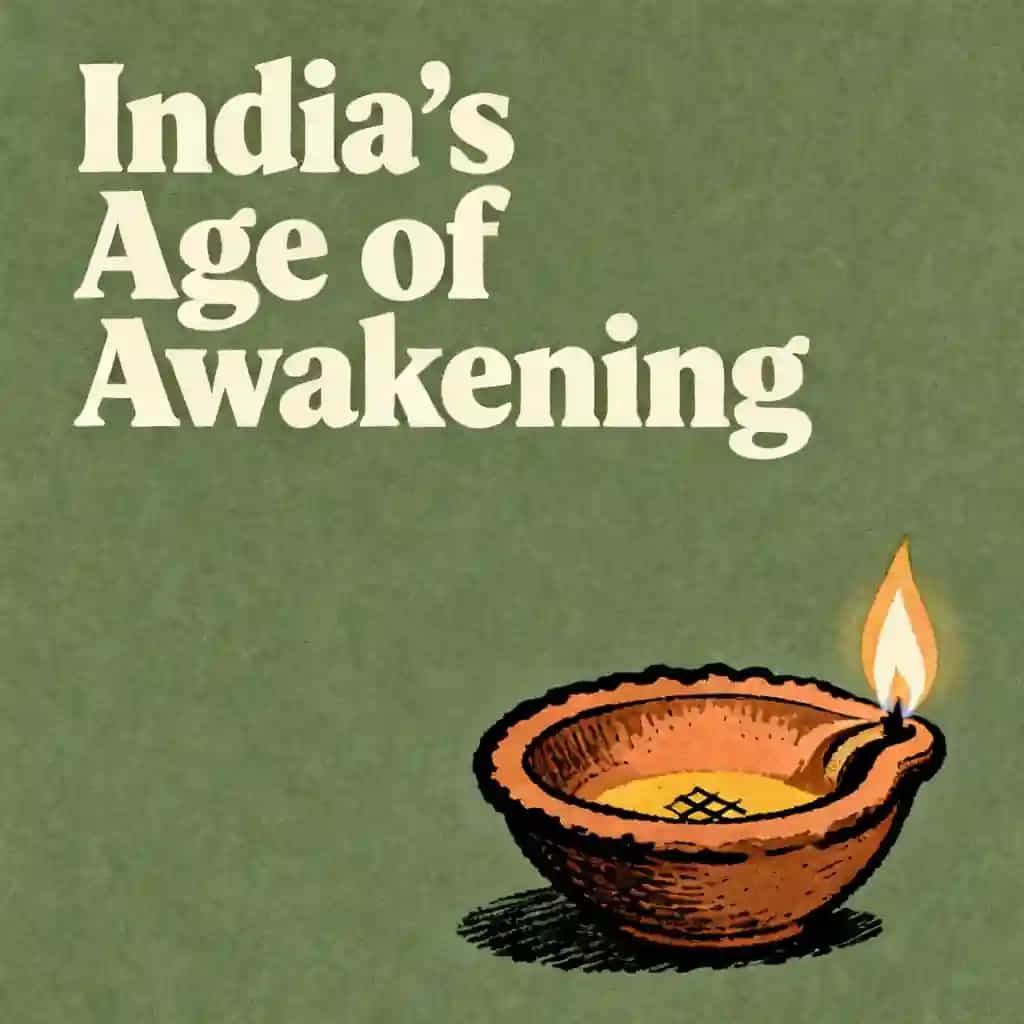
This learning plan provides a comprehensive understanding of India's rich and complex history spanning thousands of years. It's ideal for students, history enthusiasts, and professionals seeking to understand the historical context behind modern India's cultural diversity, political structures, and global significance.

This plan provides a comprehensive roadmap of English literature's evolution, essential for understanding the cultural and linguistic shifts of the Western world. It is ideal for students, aspiring writers, or lifelong learners seeking to master the historical context of classic texts.

This learning plan equips you with the analytical tools and cultural literacy to engage meaningfully with literature across centuries and genres. Whether you're a student seeking academic excellence, a book club enthusiast wanting deeper discussions, or a lifelong learner pursuing intellectual enrichment, this structured approach transforms how you read and understand the written word. You'll develop both the classical foundation and contemporary critical skills essential for thoughtful literary engagement.

This plan provides a comprehensive look at the administrative and social foundations that shaped early India. It is ideal for history enthusiasts and students seeking to understand how economic power and religious shifts influenced imperial stability.

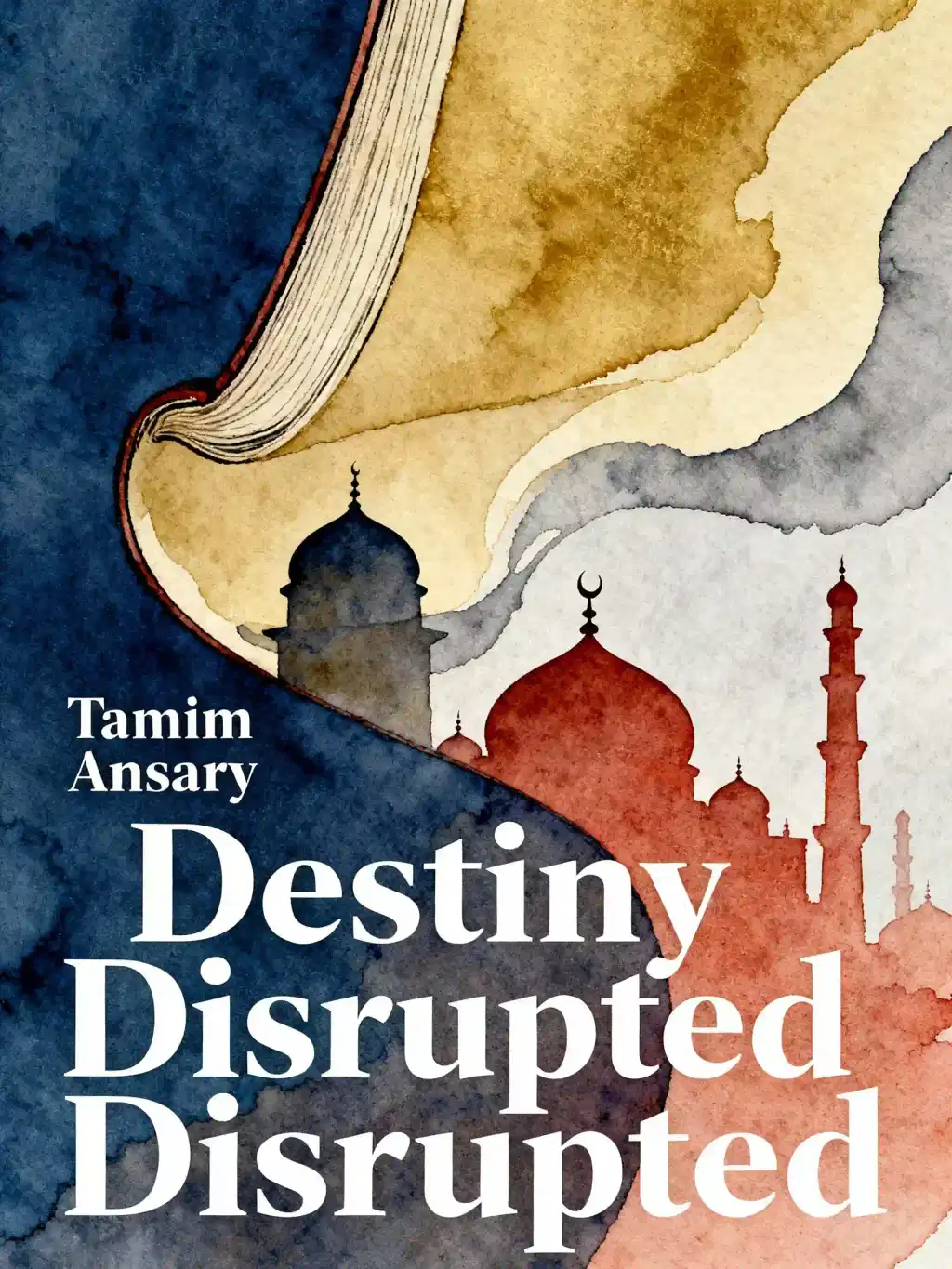
This learning plan provides essential context for understanding modern South Asia by examining the political institutions, economic networks, and intellectual traditions that shaped the subcontinent for over three millennia before colonial disruption. It's ideal for students of history, international relations, South Asian studies, or anyone seeking to understand how pre-colonial India functioned as a major center of global commerce, statecraft, and philosophical innovation.

This learning plan offers a comprehensive overview of how diverse belief systems have shaped human history and modern society. It is ideal for students of sociology, history, or anyone seeking to cultivate deep cross-cultural empathy and religious literacy.

This plan is essential for students and literature enthusiasts who want to move beyond basic comprehension toward sophisticated critique. It is ideal for anyone seeking to master diverse theoretical frameworks and develop a scholarly, unique voice in literary analysis.

This journey is essential for anyone seeking to bridge the gap between ancient wisdom and modern ethical dilemmas. It is particularly beneficial for individuals looking to master their internal fears and find deeper meaning through selfless action and spiritual synthesis.