How to Make People Respect, Follow, and Admire You
Learn how to earn respect, build charisma, and develop leadership qualities. Master interpersonal skills to become a person others naturally admire and follow.

How to Make People Respect, Follow, and Admire You最佳语录
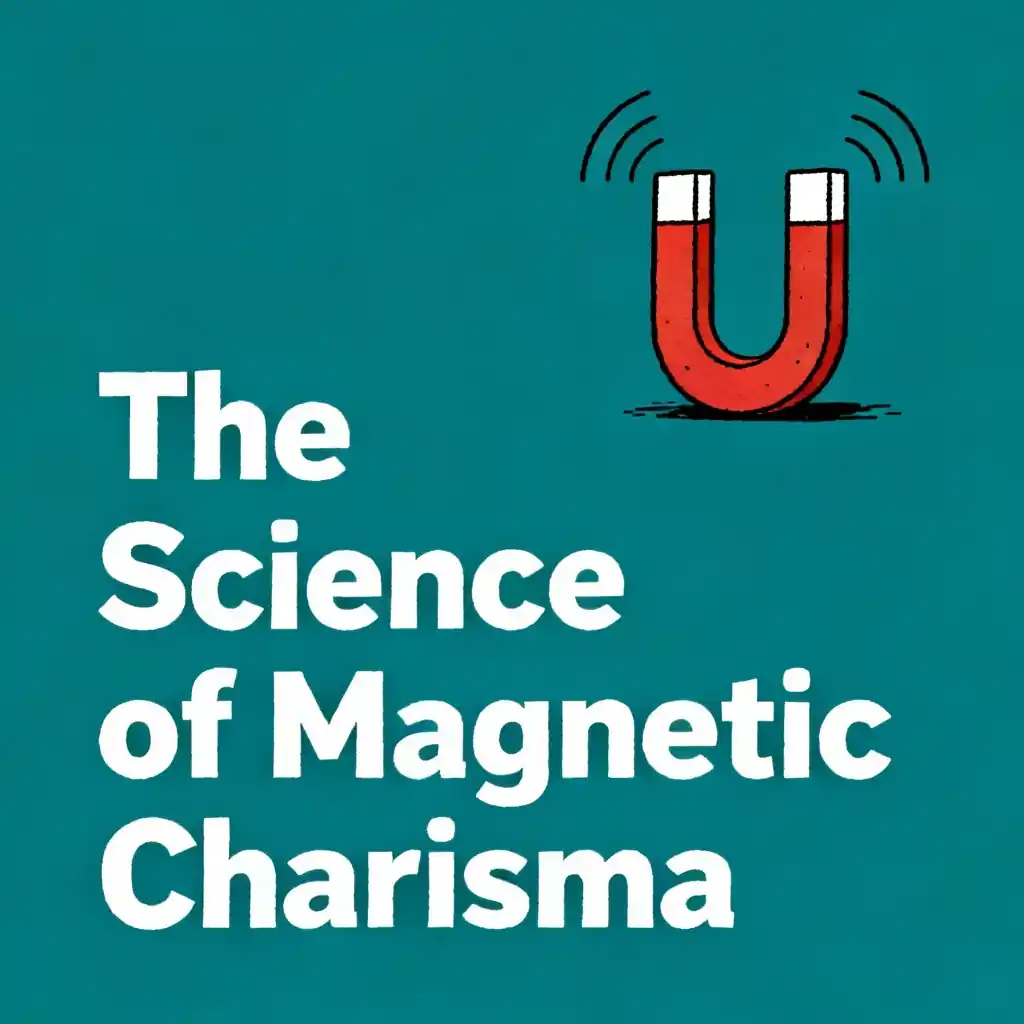
Charisma is not about changing who you are—it’s about adjusting the dials on the three pillars of presence, warmth, and power to match the situation.
Generated by Adrian
How to make people respect, follow and admire you want to be around you

常见问题
Earning respect begins with developing authority through consistent actions and strong interpersonal skills. By demonstrating reliability and integrity, you show others that your word has value. Focus on listening actively and treating everyone with dignity, which establishes a foundation of mutual regard. As you refine these leadership qualities, you will notice a shift in how people perceive your presence and influence in both social and professional settings.
Effective leadership is built on a combination of social influence and genuine charisma. People are naturally drawn to follow those who project confidence while remaining approachable and empathetic. By building charisma, you create an environment where others feel inspired and motivated by your vision. Developing these traits involves mastering your communication style and showing a commitment to the growth and well-being of those around you, making you a natural leader.
Building charisma is about enhancing your social influence and making others feel valued in your presence. To be admired, focus on developing your interpersonal skills, such as maintaining eye contact, practicing active listening, and expressing sincere appreciation for others. When you combine these habits with a positive attitude, you create a magnetic personality that people want to be around. This process of self-improvement helps you naturally attract followers and earn lasting admiration.
Yes, strong interpersonal skills are essential for developing authority without relying on force or titles. Authority is often granted by others based on how you handle social interactions and resolve conflicts. By mastering the art of communication and emotional intelligence, you build a reputation for being fair and competent. This organic growth in social influence ensures that your authority is respected and that people are more willing to follow your lead voluntarily.
"Instead of endless scrolling, I just hit play on BeFreed. It saves me so much time."


"I never knew where to start with nonfiction—BeFreed’s book lists turned into podcasts gave me a clear path."


"Perfect balance between learning and entertainment. Finished ‘Thinking, Fast and Slow’ on my commute this week."
"Crazy how much I learned while walking the dog. BeFreed = small habits → big gains."
"Reading used to feel like a chore. Now it’s just part of my lifestyle."

"Feels effortless compared to reading. I’ve finished 6 books this month already."
"BeFreed turned my guilty doomscrolling into something that feels productive and inspiring."

"BeFreed turned my commute into learning time. 20-min podcasts are perfect for finishing books I never had time for."
"BeFreed replaced my podcast queue. Imagine Spotify for books — that’s it. 🙌"

"It is great for me to learn something from the book without reading it."
"The themed book list podcasts help me connect ideas across authors—like a guided audio journey."
"Makes me feel smarter every time before going to work"
"Instead of endless scrolling, I just hit play on BeFreed. It saves me so much time."
"I never knew where to start with nonfiction—BeFreed’s book lists turned into podcasts gave me a clear path."
"Perfect balance between learning and entertainment. Finished ‘Thinking, Fast and Slow’ on my commute this week."
"Crazy how much I learned while walking the dog. BeFreed = small habits → big gains."
"Reading used to feel like a chore. Now it’s just part of my lifestyle."
"Feels effortless compared to reading. I’ve finished 6 books this month already."
"BeFreed turned my guilty doomscrolling into something that feels productive and inspiring."
"BeFreed turned my commute into learning time. 20-min podcasts are perfect for finishing books I never had time for."
"BeFreed replaced my podcast queue. Imagine Spotify for books — that’s it. 🙌"
"It is great for me to learn something from the book without reading it."
"The themed book list podcasts help me connect ideas across authors—like a guided audio journey."
"Makes me feel smarter every time before going to work"
"Instead of endless scrolling, I just hit play on BeFreed. It saves me so much time."
"I never knew where to start with nonfiction—BeFreed’s book lists turned into podcasts gave me a clear path."
"Perfect balance between learning and entertainment. Finished ‘Thinking, Fast and Slow’ on my commute this week."
"Crazy how much I learned while walking the dog. BeFreed = small habits → big gains."
"Reading used to feel like a chore. Now it’s just part of my lifestyle."
"Feels effortless compared to reading. I’ve finished 6 books this month already."
"BeFreed turned my guilty doomscrolling into something that feels productive and inspiring."
"BeFreed turned my commute into learning time. 20-min podcasts are perfect for finishing books I never had time for."
"BeFreed replaced my podcast queue. Imagine Spotify for books — that’s it. 🙌"
"It is great for me to learn something from the book without reading it."
"The themed book list podcasts help me connect ideas across authors—like a guided audio journey."
"Makes me feel smarter every time before going to work"
"Instead of endless scrolling, I just hit play on BeFreed. It saves me so much time."
"I never knew where to start with nonfiction—BeFreed’s book lists turned into podcasts gave me a clear path."
"Perfect balance between learning and entertainment. Finished ‘Thinking, Fast and Slow’ on my commute this week."
"Crazy how much I learned while walking the dog. BeFreed = small habits → big gains."
"Reading used to feel like a chore. Now it’s just part of my lifestyle."
"Feels effortless compared to reading. I’ve finished 6 books this month already."
"BeFreed turned my guilty doomscrolling into something that feels productive and inspiring."
"BeFreed turned my commute into learning time. 20-min podcasts are perfect for finishing books I never had time for."
"BeFreed replaced my podcast queue. Imagine Spotify for books — that’s it. 🙌"
"It is great for me to learn something from the book without reading it."
"The themed book list podcasts help me connect ideas across authors—like a guided audio journey."
"Makes me feel smarter every time before going to work"