BeFreed
    Categories>Fiction>Homer’s Iliad: The Wrath of Achilles and the Trojan War

    Homer’s Iliad: The Wrath of Achilles and the Trojan War

    17 分钟
    |
    |
    2026年5月14日
    FictionPhilosophy & SpiritualityHistory & Society

    Explore Homer’s Iliad and the wrath of Achilles. Dive into this foundational work of Western literature covering honor, betrayal, and the siege of Troy.

    Homer’s Iliad: The Wrath of Achilles and the Trojan War
    选择讲述方式

    同一期节目,多种聆听方式。

    围绕《Homer’s Iliad: The Wrath of Achilles and the Trojan War》的相同观点,选择适合你的声音、深度和节奏,随时切换。

    逐字稿与章节

    第 1 章

    The Wrath of Achilles and the Echoes of Ancient Bronze

    Imagine you are standing on a dusty, windswept plain in what is now modern-day Turkey—specifically at the archaeological site of Hisarlik—looking out toward the Hellespont . You are surrounded by the ghosts of a conflict that has defined Western literature for nearly three thousand years. This isn't just a story about a wooden horse or a beautiful face; it is a visceral, 15,693-line exploration of what it means to be human in a world governed by indifferent gods and inescapable destiny . Today, we are diving deep into Homer’s Iliad, a work that is often called the first substantial piece of European literature . You might think of it as a dry, ancient text, but it is actually a high-stakes psychological thriller filled with "war and gore, honour and betrayal, pain and pathos" . It matters to you because it tackles questions we still struggle with today: How do we handle our rage? What is the cost of our pride? And how do we find meaning in a life that we know will eventually end?

    The Iliad doesn't cover the whole ten-year Trojan War; instead, it focuses on a mere 52 days during the final year of the siege . It begins with a single word in the original Greek: mēnin, meaning "wrath" or "fury" . This is the engine of the entire poem—the specific, world-shaking anger of the Greek hero Achilles . As we explore this narrative, we’ll see how a personal spat over a war prize between a proud king and a brilliant warrior nearly topples a "combined Greek super army" . We will look at the vivid descriptions of Bronze Age combat—where shields are described with the precision of a craftsman—and the domestic scenes behind the walls of Troy that remind us the "enemy" is just as human as the heroes we follow . So, let’s dive into the world of the "Cloud-Gatherer" Zeus and the "swift-footed" Achilles to see why this ancient song still resonates with such terrifying clarity in our modern world.


    第 2 章

    A Legacy Written in Memory and the Mystery of the Poet

    Before we can understand the blood and sand of the battlefield, we have to talk about the man—or the mystery—behind the words. For centuries, the Greeks simply called him "the poet" . Tradition tells us Homer was a blind bard from Chios or Ionia, but modern scholars are locked in a debate known as the "Homeric Question" . Was Homer a single genius, or is the name a placeholder for a long oral tradition of "singer-poets" who composed these epics on the spot ? Research into the structure of the poem shows it is filled with "formulas"—repeated phrases like "resourceful Odysseus" or "the wine-dark sea"—which served as mental building blocks for bards who had to memorize and perform thousands of lines . These men, known as rhapsodes, would travel to festivals like the Great Panathenaia to chant the story of Troy, keeping the cultural knowledge of the Greeks alive across generations .

    The historicity of the war itself is just as fascinating. For a long time, the Trojan War was dismissed as a mere "fable" or "romance" . But in the 1870s, Heinrich Schliemann began excavating a mound in Anatolia called Hisarlik . He found a city with massive fortification walls that matched Homer’s descriptions of "strong-built Troy" . While the specific characters like Achilles and Hector might be legendary, archaeological evidence—like bronze arrowheads and spear tips embedded in the walls—suggests that some kind of major conflict occurred there around 1250 BCE . Hittite records from that era even mention a city called "Wilusa," which sounds suspiciously like the Greek "Ilios," and a king named "Alaksandu," which is another name for the Trojan prince Paris . Whether the war was fought over a woman or, more likely, over lucrative trade routes, the poem captures a moment when the world of the Bronze Age was beginning to collapse . This blend of historical reality and mythic grandeur is what gives the Iliad its weight—it feels grounded in the earth even as it reaches for the heavens.

    第 3 章

    The Cost of Pride and the Spark of Divine Plague

    The story officially opens not on the battlefield, but in the middle of a screaming match. It’s been nine years of siege, and the Greek army is tired . Agamemnon, the "lord of men" and king of Mycenae, has insulted a priest of Apollo by refusing to return his captured daughter, Chryseis . In retaliation, Apollo rains down a plague on the Greek camp . When the seer Calchas reveals that Agamemnon is the cause of the army’s suffering, the king finally agrees to give the girl back—but only if he can take Achilles’ own war prize, the woman Briseis, as compensation . This is a massive blow to Achilles’ timē, or his "honor and respect" . In the Homeric world, your worth is measured by the prizes you win in battle; to have one taken away is like having your very soul publicly insulted .

    Achilles’ reaction is immediate and devastating. He doesn't just walk away; he "withdraws into a big sulk" and prays to his mother, the sea nymph Thetis, to convince Zeus to let the Greeks be slaughtered by the Trojans . He wants Agamemnon to feel the exact weight of his absence . This is the "Wrath of Achilles" in its purest form—a pride so intense that he is willing to watch his friends die just to prove a point . Here, we see the dark side of the heroic code. Achilles is the "best of the Greeks," a man of "human brilliance," yet his "fragility" lies in his inability to control his ego . Agamemnon, too, is a mirror of these flaws—selfish, tactless, and prone to "folly" . As the Greek ships sit idle and the plague lifts, the stage is set for a tragedy where the gods are the spectators and human lives are the currency. It’s a reminder that often, the greatest threats to a society don't come from the enemy outside the walls, but from the internal fractures caused by those in power.

    第 4 章

    The Battlefield of the Gods and the Illusion of Choice

    As the fighting resumes without Achilles, we get a front-row seat to the sheer, visceral reality of ancient warfare. Homer describes the "war and gore" with a clinical, almost poetic detachment . We see spears driving "clean through the shoulder" and warriors falling like "poppies in a garden" . But the humans aren't the only ones fighting. The Olympian gods are deeply, messily involved. They are "immune from the horrors" but they squabble like children, picking favorites and directly intervening on the plain . Athena and Hera are hell-bent on Troy’s destruction because of an old beauty contest—the Judgment of Paris—where the Trojan prince chose Aphrodite over them . Meanwhile, Apollo and Ares back the Trojans, frequently whisking heroes away in clouds of mist just as a fatal blow is about to land .
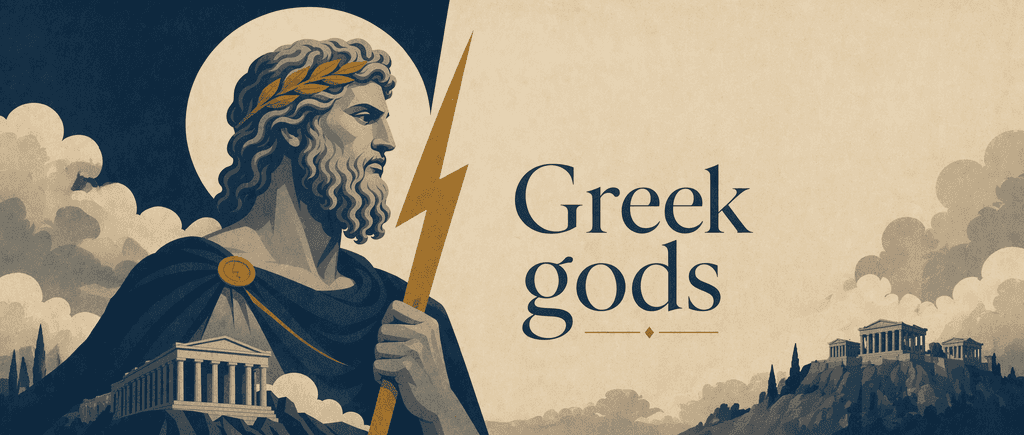
    This divine meddling brings up one of the poem’s most profound themes: the role of Fate, or kēr . The characters constantly talk about how "no one alive has ever escaped" their destiny . Even Zeus, the king of the gods, is seen weighing the "golden scales of Fate" to decide who lives and who dies . There is a haunting moment in Book 16 when Zeus’ own son, Sarpedon, is fated to die at the hands of Patroclus . Zeus contemplates saving him, but Hera warns him that if he breaks the rules of Fate, all the other gods will do the same, leading to cosmic chaos . Zeus, the most powerful being in the universe, has to bow his head and let his son be killed . This creates a world where humans are "like leaves"—flourishing for a moment in a "blaze of glory" before fading lifelessly into the earth . It raises the question: if our end is already written, how we choose to face it becomes the only true measure of our character. For the heroes of the Iliad, the answer is kleos—the "everlasting glory" that can only be won by performing great deeds in the face of certain death .

    第 5 章

    Foils of Honor and the Domestic Heart of Troy

    While Achilles remains in his tent, the focus shifts to his greatest rival: Hector, the prince of Troy . If Achilles is a "wildly passionate and impulsive" archetype of individual brilliance, Hector is his "noble and mature" foil . Hector is perhaps the most sympathetic character in the entire epic . He isn't fighting for a stolen girl or personal treasure; he is fighting because he is "honor-bound to his homeland" and desperate to protect his wife, Andromache, and their infant son . In Book 6, there is a heart-wrenching scene where Hector returns to the city to ask the women to pray to the gods . He meets Andromache on the walls, and she begs him not to go back to the front lines, fearing she will be made a widow and their son an orphan . Hector knows she is likely right—he even tells her that he knows "strong-built Troy" is fated to fall—but his sense of duty and his desire for kleos compel him to keep fighting .

    This scene humanizes the "enemy" in a way that was revolutionary for its time. Homer doesn't portray the Trojans as monsters; he shows them as a family-oriented society with the same fears and loves as the Greeks . We see the contrast between Hector and his brother Paris, who is "self-centered and unmanly," preferring to stay in the bedroom with Helen while other men die for his mistakes . The poem even gives us a glimpse of the "social and domestic side" of ancient culture, reminding us that war isn't just about the men on the field, but about the women who will become "slaves and concubines" once the walls are breached . When Hector reaches out to hug his son, the baby screams because he is terrified of the horsehair plume on his father’s gleaming helmet . It is a tiny, tender moment of "humanity in war," a brief oasis before the narrative plunges back into the "pitiless desert" of the battlefield . It forces the listener to realize that every life snuffed out by a spear was a life with a story, a family, and a future that Fate has decided to erase.

    第 6 章

    The Turning Tide and the Sacrifice of a Friend

    As the battle rages on, the Greeks find themselves in a desperate position. Hector is "magnificent," leading the Trojans to breach the Greek wall and reach the very ships that are their only way home . Agamemnon, realizing his mistake, sends an embassy to Achilles—including the "smooth talker" Odysseus—offering a "mass of treasure" and the return of Briseis if he will come back . But Achilles’ pride has curdled into something darker. He refuses, losing the "moral high ground" and declaring that he would rather sail home than fight for a king who disrespected him . This stubbornness leads to a pivotal moment. Patroclus, Achilles’ "favorite companion" and closest friend, cannot stand to watch the Greeks be slaughtered . He begs Achilles to let him go into battle wearing Achilles’ own armor, hoping the Trojans will mistake him for the great hero and retreat in terror .

    Achilles relents but gives Patroclus a "stern warning": push the Trojans back from the ships, but do not pursue them to the walls of the city . Patroclus, fueled by a "thirst for glory," ignores this advice . He is "like a god" on the battlefield, killing Sarpedon and driving the Trojans back to the gates of Troy . But his success is his undoing. Apollo intervenes, striking the armor from Patroclus’ body and leaving him vulnerable . Hector finds him and delivers the fatal spear thrust . As Patroclus dies, he prophesies that Hector’s own death is "standing beside him" . The death of Patroclus changes everything. It is the "key book" of the epic because it transforms Achilles’ rage from a "sulking pride" into a "bloodthirsty vengeance" . Achilles realizes that his own inaction led to the death of the person he loved most. The "Wrath of Achilles" is no longer about a girl or a king; it is now an all-consuming fire that will not stop until Hector is dead and Troy is in ashes.

    第 7 章

    The Shield of the World and the Rebirth of a Warrior

    When Achilles hears of Patroclus’ death, his grief is so loud that his mother hears him from the "bottom of the ocean" . He is "predictably livid" and swears to kill Hector, even though he knows that doing so will seal his own fated death . But there’s a problem: Hector has stripped Achilles’ armor from Patroclus’ body . To return to the fight, Achilles needs new gear. His mother goes to Hephaestus, the "master craftsman god," who fashions a set of armor that is more than just protection—it is a "magnificently wrought" cosmic map . The Shield of Achilles is described in incredible detail over many lines, featuring scenes of weddings, harvests, battles, and legal disputes . In the center are the stars, a "profound image" that reminds the reader that while these heroes are fighting for immortality, they are tiny specks in a vast, indifferent universe .

    Equipped with this divine armor, Achilles returns to the field, and the "gods take sides" in an all-out war . Achilles is no longer a man; he is a force of nature, "frequently compared to a fire raging in some mountain glen" . He slaughters so many Trojans that he "clogs the river Scamander with bodies," leading the river god himself to rise up and attack him . This "uncontrolled anger" destroys the "orderly social relationships" of the world . Achilles is so consumed by his "bloodlust" that he refuses to eat, ignores the gifts Agamemnon has finally returned, and even his horse, Xanthos, speaks to tell him his death is near . He is "hard as iron," a warrior who has abandoned his humanity to become an instrument of Fate . The tension builds to the moment when Hector, despite the pleas of his parents, stands alone outside the gates of Troy to face the man who has become death itself .

    第 8 章

    The Tragedy of Hector and the Fragility of Victory

    The climax of the poem is the one-on-one duel between Hector and Achilles . It is a moment of raw, "terrifying reality" . As Achilles approaches in his "gleaming armor," Hector’s courage finally fails him, and he flees, leading to a desperate chase around the city of Troy three times . Finally, Athena tricks Hector into stopping, and he turns to face his fate . Achilles "sends him to Hades with a single spear strike to the throat" . But the death of the hero isn't enough for Achilles. In a "shocking" display of hybris, or "excessive pride and arrogance," he ties Hector’s body to his chariot and drags it through the dust around the city, in full view of Hector’s grieving family on the walls .

    For days, Achilles continues to "dishonour Hector's body," refusing to let the Trojans bury their hero . This is where the poem could have ended—with a brutal, vengeful victory—but Homer gives us one final, transformative movement. The gods are "dismayed" by Achilles’ behavior . King Priam, the aged father of Hector, is led by the god Hermes to sneak into the Greek camp alone . In one of the most moving scenes in all of literature, the old king "clasps Achilles by the knees" and begs for his son’s body . He tells Achilles to "think of your own father," who is also on the "sad threshold of old age" and will soon lose his own son . This appeal to their shared humanity finally breaks through Achilles’ rage . The two men, enemies who have lost everything, "weep together"—Priam for Hector, and Achilles for Patroclus and his own impending death . Achilles releases the body and grants a twelve-day truce so Troy can mourn its prince . The Iliad ends not with the fall of Troy or the death of Achilles, but with the funeral of Hector, the "tamer of horses" . It is a "somber occasion" that emphasizes that in war, even the winners are left with nothing but "misery and sorrow" .

    第 9 章

    Finding Our Own Shield in an Uncertain World

    So, what do we take away from this 8th-century BCE "poem of force"? First, we see that the struggles of Achilles and Hector are our own struggles. The "Wrath of Achilles" is a warning about how our personal pride can blind us to the suffering of those around us, and how "uncontrolled anger" can destroy the very things we are trying to protect . You might reflect on your own life: where is your "rage" coming from, and is it worth the cost of your "ships" ? The Iliad teaches us that while we cannot change our "Fate"—the eventual reality of our mortality—we can choose the "words and deeds" that define us while we are here . We can strive for kleos, through heroic battle .

    Think about that final scene between Priam and Achilles. It suggests that "understanding of true honor" comes from empathy—the ability to see your own grief in the eyes of your enemy . This "oasis of humanity" is what keeps the story from being a mere "catalogue of ships" or a "river of blood" . It’s a call to live life as "honorably as possible" so that we are remembered well, even if our "physical bodies and material creations" eventually crumble into dust like the walls of Troy . As you go about your day, consider the "Shield of the World" you are carrying. What scenes are you "crafting" on it? Is it filled with the "fire of rage" or the "scenes of peace" that Achilles and Priam finally shared ? Thank you for spending this time exploring the "sparkling sea" of Homer’s epic; it’s a journey that reminds us that while we are "like leaves," we are leaves that can sing of glory and find grace in the face of the inevitable.

    Homer’s Iliad: The Wrath of Achilles and the Trojan War最佳语录

    “

    The Iliad is a visceral exploration of what it means to be human in a world governed by indifferent gods and inescapable destiny, reminding us that while we are like leaves, we are leaves that can sing of glory and find grace in the face of the inevitable.

    ”
    W

    Generated by White

    输入问题

    The Illiad by Homer

    主持声音
    Eliplay
    知识来源
    Iliad - World History Encyclopedia
    link
    https://worldhistory.org/iliad/
    The Iliad: Themes | SparkNotes
    link
    https://www.sparknotes.com/lit/iliad/themes/
    Character Analysis in Iliad - Owl Eyes
    link
    https://www.owleyes.org/text/iliad/analysis/character-analysis
    Homeric Question
    link
    https://en.wikipedia.org/wiki/Homeric_question
    Iliad
    link
    https://en.wikipedia.org/wiki/Iliad
    Historicity of the  Iliad
    link
    https://en.wikipedia.org/wiki/Historicity_of_the_Homeric_epics

    常见问题

    Homer’s Iliad is a visceral exploration of the human condition, focusing specifically on the 'wrath' or fury of the Greek hero Achilles. While many associate the story with the entire Trojan War, the poem actually centers on a critical 52-day period during the final year of the ten-year siege. It serves as a high-stakes psychological thriller that examines themes of honor, betrayal, and the consequences of personal rage within the context of ancient Greek warfare.

    The events of the Iliad are set on a windswept plain in modern-day Turkey at the archaeological site of Hisarlik, looking out toward the Hellespont. This setting serves as the backdrop for the legendary conflict between the Greeks and Trojans. By grounding the narrative in this specific geographical location, the poem connects the mythical struggle of heroes like Achilles to a physical landscape that has defined Western literature for nearly three thousand years.

    The Iliad is often cited as the first substantial piece of European literature, consisting of 15,693 lines that tackle timeless questions about life and destiny. It remains relevant today because it explores universal struggles, such as how to handle rage, the true cost of pride, and how to find meaning in a finite life. Rather than being a dry ancient text, it is a complex narrative filled with pain and pathos that continues to influence modern storytelling.

    The poem begins with the Greek word 'mēnin,' which translates to 'wrath' or 'fury.' This word serves as the engine of the entire narrative, specifically referring to the world-shaking anger of Achilles. The story follows the fallout of a personal spat over a war prize, demonstrating how the individual emotions of a powerful warrior can shift the course of the Trojan War and impact the lives of both gods and mortals.

    由哥伦比亚大学校友创建 | 源自旧金山

    BeFreed 汇聚全球求知若渴的学习者

    4.7

    平均评分

    7,840+ 条 App 评分

    BeFreed 社区

    说真的,我还没把这个 app 完全摸透,但用了这几天已经被惊艳到了… BeFreed 和我用过的任何学习类 app 都不在一个层级。它让人特别投入,还能实实在在地提升专注力,对刷手机停不下来的人来说太合适了!

    @ladyInfinity

    我买 BeFreed 正好 23 天,从那以后每天都在用。它已经完全融入了我的日常工作流和学习习惯。

    @jayallen

    说实话,这个 app 超出了我所有的预期。我可以让它就任何主题生成音频,无论是什么,效果都很惊艳。我的专业领域是心理治疗方向,而且是多学科交叉的,但它给出的内容非常准确。

    @Raguipa

    我最感激的是它大大减少了我刷手机的时间——花在搜索上的时间少了,吸收信息的时间多了。完整有声书、播客加上学习计划的组合,真的很出色。

    @colonyofcreatorsNGO

    我做 PhotoReading 快速学习讲师已经 24 年了… 书籍、阅读和学习就是我的本行,而 BeFreed 用一种创新的方式,把知识变得特别容易吸收,做得非常出色。

    @BeFreed user

    它不只是一个书籍摘要 app。我用过「有趣」这个阅读模式,比传统方式的摘要好得多,理解观点也更容易,光这一点就值回票价。

    @austinakon

    我爱这个 app。用了几天,完全停不下来。作为开始,再好不过了。

    @jcrules328

    我真的很喜欢这个产品;已经试用了大概一个月,感觉挖到宝了。它特别好用,因为我可以用 BeFreed 创建自己想学的主题,声音也很棒,旁白选择多到用不完。

    @DanielCZ

    说真的,我还没把这个 app 完全摸透,但用了这几天已经被惊艳到了… BeFreed 和我用过的任何学习类 app 都不在一个层级。它让人特别投入,还能实实在在地提升专注力,对刷手机停不下来的人来说太合适了!

    @ladyInfinity

    我买 BeFreed 正好 23 天,从那以后每天都在用。它已经完全融入了我的日常工作流和学习习惯。

    @jayallen

    说实话,这个 app 超出了我所有的预期。我可以让它就任何主题生成音频,无论是什么,效果都很惊艳。我的专业领域是心理治疗方向,而且是多学科交叉的,但它给出的内容非常准确。

    @Raguipa

    我最感激的是它大大减少了我刷手机的时间——花在搜索上的时间少了,吸收信息的时间多了。完整有声书、播客加上学习计划的组合,真的很出色。

    @colonyofcreatorsNGO

    我做 PhotoReading 快速学习讲师已经 24 年了… 书籍、阅读和学习就是我的本行,而 BeFreed 用一种创新的方式,把知识变得特别容易吸收,做得非常出色。

    @BeFreed user

    它不只是一个书籍摘要 app。我用过「有趣」这个阅读模式,比传统方式的摘要好得多,理解观点也更容易,光这一点就值回票价。

    @austinakon

    我爱这个 app。用了几天,完全停不下来。作为开始,再好不过了。

    @jcrules328

    我真的很喜欢这个产品;已经试用了大概一个月,感觉挖到宝了。它特别好用,因为我可以用 BeFreed 创建自己想学的主题,声音也很棒,旁白选择多到用不完。

    @DanielCZ

    我特别喜欢它能把有用的信息和想法浓缩成 8-15 分钟的播客式音频。我本来不太爱听播客,因为废话太多,但它把这些全都去掉了。

    @BeFreed user

    我正在读博士的最后阶段,需要读大量不熟悉的材料… 用 BeFreed,只要输入一个提示,app 就会帮你找到源材料并生成一期音频播客。我觉得 BeFreed 的流程比 NotebookLM 更顺畅。

    @Brad

    我经常在做早餐、散步、通勤的时候上 YouTube 找点东西听,而 BeFreed 提供了更有针对性的选择,没有广告,也没有废话!

    @BeFreed user

    这个平台最棒的地方是它的多面性。真的没有任何主题是它讲不了的,你丢给它什么它都能处理… 很少能找到一个毫无限制、又真正兑现承诺的学习工具。

    @jayallen

    BeFreed 太棒了。界面好用,让我花在找功能上的时间更少,花在学习上的时间更多。有声书、播客和学习计划的组合是天才设计,彻底改变了我的日常。

    @BeFreed user

    一开始我花了点时间才弄明白怎么生成意大利语的播客,然后就——哇!太棒了!我可以让它讲解任何一个话题,它讲得又好又聪明!

    @matteo77

    BeFreed 已经成了我每天都用的有声书 app… 我最喜欢的是,把自己的文字放进去,它就能生成随时随地都能听的音频。

    @kotanzu1

    我特别喜欢它能把有用的信息和想法浓缩成 8-15 分钟的播客式音频。我本来不太爱听播客,因为废话太多,但它把这些全都去掉了。

    @BeFreed user

    我正在读博士的最后阶段,需要读大量不熟悉的材料… 用 BeFreed,只要输入一个提示,app 就会帮你找到源材料并生成一期音频播客。我觉得 BeFreed 的流程比 NotebookLM 更顺畅。

    @Brad

    我经常在做早餐、散步、通勤的时候上 YouTube 找点东西听,而 BeFreed 提供了更有针对性的选择,没有广告,也没有废话!

    @BeFreed user

    这个平台最棒的地方是它的多面性。真的没有任何主题是它讲不了的,你丢给它什么它都能处理… 很少能找到一个毫无限制、又真正兑现承诺的学习工具。

    @jayallen

    BeFreed 太棒了。界面好用,让我花在找功能上的时间更少,花在学习上的时间更多。有声书、播客和学习计划的组合是天才设计,彻底改变了我的日常。

    @BeFreed user

    一开始我花了点时间才弄明白怎么生成意大利语的播客,然后就——哇!太棒了!我可以让它讲解任何一个话题,它讲得又好又聪明!

    @matteo77

    BeFreed 已经成了我每天都用的有声书 app… 我最喜欢的是,把自己的文字放进去,它就能生成随时随地都能听的音频。

    @kotanzu1

    查看更多网络上关于 BeFreed 的讨论
    开启你的学习之旅,就是现在
    BeFreed 应用
    BeFreed

    个性化学习,无所不能

    DiscordLinkedIn
    精选书籍摘要
    Crucial ConversationsThe Perfect MarriageInto the WildNever Split the DifferenceAttachedGood to GreatSay Nothing
    热门分类
    Self HelpCommunication SkillRelationshipMindfulnessPhilosophyInspirationProductivity
    名人书单
    Elon MuskCharlie KirkBill GatesSteve JobsAndrew HubermanJoe RoganJordan Peterson
    获奖作品
    Pulitzer PrizeNational Book AwardGoodreads Choice AwardsNobel Prize in LiteratureNew York TimesCaldecott MedalNebula Award
    精选主题
    ManagementAmerican HistoryWarTradingStoicismAnxietySex
    年度最佳书籍
    2025 Best Non Fiction Books2024 Best Non Fiction Books2023 Best Non Fiction Books
    精选作者
    Chimamanda Ngozi AdichieGeorge OrwellO. J. SimpsonBarbara O'NeillWinston ChurchillCharlie Kirk
    BeFreed 与其他应用对比
    BeFreed vs. Other Book Summary AppsBeFreed vs. ElevenReaderBeFreed vs. ReadwiseBeFreed vs. Anki
    学习工具
    Knowledge VisualizerAI Podcast Generator
    更多信息
    关于我们arrow
    定价arrow
    常见问题arrow
    博客arrow
    招聘arrow
    合作伙伴arrow
    大使计划arrow
    目录arrow
    BeFreed
    Try now
    © 2026 BeFreed
    使用条款隐私政策
    BeFreed

    个性化学习,无所不能

    DiscordLinkedIn
    精选书籍摘要
    Crucial ConversationsThe Perfect MarriageInto the WildNever Split the DifferenceAttachedGood to GreatSay Nothing
    热门分类
    Self HelpCommunication SkillRelationshipMindfulnessPhilosophyInspirationProductivity
    名人书单
    Elon MuskCharlie KirkBill GatesSteve JobsAndrew HubermanJoe RoganJordan Peterson
    获奖作品
    Pulitzer PrizeNational Book AwardGoodreads Choice AwardsNobel Prize in LiteratureNew York TimesCaldecott MedalNebula Award
    精选主题
    ManagementAmerican HistoryWarTradingStoicismAnxietySex
    年度最佳书籍
    2025 Best Non Fiction Books2024 Best Non Fiction Books2023 Best Non Fiction Books
    学习工具
    Knowledge VisualizerAI Podcast Generator
    精选作者
    Chimamanda Ngozi AdichieGeorge OrwellO. J. SimpsonBarbara O'NeillWinston ChurchillCharlie Kirk
    BeFreed 与其他应用对比
    BeFreed vs. Other Book Summary AppsBeFreed vs. ElevenReaderBeFreed vs. ReadwiseBeFreed vs. Anki
    更多信息
    关于我们arrow
    定价arrow
    常见问题arrow
    博客arrow
    招聘arrow
    合作伙伴arrow
    大使计划arrow
    目录arrow
    BeFreed
    Try now
    © 2026 BeFreed
    使用条款隐私政策

    该学习计划的一部分

    Mythologie grecque antique en français
    学习计划

    Mythologie grecque antique en français

    4 h 23 m•4 集数
    Greek gods
    学习计划

    Greek gods

    4 h 4 m•4 集数

    相似内容

    The Iliad: Fate and the Human Will 书籍封面
    The IliadThemes in The Iliad with examples and analysis - Literary DevicesIliad - World History EncyclopediaThe Iliad: Themes | SparkNotes
    6 sources
    The Iliad: Fate and the Human Will
    Homer’s epic is more than a relic; it’s a raw look at agency. Explore how Achilles’ rage reveals the thin line between glory and self-destruction.
    29 min
    The Iliad 书籍封面
    The Iliad
    Homer
    Epic poem of heroic battles, divine intervention, and human tragedy during the Trojan War's final year.
    37 min
    The Cypria: The Trojan War’s Lost Beginning 书籍封面
    Epic Cycle - The Center for Hellenic StudiesCypria - Livius.orgHesiod, the Homeric Hymns and Homerica/The Cypria - Wikisource, the free online librarySummaries of the Trojan Cycle - Greek Mythology Link
    5 sources
    The Cypria: The Trojan War’s Lost Beginning
    The Iliad only tells a fraction of the story. Discover the divine plan and missing myths that triggered the ancient world's most famous conflict.
    904 min
    The Odyssey 书籍封面
    The Odyssey
    Homer
    Epic tale of Odysseus's perilous journey home, facing mythical creatures and divine challenges in ancient Greece.
    30 min
    The Cypria: The Lost Prequel to Troy 书籍封面
    Stasinus, of Cyprus, poet | Oxford Classical DictionaryCyprias and the CypriaIntroduction: BackgroundCypria (Chapter 16) - The Greek Epic Cycle and its Ancient Reception
    7 sources
    The Cypria: The Lost Prequel to Troy
    The Iliad only tells half the story. Discover the lost epic that explains why the Trojan War began and the mystery of who actually wrote it.
    1286 min
    The Trojan War and the Road to Ithaca 书籍封面
    Interactive Timeline - Greek Epic Literature: The Iliad and The Odyssey - LibGuides at Cossatot Community College of the University of ArkansasTimeline of Odysseus's Adventures in the OdysseyLegend of the Trojan War SummaryThe Odyssey Summary: Book by Book Breakdown | The Ulysses Universe
    4 sources
    The Trojan War and the Road to Ithaca
    From a golden apple to a ten-year voyage, explore the myths of Troy and Odysseus. Rediscover these ancient epics as an immersive bedtime journey.
    1173 min
    The Trojan War and the Odyssey 书籍封面
    Trojan War | Achilles, Helen of Troy, Odyssey, Iliad, Myth ...Trojan WarThe Journey Map: Every Stop on Odysseus's Ten-Year Voyage
    6 sources
    The Trojan War and the Odyssey
    From a golden apple to a ten-year voyage home, explore the chaos of the Trojan War. Discover how a single choice sparked a legend of gods and heroes.
    702 min
    The Odyssey: A Guide to the Man of Twists and Turns 书籍封面
    Complete Guide to Reading the OdysseyThe Odyssey Summary: Book by Book Breakdown | The Ulysses UniverseHow to Read the Odyssey: A Practical GuideComplete Guide to Reading the Odyssey
    6 sources
    The Odyssey: A Guide to the Man of Twists and Turns
    Struggling to navigate Homer’s complex epic? Discover the clever narrative tricks and human flaws that make Odysseus’s journey a timeless masterpiece.
    1056 min

    Recommended Learning Plans

    Homer's World and Legacy
    学习计划

    Homer's World and Legacy

    This plan bridges the gap between ancient history and modern identity, offering a deep dive into one of humanity's most influential stories. It is ideal for literature enthusiasts, history buffs, and anyone seeking to understand the foundational archetypes of Western storytelling.

    1 h 45 m•4 章节
    Gods, Grudges, and Tragic Heroes
    学习计划

    Gods, Grudges, and Tragic Heroes

    This plan is essential for anyone looking to understand the psychological and political depth of Greek mythology beyond simple folklore. It is ideal for students of literature, history, and philosophy who want to see how ancient narratives shaped Western concepts of morality and justice.

    1 h 30 m•3 章节
    Gods, Mortals, and Moral Dilemmas
    学习计划

    Gods, Mortals, and Moral Dilemmas

    This plan offers a deep dive into the foundational narratives of Western civilization, bridging the gap between ancient myth and human psychology. It is ideal for students of literature, history, or ethics who wish to understand how classical tales shape our modern concepts of duty and identity.

    2 h•4 章节
    Icarus and the Architecture of Ambition
    学习计划

    Icarus and the Architecture of Ambition

    This plan bridges classical mythology with psychological and artistic analysis to explore the limits of human ingenuity. It is ideal for students of humanities, psychology, or creative arts seeking to understand the intersection of technical skill and existential tragedy.

    1 h 12 m•3 章节
    Greek gods
    学习计划

    Greek gods

    This course is essential for anyone fascinated by the foundational narratives of Western civilization and human psychology. It is ideal for students of literature, history buffs, and creative storytellers looking to deepen their understanding of archetypal patterns and divine symbolism.

    4 h 4 m•4 章节
    Mythology
    学习计划

    Mythology

    This learning plan offers essential knowledge for anyone seeking to understand the stories that have shaped human civilization and continue to influence modern culture. It's ideal for students of literature, writers, creatives, psychologists, educators, and curious minds who want to decode the powerful patterns underlying both ancient tales and contemporary narratives. By connecting ancient wisdom to modern applications, learners gain tools for deeper cultural literacy, storytelling prowess, and personal insight.

    5 h 19 m•4 章节
    Ancient Blueprints for Modern Heroes
    学习计划

    Ancient Blueprints for Modern Heroes

    This plan bridges the gap between classical literature and modern entertainment, revealing how ancient stories still shape our culture. It is ideal for students of literature, film enthusiasts, and creative writers looking to ground their work in timeless archetypal structures.

    1 h 30 m•3 章节
    Ancient History
    学习计划

    Ancient History

    Ancient history provides crucial context for understanding the foundations of modern society, from our political systems to cultural traditions. This learning plan benefits students, history enthusiasts, and professionals seeking to understand how ancient civilizations continue to influence contemporary global developments and human behavior patterns.

    4 h 38 m•4 章节