说真的,我还没把这个 app 完全摸透,但用了这几天已经被惊艳到了… BeFreed 和我用过的任何学习类 app 都不在一个层级。它让人特别投入,还能实实在在地提升专注力,对刷手机停不下来的人来说太合适了!
@ladyInfinity
Trace the fascinating journey of muscle-building methods from early bodybuilding pioneers to today's evidence-based protocols, revealing how scientific research has transformed our understanding of optimal training for muscle growth.

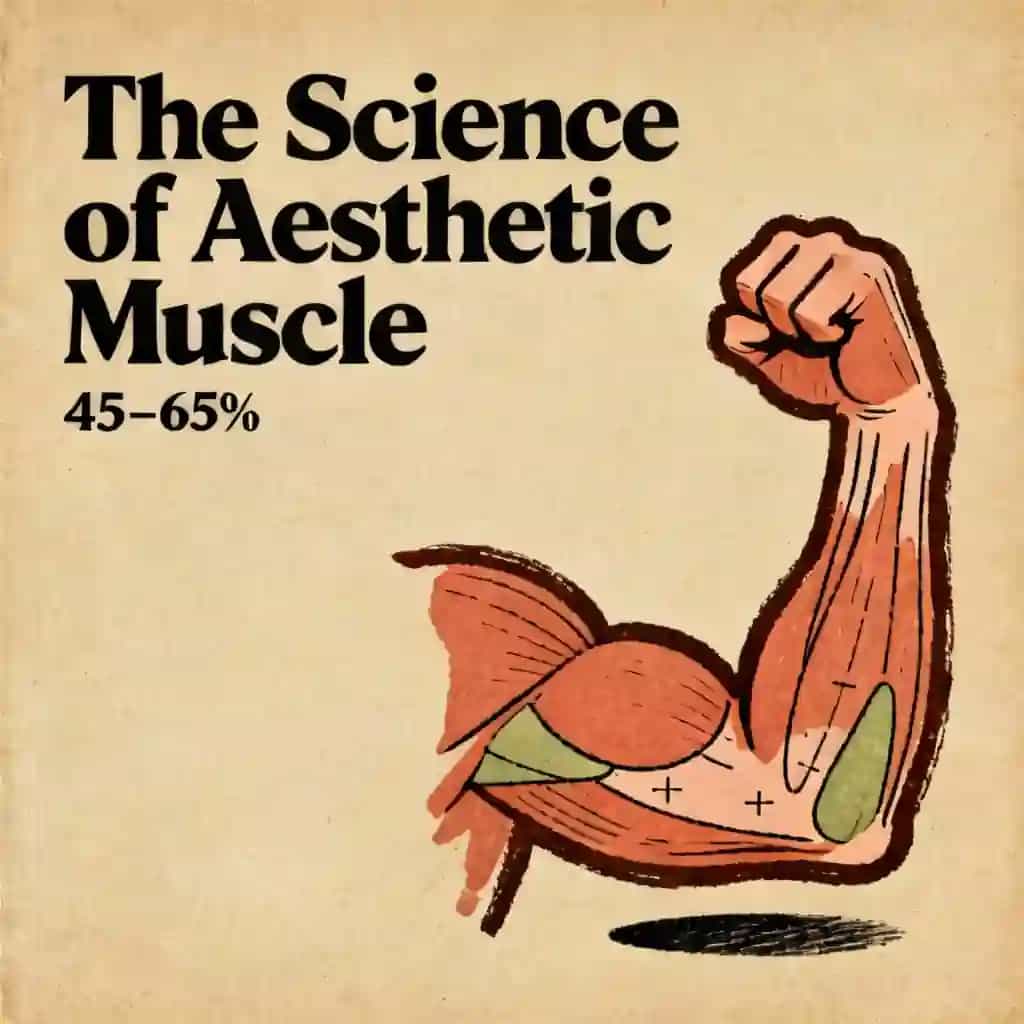
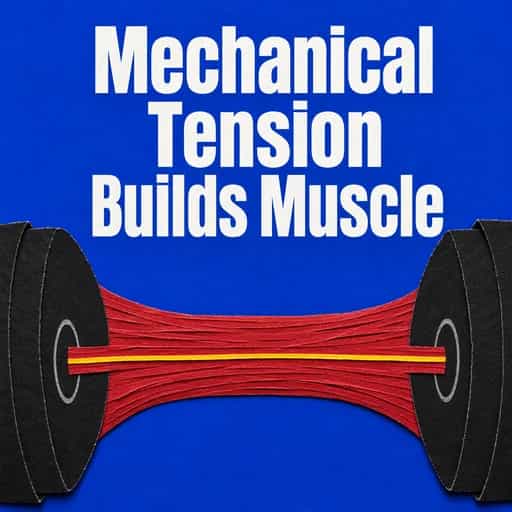
Whether you're doing sets of 5 reps at 85% of your one-rep max or sets of 15 reps at 65%, you can achieve similar hypertrophy as long as you're pushing close to muscular failure. The key is recruiting and fatiguing as many muscle fibers as possible.
Explain the historical evolution of hypertrophy training, from early bodybuilding and high-volume methods to modern evidence-based approaches, and summarize what current research shows is optimal for muscle growth.

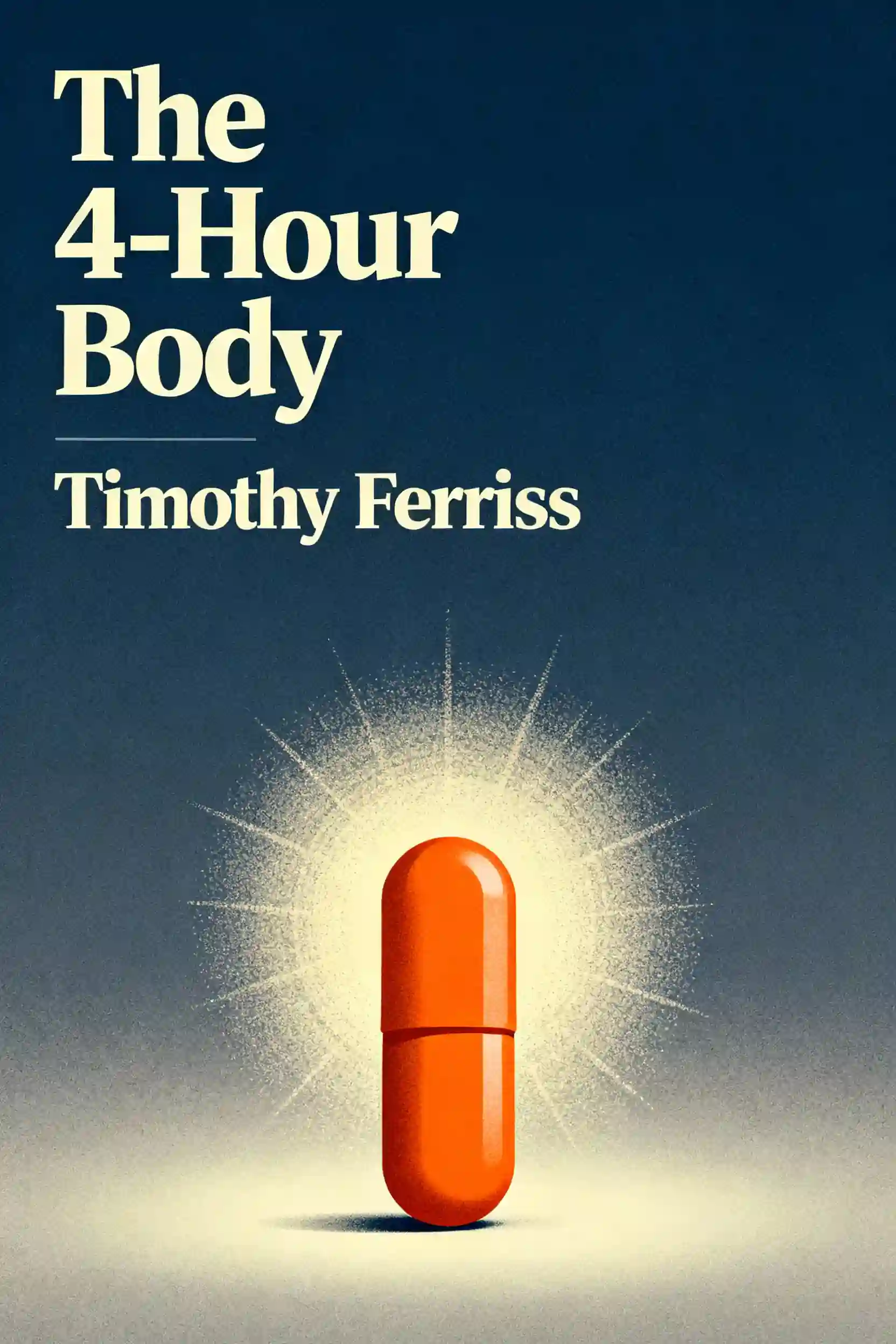
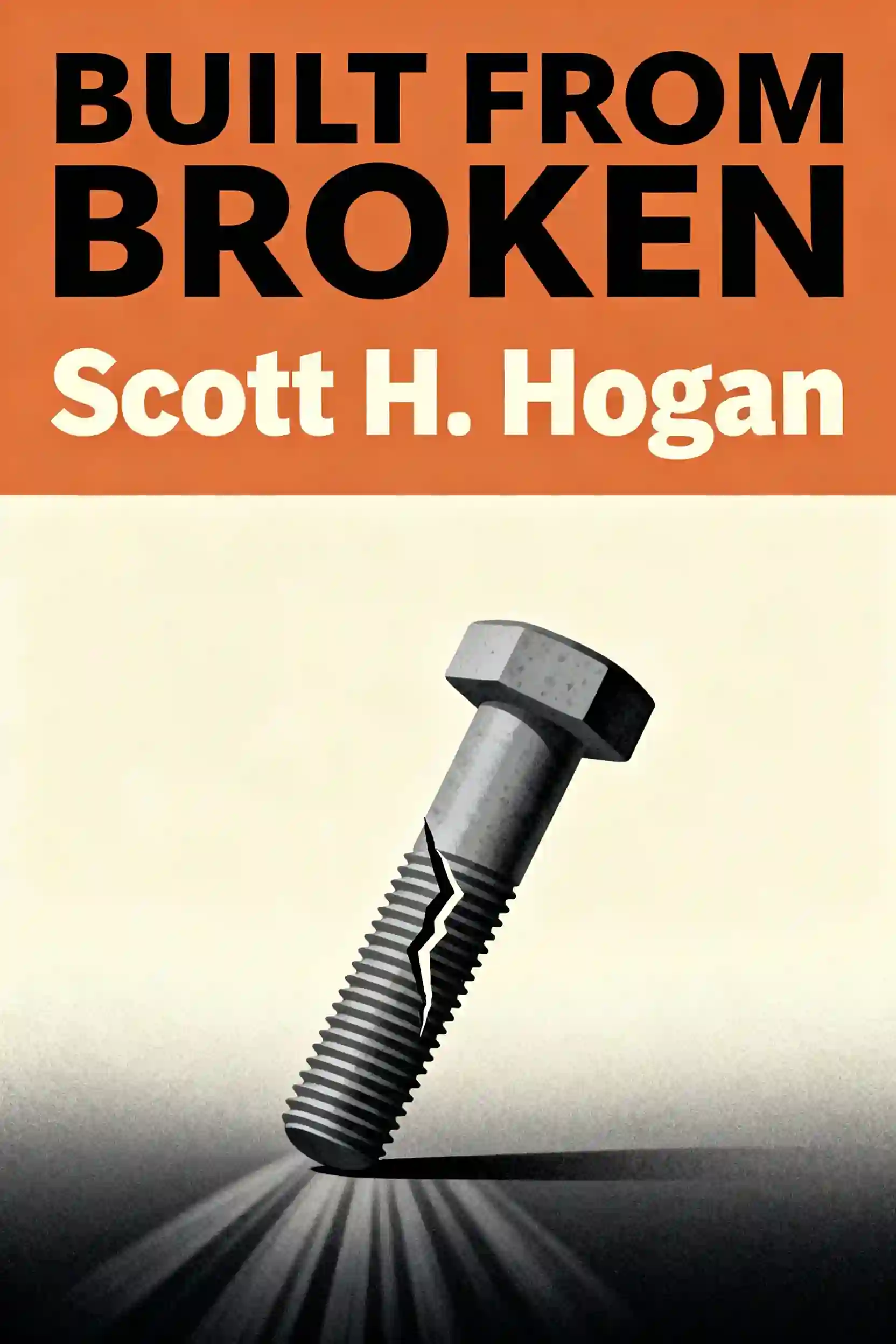
由哥伦比亚大学校友创建 | 源自旧金山
平均评分
7,840+ 条 App 评分
BeFreed 社区
说真的,我还没把这个 app 完全摸透,但用了这几天已经被惊艳到了… BeFreed 和我用过的任何学习类 app 都不在一个层级。它让人特别投入,还能实实在在地提升专注力,对刷手机停不下来的人来说太合适了!
@ladyInfinity
我买 BeFreed 正好 23 天,从那以后每天都在用。它已经完全融入了我的日常工作流和学习习惯。
@jayallen
说实话,这个 app 超出了我所有的预期。我可以让它就任何主题生成音频,无论是什么,效果都很惊艳。我的专业领域是心理治疗方向,而且是多学科交叉的,但它给出的内容非常准确。
@Raguipa
我最感激的是它大大减少了我刷手机的时间——花在搜索上的时间少了,吸收信息的时间多了。完整有声书、播客加上学习计划的组合,真的很出色。
@colonyofcreatorsNGO
我做 PhotoReading 快速学习讲师已经 24 年了… 书籍、阅读和学习就是我的本行,而 BeFreed 用一种创新的方式,把知识变得特别容易吸收,做得非常出色。
@BeFreed user
它不只是一个书籍摘要 app。我用过「有趣」这个阅读模式,比传统方式的摘要好得多,理解观点也更容易,光这一点就值回票价。
@austinakon
我爱这个 app。用了几天,完全停不下来。作为开始,再好不过了。
@jcrules328
我真的很喜欢这个产品;已经试用了大概一个月,感觉挖到宝了。它特别好用,因为我可以用 BeFreed 创建自己想学的主题,声音也很棒,旁白选择多到用不完。
@DanielCZ
我特别喜欢它能把有用的信息和想法浓缩成 8-15 分钟的播客式音频。我本来不太爱听播客,因为废话太多,但它把这些全都去掉了。
@BeFreed user
我正在读博士的最后阶段,需要读大量不熟悉的材料… 用 BeFreed,只要输入一个提示,app 就会帮你找到源材料并生成一期音频播客。我觉得 BeFreed 的流程比 NotebookLM 更顺畅。
@Brad
我经常在做早餐、散步、通勤的时候上 YouTube 找点东西听,而 BeFreed 提供了更有针对性的选择,没有广告,也没有废话!
@BeFreed user
这个平台最棒的地方是它的多面性。真的没有任何主题是它讲不了的,你丢给它什么它都能处理… 很少能找到一个毫无限制、又真正兑现承诺的学习工具。
@jayallen
BeFreed 太棒了。界面好用,让我花在找功能上的时间更少,花在学习上的时间更多。有声书、播客和学习计划的组合是天才设计,彻底改变了我的日常。
@BeFreed user
一开始我花了点时间才弄明白怎么生成意大利语的播客,然后就——哇!太棒了!我可以让它讲解任何一个话题,它讲得又好又聪明!
@matteo77
BeFreed 已经成了我每天都用的有声书 app… 我最喜欢的是,把自己的文字放进去,它就能生成随时随地都能听的音频。
@kotanzu1





This plan is designed for fitness enthusiasts and athletes who want to move beyond generic advice to master the science of hypertrophy. It provides a comprehensive roadmap for anyone seeking to build muscle sustainably while optimizing long-term health and body composition.

This plan is essential for fitness professionals and athletes who want to move beyond guesswork and apply a systematic, evidence-based approach to nutrition. By mastering the hierarchy of nutritional needs, you can stop sweating the small stuff and focus on the variables that actually drive muscle and strength gains.

This plan bridges the gap between intellectual curiosity and physical excellence. It is designed for individuals seeking a comprehensive growth strategy that combines scientific rigor, historical perspective, and peak mental and physical health.

This plan is designed for individuals seeking a science-based approach to physical transformation beyond quick fixes. It provides a comprehensive roadmap for anyone looking to bridge the gap between basic exercise and elite-level health through integrated training, nutrition, and recovery.

This plan bridges the gap between historical medical science and the high-stakes world of sports medicine. It is ideal for aspiring healthcare professionals and athletes who want to understand the clinical logic behind physical performance and injury recovery.

Bodybuilding is as much a mental challenge as a physical one, especially during grueling fat-loss phases. This guide is essential for athletes looking to master cognitive effort management and sustain the intensity needed to reach peak condition without burning out.

This plan is essential for individuals who feel stuck with low muscle mass and stubborn body fat despite being at a normal weight. It provides a science-based roadmap for anyone looking to transition from 'skinny-fat' to a lean, powerful physique through strategic training and nutrition.

This plan is designed for athletes and fitness enthusiasts who want to move as well as they look. By merging structural bodybuilding with advanced bodyweight mastery, it offers a sustainable path to an elite, versatile physique.