From Jim Crow to the New Caste System
Explore the evolution of racial control from historical segregation to modern mass incarceration, revealing how institutionalized exclusion persists under a colorblind facade.
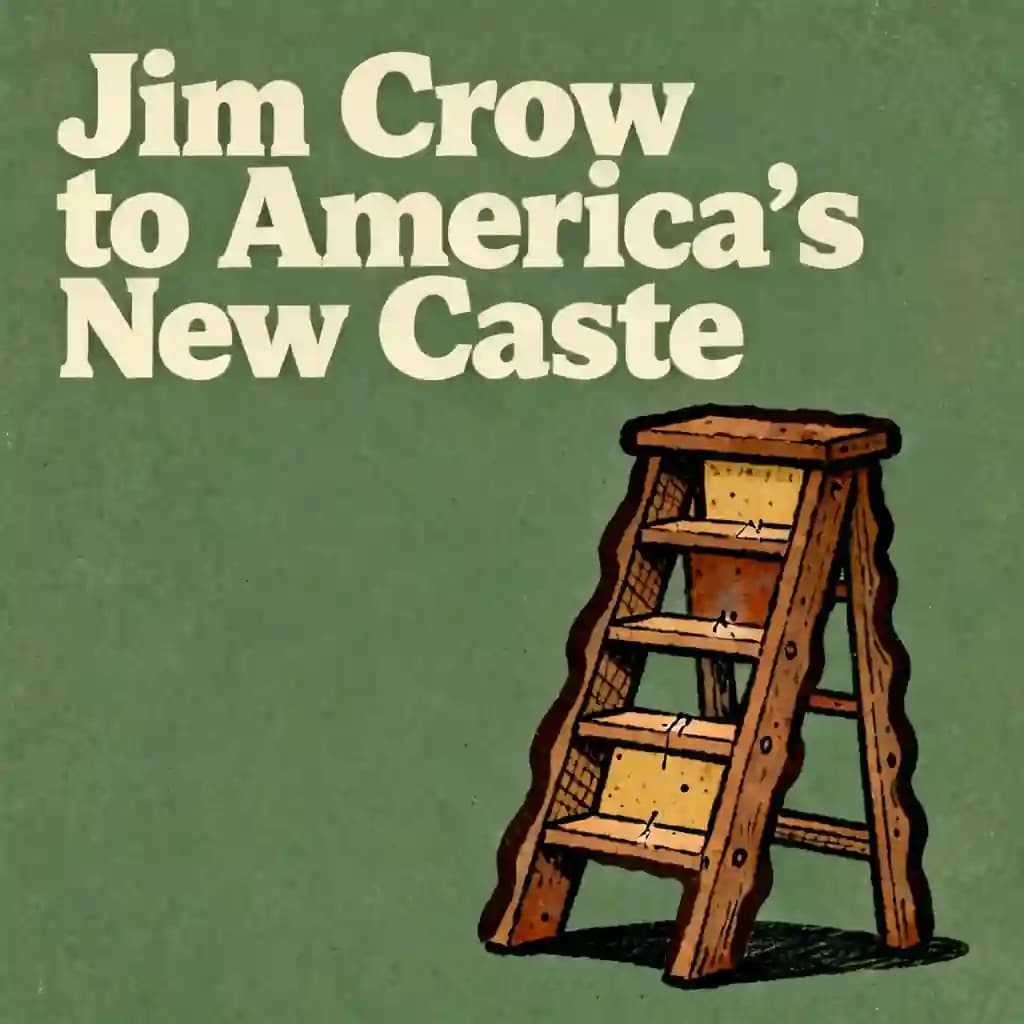
From Jim Crow to the New Caste System最佳语录
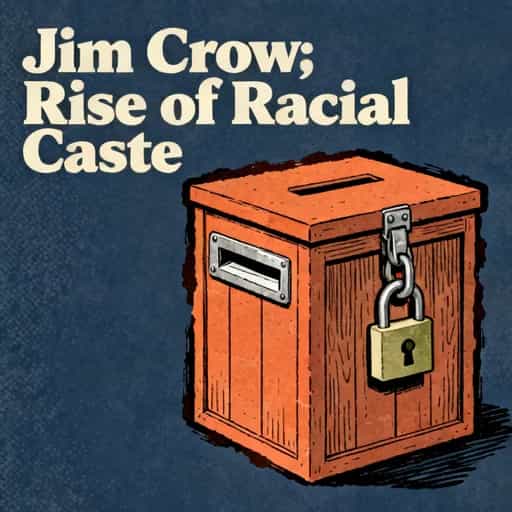
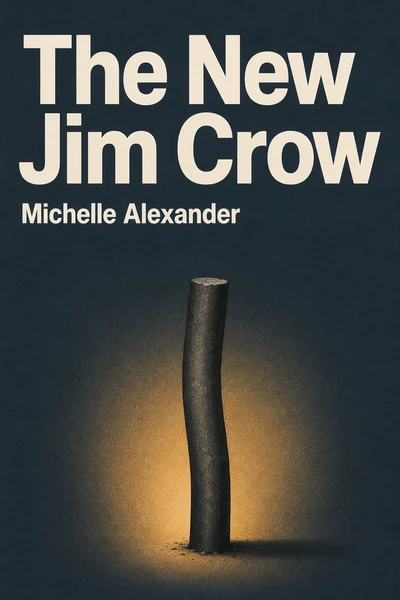
The 'New Jim Crow' label fits because the outcome is the same: a group of people is locked into a permanent subordinate status. It is a modern-day racial caste system that functions without ever needing to mention race, because 'criminal' has become the surrogate for 'Black.'
Generated by Freedee_08C6A32A
Jim Crow laws, red lining, the new Jim Crow

常见问题
The New Jim Crow refers to a modern caste-like system that uses the criminal justice system to disproportionately label Black and Brown people as "felons" to achieve the same exclusionary results as old segregation laws. Because the system uses race-neutral language like "law and order" or "the war on drugs," it maintains a facade of colorblindness. Once a person is labeled a criminal, it becomes perfectly legal to discriminate against them in housing, employment, and voting—rights that were previously defended during the Civil Rights Movement.
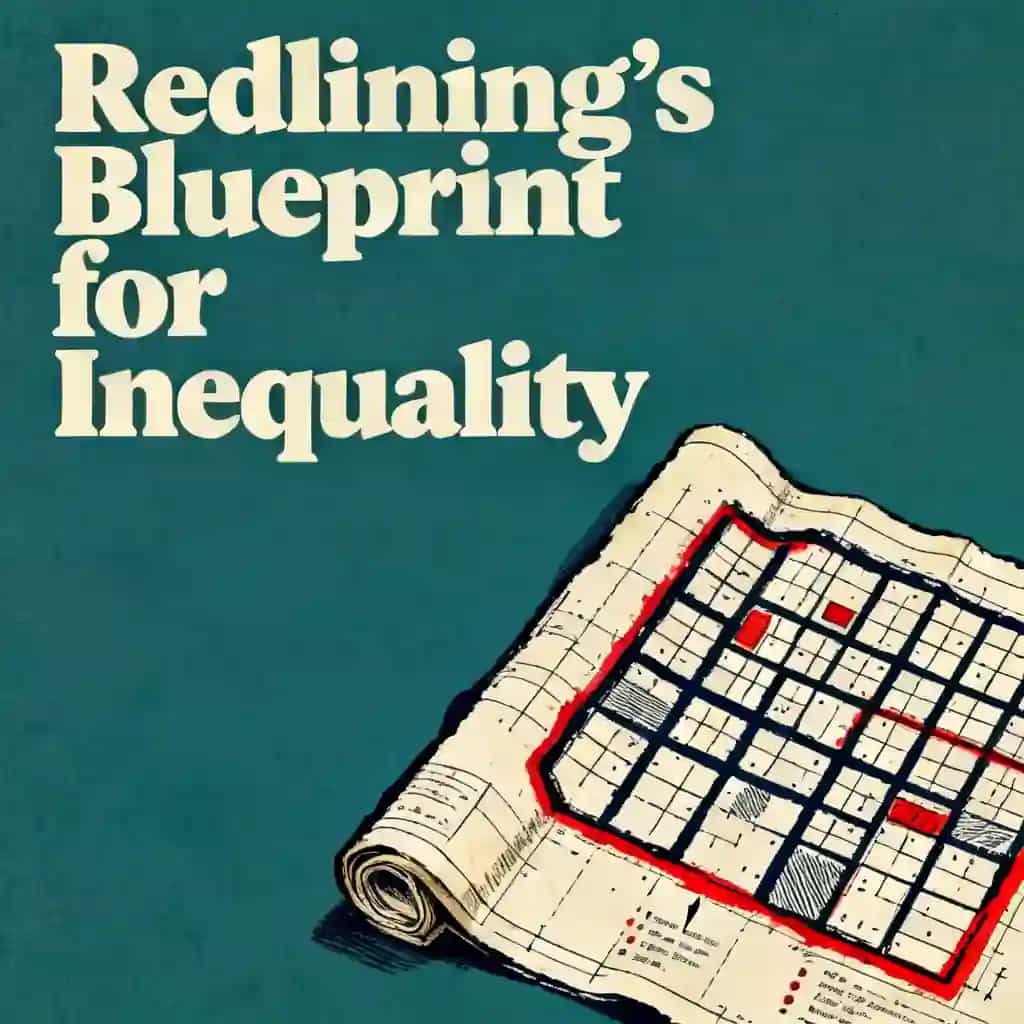
Federal housing policies, such as redlining and the GI Bill, actively built wealth for white families while starving Black neighborhoods of capital. By marking Black neighborhoods as "hazardous" for investment and subsidizing white flight to the suburbs, the government concentrated poverty in urban cores. These disinvested, geographically isolated areas then became targets for intensive "proactive" policing and surveillance. This created a self-fulfilling prophecy where lack of investment led to higher arrest statistics, which were then used to justify further disinvestment and more aggressive policing.
Civil death describes the permanent subordinate status a person enters after being labeled a felon, where they are effectively stripped of the rights of citizenship despite having served their time. This includes being legally barred from public housing, denied student loans, and disqualified from professional licenses for jobs like barbering or plumbing. It also involves the "paywall around the ballot box," where individuals may be unable to vote due to unpaid court fines and fees, creating a modern-day poll tax that prevents them from re-entering society as full citizens.
The War on Drugs was declared in 1982 at a time when drug crime was actually declining. It was a political strategy designed to appeal to racial anxieties and pull working-class voters into a conservative coalition by creating a "folk devil" in the image of the urban drug user. Media campaigns regarding "crack babies" and "super-predators" provided the moral permission for punitive laws, such as the 100-to-1 sentencing disparity between crack and powder cocaine, which surgically targeted Black communities while appearing race-neutral on the surface.
The success of high-profile Black individuals, such as Barack Obama or Oprah Winfrey, is often used as "symbolic progress" to argue that the racial caste system no longer exists. This "racial bribe" allows the broader society to point to a few exceptions as proof of fairness while ignoring the fact that a massive "undercaste" remains trapped in the criminal justice system. By focusing only on the "glass ceiling" for the elite, the systemic "flooding of the basement"—where millions are stripped of basic humanity—goes unaddressed.
"Instead of endless scrolling, I just hit play on BeFreed. It saves me so much time."


"I never knew where to start with nonfiction—BeFreed’s book lists turned into podcasts gave me a clear path."


"Perfect balance between learning and entertainment. Finished ‘Thinking, Fast and Slow’ on my commute this week."
"Crazy how much I learned while walking the dog. BeFreed = small habits → big gains."
"Reading used to feel like a chore. Now it’s just part of my lifestyle."

"Feels effortless compared to reading. I’ve finished 6 books this month already."
"BeFreed turned my guilty doomscrolling into something that feels productive and inspiring."

"BeFreed turned my commute into learning time. 20-min podcasts are perfect for finishing books I never had time for."
"BeFreed replaced my podcast queue. Imagine Spotify for books — that’s it. 🙌"

"It is great for me to learn something from the book without reading it."
"The themed book list podcasts help me connect ideas across authors—like a guided audio journey."
"Makes me feel smarter every time before going to work"
"Instead of endless scrolling, I just hit play on BeFreed. It saves me so much time."
"I never knew where to start with nonfiction—BeFreed’s book lists turned into podcasts gave me a clear path."
"Perfect balance between learning and entertainment. Finished ‘Thinking, Fast and Slow’ on my commute this week."
"Crazy how much I learned while walking the dog. BeFreed = small habits → big gains."
"Reading used to feel like a chore. Now it’s just part of my lifestyle."
"Feels effortless compared to reading. I’ve finished 6 books this month already."
"BeFreed turned my guilty doomscrolling into something that feels productive and inspiring."
"BeFreed turned my commute into learning time. 20-min podcasts are perfect for finishing books I never had time for."
"BeFreed replaced my podcast queue. Imagine Spotify for books — that’s it. 🙌"
"It is great for me to learn something from the book without reading it."
"The themed book list podcasts help me connect ideas across authors—like a guided audio journey."
"Makes me feel smarter every time before going to work"
"Instead of endless scrolling, I just hit play on BeFreed. It saves me so much time."
"I never knew where to start with nonfiction—BeFreed’s book lists turned into podcasts gave me a clear path."
"Perfect balance between learning and entertainment. Finished ‘Thinking, Fast and Slow’ on my commute this week."
"Crazy how much I learned while walking the dog. BeFreed = small habits → big gains."
"Reading used to feel like a chore. Now it’s just part of my lifestyle."
"Feels effortless compared to reading. I’ve finished 6 books this month already."
"BeFreed turned my guilty doomscrolling into something that feels productive and inspiring."
"BeFreed turned my commute into learning time. 20-min podcasts are perfect for finishing books I never had time for."
"BeFreed replaced my podcast queue. Imagine Spotify for books — that’s it. 🙌"
"It is great for me to learn something from the book without reading it."
"The themed book list podcasts help me connect ideas across authors—like a guided audio journey."
"Makes me feel smarter every time before going to work"
"Instead of endless scrolling, I just hit play on BeFreed. It saves me so much time."
"I never knew where to start with nonfiction—BeFreed’s book lists turned into podcasts gave me a clear path."
"Perfect balance between learning and entertainment. Finished ‘Thinking, Fast and Slow’ on my commute this week."
"Crazy how much I learned while walking the dog. BeFreed = small habits → big gains."
"Reading used to feel like a chore. Now it’s just part of my lifestyle."
"Feels effortless compared to reading. I’ve finished 6 books this month already."
"BeFreed turned my guilty doomscrolling into something that feels productive and inspiring."
"BeFreed turned my commute into learning time. 20-min podcasts are perfect for finishing books I never had time for."
"BeFreed replaced my podcast queue. Imagine Spotify for books — that’s it. 🙌"
"It is great for me to learn something from the book without reading it."
"The themed book list podcasts help me connect ideas across authors—like a guided audio journey."
"Makes me feel smarter every time before going to work"