


说真的,我还没把这个 app 完全摸透,但用了这几天已经被惊艳到了… BeFreed 和我用过的任何学习类 app 都不在一个层级。它让人特别投入,还能实实在在地提升专注力,对刷手机停不下来的人来说太合适了!
@ladyInfinity
Discover how design thinking transforms problem-solving across every industry. Learn the methodology behind great design and practical tools to apply these principles in your daily life.

Design thinking isn't about having the right answer—it's about asking better questions. It asks you to sit with uncertainty long enough to really understand what's happening before jumping to solutions.
design

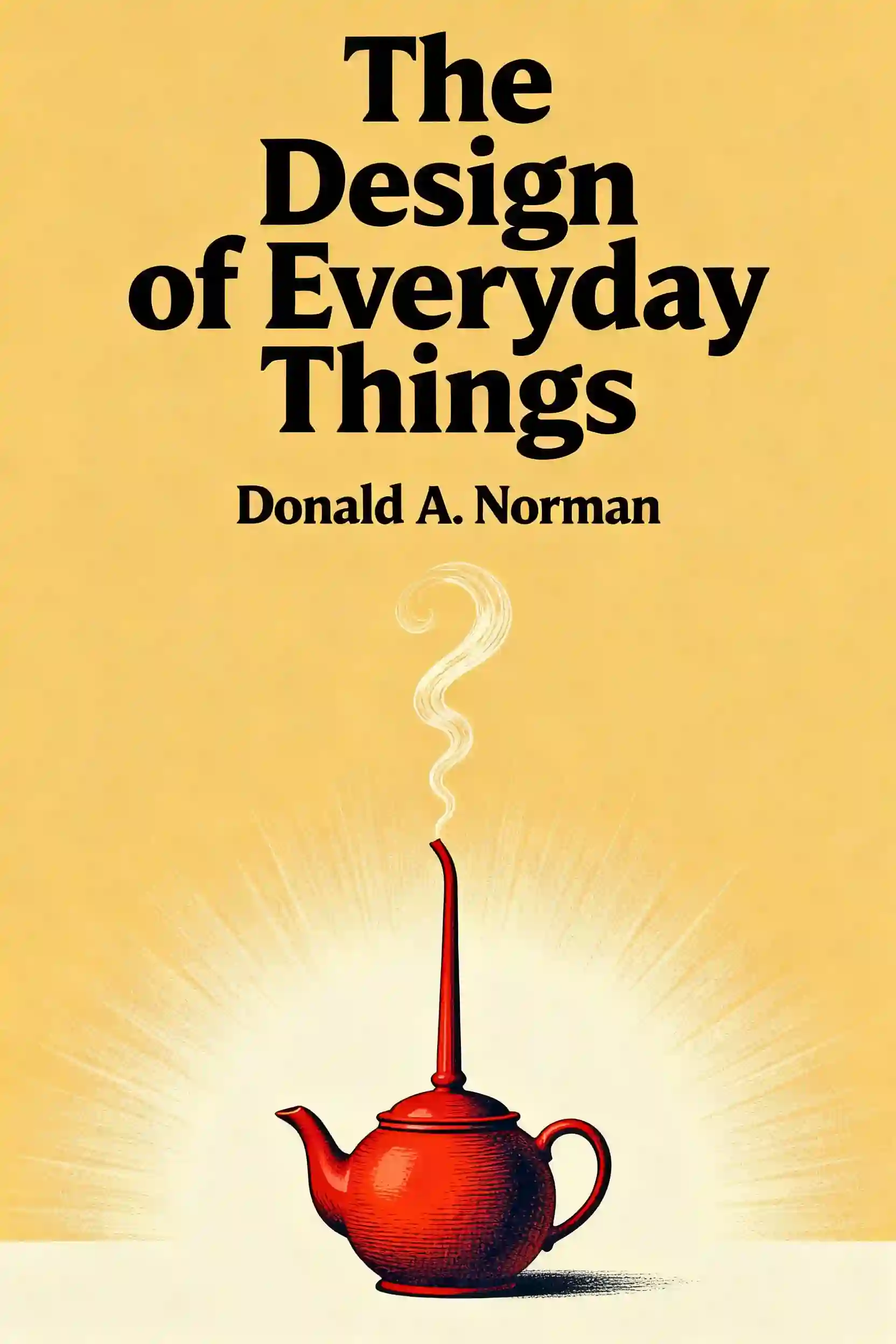
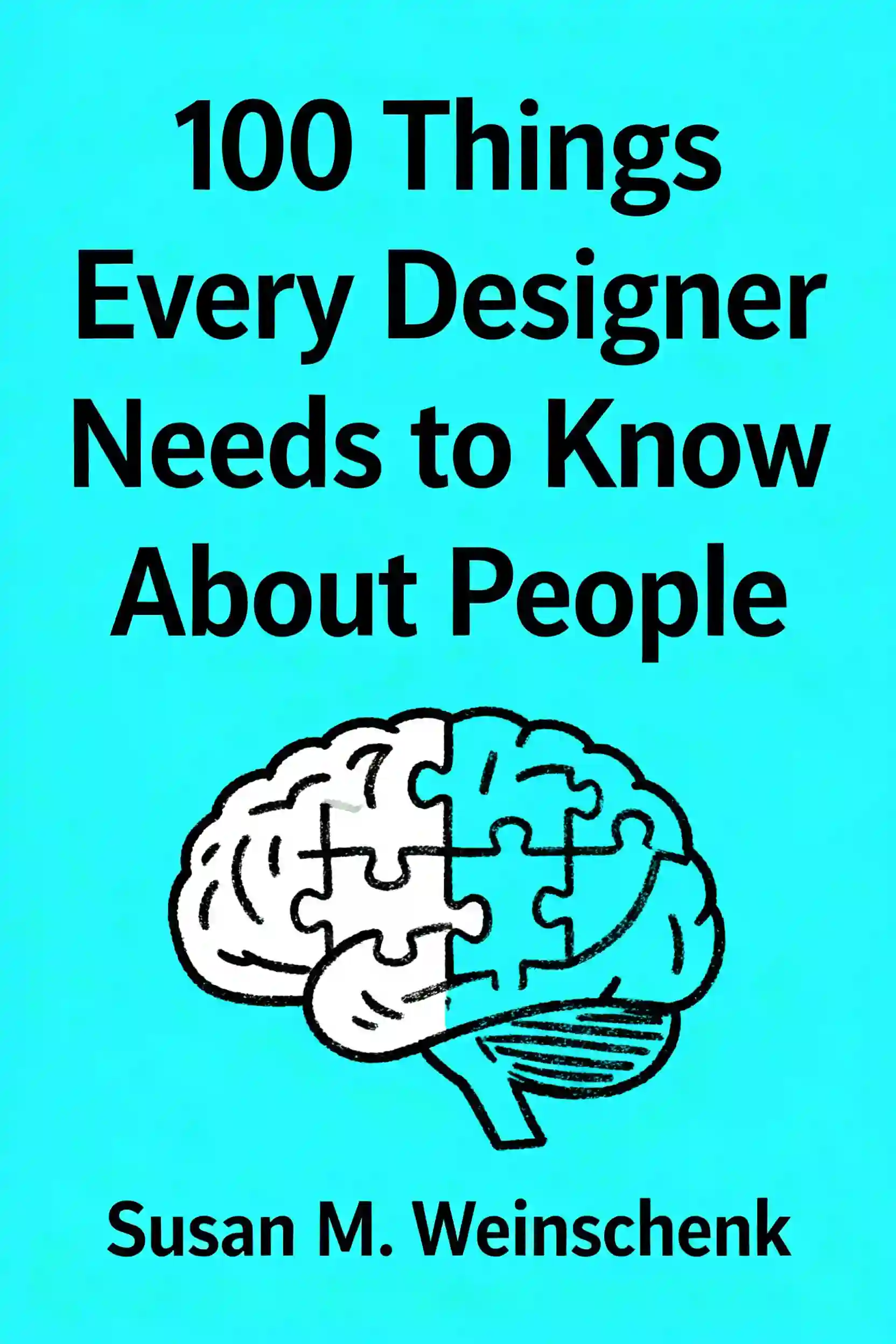

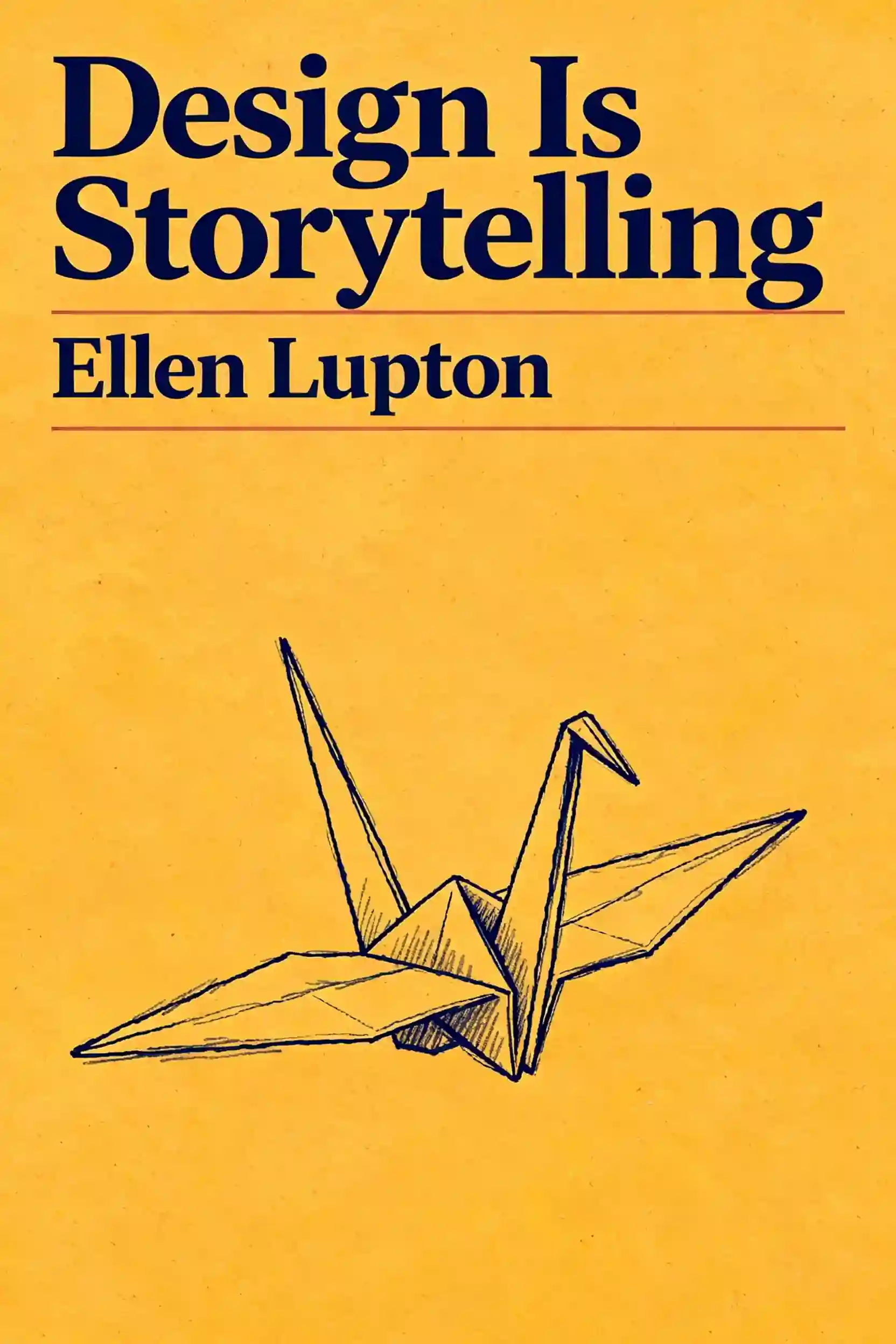

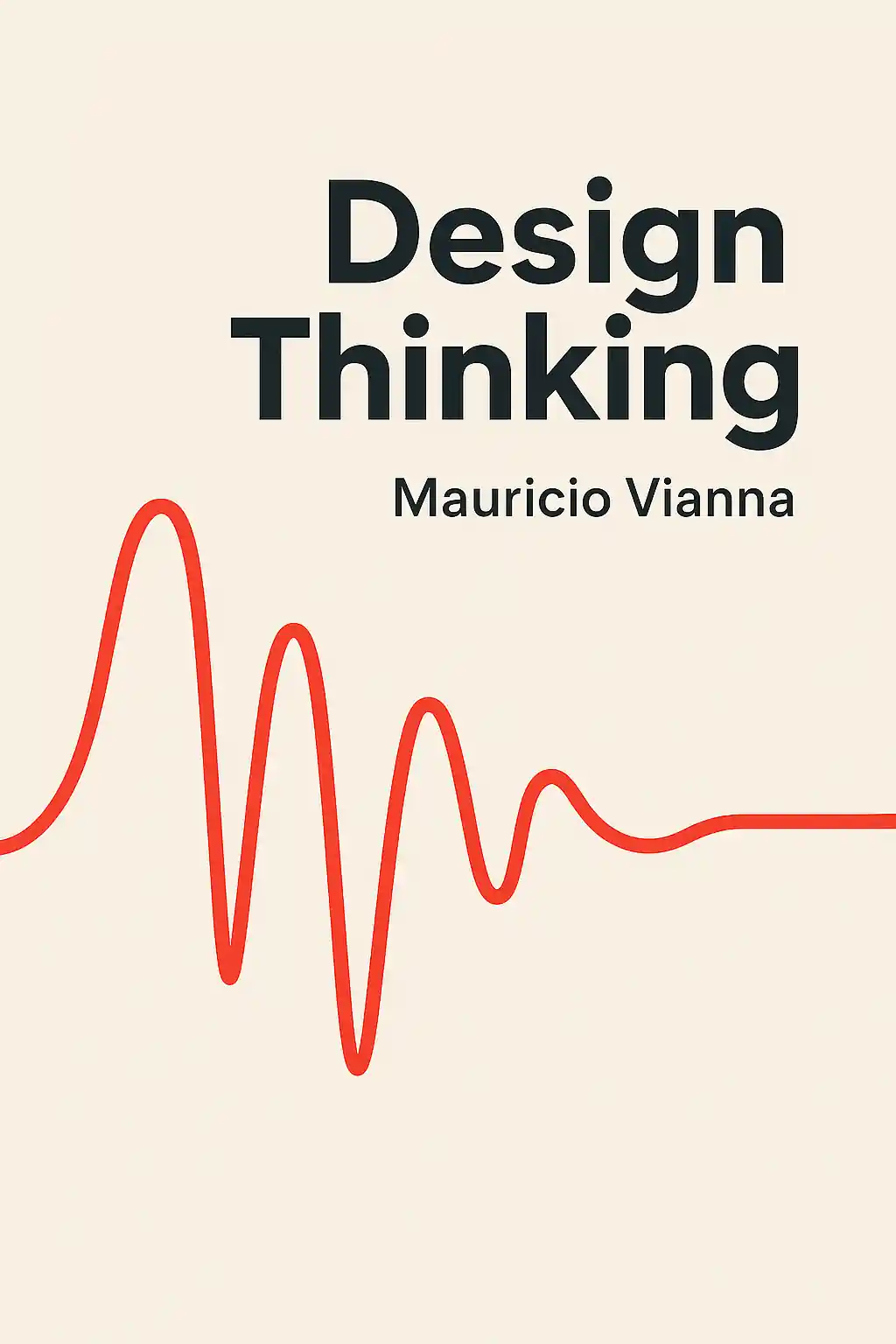
由哥伦比亚大学校友创建 | 源自旧金山
平均评分
7,840+ 条 App 评分
BeFreed 社区
说真的,我还没把这个 app 完全摸透,但用了这几天已经被惊艳到了… BeFreed 和我用过的任何学习类 app 都不在一个层级。它让人特别投入,还能实实在在地提升专注力,对刷手机停不下来的人来说太合适了!
@ladyInfinity
我买 BeFreed 正好 23 天,从那以后每天都在用。它已经完全融入了我的日常工作流和学习习惯。
@jayallen
说实话,这个 app 超出了我所有的预期。我可以让它就任何主题生成音频,无论是什么,效果都很惊艳。我的专业领域是心理治疗方向,而且是多学科交叉的,但它给出的内容非常准确。
@Raguipa
我最感激的是它大大减少了我刷手机的时间——花在搜索上的时间少了,吸收信息的时间多了。完整有声书、播客加上学习计划的组合,真的很出色。
@colonyofcreatorsNGO
我做 PhotoReading 快速学习讲师已经 24 年了… 书籍、阅读和学习就是我的本行,而 BeFreed 用一种创新的方式,把知识变得特别容易吸收,做得非常出色。
@BeFreed user
它不只是一个书籍摘要 app。我用过「有趣」这个阅读模式,比传统方式的摘要好得多,理解观点也更容易,光这一点就值回票价。
@austinakon
我爱这个 app。用了几天,完全停不下来。作为开始,再好不过了。
@jcrules328
我真的很喜欢这个产品;已经试用了大概一个月,感觉挖到宝了。它特别好用,因为我可以用 BeFreed 创建自己想学的主题,声音也很棒,旁白选择多到用不完。
@DanielCZ
我特别喜欢它能把有用的信息和想法浓缩成 8-15 分钟的播客式音频。我本来不太爱听播客,因为废话太多,但它把这些全都去掉了。
@BeFreed user
我正在读博士的最后阶段,需要读大量不熟悉的材料… 用 BeFreed,只要输入一个提示,app 就会帮你找到源材料并生成一期音频播客。我觉得 BeFreed 的流程比 NotebookLM 更顺畅。
@Brad
我经常在做早餐、散步、通勤的时候上 YouTube 找点东西听,而 BeFreed 提供了更有针对性的选择,没有广告,也没有废话!
@BeFreed user
这个平台最棒的地方是它的多面性。真的没有任何主题是它讲不了的,你丢给它什么它都能处理… 很少能找到一个毫无限制、又真正兑现承诺的学习工具。
@jayallen
BeFreed 太棒了。界面好用,让我花在找功能上的时间更少,花在学习上的时间更多。有声书、播客和学习计划的组合是天才设计,彻底改变了我的日常。
@BeFreed user
一开始我花了点时间才弄明白怎么生成意大利语的播客,然后就——哇!太棒了!我可以让它讲解任何一个话题,它讲得又好又聪明!
@matteo77
BeFreed 已经成了我每天都用的有声书 app… 我最喜欢的是,把自己的文字放进去,它就能生成随时随地都能听的音频。
@kotanzu1




In a world of increasing complexity, traditional problem-solving approaches often fall short. This learning plan equips professionals, change-makers, and leaders with integrated design and systems thinking capabilities to address complex challenges and create sustainable, transformative solutions.

This learning plan is essential for designers looking to move beyond surface-level aesthetics to solve complex organizational challenges. It is ideal for UI/UX professionals and product designers who want to master the intersection of human-centered design, iterative prototyping, and AI-driven scalability.

Product design is the cornerstone of creating solutions that truly resonate with users while achieving business objectives. This learning plan equips professionals with the essential skills to create intuitive, innovative products through user-centered methodologies and strategic thinking.

This program bridges the gap between cognitive science and practical problem-solving for professionals in creative and strategic roles. It is ideal for designers, engineers, and leaders looking to harness the brain's physical adaptability to foster a culture of breakthrough thinking.

This comprehensive design learning path is essential for anyone looking to build or elevate their design career in today's innovation-driven landscape. It's ideal for aspiring designers seeking structured skill development, product managers wanting to think more like designers, entrepreneurs needing to create user-centered solutions, and experienced designers aiming to reach strategic leadership levels. The curriculum bridges foundational knowledge with cutting-edge practice, ensuring you're prepared for both current design challenges and future AI-integrated workflows.

Design leaders today must navigate beyond craft excellence to drive strategic business impact and cultural transformation. This learning plan is essential for experienced designers moving into leadership roles, current design managers seeking to elevate their strategic influence, and organizational leaders who want to build design-led cultures that foster innovation and deliver exceptional user experiences.

This learning path is essential for design leaders and aspiring executives who want to make an impact in the social media space. It combines foundational design thinking with advanced leadership skills specific to social platforms, where design decisions affect millions of users and shape how people connect and communicate. Perfect for senior designers, design managers, and product leaders working at social companies or any organization building community-driven digital experiences.

This learning plan bridges the gap between design craft and strategic leadership, addressing the critical need for designers who can both create exceptional work and drive organizational impact. It's ideal for mid-to-senior designers ready to step into leadership roles, current design leaders looking to strengthen their strategic influence, or anyone seeking to transform from an executor into a visionary who shapes business outcomes through design.










![[designing-your-life-by-bill-burnett:c0000] Designing Your Life p1-1](/_next/image?url=https%3A%2F%2Fd1y2du6z1jfm9e.cloudfront.net%2Fassets%2Fpodcast%2Fpurple.png&w=1024&q=50)