BeFreed
    Categories>Finance & Economics>Crypto Portfolio Growth and the Diversification Myth

    Crypto Portfolio Growth and the Diversification Myth

    36 分钟
    |
    |
    2026年4月4日
    FinanceTechnologyEconomics

    Think holding more tokens reduces risk? Learn why simple diversification fails and how to use DeFi yield strategies to build a resilient portfolio.

    Crypto Portfolio Growth and the Diversification Myth

    Crypto Portfolio Growth and the Diversification Myth最佳语录

    “

    Discipline beats conviction every time in this space. If you have a repeatable process for auditing your yield sources and risk pillars, you stop being a gambler and start being an asset manager.

    ”

    此音频课程由 BeFreed 社区成员创建

    输入问题

    cryptocurrency investing, DeFi strategies, and portfolio risk management

    主持声音
    Lenaplay
    Milesplay
    学习风格
    深度
    知识来源
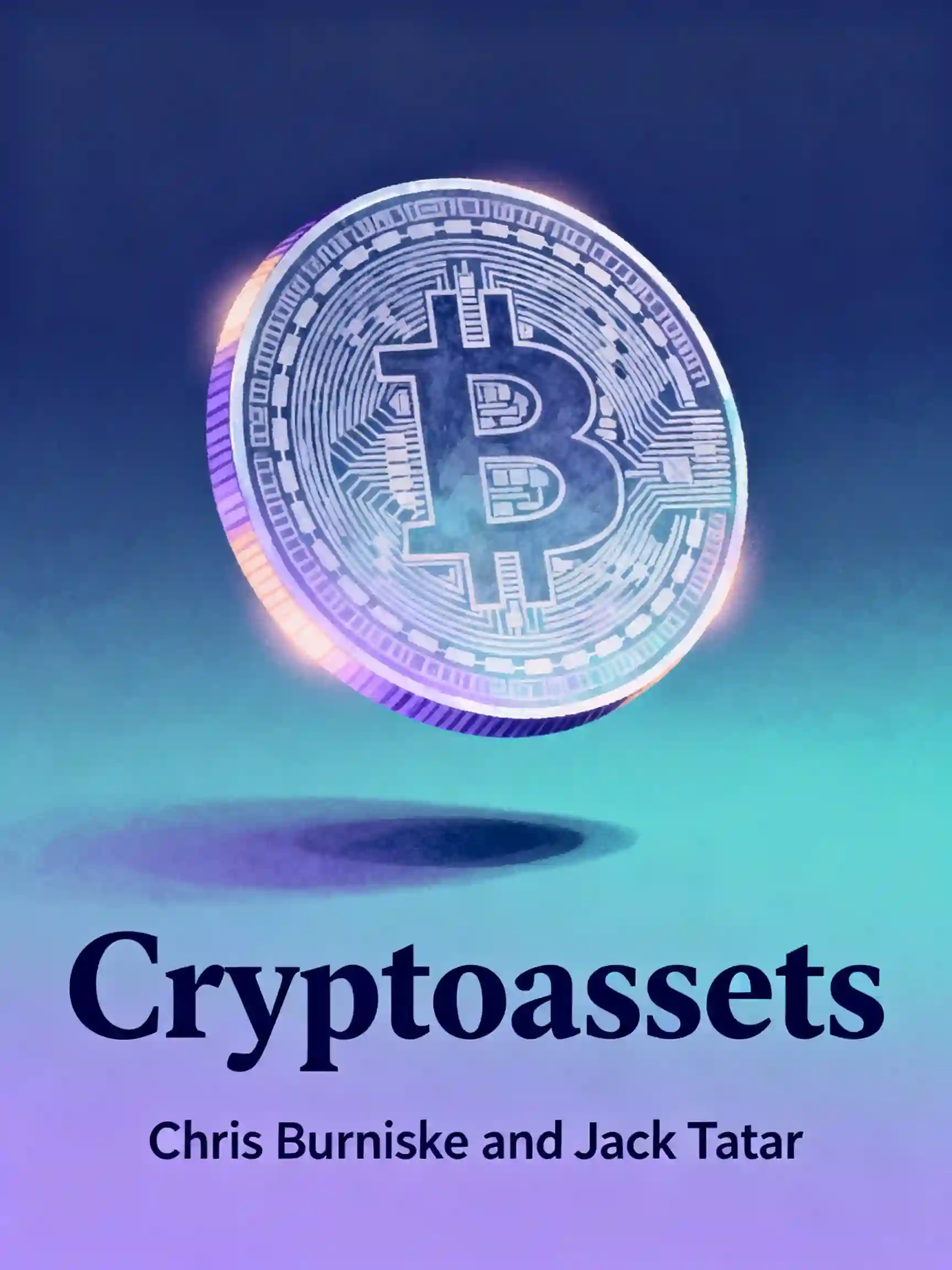
    Cryptoassets
    Little Book of Alternative Investments
    Cryptocurrency Investing for Dummies
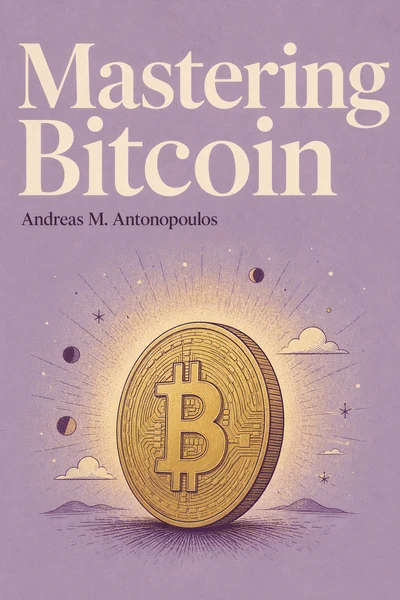
    Mastering Bitcoin
    Mastering Blockchain
    BITCOIN

    常见问题

    发现更多

    Learn alternative investments

    Learn alternative investments

    学习计划

    Learn alternative investments

    Alternative investments have become essential for sophisticated portfolio management, offering diversification, inflation protection, and return enhancement beyond traditional asset classes. This learning plan is ideal for financial professionals, accredited investors, and ambitious individuals seeking to understand how institutional investors and family offices allocate capital across private markets, real assets, and emerging digital opportunities.

    1 h 57 m•4 章节
    Crypto trading with options

    Crypto trading with options

    学习计划

    Crypto trading with options

    Cryptocurrency options trading represents one of the most sophisticated and potentially profitable approaches to digital asset markets, combining the explosive growth potential of crypto with the risk management capabilities of derivatives. This learning path is ideal for intermediate to advanced traders who want to move beyond simple spot trading, as well as traditional options traders looking to apply their skills to the unique volatility and 24/7 nature of crypto markets.

    2 h 49 m•4 章节
    Master Blockchain & Tokens

    Master Blockchain & Tokens

    学习计划

    Master Blockchain & Tokens

    Blockchain and Web3 technologies are fundamentally transforming how we exchange value, establish trust, and organize on the internet, creating trillion-dollar opportunities across finance, technology, and creative industries. This learning plan is essential for entrepreneurs, investors, developers, and professionals who want to understand and capitalize on this paradigm shift before it becomes ubiquitous by 2030. Whether you're looking to build decentralized applications, invest strategically in crypto assets, or simply understand the technology reshaping our digital future, this comprehensive foundation will equip you with the knowledge to navigate and thrive in the decentralized economy.

    2 h 7 m•4 章节
    Hedge Portfolio Risk with Derivatives

    Hedge Portfolio Risk with Derivatives

    学习计划

    Hedge Portfolio Risk with Derivatives

    This learning plan equips investors and financial professionals with essential hedging and risk mitigation techniques to protect portfolios against adverse market movements. It's particularly valuable for portfolio managers, risk analysts, institutional investors, and sophisticated traders who need to understand how derivative instruments can create offsetting positions to manage downside exposure while maintaining upside potential.

    2 h 59 m•4 章节
    Investing

    Investing

    学习计划

    Investing

    This plan bridges the gap between basic financial literacy and professional-grade investment strategy. It is designed for individuals seeking to move beyond speculation by mastering value analysis and the psychology of market cycles.

    2 h 26 m•4 章节
    Understand us stock market

    Understand us stock market

    学习计划

    Understand us stock market

    The US stock market has historically been one of the most reliable paths to building long-term wealth, yet many people miss out due to lack of knowledge and strategy. This learning plan is ideal for beginners who want to invest confidently, as well as intermediate investors looking to refine their approach with proven frameworks for analysis, risk management, and sustainable wealth creation.

    1 h 49 m•3 章节
    Finance, Investing & Personal Growth

    Finance, Investing & Personal Growth

    学习计划

    Finance, Investing & Personal Growth

    This plan bridges the gap between technical financial literacy and the psychological shifts necessary for long-term wealth. It is ideal for individuals seeking to move beyond basic saving into sophisticated investing while cultivating a success-oriented mindset.

    2 h 45 m•4 章节
    Basic Hedging

    Basic Hedging

    学习计划

    Basic Hedging

    This learning plan is essential for investors and finance professionals who want to protect their portfolios from market volatility and downside risk. Whether you're managing personal investments or working in institutional finance, understanding hedging strategies is critical for preserving capital during market downturns while still participating in upside opportunities.

    2 h 37 m•4 章节

    由哥伦比亚大学校友在旧金山创建

    BeFreed 汇聚了全球超过 1,000,000 求知若渴的学习者
    查看更多网络上关于 BeFreed 的讨论

    "Instead of endless scrolling, I just hit play on BeFreed. It saves me so much time."

    @Moemenn
    platform
    star
    star
    star
    star
    star

    "I never knew where to start with nonfiction—BeFreed’s book lists turned into podcasts gave me a clear path."

    @Chloe, Solo founder, LA
    platform
    comments
    12
    likes
    117

    "Perfect balance between learning and entertainment. Finished ‘Thinking, Fast and Slow’ on my commute this week."

    @Raaaaaachelw
    platform
    star
    star
    star
    star
    star

    "Crazy how much I learned while walking the dog. BeFreed = small habits → big gains."

    @Matt, YC alum
    platform
    comments
    12
    likes
    108

    "Reading used to feel like a chore. Now it’s just part of my lifestyle."

    @Erin, Investment Banking Associate , NYC
    platform
    comments
    254
    likes
    17

    "Feels effortless compared to reading. I’ve finished 6 books this month already."

    @djmikemoore
    platform
    star
    star
    star
    star
    star

    "BeFreed turned my guilty doomscrolling into something that feels productive and inspiring."

    @Pitiful
    platform
    comments
    96
    likes
    4.5K

    "BeFreed turned my commute into learning time. 20-min podcasts are perfect for finishing books I never had time for."

    @SofiaP
    platform
    star
    star
    star
    star
    star

    "BeFreed replaced my podcast queue. Imagine Spotify for books — that’s it. 🙌"

    @Jaded_Falcon
    platform
    comments
    201
    thumbsUp
    16

    "It is great for me to learn something from the book without reading it."

    @OojasSalunke
    platform
    star
    star
    star
    star
    star

    "The themed book list podcasts help me connect ideas across authors—like a guided audio journey."

    @Leo, Law Student, UPenn
    platform
    comments
    37
    likes
    483

    "Makes me feel smarter every time before going to work"

    @Cashflowbubu
    platform
    star
    star
    star
    star
    star

    由哥伦比亚大学校友在旧金山创建

    BeFreed 汇聚了全球超过 1,000,000 求知若渴的学习者
    查看更多网络上关于 BeFreed 的讨论

    "Instead of endless scrolling, I just hit play on BeFreed. It saves me so much time."

    @Moemenn
    platform
    star
    star
    star
    star
    star

    "I never knew where to start with nonfiction—BeFreed’s book lists turned into podcasts gave me a clear path."

    @Chloe, Solo founder, LA
    platform
    comments
    12
    likes
    117

    "Perfect balance between learning and entertainment. Finished ‘Thinking, Fast and Slow’ on my commute this week."

    @Raaaaaachelw
    platform
    star
    star
    star
    star
    star

    "Crazy how much I learned while walking the dog. BeFreed = small habits → big gains."

    @Matt, YC alum
    platform
    comments
    12
    likes
    108

    "Reading used to feel like a chore. Now it’s just part of my lifestyle."

    @Erin, Investment Banking Associate , NYC
    platform
    comments
    254
    likes
    17

    "Feels effortless compared to reading. I’ve finished 6 books this month already."

    @djmikemoore
    platform
    star
    star
    star
    star
    star

    "BeFreed turned my guilty doomscrolling into something that feels productive and inspiring."

    @Pitiful
    platform
    comments
    96
    likes
    4.5K

    "BeFreed turned my commute into learning time. 20-min podcasts are perfect for finishing books I never had time for."

    @SofiaP
    platform
    star
    star
    star
    star
    star

    "BeFreed replaced my podcast queue. Imagine Spotify for books — that’s it. 🙌"

    @Jaded_Falcon
    platform
    comments
    201
    thumbsUp
    16

    "It is great for me to learn something from the book without reading it."

    @OojasSalunke
    platform
    star
    star
    star
    star
    star

    "The themed book list podcasts help me connect ideas across authors—like a guided audio journey."

    @Leo, Law Student, UPenn
    platform
    comments
    37
    likes
    483

    "Makes me feel smarter every time before going to work"

    @Cashflowbubu
    platform
    star
    star
    star
    star
    star

    "Instead of endless scrolling, I just hit play on BeFreed. It saves me so much time."

    @Moemenn
    platform
    star
    star
    star
    star
    star

    "I never knew where to start with nonfiction—BeFreed’s book lists turned into podcasts gave me a clear path."

    @Chloe, Solo founder, LA
    platform
    comments
    12
    likes
    117

    "Perfect balance between learning and entertainment. Finished ‘Thinking, Fast and Slow’ on my commute this week."

    @Raaaaaachelw
    platform
    star
    star
    star
    star
    star

    "Crazy how much I learned while walking the dog. BeFreed = small habits → big gains."

    @Matt, YC alum
    platform
    comments
    12
    likes
    108

    "Reading used to feel like a chore. Now it’s just part of my lifestyle."

    @Erin, Investment Banking Associate , NYC
    platform
    comments
    254
    likes
    17

    "Feels effortless compared to reading. I’ve finished 6 books this month already."

    @djmikemoore
    platform
    star
    star
    star
    star
    star

    "BeFreed turned my guilty doomscrolling into something that feels productive and inspiring."

    @Pitiful
    platform
    comments
    96
    likes
    4.5K

    "BeFreed turned my commute into learning time. 20-min podcasts are perfect for finishing books I never had time for."

    @SofiaP
    platform
    star
    star
    star
    star
    star

    "BeFreed replaced my podcast queue. Imagine Spotify for books — that’s it. 🙌"

    @Jaded_Falcon
    platform
    comments
    201
    thumbsUp
    16

    "It is great for me to learn something from the book without reading it."

    @OojasSalunke
    platform
    star
    star
    star
    star
    star

    "The themed book list podcasts help me connect ideas across authors—like a guided audio journey."

    @Leo, Law Student, UPenn
    platform
    comments
    37
    likes
    483

    "Makes me feel smarter every time before going to work"

    @Cashflowbubu
    platform
    star
    star
    star
    star
    star

    "Instead of endless scrolling, I just hit play on BeFreed. It saves me so much time."

    @Moemenn
    platform
    star
    star
    star
    star
    star

    "I never knew where to start with nonfiction—BeFreed’s book lists turned into podcasts gave me a clear path."

    @Chloe, Solo founder, LA
    platform
    comments
    12
    likes
    117

    "Perfect balance between learning and entertainment. Finished ‘Thinking, Fast and Slow’ on my commute this week."

    @Raaaaaachelw
    platform
    star
    star
    star
    star
    star

    "Crazy how much I learned while walking the dog. BeFreed = small habits → big gains."

    @Matt, YC alum
    platform
    comments
    12
    likes
    108

    "Reading used to feel like a chore. Now it’s just part of my lifestyle."

    @Erin, Investment Banking Associate , NYC
    platform
    comments
    254
    likes
    17

    "Feels effortless compared to reading. I’ve finished 6 books this month already."

    @djmikemoore
    platform
    star
    star
    star
    star
    star

    "BeFreed turned my guilty doomscrolling into something that feels productive and inspiring."

    @Pitiful
    platform
    comments
    96
    likes
    4.5K

    "BeFreed turned my commute into learning time. 20-min podcasts are perfect for finishing books I never had time for."

    @SofiaP
    platform
    star
    star
    star
    star
    star

    "BeFreed replaced my podcast queue. Imagine Spotify for books — that’s it. 🙌"

    @Jaded_Falcon
    platform
    comments
    201
    thumbsUp
    16

    "It is great for me to learn something from the book without reading it."

    @OojasSalunke
    platform
    star
    star
    star
    star
    star

    "The themed book list podcasts help me connect ideas across authors—like a guided audio journey."

    @Leo, Law Student, UPenn
    platform
    comments
    37
    likes
    483

    "Makes me feel smarter every time before going to work"

    @Cashflowbubu
    platform
    star
    star
    star
    star
    star
    1.5K Ratings4.7
    开启你的学习之旅,就是现在
    BeFreed App
    BeFreed

    个性化学习,无所不能

    DiscordLinkedIn
    精选书籍摘要
    Crucial ConversationsThe Perfect MarriageInto the WildNever Split the DifferenceAttachedGood to GreatSay Nothing
    热门分类
    Self HelpCommunication SkillRelationshipMindfulnessPhilosophyInspirationProductivity
    名人书单
    Elon MuskCharlie KirkBill GatesSteve JobsAndrew HubermanJoe RoganJordan Peterson
    获奖作品
    Pulitzer PrizeNational Book AwardGoodreads Choice AwardsNobel Prize in LiteratureNew York TimesCaldecott MedalNebula Award
    精选主题
    ManagementAmerican HistoryWarTradingStoicismAnxietySex
    年度最佳书籍
    2025 Best Non Fiction Books2024 Best Non Fiction Books2023 Best Non Fiction Books
    精选作者
    Chimamanda Ngozi AdichieGeorge OrwellO. J. SimpsonBarbara O'NeillWinston ChurchillCharlie Kirk
    BeFreed 与其他应用对比
    BeFreed vs. Other Book Summary AppsBeFreed vs. ElevenReaderBeFreed vs. ReadwiseBeFreed vs. Anki
    学习工具
    Knowledge VisualizerAI Podcast Generator
    更多信息
    关于我们arrow
    定价arrow
    常见问题arrow
    博客arrow
    招聘arrow
    合作伙伴arrow
    大使计划arrow
    目录arrow
    BeFreed
    Try now
    © 2026 BeFreed
    使用条款隐私政策
    BeFreed

    个性化学习,无所不能

    DiscordLinkedIn
    精选书籍摘要
    Crucial ConversationsThe Perfect MarriageInto the WildNever Split the DifferenceAttachedGood to GreatSay Nothing
    热门分类
    Self HelpCommunication SkillRelationshipMindfulnessPhilosophyInspirationProductivity
    名人书单
    Elon MuskCharlie KirkBill GatesSteve JobsAndrew HubermanJoe RoganJordan Peterson
    获奖作品
    Pulitzer PrizeNational Book AwardGoodreads Choice AwardsNobel Prize in LiteratureNew York TimesCaldecott MedalNebula Award
    精选主题
    ManagementAmerican HistoryWarTradingStoicismAnxietySex
    年度最佳书籍
    2025 Best Non Fiction Books2024 Best Non Fiction Books2023 Best Non Fiction Books
    学习工具
    Knowledge VisualizerAI Podcast Generator
    精选作者
    Chimamanda Ngozi AdichieGeorge OrwellO. J. SimpsonBarbara O'NeillWinston ChurchillCharlie Kirk
    BeFreed 与其他应用对比
    BeFreed vs. Other Book Summary AppsBeFreed vs. ElevenReaderBeFreed vs. ReadwiseBeFreed vs. Anki
    更多信息
    关于我们arrow
    定价arrow
    常见问题arrow
    博客arrow
    招聘arrow
    合作伙伴arrow
    大使计划arrow
    目录arrow
    BeFreed
    Try now
    © 2026 BeFreed
    使用条款隐私政策

    核心要点

    1

    Beyond the Crypto Diversification Myth

    0:00

    Lena: Miles, I was looking at some market data earlier, and it hit me—the way we think about "diversification" in crypto might be totally broken. I mean, you see people holding fifty different tokens thinking they’re safe, but then Bitcoin drops and the whole lot just follows it down anyway.

    0:17

    Miles: It’s so true. In fact, during the 2022 and 2025 volatility cycles, we saw that holding a massive basket of altcoins didn't actually reduce risk because they all responded to the same market sentiment. Real diversification is about sectors and asset types, not just having a long list of tickers.

    0:36

    Lena: Exactly! It’s about moving from "YOLO bets" to an actual structured system. Today is April 4, 2026, and the toolkit for managing a portfolio has changed so much since the early days of just buying and holding.

    0:50

    Miles: Right, we’re talking on-chain metrics, volatility-weighted allocations, and even using DeFi as a productive "sleeve" of your portfolio rather than a side bet.

    0:59

    Lena: I’m ready to get tactical. Let’s explore how to actually build a resilient 2026 blueprint using those core anchors and risk-adjusted strategies.

    2

    The Real Yield Shift

    1:09

    Miles: You know, Lena, if we’re going to get tactical, we have to start by acknowledging how much the "why" behind these returns has changed. If you look back at the DeFi summer of 2020 or even the mid-2022 period, most people were chasing these astronomical triple-digit APYs. But if you asked where that money was actually coming from, the answer was usually just the protocol printing more of its own tokens. It was inflationary magic money.

    1:33

    Lena: Right! And we saw how that ended—the "farm and dump" cycle. The token price would collapse because everyone was selling their rewards, and the yield would vanish overnight. It was a reflexive spiral that caught a lot of people off guard.

    1:45

    Miles: Exactly. But as of today, April 4, 2026, the landscape has undergone this fundamental maturation. We’ve moved into the era of "Real Yield." Now, when we talk about earning 3% to 8% on stablecoins or even higher on volatile pairs, that yield is increasingly backed by actual economic activity—like trading fees, lending interest, or even protocol revenue sharing. It’s a structural shift from speculation to sustainable finance.

    2:14

    Lena: That’s a huge distinction. It’s like moving from a company that just issues more stock to pay its early investors, to a company that actually has customers and revenue. So, if I’m looking at a protocol today, how do I distinguish between that old-school inflationary hype and this new "Real Yield" architecture?

    2:30

    Miles: It’s all about the source. For example, look at major lending protocols like Aave or Compound. Their average lending rates now stabilize near 3.4%, which actually tracks pretty closely with traditional benchmarks like US Treasury yields, which are around 3.8% right now. That tells you the market is integrating. The yield is coming from borrowers who are paying to use that capital.

    2:53

    Lena: So, it’s about looking for endogenous yields—meaning yield generated within the system’s utility—rather than exogenous rewards that are just dropped from the sky to attract liquidity.

    3:02

    Miles: Precisely. And for our listeners, the first step in a 2026 blueprint is auditing your current "farms." If 90% of your return is coming from a governance token that has no buy pressure or real utility, you’re essentially holding a ticking time bomb. But if your return is paid in the same assets you deposited—like ETH or USDC—and it’s coming from a share of swap fees, that’s a much more resilient position.

    3:26

    Lena: I love that. It’s about quality over quantity. But even with "real" yield, there’s no such thing as a free lunch, right? There are still these massive risks—smart contracts, liquidations, and that thing everyone talks about but few truly understand: impermanent loss.

    3:41

    Miles: Oh, impermanent loss is the big one. It’s the hidden cost of being a liquidity provider. Think of it this way: when you provide liquidity to a pool, you’re basically acting as a passive market maker. But because the pricing is handled by a mathematical formula—like the constant product model—you’re effectively forced to sell your winners and buy your losers as the market moves.

    4:06

    Lena: That sounds like the opposite of what most traders want to do!

    4:09

    Miles: It is! If ETH doubles in price and you’re in an ETH/USDC pool, the arbitrageurs are going to come in and swap their USDC for your ETH until the pool matches the market price. You end up with more USDC and less ETH than if you had just held them in your wallet. That gap is your impermanent loss. In fact, if the price moves by 2x, you’re looking at about a 5.7% loss relative to holding. If it moves 5x, that loss jumps to 25.5%.

    4:41

    Lena: Wow. So, the "yield" you’re earning from fees has to be higher than that loss for the trade to actually make sense. It’s almost like you’re selling an option on your volatility.

    4:50

    Miles: You’ve hit the nail on the head. Being a liquidity provider is fundamentally a "short volatility" bet. You want the market to stay in a range so you can collect fees without the price diverging too far. If the market goes vertical—up or down—you’re the one providing the exit or entry for everyone else, and you pay for that in the form of impermanent loss.

    5:11

    Lena: This is why those stablecoin-to-stablecoin pools are so popular for conservative strategies, right? Because the price ratio between USDC and USDT shouldn't move much, so your impermanent loss is basically zero.

    1:45

    Miles: Exactly. It’s the "entry-level" move. But even there, you’ve got smart contract risk. Even audited protocols can have bugs. So the 2026 playbook starts with this: don’t just chase the APY; understand the " Greeks" of your position. Are you short volatility? Are you exposed to a single smart contract? Once you map that out, you can actually start building a strategy that survives the next market shock.

    3

    The Seven Pillars of Yield Strategy

    5:49

    Lena: Okay, so if we’re moving beyond just "holding and hoping," we need a menu of actual strategies. I was looking at a framework recently that broke this down into seven battle-tested approaches. It seems like the goal isn't to pick just one, but to layer them based on how much time you actually want to spend staring at a screen.

    6:08

    Miles: That’s the key. Not everyone wants to be a full-time "yield farmer." Some people want a "set it and forget it" vault, while others are essentially running a professional trading desk. The most conservative pillar is definitely that stablecoin liquidity provision we just touched on. On established DEXs like Curve or Uniswap, you’re looking at 3% to 15% APY depending on the volume. It’s boring, but in a world where "boring" means your capital is still there tomorrow, it’s a foundational piece.

    6:38

    Lena: And then there’s single-sided staking, which seems like a great middle ground because it removes that whole impermanent loss headache entirely.

    6:45

    Miles: Absolutely. With single-sided staking—like ETH staking through Lido or Rocket Pool—you’re looking at maybe 3% to 5% APY. You keep your full exposure to the asset’s price, and you’re just earning a "dividend" for helping secure the network. It’s clean. Your position moves with the asset, period.

    7:03

    Lena: But what about the people who want to juice those returns? I’ve seen these "leveraged farming" strategies where people are using money markets like Aave to multiply their exposure. That feels like a whole different level of intensity.

    7:17

    Miles: It is high-stakes. The basic loop is: you deposit collateral, borrow against it, and then farm with the borrowed assets. If you can borrow USDT at 4% and put it in a farm earning 12%, you’re pocketing an 8% spread on money that isn't even yours. But—and this is a huge but—you’re now on a liquidation clock. If the value of your collateral drops or the interest rates on your debt spike, the protocol will automatically sell your position. You have to maintain a healthy "health factor," usually above 2.0, to sleep at night.

    7:49

    Lena: That sounds like a lot of daily monitoring. Is there a way to automate that?

    7:54

    Miles: That’s where yield aggregators come in—the fourth pillar. Platforms like Yearn Finance or Beefy Finance are basically "hands-off" optimizers. You put your money in a vault, and their smart contracts do the work of moving capital between protocols to find the best risk-adjusted yield. They even auto-compound your rewards, which saves a ton on gas fees. They take a performance fee—usually 10% to 20%—but for most people, the time savings and optimization are worth the cost.

    8:20

    Lena: I’ve also heard about "cross-chain" optimization. With all these Layer-2s like Arbitrum and Optimism, the yields aren't the same everywhere, are they?

    8:28

    Miles: Not at all. A USDC pool might pay 5% on Ethereum but 15% on a newer chain because they’re trying to attract liquidity. Strategic farmers use bridges to move capital to where it’s treated best. But you have to factor in bridge risk and gas costs. If you’re moving $1,000 and it costs $50 in fees, you’ve already wiped out your extra yield for the next six months.

    8:50

    Lena: That leads into the more complex stuff, like delta-neutral farming. This is for the real quants, right? Where you’re trying to earn the yield without caring if the price goes up or down?

    9:00

    Miles: Right. You basically match a long position with an equal short position. You provide liquidity in an ETH/USDC pool, but then you short an equivalent amount of ETH on a futures exchange. If ETH goes up, your long wins and your short loses. if it goes down, the opposite happens. You’re left with just the farming rewards. It’s brilliant on paper, but you have to manage the "funding rates" on your short position. If the market is super bullish, it might cost you more to maintain the short than you’re making in the farm.

    9:27

    Lena: And finally, there are those protocol-specific incentive programs—the "liquidity wars." New protocols often offer crazy yields to get people in the door.

    9:38

    Miles: Those are the high-risk, high-reward plays. You can see 50% to 300% APY, but you’re often being paid in a brand-new token. The risk of a "rug pull" or a total collapse is much higher. The pros use strict position sizing here—maybe only 10% of their farming capital goes into these "degen" plays. They treat it like venture capital: most will fail, but one big winner pays for all the losses.

    10:03

    Lena: So, it’s about building a tiered portfolio. Maybe 60% in the safe stuff, 30% in the moderate aggregators, and 10% in the aggressive stuff.

    1:45

    Miles: Exactly. Discipline beats conviction every time in this space. If you have a repeatable process for auditing these seven pillars, you stop being a gambler and start being an asset manager.

    4

    The Math of the Market Maker

    10:25

    Lena: You know, Miles, we keep talking about "liquidity pools" like they’re these magic black boxes, but for our listeners who really want to master this, we should probably peek under the hood at the math. I mean, how does a computer actually decide that one ETH is worth exactly 2,500 USDC in a pool without a human looking at a price chart?

    10:45

    Miles: It’s actually surprisingly simple once you see the formula. Most of these Automated Market Makers, or AMMs, use what’s called the "constant product formula"—x times y equals k.

    10:56

    Lena: Okay, let’s break that down. "x" and "y" are just the two tokens in the pool, right?

    1:45

    Miles: Exactly. Let’s say "x" is the amount of ETH and "y" is the amount of USDC. The "k" is a constant that the smart contract is programmed to keep the same. So, if a trader comes along and wants to buy some ETH, they have to put in some USDC. When they take ETH out, the value of "x" goes down. To keep "k" the same, the value of "y"—the USDC—has to go up.

    11:24

    Lena: And because there’s now more USDC and less ETH in the pool, the price of ETH automatically goes up for the next person.

    11:33

    Miles: Spot on. The math forces the price to adjust based on supply and demand within that specific pool. But here’s the catch: the AMM doesn't actually know what the "real" price of ETH is in the outside world. It only knows the ratio of tokens inside its own vault.

    11:49

    Lena: Wait, so if the price of ETH jumps to $3,000 on Coinbase, but it’s still $2,500 in my Uniswap pool, what happens?

    11:58

    Miles: That’s where the arbitrageurs come in. They are the "invisible force" that keeps the system honest. They’ll see that cheap ETH in your pool, buy it up using USDC, and then sell it on Coinbase for a profit. They keep doing this until the ratio in your pool matches the global market price.

    12:13

    Lena: So the arbitrageurs are basically doing the work of updating the price, but they’re taking a little bit of profit from the liquidity providers every time they do it.

    3:02

    Miles: Precisely. That’s the "Loss-Versus-Rebalancing" or LVR we mentioned. As an LP, you’re basically providing a service to the market, and the cost of that service is that you’re always the one being "picked off" by arbitrageurs when the price moves. They have fresher information than your smart contract does.

    12:41

    Lena: This makes me think about "slippage" too. If I try to do a massive trade in a small pool, the price is going to move way more than if I do it in a big pool.

    9:00

    Miles: Right. Slippage isn't a bug; it’s a feature of the math. If you’re trying to buy 10% of all the ETH in a pool, you’re going to push that "x" value down so much that the "y" value has to skyrocket to keep "k" constant. You’ll end up paying a much higher average price. This is why "liquidity depth" is the most important metric for a trader. You want to see "deep" pools where your trade is just a drop in the bucket.

    13:14

    Lena: I’ve been reading about how this is evolving, though. Like Uniswap V3 and its "concentrated liquidity." That sounds like it’s trying to make the math more efficient.

    13:24

    Miles: It’s a total game-changer. In the old "V2" model, your liquidity was spread out across every possible price from zero to infinity. But ETH is probably never going to $0.01 or $1,000,000 today. So most of your capital was just sitting there doing nothing. V3 lets you pick a "range"—say, $2,400 to $2,600.

    13:44

    Lena: So all of my money is working right where the trading is actually happening?

    13:48

    Miles: Exactly! It makes your capital way more efficient—sometimes 2x or 3x more productive. But—there’s always a but—if the price moves outside your range, you stop earning fees entirely. And your position is now 100% in the "losing" asset. If the price goes above $2,600, you’re left with all USDC and no ETH. If it drops below $2,400, you’re 100% in ETH.

    14:12

    Lena: It sounds like being a liquidity provider is becoming more like being an active professional market maker. You have to have a thesis on where the price is going to stay.

    14:23

    Miles: It really is. We’re seeing this shift where "passive" yield is getting harder to find. To really thrive in 2026, you have to understand that you’re essentially running a small business. You’re providing a product—liquidity—and you have to manage your "inventory" and your "costs" like LVR and slippage. If you just "set it and forget it" in a volatile pair, the arbitrageurs will eventually eat your lunch.

    5

    The Vault Architecture

    14:48

    Lena: So, if providing liquidity is becoming this complex full-time job, it makes sense why "vaults" have become the dominant way people interact with DeFi in 2026. I was reading some data from Lagoon Finance—apparently, on-chain vault TVL surpassed $15 billion last year. It seems like the infrastructure has finally matured enough for institutions to step in.

    15:10

    Miles: It’s a massive shift. A vault is essentially a productized strategy. Instead of you manually rebalancing your Uniswap ranges or jumping between chains, you deposit your assets into a vault, and a "curator" or a smart contract handles the execution. But the interesting part is how these vaults are actually built now—it’s not just a black box anymore.

    15:32

    Lena: Right, they’re using these new standards—like ERC-7540. It sounds technical, but from what I understand, it’s all about "asynchronous" settlement.

    1:45

    Miles: Exactly. Think about it: if a vault is doing something complex, like tokenized T-bills or cross-chain arbitrage, it can't always give you your money back the exact second you hit "withdraw." It might need a day or two to unwind those positions. ERC-7540 allows for that "settlement cadence."

    16:01

    Lena: That’s a huge deal for risk management. It prevents a "bank run" scenario where everyone tries to exit an illiquid strategy at once and crashes the price.

    3:02

    Miles: Precisely. And for our listeners looking at vaults, you have to understand the governance roles. A modern vault usually has four distinct parts. You’ve got the Admin who sets the parameters, the Curator who executes the strategy, the Valuation Provider who tells the contract what the assets are worth, and sometimes a Whitelist Manager for compliance.

    16:32

    Lena: Wait, so the person managing the money isn't the same person saying how much the money is worth?

    16:38

    Miles: That’s the "best practice" in 2026. You want that separation of concerns. If the Curator could also submit the valuation, they could theoretically manipulate the "share price" of the vault to favor themselves. By having an independent Valuation Provider—like a decentralized oracle or a third-party script—you create a check and balance.

    3:26

    Lena: I love that. It’s bringing traditional finance safety standards to the blockchain. But what about the fees? I’ve seen some vaults that charge a management fee and a performance fee. How do I know if I’m getting a fair deal?

    17:10

    Miles: You have to look at the "net" return. A common structure is "2 and 20"—a 2% management fee on your total assets and a 20% performance fee on the profits. But in DeFi, that can be steep. If a stablecoin vault is only making 5% APY, a 2% management fee is taking almost half your gains before you even start!

    17:31

    Lena: That’s a great point. I’d much rather see a 0% management fee and a higher performance fee, so the manager only gets paid if I actually make money.

    17:39

    Miles: Right! And look for a "high-water mark." That’s a clause that says the manager doesn't get a performance fee until they’ve recovered any previous losses. If your vault drops 10% and then gains 10%, they shouldn't get a bonus for just getting you back to zero.

    17:53

    Lena: So, if I’m auditing a vault today, I’m looking at the settlement frequency—is it daily, weekly?—the fee structure, and the custody model. Are they using a multisig wallet like Safe, or something even more robust like an MPC wallet?

    1:45

    Miles: Exactly. A Safe multisig—where multiple people have to sign off on a trade—is the gold standard for most DeFi teams. It prevents a single "rogue" employee from draining the vault. When you see a vault with billions in TVL, you want to know that the "keys to the kingdom" aren't sitting on one person’s laptop.

    18:27

    Lena: It’s funny, we started this conversation talking about "YOLO bets," and now we’re talking about "asynchronous settlement" and "multisig custody." It really shows how much the "investing" side of crypto has professionalized.

    18:41

    Miles: It had to. The "Wild West" era was fun for some, but it wasn't a place where you could build long-term wealth. These vault architectures are the "bricks and mortar" of the new financial system. They take these incredibly complex strategies—like delta-neutral arbitrage or liquid staking loops—and turn them into a single token you can hold in your wallet. It’s powerful, but you still have to do your homework on the "architect" building the vault.

    6

    The Quantitative Edge

    19:04

    Lena: Miles, let’s pivot slightly to the "quant" side of things. We’ve talked about vaults and liquidity, but there’s this whole other world of "Basis Trading" that professional desks use to generate yield. I’ve heard it described as one of the lowest-risk ways to earn in crypto, but it sounds incredibly technical.

    19:23

    Miles: It’s actually a classic "market neutral" strategy. The goal is to profit from the price discrepancy between the "spot" market—where you buy the actual coin—and the "futures" market. In crypto, we have these things called "perpetual futures" or "perps."

    19:37

    Lena: Right, the ones that never expire.

    1:45

    Miles: Exactly. And to keep the perp price close to the spot price, there’s a mechanism called "funding rates." Every eight hours, either the "longs" pay the "shorts," or the "shorts" pay the "longs." In a bullish market, everyone wants to go long, so the longs pay the shorts a fee just to keep their positions open.

    19:56

    Lena: So, if I’m the one providing that "short" liquidity, I’m basically getting paid a fee by the rest of the market?

    20:03

    Miles: That’s the "basis trade." You buy 1 BTC on the spot market and simultaneously short 1 BTC on the perp market. You now have zero "delta"—meaning if the price of Bitcoin goes to a million dollars or zero dollars, your total value stays the same. The gain on one side perfectly offsets the loss on the other.

    20:22

    Lena: But you’re collecting that funding fee the whole time!

    3:02

    Miles: Precisely. And during high-volatility periods, those funding rates can spike to 0.5% every 8 hours. That’s over 2% a day! On an annualized basis, basis trading can often yield 15% to 25% with very little directional risk.

    20:42

    Lena: That sounds like a "no-brainer," but I’m guessing there’s a catch?

    20:45

    Miles: The catch is execution and liquidation risk. Even though you’re "hedged," if the price of Bitcoin doubles in an hour, your short position might face a margin call. If you don't have enough collateral on the exchange to cover that "paper loss," you’ll get liquidated on the short side, and then you’re just left with your spot BTC—which is now unhedged.

    21:05

    Lena: So you have to be really careful about your "margin management."

    9:00

    Miles: Right. Pros use 5x to 10x overcollateralization. And they use "atomic execution"—meaning the spot buy and the futures short happen in the exact same second to avoid "execution slippage." If you buy the spot and then wait ten minutes to short, the price might have moved 2% against you already.

    21:27

    Lena: It’s interesting how this connects back to the "Real Yield" we discussed. This isn't printing new tokens; it’s literally capturing the "cost of leverage" from other traders who are willing to pay for it.

    1:45

    Miles: Exactly. It’s an "arbitrage of sentiment." And in 2026, we’re seeing "cross-chain arbitrage" too. The price of ETH might be $2,500 on Ethereum but $2,510 on a Layer-2 like Arbitrum because of a sudden burst of buying activity there.

    21:55

    Lena: So a bot could buy on one and sell on the other?

    21:58

    Miles: Yes, but the "alpha" there is shrinking because the bots are getting so fast. The real opportunity now is what they call "MEV-aware execution." MEV stands for Maximum Extractable Value. It’s basically the profit that "searchers" or "validators" make by reordering transactions in a block.

    22:15

    Lena: Wait, so if I’m doing a big trade, someone can jump in front of me?

    22:19

    Miles: Yeah, it’s called a "sandwich attack." They see your trade coming, they buy right before you—pushing the price up—and then they sell right after you. You get a worse price, and they pocket the difference.

    22:29

    Lena: That feels like front-running!

    4:09

    Miles: It is! But in 2026, we have "MEV-aware" routers that send your trade through private channels so the bots can't see it until it’s already confirmed. For a portfolio manager, ignoring MEV is just leaving 1% to 2% of your return on the table every year.

    22:45

    Lena: It’s wild. We’ve gone from "buy Bitcoin on an exchange" to managing funding rates, margin liquidations, and MEV-shielded transaction routing. It really highlights why the "Quantitative Edge" is what separates the professionals from the retail "yield chasers." You need a tech stack that can handle these micro-efficiencies.

    7

    The Professional Risk Framework

    23:04

    Lena: Miles, we’ve covered some intense strategies, but we need to talk about the "defensive" side. I saw a statistic that really bothered me: about 75% of retail traders in leveraged markets lose money over any given quarter. It’s not that their ideas are bad; it’s that their risk management is non-existent.

    23:24

    Miles: It’s the "survivor" problem. You only hear about the guy who turned $1,000 into a million, not the 10,000 people who went to zero. In 2026, professional risk management isn't just about "don't bet too much." It’s a systematic process. The first rule is: capital preservation is the primary objective; profit is secondary.

    23:44

    Lena: I love that mindset. So, let’s get into the weeds. If I’m setting up a "professional" risk system today, where do I start?

    23:52

    Miles: You start with your "base risk fraction." Most pros risk only 0.5% to 2% of their total account equity per trade. If you have a $100,000 account, a 1% risk means you are willing to lose exactly $1,000 on a single trade. Not a dollar more.

    23:57

    Lena: But in crypto, prices move so fast. A "1% stop-loss" could get hit in ten minutes!

    24:03

    Miles: That’s why you have to distinguish between your "stop price" and your "actual fill." This is a huge mistake people make. They put a stop-loss at $2,400, but during a market crash, the price might skip from $2,410 to $2,380 in a single second. Your stop-loss is just a "request" to sell, and in a thin market, you might get "slipped" by 2% or 3%.

    24:25

    Lena: So my "1% risk" trade just became a "4% loss."

    1:45

    Miles: Exactly. The pros use "Depth of Market" or DOM analysis. They look at the actual liquidity—the "resting orders"—below their stop. If there isn't enough liquidity to absorb their sell order, they either reduce their position size or they don't take the trade. You have to calculate risk using the "worst-case fill," not the "theoretical stop."

    24:49

    Lena: That’s a massive insight. What about leverage? I know some people use 20x or 50x leverage because they want to "get rich quick," but that feels like a suicide mission.

    25:00

    Miles: It’s a mathematical certainty of liquidation. If you use 20x leverage, a 5% move against you wipes out your entire account. BTC does 5% moves in its sleep! Most professional order flow traders I know use 2x to 5x maximum. Many trade spot—meaning zero leverage—and only use futures for hedging.

    25:21

    Lena: And then there’s the "portfolio heat" problem. If I have five different positions, but they’re all correlated...

    25:27

    Miles: Then you just have one giant position! In a crash, the correlation between BTC, ETH, and SOL often spikes to 0.85 or higher. They all go down together. A pro never lets their "total portfolio heat"—the sum of all their open risks—exceed 6%. If you have six trades open, and they all hit their stops at once, you should only lose 6% of your account.

    25:50

    Lena: I also heard about "circuit breakers." Like, if you lose a certain amount in a day, you just stop.

    25:56

    Miles: It’s mandatory. Our internal rule is: if you lose 3% of your equity in a single day, all positions close and you walk away. If you lose 5% in a week, you’re done for the week. This prevents "revenge trading"—where you try to win back your losses and end up digging a deeper hole.

    26:12

    Lena: It’s funny how much of this is psychological. The system is there to protect you from your own brain when you’re under pressure.

    1:45

    Miles: Exactly. Mental stops fail 60% of the time. You have to automate your worst-case protocols before you need them. And one final thing: position sizing during winning streaks. Most people double their size after five wins in a row, right when the market is about to reverse. Pros maintain "fixed fractional" sizing. They stay consistent, which actually leads to 34% better performance over six months because they avoid the "catastrophic drawdown."

    26:45

    Lena: So, the playbook is: risk a fixed percentage, account for slippage in your stops, keep your total "heat" low, and use circuit breakers. It’s not as exciting as "to the moon," but it’s how you’re still in the game in 2027.

    8

    The Hedging Toolkit

    27:01

    Lena: Miles, let’s talk about the ultimate insurance policy: Hedging. We’ve touched on it, but for an institutional-grade portfolio, it seems like "delta-neutral" isn't just a strategy—it’s a survival mechanism. If I’m holding a massive amount of ETH, but I’m worried about a macro "black swan" event, how do I actually lock in my value without selling?

    27:23

    Miles: This is where the "Mathematics of Hedging" becomes your best friend. The core concept is "Delta." If you have 1,000 BTC, your delta is 1,000. To become delta-neutral, you need to take an offsetting position—usually by shorting futures—so your total delta is zero.

    27:41

    Lena: So, if BTC drops $1,000, I lose a million on my spot holdings, but I make a million on my short position?

    1:45

    Miles: Exactly. You’ve neutralized the price risk. But in the real world, you have "Basis Risk." Remember, "Basis" is the difference between the spot price and the futures price. If that gap widens or narrows unexpectedly, it can introduce a profit or loss even if you’re hedged.

    28:03

    Lena: It’s never quite as simple as "one-to-one," is it?

    28:07

    Miles: Never. You have to model the "Basis volatility." Some quants use the "Ornstein-Uhlenbeck model"—which is just a fancy way of saying they assume the basis will eventually return to its long-term average. If it deviates too far, they might adjust their hedge.

    28:22

    Lena: What if I don't want to hedge 100%? What if I still want to catch some of the upside?

    28:27

    Miles: That’s "Partial Hedging." You might maintain a delta of 0.5. Or you could use "Proxy Hedging." Let’s say you hold a basket of smaller altcoins, but there aren't futures for all of them. You can use BTC or ETH futures as a "proxy" to hedge the systemic market risk, or "Beta."

    28:44

    Lena: Oh, I see. You calculate how much your altcoins move relative to Bitcoin—their "Beta"—and then you short the equivalent amount of Bitcoin.

    17:39

    Miles: Right! If your portfolio has a Beta of 1.2, it means it’s 20% more volatile than Bitcoin. So, to hedge $10 million of those altcoins, you’d actually need to short $12 million of Bitcoin futures. It’s not perfect, but it protects you from a broad market sell-off.

    29:10

    Lena: And then there are options. I’ve heard about "Protective Puts." It’s like buying insurance, right? You pay a "premium" to have the right to sell your BTC at a certain price.

    29:21

    Miles: Options are the "surgical" tool in the kit. A protective put is great because it caps your downside but leaves your upside completely open. In 2026, many professional desks use a "Collar Strategy." They buy a protective put to stop the losses, but then they sell an "out-of-the-money" call to pay for it.

    29:37

    Lena: So the "premium" they earn from selling the call covers the "cost" of the put?

    1:45

    Miles: Exactly. It’s often "zero-cost." You’ve basically traded away your chance of a "moonshot" in exchange for a "floor" on your losses. For a fund manager with a mandate to preserve capital, it’s a brilliant structure.

    29:58

    Lena: We also have to mention "Volatility Targeting." This is a more dynamic way of managing risk, isn't it?

    30:04

    Miles: It’s very sophisticated. Instead of a fixed hedge, you adjust your exposure based on how volatile the market is. If BTC’s volatility spikes from 40% to 80%, the model tells you to cut your exposure in half to keep your "risk contribution" the same. It forces you to "de-risk" exactly when the market is getting dangerous.

    30:27

    Lena: It’s the ultimate "anti-emotional" tool. It doesn't care about the news or the hype; it only cares about the math of the price action.

    30:37

    Miles: And that’s the professional standard. You combine VaR—Value at Risk—models with Stress Testing. You run your portfolio through "Black Thursday" scenarios. What happens if BTC drops 50% in 24 hours? What happens if the exchange goes down? If your model says you’ll be liquidated in those scenarios, you’re over-leveraged. The goal of hedging isn't to never lose money; it’s to ensure that when the "tail events" happen, you’re still standing.

    9

    Practical Playbook for the Listener

    31:09

    Lena: Miles, we’ve covered a ton of ground—from the basic math of AMMs to complex institutional hedging. I want to bring this home for our listeners with a "Practical Playbook." If someone is sitting there right now with a portfolio and they want to upgrade their system for the rest of 2026, what are the first three steps?

    31:29

    Miles: Step one: Audit your "Yield Sources." Go through every position you have and ask: "Is this return coming from real revenue—trading fees, lending interest—or is it just inflationary token emissions?" If it’s the latter, you need to define an exit strategy. In 2026, "Real Yield" is the only thing that’s going to survive a bear market.

    31:50

    Lena: Okay, audit the sources. What’s step two?

    31:53

    Miles: Step two: Build your "Risk Circuit Breakers." Don't wait for a crash to decide when to sell. Set a "Maximum Daily Loss" and a "Maximum Portfolio Heat." For most people, that means never risking more than 1% of your account on a single idea, and never having more than 6% total "at risk" across the whole portfolio. Write it down. Put it on a sticky note. Stick to it.

    32:15

    Lena: And step three?

    32:16

    Miles: Step three: Choose your "Farming Tier." Decide how much time you actually have. If you have a full-time job, move your capital into "Yield Aggregators" or "Vaults" with a proven track record and independent valuation providers. If you want to be active, start experimenting with "Concentrated Liquidity" on Uniswap V3, but start small. Experience the "Impermanent Loss" with $100 before you try it with $10,000.

    32:42

    Lena: I love those. I’ll add a fourth: "Tax and Gas Optimization." Every swap and every harvest is a taxable event in most places. And gas fees can eat your lunch. If you’re not using Layer-2s or auto-compounders, you’re likely losing 10% to 20% of your performance to "friction."

    33:00

    Miles: Great point. And for the "Advanced" listeners: look into "Basis Trading" or "Options Overlays." If you’re already holding a lot of spot assets, selling covered calls or setting up a delta-neutral hedge can turn a stagnant market into a yield-generating one. But again, "Margin Management" is your lifeblood there. Never, ever max out your leverage.

    33:19

    Lena: And don't forget to use tools! Portfolio trackers like DeBank or Zapper are essential for seeing your "total heat" across different chains. You can't manage what you can't measure.

    1:45

    Miles: Exactly. And stay skeptical. If a protocol offers 100% APY on stablecoins, you aren't the "customer"—you’re the "liquidity" for someone else’s exit. Always ask where the yield comes from. If you can't explain it in two sentences, don't put your money in it.

    33:47

    Lena: That’s a perfect rule of thumb. It’s about moving from "hope" to "process." The market is going to be volatile—that’s a given—but your response to it doesn't have to be.

    9:00

    Miles: Right. The most successful investors I know aren't the smartest or the fastest; they’re the most disciplined. They have a system, they trust the math, and they prioritize staying in the game over hitting a home run. If you can do that, you’re already ahead of 90% of the market.

    34:12

    Lena: It’s about building for 2027 and beyond. This isn't a sprint; it’s a long-term allocation to the future of finance.

    34:21

    Miles: Well said. It’s been a blast breaking this down with you. I hope everyone listening feels a bit more "armored" for whatever the market throws at us next.

    10

    Closing Reflection & Wrap-up

    34:31

    Lena: As we bring this to a close, Miles, I’m reflecting on how much we’ve talked about "control." In the early days of crypto, it felt like the market was something that just "happened" to you. But today, with these frameworks—from LVR modeling to vault architecture—it feels like we finally have the tools to be the architects of our own risk.

    34:52

    Miles: It’s a powerful shift. We’ve moved from being "gamblers" in a casino to "engineers" in a laboratory. The complexity can be intimidating, but it’s also what creates the opportunity. The "alpha" in 2026 isn't just about knowing which coin will pump; it’s about knowing how to structure your capital so you can capture yield regardless of what the coins do.

    35:14

    Lena: That’s a great takeaway. It’s about the "structure" being more important than the "ticker." So, to everyone listening, I’d encourage you to pick just one idea from today—maybe it’s auditing your yield sources, or maybe it’s setting a hard daily loss limit—and actually apply it to your portfolio this week.

    35:32

    Miles: Small changes compound. Just like yield! If you can reduce your "slippage" and your "impermanent loss" by just a few percent a year, that adds up to a massive difference over a decade.

    35:42

    Lena: It really does. Thank you so much for diving deep into the math and the mechanics with me, Miles. It’s been an incredible session.

    35:50

    Miles: My pleasure, Lena. It’s always fun to geek out on the quant side of things. And thanks to everyone for tuning in. We’ve covered a lot of "heavy" concepts, so feel free to revisit those sections on AMM math or hedging if you need a refresher.

    36:02

    Lena: Absolutely. Take the time to reflect on your own risk tolerance and your "investing business model." We’re all learning in this space together. Thanks for listening, everyone.

    36:12

    Miles: Take care, and stay safe out there.

    36:14

    Lena: Bye for now!

    相似内容

    podcast cover
    Stock Investing for DummiesThe Intelligent Asset AllocatorFalcon MethodThe Intelligent Investor
    30 sources
    Modern investment strategies and why old playbooks fail
    Traditional portfolios are struggling as market correlations break down. Learn how top institutions adapt their analysis to find consistency in 2026.
    28 min
    podcast cover
    Crypto Liquidity Providers: Ultimate Guide for 20254 Core Crypto Market Making Strategies Explained by DWF Labssource 3https://medium.com/@zhiminhe/how-to-start-a-profitable-crypto-market-making-business-strategies-risks-and-arbitrage-b112e758ff15
    6 sources
    The Hidden Goldmine: Unlocking Real Crypto Liquidity Profits
    Discover how smart money earns consistent returns as crypto liquidity providers while most lose money. Learn professional strategies, risk management, and systematic approaches to turn DeFi infrastructure into your personal profit engine.
    18 min
    podcast cover
    Mastering BitcoinBITCOINHijacking BitcoinCryptoassets
    25 sources
    Crypto trading: 4 levels of building your toolkit
    Struggling with market volatility? Learn how to choose the right exchange and manage risk using the 1% rule to protect your capital in any market.
    22 min
    podcast cover
    CryptoassetsCryptocurrency Investing for DummiesMastering BitcoinMastering Blockchain
    23 sources
    Crypto trading basics for a volatile market
    Trading crypto is risky if you treat it like a lottery. Learn how to manage volatility, pick secure platforms, and build a practical trading toolkit.
    29 min
    podcast cover
    The Little Book of Alternative InvestmentsMargin of SafetyA Random Walk Down Wall StreetThe Little Book of Bull's Eye Investing
    28 sources
    Investment strategies for building long-term wealth
    Struggling to move beyond basic saving? Learn how to use compound earnings and systematic habits to turn small amounts into a durable, resilient portfolio.
    34 min
    podcast cover
    The Four Pillars of InvestingHigh Probability Trading StrategiesThe Making of a Manager
    3 sources
    Building Your Intelligent Trading Portfolio Foundation
    Master portfolio construction by combining precision trading methodology, proven investment principles, and strategic management thinking. Learn systematic risk management, smart diversification, and disciplined processes that create long-term wealth.
    14 min
    book cover
    Cryptoassets
    Chris Burniske and Jack Tatar
    A comprehensive guide to understanding and investing in cryptocurrencies, blockchain technology, and the future of digital assets.
    10 min
    book cover
    Cryptocurrency Investing for Dummies
    Kiana Danial
    Demystify crypto investing with expert guidance on navigating digital currencies, exchanges, and portfolio strategies for beginners and experienced traders alike.
    10 min