BeFreed
    Categories>Psychology>Cosmic Revolution: Astrology's Modern Renaissance

    Cosmic Revolution: Astrology's Modern Renaissance

    38 分钟
    |
    |
    2026年2月9日
    PsychologyPhilosophy & SpiritualitySelf-Growth

    Explore how ancient stargazing meets digital age spirituality as astrology experiences an unprecedented revival, reshaping how millions navigate modern life through celestial wisdom.

    Cosmic Revolution: Astrology's Modern Renaissance
    选择讲述方式

    同一期节目,多种聆听方式。

    围绕《Cosmic Revolution: Astrology's Modern Renaissance》的相同观点,选择适合你的声音、深度和节奏,随时切换。

    逐字稿与章节

    第 1 章

    Cosmic Revolution Brewing Above Us

    Lena: You know that feeling when you walk outside and sense something electric in the air? Like the universe is humming with possibility? Well, right now the cosmos is practically vibrating with intensity, and I'm fascinated by what's happening up there.

    Miles: Oh absolutely, Lena. We're in this incredible moment where multiple planets are clustering in Aquarius - the Sun, Venus, Mars, and Pluto are all dancing together in the sign of revolution and innovation. It's like having a cosmic think tank meeting in the sky.

    Lena: That's such a vivid way to put it! And what really caught my attention is how Neptune just slipped into Aries for the first time in over 160 years. I mean, we're talking about the planet of dreams and spirituality entering the sign of pioneering action.

    Miles: Exactly! It's this fascinating blend of visionary energy meeting warrior spirit. Plus, with Saturn still finishing up its journey through Pisces while forming this rare conjunction with Neptune, we're seeing the dissolution of old structures happening right alongside the birth of revolutionary new ones.

    Lena: The timing feels so significant, doesn't it? So let's dive into what these cosmic currents actually mean for us here on Earth.

    第 2 章

    Digital Divination in the Palm of Your Hand

    Miles: So let's talk about something that's absolutely revolutionizing how people connect with astrology today—the fact that we literally carry cosmic wisdom in our pockets. I mean, the Co-Star app alone has been downloaded over five million times, and that's just one player in this massive digital astrology ecosystem.

    Lena: It's incredible, isn't it? I was just reading about how Chani Nicholas built her app empire from the ground up, and she's seeing 50% year-over-year growth. But what really strikes me is how these apps are doing something traditional astrology never could—they're making personalized cosmic guidance accessible 24/7.

    Miles: Right, and it's not just about convenience. These platforms are using AI to crunch massive amounts of celestial data in real-time. The Pattern, for instance, doesn't even use traditional astrological language, but celebrities like Channing Tatum are posting about how eerily accurate it is. There's something profound happening when technology meets ancient wisdom.

    Lena: You know what's fascinating? The way AI is changing the landscape entirely. I came across this research showing how machine learning algorithms can now process and analyze birth charts with a level of complexity that would take human astrologers hours to decode. But here's the thing—it's not replacing the human element, it's amplifying it.

    Miles: Absolutely. And speaking of amplification, let's talk about how social media has completely transformed astrological culture. We're seeing this explosion of bite-sized cosmic content on TikTok, Instagram stories about Mercury retrograde, and zodiac memes that somehow capture deep truths about personality types.

    Lena: It's like astrology found its perfect medium in social media, right? The symbolism, the visual nature, the way it connects to identity and relationships—it all translates beautifully to platforms designed for self-expression and community building.

    Miles: Exactly. And what's really interesting is how this digital revolution is creating new forms of astrological practice. Take financial astrology, for example. People are now using birth charts of Bitcoin and analyzing crypto investments through planetary cycles. The Rock Store in Toronto is offering 12-week intensives on financial astrology that cost over a thousand dollars and they're filling up fast.

    Lena: That's wild! But it makes sense when you think about it. Both astrology and financial analysis use historical patterns to predict future outcomes. The difference is that astrology adds this layer of meaning and synchronicity that purely technical analysis might miss.

    Miles: And here's where it gets really intriguing—the ethics of AI in astrology. Some apps are completely automated, using artificial intelligence to generate readings without any human astrologer involvement. Others, like Chani Nicholas's app, deliberately avoid AI and maintain that human touch. It raises questions about authenticity, privacy, and what happens when we outsource our cosmic guidance to algorithms.

    Lena: That tension between automation and authenticity is so relevant right now. I mean, when you're dealing with something as personal as someone's birth chart—their cosmic DNA, essentially—there's something to be said for having a human being who can read between the lines, pick up on subtleties, and adapt their interpretation to the person sitting across from them.

    Miles: But at the same time, AI is democratizing access in unprecedented ways. Someone in a small town who might never have access to a skilled astrologer can now get sophisticated chart analysis instantly. The question becomes: is good AI-generated astrology better than no astrology at all?

    Lena: And that brings up another fascinating point—how digital astrology is creating new forms of community and belonging. People are finding their tribes through shared zodiac experiences, using astrology as a social currency in dating apps, and building friendships around moon ceremonies and astrological discussions.

    Miles: Right, it's become this universal language for self-discovery and connection. But what's really remarkable is how the technology is preserving and reviving traditional techniques that were almost lost. Ancient methods like profections, primary directions, and Hellenistic timing techniques are being digitized and made accessible to modern practitioners.

    Lena: So we're seeing this beautiful synthesis happening—ancient wisdom being preserved and transmitted through cutting-edge technology. It's like the cosmic knowledge that was once available only to scholars and initiates is now flowing freely through digital channels.

    第 3 章

    The Psychology Behind Our Cosmic Obsession

    Lena: But let's dig deeper into why this is all resonating so powerfully right now. What is it about this particular moment in history that has people turning to the stars in record numbers?

    Miles: Well, if you look at the demographics, it's fascinating. We're seeing that 45% of Canadians between 18 and 34 either definitely or probably believe in astrology. But here's what's really interesting—it's not just about belief. There's this whole "I don't believe in astrology, but..." phenomenon happening.

    Lena: Oh, I love that! It's like people are giving themselves permission to engage with something meaningful without having to commit to it being literally true. It's more about what they're getting out of the experience than whether the planets are actually influencing their lives.

    Miles: Exactly. And when you look at who's drawn to astrology, the patterns are really revealing. Women are much more likely to consult horoscopes than men—about 60% of women compared to just over a third of men. Sexual minorities are engaging at even higher rates, around 60%. And younger adults consistently outpace older generations.

    Lena: Those numbers tell such an important story about who's seeking alternative forms of meaning-making and community. These are populations that have often felt marginalized by traditional institutions—organized religion, mainstream media, conventional authority structures.

    Miles: And that connects to something really profound that's happening culturally. We're living through what some analysts are calling an "age of polycrisis"—overlapping economic, political, and environmental challenges. At the same time, trust in traditional authorities is declining across the board.

    Lena: Right, so astrology becomes this alternative framework for understanding and navigating uncertainty. It's not that people are abandoning rational thinking—they're expanding their toolkit for making sense of an increasingly chaotic world.

    Miles: And there's something really beautiful about how astrology functions as both self-help and community building. It's like therapy, but more accessible and social. It's meditation, but with a narrative structure. It's a productivity hack, but one that connects you to something larger than yourself.

    Lena: You know what struck me in the research? How astrology is being used as a form of identity exploration, especially among younger generations who are navigating more fluid concepts of gender, sexuality, and life path. The birth chart becomes this map for understanding your authentic self.

    Miles: Absolutely. And it's not deterministic in the way some critics suggest. Modern psychological astrology emphasizes growth, choice, and conscious participation in your own development. It's more like having a cosmic personality test that evolves with you over time.

    Lena: Speaking of psychology, the connection to Carl Jung's work is so rich here. His concepts of archetypes, the collective unconscious, and synchronicity provide this theoretical foundation for understanding astrological symbolism as meaningful patterns rather than causal mechanisms.

    Miles: Right, and that's where the therapeutic applications become really interesting. Psychological astrologers are using birth charts as tools for exploring shadow material, understanding relationship patterns, and identifying developmental tasks. It's like having a symbolic language for the unconscious.

    Lena: And the timing techniques—transits, progressions, returns—they're being reframed as cycles of meaning rather than predetermined events. So instead of "this will happen to you," it becomes "this energy is available for conscious engagement."

    Miles: Which brings us back to that question of agency versus fate. Modern astrology is finding this middle ground where you're not completely free from cosmic influences, but you're not completely determined by them either. You're in this dance of co-creation with larger forces.

    Lena: It's like the universe is offering themes and opportunities, but how you engage with them depends on your level of consciousness, your choices, and your willingness to grow. That's so much more empowering than the old model of fixed destiny.

    Miles: And what's really fascinating is how this psychological approach is integrating traditional techniques in new ways. Ancient concepts like planetary dignities and house rulerships are being used to understand psychological strengths and growth edges rather than just predicting events.

    Lena: So we're seeing this evolution from "the stars compel" to "the stars incline" to "the stars invite conscious participation." It's astrology growing up alongside human consciousness itself.

    第 4 章

    When Ancient Wisdom Meets Modern Crisis

    Miles: You know, there's something really profound happening when we look at astrology's resurgence in the context of our current global challenges. We're dealing with climate change, political upheaval, economic uncertainty, and social transformation all at once.

    Lena: And that's where the timing becomes so significant. Neptune entering Aries for the first time since the 1860s—we're talking about a complete shift in how collective dreams and spiritual impulses express themselves. The last time this happened, we were on the brink of massive social and technological revolutions.

    Miles: Right, and when you layer in the Saturn-Neptune conjunction that's been building, you're looking at the dissolution of old structures happening alongside the emergence of new visionary frameworks. It's like the universe is providing both the demolition and the blueprints for rebuilding.

    Lena: What really strikes me is how astrology is functioning as a form of collective therapy during these intense times. When external authorities feel unreliable, people are turning inward and upward for guidance. It's not escapism—it's a different kind of engagement with reality.

    Miles: Exactly. And the research shows that astrology often surges during periods of uncertainty and social upheaval. It happened in the 1930s during the Great Depression when the first newspaper horoscopes appeared. It happened again in the 1960s with the counterculture movement. And now it's happening again.

    Lena: But this time it's different because of the technological amplification we talked about. The speed and scale of astrological information sharing is unprecedented. A Mercury retrograde meme can reach millions of people in hours.

    Miles: And that's creating this interesting phenomenon where astrological awareness is becoming part of the cultural zeitgeist, even among people who don't formally "believe" in it. It's like a shared symbolic language for discussing the ups and downs of modern life.

    Lena: I love how you put that. And when you look at the specific planetary patterns we're experiencing, there's this theme of revolution and transformation running through everything. Pluto in Aquarius is revolutionizing power structures, Uranus in Gemini is disrupting communication and information systems.

    Miles: And the eclipse cycles we've been experiencing are activating the Aries-Libra axis, which is all about individual identity versus relationship, pioneering versus cooperation. These are exactly the tensions playing out in our political and social landscape.

    Lena: Right, so astrology becomes this framework for understanding that what we're experiencing personally is connected to larger cosmic cycles. Your individual struggles with boundaries or authenticity or finding your voice—they're part of a collective awakening process.

    Miles: And that's where the therapeutic value becomes so clear. Instead of feeling isolated in your challenges, you start to see them as part of a meaningful pattern that's unfolding on multiple levels simultaneously.

    Lena: What's also fascinating is how different communities are using astrology to navigate specific challenges. The research shows that LGBTQ+ communities, in particular, are drawn to astrology as a way to understand identity and create alternative forms of care and healing.

    Miles: That makes so much sense when you think about it. Traditional institutions haven't always been welcoming or affirming spaces, so there's this natural gravitation toward systems of meaning that are more fluid, inclusive, and personally empowering.

    Lena: And for younger generations dealing with economic uncertainty, climate anxiety, and social media pressure, astrology offers this longer view. Your Saturn return at 29 isn't just a personal crisis—it's an initiation into adult responsibility that everyone goes through.

    Miles: It contextualizes struggle as part of growth rather than just random suffering. There's something deeply healing about that reframe, especially when you're dealing with systemic issues that feel overwhelming and beyond individual control.

    Lena: Plus, the cyclical nature of astrological thinking offers hope. Even the most challenging transits are temporary. Saturn returns happen roughly every 29 years, giving you multiple opportunities to master the lessons of discipline and structure throughout your life.

    Miles: And that brings up another crucial point about how modern astrology is evolving. It's becoming less fatalistic and more developmental. The emphasis is on conscious participation in your growth process rather than passive acceptance of predetermined fate.

    Lena: So instead of "this will happen to you," it becomes "this energy is available for you to work with consciously." That shift in language represents a fundamental change in how we understand the relationship between cosmos and consciousness.

    第 5 章

    The New Astrologers Rising

    Lena: Let's talk about the people who are shaping this astrological renaissance. Because what's happening isn't just about apps and algorithms—it's about a whole new generation of practitioners who are reimagining what it means to be an astrologer in the 21st century.

    Miles: Absolutely. Take someone like Chani Nicholas, who's become this cultural phenomenon. She's not just doing readings—she's built a multimedia empire that includes bestselling books, Netflix shows, podcasts, and an app with over a million downloads. She's essentially created astrology for the Instagram age.

    Lena: And what I find so interesting about her approach is how she integrates social justice and political awareness into her astrological work. She's not just talking about personal growth in a vacuum—she's connecting individual planetary transits to collective movements and systemic change.

    Miles: Right, and that represents a huge shift from earlier eras of astrology. Traditional practitioners focused on fate and prediction. The humanistic astrologers of the mid-20th century emphasized personal growth and self-actualization. Now we're seeing this third wave that connects personal transformation to social transformation.

    Lena: Jessica Lanyadoo is another perfect example of this evolution. She moved from San Francisco back to Canada partly because of political concerns, and she explicitly connects astrological practice to activism and social consciousness. Her "Zodiac the Vote" campaign was brilliant.

    Miles: And these practitioners are navigating some really complex ethical terrain. When you have millions of followers looking to you for guidance during uncertain times, how do you balance authenticity with responsibility? How do you avoid giving false hope or promoting spiritual bypassing?

    Lena: That's such an important point. The best contemporary astrologers are really thoughtful about their language and their claims. They're emphasizing that astrology is a tool for reflection and meaning-making, not a replacement for therapy, medical care, or critical thinking.

    Miles: And they're also dealing with the democratization of astrological knowledge in interesting ways. Social media has made it possible for anyone to become an astrology influencer, which means there's a lot more diversity of voices, but also a lot more variation in quality and training.

    Lena: Which brings up the whole question of credentials and education. Traditional astrology had apprenticeship systems and established lineages. Now you have people learning from YouTube videos and Instagram posts alongside those with formal training from established schools.

    Miles: But in some ways, that democratization is returning astrology to its roots as folk wisdom and community practice. Not everyone needs to be a professional astrologer to benefit from astrological thinking or to share insights with their friends and communities.

    Lena: True, and what's really beautiful is how these new practitioners are creating hybrid approaches that blend traditional techniques with modern psychology, social awareness, and technological innovation. It's not throwing out the old—it's building on it.

    Miles: Take someone like Demetra George, who's done incredible work recovering and translating ancient Hellenistic texts while also developing lunar phase psychology and integrating asteroid archetypes. She's bridging thousands of years of astrological knowledge.

    Lena: And then you have practitioners who are pushing the boundaries in completely new directions. I was reading about people doing astrological analysis of cryptocurrency markets, using birth charts of companies for business consulting, even applying astrological timing to creative projects and artistic endeavors.

    Miles: The creativity and innovation happening in the field right now is just incredible. And what's encouraging is that many of these practitioners are maintaining high ethical standards while experimenting with new applications and approaches.

    Lena: What also strikes me is how diverse this new generation of astrologers is in terms of background, identity, and perspective. We're seeing voices from different cultural traditions, LGBTQ+ practitioners, people of color, practitioners with backgrounds in psychology, social work, business, and the arts.

    Miles: And that diversity is enriching the field enormously. Different lived experiences bring different insights to the symbolic language of astrology. A queer astrologer might read Venus-Mars aspects differently than a straight astrologer. A practitioner with trauma training brings different skills to difficult chart configurations.

    Lena: Right, and this connects to something we touched on earlier about astrology serving marginalized communities. When you have astrologers who share your identity or life experience, the readings become more nuanced and relevant.

    Miles: Plus, these practitioners are often explicitly committed to making astrology more accessible and inclusive. They're offering sliding scale fees, creating content in multiple languages, and addressing the ways that traditional astrological interpretations might reflect cultural biases or assumptions.

    第 6 章

    Beyond Sun Signs and Daily Horoscopes

    Miles: Okay, so let's dive into something that I think is really important for people to understand—the incredible depth and sophistication that exists beyond those daily horoscopes everyone sees in newspapers and apps.

    Lena: Oh, absolutely. I mean, most people's exposure to astrology is through sun sign horoscopes, which are basically like judging an entire symphony by listening to just one instrument. There's so much more happening in a complete astrological analysis.

    Miles: Right, and what's fascinating is how psychological astrology has evolved to integrate traditional techniques with modern depth psychology. We're talking about systems that can map personality patterns, relationship dynamics, career potentials, and life cycles with remarkable nuance.

    Lena: Take the concept of planetary dignities, for example. In traditional astrology, these were used to determine how well a planet could function in different signs and houses. But psychological astrologers are reframing this as understanding the conditions that support or challenge different aspects of your psyche.

    Miles: So instead of saying "Mars in Cancer is weak," you might explore how assertive energy expresses itself differently when it's filtered through emotional sensitivity and protective instincts. It becomes about conscious integration rather than fixed limitations.

    Lena: And the timing techniques are incredibly sophisticated. We're not just talking about "Mercury retrograde will mess up your technology." Practitioners are using profections to identify yearly themes, secondary progressions to track internal development, and transit cycles to understand when specific psychological material is being activated.

    Miles: What really blows my mind is how aspect patterns reveal these intricate psychological dynamics. A T-square isn't just "tension"—it's a specific configuration that can indicate how someone transforms challenge into mastery through repeated cycles of pressure and breakthrough.

    Lena: And then you have composite charts for relationships, which create a completely separate entity representing the relationship itself. It's like having a birth chart for the partnership, with its own strengths, challenges, and evolutionary potential.

    Miles: The level of detail possible is just extraordinary. You can analyze someone's approach to money through their Venus-Jupiter aspects, understand their relationship with authority through Saturn placements, explore their creative expression through fifth house dynamics and Leo connections.

    Lena: But what I love about the psychological approach is that it's not deterministic. Everything exists on a spectrum of integration. A challenging aspect like Saturn square Venus might manifest as difficulty with self-worth and relationships, but it can also develop into incredible skills around boundaries, commitment, and authentic love.

    Miles: Exactly. And that's where the therapeutic applications become so powerful. Instead of telling someone "you have relationship problems," you're giving them a symbolic language to understand their patterns and consciously work with them.

    Lena: The house systems add another layer of complexity. Whether you're using Placidus, Whole Sign, or Equal House systems affects how you interpret where different life themes are activated. It's like having different lenses for viewing the same psychological territory.

    Miles: And modern practitioners are integrating additional bodies like Chiron for healing themes, the lunar nodes for evolutionary direction, and even asteroids for more specific archetypal material. Some people work with Lilith for shadow feminine energy or Ceres for nurturing patterns.

    Lena: What's really sophisticated is how all these elements interact systemically. The ruler of your seventh house of relationships might be in your tenth house of career, creating this connection between partnership and public life that influences both areas simultaneously.

    Miles: And the traditional revival has brought back techniques like sect, which considers whether you were born during the day or night and how that affects planetary expression. It adds this whole additional layer of nuance to interpretation.

    Lena: Plus, the integration with Jungian concepts like the shadow, anima/animus, and individuation process creates this bridge between ancient symbolic wisdom and modern psychological understanding. It's like having a cosmic map for the journey of becoming whole.

    Miles: The predictive elements are there too, but they're reframed around timing and opportunity rather than fixed fate. A Jupiter transit might indicate a period when growth and expansion are supported, but how you engage with that energy depends on your consciousness and choices.

    Lena: And that's where the art of interpretation comes in. A skilled astrologer isn't just reading planetary positions—they're synthesizing multiple layers of symbolic information into a coherent narrative that serves the client's growth and understanding.

    Miles: It's like being fluent in this incredibly rich symbolic language that can describe the most subtle psychological dynamics and life patterns. When it's done well, it can provide insights that are both accurate and empowering.

    第 7 章

    The Science Question and the Meaning Revolution

    Lena: Now we have to address the elephant in the room—the whole question of scientific validity and how that relates to astrology's growing popularity. Because this is where things get really interesting from a cultural perspective.

    Miles: Right, and it's such a nuanced conversation. The most cited scientific study on astrology is probably Shawn Carlson's double-blind test from 1985, which found no support for natal astrology's predictive claims. That study is often held up as definitive proof that astrology doesn't "work."

    Lena: But here's what's fascinating—many people engaging with astrology today aren't particularly concerned with whether it passes traditional scientific tests. They're more interested in whether it provides meaningful frameworks for self-understanding and personal growth.

    Miles: Exactly. It's like the difference between asking "Is this literally true?" versus "Is this useful?" And for millions of people, astrology is proving incredibly useful as a tool for reflection, community building, and meaning-making.

    Lena: What I find really intriguing is how this connects to broader shifts in how we think about knowledge and truth. We're living in an era where the limitations of purely materialist, reductionist approaches are becoming more apparent, especially when it comes to understanding consciousness and meaning.

    Miles: And astrology fits into this larger movement toward what some scholars call "postmodern" thinking—recognizing that multiple ways of knowing can coexist, that symbolic and intuitive insights have value alongside empirical data.

    Lena: Plus, there's the whole question of what astrology is actually claiming. Traditional astrology made very specific predictive claims that could be tested. But psychological astrology is more about symbolic correlation and meaningful coincidence—Jung's concept of synchronicity.

    Miles: Right, and synchronicity operates in a completely different paradigm than causal mechanism. It's about meaningful patterns and archetypal resonance rather than one thing directly causing another. That's much harder to study using conventional scientific methods.

    Lena: And honestly, some of the most interesting research is happening at the intersections. Studies on seasonal effects on personality, research on biological rhythms and lunar cycles, investigations into how solar activity affects human behavior—these are finding real correlations that might inform our understanding of cosmic influences.

    Miles: What's also important to recognize is that astrology's value doesn't necessarily depend on its literal truth. Carl Jung worked extensively with astrological symbolism not because he believed planets caused personality traits, but because he found the symbolic system incredibly useful for psychological analysis.

    Lena: And that's where the meaning revolution comes in. People are hungry for frameworks that help them make sense of their experiences, understand their relationships, and navigate life's challenges. Astrology provides that, regardless of its scientific status.

    Miles: Plus, there's something to be said for the placebo effect and the power of belief. If engaging with astrological ideas helps someone feel more self-aware, more connected to larger cycles, more intentional about their choices—those are real benefits.

    Lena: What's really interesting is how different generations approach this question. Older skeptics often get hung up on the scientific validity issue, while younger people are more likely to engage with astrology as a cultural practice and meaning-making tool without needing it to be scientifically proven.

    Miles: And that reflects a broader shift in how we think about spirituality, psychology, and personal development. There's more openness to multiple ways of knowing, more comfort with ambiguity and paradox.

    Lena: The critics who dismiss astrology as "just confirmation bias" are missing something important. Yes, people might see what they want to see in astrological readings. But the same could be said for therapy, literature, art, or any other meaning-making practice. The value lies in the process of reflection and insight, not in objective accuracy.

    Miles: And frankly, some of the most vocal scientific critics seem to misunderstand what contemporary astrology is actually claiming. They're attacking a straw man version that most modern practitioners don't even endorse.

    Lena: Right, and meanwhile, astrology continues to provide value for millions of people as a language for self-exploration, a framework for understanding relationships, and a way of feeling connected to larger patterns and cycles.

    Miles: The real question isn't whether astrology is scientifically valid in some absolute sense. It's whether engaging with astrological ideas enhances people's lives, relationships, and personal growth. And for many people, the answer is clearly yes.

    Lena: So we're seeing this fascinating cultural moment where ancient symbolic wisdom is finding new relevance in a postmodern context, serving psychological and spiritual needs that purely rational approaches might not address.

    第 8 章

    Navigating Your Own Cosmic Journey

    Miles: Alright, so for everyone listening who's feeling intrigued by all this—whether you're a complete beginner or someone who's been casually following your horoscope—let's talk about how to actually engage with astrology in a meaningful and grounded way.

    Lena: Yes, because there's so much information out there, and honestly, not all of it is created equal. The first thing I'd recommend is getting your complete birth chart calculated. You'll need your exact birth time, date, and location. There are free resources online, but having that foundational information is crucial.

    Miles: And when you're looking at that birth chart for the first time, don't get overwhelmed by all the symbols and lines. Start with the basics—your sun, moon, and rising signs. These form what astrologers call the "Big Three" and give you a foundation for understanding your core identity, emotional nature, and how you present to the world.

    Lena: What I love suggesting to people is to keep a simple astrology journal. Track how you're feeling during different moon phases, notice patterns during Mercury retrograde periods, pay attention to your energy levels and moods in relation to seasonal changes. You'll start to see your own personal correlations.

    Miles: And be selective about your sources. There are some incredible practitioners and teachers out there, but there's also a lot of superficial content. Look for astrologers who integrate traditional techniques with psychological insight, who emphasize growth and choice rather than fixed fate.

    Lena: Speaking of choice, one of the most important things to remember is that astrology works best as a tool for self-reflection, not as a substitute for personal responsibility. Your birth chart shows potentials and patterns, but how you express those energies is up to you.

    Miles: Absolutely. And if you're interested in going deeper, consider working with a professional astrologer for a personal reading. It's completely different from reading generic horoscopes or even personalized app content. A skilled practitioner can help you understand the unique patterns in your chart and how they're evolving through current transits.

    Lena: When choosing an astrologer, look for someone whose approach resonates with you. Some practitioners are more predictive, others are more psychological, some integrate spiritual or therapeutic elements. Read their websites, listen to their podcasts, get a sense of their style and values.

    Miles: And don't feel like you have to choose between astrology and other forms of self-development. Many people successfully integrate astrological insights with therapy, meditation, coaching, or other growth practices. They can be beautifully complementary.

    Lena: For those who want to learn more systematically, there are some excellent books and online courses available. Liz Greene's work is brilliant for psychological astrology, Chris Brennan has great resources for traditional techniques, and Demetra George offers wonderful integration of ancient and modern approaches.

    Miles: One thing that's really helpful is learning to work with planetary transits consciously. When you know Saturn is making a challenging aspect to your natal Venus, for example, you can approach that time as an opportunity to strengthen your boundaries and clarify your values, rather than just experiencing it as relationship difficulty.

    Lena: And remember that astrology is ultimately about timing and cycles. Nothing lasts forever—challenging transits pass, and supportive ones come around again. There's something deeply comforting about understanding life in terms of these larger rhythms and patterns.

    Miles: For people in relationships, exploring synastry—comparing birth charts—can be incredibly illuminating. You start to understand why certain dynamics keep playing out, where you complement each other, where you might trigger each other's growth edges.

    Lena: But always remember that compatibility isn't just about easy aspects. Some of the most growth-oriented relationships involve challenging synastry that pushes both people to evolve. It's about conscious engagement with the dynamics, not just finding someone whose chart "matches" yours perfectly.

    Miles: And if you're parents, looking at your children's charts can offer beautiful insights into their unique temperaments and developmental needs. It's not about predicting their future, but understanding how to support their natural inclinations and help them navigate their challenges.

    Lena: The key throughout all of this is maintaining a sense of curiosity and experimentation. Astrology is a language, and like any language, you become more fluent through practice and engagement. Don't worry about getting everything "right"—focus on what resonates and helps you understand yourself and your relationships more deeply.

    Miles: And stay grounded. Use astrology to enhance your self-awareness and decision-making, but don't use it to avoid taking responsibility for your life. The most empowering approach is seeing yourself as a conscious participant in your own cosmic story.

    第 9 章

    The Future Written in Starlight

    Lena: As we wrap up our cosmic journey today, I can't help but feel like we're standing at this incredible threshold. The convergence of ancient wisdom, modern technology, and evolving consciousness is creating something entirely new in the astrological landscape.

    Miles: Absolutely. And when I look at the planetary patterns ahead—Jupiter entering Leo, Uranus moving into Gemini, the ongoing Pluto in Aquarius transit—it feels like the universe is setting the stage for even more innovation and transformation in how we understand our relationship with the cosmos.
    Lena: What really excites me is how astrology is becoming this bridge between the personal and the collective, the spiritual and the practical, the ancient and the cutting-edge. It's not just about individual self-discovery anymore—it's about understanding our place in larger cycles of meaning and transformation.

    Miles: And the technology piece is only going to accelerate. We're probably going to see even more sophisticated AI applications, virtual reality astrological experiences, maybe even integration with biometric data to track how celestial cycles correlate with our physical and emotional rhythms in real-time.

    Lena: But what gives me the most hope is how this new generation of practitioners and enthusiasts is approaching astrology with such integrity and consciousness. They're maintaining the depth and wisdom of the tradition while making it more inclusive, more psychologically sophisticated, and more ethically grounded.

    Miles: Right, and they're not throwing out critical thinking or personal responsibility. If anything, the best contemporary astrology emphasizes conscious choice and active participation in your own growth process. It's empowering rather than fatalistic.

    Lena: What we're witnessing is really a renaissance of meaning-making. In a world that often feels fragmented and overwhelming, astrology offers this beautiful framework for understanding yourself as part of a larger, intelligent, purposeful cosmos.

    Miles: And whether you approach it as literal truth, symbolic wisdom, or psychological tool, the value lies in how it enhances your capacity for self-reflection, compassion, and conscious living. That's something our world desperately needs more of right now.

    Lena: The cosmic currents we talked about at the beginning—Neptune in Aries, Saturn conjunct Neptune, all those planets clustering in Aquarius—they're not just abstract celestial events. They're invitations for each of us to participate more consciously in the great transformation that's happening on both personal and collective levels.

    Miles: And that's the real magic of astrology, isn't it? It reminds us that we're not isolated individuals struggling alone, but part of this vast, interconnected web of meaning and purpose that extends from our personal relationships all the way out to the stars themselves.

    Lena: So to everyone who's been listening today, whether you're a longtime astrology enthusiast or someone who's just beginning to explore these cosmic connections, remember that your birth chart is ultimately an invitation—an invitation to know yourself more deeply, to engage with life more consciously, and to participate in the ongoing evolution of human awareness.

    Miles: The stars aren't controlling your destiny—they're illuminating your potential. And in a time when so many people feel powerless in the face of global challenges, that's a profoundly hopeful message.

    Lena: Thank you so much for joining us on this exploration of astrology's incredible renaissance. We'd love to hear about your own experiences with cosmic wisdom, whether that's through apps, readings, or just paying attention to lunar cycles. Your insights and questions help shape these conversations.

    Miles: Keep looking up, keep growing, and remember—you're not just living under the stars, you're dancing with them. Until next time, may your journey be filled with wonder, wisdom, and conscious choice.

    Cosmic Revolution: Astrology's Modern Renaissance最佳语录

    “

    Modern astrology is finding this middle ground where you're not completely free from cosmic influences, but you're not completely determined by them either. You're in this dance of co-creation with larger forces.

    ”
    R

    Generated by Roy

    输入问题

    Current astrology

    主持声音
    Lenaplay
    Milesplay
    知识来源
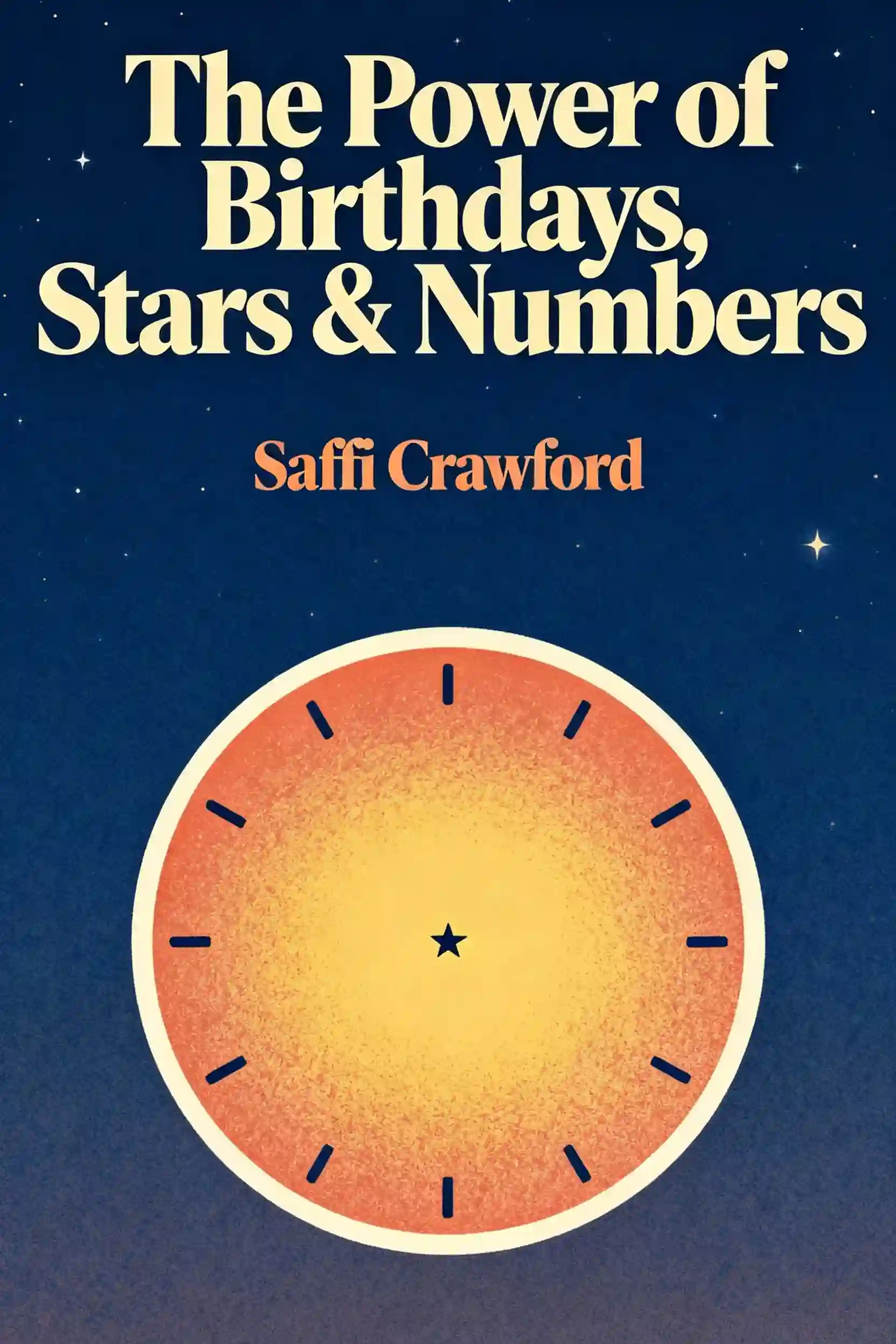
    The Power of Birthdays, Stars, & Numbers
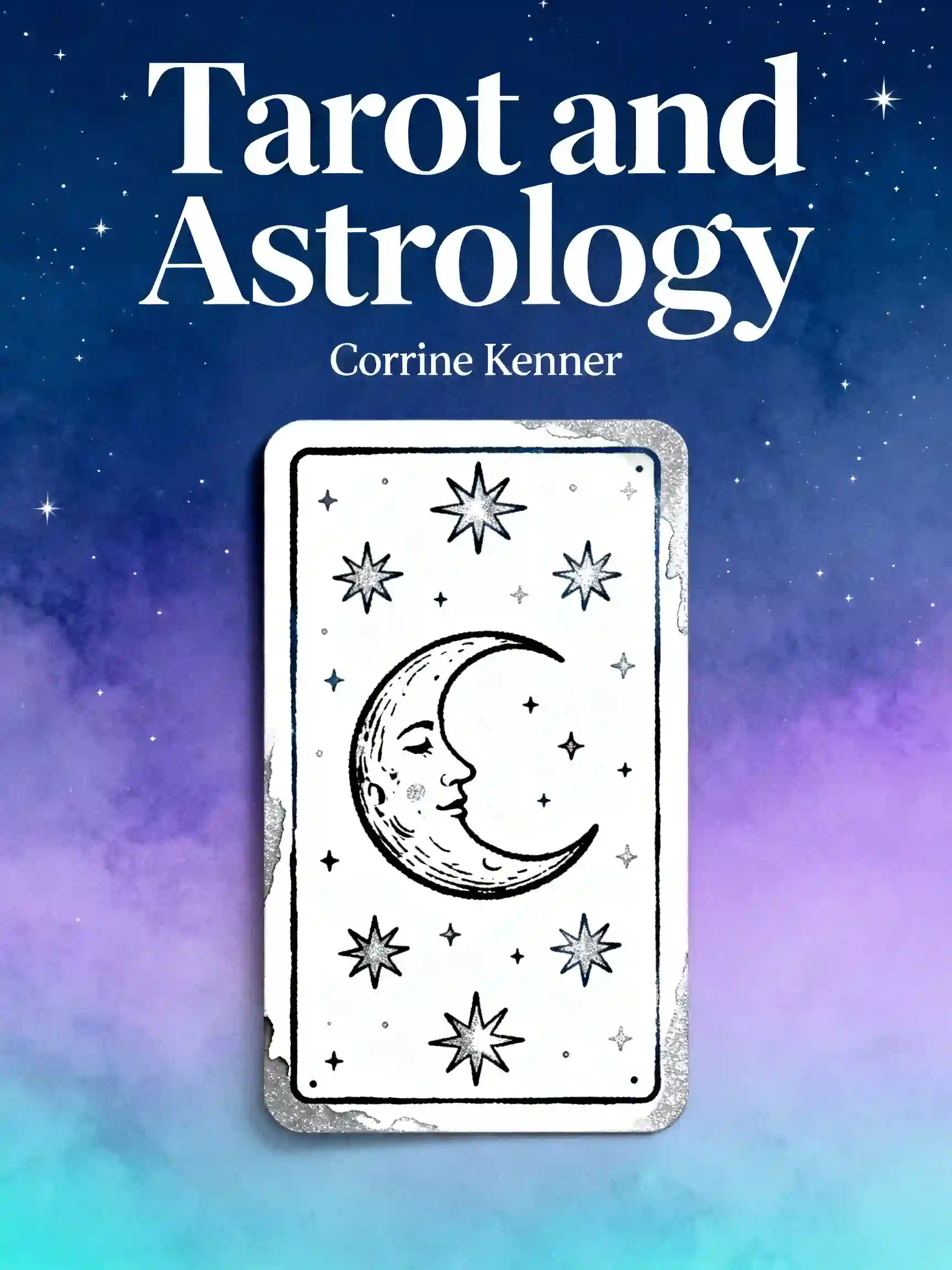
    Tarot and astrology
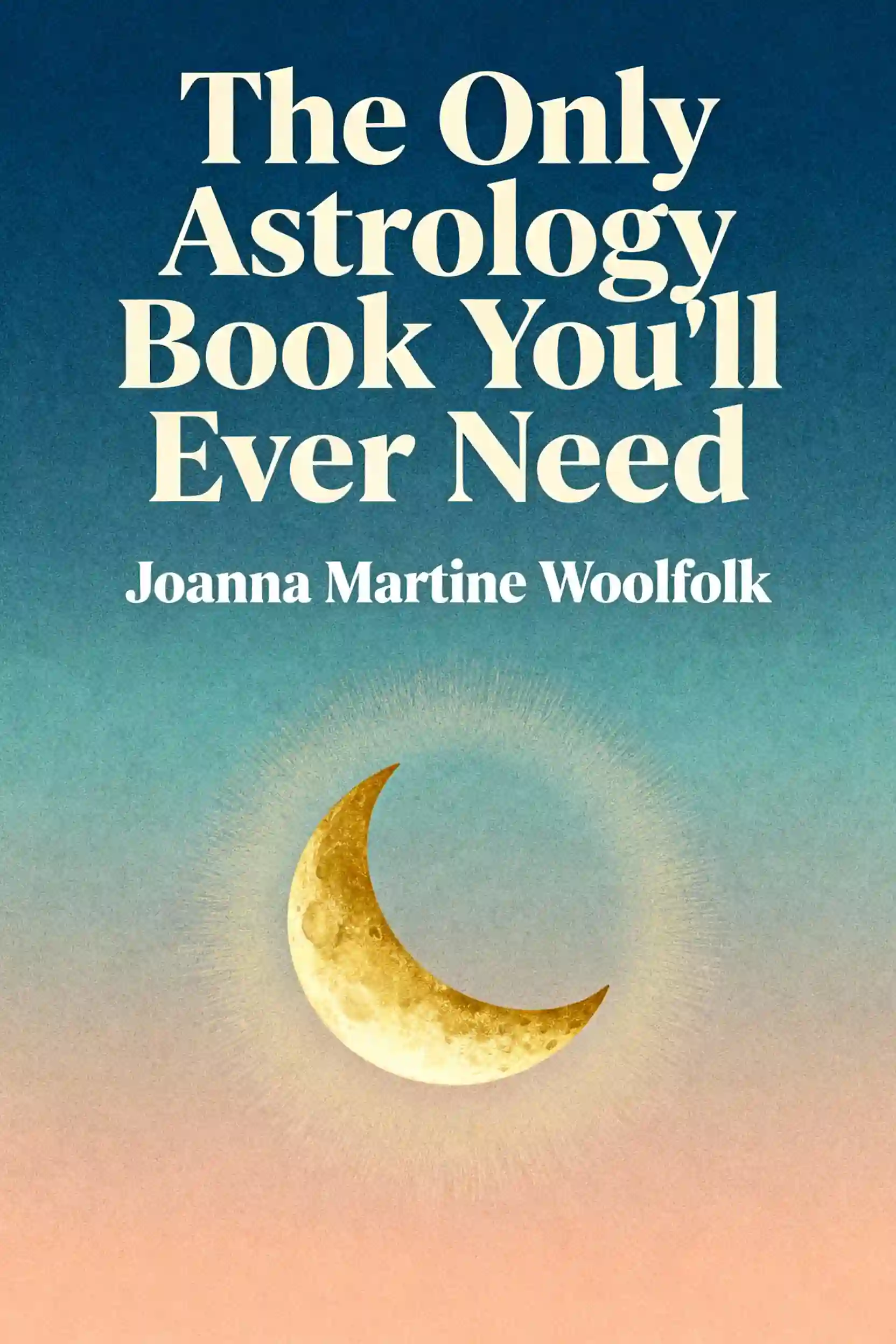
    The only astrology book you'll ever need
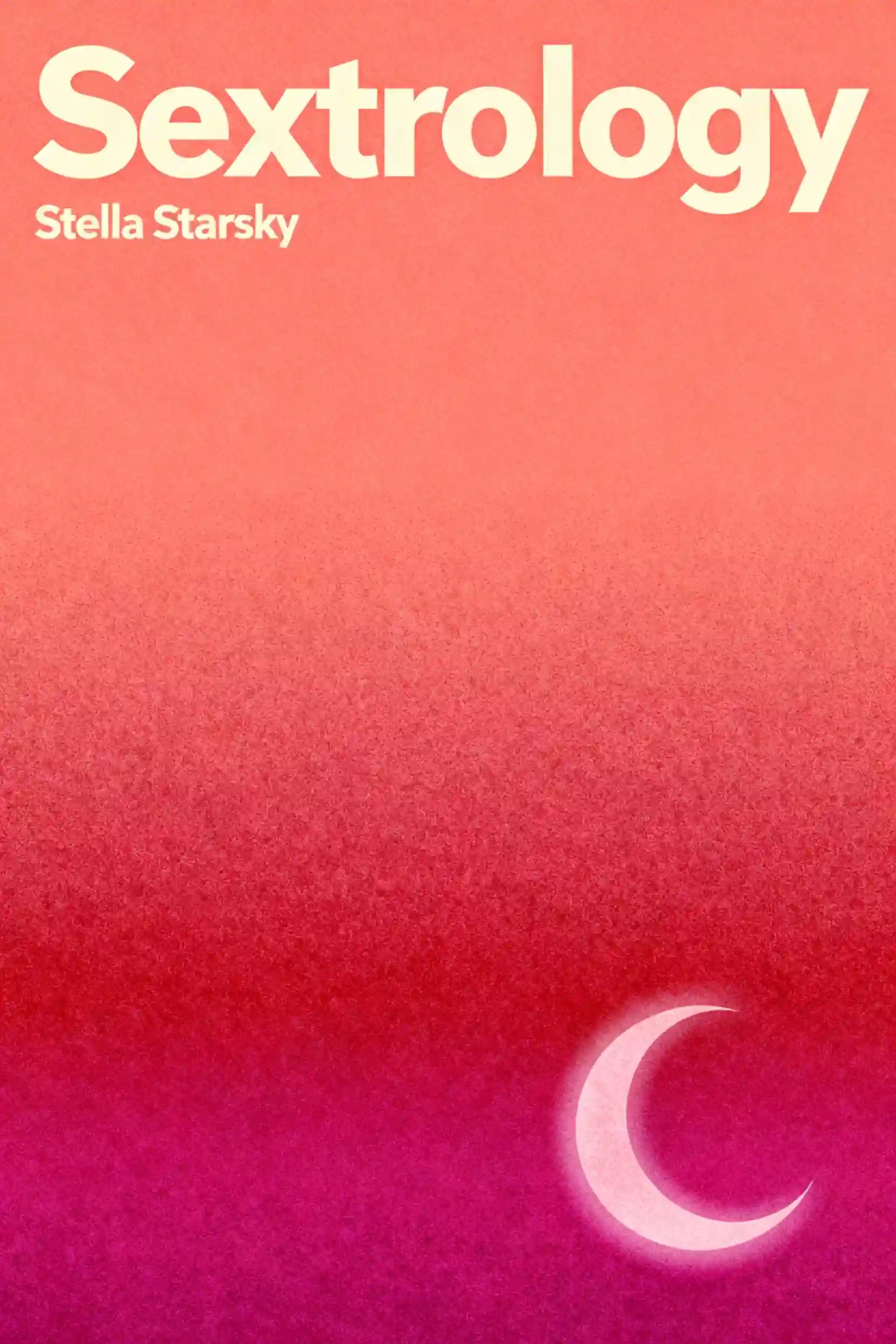
    Sextrology
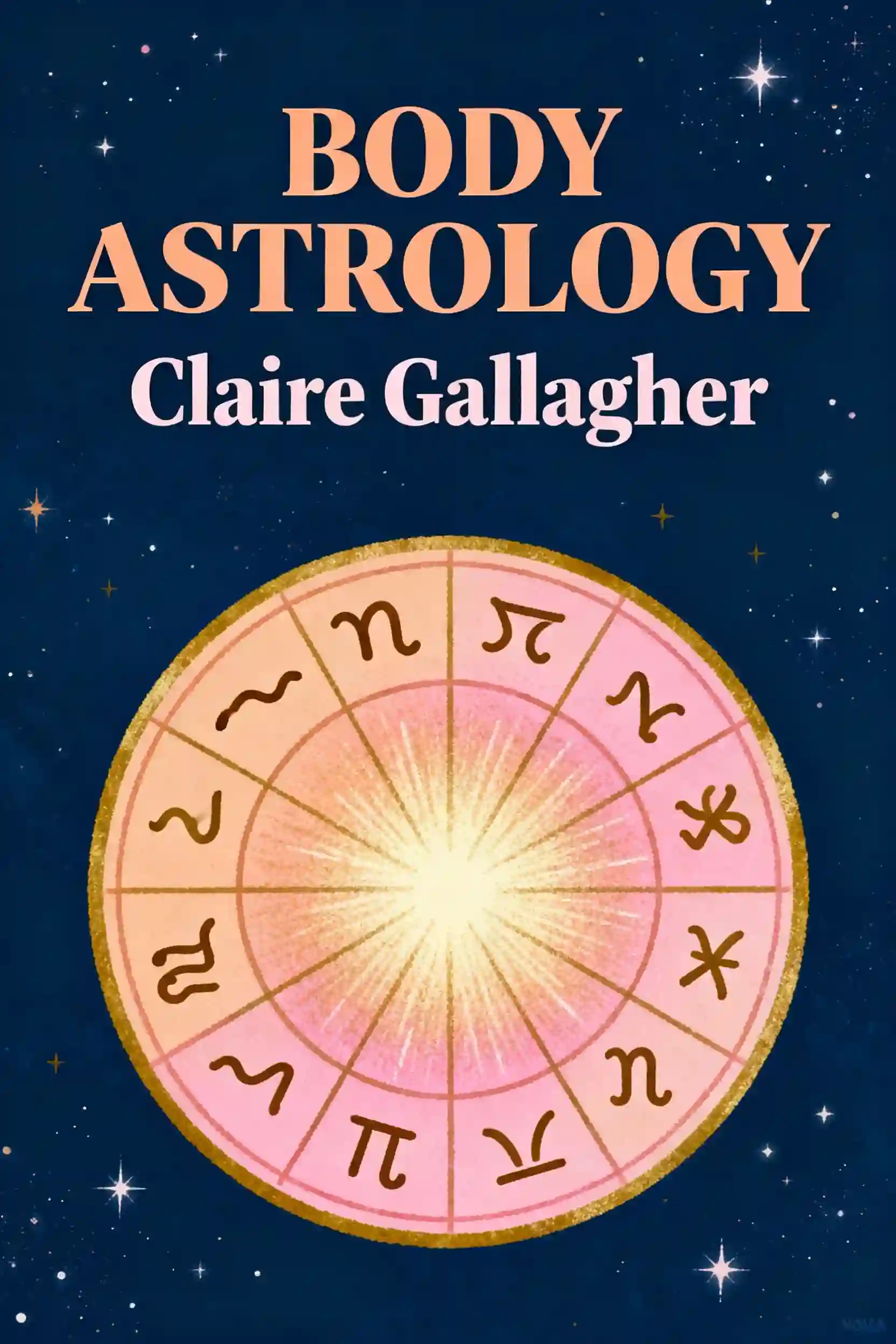
    Body Astrology
    2026 Astrology Forecast: Major Transits, Trends, and Transformation
    link
    https://www.youtube.com/watch?v=afmQm_wCNeE

    由哥伦比亚大学校友创建 | 源自旧金山

    BeFreed 汇聚全球求知若渴的学习者

    4.7

    平均评分

    7,840+ 条 App 评分

    BeFreed 社区

    说真的,我还没把这个 app 完全摸透,但用了这几天已经被惊艳到了… BeFreed 和我用过的任何学习类 app 都不在一个层级。它让人特别投入,还能实实在在地提升专注力,对刷手机停不下来的人来说太合适了!

    @ladyInfinity

    我买 BeFreed 正好 23 天,从那以后每天都在用。它已经完全融入了我的日常工作流和学习习惯。

    @jayallen

    说实话,这个 app 超出了我所有的预期。我可以让它就任何主题生成音频,无论是什么,效果都很惊艳。我的专业领域是心理治疗方向,而且是多学科交叉的,但它给出的内容非常准确。

    @Raguipa

    我最感激的是它大大减少了我刷手机的时间——花在搜索上的时间少了,吸收信息的时间多了。完整有声书、播客加上学习计划的组合,真的很出色。

    @colonyofcreatorsNGO

    我做 PhotoReading 快速学习讲师已经 24 年了… 书籍、阅读和学习就是我的本行,而 BeFreed 用一种创新的方式,把知识变得特别容易吸收,做得非常出色。

    @BeFreed user

    它不只是一个书籍摘要 app。我用过「有趣」这个阅读模式,比传统方式的摘要好得多,理解观点也更容易,光这一点就值回票价。

    @austinakon

    我爱这个 app。用了几天,完全停不下来。作为开始,再好不过了。

    @jcrules328

    我真的很喜欢这个产品;已经试用了大概一个月,感觉挖到宝了。它特别好用,因为我可以用 BeFreed 创建自己想学的主题,声音也很棒,旁白选择多到用不完。

    @DanielCZ

    说真的,我还没把这个 app 完全摸透,但用了这几天已经被惊艳到了… BeFreed 和我用过的任何学习类 app 都不在一个层级。它让人特别投入,还能实实在在地提升专注力,对刷手机停不下来的人来说太合适了!

    @ladyInfinity

    我买 BeFreed 正好 23 天,从那以后每天都在用。它已经完全融入了我的日常工作流和学习习惯。

    @jayallen

    说实话,这个 app 超出了我所有的预期。我可以让它就任何主题生成音频,无论是什么,效果都很惊艳。我的专业领域是心理治疗方向,而且是多学科交叉的,但它给出的内容非常准确。

    @Raguipa

    我最感激的是它大大减少了我刷手机的时间——花在搜索上的时间少了,吸收信息的时间多了。完整有声书、播客加上学习计划的组合,真的很出色。

    @colonyofcreatorsNGO

    我做 PhotoReading 快速学习讲师已经 24 年了… 书籍、阅读和学习就是我的本行,而 BeFreed 用一种创新的方式,把知识变得特别容易吸收,做得非常出色。

    @BeFreed user

    它不只是一个书籍摘要 app。我用过「有趣」这个阅读模式,比传统方式的摘要好得多,理解观点也更容易,光这一点就值回票价。

    @austinakon

    我爱这个 app。用了几天,完全停不下来。作为开始,再好不过了。

    @jcrules328

    我真的很喜欢这个产品;已经试用了大概一个月,感觉挖到宝了。它特别好用,因为我可以用 BeFreed 创建自己想学的主题,声音也很棒,旁白选择多到用不完。

    @DanielCZ

    我特别喜欢它能把有用的信息和想法浓缩成 8-15 分钟的播客式音频。我本来不太爱听播客,因为废话太多,但它把这些全都去掉了。

    @BeFreed user

    我正在读博士的最后阶段,需要读大量不熟悉的材料… 用 BeFreed,只要输入一个提示,app 就会帮你找到源材料并生成一期音频播客。我觉得 BeFreed 的流程比 NotebookLM 更顺畅。

    @Brad

    我经常在做早餐、散步、通勤的时候上 YouTube 找点东西听,而 BeFreed 提供了更有针对性的选择,没有广告,也没有废话!

    @BeFreed user

    这个平台最棒的地方是它的多面性。真的没有任何主题是它讲不了的,你丢给它什么它都能处理… 很少能找到一个毫无限制、又真正兑现承诺的学习工具。

    @jayallen

    BeFreed 太棒了。界面好用,让我花在找功能上的时间更少,花在学习上的时间更多。有声书、播客和学习计划的组合是天才设计,彻底改变了我的日常。

    @BeFreed user

    一开始我花了点时间才弄明白怎么生成意大利语的播客,然后就——哇!太棒了!我可以让它讲解任何一个话题,它讲得又好又聪明!

    @matteo77

    BeFreed 已经成了我每天都用的有声书 app… 我最喜欢的是,把自己的文字放进去,它就能生成随时随地都能听的音频。

    @kotanzu1

    我特别喜欢它能把有用的信息和想法浓缩成 8-15 分钟的播客式音频。我本来不太爱听播客,因为废话太多,但它把这些全都去掉了。

    @BeFreed user

    我正在读博士的最后阶段,需要读大量不熟悉的材料… 用 BeFreed,只要输入一个提示,app 就会帮你找到源材料并生成一期音频播客。我觉得 BeFreed 的流程比 NotebookLM 更顺畅。

    @Brad

    我经常在做早餐、散步、通勤的时候上 YouTube 找点东西听,而 BeFreed 提供了更有针对性的选择,没有广告,也没有废话!

    @BeFreed user

    这个平台最棒的地方是它的多面性。真的没有任何主题是它讲不了的,你丢给它什么它都能处理… 很少能找到一个毫无限制、又真正兑现承诺的学习工具。

    @jayallen

    BeFreed 太棒了。界面好用,让我花在找功能上的时间更少,花在学习上的时间更多。有声书、播客和学习计划的组合是天才设计,彻底改变了我的日常。

    @BeFreed user

    一开始我花了点时间才弄明白怎么生成意大利语的播客,然后就——哇!太棒了!我可以让它讲解任何一个话题,它讲得又好又聪明!

    @matteo77

    BeFreed 已经成了我每天都用的有声书 app… 我最喜欢的是,把自己的文字放进去,它就能生成随时随地都能听的音频。

    @kotanzu1

    查看更多网络上关于 BeFreed 的讨论
    开启你的学习之旅,就是现在
    BeFreed 应用
    BeFreed

    个性化学习,无所不能

    DiscordLinkedIn
    精选书籍摘要
    Crucial ConversationsThe Perfect MarriageInto the WildNever Split the DifferenceAttachedGood to GreatSay Nothing
    热门分类
    Self HelpCommunication SkillRelationshipMindfulnessPhilosophyInspirationProductivity
    名人书单
    Elon MuskCharlie KirkBill GatesSteve JobsAndrew HubermanJoe RoganJordan Peterson
    获奖作品
    Pulitzer PrizeNational Book AwardGoodreads Choice AwardsNobel Prize in LiteratureNew York TimesCaldecott MedalNebula Award
    精选主题
    ManagementAmerican HistoryWarTradingStoicismAnxietySex
    年度最佳书籍
    2025 Best Non Fiction Books2024 Best Non Fiction Books2023 Best Non Fiction Books
    精选作者
    Chimamanda Ngozi AdichieGeorge OrwellO. J. SimpsonBarbara O'NeillWinston ChurchillCharlie Kirk
    BeFreed 与其他应用对比
    BeFreed vs. Other Book Summary AppsBeFreed vs. ElevenReaderBeFreed vs. ReadwiseBeFreed vs. Anki
    学习工具
    Knowledge VisualizerAI Podcast Generator
    更多信息
    关于我们arrow
    定价arrow
    常见问题arrow
    博客arrow
    招聘arrow
    合作伙伴arrow
    大使计划arrow
    目录arrow
    BeFreed
    Try now
    © 2026 BeFreed
    使用条款隐私政策
    BeFreed

    个性化学习,无所不能

    DiscordLinkedIn
    精选书籍摘要
    Crucial ConversationsThe Perfect MarriageInto the WildNever Split the DifferenceAttachedGood to GreatSay Nothing
    热门分类
    Self HelpCommunication SkillRelationshipMindfulnessPhilosophyInspirationProductivity
    名人书单
    Elon MuskCharlie KirkBill GatesSteve JobsAndrew HubermanJoe RoganJordan Peterson
    获奖作品
    Pulitzer PrizeNational Book AwardGoodreads Choice AwardsNobel Prize in LiteratureNew York TimesCaldecott MedalNebula Award
    精选主题
    ManagementAmerican HistoryWarTradingStoicismAnxietySex
    年度最佳书籍
    2025 Best Non Fiction Books2024 Best Non Fiction Books2023 Best Non Fiction Books
    学习工具
    Knowledge VisualizerAI Podcast Generator
    精选作者
    Chimamanda Ngozi AdichieGeorge OrwellO. J. SimpsonBarbara O'NeillWinston ChurchillCharlie Kirk
    BeFreed 与其他应用对比
    BeFreed vs. Other Book Summary AppsBeFreed vs. ElevenReaderBeFreed vs. ReadwiseBeFreed vs. Anki
    更多信息
    关于我们arrow
    定价arrow
    常见问题arrow
    博客arrow
    招聘arrow
    合作伙伴arrow
    大使计划arrow
    目录arrow
    BeFreed
    Try now
    © 2026 BeFreed
    使用条款隐私政策

    相似内容

    Astrology in the Age of Polycrisis 书籍封面
    The only astrology book you'll ever needIs Astrology Real? Here's What Science Says - Scientific AmericanThe Final Word on Astrology and Personality | Psychology Today CanadaAstrology’s appeal in uncertain times
    6 sources
    Astrology in the Age of Polycrisis
    In a world driven by data, why is astrology a $22 billion industry? Explore the tension between scientific rigor and our search for cosmic meaning.
    26 min
    Cosmic Blueprints: Decoding the Language of Astrology 书籍封面
    The Only Astrology Book You'll Ever NeedSextrologyThe Power of Birthdays, Stars & NumbersTarot and Astrology
    21 sources
    Cosmic Blueprints: Decoding the Language of Astrology
    Journey beyond daily horoscopes to discover how ancient celestial maps serve as a 5,000-year-old psychological mirror for self-discovery and life timing.
    24 min
    Beyond Horoscopes: Your Cosmic Blueprint Revealed 书籍封面
    The Astrology PodcastThe Nightlight Astrology PodcastThe Happy Mystic Astrology PodcastClub Cosmos Radio: An Astrology Podcast
    6 sources
    Beyond Horoscopes: Your Cosmic Blueprint Revealed
    Lena and Eli dive deep into astrology as a sophisticated tool for self-discovery, exploring birth charts, relationship dynamics, and how to live authentically aligned with your celestial design.
    9 min
    When Stars Don't Align: Astrology vs Reality 书籍封面
    The Only Astrology Book You'll Ever NeedSextrologyThe Power of Birthdays, Stars & NumbersBad Astronomy
    19 sources
    When Stars Don't Align: Astrology vs Reality
    Exploring the fascinating disconnect between what astrology claims and what astronomy reveals, especially when Saturn isn't actually where astrologers think it is.
    13 min
    Bible Astrology and the Gospel in the Stars 书籍封面
    SextrologyThe Power of Birthdays, Stars, & NumbersThe Complete Sherlock HolmesThe books of Enoch
    19 sources
    Bible Astrology and the Gospel in the Stars
    Confused by celestial symbols in Revelation? Explore how the Mazzaroth acts as a cosmic clock to reveal a divine story rather than a daily horoscope.
    32 min
    Cosmic Time Travel: Stargazing's Hidden Wonders 书籍封面
    Astrophysics for Young People in a HurryA Brief History of TimeWelcome to the UniverseBad Astronomy
    22 sources
    Cosmic Time Travel: Stargazing's Hidden Wonders
    Discover how astronomy lets us peer back in time through light-years of space, revealing black holes, mysterious 'platypus objects,' and the invisible dark matter that makes up 95% of our universe.
    15 min
    The Renaissance: Humanity’s Great Reboot 书籍封面
    The Renaissance: At a Glance | BritannicaRenaissance: Definition, Timeline & Art | HISTORYRenaissance | Definition, Meaning, History, Artists, Art, & FactsRenaissance art | Definition, Characteristics, Style, Examples, & Facts | Britannica
    8 sources
    The Renaissance: Humanity’s Great Reboot
    After centuries of dogma, an obsession with classical wisdom changed how we see ourselves. Explore how this era of creativity redefined the human spirit.
    22 min
    Astrophysics for People in a Hurry 书籍封面
    Astrophysics for People in a Hurry Summary and Key LessonsAstrophysics for People in a Hurry Book Summary by Neil de Grasse TysonAstrophysics For People In A Hurry By Neil Degrasse Tyson Chapter Summary | Neil Degrasse TysonAstrophysics for People in a Hurry: A Celestial Crash Course - All about Book Summary
    4 sources
    Astrophysics for People in a Hurry
    Struggling with a frantic schedule? Discover your cosmic genealogy and how universal laws turn the vast night sky into a mirror of our own origins.
    798 min

    Recommended Learning Plans

    The New Era of Cosmic Discovery
    学习计划

    The New Era of Cosmic Discovery

    As we enter a golden age of astronomy, understanding the mechanisms of our universe is more accessible than ever. This plan is ideal for science enthusiasts and lifelong learners eager to grasp the latest breakthroughs in black hole physics and the search for extraterrestrial life.

    1 h 30 m•3 章节
    The Cosmic Mirror: Science Meets Spirit
    学习计划

    The Cosmic Mirror: Science Meets Spirit

    This plan is essential for seekers and thinkers looking to reconcile modern physics with ancient metaphysical truths. It is designed for those who want to move beyond reductionist science toward a deeper, unified understanding of the mind and the cosmos.

    1 h 30 m•3 章节
    Daily Guidance: Astrology, Tarot, and Biorhythms
    学习计划

    Daily Guidance: Astrology, Tarot, and Biorhythms

    This plan is designed for individuals seeking practical ways to integrate ancient wisdom into modern daily life. It is ideal for anyone looking to increase self-awareness and optimize their productivity by aligning with astrological, visual, and biological rhythms.

    1 h 30 m•3 章节
    Celestial Roots of Ancient Myth
    学习计划

    Celestial Roots of Ancient Myth

    This course is essential for those seeking to understand the astronomical architecture underlying Western theology and mythology. It is ideal for researchers, history enthusiasts, and spiritual seekers looking to bridge the gap between ancient star lore and modern religious narratives.

    2 h 37 m•4 章节
    Cosmic Perspective for Human Growth
    学习计划

    Cosmic Perspective for Human Growth

    This plan bridge the gap between space exploration and personal development, offering a unique framework for resilience. It is ideal for leaders, high-achievers, and anyone feeling overwhelmed by modern life who seeks a more grounded, expansive outlook.

    2 h•4 章节
    Magnetic Presence and Astrology Branding
    学习计划

    Magnetic Presence and Astrology Branding

    This plan is essential for spiritual entrepreneurs who want to bridge the gap between cosmic knowledge and professional digital influence. It is designed for astrologers and creators looking to build a high-converting personal brand through charismatic video content.

    2 h•4 章节
    The Architecture of Cosmic Alignment
    学习计划

    The Architecture of Cosmic Alignment

    This program is designed for seekers and high-achievers who feel a disconnect between their efforts and their results. It bridges the gap between ancient metaphysical systems and modern neuroscience, making it ideal for anyone looking to master their internal state and align with universal rhythms.

    2 h•4 章节
    Astronomy
    学习计划

    Astronomy

    Astronomy connects us to the vastness beyond Earth, offering profound insights about our place in the cosmos. This learning plan benefits curious minds seeking to understand celestial mechanics, cosmic evolution, and the frontiers of space exploration without requiring advanced physics or mathematics.

    4 h 15 m•4 章节