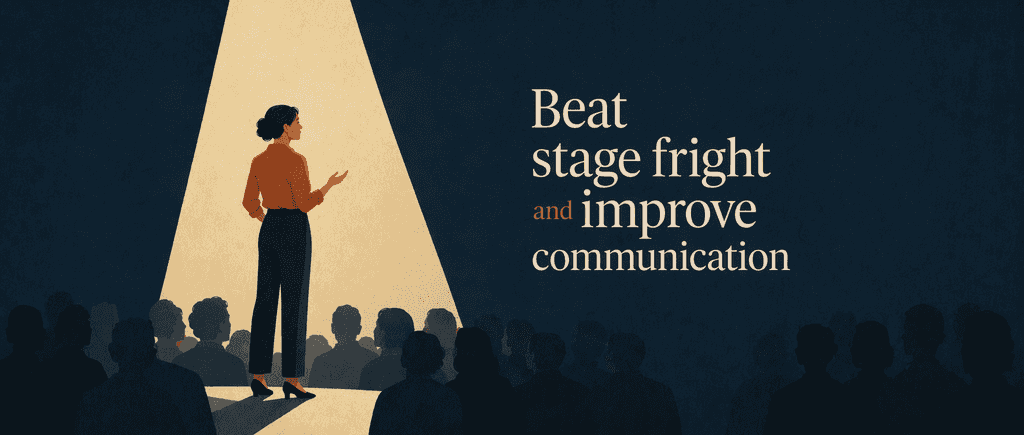
How to Command a Stage: Confident Frontman Tips for Indie Rock
Master stage presence as an indie rock frontman. Learn crowd interaction, lead guitar performance tips, and memorization strategies for a confident live show.

How to Command a Stage: Confident Frontman Tips for Indie Rock最佳语录
Confidence isn't the absence of fear; it’s actually just trust in your preparation. The more structured your preparation, the more spontaneous your performance can be.
Generated by Marcus
Walk me through how to command a stage as a confident, natural frontman in an indie rock band, including stage presence, crowd interaction, and performing lead guitar without overthinking. And memorization strategies

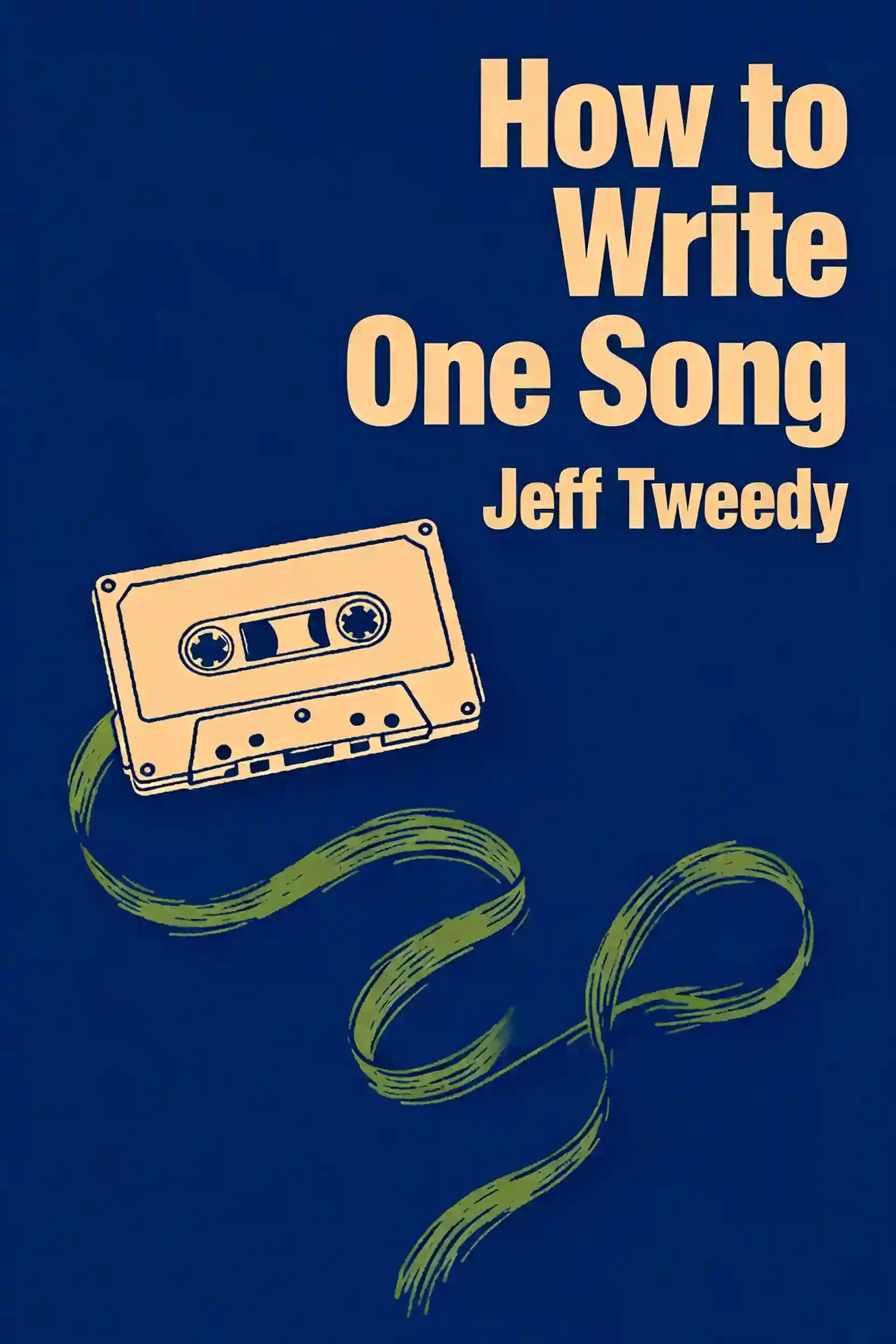
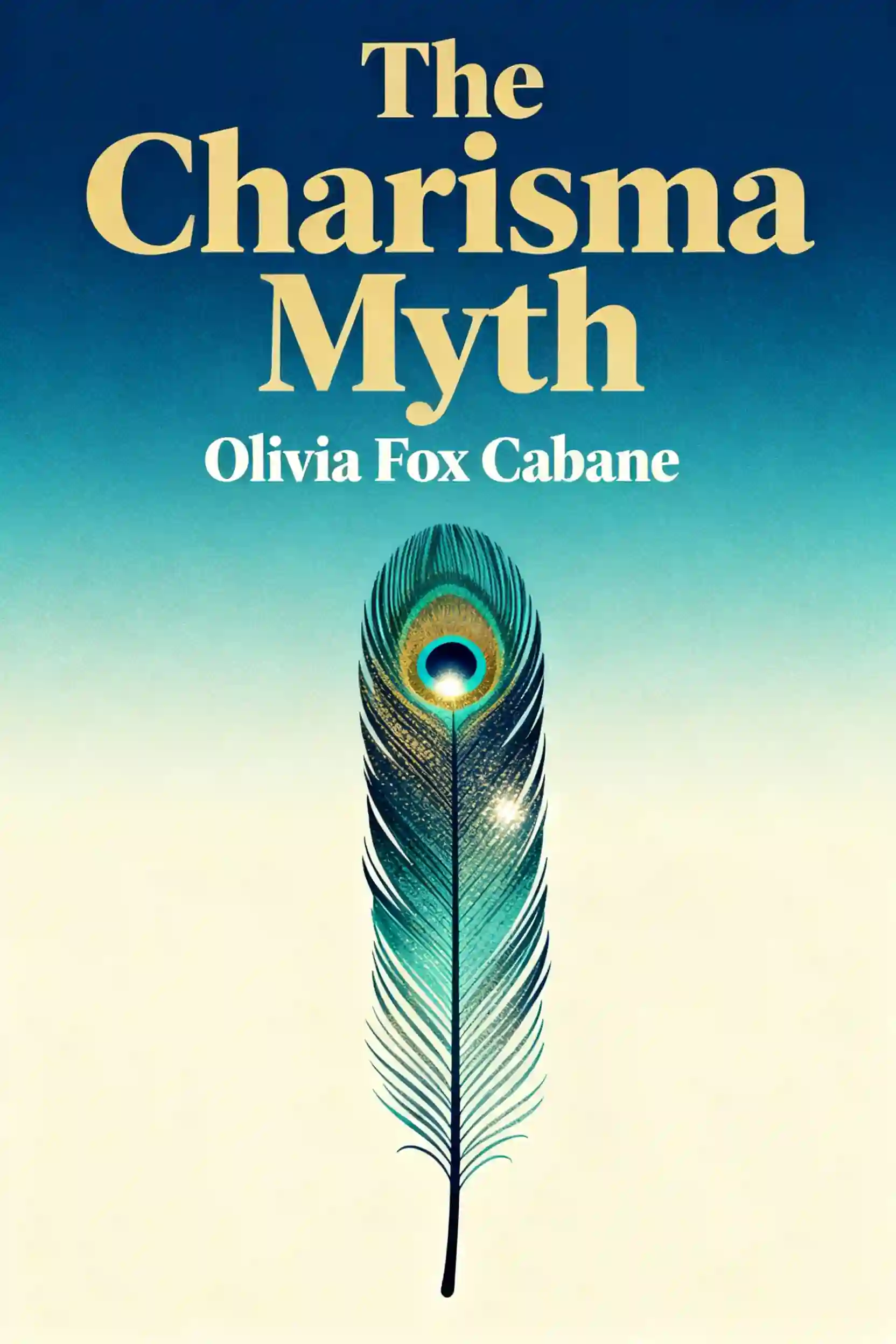
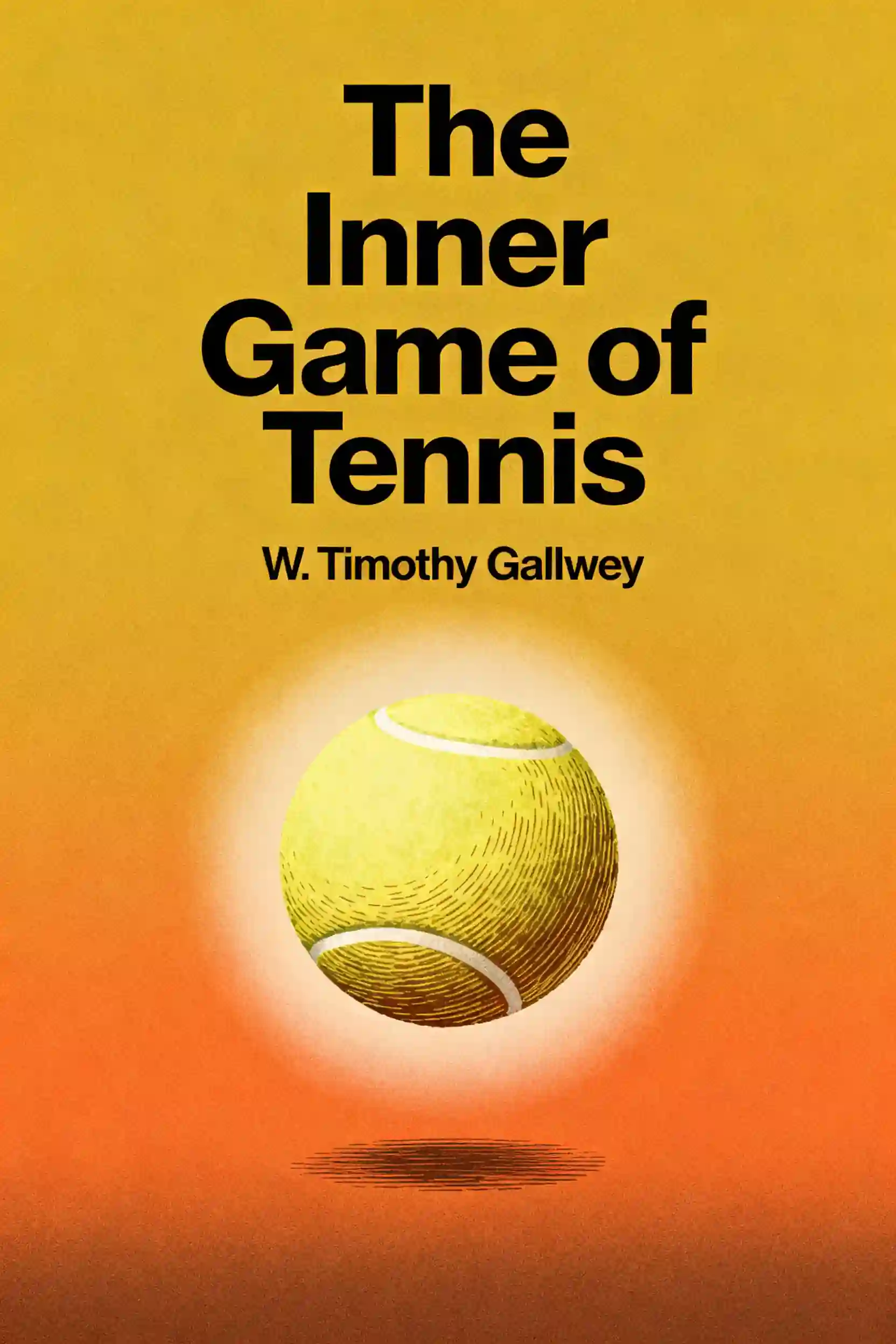
常见问题
Improving stage presence starts with developing natural frontman techniques that project confidence to the audience. Focus on your posture, use the entire stage, and ensure your physical movements align with the energy of the music. By mastering these indie rock frontman tips, you can transition from simply playing songs to delivering a captivating performance that feels authentic and engaging for every person in the room.
Effective crowd interaction involves more than just speaking between songs; it is about creating a shared experience. Use eye contact to build a connection and implement strategies like call-and-response or sharing brief stories behind your tracks. These natural frontman techniques help break the barrier between the stage and the audience, making your indie rock performance feel more intimate and memorable for the fans.
Performing lead guitar live requires a balance of technical skill and mental presence. To avoid overthinking during a solo, focus on the rhythm and the emotional intent of the notes rather than just the fretboard. By combining solid music memorization strategies with consistent rehearsal, you can reach a state of flow where your playing becomes second nature, allowing you to maintain a confident stage performance throughout the set.
The best music memorization strategies involve a mix of repetition, visualization, and muscle memory. Break your songs into smaller sections and practice them until they are ingrained, which reduces the mental load during a live show. This preparation is essential for any indie rock frontman who wants to focus on crowd interaction and stage presence rather than worrying about forgetting lyrics or complex guitar parts.
"Instead of endless scrolling, I just hit play on BeFreed. It saves me so much time."


"I never knew where to start with nonfiction—BeFreed’s book lists turned into podcasts gave me a clear path."


"Perfect balance between learning and entertainment. Finished ‘Thinking, Fast and Slow’ on my commute this week."
"Crazy how much I learned while walking the dog. BeFreed = small habits → big gains."
"Reading used to feel like a chore. Now it’s just part of my lifestyle."

"Feels effortless compared to reading. I’ve finished 6 books this month already."
"BeFreed turned my guilty doomscrolling into something that feels productive and inspiring."

"BeFreed turned my commute into learning time. 20-min podcasts are perfect for finishing books I never had time for."
"BeFreed replaced my podcast queue. Imagine Spotify for books — that’s it. 🙌"

"It is great for me to learn something from the book without reading it."
"The themed book list podcasts help me connect ideas across authors—like a guided audio journey."
"Makes me feel smarter every time before going to work"
"Instead of endless scrolling, I just hit play on BeFreed. It saves me so much time."
"I never knew where to start with nonfiction—BeFreed’s book lists turned into podcasts gave me a clear path."
"Perfect balance between learning and entertainment. Finished ‘Thinking, Fast and Slow’ on my commute this week."
"Crazy how much I learned while walking the dog. BeFreed = small habits → big gains."
"Reading used to feel like a chore. Now it’s just part of my lifestyle."
"Feels effortless compared to reading. I’ve finished 6 books this month already."
"BeFreed turned my guilty doomscrolling into something that feels productive and inspiring."
"BeFreed turned my commute into learning time. 20-min podcasts are perfect for finishing books I never had time for."
"BeFreed replaced my podcast queue. Imagine Spotify for books — that’s it. 🙌"
"It is great for me to learn something from the book without reading it."
"The themed book list podcasts help me connect ideas across authors—like a guided audio journey."
"Makes me feel smarter every time before going to work"
"Instead of endless scrolling, I just hit play on BeFreed. It saves me so much time."
"I never knew where to start with nonfiction—BeFreed’s book lists turned into podcasts gave me a clear path."
"Perfect balance between learning and entertainment. Finished ‘Thinking, Fast and Slow’ on my commute this week."
"Crazy how much I learned while walking the dog. BeFreed = small habits → big gains."
"Reading used to feel like a chore. Now it’s just part of my lifestyle."
"Feels effortless compared to reading. I’ve finished 6 books this month already."
"BeFreed turned my guilty doomscrolling into something that feels productive and inspiring."
"BeFreed turned my commute into learning time. 20-min podcasts are perfect for finishing books I never had time for."
"BeFreed replaced my podcast queue. Imagine Spotify for books — that’s it. 🙌"
"It is great for me to learn something from the book without reading it."
"The themed book list podcasts help me connect ideas across authors—like a guided audio journey."
"Makes me feel smarter every time before going to work"
"Instead of endless scrolling, I just hit play on BeFreed. It saves me so much time."
"I never knew where to start with nonfiction—BeFreed’s book lists turned into podcasts gave me a clear path."
"Perfect balance between learning and entertainment. Finished ‘Thinking, Fast and Slow’ on my commute this week."
"Crazy how much I learned while walking the dog. BeFreed = small habits → big gains."
"Reading used to feel like a chore. Now it’s just part of my lifestyle."
"Feels effortless compared to reading. I’ve finished 6 books this month already."
"BeFreed turned my guilty doomscrolling into something that feels productive and inspiring."
"BeFreed turned my commute into learning time. 20-min podcasts are perfect for finishing books I never had time for."
"BeFreed replaced my podcast queue. Imagine Spotify for books — that’s it. 🙌"
"It is great for me to learn something from the book without reading it."
"The themed book list podcasts help me connect ideas across authors—like a guided audio journey."
"Makes me feel smarter every time before going to work"