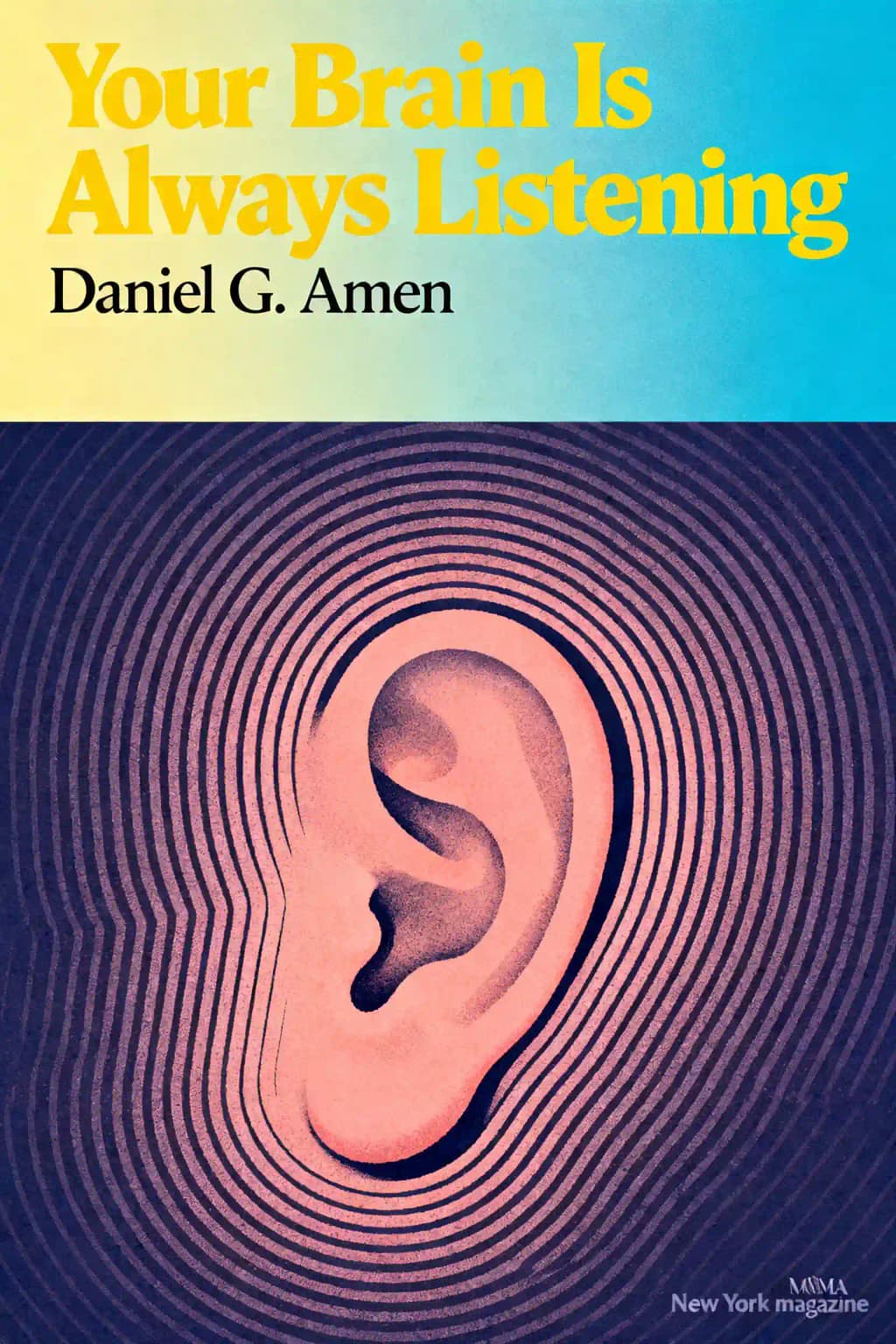
Your Brain Is Always Listening
Tame the Hidden Dragons That Control Your Happiness, Habits, and Hang-Ups
《Your Brain Is Always Listening》概述
Discover why your mind's hidden "dragons" - past traumas influencing present behaviors - might be sabotaging your life. Dr. Amen's bestselling guide, endorsed by Dr. Oz, offers science-backed strategies that have helped millions tame their mental health challenges. What invisible force is controlling your decisions today?

《Your Brain Is Always Listening》核心主题
- automatic negative thoughts
- childhood trauma recovery
- brain system optimization
- emotional regulation techniques
- intergenerational trauma
《Your Brain Is Always Listening》经典语录
You are not stuck with the brain you have; you can make it better.
Your brain is involved in everything you do.
The single most important lesson you can learn about your brain is that it is always listening.
We can change how our brains respond to [the past].
It's never too late to change your narrative.
《Your Brain Is Always Listening》主要人物
- Dr. Daniel AmenAuthor and psychiatrist who identifies 'dragons'
- JimmyPatient whose brain scan showed dramatic healing
- Miley CyrusCelebrity who used the book's techniques
关于作者
《Your Brain Is Always Listening》作者介绍
Daniel G. Amen, MD, New York Times bestselling author of Your Brain Is Always Listening, is a pioneering psychiatrist and brain health expert renowned for his groundbreaking work in functional brain imaging. As the founder of Amen Clinics, which houses the world’s largest database of brain SPECT scans, he combines neuroscience with practical strategies to address mental health and behavioral challenges.
A distinguished fellow of the American Psychiatric Association, Dr. Amen has authored over 27 books, including Change Your Brain, Change Your Life and The Daniel Plan—a faith-based wellness program co-created with Pastor Rick Warren that helped thousands achieve transformative health outcomes. His digital series Scan My Brain and viral social media content have educated millions on optimizing cognitive function.
Your Brain Is Always Listening distills his decades of clinical experience into actionable tools for taming destructive mental patterns, reflecting his mission to revolutionize mental health care. Dr. Amen’s work has been featured in major media outlets, and his clinics have performed over 225,000 brain scans across 155 countries.
下载《Your Brain Is Always Listening》摘要
免费获取《Your Brain Is Always Listening》摘要的 PDF 或 EPUB 版本。可打印或随时离线阅读。
关于本书的常见问题
Your Brain Is Always Listening by Dr. Daniel G. Amen explores how hidden mental "dragons"—like past traumas, negative thoughts, and addictive behaviors—impact emotional health. The book provides practical strategies to tame these dragons, offering tools to reduce anxiety, improve relationships, and regain control over habits. Key frameworks include addressing six dragon types, such as Scheming Dragons (social media influences) and Addicted Dragons (substance abuse triggers).
This book is ideal for individuals struggling with anxiety, depression, or compulsive behaviors, as well as anyone seeking to understand how past experiences and daily habits shape mental health. It’s also valuable for therapists, coaches, or caregivers looking for neuroscience-backed strategies to support clients.
Yes, particularly for readers interested in actionable brain science. Dr. Amen combines clinical expertise (based on over 200,000 brain scans) with relatable metaphors like "dragons," making complex neuroscience accessible. The book’s structured approach to identifying and overcoming mental obstacles has been praised for its practicality.
Dr. Amen identifies six dragons:
- Dragons from the Past: Unresolved traumas fueling emotional pain.
- Negative Thought Dragons: Patterns causing anxiety or depression.
- They/Them Dragons: Toxic relationships.
- Bad Habit Dragons: Behaviors harming health or productivity.
- Addicted Dragons: Substance or behavior dependencies.
- Scheming Dragons: External influences like manipulative advertising.
The book teaches readers to identify Negative Thought Dragons and replace them with evidence-based coping strategies, such as cognitive reframing and mindfulness. Dr. Amen emphasizes tracking thought patterns and using supplements (like Vitamin D3) to support brain health, alongside behavioral changes.
Dr. Amen’s approach is informed by SPECT brain imaging, which he uses to correlate brain activity with behavioral issues. His clinics have analyzed over 200,000 scans, linking conditions like ADHD or depression to specific brain patterns. This data-driven method underpins the book’s strategies for optimizing mental health.
Scheming Dragons represent external manipulators, including social media algorithms. The book advises limiting screen time, curating feeds to avoid negativity, and practicing "attention hygiene" to reduce dopamine-driven scrolling. Dr. Amen also recommends supplements like Acetyl L-Carnitine to improve focus and resilience.
The included Book Kit features Vitamin D3-2000 (for mood regulation) and Acetyl L-Carnitine 500 (for cognitive function). These align with Dr. Amen’s emphasis on combining nutritional support with behavioral change to enhance brain health.
Both books focus on brain-health strategies, but Your Brain Is Always Listening specifically targets emotional "dragons," while Change Your Brain addresses broader brain disorders. The newer book integrates updated case studies and a stronger emphasis on habit formation versus clinical conditions.
Some critics argue the dragon metaphor oversimplifies complex mental health issues, and the reliance on SPECT scans remains controversial in mainstream psychiatry. However, supporters praise its accessible, actionable advice for non-experts.
Yes, by addressing They/Them Dragons—toxic dynamics with partners, family, or colleagues. The book provides communication frameworks to set boundaries, resolve conflicts, and avoid emotional triggers, fostering healthier interactions.
Your brain’s responses are shaped by both internal and external influences, but you can reclaim control by systematically identifying and "taming" these dragons. Combining self-awareness, behavioral tweaks, and nutritional support creates lasting mental resilience.