第 1 章
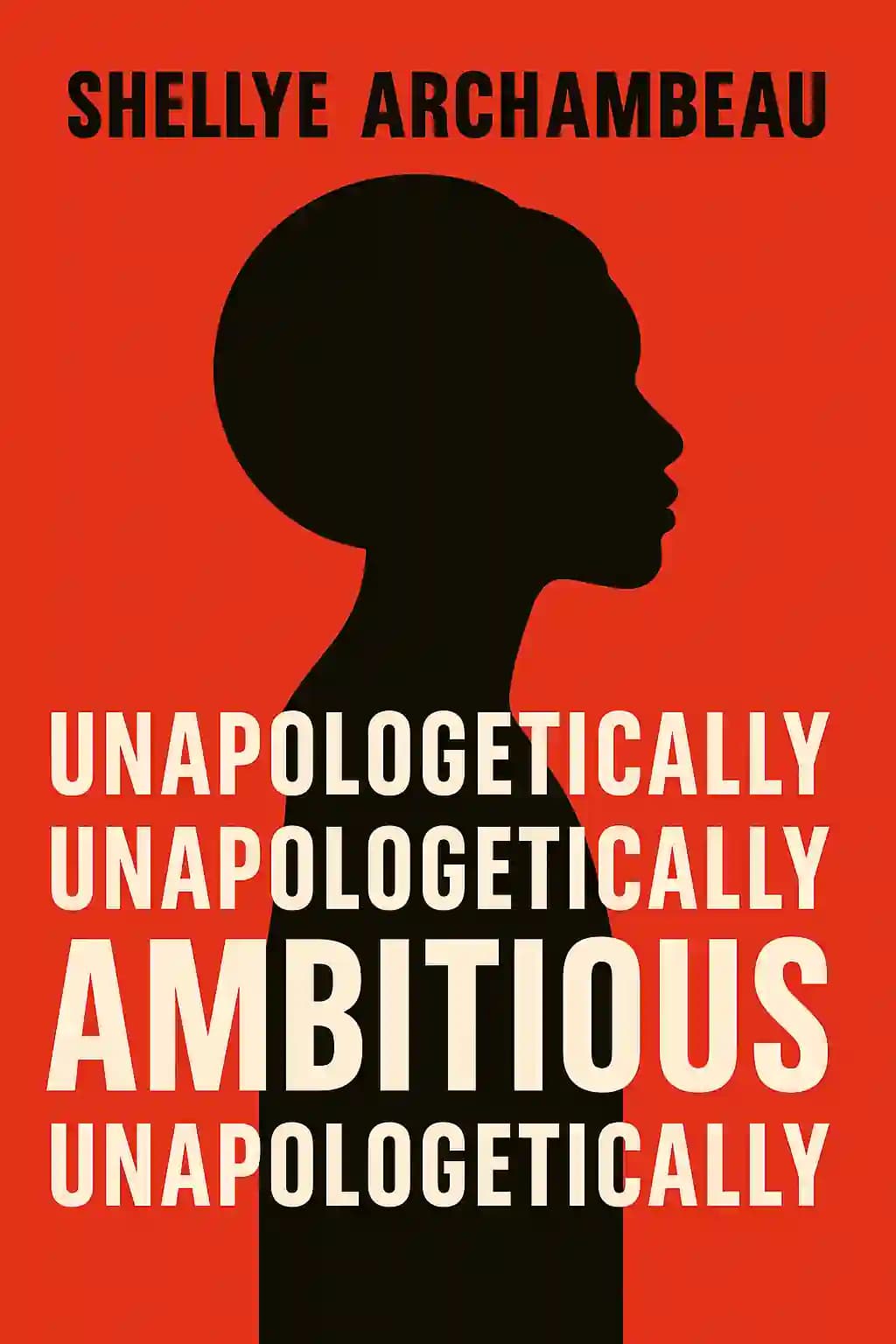
From Ambition to Achievement: Shellye Archambeau's Unapologetic Journey
When Shellye Archambeau's office phone rang with a call from the CEO of Verizon, it marked yet another milestone in a career that had defied expectations. Born in 1962 to a family of modest means during the height of the civil rights movement, Archambeau's journey from shy Black girl in all-white schools to becoming one of Silicon Valley's rare African American female CEOs by age forty seems almost impossible. Yet her story, which has inspired executives from Sheryl Sandberg to Ben Horowitz, reveals that success isn't about luck-it's about strategy. This Wall Street Journal bestseller has become required reading in business schools nationwide, praised for its practical wisdom on career advancement, leadership, and breaking barriers. As Archambeau puts it, "Success begins with figuring out what you want and making deliberate choices to get there." Her unapologetic ambition offers a masterclass in how determination, strategic planning, and resilience can overcome even the most formidable obstacles.
第 2 章
Early Lessons: Creating Your Own Path Through Adversity
On my first day as CEO, I woke before dawn with the thought "I. Am. CEO" reverberating through my mind. Taking a moment to appreciate this extraordinary achievement, I asked myself how I got here. Though I knew I earned this position through decades of learning, planning, strategizing, and working incredibly hard, I was still amazed to have arrived.
My parents raised their children with a focus on good life, strong character, and great education. My father, a natural engineer without a college degree, worked his way up at IBM while my college-educated mother managed our household with remarkable resourcefulness. She maintained order, delegated responsibilities, and carefully budgeted to fund our activities while saving for college-all on a single income.
Despite our happy home life, outside challenges were significant. Born during the Civil Rights Movement, my siblings and I faced racial tensions. My parents taught us to create our own luck by setting goals, making plans, developing skills, maintaining positive attitudes, and aligning daily choices with our objectives. The challenges I faced-systemic racism, frequent moves, health issues-became opportunities to develop strategies I would later use to excel in my career. Rather than becoming barriers, these obstacles helped me learn valuable lessons about perseverance and determination.
What if we viewed our challenges not as roadblocks but as training grounds for future success? This perspective shift doesn't minimize difficulties but transforms them into stepping stones toward our goals. By focusing on what we can control rather than what we can't, we begin creating our own luck-just as my parents taught me.
第 3 章
Confronting Impostor Syndrome: The Silent Career Killer
Starting school in Granada Hills in 1969-shortly after the Watts riots, during a racially charged period in America-I faced immediate challenges as the only Black child in my class. Research shows that by age six, children begin internalizing gender and racial stereotypes, taking cues from adults about social expectations.
My daily walk to school exposed me to racial slurs from passing motorists, while at school I endured teasing, harassment, and physical bullying that left lasting scars. Even the administration showed bias-after I passed the test for the Gifted and Talented Education program, they inexplicably required everyone to retake it, after which I was the only student who "failed."
My parents never allowed us to use racism as an excuse, hoping this approach would empower us to overcome it rather than be limited by it. As a child, I internalized rejection and believed I wasn't smart enough. The culmination came when two classmates physically attacked me while walking home, leaving me bleeding and traumatized.
These early experiences planted seeds of impostor syndrome-the feeling that you don't deserve your accomplishments and don't belong. Especially common among women of color, impostor syndrome whispers doubts that can undermine your aspirations and confidence. To combat it: realize many accomplished people experience it; recognize and reject those self-doubting voices; believe the people who recognize your worth; adopt a "fake it 'til you make it" mentality when confidence is lacking; and work to believe in yourself despite societal expectations. Life isn't fair, but it isn't impossible either-choose to define yourself rather than letting injustices define you.
Have you ever achieved something significant only to feel you didn't really deserve it? That's impostor syndrome at work-and recognizing it is the first step toward overcoming it.
第 4 章
The Power of Cheerleaders: Finding Support When You Need It Most
We all need cheerleaders in life-people who believe in us when things aren't going well, who recognize our strengths when we can't see them ourselves. Though my family members were my first cheerleaders, two influential women appeared in my life when I was nine.
Mrs. Lutesinger, my sewing teacher, became a mentor after I made a mistake cutting fabric. Rather than letting me remain embarrassed, she invited me to her home studio for one-on-one lessons. At her ranch house in the Los Angeles hills, she introduced me to horseback riding-an experience that changed me forever. Sitting high on that horse, I felt a new sense of possibility with the right support beneath me.
Mrs. Mizrahi, my math teacher, recognized my competitive spirit and made a deal: if I finished my work first, I could help other students with theirs. This arrangement boosted my self-esteem when I needed it most.
These cheerleaders appeared at a crucial time, keeping me from becoming completely disillusioned. Their example taught me to seek out supportive relationships throughout life-from friendships to choosing a partner, finding mentors, and building professional networks. None of us is strong enough to face life's challenges alone, especially when systemic barriers and impostor syndrome work against us.
If you don't already have cheerleaders, actively appoint them. Call a friend and say, "I appoint you as my cheerleader." Then return the favor. This is how we move forward-one cheerleader to another.
Think about who believes in you when you don't believe in yourself. These are your cheerleaders. How might you intentionally expand this support network to help you achieve your goals?
第 5 章
Strategic Decision-Making: The Foundation of Success
For all the talk about "having it all" or "following your dreams," rarely do I encounter realistic discussions about how to achieve such lofty goals. Too many people jump into life without a strategy or clear goals-like pilots taking off without a destination or flight plan-then wonder why they're stuck in the same traffic jam as everyone else.
With my long-term career goal established by junior year's end, I needed a strategy starting with college selection. When my aunt helped me secure a summer secretary position at Howard University, stepping onto a majority African American campus was a culture shock in the best way. Though I looked like everyone else on the surface, I felt like a fish out of water, absorbing their language, shared history, and interaction styles. I loved imagining myself as one of the students, especially when college men found me attractive and interesting-a new experience entirely.
Dating Marshall, a college student, gave me a glimpse of college life that helped shape my strategic approach to school selection. I researched CEOs and targeted Wharton for its top-ranked business program, applying early decision to save time and money by skipping an MBA later. After getting accepted, I secured a summer job at IBM through my father, where my manager Gloria encouraged me to learn about business by talking to executives. By cold-calling from the company directory, I gained invaluable career insights while still excelling at my secretarial duties. This experience taught me two principles I've followed throughout life: do your current job exceptionally well, and learn from those who've already achieved what you want.
Dreams without strategy remain just dreams. What's your goal, and what specific steps will you take to achieve it? Who has already accomplished what you want to do, and how can you learn from them?
第 6 章
Building Your Reputation: The Currency of Career Advancement
I've always been strategic about planning for the future, even when it seemed strange to others. At nineteen, I bought an A-line wool coat that would still fit when pregnant years later, despite my roommate Carla's bewilderment. "You don't even have a steady boyfriend!" she protested. I explained that every time I wore it, I'd be thinking about my future goals rather than just how I looked in the moment.
This forward thinking extended to volunteering on catering crews so I could bring home leftover food-every free meal meant more savings. Success requires preparing for opportunities before they appear, making your own luck through strategic choices and discipline. Unfortunately, many young people today have lost hope in the American Dream, seeing success as reserved for the fortunate few.
This pessimism is understandable given economic realities-most schools don't teach financial literacy, graduates face crushing debt, women earn less than men, and inequality creates roadblocks. But my grandmother's story proves change is possible. As a single African American mother without college education after her husband died, she worked multiple jobs to keep her family afloat. My family's journey from slavery (documented in our manumission deed) to economic comfort took generations of hard work and strategic choices.
Progress doesn't happen by accident-you need goals, plans, and the ability to maximize every opportunity. Dreams without strategy are useless. For me in college, that meant practical choices like buying a versatile coat and volunteering for leftovers while keeping my eyes on the future.
I entered junior year at Wharton with my life plan in full swing-newly engaged, working at IBM three days weekly, taking a full course load, participating in social organizations, and still bringing home free cheese platters from volunteer events. Though hectic, I loved this whirlwind life.
Junior year marked my stride as a student. I became president of Black Wharton and gravitated toward leadership roles in projects and clubs. While saving aggressively for our wedding fund, I learned to survive on less sleep and manage multiple commitments despite occasional stress-induced doubts.
Only in my senior year did I realize the reputation I'd built when a classmate expressed excitement to work with me: "You've got it figured out-already having a job, walking around like a professional in your suit." I'd never considered the impression I was making, still seeing myself as just scrambling to keep everything together. This realization taught me that people are always forming impressions of you, which is why I've dressed professionally ever since.
Your reputation matters tremendously. While education initially opens doors, your workplace reputation eventually outweighs your academic record. If you lack prestigious educational credentials, excel where you are, consider graduate programs (possibly company-sponsored), and find creative ways to demonstrate your capabilities, dedication and ambition.
第 7 章
The Art of Self-Determination: Taking Control of Your Life
Before diving into my family's reaction to my engagement, I want to discuss self-assurance-the ability to say yes to yourself when others say no, and to make responsible choices about your own life.
Self-assurance didn't come easily to me. The confident little girl who took charge when her sisters worried about Santa faded during my schoolgirl years in Granada Hills. It took over a decade-from age eight to eighteen-to rebuild my sense of self.
Fortunately, I had a loving family and attentive teachers. Whether through nature or nurture, I pushed myself toward challenging opportunities that pulled me from the shadows, discovering my potential was greater than expected.
Self-determined people develop three psychological strengths: competence (ability to handle yourself), autonomy (making your own choices), and relatedness (feeling like you fit in). Research shows lacking any of these leads to struggle or withdrawal, while developing all three prepares you to set and achieve life goals.
My parents instinctively guided me toward these qualities. Looking back, I had relatively high competence and autonomy, but struggled with relatedness as "the only" or one of few minorities. This is why I sought out other African American students at Wharton-to develop friendships with those sharing similar experiences.
Anyone growing up "different" faces more challenges on the path to self-determination. But at any life stage, we can build a better foundation by taking small steps: calling on executives to learn about their jobs (competence), learning to sew instead of relying on my mother (autonomy), or connecting with new classmates (relatedness). These steps strengthen your ability to set ambitious goals and stand firm in your decisions, even when others doubt you.
I started dating Scotty in June and was engaged by September-transforming from a single sophomore to a fiancee by junior year. Though this whirlwind romance felt exciting and a bit scary, it also felt right. I wasn't jumping into anything blindly; I'd done my research and felt fully prepared.
However, not everyone shared my confidence. When I called Mom about Scotty's proposal, her initial response was deadpan: "And you said...?" When I confirmed I'd said yes, her tone shifted to genuine happiness, though she cautioned me about the 18-year age difference and its future implications. My father was harder to read, though Mom assured me he trusted my judgment despite his concerns.
My siblings were less enthusiastic-Niki was skeptical, Arch gave a halfhearted congratulations, and Lindy, who disliked Scotty's teasing, showed clear disapproval. My grandmother challenged me directly about his past and the age gap, but I firmly stood my ground: "I love you. But if this is all we're going to talk about this weekend, I'm going back to campus." Eventually, my entire family came to accept Scotty, but those early days taught me to confidently stand by my well-reasoned decisions despite skepticism.
第 8 章
Career Navigation: Finding Your Current and Riding It
When people ask how I achieved my success, my answer is simple: I found the current and jumped in it. To rise through any institution, you must understand how power flows through it. This skill developed early for me-as the only Black girl in all-white classrooms during racially charged times, I learned to read rooms and observe what was really happening beyond what people said.
When I targeted becoming IBM's CEO, I identified sales as the tributary most likely to flow to the C-suite-a choice that puzzled my Wharton peers who expected more prestigious roles. I recognized that IBM's CEOs typically started in sales, so I jumped into that current.
I still recommend sales as the best first job regardless of your ultimate goals. In sales, you learn to ask for what you want, develop resilience, negotiate, listen effectively, and build relationships. The very act of selling teaches you to find the current-reading rooms, identifying decision-makers, adjusting your approach, and solving problems.
When I realized IBM's current wouldn't lead me to CEO, I followed the power flowing toward the internet and Silicon Valley. When the dot-com bubble burst, I navigated around that obstacle to find a different path. The key skill is spotting the strongest current-in organizations, industries, or the broader economy-and positioning yourself to let it propel you forward. Choose opportunities that move you toward your goals, not into the weeds.
Approaching thirty, I needed to become a marketing manager to stay on my timeline toward becoming a CEO. Despite strong performance, my boss kept telling me no opportunities were available as IBM was downsizing. After discussing it with Scotty, I realized I might need to leave IBM-the company I'd worked for since high school, where my father had spent his entire career. I interviewed elsewhere and received an offer. When I resigned, my shocked boss asked why I was leaving. I explained I couldn't achieve my ambitions at IBM given the lack of promotion opportunities. He asked for a chance to fix the situation, and days later, I received my promotion to marketing manager. This taught me my first big lesson about corporate advancement: you can't wait for opportunities to be handed to you-you must manage your own career.
Years later, when seeking a branch manager position, I again found myself stalled despite discussing my ambitions with my boss. I arranged a skip-level interview with my boss's boss to present my qualifications. The conversation went well until I mentioned wanting to become a branch manager. He explained they had few such roles in the Harrisburg area. When I said I was willing to relocate, he looked surprised-"We didn't think you'd want to." Despite having moved twice in my career and telling my boss I'd move again, this crucial information hadn't been passed along. Shortly after clarifying this misunderstanding, an opportunity arose in Maryland, and I got the job. While conventional wisdom suggests women don't get promoted because "they don't ask for what they want," the reality is much more complex. Research shows women do ask but are 30% more likely than men to be labeled "aggressive" or "bossy." I've learned to broadcast my intentions widely-telling everyone what I want makes it part of my identity and increases my chances of opportunity. When facing the risk of rejection, I ask myself: What's the worst that can happen? Can I live with it? Usually, hearing "no" is manageable, and the benefits of making my ambitions known far outweigh the discomfort.
第 9 章
The Strategic Life: Planning for What Matters Most
I hate the phrase "work/life balance" because it implies a fixed equilibrium that's impossible to maintain. Instead, I prefer "work/life integration"-wearing all my hats simultaneously as CEO, mom, wife, friend, and mentor. Integration empowers creativity rather than imposing limitations. I've found ways to combine activities: exercising with friends, networking during lunch, cooking with neighbors, doing my nails during my commute, and reading news while at the gym. I don't believe in "sacrifices" which imply victimhood and guilt. Instead, I make choices I own completely. When Scotty and I hired a nanny, we chose a smaller house and older cars to make it financially possible. These weren't sacrifices but deliberate choices supporting our desired lifestyle. You're empowered to make your own decisions about what makes you happy and to budget your finite time and money accordingly. I custom-designed my life plan and went after it unapologetically-you can too.
I don't believe in work/life balance-I seek integration and making choices rather than sacrifices. Though my career meant I missed some family moments, I developed strategies to stay connected. I learned from Carol Bartz, then CEO of Autodesk, to set clear expectations with my children about which events I could attend. I'd promise to attend a specific number of games or recitals each semester, then try to exceed that promise. I also guaranteed my children that if they called me during work and it was important, I'd answer-especially if they called twice. During my years commuting between Dallas and California, my daughter Kethlyn surprised me with a Mother's Day gift that moved me to tears-a journal where we could take turns writing our thoughts each week. While I lived in a sparse California apartment that felt empty and depressing, this journal became our lifeline. I'd write about my long workdays and frozen dinners, reminding myself of our family's trade-offs: my CEO ambitions and Kethlyn's stable high school experience. Reading her entries about her life helped me feel connected despite the distance. With creativity and cooperation, families can stay connected even when work takes you far from home.
Vulnerability is an unavoidable side effect of ambition. Pursuing goals involves taking risks-whether asking a mentor for advice, trying something new, pursuing what you want, or falling in love. Avoiding risk limits your opportunities, but taking chances transforms risks into rewards-they're two sides of the same coin.
My ability to take career risks depended on three essential elements. First, I had strong support systems both at home and professionally. With Scotty as my primary cheerleader and my family surrounding me, I knew I had emotional backing when entering new situations. My network of mentors and peers provided advisors I could turn to when needed-and crucially, I was willing to ask for help.
Second, I developed trust in my own abilities. The more risks you take, the more familiar you become with the process. As you build a track record of success, you develop confidence in your skills and judgment. Even failures build resilience as you learn from mistakes.
Third, I look at fear versus fact. When facing a risky decision, I learn everything possible about the opportunity, placing facts alongside fears. I ask "What's the worst thing that could happen?" and "Can I live with that?" If yes, I take the risk. Many people turn down opportunities out of fear rather than rational assessment.
第 10 章
Legacy and Resilience: The Ultimate Measure of Success
I finished writing this book in late 2018, a year after ending my fourteen-year tenure at MetricStream. Having transformed a little startup called Zaplet into an industry leader, it was time for new leadership and for me to begin "Phase II" of my career. Unlike my youth's strict timeline for marriage, motherhood, and career milestones, this phase was designed with flexibility-board memberships, consulting, writing, and speaking that would fund world travel and family time.
Then came the unexpected: Scotty's diagnosis of incurable blood cancer in 2010, with a five-year life expectancy. Rather than despair, we found the blessing-"We're going to live a better life...for the now." We immediately took a three-week trip to Africa instead of waiting for "the right time." I started taking all my vacation days while continuing as CEO. When Scotty had a terrible reaction to chemotherapy, losing fifty pounds and becoming immunocompromised, I suggested stepping down. From his sickbed, he responded, "If you step out, that means we are living life for cancer, and then what the heck am I fighting for?"
Unlike many who hide health diagnoses, we shared openly. Friends and family created a rotation, staying with us for months, taking Scotty to appointments, and dropping off home-cooked meals (necessary due to his immune system) for over four months. By spring 2017, with Scotty in his final cancer stage and the company on solid footing after securing growth capital, I found my replacement and began writing this book. My personal goal for Phase II is simple: no regrets. Recently, at my gran's 105th birthday celebration with five generations present, I reflected on how far we'd all come-from the ancestors named in our family Bible and the yellowed manumission paper releasing my forebears from slavery.
Looking at my legacy, my goal is simple: to inspire upcoming generations and make a positive impact. As long as there are people who need encouragement to be resilient and reach their goals, I want to support them. This is the work I'll continue-motivating people to push against barriers and break through to better things. Now in Phase II, I've traded an "always-on" CEO position for board seats and advisory roles, finally having flexibility after thirty-five years-time to share what I've learned, time to speak, write, and spend with family.
The American belief that hard work guarantees success isn't entirely accurate-strategic work improves your odds. Everyone carries a metaphorical backpack filled with circumstances they didn't choose. For minorities and women of my generation, these backpacks were especially heavy with societal expectations and workplace challenges. While today's generation has more role models like Ursula Burns and Oprah Winfrey, the odds still aren't great for minorities and women. Whatever your backpack contains, it doesn't have to limit your goals-you can strategize your way toward the life you want and deserve.