第 1 章
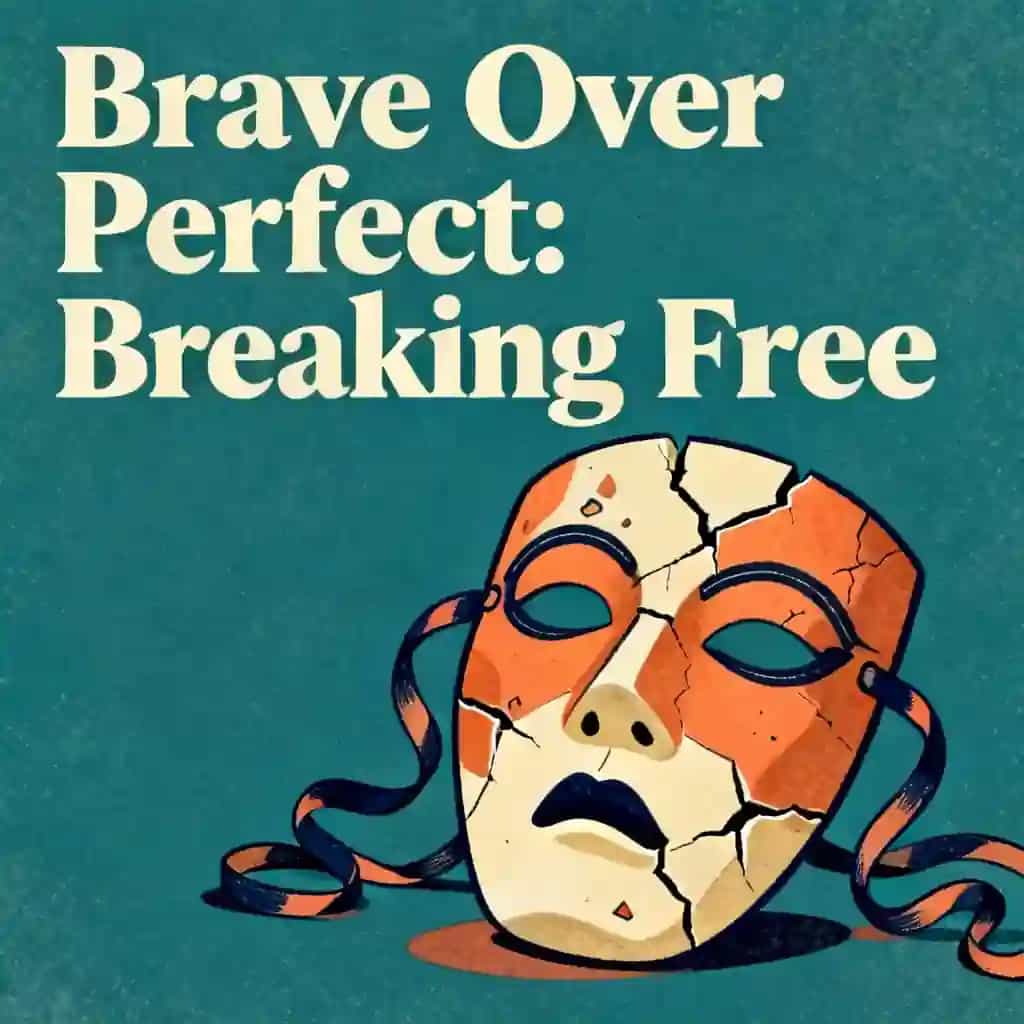
Breaking Free from the Perfection Trap
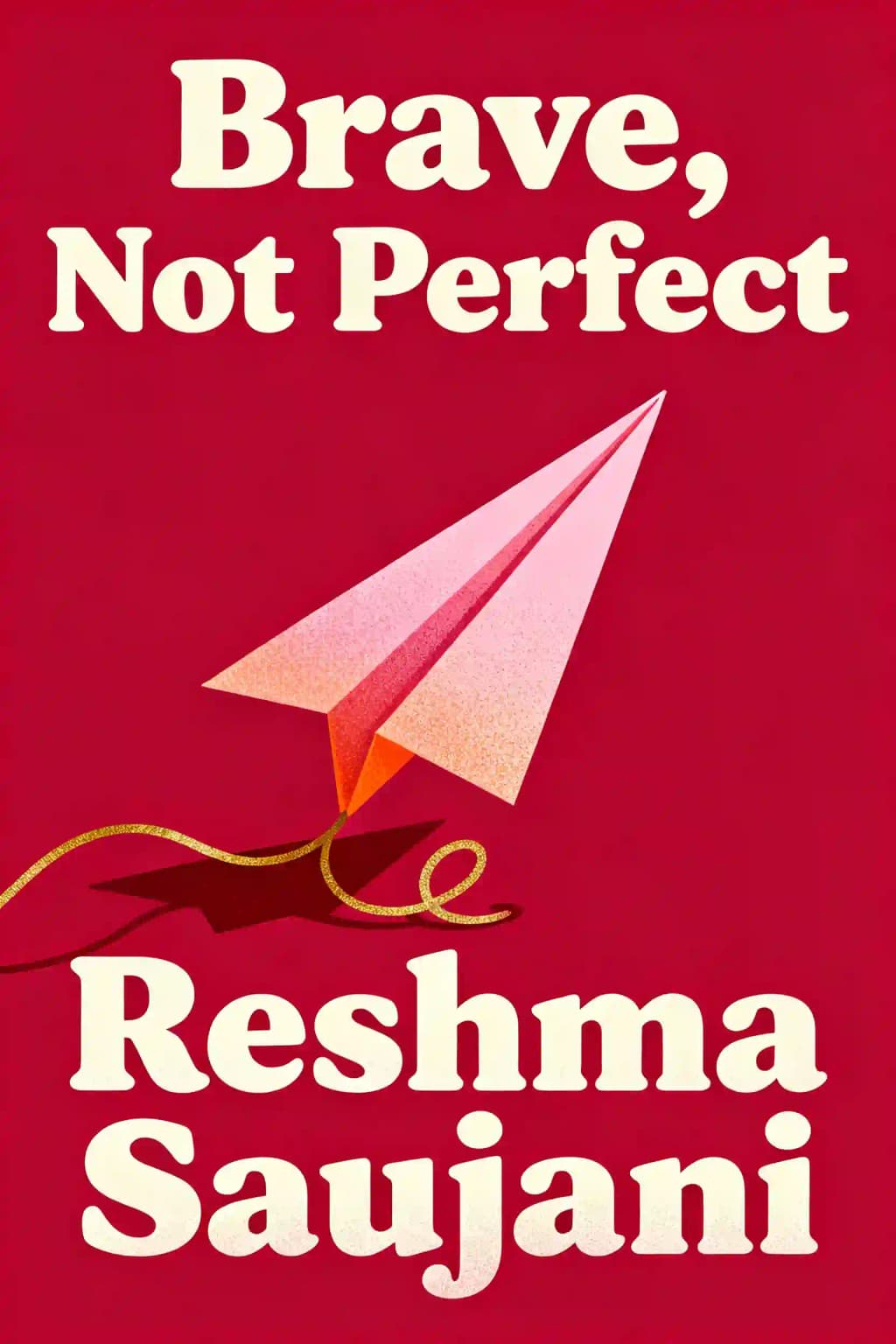
Have you ever deleted a social media post because it didn't get enough likes? Obsessed over a tiny mistake in a presentation? Apologized profusely for being five minutes late? If so, you're caught in the perfection trap that ensnares countless women. In "Brave, Not Perfect," Reshma Saujani - founder of Girls Who Code and one of Time's 100 Most Influential People - reveals how our culture conditions girls to pursue flawlessness while boys are taught resilience. This revolutionary book, which sparked a TED talk with over 5 million views and launched a national movement, offers a radical proposition: what if women embraced bravery over perfection? Endorsed by Arianna Huffington and featured in Forbes, The New York Times, and on Good Morning America, Saujani's work isn't just about professional success - it's about reclaiming joy, authenticity, and the freedom to live life on your own terms.
第 2 章
The Perfect Girl Training Program
From the moment we're born, society begins programming girls differently than boys. When babies are dressed neutrally, adults consistently identify crying babies as "angry boys" and smiling babies as "happy girls." This gender coding intensifies around age eight when girls develop their inner critic - that voice constantly comparing them to others and finding them lacking. As clinical psychologist Catherine Steiner-Adair explains, this is when children develop awareness of differences in abilities, begin receiving grades, and start comparing themselves to peers.
Girls absorb their mothers' self-critical comments about weight, appearance, and comparisons to other women, redirecting that critical radar inward. They learn to be helpful, obedient, and prioritize others' needs above their own. In an ABC News experiment, girls drank salty lemonade without complaint to avoid hurting researchers' feelings, while boys immediately rejected it. This people-pleasing pattern continues into adulthood - writing overly friendly work emails, agreeing to unwanted commitments, and obsessing over others' opinions.
The pattern extends to how parents interact with children. At playgrounds, mothers hover over daughters while giving sons space to explore and fall. When one mother encouraged someone to "JUST PUSH" her hesitant daughter down a natural rock slide, other adults were horrified - we're not supposed to push our daughters to be brave. In swimming lessons, parents push boys to try despite fear while reassuring frightened girls they don't have to try.
This protection extends to the classroom, where teachers tailor feedback differently by gender. One instructor explained he can bluntly tell boys "try again" when they fail, while girls require constant positive reinforcement to avoid shutting down. This lack of resilience-building follows girls into adulthood, where they struggle to bounce back from criticism or failure.
Girls' fear of imperfection manifests early. In Girls Who Code programs, instructors routinely discover that when students call for help with blank screens, pressing "undo" reveals they actually wrote code but deleted it - preferring to show nothing rather than imperfect work. Dr. Meredith Grossman treats anxious girls from competitive schools who underestimate their abilities while putting extreme effort into assignments, rewriting papers five times rather than submitting anything less than perfect.
This creates a reinforcing cycle: their excessive efforts produce good grades, confirming their belief that perfection is required. Girls proudly embrace perfectionism, avoiding classes they might not excel in and defining failure as anything less than an A+. For them, it's binary: either totally rock or totally suck. As one student admitted about not trying lacrosse: "If I couldn't do it well, I didn't want to do it at all."
第 3 章
The Cult of Perfect Womanhood
We are living in an era where girl power messaging has a dark side. While we tell girls they can do anything, they hear they must do everything - perfectly. This creates crushing pressure to excel in every area while making it look effortless. Girls like fifteen-year-old Sophie exemplify this struggle - a star athlete, straight-A student, and student council member who cries herself to sleep from exhaustion while maintaining a flawless public image. Today's girls face impossible contradictions: be bold but inoffensive, ambitious but pleasant, strong but pretty, hardworking but making it look easy.
Gender indoctrination starts early through toys, with lasting effects on how children view their abilities and future careers. Research shows boys' toys develop spatial and motor skills that predict STEM achievement, while girls' toys focus on fine motor skills and social interaction. Gender marketing of toys is even more pronounced today than fifty years ago. Princess culture particularly affects girls - studies show 96% of preschool girls engage with it, leading to more stereotypically feminine behaviors like avoiding getting dirty and valuing appearance.
Even supposedly empowering toys like Barbie's "Computer Engineer" book reinforce stereotypes, with Barbie needing boys' help to create an actual game. Media reinforces these messages with gendered clothing slogans, movies showing daring male heroes versus cartoonishly unrealistic female ones, and children's books featuring twice as many male protagonists as female ones.
Social media intensifies the pressure for perfection, with girls spending up to nine hours daily scrolling through doctored images of their peers. Young women describe obsessive "personal branding" - practicing photo faces in mirrors, scheduling sunrise photoshoots for flattering light, and feeling haunted by unflattering pictures others post of them. Many create separate social media accounts to preserve their authentic selves, using private accounts accessible only to close friends for showing their real lives in sweatpants or expressing genuine emotions.
They face "negativity shaming" if they post anything too raw or real, as one woman discovered when sharing feelings about a breakup only to be criticized for being "superintense," causing her to delete the post within an hour. Girls become trapped in a cycle of seeking likes and followers as currency, with anxiety spiking after just nine minutes of scrolling. Even young children aren't immune - a ten-year-old abandoned Instagram after being shamed for posting ice cream, while a thirteen-year-old developed an eating disorder after boys captioned her bathing suit photo "Pig in a blanket."
第 4 章
When Perfect Girls Grow Up
The behaviors that served us well in school often backfire in adulthood. As Carol Dweck noted, "If life were one long grade school, girls would rule the world." But in reality, playing nice doesn't get promotions or raises, being accommodating traps us in unwanted situations, and staying quiet leaves us unable to speak up against injustice. While perfection might feel safe, it's bravery that lets us veer off the "supposed to" path onto one that's authentically ours.
Many women follow expected paths without questioning if they're genuine. Ruth didn't realize she had choices beyond becoming a teacher, marrying, and raising children until her late twenties when a friend joined the Peace Corps. First-generation immigrants like Julianne face family pressure to pursue specific careers, leaving her wondering if she's a failure for quitting medicine. As the daughter of Indian immigrants, I followed the perfect path - prestigious law firm, financial career - while secretly dreaming of public service. By my thirties, I was waking up in the fetal position, feeling hollow despite my accomplishments.
Everything changed in 2008 after Hillary Clinton's concession speech and a phone call with my friend Deepa who simply said, "Just quit." When I finally told my father I wanted to run for office, his response - "It's about time!" - made me wish I'd shared my truth earlier. Like Melissa, who left her manufactured suburban life at 25 to work in an art gallery, many women eventually realize that perfection isn't where their story ends.
When I first asked women if they believed they needed to be perfect, most said no - giving what they thought was the "right" answer. But when I changed the question to rate their perfectionism on a scale of 1-10, most scored between 8-10. Almost all admitted that friends and family suggested they held themselves to unreasonable standards, and they unanimously believed they should have done better no matter what they accomplished.
After speaking with hundreds of women from teenagers to seniors, I've learned perfectionism isn't simple but a complex knot of lifelong beliefs, expectations and fears. We nurture it while wishing we could shake it - it's an unforgiving taskmaster that greets us in the mirror each morning and keeps us awake rehashing mistakes late into the night.
第 5 章
The Six Myths of Perfectionism
From a young age, we're taught that a polished exterior will deliver the perfect job, partner, and life. We believe if we appear flawless, our secret imperfections remain hidden, shielding us from judgment. During my congressional run, I obsessively polished my stump speech, convinced it would protect me from critics. For many women, appearance becomes armor - perfect hair, makeup, and outfits create an illusion of control. But we're never truly in control of others' perceptions. Body image particularly tortures us - women spend an average of 127 hours yearly obsessing about weight, with 80-89% unhappy with their bodies. Even 81% of ten-year-old girls fear being overweight.
We chase perfection like money - always needing just 10% more to be happy. I once believed that maintaining the "ideal" size 2 body, attending Ivy League schools, and following a perfect life script would guarantee happiness. We log our steps, cut carbs, read endless self-improvement articles, pursue prestigious careers, and acquire all the right stuff. Yet studies show women's happiness has actually declined over the past thirty-five decades despite improved opportunities. When chasing external perfection, we end up in jobs, relationships and situations we don't genuinely want.
For perfectionists, flaws aren't just mistakes - they're personal failures that spiral quickly. A small error in a meeting becomes "my colleagues think I'm stupid," and forgetting a permission slip means "I'm a shitty parent." This catastrophic thinking keeps us in constant panic, like Lilly who spent an entire weekend in anxiety over an unanswered email. This pressure is especially intense for working mothers. Even with supportive partners, we're typically the ones tracking every detail of childcare while battling unrelenting guilt.
Perfection and excellence are fundamentally different - like obsession versus love. Perfection is binary: you succeed or fail completely. Excellence is a way of being that values effort regardless of outcome. When pursuing excellence, failure doesn't break you. You know you've crossed from excellence to perfectionism when nothing ever feels enough and you can't celebrate achievements. Despite my TED talk receiving millions of views and praise from Fortune magazine, I fixated on my overly curled hair. Ironically, perfectionism actually impedes excellence - causing overthinking and analysis paralysis.
If failure isn't an option, neither is risk-taking - and that's how perfectionism kills bravery. We fear failure will permanently define us, proving we can't meet expectations and leaving us emotionally devastated. After losing my congressional race, I felt utterly destroyed, convinced my career in public service was over. But months later, I discovered a new path that better suited my talents - founding Girls Who Code. Had I never run for office and failed, I wouldn't have visited classrooms and noticed the gender coding gap.
Men readily take on challenges regardless of preparation - like my VP of finance volunteering to head HR with zero experience during massive growth, or tech founders launching businesses in unfamiliar territories. Meanwhile, talented women like my hairstylist Tina avoid opportunities, talking themselves out of opening salons because they don't know every aspect of business. Our "effortless perfection" training prevents us from asking for help or taking risks.
Beyond all the myths lies one essential truth: perfect is boring. The messy, unfinished edges make us interesting and our lives rich. President Obama played basketball not because he was good, but because he loved improving and being okay with imperfection - qualities that made him a great leader. The most fascinating people have distinctive quirks and flaws: my chronically late friend with thrilling stories, my messy but creative friend Daaruk, brutally honest Adita with no filter, and my own stubborn righteousness. Perfection is actually unfulfilling, while bravery adds authentic joy.
第 6 章
Redefining Bravery on Our Terms
The #MeToo movement revealed what happens when women band together and choose bravery, giving countless women their voices back while offering a new way to define courage. From Serena Williams breaking tennis's genteel rules to Dr. Christine Blasey Ford's determined testimony, women are changing the world through brave voices that defy stereotypes and shatter glass ceilings. It's time to redefine courage as attainable by everyone, regardless of gender.
Despite arguments claiming women are less brave because of biology or evolution - like the commenter who claimed our ovaries make us risk-averse - bravery is not innate or gendered. Males aren't biologically ordained to be braver, and testosterone isn't the ticket to courage. The outdated "Me Tarzan/You Jane" notion of brave men and nurturing women fails to recognize that modern bravery extends far beyond physical prowess. From Chelsea Manning exposing government corruption to Larissa Waters breastfeeding in Parliament to countless #MeToo whistleblowers, women demonstrate daily that while we can't change biology, we can change our environment and learn to be brave.
After losing my public advocate race and suffering my third miscarriage in 2013, I was a mess. During a friend's wedding trip to New Zealand, I conquered my terror of heights by bungee jumping - eyes squeezed shut, praying to every Hindu god I knew. This leap, along with restarting my career after humiliation and trying again for pregnancy after devastating losses, were all acts of bravery. True courage takes many forms beyond traditional daredevil definitions. All bravery matters because it builds upon itself - we strengthen our bravery muscles one act at a time, big or small.
Bravery takes countless forms - from Carla leaving her successful company due to a toxic partnership, to Sharon ending a comfortable 25-year marriage to honor her true sexuality, to Ainsley showing up to Princess Week dressed as a hot dog. It's transgender Jasmine revealing her identity to classmates, declining Ivanka Trump's White House invitation on principle, and women who spoke out against powerful men before #MeToo gained momentum. Bravery can be quiet too - like Valentina growing out her natural curly hair against beauty standards, or stopping breastfeeding despite societal pressure.
We don't need to "have balls" or act like men to be brave. The traditional workplace double-bind traps women - we're disliked if assertive but overlooked if nurturing. Instead of following male-written rules, we should be brave like women, embracing our authentic strengths. What some call female risk-aversion, I reframe as intelligent caution. Women's emotional intelligence proves valuable - female entrepreneurs are 32% more successful at crowdfunding because they use more inclusive, appealing language. Success shouldn't mean copying men's formulas but defining achievement on our own terms.
第 7 章
Building Your Bravery Mindset
I wasn't born brave. In fact, I was timid and fearful until eighth grade when bigoted girls pushed me too far. After enduring years of harassment as one of the only Indian families in my neighborhood, I finally stood up to the mean girls who challenged me to a fight. Though I was knocked out immediately, showing up to graduation with my black eye became my first "failure party" - a moment when I felt bolder and stronger than ever before.
Though that memory faded under the weight of perfectionism, years later I remembered how freeing facing my fears had felt. I've learned that mindset determines everything when it comes to bravery. We can't simply will ourselves to be brave - there's no magic potion. It's a process requiring consistent practice, day after day, with strategies to cultivate the mindset from which bravery becomes a lifelong habit.
Every woman I know is exhausted from juggling countless responsibilities while trying to do everything perfectly. But as Arianna Huffington points out, we can't be brave if we're burned out. It's impossible to take risks when your energy is depleted and your brain is fried. The first key to cultivating a bravery mindset is putting wellness first: prioritize your health instead of ignoring it to accommodate others, take "me time" regularly, get 7-9 hours of sleep nightly, learn to meditate to rewire your brain for calm rather than fear, and schedule gym time for physical and mental strength. Consider prioritizing your health as your first official act of radical bravery.
Adding the word "yet" to our self-limiting statements transforms fixed mindset declarations into growth opportunities. Instead of "I'm not brave" or "I'm not good at saying no," we say "I'm not brave...yet" or "I'm not good at saying no...yet." This small shift changes us from being stuck to being free and growing. As author Veronica Roth learned, rather than declaring a draft "garbage," saying it "has potential and just needs to be fixed" acknowledges we're all works in progress.
When deciding whether to take risks, we must distinguish between wise caution and fear-based overthinking. The key question: "Is that your drama or your wisdom talking?" Wisdom feels calm and authoritative, while drama sounds whiny, nervous and defensive. If you find yourself making excuses or feeling disappointed with your choice, your drama is likely calling the shots.
We all have one challenge or dream quietly calling to us that we're afraid to step up to-our "ledge" or "scary thing." Whether it's confronting debt, changing careers, ending toxic relationships, or addressing health issues, identifying this fear is the first step toward tackling it. As coach Rha Goddess suggests, anyplace you're comfortable is a place to be suspicious. You don't have to leap immediately, but training yourself to recognize your ledge shifts your mindset in the right direction.
Shift focus from what scares you about taking action to what terrifies you about not acting. Adam Grant notes that innovative people move from idea to action when "the fear of failure is overtaken by the fear of failing to try." Mental time travel helps-imagine yourself ten years later, asking which you'll regret more: the sting of failing or the pang of what might have been.
第 8 章
Practicing Bravery in Daily Life
Sometimes becoming fearless requires walking straight into the fire of fear. Whether facing down mean girls in eighth grade, launching Girls Who Code despite knowing nothing about coding, or trying again after three miscarriages, practicing bravery in small ways prepares us for larger challenges. As Hillary Clinton said, it's better to be "caught trying" than not trying at all.
For perfection-seeking women, critical feedback can feel devastating, causing us to spiral into "I suck" thinking. The solution isn't avoiding criticism but actively inviting it-especially when we know we have room for improvement. Like exposure therapy, repeatedly seeking honest feedback desensitizes us to its sting. I now love getting feedback because it points me to my next challenge. When my husband bluntly told me my rally speech "kind of sucked," it stung momentarily but helped me improve. Angela Duckworth identifies the courage to accept feedback as critical for building grit.
While boys learn early to shake off rejection, our perfect-girl training has kept us isolated from failure, weakening our adult resilience. The solution? Normalize rejection by exposing yourself to it, like building immunity. I keep rejection letters on my fridge-from Yale Law School and my community board-as daily reminders to be brave. Display your rejections proudly; they're badges of courage. Talk openly about failures and read stories of successful people who overcame rejection, like Stephenie Meyer (whose Twilight manuscript was rejected by twenty publishers) or Steve Jobs (who was once fired from Apple).
Our nervous system can't distinguish between perceived and actual danger-it sends the same alarm signals for public speaking as it would for facing a predator. For perfectionists, even small flaws trigger this alarm. Dr. Meredith Grossman offers brilliant advice: do the opposite of what your anxiety tells you to do. If it screams to skip the networking event, go. If it urges hours of cleaning before your mother-in-law visits, do a light cleanup. Practice imperfection in small ways: show up late without apologizing profusely, send an email with a grammatical error, wear a shirt with a stain. These microactions prove your anxiety isn't a reliable narrator and build tolerance for imperfection.
We often talk ourselves out of great ideas by listening to that annoying inner voice listing all the reasons we shouldn't try. The trick is to just start, even without knowing everything you need to know. Most successful people figure things out as they go. When I started Girls Who Code, I had no coding experience, no tech industry background, and had never run a nonprofit. I just made calls, sought advice, and kept moving forward. As former Planned Parenthood president Cecile Richards said, "If you wait until everything lines up, it's over." Don't tackle the whole project at once-start with small steps: make a call, buy the URL, write the first paragraph.
In the start-up world, failure is respected-you're not taken seriously without at least one colossal failure. Silicon Valley's motto is "Fail early and often." The business world celebrates serial failures like Elon Musk, who was ousted as CEO of his own company and fired from PayPal, because failure shows you can execute, pivot, and rebound. While most women carefully analyze risks to avoid failure, I advise women considering running for office to go for it even if their chances are slim-it's the value of the fight that matters.
第 9 章
Breaking Free from People-Pleasing
Last year, I gave a charged feminist talk at a tech conference instead of the expected cheerful "girls and coding" speech. The organizers were clearly displeased - they canceled my Q&A and likely blacklisted me from future events. While I was upset about being pressured to fall in line (when men would be applauded for being outspoken), my executive coach offered liberating advice: "The work isn't figuring out why they didn't like you... it's practicing being okay with the idea that some people will get you and some won't - and that's fine." This revelation stunned me. The more comfortable you become with your truth, the less you'll worry about others' opinions.
Our perfect-girl training has taught us to be accommodating even when our instincts scream otherwise. We take unwanted advice, buy expensive shoes we'll never wear on a friend's insistence, or deliver our boss's message to clients even when it feels disingenuous - all to avoid hurting feelings. Actress Bridget Moynahan learned this lesson when she followed an acting classmate's advice for an audition despite her gut feeling it was wrong. She didn't get the role. "That was a turning point about trusting myself," she says. "You have to trust that you're going to be okay, that you have something to offer. You need to be brave enough to trust yourself, knowing you'll survive even if it fails."
Caring about others' opinions is so deeply ingrained we often don't realize how many of our choices are tied to seeking approval. To break this habit, I deliberately collect stories of women who do what they want regardless of judgment. Madonna breaking religious taboos in the 80s, Beyonce's Black Power salute at the Super Bowl, Amy Schumer saying whatever shocks, Frances McDormand accepting awards makeup-free, Maxine Waters "reclaiming her time" from mansplaining, Kiran Gandhi running a marathon while menstruating, Caitlin Jenner proudly claiming her gender identity. Then there's Helen Mirren, who advised her younger self to be less "bloody polite" and say "fuck off" more often.
Our need to be liked is deeply human, originating from prehistoric survival needs, but rarely matters for actual survival today. To overcome this need, identify where you care most about being liked, then ask what you fear will happen if you're not. Take it to the worst-case scenario by repeatedly asking "And then what?" This exercise reveals how quickly we catastrophize - believing a boyfriend will leave us forever if we express anger, or that our child will become a drug addict if we're not liked by other moms. By examining these exaggerated fears, we can see how preposterous they truly are.
Saying no is one of the bravest acts for women but essential for preserving energy and focus. I struggle with this myself, saying yes to speaking events across the globe and meetings I could delegate, all to avoid appearing ungrateful or mean. To make better decisions, I've learned to treat saying no as a value calculation: What matters most to me? What aligns with my purpose? My priorities are family and making a difference in the world. When I say yes to activities aligned with these values, I feel energized. When my day is consumed by others' agendas, I feel depleted.
第 10 章
The Sisterhood of Bravery
When Shalene Flanagan won the New York City Marathon in 2017, she did more than set a record - she broke the every-woman-for-herself mold in professional running by banding female athletes together to push and support each other. This is what it means to play for Team Brave. The way to change the global landscape for women is by supporting each other in meaningful ways. When we encourage bravery and share both good and bad results, we build a sisterhood of strength.
The founders of theSkimm have a framed Vanity Fair article showing them looking confident and successful - but they laugh about how their credit card was declined just an hour before that photo. There is no such thing as effortless perfection. Everyone struggles, makes mistakes, and has imperfections they hide. The brave step is letting others see we're human. Dropping the perfect veneer relieves us of heavy armor, allows authentic connections, and gives everyone else permission to be real too. Don't hide mistakes - display them with pride! It's brave to reach for something outside your comfort zone and even braver to let the world see when you fall flat.
Bitch culture is never more vicious than woman against woman. Despite evidence that mentoring benefits everyone, we still compete like she-gladiators, tearing each other down through whispers, gossip, and backhanded compliments. Most women report preferring male bosses, having experienced female managers who throw phones, blame subordinates for their mistakes, or publicly humiliate them. We undermine each other because we're scared - scared of being outshone, outdone, or knocked down, so we strike first.
What if we viewed supporting other women as strength rather than weakness? Generosity and bravery intertwine when women support women. Look for opportunities to lift up, mentor and support others: brag about each other's accomplishments, share your own brave acts to inspire others, become a bravery mentor, give honest feedback, take other women seriously, form bravery clubs like ten-year-old Alice Paul Tapper's Girl Scout initiative, and be a connector by sharing your network generously.
第 11 章
Surviving Your Biggest Failures
Welcome to the Big Fat Failure Club - a club no one hopes to join but almost inevitably does. We all experience crushing disappointment, whether losing an election, bombing an interview, or watching our relationships or businesses go up in smoke. When in despair, it can feel like you'll never recover, but you will. Everything you're doing to strengthen your bravery muscles will help you find your way through when things don't go as planned.
When failure hits, give yourself permission to wallow-but only briefly. After losing my Congressional race, I spent three days in sweats, staring at the TV and subsisting on Wheat Thins and Diet Coke. Those days of mourning were essential to my recovery. So throw yourself a proper pity party with all your creature comforts-comfy clothes, best friends to cry with, binge-watching, comfort food-but set a time limit (three days for major setbacks). Then get up, clean up, and move forward.
Even failed attempts deserve recognition. Scientists at Biogen celebrated with drinks after their promising ALS drug trial failed-not just to commiserate but to honor their journey and efforts. If you failed, it means you tried. If you tried, it means you took a risk. That's brave! Celebrate that you put yourself out there, that you got an answer (even if not the one you wanted), and that you saw something through to completion. These small victories within defeat help us press on toward eventual success.
After my op-ed for the New York Times was pulled following the Charlottesville tragedy, I laced up my sneakers and went for a run. Physical activity after emotional disappointment builds resilience-literally shake off the shame and regret clinging to you. Exercise, especially with friends, creates strong social connections that boost recovery. If exercise isn't your thing, do anything that gets you out of your head-make something, read, meditate, visit a museum. These activities won't instantly fix everything, but they'll jolt you out of your funk and refuel your tank for moving forward.
First, review what happened objectively-like a journalist reporting just the facts without blame or interpretation. Then reassess by reframing your narrative with cognitive flexibility: What went right? What did you learn? What are you proud of? What could you do differently next time? What's still standing? Is there any upside? Finally, realign with your purpose, practice gratitude, and engage in altruism. Write down three specific things you're grateful for daily. Help someone else-offer assistance to a colleague, reach out to a new mom, thank a supportive friend. Generosity vaporizes bitterness and shame while lifting both you and others.
You will falter. You will fuck up. You will have setbacks. But each failure teaches what not to do, each stumble proves you can right yourself, and each defeat gives you another chance. Your failures ultimately give you your edge-making you stronger, wiser, more empathetic and valuable. When you stop demanding perfection, failures become your bravery badges of honor. No setback will break you once you're on Team Brave. Every failure is just another opportunity to strengthen those bravery muscles by getting back up. Together, by practicing bravery at every chance, we can create a movement of strong, fulfilled, formidable women who will change the world.