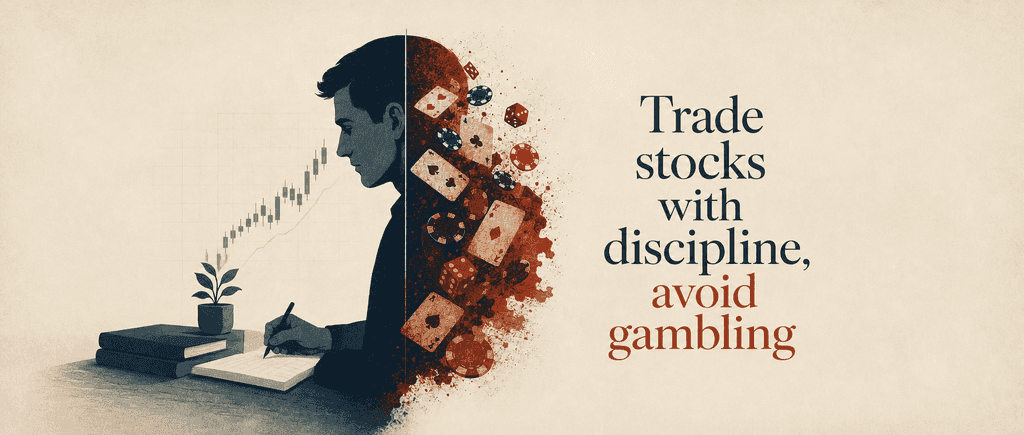
From working-class London to Citigroup's trading floor, Stevenson's raw memoir exposes finance's underbelly. Disputed by colleagues yet praised by analysts for its moral ambiguity, this controversial insider account reveals how a math genius navigated Wall Street's "dysfunctional" culture during 2008's financial collapse.
通过作者的声音感受这本书
将知识转化为引人入胜、富含实例的见解
快速捕捉核心观点,高效学习
以有趣互动的方式享受这本书
A single lost pound coin once felt like the end of the world. Growing up in East London, those gleaming towers of Canary Wharf were visible from the street-close enough to see, impossible to reach. Money wasn't just scarce; it shaped everything. Selling penny sweets, delivering newspapers, hustling for every coin-this was survival, not ambition. Years later, from the 42nd floor of Citibank, those childhood streets disappeared beneath a forest of glass and steel, invisible except in memory. What separated one kid from East London from the rest wasn't connections or wealth-it was an unusual gift for numbers and strategy. At the London School of Economics, surrounded by students who abandoned lectures to master financial jargon and network aggressively, the class divide felt insurmountable. But here's the thing about being an outsider: you see what insiders miss. Fresh eyes spot patterns that conventional thinking overlooks. When Citibank sponsored a trading card game competition, most students approached it with rigid calculations. The winning strategy? Understanding psychology, not just mathematics. Trading isn't really about numbers-it's about reading people. During that LSE competition, victory came from watching how players revealed their cards, exploiting their predictable logic, creating risk-free profits from human behavior. The fundamental truths emerged clearly: individual traders can't dictate prices, consensus determines value, and sometimes following successful strategies beats trying to outsmart everyone. The national final at Citigroup's headquarters revealed something deeper. Competitors excelled at calculations but couldn't adapt when conditions shifted. By manipulating price perceptions through confident, loud quotes-psychological warfare disguised as trading-the game changed. Then came the twist: the entire competition had been rigged to test resolve under extreme pressure. Success required not just strategic thinking but persistence and boldness when everything felt designed to break you.
将《The Trading Game》的核心观点拆解为易于理解的要点,了解创新团队如何创造、协作和成长。
将《The Trading Game》提炼为快速记忆要点,突出坦诚、团队合作和创造力的关键原则。

通过生动的故事体验《The Trading Game》,将创新经验转化为令人难忘且可应用的精彩时刻。
随心提问,选择声音,共同创造真正与你产生共鸣的见解。

"Instead of endless scrolling, I just hit play on BeFreed. It saves me so much time."
"I never knew where to start with nonfiction—BeFreed’s book lists turned into podcasts gave me a clear path."
"Perfect balance between learning and entertainment. Finished ‘Thinking, Fast and Slow’ on my commute this week."
"Crazy how much I learned while walking the dog. BeFreed = small habits → big gains."
"Reading used to feel like a chore. Now it’s just part of my lifestyle."
"Feels effortless compared to reading. I’ve finished 6 books this month already."
"BeFreed turned my guilty doomscrolling into something that feels productive and inspiring."
"BeFreed turned my commute into learning time. 20-min podcasts are perfect for finishing books I never had time for."
"BeFreed replaced my podcast queue. Imagine Spotify for books — that’s it. 🙌"
"It is great for me to learn something from the book without reading it."
"The themed book list podcasts help me connect ideas across authors—like a guided audio journey."
"Makes me feel smarter every time before going to work"

免费获取《The Trading Game》摘要的 PDF 或 EPUB 版本。可打印或随时离线阅读。