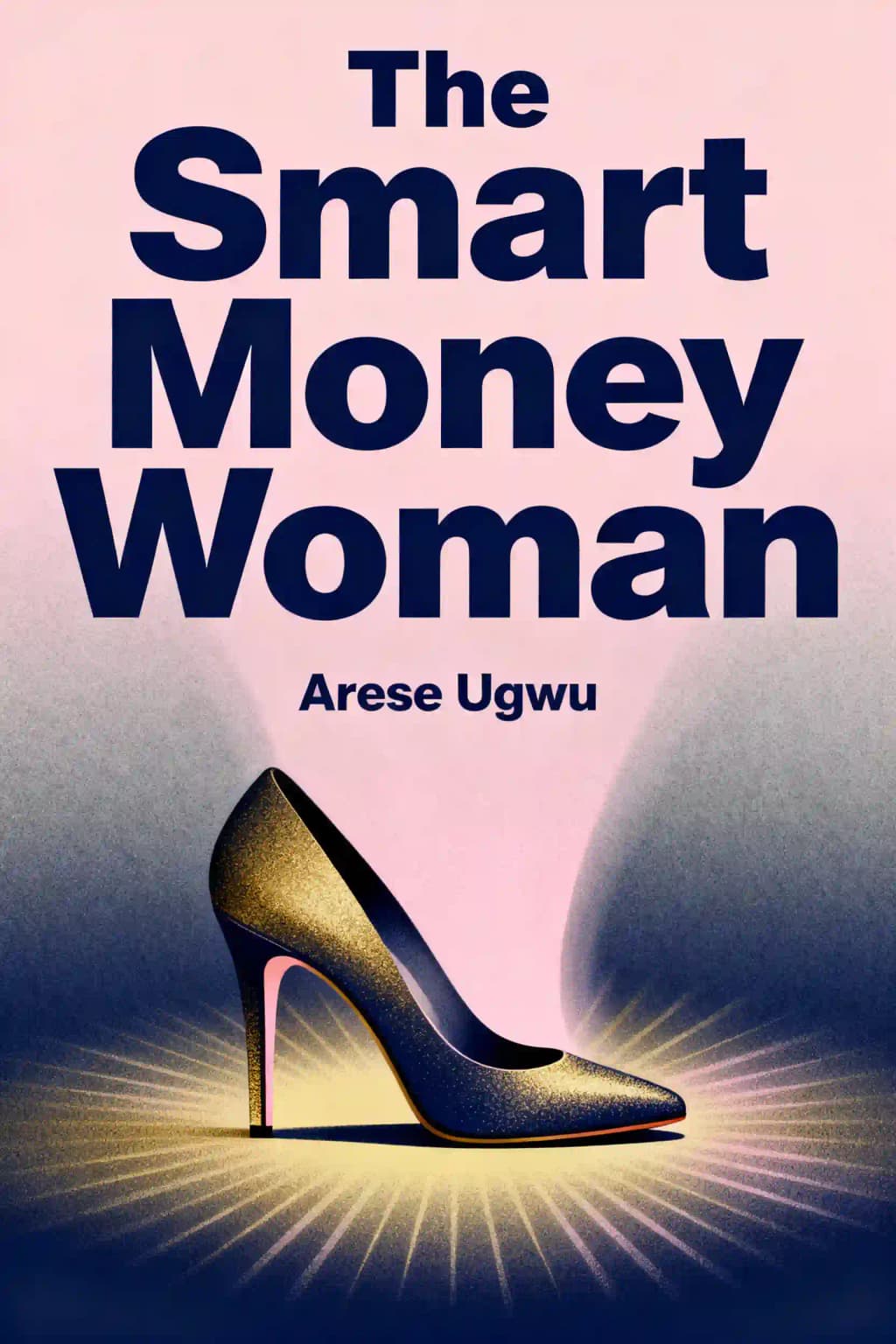
Follow Zuri's journey from debt-ridden to financially savvy in this African romantic comedy with serious money lessons. Beyond a novel, it's sparked a financial literacy revolution among young women navigating cultural pressures and consumerism. Your path to freedom starts here.
Arese Ugwu is the bestselling author of The Smart Money Woman and a leading voice in financial literacy for African millennials.
A Nigerian entrepreneur and wealth management expert, she holds a Master’s in Economic Development from University College London. She leverages her background to address themes of personal finance, debt management, and wealth-building through relatable storytelling.
Her debut novel, a financial chick-lit genre hybrid, blends fiction with practical advice tailored to African economic contexts, drawing from her work as founder of Smart Money Africa and host of the Smart Money Tribe Podcast.
Ugwu’s insights have been featured on CNN, Bloomberg, and Forbes Africa, and she collaborates with institutions like Standard Chartered and Mastercard to promote financial empowerment. The Smart Money Woman has been adapted into a hit Netflix series and translated into multiple languages, solidifying its status as a cultural and educational touchstone for modern African audiences.
The Smart Money Woman follows Zuri, a Nigerian professional navigating financial crises while learning budgeting, debt management, and wealth-building strategies. Blending fiction with practical lessons, it explores African consumerism, societal pressures, and friendship dynamics while teaching financial literacy through relatable scenarios. Each chapter ends with "Smart Money Lessons" to reinforce key concepts like emergency funds and investment diversification.
This book suits African millennials, young professionals, and anyone seeking culturally relevant personal finance guidance. It’s particularly valuable for women confronting societal expectations around money, career, and relationships. Readers who prefer storytelling over textbook-style advice will appreciate its fictional narrative paired with actionable strategies.
Yes—it offers actionable financial advice tailored to African economies, addressing unique challenges like informal savings systems and cultural stigma around debt. While early chapters use simple prose, the relatable characters and practical exercises (e.g., tracking spending habits) make complex topics accessible. Critics note occasional product placements but praise its empowerment focus.
Key lessons include:
The book critiques "show-off culture" driving unnecessary luxury purchases (e.g., designer bags, expensive cars) among Nigeria’s middle class. Zuri’s journey highlights aligning spending with long-term goals rather than societal validation, emphasizing delayed gratification through scenarios like downgrading her apartment to save.
Arese Ugwu integrates Nigerian idioms, local investment vehicles (e.g., ajo cooperative savings), and challenges like familial financial expectations. The WIMBIZ conference scene exemplifies pan-African networking strategies, while characters confront issues specific to emerging economies, such as currency volatility.
While both teach wealth-building, The Smart Money Woman focuses on African contexts—addressing informal sectors and gender dynamics absent in Kiyosaki’s work. Ugwu uses fiction to demonstrate concepts, whereas Kiyosaki relies on parables. Both emphasize passive income but differ on risk tolerance for side hustles.
Zuri learns to align her career with skills and passions rather than prestige. The book advocates negotiating salaries, pursuing certifications, and building "side hustles" like Lara’s catering business. It also stresses workplace boundaries to avoid burnout.
Yes—Zuri’s friendships and romantic relationship with Femi explore financial compatibility. The book advises transparent money conversations with partners, avoiding "savior complexes," and setting shared goals. Adesuwa’s storyline contrasts prudent financial habits with Tami’s impulsive spending.
Some readers find the initial writing style overly simplistic and note repetitive financial basics. Others critique product placements for Nigerian brands like House of Tara. However, most praise its practical frameworks and cultural authenticity.
Zuri’s crisis after her mother’s house fire underscores the "3–6 months’ expenses" rule. The book advises automating savings via separate accounts and using low-risk options like fixed deposits to preserve liquidity while earning interest.
The book promotes diversified portfolios:
It cautions against speculative ventures like forex trading without expertise.
通过作者的声音感受这本书
将知识转化为引人入胜、富含实例的见解
快速捕捉核心观点,高效学习
以有趣互动的方式享受这本书
Money that isn't treated with respect will leave with no respect.
Financial freedom arrives when your assets, not your labor, fund your lifestyle.
True wealth isn't measured by spending patterns but by how much you keep.
The number itself matters less than committing to grow it consistently over time.
将《Smart Money Woman》的核心观点拆解为易于理解的要点,了解创新团队如何创造、协作和成长。
将《Smart Money Woman》提炼为快速记忆要点,突出坦诚、团队合作和创造力的关键原则。

通过生动的故事体验《Smart Money Woman》,将创新经验转化为令人难忘且可应用的精彩时刻。
随心提问,选择声音,共同创造真正与你产生共鸣的见解。

"Instead of endless scrolling, I just hit play on BeFreed. It saves me so much time."
"I never knew where to start with nonfiction—BeFreed’s book lists turned into podcasts gave me a clear path."
"Perfect balance between learning and entertainment. Finished ‘Thinking, Fast and Slow’ on my commute this week."
"Crazy how much I learned while walking the dog. BeFreed = small habits → big gains."
"Reading used to feel like a chore. Now it’s just part of my lifestyle."
"Feels effortless compared to reading. I’ve finished 6 books this month already."
"BeFreed turned my guilty doomscrolling into something that feels productive and inspiring."
"BeFreed turned my commute into learning time. 20-min podcasts are perfect for finishing books I never had time for."
"BeFreed replaced my podcast queue. Imagine Spotify for books — that’s it. 🙌"
"It is great for me to learn something from the book without reading it."
"The themed book list podcasts help me connect ideas across authors—like a guided audio journey."
"Makes me feel smarter every time before going to work"

免费获取《Smart Money Woman》摘要的 PDF 或 EPUB 版本。可打印或随时离线阅读。
What happens when you earn impressively but live perpetually broke? Zuri, a senior manager at Richmond Developments pulling in 600,000 naira monthly, discovered this painful paradox mid-month when her financial life imploded. Her Mercedes sat stranded needing 200,000 naira in repairs, her landlord threatened to cut utilities over 430,000 naira in overdue service charges, and newly diagnosed fibroids required a 950,000 naira procedure her insurance wouldn't cover. Despite her enviable salary, designer wardrobe, and upmarket Lekki apartment, Zuri had zero savings to fall back on. This disconnect reveals something crucial that most of us miss: being broke isn't about income-it's about lacking assets that could sustain you if your paycheck stopped tomorrow. In Sub-Saharan Africa, less than one percent are born wealthy, yet even high earners often live paycheck to paycheck, spending everything on maintaining appearances that look impressive on Instagram but leave them financially vulnerable. True wealth isn't measured by spending patterns but by what you keep and convert into income-generating assets. The fundamental difference between broke and wealthy people? Understanding that financial freedom arrives when your assets, not your labor, fund your lifestyle. What would happen if your income stopped today?