

《American Promise》概述
Trapped in modern slavery, Indian workers staged a daring escape that shocked America. Saket Soni's riveting expose reveals how exploited migrants transformed into activists, culminating in a 23-day hunger strike that exposed corporate-government collusion. What price would you pay for freedom?
- Prioritize keyword research and link-building as core SEO pillars for sustainable rankings.
- Optimize site speed and mobile responsiveness to meet Google’s user experience standards.
- Use canonical tags and view-all pages to prevent pagination-related SEO issues.
- Balance on-page SEO with technical fixes like sitemaps.xml and robots.txt files.
- Avoid overloading pages with ads or popups to reduce bounce rates and penalties.
- Leverage long-tail keywords and semantic variations to capture niche search intent.
- Audit content regularly to fix broken links, outdated information, and thin pages.
- Combine SEO with analytics to track rankings, traffic patterns, and conversion metrics.
- Partner with experienced professionals for advanced technical or enterprise SEO challenges.
《American Promise》作者介绍
Saket Soni is a labor organizer, human rights strategist, and author of The Great Escape: A True Story of Forced Labor and Immigrant Dreams, a gripping narrative non-fiction work exploring themes of migrant justice, forced labor, and resilience.
As founder of Resilience Force, Soni has spent nearly two decades advocating for disaster recovery workers, drawing from his experiences combating human trafficking and wage theft in post-Katrina New Orleans.
His expertise on racial equity in reconstruction economies has been featured in The New York Times, NPR’s Fresh Air, and The New Yorker, with his insights shaping policies for climate disaster response. Soni’s earlier co-authored reports like And Injustice For All laid the groundwork for systemic labor reforms.
His 2022 recognition as one of Fast Company’s Most Creative People in Business underscores his innovative approach to workers’ rights. The Great Escape was named a best book of the year by The New York Times, NPR, and Amazon, cementing its status as a landmark account of immigrant perseverance.
关于《American Promise》的常见问题
What is The Great Escape by Saket Soni about?
The Great Escape chronicles the true story of 500 Indian migrant workers trapped in forced labor camps on the U.S. Gulf Coast after being lured by false promises of green cards and high wages. Labor organizer Saket Soni details their daring escape, 23-day hunger strike in Washington, D.C., and fight against deportation threats and corporate exploitation, exposing systemic flaws in immigration and labor systems.
Who should read The Great Escape?
This book is essential for readers interested in immigration rights, labor justice, or climate resilience workers. It appeals to advocates, policymakers, and anyone seeking insights into modern human trafficking, corporate accountability, and grassroots organizing strategies. Fans of narrative nonfiction blending personal journeys with social activism will find it compelling.
Is The Great Escape based on a true story?
Yes. The book documents one of the largest human trafficking cases in modern U.S. history, following real workers recruited from India with fraudulent visas. Soni, who organized their escape, combines firsthand accounts with court records to reveal their fight for justice against ICE, exploitative employers, and political indifference.
What are the main themes in The Great Escape?
Key themes include systemic exploitation of immigrant labor, the resilience of trafficked workers, and the intersection of climate disasters and workforce vulnerability. It also explores cross-cultural solidarity, the moral costs of corporate greed, and the power of collective action to challenge entrenched systems.
How does The Great Escape address climate change?
The book positions the workers as America’s first “climate resilience workforce” – migrants rebuilding oil rigs after Hurricane Katrina. It critiques how climate disasters amplify labor exploitation, arguing for policies to protect disaster-recovery workers from trafficking and wage theft amid increasing climate crises.
What role did Saket Soni play in the workers’ escape?
As the lead organizer, Soni coordinated clandestine meetings, devised the escape plan, and mobilized public support during the workers’ march to D.C. His dual perspective as an Indian immigrant and labor strategist adds depth to the narrative, highlighting trust-building across cultural divides.
How does The Great Escape depict U.S. immigration enforcement?
The book criticizes ICE’s attempts to deport workers instead of prosecuting their traffickers. It reveals how immigration policies enable exploitation by keeping vulnerable workers silent, framing deportation threats as a tool used by companies to maintain control.
What critiques exist about The Great Escape?
While widely praised for its gripping narrative, some critics note the book focuses heavily on Soni’s leadership, potentially overshadowing workers’ individual voices. However, it is lauded for exposing legal loopholes allowing forced labor and offering actionable insights for labor reformers.
What key quotes define The Great Escape?
- “We weren’t just fighting for visas – we were fighting for the idea that we were human.”
- “Resilience isn’t surviving disasters – it’s refusing to let disasters erase you.”
How does The Great Escape relate to current workforce trends?
With climate disasters increasing, the book underscores the urgent need to formalize protections for 2 million U.S. resilience workers. Its 2025 relevance lies in debates about immigration reform, disaster capitalism, and ethical recruitment in global labor chains.
What makes The Great Escape unique among labor narratives?
Unlike academic studies, it combines thriller-like escape sequences with deep analysis of recruitment debt traps. The focus on South Indian workers – often overlooked in U.S. labor discourse – provides fresh perspective on caste and language barriers in organizing.
Are there documentaries or films about this story?
While no adaptations exist yet, the book’s cinematic pacing and vivid characters (like leader Rajan Pazhambadakode) have drawn Hollywood interest. Soni’s nonprofit, Resilience Force, continues advocating for the workers’ legacy through policy campaigns.
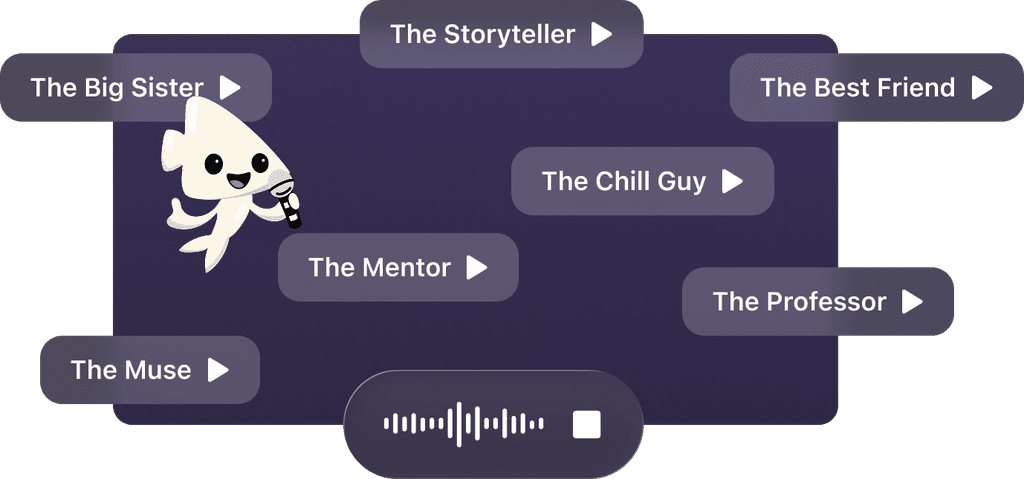
通过作者的声音感受这本书
将知识转化为引人入胜、富含实例的见解
快速捕捉核心观点,高效学习
以有趣互动的方式享受这本书
《American Promise》主要人物
- Saket SoniAuthor and labor rights organizer
- Aby RajuIndian welder who sought work to support his father
- Malvern BurnettImmigration lawyer who engineered the visa scheme
- Giani Gurbinder SinghSikh priest forced to shave his sacred beard
- John SandersManager of the Signal International labor camp
《American Promise》核心主题
- labor trafficking
- guest worker exploitation
- modern day slavery
- immigration fraud
- corporate accountability
《American Promise》经典语录
Baba would want me to go.
God bless Malvern Burnett!
The score of a lifetime.
dropping with sickness like flies.
complete bullshit.
探索你的学习方式
 快速摘要模式
8分钟阅读或收听《American Promise》摘要
将《American Promise》的核心观点拆解为易于理解的要点,了解创新团队如何创造、协作和成长。

 趣味模式
趣味模式
《American Promise》的启示 - 23分钟故事
通过生动的故事体验《American Promise》,将创新经验转化为令人难忘且可应用的精彩时刻。
 个性化模式
个性化模式
用你自己的学习方式体验《American Promise》
随时提问,选择你的学习方式,共创真正适合你的洞察。
"Instead of endless scrolling, I just hit play on BeFreed. It saves me so much time."


"I never knew where to start with nonfiction—BeFreed’s book lists turned into podcasts gave me a clear path."


"Perfect balance between learning and entertainment. Finished ‘Thinking, Fast and Slow’ on my commute this week."
"Crazy how much I learned while walking the dog. BeFreed = small habits → big gains."
"Reading used to feel like a chore. Now it’s just part of my lifestyle."

"Feels effortless compared to reading. I’ve finished 6 books this month already."
"BeFreed turned my guilty doomscrolling into something that feels productive and inspiring."

"BeFreed turned my commute into learning time. 20-min podcasts are perfect for finishing books I never had time for."
"BeFreed replaced my podcast queue. Imagine Spotify for books — that’s it. 🙌"

"It is great for me to learn something from the book without reading it."
"The themed book list podcasts help me connect ideas across authors—like a guided audio journey."
"Makes me feel smarter every time before going to work"
"Instead of endless scrolling, I just hit play on BeFreed. It saves me so much time."
"I never knew where to start with nonfiction—BeFreed’s book lists turned into podcasts gave me a clear path."
"Perfect balance between learning and entertainment. Finished ‘Thinking, Fast and Slow’ on my commute this week."
"Crazy how much I learned while walking the dog. BeFreed = small habits → big gains."
"Reading used to feel like a chore. Now it’s just part of my lifestyle."
"Feels effortless compared to reading. I’ve finished 6 books this month already."
"BeFreed turned my guilty doomscrolling into something that feels productive and inspiring."
"BeFreed turned my commute into learning time. 20-min podcasts are perfect for finishing books I never had time for."
"BeFreed replaced my podcast queue. Imagine Spotify for books — that’s it. 🙌"
"It is great for me to learn something from the book without reading it."
"The themed book list podcasts help me connect ideas across authors—like a guided audio journey."
"Makes me feel smarter every time before going to work"
"Instead of endless scrolling, I just hit play on BeFreed. It saves me so much time."
"I never knew where to start with nonfiction—BeFreed’s book lists turned into podcasts gave me a clear path."
"Perfect balance between learning and entertainment. Finished ‘Thinking, Fast and Slow’ on my commute this week."
"Crazy how much I learned while walking the dog. BeFreed = small habits → big gains."
"Reading used to feel like a chore. Now it’s just part of my lifestyle."
"Feels effortless compared to reading. I’ve finished 6 books this month already."
"BeFreed turned my guilty doomscrolling into something that feels productive and inspiring."
"BeFreed turned my commute into learning time. 20-min podcasts are perfect for finishing books I never had time for."
"BeFreed replaced my podcast queue. Imagine Spotify for books — that’s it. 🙌"
"It is great for me to learn something from the book without reading it."
"The themed book list podcasts help me connect ideas across authors—like a guided audio journey."
"Makes me feel smarter every time before going to work"
"Instead of endless scrolling, I just hit play on BeFreed. It saves me so much time."
"I never knew where to start with nonfiction—BeFreed’s book lists turned into podcasts gave me a clear path."
"Perfect balance between learning and entertainment. Finished ‘Thinking, Fast and Slow’ on my commute this week."
"Crazy how much I learned while walking the dog. BeFreed = small habits → big gains."
"Reading used to feel like a chore. Now it’s just part of my lifestyle."
"Feels effortless compared to reading. I’ve finished 6 books this month already."
"BeFreed turned my guilty doomscrolling into something that feels productive and inspiring."
"BeFreed turned my commute into learning time. 20-min podcasts are perfect for finishing books I never had time for."
"BeFreed replaced my podcast queue. Imagine Spotify for books — that’s it. 🙌"
"It is great for me to learn something from the book without reading it."
"The themed book list podcasts help me connect ideas across authors—like a guided audio journey."
"Makes me feel smarter every time before going to work"

下载《American Promise》摘要
免费获取《American Promise》摘要的 PDF 或 EPUB 版本。可打印或随时离线阅读。


