第 1 章
When Your Brain Won't Shut Off: The Modern Epidemic of Mental Overwhelm
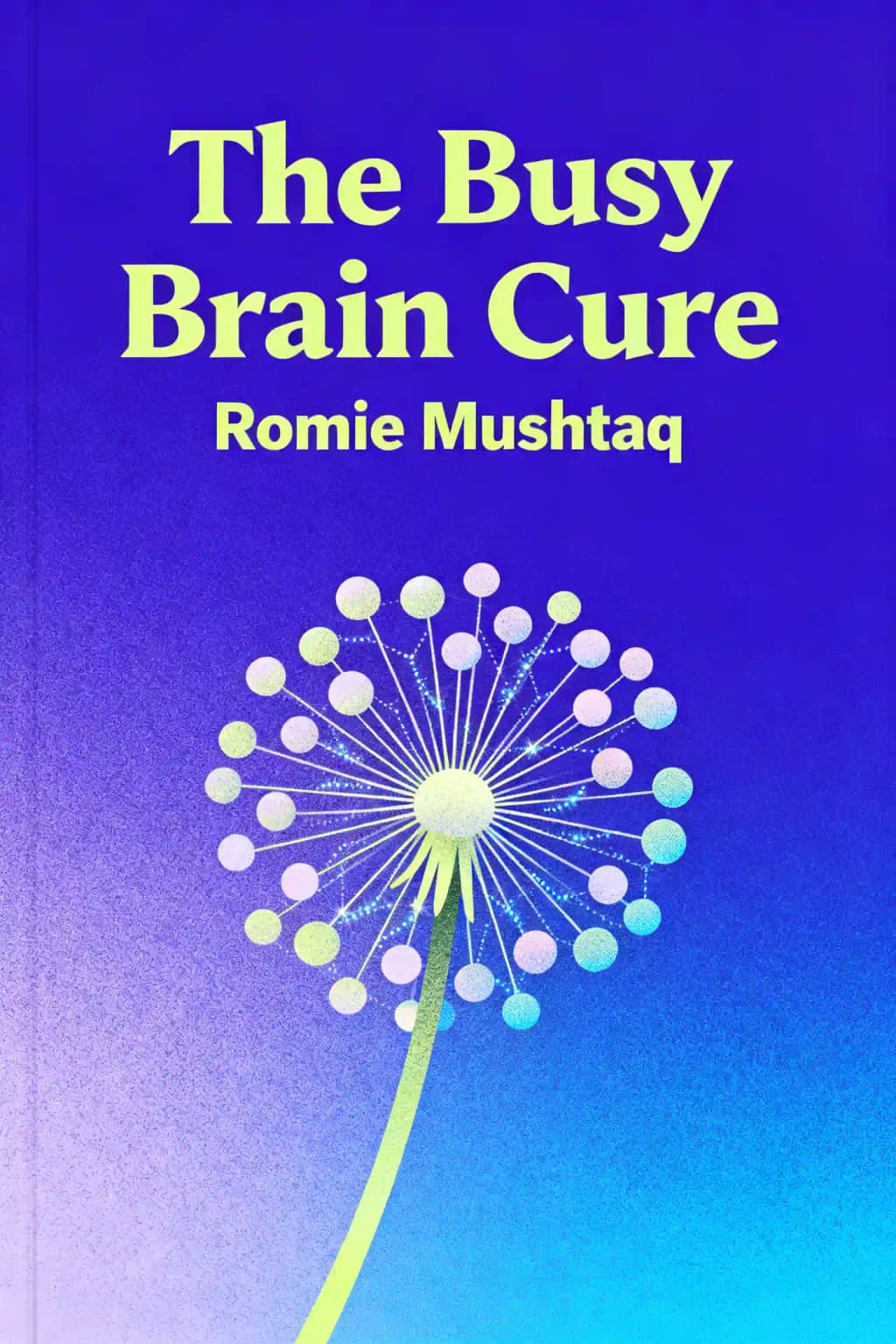
Have you ever found yourself lying awake at 3 AM, your mind racing with tomorrow's to-do list, unable to quiet the mental chatter despite your desperate need for sleep? You're not alone. In our hyper-connected, achievement-oriented world, the phenomenon of the "Busy Brain" has reached epidemic proportions, affecting an estimated 82% of Americans. This condition-characterized by ruminating anxiety, difficulty focusing, and insomnia-is the subject of Dr. Romie Mushtaq's groundbreaking work, which has gained attention from corporate leaders and wellness experts alike for its practical, science-based approach to mental overwhelm.
As a triple board-certified physician who experienced her own dramatic burnout-complete with a life-threatening medical condition requiring emergency surgery-Dr. Mushtaq brings both professional expertise and personal experience to this increasingly common condition. Her approach has been embraced by Evolution Hospitality, where she serves as Chief Wellness Officer, and has transformed the lives of thousands of high-achieving professionals who previously believed chronic stress was simply the price of success.
第 2 章
The Stress-Success Cycle: How Modern Life Hijacks Your Brain
The modern workplace celebrates the hustle culture, where being busy is a badge of honor and stress is normalized as an inevitable byproduct of ambition. This creates what Dr. Mushtaq calls the "stress-success cycle"-a pattern where we churn through our days fueled by caffeine and adrenaline, then attempt to burn the midnight oil despite depleted mental resources. From Silicon Valley startups to Wall Street trading floors, the mentality of "sleep when you're dead" has become deeply ingrained in professional culture.
This cycle isn't just uncomfortable-it's dangerous. When I interviewed executives about their work habits, many described a familiar pattern: they wake up needing caffeine to function, spend their days juggling multiple mental "browser windows," feel constantly distracted by notifications, require alcohol to unwind in the evening, and then lie awake with racing thoughts when they desperately need rest. One CEO described checking emails at 3 AM while his tablet, phone, and laptop all buzzed with notifications. Another admitted to taking sleep medication just to counter the effects of her daily triple espressos.
What's happening physiologically is alarming. Your brain functions like an airport traffic control tower, managing operations throughout your body. Under acute stress, this system works brilliantly-helping you meet deadlines or respond to immediate challenges. But when stress becomes chronic, your brain's command center (the amygdala) constantly sends distress signals, putting your entire system in emergency mode. This is similar to running your car engine at maximum RPM for hours on end - eventually, something will break down.
The hypothalamic-pituitary-adrenal axis (HPA axis) activates, pumping cortisol and adrenaline into your bloodstream, causing physiological changes: faster heartbeat, increased blood pressure, rapid breathing, heightened senses, and energy release from stored glucose. Research shows that chronic elevation of stress hormones can lead to decreased immune function, cognitive decline, and increased risk of cardiovascular disease. When this state persists without allowing the relaxation response to restore balance, your sympathetic nervous system remains constantly activated-precisely what happened to Dr. Mushtaq when she experienced searing chest pain at age thirty while walking into the hospital where she worked.
This chronic activation creates a vicious cycle: stress disrupts sleep, poor sleep increases stress sensitivity, and both together impair cognitive function and emotional regulation. Studies show that just one night of poor sleep can increase anxiety levels by up to 30%. The World Health Organization now recognizes burnout as an occupational phenomenon characterized by energy depletion, increased mental distance from one's job, and reduced professional efficacy-exactly what happens when we remain stuck on the stress-success cycle too long. Recent research indicates that up to 77% of professionals experience burnout at some point in their careers, with particularly high rates among healthcare workers, tech professionals, and financial service employees.
The digital age has exacerbated this problem, with the average professional checking their phone 150 times per day and spending over 11 hours interacting with media. This constant connectivity creates a state of "continuous partial attention," further taxing our already overloaded stress response systems.
第 3 章
Neuroinflammation: The Science Behind Your Busy Brain
What makes the Busy Brain particularly insidious is that it doesn't just feel uncomfortable-it actually changes your brain's physical functioning. When we endure chronic physical, emotional, or mental stress, negative structural and functional changes occur in the brain, called neuroinflammation. This process involves the activation of immune cells and the release of inflammatory molecules that can persist long after the initial stressor has passed.
This inflammation pattern particularly affects the hippocampus and prefrontal cortex-areas responsible for focus and anxiety regulation. The hippocampus, crucial for memory formation and emotional processing, can actually shrink under prolonged stress. The prefrontal cortex, our executive control center, shows reduced activity and connectivity, making it harder to make decisions and regulate emotions. The resulting disruption of the hypothalamic-pituitary-adrenal axis affects hormone systems and the autonomic nervous system, dysregulating hunger hormones like leptin and insulin, which explains why stress often leads to changes in appetite and eating patterns.
The hypothalamus contains our internal biological clock-the circadian rhythm-which controls activity throughout the body via the suprachiasmatic nucleus (SCN). This master clock orchestrates countless biological processes, from hormone release to body temperature regulation. When chronic stress causes neuroinflammation, our circadian rhythm suffers, leading to sleep difficulties, morning fatigue, and feeling simultaneously wired and tired. This disruption can create a vicious cycle where poor sleep further increases inflammation, making recovery increasingly difficult.
Rather than viewing anxiety, attention deficit disorder, and insomnia as separate conditions, Dr. Mushtaq proposes they share a common root cause in many adults-neuroinflammation from chronic stress. This explains why so many high-achieving professionals find themselves suddenly struggling with focus, experiencing heightened anxiety, and unable to sleep well despite previous resilience in these areas. For example, a successful executive might find themselves unable to concentrate during important meetings, experiencing panic attacks for the first time, or lying awake at night despite physical exhaustion.
The standard Western medical approach often treats these symptoms separately: stimulants like Adderall for attention issues, anti-anxiety medications for stress, and sleeping pills for insomnia. But this approach frequently worsens the underlying problem by perpetuating the stimulant-sedative cycle without addressing the root cause of neuroinflammation. Moreover, these medications can create dependency and may mask important warning signals that our body is sending about the need to address underlying stress factors. Research shows that this fragmented approach to treatment often leads to diminishing returns over time, as the brain's inflammatory response continues unchecked beneath the surface of symptom management.
Understanding neuroinflammation as the common denominator helps explain why holistic approaches that reduce overall stress levels-such as meditation, regular exercise, and improved sleep hygiene-often prove more effective in the long term than treating each symptom in isolation. This integrated perspective suggests that healing requires addressing both the biological and lifestyle factors contributing to chronic stress.
第 4 章
The Circadian Connection: Why Sleep Is Your Brain's Reset Button
Sleep isn't just rest-it's your brain's essential maintenance period, performing crucial functions from memory consolidation to cellular repair. The circadian rhythm, orchestrated by the suprachiasmatic nucleus (SCN) in the hypothalamus, serves as your body's master timekeeper. This sophisticated biological clock doesn't just control sleep-wake cycles; it orchestrates a complex symphony of physiological processes, including hormone production, immune function, digestion, and even gene expression throughout every organ system.
Environmental cues called zeitgebers fundamentally shape our circadian rhythms. While light is the most powerful zeitgeber, others include meal timing, exercise patterns, work schedules, and social interactions. Each of these signals helps synchronize our internal clock with the external world. When these cues become misaligned-like eating late at night or exercising close to bedtime-they create a cascade of physiological disruptions. A disturbed circadian rhythm affects core body temperature regulation, cortisol patterns, and melatonin secretion, triggering the neuroinflammatory responses that manifest as Busy Brain symptoms like anxiety, difficulty concentrating, and mental fatigue.
Modern life has dramatically altered our relationship with natural light cycles. Our ancestors' schedules were governed by sunrise and sunset, but today's 24/7 society exposes us to artificial light when our brains are genetically programmed for darkness. This is particularly problematic with blue light from digital devices, which has shorter wavelengths and higher energy than other visible light. Studies show that this type of light is particularly effective at suppressing melatonin production, with effects lasting up to three hours after exposure.
Dr. Yvan Touitou's groundbreaking research reveals the hormonal impact of evening screen exposure. Just 30-60 minutes of screen time before bed not only raises stress hormones cortisol and dopamine but also depletes crucial sleep-promoting neurotransmitters like serotonin and melatonin. While blue-light blocking glasses have gained popularity, research indicates their benefits are limited. They may reduce eye strain, but they cannot fully prevent the broader hormonal and neurological disruptions caused by late-night device use.
These circadian disruptions manifest in two distinct patterns identified by Dr. Mushtaq. "Pattern I" sleep disturbance involves racing thoughts and difficulty falling asleep, often experienced by high-achieving professionals who can't "turn off" their minds. "Pattern II" disturbance involves middle-of-the-night awakening with inability to resume sleep, typically caused by dysregulated cortisol rhythms. Both patterns represent different manifestations of circadian dysfunction and require comprehensive interventions beyond traditional sleep hygiene advice. This might include strategic light exposure, carefully timed exercise, and specific nutritional approaches to reset the body's internal clock.
第 5 章
Hormonal Harmony: The Hidden Keys to Brain Function
When we think about brain health, hormones rarely top the list of considerations. Yet, hormonal imbalances frequently underlie Busy Brain symptoms. The circadian rhythm affects not just sleep but extends throughout the body, influencing over fifty hormones that regulate organ function.
Vitamin D3 (cholecalciferol) emerges as a particularly crucial factor in brain health. Beyond helping absorb calcium and phosphorus for bone health, it reduces cancer cell growth, controls infections, and reduces neuroinflammation. Its deficiency links to numerous brain and mental health conditions including dementia, depression, diabetes, autism, schizophrenia, multiple sclerosis relapses, and cognitive decline.
Multiple studies show vitamin D supplements can significantly reduce anxiety symptoms. Meta-analyses consistently show children with ADHD have lower vitamin D3 levels than those without the diagnosis. Vitamin D deficiency also correlates with sleep disorders and poor sleep quality-a meta-analysis of 9,397 participants found those with vitamin D deficiency had increased likelihood of sleep disorders, poor quality, and shorter duration.
Despite its importance, up to 90% of Americans have low vitamin D levels due to limited sun exposure or sunblock use. While food sources like fatty fish, UV-exposed mushrooms, and eggs contain some vitamin D, they rarely provide sufficient amounts to correct deficiencies.
Thyroid disorders represent another frequently overlooked hormonal factor in Busy Brain symptoms. These conditions are significantly underdiagnosed, affecting approximately one in eight people whose symptoms may be missed because they aren't obvious. Even when TSH levels appear normal, patients may still have thyroid issues.
Research shows those with thyroid hormone resistance are more likely to develop ADHD compared to family members with healthy thyroid function. Both hyperthyroidism and hypothyroidism overlap with sleep disorders like insomnia and sleep apnea. Unfortunately, physicians often miss thyroid disorders by checking only TSH within a broad normal range (0.4-4.0 mIU/L) without ordering comprehensive testing.
For proper diagnosis, a full thyroid panel should include TSH, Total T3, Total T4, Free T3, Free T4, Reverse T3, and thyroid antibodies to identify conditions like autoimmune thyroiditis and subclinical thyroid disorders that can cause Busy Brain symptoms.
第 6 章
The Inflammation-Diet Connection: How Food Fuels Your Brain
The relationship between what we eat and how our brains function is profound yet often overlooked. High blood sugar is dangerous for the brain, causing quick energy bursts followed by crashes. When we eat high glycemic foods (white sugar, flour, rice, potatoes, bread), the body pumps insulin to convert sugar to energy, but over time can become insulin-resistant.
High sugar negatively impacts mental health by interfering with serotonin production (90% of which occurs in the gut), depleting B vitamins needed for serotonin, and creating anxiety-like blood sugar crashes. Sugar also decreases brain-derived neurotrophic factor (BDNF), which reduces anxiety and stress reactions.
Combining caffeine with sugar creates a particularly problematic combination that intensifies sugar cravings and spikes insulin levels. This combination overloads Busy Brain circuits, worsening anxiety and attention deficits, making you more self-critical about uncompleted tasks.
Caffeine itself, when used appropriately, can be beneficial. It works by blocking adenosine receptors in the brain, preventing drowsiness and maintaining alertness. However, timing matters significantly-the optimal time for caffeine is mid-to-late morning (9:30-11:30am for those who wake at 6:30am), not immediately upon waking when cortisol is naturally high. Caffeine should be avoided after 1:00pm as its stimulating effects last 3-5 hours and can disrupt sleep.
Beyond sugar and caffeine, fats play a crucial role in brain health-your brain is primarily made of phospholipids. However, not all fats are equal. While humans evolved on a 1:1 ratio of omega-6 to omega-3 fatty acids, Western diets now contain a harmful 15:1 to 16.7:1 ratio. This imbalance promotes cardiovascular disease, cancer, and inflammatory conditions.
Research shows lower ratios (between 2:1 and 5:1) reduce inflammation, cancer cell growth, and mortality risk. Omega-3 polyunsaturated fatty acids have significant benefits for inflammatory conditions, decreasing disease activity by reducing IL-1, a pro-inflammatory cytokine also elevated in Busy Brain.
Decades of low-fat diets have inadvertently created Busy Brain symptoms through omega-3 deficiency. Additionally, leptin resistance-caused by sleep deprivation, stress, and elevated cortisol-makes the brain less receptive to fullness signals, leading to weight gain and further perpetuating the stress-eating cycle.
第 7 章
Digital Overload: How Technology Rewires Your Attention
Our constant immersion in digital devices-answering emails while watching Netflix, checking phones during conversations, and juggling multiple screens-has fundamentally changed our attention capabilities. In our hyperconnected world, our attention span has shortened to less than 9 seconds-shorter than a goldfish's. This dramatic decline represents a 33% decrease from attention spans measured just 15 years ago, highlighting the rapid pace of this cognitive transformation.
There are three types of attention: focused (ability to concentrate on a specific stimulus), sustained (maintaining focus over extended periods), and selective (focusing despite competing distractions). All three are compromised by our relationship with technology. When Dr. Mushtaq began medical training in the late 1990s, adult-onset ADD wasn't recognized; ADHD was assumed to originate exclusively in childhood. Research has evolved dramatically as technology use expanded, revealing new patterns of attention disruption across all age groups.
A King's College London study found nearly 70% of young adults with ADHD didn't meet childhood criteria for the disorder, suggesting environmental factors play a crucial role. Adult ADHD presents differently-less physical hyperactivity but more pronounced inattention and mood disruption, particularly anxiety and depression. Executive function becomes significantly impaired, affecting task prioritization, time management, and decision-making capabilities. These symptoms often coexist with substance abuse issues, creating a complex web of behavioral challenges. This directly impacts work performance, studying ability, and social functioning, with many adults reporting strained relationships and career setbacks.
The evidence for technology's impact on attention is compelling and growing. In a groundbreaking experiment called "Project Evo," Dr. Mushtaq worked with Evolution Hospitality, where 427 leaders volunteered for a 21-day digital detox challenge. Participants committed to turning off devices 30-60 minutes before bedtime and implementing structured breaks from digital interaction throughout their day. They also maintained detailed logs of their screen time and attention patterns.
Initial assessment revealed alarming baseline data: 48% felt stressed during most of the workweek, 70% had difficulty falling asleep, 42% experienced middle-of-night wakefulness, and 75% woke feeling fatigued. Physical symptoms included headaches, eye strain, and neck tension. Of the 188 participants who completed the program, results showed statistically significant improvements: 98% could fall asleep within 30 minutes (up from 76%), only 43% experienced middle-of-night wakefulness (down from 92%), just 36% felt stressed most of the week (down from 96%), and only 44% woke with low energy (down from 98%). Additionally, participants reported improved memory retention, better workplace focus, and enhanced personal relationships.
This experiment demonstrated how just three weeks of digital detox could reset brain rhythms more effectively than supplements or sleep gadgets, highlighting the profound impact our devices have on our neurological functioning. Follow-up studies six months later showed that participants who maintained modified digital habits continued to experience benefits, suggesting lasting neuroplastic changes are possible with consistent digital boundaries.
第 8 章
The brainSHIFT Protocol: An 8-Week Path to Mental Clarity
After years of research and personal experience with burnout, Dr. Mushtaq developed the brainSHIFT Protocol-a structured 8-week approach to curing the Busy Brain through microhabits that build upon each other in a specific sequence.
The protocol works through three key stages: Restoration (weeks 1-4) to improve sleep and reduce anxiety; Boost of Energy and Focus (weeks 5-8) to optimize nutrition and energy systems; and Belonging and Community, which recognizes that sustainable wellness changes are more likely when completed with supportive peers.
Week 1 focuses on eliminating self-judgment and setting specific health goals. Rather than beating ourselves up when we fail to meet health goals, we're encouraged to focus on implementing one joyful microhabit at a time and then stack additional habits as we master each one.
Week 2 introduces a 7-day sleep challenge based on sleep hygiene and cognitive behavioral therapy for insomnia. This includes establishing consistent sleep-wake times, creating a sleep-conducive environment, and addressing specific sleep disturbance patterns with targeted interventions.
Week 3 implements a digital detox, particularly 30-60 minutes before bedtime. This involves eliminating all digital devices (smartphones, tablets, e-readers, laptops, TVs) before bed and replacing screen time with alternative activities like household chores, walking, knitting, or journaling.
Week 4 introduces the brainPAUSE technique to combat ruminating anxiety-repetitive negative thought patterns that can lead to depression and anxiety disorders. The technique involves three steps: stepping away from the stress trigger, resetting your senses through sound healing or physical movement, and optionally using supplements like L-theanine for additional support.
Week 5 focuses on nutrition biohacks, particularly avoiding high-glycemic foods within an hour of consuming caffeine. This simple change can dramatically improve energy levels and focus by preventing the energy roller coaster that comes from combining these substances.
Week 6 emphasizes adding healthy fats to every meal to fuel brain function and regulate hunger hormones. This approach allows for comfort foods while strategically incorporating brain-nourishing nutrients.
Week 7 involves identifying root causes through laboratory testing, particularly examining four essential areas: methylation disorders, thyroid hormones, blood sugar control, and vitamin D3 levels.
Week 8 brings everything together, reassessing progress by retaking the Busy Brain Test and selecting two or three key habits to maintain long-term. Data from over 1,000 program participants shows significant improvements: 40% better sleep, 22% fewer physical symptoms, 20% improved emotional management, 17% better behavioral management, and 15% improved personal habits.
第 9 章
Sustainable Success: Breaking the Cycle Without Sacrificing Ambition
Perhaps the most revolutionary aspect of Dr. Mushtaq's approach is that it doesn't ask high-achievers to abandon their ambitions or slow down their pace. Instead, it offers a path to sustainable success by optimizing brain function first, which then enhances performance, creativity, and resilience. This represents a fundamental shift from traditional stress management techniques that often emphasize reducing workload or lowering expectations.
The brainSHIFT Protocol acknowledges that we're not all able to take extended sabbaticals or retreat from our responsibilities. Instead, it provides practical, incremental changes that work within the constraints of busy professional lives while still delivering meaningful results. These might include micro-breaks between meetings, strategic meal timing to support cognitive function, and brief mindfulness practices that can be integrated into daily routines without disrupting workflow.
By addressing the root causes of Busy Brain-circadian rhythm disruption, neuroinflammation, hormonal imbalances, and digital overload-the protocol allows professionals to maintain their drive while eliminating the destructive aspects of chronic stress. For example, simple adjustments like establishing consistent sleep-wake cycles, implementing blue light filters on devices after sunset, and incorporating anti-inflammatory foods can create significant neurological improvements without requiring major lifestyle overhauls.
This approach recognizes that our brains never truly "shut down" unless we're under anesthesia, in a coma, or dead. Instead, it focuses on creating conditions where the brain can function optimally, allowing for both productivity and restoration in appropriate balance. The protocol emphasizes working with our natural neurological rhythms rather than against them, scheduling demanding tasks during peak cognitive hours and restorative activities during natural energy dips.
The protocol also acknowledges cultural diversity in approaches to food, rest, and stress management. Rather than imposing rigid restrictions that ignore comfort foods tied to heritage and joy, it creates space for meaningful traditions while still promoting brain health. This might mean adapting traditional recipes to include more brain-healthy ingredients or incorporating cultural relaxation practices into stress management routines.
In essence, the Busy Brain Cure offers something previously thought impossible: a way to succeed without burnout. By understanding the neurological underpinnings of chronic stress and implementing targeted interventions to restore healthy brain function, we can break free from the stress-success cycle while still pursuing our goals and ambitions. The protocol provides specific strategies for different professional contexts - whether you're an entrepreneur, corporate executive, healthcare worker, or creative professional.
As Dr. Mushtaq reminds us, a Busy Brain never completely disappears but can be managed effectively. With the right tools and understanding, we can transform our relationship with stress, reclaim our mental clarity, and achieve sustainable success without sacrificing our health or happiness in the process. This includes developing personalized stress response strategies, establishing boundaries around technology use, and creating sustainable work patterns that support both achievement and well-being. The key lies in working smarter, not harder, by aligning our ambitions with our biological needs rather than forcing our biology to conform to our ambitions.