How to Stop Breaking Your Own Heart

《How to Stop Breaking Your Own Heart》概述
In "How to Stop Breaking Your Own Heart," #1 New York Times bestseller Meggan Roxanne reveals why self-sabotage feels so familiar. Drawing from her West Indian roots, she offers the boundary-setting wisdom that transformed thousands - including readers who call it "the journey home to yourself."
- Self-awareness breaks self-sabotage cycles by revealing destructive thought patterns.
- Non-negotiable self-love requires prioritizing emotional needs over people-pleasing behaviors.
- Setting boundaries protects emotional currency and prevents energy-draining relationships.
- Therapy builds conscious accountability for past traumas that fuel self-harm.
- Perfectionism’s myth traps you in cycles of self-criticism and dissatisfaction.
- Forgiving past versions of yourself unlocks radical acceptance and growth.
- Journaling transforms buried trauma into shareable wisdom that liberates others.
- Toxic relationships perpetuate heartbreak when self-worth remains unexamined.
- Emotional validation begins with honoring your feelings without judgment.
- Daily self-care rituals rebuild trust in your own resilience.
- Pain becomes purposeful when reframed as a teacher, not a punishment.
《How to Stop Breaking Your Own Heart》作者介绍
Meggan Roxanne, bestselling author of How to Stop Breaking Your Own Heart and a leading voice in mental health advocacy, merges personal resilience with practical wisdom in this self-help guide focused on healing self-sabotage, setting boundaries, and overcoming people-pleasing.
A British-Trinidadian entrepreneur and founder of The Good Quote—a viral platform with over 30 million followers—Roxanne draws from her own battles with depression, workplace burnout, and caregiving for her terminally ill mother to craft relatable strategies for emotional well-being.
Her work, amplified by collaborations with thought leaders like Jay Shetty and Steven Bartlett, blends candid storytelling with actionable tools, reflecting her decade-long journey from Tumblr blogger to internationally recognized digital creator. Published by Hay House, her book distills insights from her transformative social media content, which has reshaped conversations around self-worth and mindfulness.
Roxanne’s platforms, including podcasts and keynote talks, continue to empower millions to embrace authenticity and intentional living.
关于《How to Stop Breaking Your Own Heart》的常见问题
What is How to Stop Breaking Your Own Heart about?
How to Stop Breaking Your Own Heart by Meggan Roxanne is a self-help guide focused on overcoming self-sabotage, people-pleasing, and perfectionism. It offers strategies to set boundaries, prioritize self-love, and align daily actions with core values. The book combines personal anecdotes with actionable steps to help readers heal emotional wounds, protect their energy, and build authentic relationships.
Who should read How to Stop Breaking Your Own Heart?
This book is ideal for individuals struggling with anxiety, low self-worth, or toxic relationship patterns. It’s particularly relevant for those who overextend themselves to please others, fear judgment, or feel trapped by perfectionism. Roxanne’s insights resonate with readers seeking practical tools to break free from self-limiting behaviors and cultivate resilience.
Is How to Stop Breaking Your Own Heart worth reading?
Yes, the book provides actionable advice for reclaiming self-trust and building healthier habits. Roxanne’s blend of personal vulnerability (e.g., her struggles with grief and identity) and structured frameworks (e.g., boundary-setting techniques) makes it a valuable resource for anyone ready to prioritize their emotional well-being.
What are the main themes in How to Stop Breaking Your Own Heart?
Key themes include:
- Self-sabotage: Breaking cycles of people-pleasing and procrastination.
- Boundaries: Learning to say “no” to toxic relationships or draining commitments.
- Perfectionism: Embracing imperfections to reduce self-criticism.
- Intentional living: Aligning daily choices with personal values.
How does Meggan Roxanne address perfectionism in the book?
Roxanne describes perfectionism as a mask that hides authenticity, sharing her own journey of prioritizing others’ expectations over self-compassion. She advocates reframing mistakes as growth opportunities and offers exercises to challenge unrealistic standards, such as journaling prompts to identify core values versus external pressures.
What practical steps does the book suggest for setting boundaries?
- Audit relationships: Identify energy-draining interactions.
- Practice “no” scripts: Use phrases like, “I can’t commit to this right now.”
- Reclaim time: Prioritize activities that align with personal joy and purpose.
Roxanne emphasizes that boundaries protect energy without requiring guilt or over-explanation.
What are the key quotes from How to Stop Breaking Your Own Heart?
- On authenticity: “I became everything everyone wanted me to be, struggling to develop a real relationship with my authentic self.”
- On self-worth: “You deserve more than replaying failed scenarios and seeing good in everyone but yourself.”
These quotes underscore the book’s focus on self-awareness and courage.
How does the book structure its advice?
The book is divided into three sections:
- How We Break Our Own Hearts: Examines root causes like people-pleasing.
- How We Start to Heal: Introduces tools for self-compassion and boundary-setting.
- How We Nurture Our Hearts: Focuses on sustaining growth through purposeful living.
How does How to Stop Breaking Your Own Heart compare to Atomic Habits?
While Atomic Habits focuses on behavior change systems, Roxanne’s work emphasizes emotional healing and self-acceptance. Both books advocate intentional action, but How to Stop Breaking Your Own Heart prioritizes internal alignment over external habit formation, making it complementary for readers addressing deeper self-sabotage patterns.
What criticism exists about How to Stop Breaking Your Own Heart?
Some readers may find the advice overly focused on personal anecdotes rather than clinical research. However, Roxanne’s relatable storytelling resonates with those seeking accessible entry points into self-help concepts, particularly individuals new to boundary-setting or therapy.
How does Meggan Roxanne’s background influence the book?
As founder of The Good Quote (a 30-million-member wellness community), Roxanne integrates viral-worthy affirmations with psychological insights. Her experiences with anxiety, grief, and rebuilding self-trust after burnout lend authenticity to the book’s lessons.
Can How to Stop Breaking Your Own Heart help with workplace burnout?
Yes. The book’s strategies for prioritizing meaningful tasks, delegating overload, and detaching self-worth from productivity align with managing burnout. Roxanne’s “time reclamation” exercises help readers audit commitments and advocate for realistic workloads.
What metaphors does the book use to explain self-sabotage?
Roxanne likens self-sabotage to “building walls around a heart that’s already broken,” illustrating how protective behaviors often deepen isolation. She also compares people-pleasing to “watering everyone’s garden but your own,” emphasizing the unsustainable cost of neglecting personal needs.
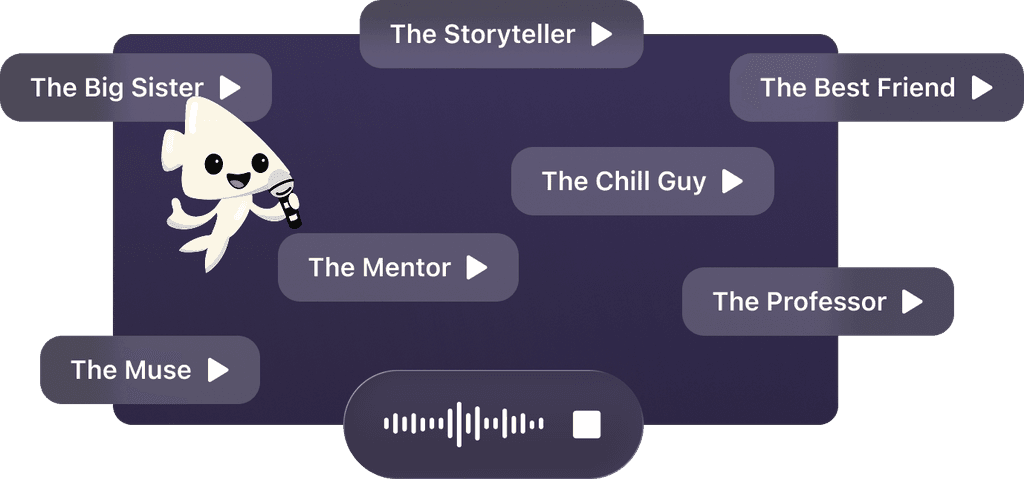
通过作者的声音感受这本书
将知识转化为引人入胜、富含实例的见解
快速捕捉核心观点,高效学习
以有趣互动的方式享受这本书
《How to Stop Breaking Your Own Heart》主要人物
- Meggan RoxanneAuthor and subject who shares her healing journey
- JanetteMeggan's mother and a resilient single parent
- Meggan's grandfatherA relative whose early rejection shaped Meggan
《How to Stop Breaking Your Own Heart》核心主题
- breaking codependency patterns
- overcoming people pleasing
- setting emotional boundaries
- recovering from perfectionism
- healing childhood rejection
《How to Stop Breaking Your Own Heart》经典语录
We teach others how to treat us by what we allow.
I was performing, struggling to connect with my true self.
Detaching from others' expectations is our only path to self-discovery.
Comfort zones were never meant to be permanent foundations.
The traits that frustrate us in others often reflect what we dislike in ourselves.
探索你的学习方式
 快速摘要模式
8分钟阅读或收听《How to Stop Breaking Your Own Heart》摘要
将《How to Stop Breaking Your Own Heart》的核心观点拆解为易于理解的要点,了解创新团队如何创造、协作和成长。

 趣味模式
趣味模式
《How to Stop Breaking Your Own Heart》的启示 - 19分钟故事
通过生动的故事体验《How to Stop Breaking Your Own Heart》,将创新经验转化为令人难忘且可应用的精彩时刻。
 个性化模式
个性化模式
用你自己的学习方式体验《How to Stop Breaking Your Own Heart》
随时提问,选择你的学习方式,共创真正适合你的洞察。
"Instead of endless scrolling, I just hit play on BeFreed. It saves me so much time."


"I never knew where to start with nonfiction—BeFreed’s book lists turned into podcasts gave me a clear path."


"Perfect balance between learning and entertainment. Finished ‘Thinking, Fast and Slow’ on my commute this week."
"Crazy how much I learned while walking the dog. BeFreed = small habits → big gains."
"Reading used to feel like a chore. Now it’s just part of my lifestyle."

"Feels effortless compared to reading. I’ve finished 6 books this month already."
"BeFreed turned my guilty doomscrolling into something that feels productive and inspiring."

"BeFreed turned my commute into learning time. 20-min podcasts are perfect for finishing books I never had time for."
"BeFreed replaced my podcast queue. Imagine Spotify for books — that’s it. 🙌"

"It is great for me to learn something from the book without reading it."
"The themed book list podcasts help me connect ideas across authors—like a guided audio journey."
"Makes me feel smarter every time before going to work"
"Instead of endless scrolling, I just hit play on BeFreed. It saves me so much time."
"I never knew where to start with nonfiction—BeFreed’s book lists turned into podcasts gave me a clear path."
"Perfect balance between learning and entertainment. Finished ‘Thinking, Fast and Slow’ on my commute this week."
"Crazy how much I learned while walking the dog. BeFreed = small habits → big gains."
"Reading used to feel like a chore. Now it’s just part of my lifestyle."
"Feels effortless compared to reading. I’ve finished 6 books this month already."
"BeFreed turned my guilty doomscrolling into something that feels productive and inspiring."
"BeFreed turned my commute into learning time. 20-min podcasts are perfect for finishing books I never had time for."
"BeFreed replaced my podcast queue. Imagine Spotify for books — that’s it. 🙌"
"It is great for me to learn something from the book without reading it."
"The themed book list podcasts help me connect ideas across authors—like a guided audio journey."
"Makes me feel smarter every time before going to work"
"Instead of endless scrolling, I just hit play on BeFreed. It saves me so much time."
"I never knew where to start with nonfiction—BeFreed’s book lists turned into podcasts gave me a clear path."
"Perfect balance between learning and entertainment. Finished ‘Thinking, Fast and Slow’ on my commute this week."
"Crazy how much I learned while walking the dog. BeFreed = small habits → big gains."
"Reading used to feel like a chore. Now it’s just part of my lifestyle."
"Feels effortless compared to reading. I’ve finished 6 books this month already."
"BeFreed turned my guilty doomscrolling into something that feels productive and inspiring."
"BeFreed turned my commute into learning time. 20-min podcasts are perfect for finishing books I never had time for."
"BeFreed replaced my podcast queue. Imagine Spotify for books — that’s it. 🙌"
"It is great for me to learn something from the book without reading it."
"The themed book list podcasts help me connect ideas across authors—like a guided audio journey."
"Makes me feel smarter every time before going to work"
"Instead of endless scrolling, I just hit play on BeFreed. It saves me so much time."
"I never knew where to start with nonfiction—BeFreed’s book lists turned into podcasts gave me a clear path."
"Perfect balance between learning and entertainment. Finished ‘Thinking, Fast and Slow’ on my commute this week."
"Crazy how much I learned while walking the dog. BeFreed = small habits → big gains."
"Reading used to feel like a chore. Now it’s just part of my lifestyle."
"Feels effortless compared to reading. I’ve finished 6 books this month already."
"BeFreed turned my guilty doomscrolling into something that feels productive and inspiring."
"BeFreed turned my commute into learning time. 20-min podcasts are perfect for finishing books I never had time for."
"BeFreed replaced my podcast queue. Imagine Spotify for books — that’s it. 🙌"
"It is great for me to learn something from the book without reading it."
"The themed book list podcasts help me connect ideas across authors—like a guided audio journey."
"Makes me feel smarter every time before going to work"

下载《How to Stop Breaking Your Own Heart》摘要
免费获取《How to Stop Breaking Your Own Heart》摘要的 PDF 或 EPUB 版本。可打印或随时离线阅读。