第 1 章
When Bad Management Becomes the Norm: A Wake-Up Call
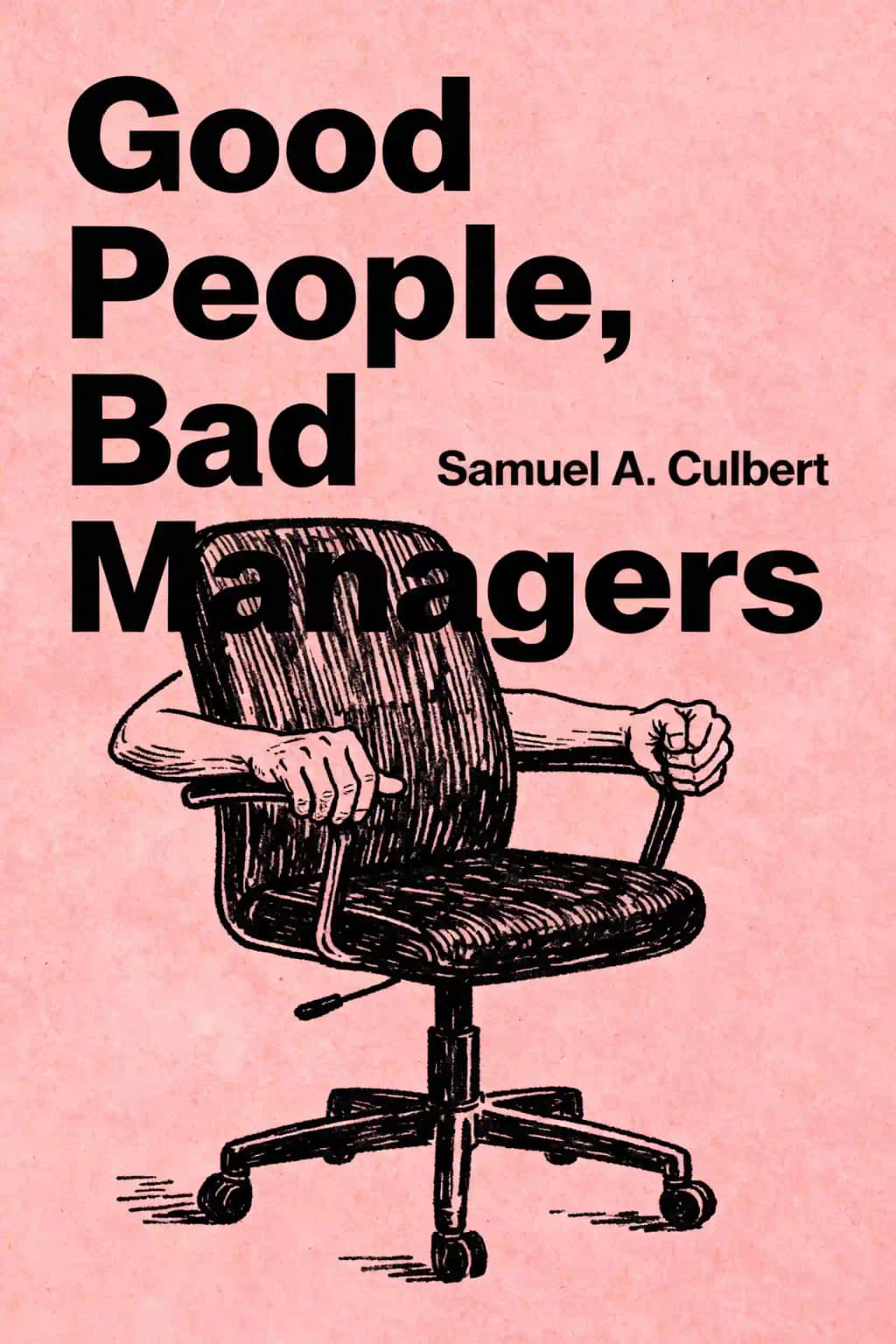
Have you ever wondered why Sunday evenings often bring a sense of dread rather than anticipation for the week ahead? For millions of workers, this "Sunday scaries" phenomenon isn't just about ending the weekend-it's about returning to workplaces led by well-intentioned but ineffective managers. In "Good People, Bad Managers," Samuel A. Culbert delivers a provocative wake-up call that has resonated with executives and employees alike. This isn't just another management book-it's been described by The Wall Street Journal as "the most honest look at organizational dysfunction since 'The Office.'" What makes Culbert's perspective so compelling is that he doesn't blame individual managers but instead exposes the systemic forces that transform good people into bad managers. The book has become required reading in leadership development programs at companies like Google and Microsoft, where executives recognize that management dysfunction costs American businesses billions annually in lost productivity, turnover, and missed opportunities.
第 2 章
The Paradox of Well-Intentioned Bad Management
Despite global admiration for American business leadership, bad management is the norm, not the exception. This isn't about a few bad apples-it's a systemic problem affecting even well-intentioned managers who genuinely want to do right by their teams. Most alarming is that people aren't surprised by bad management; they expect it! Employees come to work wanting to feel valued and grow professionally, but instead find themselves putting as much energy into getting their boss to recognize their contributions as into the work itself.
The root cause lies in American work culture, which leads managers to implement practices that contradict basic facts of human nature. They become so consumed with their own advancement that they lack capacity to focus on others' needs, treating direct reports as resources to deploy for personal success rather than individuals with unique talents and aspirations.
Consider what happens when people begin new jobs. They arrive with enthusiasm, looking to realize their potential and contribute meaningfully. But when they feel misunderstood and misdirected, their inner flame begins to flicker. What managers call "human capital" consists of precious individuals with distinctive skills who want to accomplish things and progress in their lives. Unfortunately, managers often remain oblivious to the toll their demands take on employees' personal lives, health, and relationships.
Even ambitious "up-and-comers" suffer. One middle manager confided about his deteriorating work-life balance, strained marriage, and guilt about neglecting his children-all while his boss remained completely unaware of these struggles. While everyone knows advancement requires trade-offs, most managers remain ignorant of the specific sacrifices their reports make and their consequences.
Work shouldn't dampen the human spirit. With proper managerial support, jobs could become self-valued activities rather than onerous obligations. The question is: what prevents bosses from giving employees what they actually need?
第 3 章
The Doublethink That Corrupts Good Intentions
Managers operate in a culture that warps good intentions through a psychological mechanism Culbert calls "doublethink"-the ability to hold two contradictory beliefs simultaneously. They convince themselves their self-serving behaviors are actually good management, when in reality they're focused on staging conditions for their own success rather than their reports'. This cognitive dissonance becomes deeply embedded in management culture, creating a cycle of rationalization that perpetuates harmful practices.
This self-deception manifests in several ways. First is the "rising tide lifts all boats" mentality, where managers justify their directive approach by claiming everyone benefits when their vision succeeds. They maintain detailed lists of accomplishments for bonus discussions while disingenuously thanking "the hardworking team." But employees don't receive the meaningful rewards-the manager gets the promotion and bigger paycheck. For instance, a manager might take credit for a successful product launch while downplaying the countless extra hours their team invested, or claim organizational success validates their leadership style while ignoring the burnout and turnover beneath them.
Another manifestation is the "Boy Scout's coping mechanism." Like Boy Scouts focused on merit badges rather than genuinely helping others, managers prioritize personal advancement over meaningful assistance. When confronted with organizational dysfunction, they offer endless "the system won't let me" excuses rather than taking action. They fear alienating peers who seem content with the status quo and convince themselves they're doing "good enough" by maintaining broken systems. This often appears in budget discussions where managers claim their hands are tied while simultaneously protecting their own departmental resources.
The aerospace company example illustrates this perfectly: managers from both sides of a matrix organization acknowledged an impending retirement crisis while knowing full well they lacked training budgets to prepare replacements. Rather than addressing this obvious problem, they allowed disasters to unfold, knowing collective guilt meant no individual would be blamed. The result was a loss of critical knowledge, increased project delays, and higher costs - all predictable outcomes that everyone saw coming but no one prevented.
The solution to this doublethink requires fundamental changes in organizational accountability structures. Making accountability two-sided means holding employees accountable for results while simultaneously holding managers accountable for employee success. When neither wins unless both succeed, transparency becomes advantageous and doublethink becomes a liability rather than an asset. This might involve tying manager compensation directly to team development metrics, implementing 360-degree feedback systems, or creating formal mechanisms for employees to influence their manager's evaluation and advancement.
Successful organizations have implemented such changes by creating explicit links between management effectiveness and career progression. For example, some companies now require demonstrated success in employee development before considering managers for senior positions, while others have introduced peer review systems that make it harder to maintain self-serving illusions about one's management style.
第 4 章
The People Skills Managers Actually Acquire
Contrary to what management textbooks suggest, managers are typically selected for their functional expertise rather than interpersonal abilities. Selection processes prioritize technical competence and reliability, assuming anyone can manage people. Organizations often promote top individual contributors based on their track record of personal achievement, overlooking crucial leadership capabilities. People skills only become a concern after problems arise, usually when multiple employees complain about communication issues, conflict management, or team dynamics.
MBA programs fail to adequately prepare managers for people-centered leadership. Despite graduating over 100,000 MBAs annually in the US, these institutions function more as "graduate schools of success" than schools of management. They emphasize individual achievement, competitive analysis, and quantitative skills rather than collaboration and introspection. While some interpersonal skills like active listening and presentation techniques are taught, programs rarely develop the deeper abilities needed for authentic engagement with different perspectives. Case studies focus on strategic decisions but seldom explore the human dynamics that make or break implementation.
As managers climb the hierarchy, they discover that technical competence alone is insufficient for success. They must develop more nuanced people skills to navigate relationships with peer managers whom they cannot control through direct authority. The pressure to avoid conflict and maintain image becomes intense, often leading managers to homogenize their views and lose track of their authentic beliefs. Many find themselves struggling to balance competing demands from different stakeholders while maintaining productive working relationships.
Work life becomes less spontaneous and more politically calculated as they realize promotion depends on building genial relationships and managing one's image. They find themselves enrolled in an unspoken "charm school," learning to soften their tone, polish rough spots, and appear confident while hiding anxiety. Simple interactions become complex calculations: when to speak up in meetings, how to frame feedback, and how to build coalitions for initiatives. Ironically, as they gain power by moving up, they often feel more constrained in their ability to be direct and authentic, finding themselves caught between organizational expectations and personal leadership style.
Even at the top, managers discover that much of what they thought they knew proves incorrect or insufficient. Despite expectations that top-tier managers would prioritize company-wide results over departmental interests, most cling to survival mantras: "never miss your numbers," "accomplish everything assigned," and "allow no one to encroach on your authority." These defensive routines become deeply ingrained, creating a culture where protecting territory often takes precedence over collaborative problem-solving. Senior executives frequently find themselves trapped between short-term performance pressures and long-term organizational health, struggling to balance competing demands while maintaining their leadership credibility.
第 5 章
The Vulnerability That Drives Self-Protection
The root cause of mismanagement is insecurity-particularly fear of competence-disparaging attacks from cohort managers. This fear manifests most acutely when managers face potential criticism for not being "objective," for showing emotion, acting with bias, or pursuing self-interest-essentially, for being human. Such anxieties often paralyze decision-making and create a culture of defensive management.
This fear stems from the pervasive myth of objectivity in the workplace. Managers routinely engage in elaborate performances, pretending their viewpoints are purely objective and untainted by self-interest. They carefully frame their advocacies using impersonal language like "the only right decision," "what the marketplace requires," or "based on the data." This calculated pretense serves a dual purpose: it provides plausible deniability for controversial actions while allowing managers to avoid blame by claiming they're acting solely in the company's best interest. Common phrases like "the numbers speak for themselves" or "this is simply standard procedure" become shields against personal accountability.
However, the reality is that absolutely nothing in workplace behavior is truly objective. Every event, word, and action is filtered through multiple layers of interpretation, shaped by individual mindsets, personal histories, and professional motivations. A simple statement in a meeting might be interpreted differently by each person present, based on their position, past experiences, and current agenda. Even seemingly straightforward data can be interpreted variously depending on departmental goals, personal career aspirations, and organizational politics.
This perpetual charade places managers in increasingly precarious positions. They operate knowing that anyone who identifies their self-interest can potentially expose them as duplicitous or dishonest. The consequences of such exposure can be severe - people who feel manipulated or misled often become deeply resentful, particularly when they've been deceived by someone claiming to be purely objective. This dynamic creates a workplace environment where trust becomes increasingly fragile.
Studies show that managers recognize how careers can be derailed by a single convincing accusation of bias or self-interest. Research indicates that most professionals rate "avoiding accountability for mistakes" as significantly more important than "receiving recognition for good work," revealing the depth of workplace insecurity. This defensive mindset leads to a range of self-protective behaviors: managers mute their emotional expressions, rigidly adhere to established norms, maintain precedents even when ineffective, and adopt conventional corporate speech patterns. They carefully suppress anger, avoid direct confrontation, meticulously craft communications around known sensitivities, and frequently sidestep holding peers accountable.
When inevitable frustrations accumulate, managers resort to carefully controlled venting, but only to specifically chosen confidants. They understand the workplace dynamic where even supposedly confidential criticisms often find their way back to their subjects through complex informal networks. This creates a perpetual state of vigilance, as managers must constantly monitor not just their official communications but also their informal conversations. The ultimate sobering realization comes when managers understand that just as they possess the power to cast aspersions on colleagues, those same colleagues have equal capacity to damage their reputation and career prospects.
第 6 章
Self-Protective Routines That Perpetuate Bad Management
To shield themselves from vulnerability, managers develop distinctive self-protective routines tailored to their unique situations. These aren't just subterfuge-they're exhausting distractions that prevent giving reports the focus they deserve.
The most egregious routine is "Speak-No-Evil, Hear-No-Evil, Report-No-Evil Groupthink," where managers form an unspoken mutual-protection pact to overlook each other's self-serving behaviors, skill limitations, and faulty executions. They tacitly agree not to criticize one another, taking colleagues at their word and avoiding uncomfortable topics. The collusion operates straight-faced without so much as a wink, with dissenters finding their comments ignored until they join the compact.
Another common routine is "Being Seen as Hardworking and Overloaded," where managers showcase their diligence and workload to deter potential critics, amassing documented accomplishments that make devaluing allegations difficult to sustain. They emphasize quantifiable outputs-contact hours, reduced charges, thick progress reports-providing "hard" evidence of delivery regardless of actual value.
Perhaps most insidious is "Being Seen as Open-Minded and Willing to Be Influenced," where managers walk a fine line between appearing strong-willed and open to influence. They make a show of being interested in others' opinions while typically maintaining their predetermined course. They hold one-on-ones or meetings under the pretense of "data-gathering," feigning open-mindedness even when their minds are made up and commitments already established.
Some managers employ "Borrowed-Authority Power-Taking," appropriating a powerful person's voice to advocate for self-serving actions: "I spoke with Bill, and this is how he wants it done." The implied message is "argue with Bill, not me." This allows managers to get what they want without visible accountability or revealing their motives.
Finally, many use "Convenient Use of Process and Committees to Feign Fair Play." While most managers believe in fair play, organizations function as hierarchical autocracies, not democracies. When making controversial decisions, managers often hide behind "fair-play processes," pretending actions were determined objectively by committees rather than through their discretionary power.
第 7 章
The Systemic Barriers to Good Management
The enemy of good management has been identified: it's the pretense required by cultural expectations that makes well-intentioned managers behave badly. This stems from warped views of human nature, success-oriented schooling, and the accomplishments needed for advancement. From early education through MBA programs, future managers are taught to prioritize measurable outcomes over human dynamics, creating a fundamental disconnect between management theory and effective practice.
Work culture resists change like a computer virus fights extraction. A particularly effective "algorithm" prevents questioning the status quo by stipulating: "Don't waste valuable time bringing up problems for which no solutions are known." This makes it nearly impossible to address troublesome situations not yet understood well enough to fix. For example, when employees identify toxic workplace behaviors or inefficient processes, they're often discouraged from raising these issues unless they can simultaneously present complete solutions, effectively suppressing important discussions about systemic problems.
The work culture also fails to distinguish between leading and managing. Executives with leadership titles are expected to be big-picture focused and directive, issuing orders and overseeing company course. But they also have direct reports to manage who expect an inquiring, other-directed focus-which most don't receive. This dual role creates a cognitive dissonance where managers must simultaneously act as visionary leaders and attentive mentors, often resulting in neglect of their day-to-day management responsibilities.
Good managing requires sizing up individuals' skills and limitations, making appropriate assignments, and helping people accomplish their goals. It starts with questions, not declarations. Yet most managers find telling people what to do more efficient than understanding their perspectives, despite textbooks advocating other-directed management behavior. This disconnect manifests in rushed one-on-ones, superficial performance reviews, and missed opportunities for meaningful employee development.
When managers recognize the need for new approaches, they often talk enthusiastically about progressive practices without committing to real change. They adopt new terminology-calling assignments "growth opportunities," employees "business partners," and analysis a "deep dive"-but these are merely cosmetic changes. Like golfers buying expensive new clubs that don't significantly improve their scores, managers adopt trendy practices without achieving better results. Organizations implement fashionable management frameworks like agile methodologies or holacracy without addressing underlying cultural issues.
True improvement would require managers to put self-pursuits aside, abandon pretenses of objectivity, and work collaboratively to remove obstacles to employee effectiveness. This means creating environments where employees feel safe speaking their minds, giving managers the data needed to recognize and correct mistakes. This involves establishing psychological safety through consistent actions, not just words - regular feedback sessions, transparent decision-making processes, and genuine openness to criticism. Successful managers must actively demonstrate vulnerability and willingness to learn from their teams, breaking down hierarchical barriers that prevent honest communication.
The path to better management requires acknowledging these systemic barriers and actively working to dismantle them, rather than simply layering new management theories over broken foundations. This involves both individual commitment to change and organizational willingness to question long-held assumptions about authority, efficiency, and success metrics.
第 8 章
Creating a Culture That Supports Good Management
Cultural resistance to good management runs deep, with substantial improvements unlikely despite endless talk about better practices. While individual leaders like Bernie Marcus and Arthur Blank at Home Depot, Louis Gerstner at IBM, and Tim Cook at Apple have achieved meaningful change within their companies, broader cultural transformation moves at a glacial pace.
However, individual companies don't need to wait for broader cultural change to benefit from other-directed management. Company leaders have the means to create the management mentality they want, but it requires a valid process and earnest commitment from top leadership.
Most change initiatives fail because they focus solely on selling the positives without addressing the past thinking that must be released. Change requires more than convincing people of the advantages of doing things differently-it requires helping them let go of the mindsets that justified previous behaviors.
Leaders must explicitly address and revise cultural expectations that prevent other-directed management. The first problematic expectation is the short-term "what have you done for me today" immediate accomplishment mentality. While it helpfully connects inputs to outputs and promotes accountability, it creates relentless pressure to meet quarterly goals-sometimes down to pennies per share. This causes leaders to focus on immediate results while foregoing actions that could yield bigger long-term gains.
The workplace's unrealistic expectation that managers be objective denies human nature. No person possesses true objectivity, and pretending otherwise leads to self-alienation, insensitivity to others, and inauthentic behavior that arouses suspicion. This pretense blocks honest discussions to reconcile differing viewpoints.
The culture's intolerance for mistakes makes it difficult for people to admit what they don't know or seek help before problems occur. Even presidents like George W. Bush and Barack Obama struggled to admit mistakes while in office. Performance reviews falsely assume everyone can excel at everything, creating a power game where flawed managers judge flawed employees who fear contesting false allegations.
第 9 章
Mind-Sets That Support Other-Directed Management
Five mind-set destinations support other-directedness in management. These aren't absolutes but degrees and enhancements that managers should explore.
First, managers need to feel secure. Security is the foundation of Maslow's hierarchy of needs. Managers require psychological safety and job security to focus on others rather than themselves. The challenge is that other-directed efforts don't yield tangible accomplishments that make managers feel secure. Instead, they produce intangible results with high relationship-building costs.
Second, managers should make authenticity and integrity a goal in every exchange. Leaders promote authenticity by "walking the talk"-being their natural, open, flawed but highest-integrity selves. Managers need to believe that revealing their authentic selves won't be used against them. Leaders demonstrating integrity by admitting mistakes creates an environment where authenticity thrives.
Third, managers should be encouraged to take a systems view of how their actions impact others. Organizations benefit when managers feel secure enough to adopt a "one for all and all for one" systems-view mindset. Self-interests are inextricably intertwined in work agendas, requiring acknowledgment rather than pretense. A systems view obligates managers to notify affected parties of their activities, anticipate ripple effects, negotiate modifications before problems arise, and participate in solutions when unanticipated issues occur.
Fourth, managers should be self-managing and in charge of their own development. This mind-set saves time and prevents upset by making managers responsible for managing themselves and their development. Leaders should hold them self-accountable while resisting the urge to seize authority. The "no surprises" criterion effectively supports this mindset-managers become responsible for positive results and for communicating when things aren't going as planned.
Finally, managers should make interpersonal competence and personably rewarding relationships a priority. Much bad management behavior stems from insensitivity to direct reports, self-protective defensiveness with cohorts, and treating people instrumentally. Despite rhetoric about "teammates," "partners," and "friends," most workplace relationships remain transactional.
第 10 章
Breaking the Cycle: What You Can Do
Enhanced awareness of cultural forces perverting good management can help people cope with what they cannot change. Two approaches can serve both personal comfort and potentially incentivize leaders to act.
The first approach treats discordant feelings as evidence of alienation. Through inductive reasoning, individuals identify what was communicated by the specific action that evoked those feelings. Consider two types of provocation: Type A, where management expects something inconsistent with your inner nature or goals; and Type B, where management disapproves of a way of being that feels authentic to you. Determine whether this message appears in actions of other managers or is unique to one interaction. Then analyze what the event reveals about the prevailing management mentality in the company.
The second approach asks: What if employees experiencing self-focused management spoke forthrightly about aspects that negatively impact their effectiveness? Company leaders need to know what people genuinely think, but people fear being labeled "negative" or "insubordinate" when pushing back. This approach requires formulating a compelling message and finding the means to stand your ground when leaders inevitably push back.
Use "I-Speak" to matter-of-factly express your views without appearing disrespectful. Keep comments focused on issues, not people-speak about the "virus," not the virus carrier. Check whether the person you're addressing is in a listening mood, and let them speak first. Present your perspective in terms that correspond to their words.
Leaders delude themselves thinking they have access to most critical issues weighing on employees' minds. System roadblocks prevent hearing real concerns: hierarchy in relationships, performance reviews, punishment rather than lessons-learned accountability. Without knowing what others truly think, managers can't do what's right for themselves or those they rely on.
Too many leaders are falsely content with results that merely meet expectations, uninterested in what their companies might additionally accomplish from underutilized human capacities. People shouldn't have to pursue self-interests clandestinely-it's an oxymoron to expect authentic expression while forcing people to pretend their interests aren't involved.
When managers evolve their thinking and interact accordingly, work relationships will reconfigure with greater authenticity, openness to different mind-sets, learning from experience, and empathy-perhaps leading to a new paradigm for team-play and people being their best.