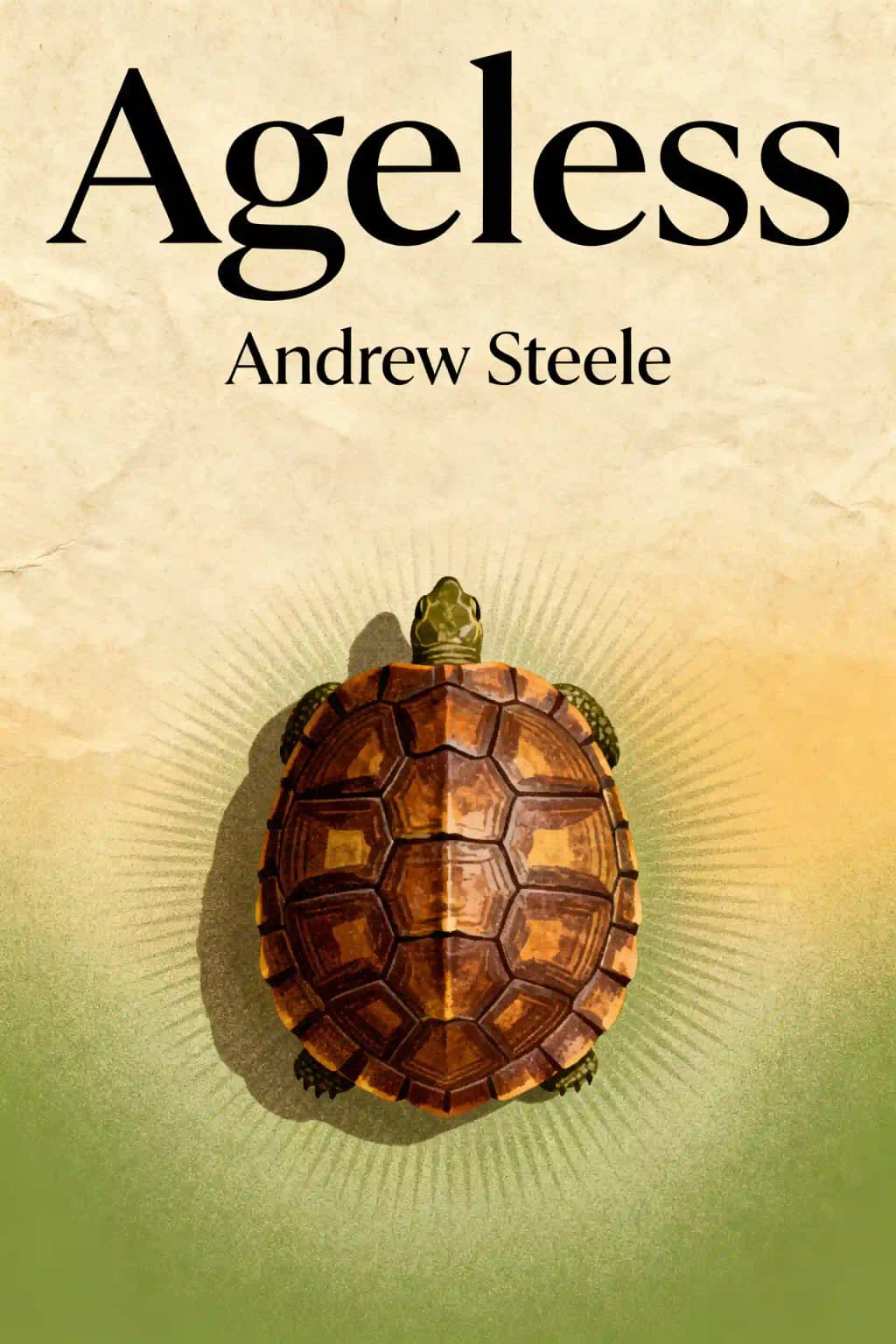
Could aging become optional? In "Ageless," biologist Andrew Steele reveals groundbreaking science behind living longer without decline. Endorsed by longevity experts and compared to Bill Bryson's work, it demystifies how gene editing and cellular reprogramming could transform humanity's future - without selling snake oil.
Andrew Steele is a scientist, writer, and leading authority on aging research, acclaimed for his bestselling book Ageless: The New Science of Getting Older Without Getting Old.
With a PhD in physics from the University of Oxford, Steele pivoted to computational biology, conducting groundbreaking work at London’s Francis Crick Institute using machine learning to analyze DNA and predict cardiovascular risks.
His expertise in biotechnology and longevity informs the book’s exploration of aging as a solvable scientific challenge, blending genetics, epigenetics, and cutting-edge therapies. A regular contributor to The Guardian, The Telegraph, and Wall Street Journal, Steele has appeared on BBC programs, Discovery’s Impossible Engineering, and TED-style talks, distilling complex science into engaging narratives.
He chairs the advocacy group Science is Vital and runs a popular YouTube channel demystifying aging science. Ageless has been widely praised for its actionable insights into extending human healthspan, establishing Steele as a trusted voice in progressive gerontology.
Ageless explores the science of aging, arguing that biological decline isn’t inevitable. Steele explains cellular processes like DNA damage, mitochondrial dysfunction, and immune system aging, while highlighting cutting-edge research on extending healthspan. The book advocates for treating aging as a medical condition, with insights into therapies like senolytics and genetic interventions.
This book is ideal for science enthusiasts, biohackers, and anyone interested in longevity. It’s also valuable for readers seeking evidence-based strategies to improve healthspan. Steele’s accessible writing makes complex topics like epigenetics and stem cell research engaging for non-experts.
Yes—it combines rigorous science with actionable advice. Steele balances optimism with caution, emphasizing proven lifestyle changes (exercise, vaccination) while critiquing unproven fads. The book’s exploration of “negligible senescence” in animals offers hope for future human applications.
Key concepts include:
Steele outlines multi-target approaches: repairing DNA, restoring mitochondrial function, and rejuvenating stem cells. He discusses promising therapies like mTOR inhibitors and plasma transfusions, while stressing the need for clinical trials.
Evidence-based tips include:
Some experts argue aging reversal faces thermodynamic limits, and Steele’s timeline for treatments (decades) may be optimistic. Critics note animal studies (e.g., worm longevity genes) don’t always translate to humans.
Steele distinguishes chronological age from biological age, defining aging as the progressive decline of cellular repair mechanisms. He identifies 10 hallmarks, including telomere shortening and protein aggregation.
With AI accelerating drug discovery, Steele’s research framework remains timely. The book’s focus on preventative health aligns with global trends toward precision medicine and aging population challenges.
Both books target aging as a treatable condition, but Steele emphasizes computational biology and clinical trials, while Sinclair focuses more on epigenetics and NAD+ boosters. Ageless provides a broader survey of research methodologies.
Yes—Steele addresses concerns about inequality and overpopulation but argues curing age-related diseases is a moral imperative. He advocates for equitable access to emerging therapies.
通过作者的声音感受这本书
将知识转化为引人入胜、富含实例的见解
快速捕捉核心观点,高效学习
以有趣互动的方式享受这本书
Senolytics are drugs that kill senescent cells.
Aging isn't inevitable but malleable.
Aging is perhaps humanity's most peculiar blind spot.
Evolution prioritizes reproduction over survival.
Aging isn't inevitable but an evolutionary oversight.
将《Ageless》的核心观点拆解为易于理解的要点,了解创新团队如何创造、协作和成长。
将《Ageless》提炼为快速记忆要点,突出坦诚、团队合作和创造力的关键原则。

通过生动的故事体验《Ageless》,将创新经验转化为令人难忘且可应用的精彩时刻。
随心提问,选择声音,共同创造真正与你产生共鸣的见解。

"Instead of endless scrolling, I just hit play on BeFreed. It saves me so much time."
"I never knew where to start with nonfiction—BeFreed’s book lists turned into podcasts gave me a clear path."
"Perfect balance between learning and entertainment. Finished ‘Thinking, Fast and Slow’ on my commute this week."
"Crazy how much I learned while walking the dog. BeFreed = small habits → big gains."
"Reading used to feel like a chore. Now it’s just part of my lifestyle."
"Feels effortless compared to reading. I’ve finished 6 books this month already."
"BeFreed turned my guilty doomscrolling into something that feels productive and inspiring."
"BeFreed turned my commute into learning time. 20-min podcasts are perfect for finishing books I never had time for."
"BeFreed replaced my podcast queue. Imagine Spotify for books — that’s it. 🙌"
"It is great for me to learn something from the book without reading it."
"The themed book list podcasts help me connect ideas across authors—like a guided audio journey."
"Makes me feel smarter every time before going to work"

免费获取《Ageless》摘要的 PDF 或 EPUB 版本。可打印或随时离线阅读。
Imagine living for over a century with the same risk of dying each year, never becoming frailer or more vulnerable to disease. This isn't science fiction-it's the reality for Galapagos tortoises, which maintain a constant 1-2% annual death risk throughout adulthood. Meanwhile, humans face a dramatically different fate. After five or six relatively healthy decades, our risk of disease and death increases exponentially, with our biology deteriorating at every level. This stark contrast reveals a profound truth: aging isn't inevitable but malleable. What if the greatest medical revolution since antibiotics isn't curing a specific disease, but treating aging itself? Aging represents humanity's strangest blind spot-a worldwide pandemic claiming over 100,000 lives daily that we've simply accepted as fate. In wealthy countries, aging causes over 90% of deaths, yet our cognitive biases shield us from this reality. We're wired for optimism, we extrapolate from our current health, and we're insulated from seeing aging's worst effects until we experience them ourselves. This casual acceptance is particularly striking given our remarkable success in extending life expectancy. From prehistoric humans facing constant peril to Norway's chart-topping 45-year life expectancy in 1850 to beyond 70 by 1950, our progress represents humanity's crowning achievement. Yet we've reached a point where further gains require addressing aging itself rather than just its symptoms.