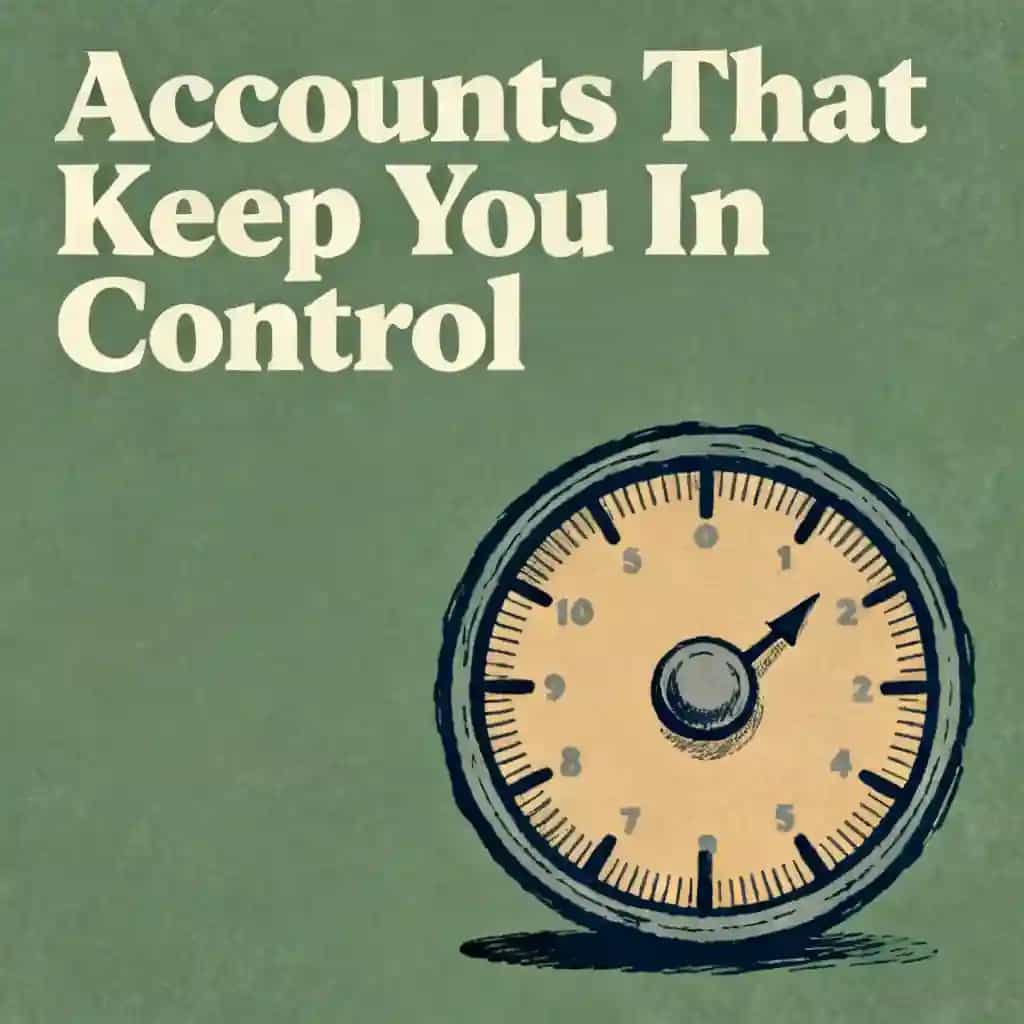
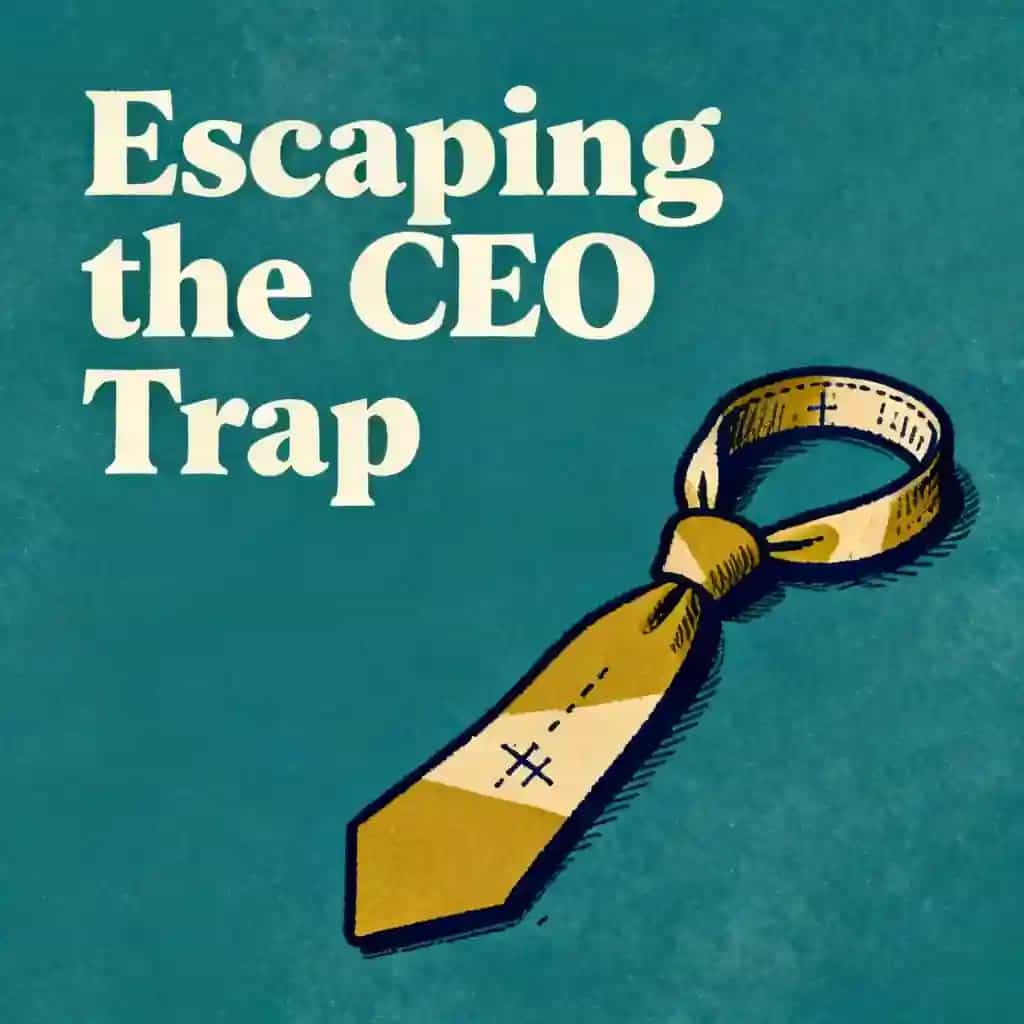
Understanding the Role of a CFO: Managing Finance and Operations
Learn how a Chief Financial Officer manages the finance function and optimizes financial operations to strengthen a company's overall business position.

Understanding the Role of a CFO: Managing Finance and Operations 베스트 인용
The modern CFO isn't just counting the beans; they’re deciding which beans to plant, which ones to water, and predicting exactly when the harvest will hit the market for the best price.

이 오디오 레슨은 BeFreed 커뮤니티 멤버가 만들었습니다
How to understand the role of CFO in a company? How CFO really run the entire finance funtion to self boosting operation and financial position?

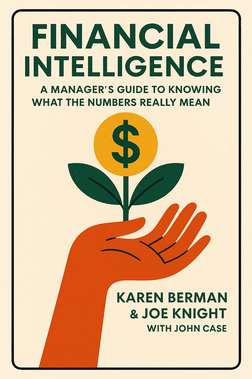
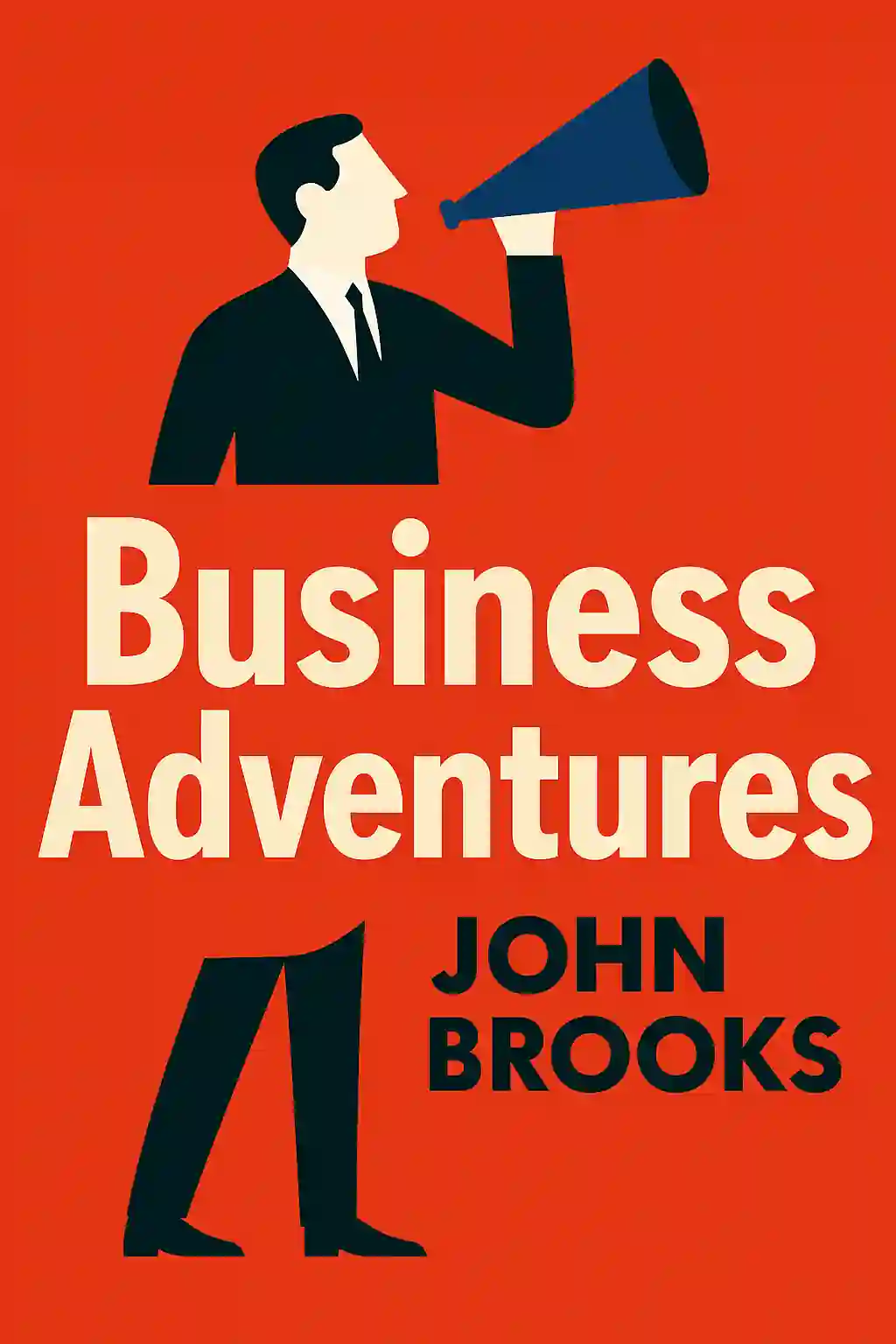
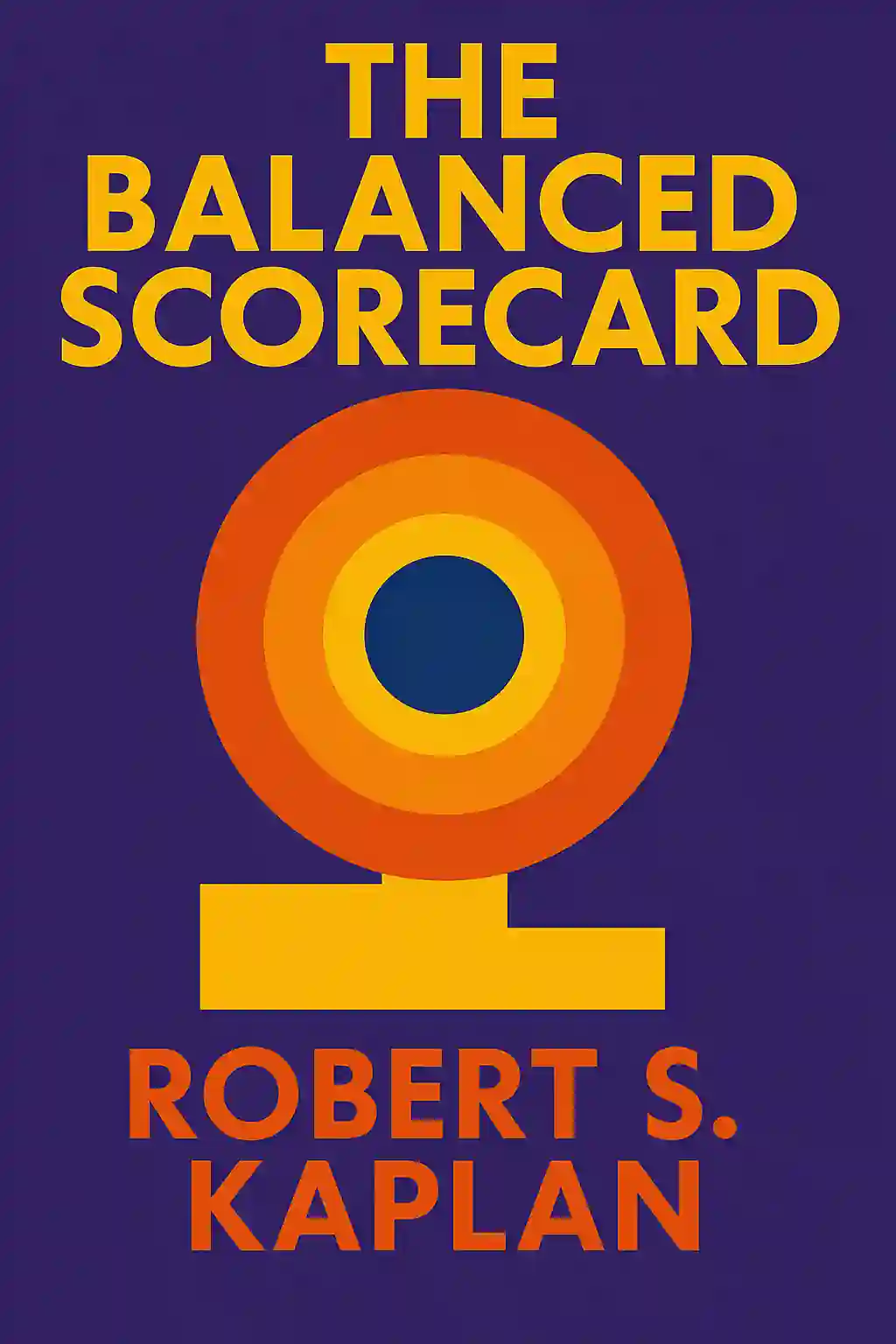
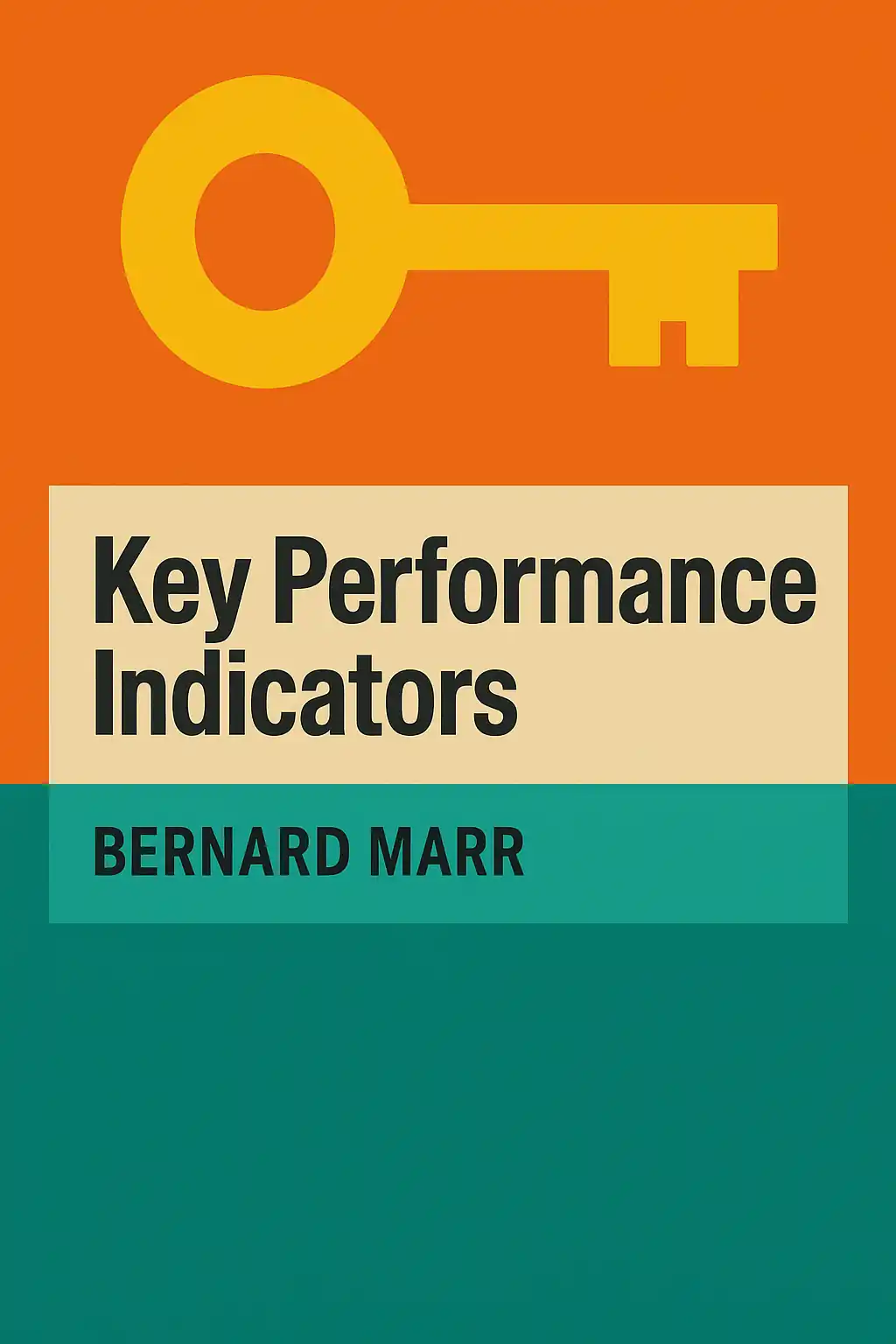

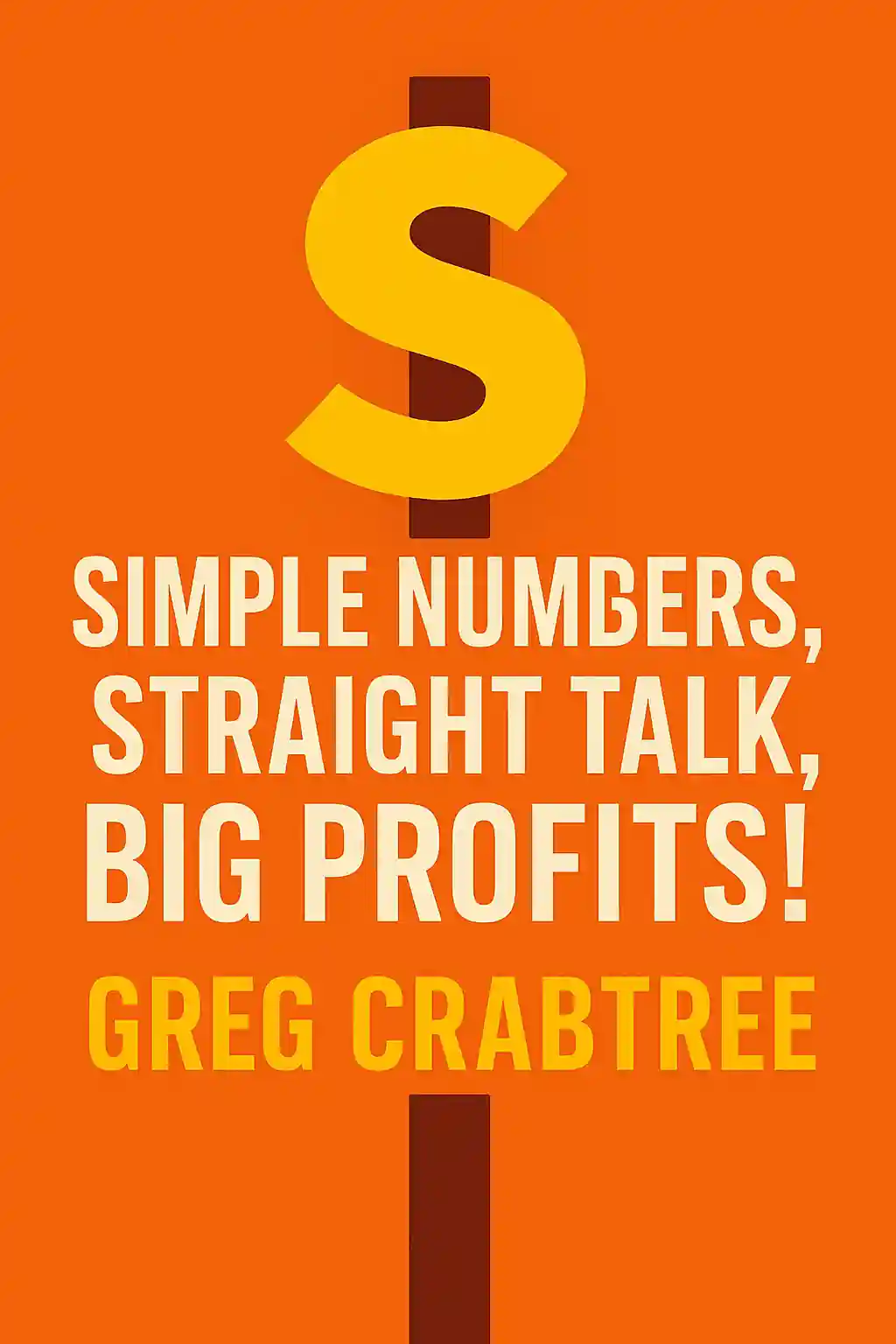
자주 묻는 질문
더 알아보기

Become a CEO
Become a CEO
This path is designed for ambitious managers and executives aiming to bridge the gap between functional leadership and the C-suite. It provides the essential frameworks for strategic execution and cultural transformation required to lead modern organizations effectively.

Master Leadership, Finance & Communication
Master Leadership, Finance & Communication
Modern leadership requires a multidisciplinary approach that blends emotional intelligence with hard financial data. This plan is designed for emerging managers and entrepreneurs who need to bridge the gap between technical expertise and strategic organizational influence.

Progress in my accounting career
Progress in my accounting career
This curriculum is designed for ambitious accounting professionals looking to transition from technical roles into strategic leadership. It bridges the gap between financial literacy and executive influence, making it ideal for those targeting Controller or CFO positions.

Leadership & Business Finance
Leadership & Business Finance
In today's complex business environment, combining leadership acumen with financial expertise is essential for driving organizational success. This learning plan equips professionals with the critical skills needed to make strategic financial decisions, lead teams effectively, and create sustainable business value.

Finance, Bios, Inspiration & Creativity
Finance, Bios, Inspiration & Creativity
This interdisciplinary plan bridges the gap between financial literacy, historical leadership, and creative problem-solving. It is designed for ambitious professionals and entrepreneurs who want to build wealth while fostering the innovative mindset required for modern leadership.

Finance, Market Analysis & Comm. Skills
Finance, Market Analysis & Comm. Skills
This comprehensive plan bridges the gap between technical financial expertise and executive leadership. It is designed for aspiring analysts and professionals who need to master both rigorous market data and the communication skills required to influence stakeholders.
Finance, Business, Tech & Self-Improvement
Finance, Business, Tech & Self-Improvement
This comprehensive curriculum bridges the gap between technical expertise and personal mastery, essential for modern leaders. It is designed for ambitious professionals and entrepreneurs who want to synchronize their financial literacy, business strategy, and technological fluency for long-term success.
Finance
Finance
This comprehensive path bridges the gap between basic money management and professional-level financial analysis. It is ideal for individuals seeking to transition from simple saving to strategic wealth creation and sophisticated market participation.
샌프란시스코에서 컬럼비아 대학교 동문들이 만들었습니다
"Instead of endless scrolling, I just hit play on BeFreed. It saves me so much time."


"I never knew where to start with nonfiction—BeFreed’s book lists turned into podcasts gave me a clear path."


"Perfect balance between learning and entertainment. Finished ‘Thinking, Fast and Slow’ on my commute this week."
"Crazy how much I learned while walking the dog. BeFreed = small habits → big gains."
"Reading used to feel like a chore. Now it’s just part of my lifestyle."

"Feels effortless compared to reading. I’ve finished 6 books this month already."
"BeFreed turned my guilty doomscrolling into something that feels productive and inspiring."

"BeFreed turned my commute into learning time. 20-min podcasts are perfect for finishing books I never had time for."
"BeFreed replaced my podcast queue. Imagine Spotify for books — that’s it. 🙌"

"It is great for me to learn something from the book without reading it."
"The themed book list podcasts help me connect ideas across authors—like a guided audio journey."
"Makes me feel smarter every time before going to work"
샌프란시스코에서 컬럼비아 대학교 동문들이 만들었습니다
"Instead of endless scrolling, I just hit play on BeFreed. It saves me so much time."
"I never knew where to start with nonfiction—BeFreed’s book lists turned into podcasts gave me a clear path."
"Perfect balance between learning and entertainment. Finished ‘Thinking, Fast and Slow’ on my commute this week."
"Crazy how much I learned while walking the dog. BeFreed = small habits → big gains."
"Reading used to feel like a chore. Now it’s just part of my lifestyle."
"Feels effortless compared to reading. I’ve finished 6 books this month already."
"BeFreed turned my guilty doomscrolling into something that feels productive and inspiring."
"BeFreed turned my commute into learning time. 20-min podcasts are perfect for finishing books I never had time for."
"BeFreed replaced my podcast queue. Imagine Spotify for books — that’s it. 🙌"
"It is great for me to learn something from the book without reading it."
"The themed book list podcasts help me connect ideas across authors—like a guided audio journey."
"Makes me feel smarter every time before going to work"
"Instead of endless scrolling, I just hit play on BeFreed. It saves me so much time."
"I never knew where to start with nonfiction—BeFreed’s book lists turned into podcasts gave me a clear path."
"Perfect balance between learning and entertainment. Finished ‘Thinking, Fast and Slow’ on my commute this week."
"Crazy how much I learned while walking the dog. BeFreed = small habits → big gains."
"Reading used to feel like a chore. Now it’s just part of my lifestyle."
"Feels effortless compared to reading. I’ve finished 6 books this month already."
"BeFreed turned my guilty doomscrolling into something that feels productive and inspiring."
"BeFreed turned my commute into learning time. 20-min podcasts are perfect for finishing books I never had time for."
"BeFreed replaced my podcast queue. Imagine Spotify for books — that’s it. 🙌"
"It is great for me to learn something from the book without reading it."
"The themed book list podcasts help me connect ideas across authors—like a guided audio journey."
"Makes me feel smarter every time before going to work"
"Instead of endless scrolling, I just hit play on BeFreed. It saves me so much time."
"I never knew where to start with nonfiction—BeFreed’s book lists turned into podcasts gave me a clear path."
"Perfect balance between learning and entertainment. Finished ‘Thinking, Fast and Slow’ on my commute this week."
"Crazy how much I learned while walking the dog. BeFreed = small habits → big gains."
"Reading used to feel like a chore. Now it’s just part of my lifestyle."
"Feels effortless compared to reading. I’ve finished 6 books this month already."
"BeFreed turned my guilty doomscrolling into something that feels productive and inspiring."
"BeFreed turned my commute into learning time. 20-min podcasts are perfect for finishing books I never had time for."
"BeFreed replaced my podcast queue. Imagine Spotify for books — that’s it. 🙌"
"It is great for me to learn something from the book without reading it."
"The themed book list podcasts help me connect ideas across authors—like a guided audio journey."
"Makes me feel smarter every time before going to work"