BeFreed
    Categories>Biography>Warren Buffett: Investment Strategies and Wisdom from the Oracle

    Warren Buffett: Investment Strategies and Wisdom from the Oracle

    23분
    |
    |
    2026년 4월 8일
    BiographyFinanceBusiness

    Explore the investment strategies and timeless wisdom of Warren Buffett. Learn value investing principles from the Oracle of Omaha and Berkshire Hathaway.

    Warren Buffett: Investment Strategies and Wisdom from the Oracle

    Warren Buffett: Investment Strategies and Wisdom from the Oracle 베스트 인용

    “

    It is far better to pay a fair price for a wonderful company than a wonderful price for a fair company. A high-quality business with a wide economic moat will do the heavy lifting of compounding for you.

    ”

    이 오디오 레슨은 BeFreed 커뮤니티 멤버가 만들었습니다

    질문 입력

    Warren Buffett

    호스트 음성
    Lenaplay
    학습 스타일
    재미
    지식 출처
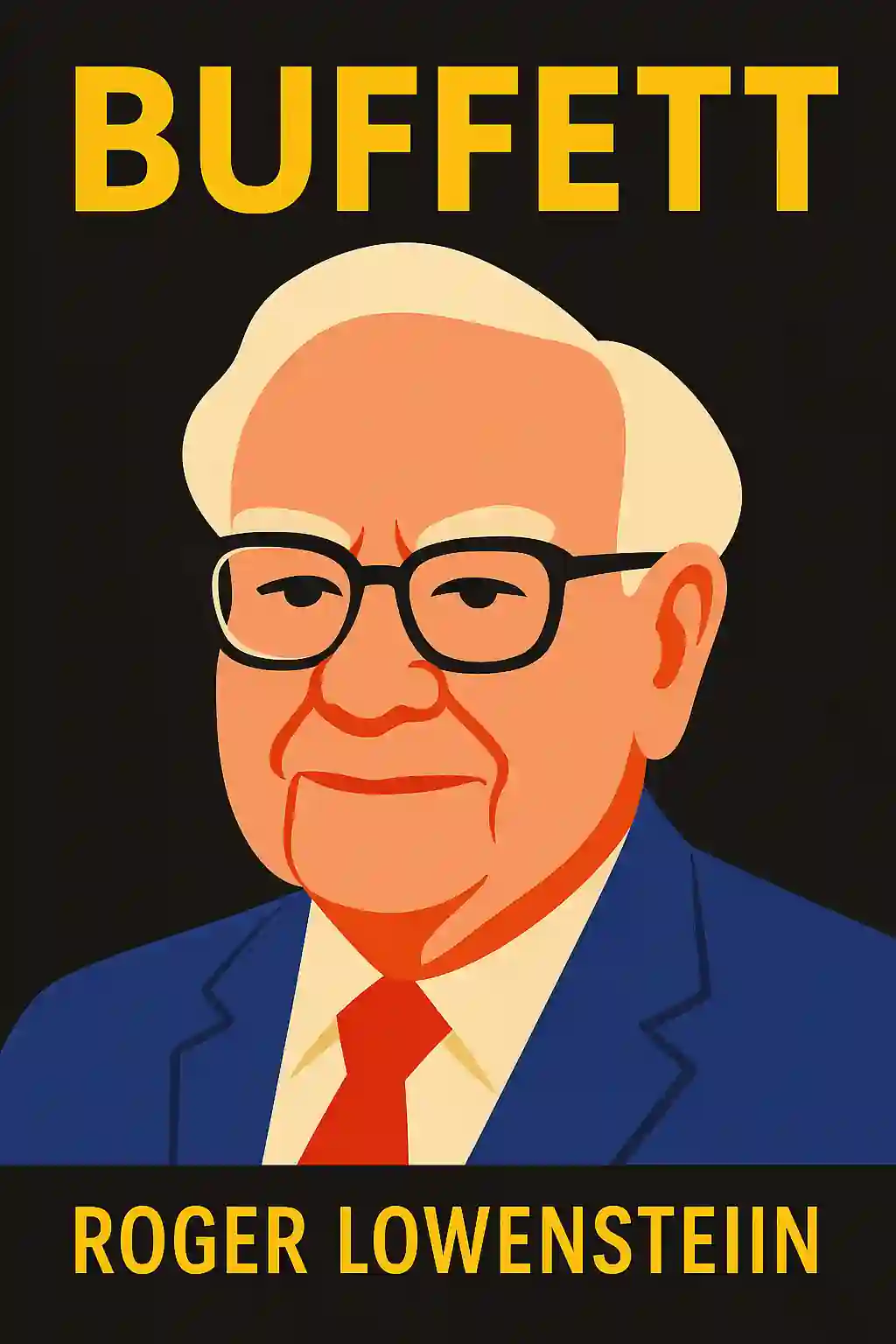
    Buffett
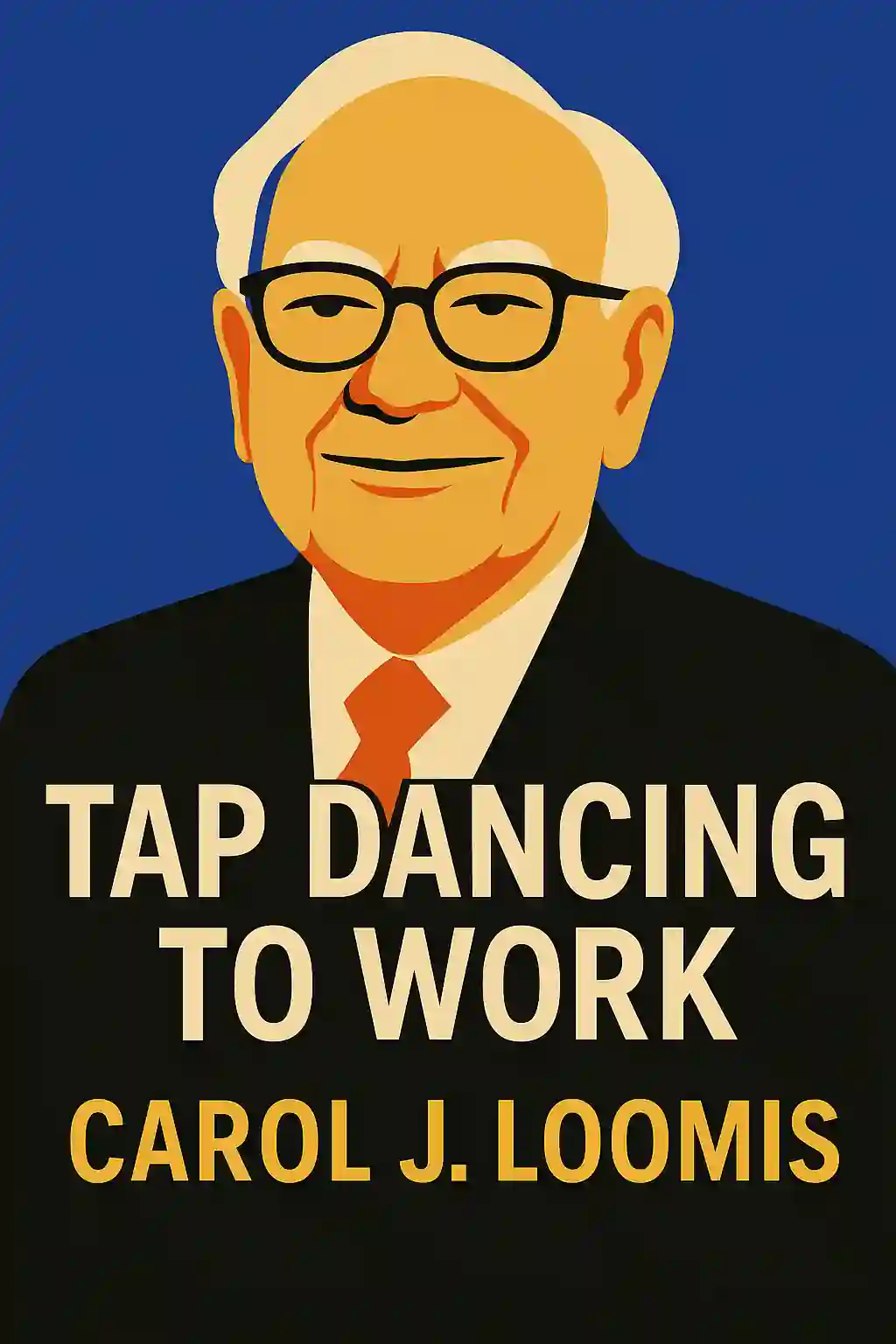
    Tap Dancing to Work
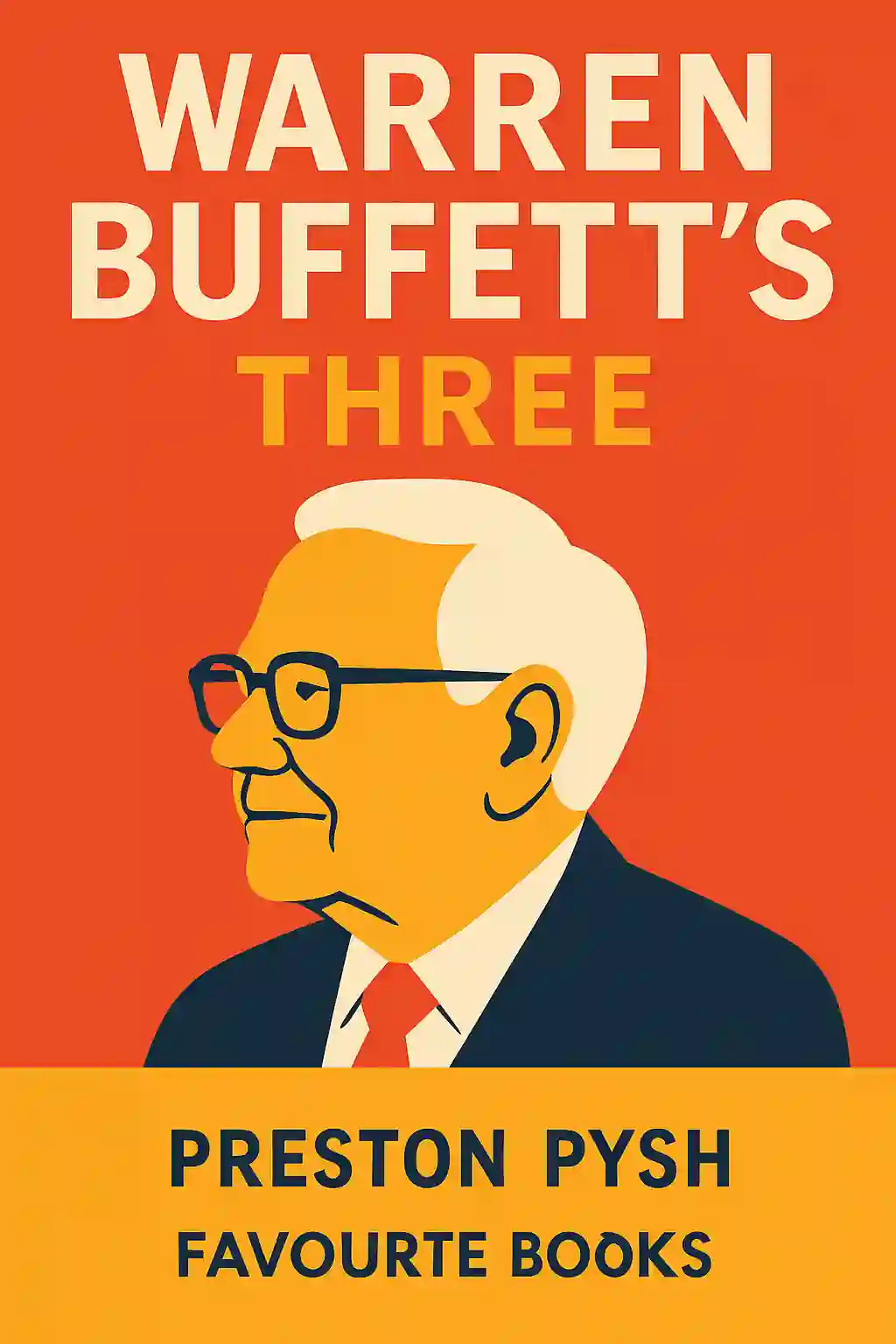
    Warren Buffetts 3 Favorite Books
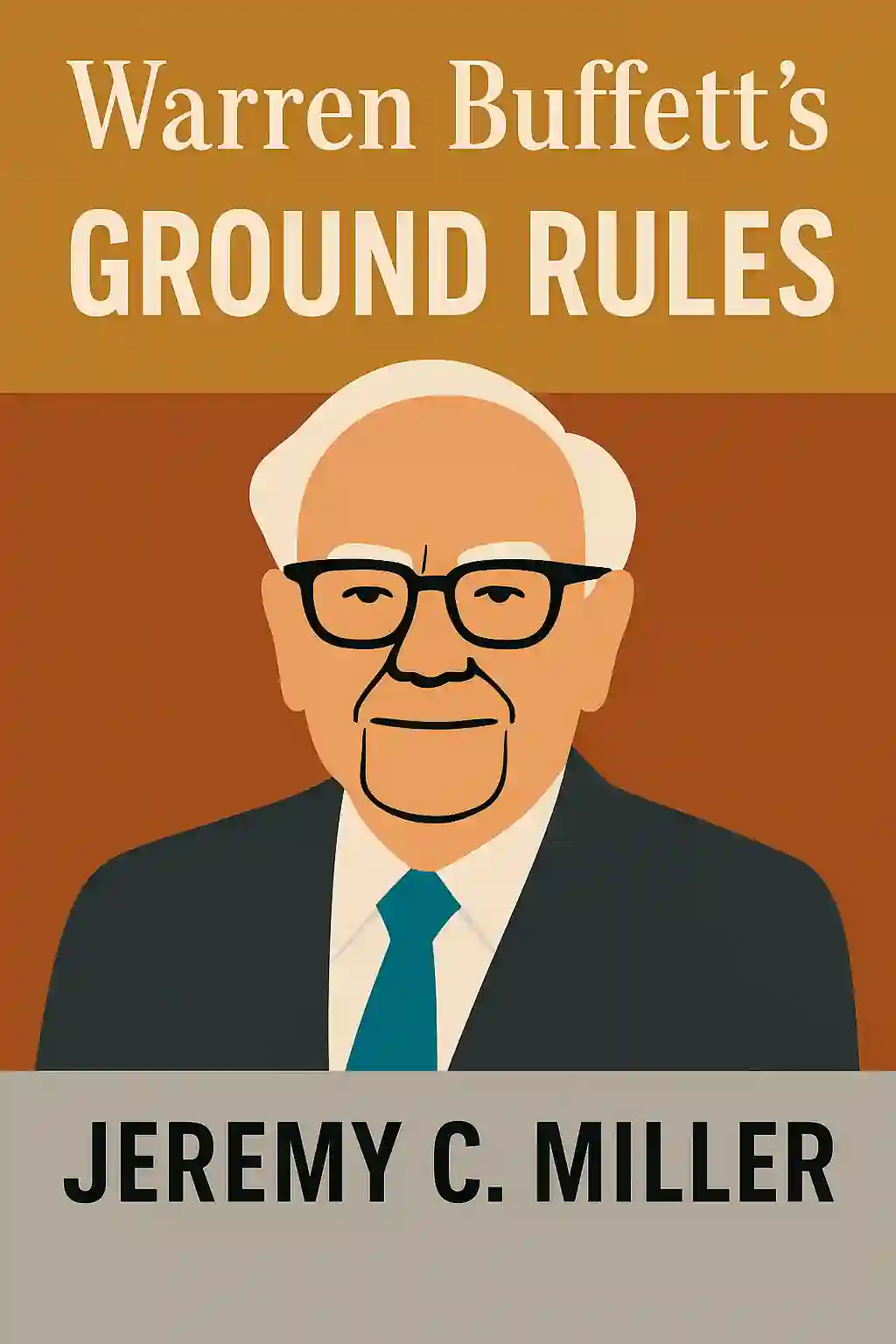
    Warren Buffett's Ground Rules
    The essays of Warren Buffett
    My Warren Buffett Bible

    자주 묻는 질문

    더 알아보기

    Invest small and grow wealth through scaling

    Invest small and grow wealth through scaling

    학습 계획

    Invest small and grow wealth through scaling

    This plan is essential for individuals starting with limited capital who want a clear roadmap from basic saving to sophisticated wealth management. It bridges the gap between simple index investing and complex multi-asset strategies, making it ideal for aspiring investors seeking financial independence.

    3 h 36 m•4 섹션
    Profit from stock investments

    Profit from stock investments

    학습 계획

    Profit from stock investments

    This learning plan provides a comprehensive path from stock market beginner to sophisticated investor, combining timeless principles from investing legends with modern analytical tools. It's ideal for anyone seeking to build lasting wealth through stock investments—whether you're starting from scratch, looking to formalize your self-taught knowledge, or wanting to upgrade from passive index investing to active stock selection with proven strategies.

    1 h 59 m•4 섹션
    Read 7 Essential Stock Market Books

    Read 7 Essential Stock Market Books

    학습 계획

    Read 7 Essential Stock Market Books

    This curated plan distills the wisdom of legendary investors into actionable insights for anyone looking to build serious wealth. It is ideal for beginners and intermediate investors who want to move beyond speculation toward a disciplined, evidence-based approach to the markets.

    2 h 29 m•4 섹션
    How to properly invest my money

    How to properly invest my money

    학습 계획

    How to properly invest my money

    This plan is essential for anyone looking to transition from passive saving to active wealth building. It serves beginners and intermediate investors who want a structured path from financial basics to advanced portfolio optimization.

    2 h 51 m•4 섹션
    Identity the best ROIC compounder Stocks and learn how to value them to buy them Long Term Paying a reasonable Price

    Identity the best ROIC compounder Stocks and learn how to value them to buy them Long Term Paying a reasonable Price

    학습 계획

    Identity the best ROIC compounder Stocks and learn how to value them to buy them Long Term Paying a reasonable Price

    Investing in high-quality compounding businesses at reasonable prices is the strategy employed by many of history's most successful investors, including Warren Buffett. This learning plan equips investors with the analytical framework to identify exceptional businesses with sustainable competitive advantages and the valuation skills to avoid overpaying, ultimately leading to superior long-term portfolio returns.

    2 h 23 m•4 섹션
    Financial Independence & 48 Laws of Power

    Financial Independence & 48 Laws of Power

    학습 계획

    Financial Independence & 48 Laws of Power

    This plan bridges the gap between wealth accumulation and the strategic influence required to protect and grow it. It is ideal for ambitious professionals and entrepreneurs who want to master both the mechanics of money and the psychology of power.

    2 h 11 m•4 섹션
    获得财富

    获得财富

    학습 계획

    获得财富

    This comprehensive roadmap is essential for anyone looking to escape the paycheck-to-paycheck cycle and build lasting generational wealth. It is designed for aspiring investors and entrepreneurs who want to master everything from basic financial literacy to complex business scaling.

    2 h 35 m•4 섹션
    Wise, Confident Billionaire Leader

    Wise, Confident Billionaire Leader

    학습 계획

    Wise, Confident Billionaire Leader

    This curriculum is designed for ambitious entrepreneurs and executives aiming to bridge the gap between high performance and legendary leadership. It integrates ancient philosophical wisdom with modern wealth-building strategies to create leaders who are as grounded as they are successful.

    2 h 57 m•4 섹션

    샌프란시스코에서 컬럼비아 대학교 동문들이 만들었습니다

    BeFreed는 1,000,000 호기심 넘치는 글로벌 커뮤니티를 하나로 연결합니다
    웹에서 BeFreed가 어떻게 논의되고 있는지 더 보기

    "Instead of endless scrolling, I just hit play on BeFreed. It saves me so much time."

    @Moemenn
    platform
    star
    star
    star
    star
    star

    "I never knew where to start with nonfiction—BeFreed’s book lists turned into podcasts gave me a clear path."

    @Chloe, Solo founder, LA
    platform
    comments
    12
    likes
    117

    "Perfect balance between learning and entertainment. Finished ‘Thinking, Fast and Slow’ on my commute this week."

    @Raaaaaachelw
    platform
    star
    star
    star
    star
    star

    "Crazy how much I learned while walking the dog. BeFreed = small habits → big gains."

    @Matt, YC alum
    platform
    comments
    12
    likes
    108

    "Reading used to feel like a chore. Now it’s just part of my lifestyle."

    @Erin, Investment Banking Associate , NYC
    platform
    comments
    254
    likes
    17

    "Feels effortless compared to reading. I’ve finished 6 books this month already."

    @djmikemoore
    platform
    star
    star
    star
    star
    star

    "BeFreed turned my guilty doomscrolling into something that feels productive and inspiring."

    @Pitiful
    platform
    comments
    96
    likes
    4.5K

    "BeFreed turned my commute into learning time. 20-min podcasts are perfect for finishing books I never had time for."

    @SofiaP
    platform
    star
    star
    star
    star
    star

    "BeFreed replaced my podcast queue. Imagine Spotify for books — that’s it. 🙌"

    @Jaded_Falcon
    platform
    comments
    201
    thumbsUp
    16

    "It is great for me to learn something from the book without reading it."

    @OojasSalunke
    platform
    star
    star
    star
    star
    star

    "The themed book list podcasts help me connect ideas across authors—like a guided audio journey."

    @Leo, Law Student, UPenn
    platform
    comments
    37
    likes
    483

    "Makes me feel smarter every time before going to work"

    @Cashflowbubu
    platform
    star
    star
    star
    star
    star

    샌프란시스코에서 컬럼비아 대학교 동문들이 만들었습니다

    BeFreed는 1,000,000 호기심 넘치는 글로벌 커뮤니티를 하나로 연결합니다
    웹에서 BeFreed가 어떻게 논의되고 있는지 더 보기

    "Instead of endless scrolling, I just hit play on BeFreed. It saves me so much time."

    @Moemenn
    platform
    star
    star
    star
    star
    star

    "I never knew where to start with nonfiction—BeFreed’s book lists turned into podcasts gave me a clear path."

    @Chloe, Solo founder, LA
    platform
    comments
    12
    likes
    117

    "Perfect balance between learning and entertainment. Finished ‘Thinking, Fast and Slow’ on my commute this week."

    @Raaaaaachelw
    platform
    star
    star
    star
    star
    star

    "Crazy how much I learned while walking the dog. BeFreed = small habits → big gains."

    @Matt, YC alum
    platform
    comments
    12
    likes
    108

    "Reading used to feel like a chore. Now it’s just part of my lifestyle."

    @Erin, Investment Banking Associate , NYC
    platform
    comments
    254
    likes
    17

    "Feels effortless compared to reading. I’ve finished 6 books this month already."

    @djmikemoore
    platform
    star
    star
    star
    star
    star

    "BeFreed turned my guilty doomscrolling into something that feels productive and inspiring."

    @Pitiful
    platform
    comments
    96
    likes
    4.5K

    "BeFreed turned my commute into learning time. 20-min podcasts are perfect for finishing books I never had time for."

    @SofiaP
    platform
    star
    star
    star
    star
    star

    "BeFreed replaced my podcast queue. Imagine Spotify for books — that’s it. 🙌"

    @Jaded_Falcon
    platform
    comments
    201
    thumbsUp
    16

    "It is great for me to learn something from the book without reading it."

    @OojasSalunke
    platform
    star
    star
    star
    star
    star

    "The themed book list podcasts help me connect ideas across authors—like a guided audio journey."

    @Leo, Law Student, UPenn
    platform
    comments
    37
    likes
    483

    "Makes me feel smarter every time before going to work"

    @Cashflowbubu
    platform
    star
    star
    star
    star
    star

    "Instead of endless scrolling, I just hit play on BeFreed. It saves me so much time."

    @Moemenn
    platform
    star
    star
    star
    star
    star

    "I never knew where to start with nonfiction—BeFreed’s book lists turned into podcasts gave me a clear path."

    @Chloe, Solo founder, LA
    platform
    comments
    12
    likes
    117

    "Perfect balance between learning and entertainment. Finished ‘Thinking, Fast and Slow’ on my commute this week."

    @Raaaaaachelw
    platform
    star
    star
    star
    star
    star

    "Crazy how much I learned while walking the dog. BeFreed = small habits → big gains."

    @Matt, YC alum
    platform
    comments
    12
    likes
    108

    "Reading used to feel like a chore. Now it’s just part of my lifestyle."

    @Erin, Investment Banking Associate , NYC
    platform
    comments
    254
    likes
    17

    "Feels effortless compared to reading. I’ve finished 6 books this month already."

    @djmikemoore
    platform
    star
    star
    star
    star
    star

    "BeFreed turned my guilty doomscrolling into something that feels productive and inspiring."

    @Pitiful
    platform
    comments
    96
    likes
    4.5K

    "BeFreed turned my commute into learning time. 20-min podcasts are perfect for finishing books I never had time for."

    @SofiaP
    platform
    star
    star
    star
    star
    star

    "BeFreed replaced my podcast queue. Imagine Spotify for books — that’s it. 🙌"

    @Jaded_Falcon
    platform
    comments
    201
    thumbsUp
    16

    "It is great for me to learn something from the book without reading it."

    @OojasSalunke
    platform
    star
    star
    star
    star
    star

    "The themed book list podcasts help me connect ideas across authors—like a guided audio journey."

    @Leo, Law Student, UPenn
    platform
    comments
    37
    likes
    483

    "Makes me feel smarter every time before going to work"

    @Cashflowbubu
    platform
    star
    star
    star
    star
    star

    "Instead of endless scrolling, I just hit play on BeFreed. It saves me so much time."

    @Moemenn
    platform
    star
    star
    star
    star
    star

    "I never knew where to start with nonfiction—BeFreed’s book lists turned into podcasts gave me a clear path."

    @Chloe, Solo founder, LA
    platform
    comments
    12
    likes
    117

    "Perfect balance between learning and entertainment. Finished ‘Thinking, Fast and Slow’ on my commute this week."

    @Raaaaaachelw
    platform
    star
    star
    star
    star
    star

    "Crazy how much I learned while walking the dog. BeFreed = small habits → big gains."

    @Matt, YC alum
    platform
    comments
    12
    likes
    108

    "Reading used to feel like a chore. Now it’s just part of my lifestyle."

    @Erin, Investment Banking Associate , NYC
    platform
    comments
    254
    likes
    17

    "Feels effortless compared to reading. I’ve finished 6 books this month already."

    @djmikemoore
    platform
    star
    star
    star
    star
    star

    "BeFreed turned my guilty doomscrolling into something that feels productive and inspiring."

    @Pitiful
    platform
    comments
    96
    likes
    4.5K

    "BeFreed turned my commute into learning time. 20-min podcasts are perfect for finishing books I never had time for."

    @SofiaP
    platform
    star
    star
    star
    star
    star

    "BeFreed replaced my podcast queue. Imagine Spotify for books — that’s it. 🙌"

    @Jaded_Falcon
    platform
    comments
    201
    thumbsUp
    16

    "It is great for me to learn something from the book without reading it."

    @OojasSalunke
    platform
    star
    star
    star
    star
    star

    "The themed book list podcasts help me connect ideas across authors—like a guided audio journey."

    @Leo, Law Student, UPenn
    platform
    comments
    37
    likes
    483

    "Makes me feel smarter every time before going to work"
    @Cashflowbubu
    platform
    star
    star
    star
    star
    star
    1.5K Ratings4.7
    지금 바로 학습 여정을 시작하세요
    BeFreed App
    BeFreed

    무엇이든 개인화된 학습

    DiscordLinkedIn
    추천 도서 요약
    Crucial ConversationsThe Perfect MarriageInto the WildNever Split the DifferenceAttachedGood to GreatSay Nothing
    인기 카테고리
    Self HelpCommunication SkillRelationshipMindfulnessPhilosophyInspirationProductivity
    유명인 추천 도서
    Elon MuskCharlie KirkBill GatesSteve JobsAndrew HubermanJoe RoganJordan Peterson
    수상작 컬렉션
    Pulitzer PrizeNational Book AwardGoodreads Choice AwardsNobel Prize in LiteratureNew York TimesCaldecott MedalNebula Award
    추천 주제
    ManagementAmerican HistoryWarTradingStoicismAnxietySex
    연도별 베스트 도서
    2025 Best Non Fiction Books2024 Best Non Fiction Books2023 Best Non Fiction Books
    추천 저자
    Chimamanda Ngozi AdichieGeorge OrwellO. J. SimpsonBarbara O'NeillWinston ChurchillCharlie Kirk
    BeFreed vs 다른 앱
    BeFreed vs. Other Book Summary AppsBeFreed vs. ElevenReaderBeFreed vs. ReadwiseBeFreed vs. Anki
    학습 도구
    Knowledge VisualizerAI Podcast Generator
    정보
    회사 소개arrow
    가격arrow
    FAQarrow
    블로그arrow
    채용arrow
    파트너십arrow
    앰배서더 프로그램arrow
    디렉토리arrow
    BeFreed
    Try now
    © 2026 BeFreed
    이용 약관개인정보 처리방침
    BeFreed

    무엇이든 개인화된 학습

    DiscordLinkedIn
    추천 도서 요약
    Crucial ConversationsThe Perfect MarriageInto the WildNever Split the DifferenceAttachedGood to GreatSay Nothing
    인기 카테고리
    Self HelpCommunication SkillRelationshipMindfulnessPhilosophyInspirationProductivity
    유명인 추천 도서
    Elon MuskCharlie KirkBill GatesSteve JobsAndrew HubermanJoe RoganJordan Peterson
    수상작 컬렉션
    Pulitzer PrizeNational Book AwardGoodreads Choice AwardsNobel Prize in LiteratureNew York TimesCaldecott MedalNebula Award
    추천 주제
    ManagementAmerican HistoryWarTradingStoicismAnxietySex
    연도별 베스트 도서
    2025 Best Non Fiction Books2024 Best Non Fiction Books2023 Best Non Fiction Books
    학습 도구
    Knowledge VisualizerAI Podcast Generator
    추천 저자
    Chimamanda Ngozi AdichieGeorge OrwellO. J. SimpsonBarbara O'NeillWinston ChurchillCharlie Kirk
    BeFreed vs 다른 앱
    BeFreed vs. Other Book Summary AppsBeFreed vs. ElevenReaderBeFreed vs. ReadwiseBeFreed vs. Anki
    정보
    회사 소개arrow
    가격arrow
    FAQarrow
    블로그arrow
    채용arrow
    파트너십arrow
    앰배서더 프로그램arrow
    디렉토리arrow
    BeFreed
    Try now
    © 2026 BeFreed
    이용 약관개인정보 처리방침

    핵심 요점

    1

    The Trillion-Dollar Simple Strategy

    0:00

    Imagine sitting in the same Omaha house you bought in 1958, sipping a Cherry Coke, while overseeing a trillion-dollar empire. That is the reality of Warren Buffett, a man who proves you don’t need a complex strategy to win big. You might think his "secret sauce" is a hidden algorithm, but it’s actually a relentless focus on quality and temperament. He famously insists on spending almost every day just sitting and thinking, ignoring the crowd to find "wonderful companies at fair prices." Today, we’re diving into how his simple principles—like only buying what you’d be happy to own for ten years—can transform your approach to wealth. We’ll even look at the bold moves his successor is making right now, so stay tuned.

    2

    The Engine of Float and the Power of Negative Interest

    0:58

    To truly understand how a simple textile mill in New Bedford, Massachusetts, transformed into a global powerhouse, we have to look under the hood at the mechanical marvel Buffett calls "float." It is the secret energy source that has powered Berkshire Hathaway for nearly sixty years. When you pay your car insurance premium to GEICO or your homeowners insurance to National Indemnity, you are giving the company money upfront for a service—a payout—that might not happen for years, if ever. In the meantime, Berkshire gets to hold that money. Buffett realized early on that if the insurance companies could break even on their underwriting—meaning the premiums they collect equal the claims they pay out—the interest and gains earned on that "float" are essentially free. Even better, if the insurance units turn an underwriting profit, Berkshire is effectively being paid to borrow billions of dollars. This is the "negative interest rate" that Wall Street dreams of, and it has provided Buffett with a massive, ever—growing pool of capital to deploy into other businesses without ever having to go to a bank.

    2:16

    This concept isn't just a dry accounting trick; it’s the reason Berkshire can make "elephant—sized" acquisitions that other companies simply can't touch. By 2024, that insurance float had surged to over $170 billion. Think about the sheer scale of that—an ocean of cash that belongs to the company to invest as it sees fit, provided they maintain the discipline to pay claims when they arise. This is where the genius of Ajit Jain comes in. Jain joined Berkshire in 1986 with almost no background in insurance, yet he built a reinsurance operation that is the envy of the world. Why? Because he mastered the art of saying "no." In the world of insurance, there is a constant temptation to chase premiums by lowering standards, but Jain and Buffett understood that a single poorly underwritten "mega—catastrophe" policy could wipe out years of gains. Their discipline ensured that the float remained a low—cost or "free" source of funding rather than a ticking time bomb.

    3:23

    This float—funded model created a self—reinforcing flywheel. The insurance business generates the float, the float is invested into "wonderful companies" like Coca—Cola or American Express, those companies pay dividends and grow in value, which increases Berkshire’s overall surplus. A larger surplus, in turn, allows the insurance units to take on even bigger risks—the kind of massive, billion—dollar coverage policies that only a company with Berkshire’s fortress—like balance sheet can handle. This isn't just a strategy; it's a structural advantage that becomes harder to stop the faster it spins. It allowed Buffett to move from buying "cigar butts"—those dying companies that had one last puff of value left—to buying high—quality, durable brands. The float provided the permanent capital necessary to wait for the right "fat pitch" and then swing with everything he had. When you look at Berkshire today, you aren't just looking at a collection of stocks; you're looking at a brilliantly engineered machine designed to capture the time value of money and turn it into generational wealth.

    3

    The 64—Year Masterclass in Partnership and Intellectual Honesty

    4:39

    You cannot tell the story of the "Oracle of Omaha" without talking about the "Sage of Pasadena," Charlie Munger. Their partnership, which spanned over six decades until Munger’s passing in late 2023 at the age of ninety—nine, is perhaps the most successful intellectual collaboration in business history. They were a study in contrasts—Buffett, the folksy, discursive Midwesterner, and Munger, the acerbic, polymathic lawyer—but they shared a fundamental commitment to what they called "intellectual honesty." Munger was the one who pushed Buffett away from his early "value" training under Benjamin Graham. Graham’s school of thought was about finding companies that were statistically cheap, often because they were fundamentally broken. Munger argued that it was far better to pay a fair price for a "wonderful" company than a wonderful price for a "fair" company. He knew that a high—quality business with a wide "economic moat" would do the heavy lifting of compounding for you, whereas a mediocre business would eventually require more capital just to stay afloat.

    5:53

    Their relationship was defined by a total lack of ego. Buffett famously noted that in sixty—four years, they never had a single argument. They had differences, certainly, but they approached every problem as a puzzle to be solved rather than a battle to be won. Munger acted as the ultimate "no—man," the person who could tell the most famous investor in the world when an idea was "idiotic" or "sub—optimal." This kind of friction—free, high—trust environment is incredibly rare at the top of the corporate world. It allowed them to avoid the "institutional imperative"—the tendency for big companies to mindlessly imitate their peers or grow for the sake of growth. Instead, they built a culture of "extreme decentralization." They hired managers they trusted and then stayed out of their way. Buffett often joked that some of his subsidiary CEOs only heard from him once a year. This wasn't laziness; it was a deliberate strategy to attract the kind of founders and leaders who wanted to run their businesses without being micromanaged by a corporate headquarters in a high—rise.

    7:02

    This culture of trust extended to their shareholders as well. The annual meeting in Omaha, often called the "Woodstock of Capitalism," became a pilgrimage for tens of thousands of people precisely because Buffett and Munger were so candid. They didn't hide behind PR—speak or complex financial jargon. If they made a mistake—like the $37 billion overpayment for Precision Castparts or the early "terrible mistake" of buying the Berkshire textile mill itself—they admitted it in plain English in the annual letter. This honesty created a "shareholder—conscious" culture that is virtually unmatched. Investors weren't just buying a ticker symbol; they were joining a partnership. Buffett’s 2025 Thanksgiving letter, written as he prepared to step down as CEO, was a final tribute to this legacy. He reminisced about the small—town roots of his most trusted directors and friends, suggesting that there might be "something in the water" in Omaha. But the real "magic ingredient" was a sixty—year commitment to behaving well, choosing heroes carefully, and understanding that kindness and the Golden Rule are not just good for the soul—they are exceptionally good for business.

    4

    The Economic Moat and the See’s Candies Epiphany

    8:21

    If you want to understand the "Munger—style" shift in Buffett’s thinking, you have to look at a box of chocolates. In 1972, Berkshire bought See’s Candies for $25 million. At the time, it felt like a massive risk to Buffett because the price was three times the company’s book value. His early training told him to look for assets, but Munger saw something else: a brand. See’s Candies had what Buffett calls a "consumer monopoly" in California. People didn't just buy the chocolate because it was sweet; they bought it because it was a tradition, a "small indulgence" tied to holidays and emotions. This meant See’s had incredible "pricing power." They could raise the price of a box of candy every single year, and people would still buy it. Because the brand was so strong, the company didn't need to spend massive amounts of money on new factories or equipment to grow. It generated pure, unadulterated cash that Buffett could then use to buy other businesses.

    9:28

    This was the birth of the "economic moat" concept—the idea that a great business must have a structural defense that keeps competitors at bay. A moat can be a brand, like the global recognition of Coca—Cola; it can be a cost advantage, like GEICO’s direct—to—consumer model that bypasses expensive agents; or it can be a network effect, like the ecosystem Apple has built around the iPhone. Buffett’s "Big Four" acquisitions—GEICO, General Re, BNSF Railway, and Precision Castparts—all share this characteristic of being "essential" or "durable." When Buffett took an "all—in wager" on the American economy by buying BNSF for $44 billion in 2010, he was betting on the fact that moving heavy freight across the country is a physical reality that won't go away. Railroads are essentially "land bridges" with high barriers to entry; you can't just build a new transcontinental track to compete with them.

    10:38

    This focus on moats also explains why Buffett was so successful in his famous million—dollar bet against hedge fund managers. In 2007, he wagered that a simple S&P 500 index fund would beat any group of high—fee hedge funds over a ten—year period. He knew that the high costs of active management—the "2 and 20" fee structure—would act like a leak in the boat, slowly draining away the power of compounding. The hedge funds were the "impatient" players, frequently trading and trying to outsmart the market, while the index fund was the "patient" player, simply owning a piece of the American economy. By 2017, the index fund had crushed the hedge funds, returning 126% compared to their meager 36%. The lesson was clear: don't look for the needle in the haystack; just buy the haystack and let time do the work. This same philosophy applies to his ownership of entire businesses. He isn't interested in "trading" stocks; he wants to own wonderful businesses forever. This long—term perspective allows him to ignore the "banana peels" of market volatility and focus entirely on the widening or narrowing of a company’s moat.

    5

    The Succession of Greg Abel and the Future of a Decentralized Empire

    12:01

    As today’s date is April 8, 2026, we are witnessing the first months of a new era at Berkshire Hathaway. Greg Abel has officially taken the helm as CEO, a transition that has been years in the making. Buffett has spent a significant amount of time in his recent communications, including the 2025 Thanksgiving letter, assuring shareholders that Abel is the right man for the job. Abel is no newcomer; he has been with the company for over twenty—five years, originally building the Berkshire Hathaway Energy business into a powerhouse of renewables, pipelines, and transmission assets. Buffett describes him as a "tireless worker" and an "honest communicator"—traits that are essential for maintaining the high—trust culture that Berkshire relies on. Unlike Buffett, who was primarily a capital allocator, Abel is known for being a deeply knowledgeable operator who understands the nuts and bolts of the subsidiaries, from the insurance risks at GEICO to the logistics of the BNSF Railway.

    13:09

    The biggest challenge Abel faces is the sheer size of Berkshire. With a market capitalization exceeding $1 trillion, finding "elephants"—acquisitions large enough to move the needle—is harder than ever. Berkshire is currently sitting on a cash mountain of over $330 billion, a hoard so large it could fund the GDP of an entire nation. This cash provides incredible "optionality"—the ability to strike when markets panic—but it also creates a massive opportunity cost if it sits idle for too long. Abel and the investment team, including Todd Combs and Ted Weschler, are tasked with finding ways to deploy this capital without compromising the discipline that Buffett made famous. We are already seeing some subtle shifts. For the first time, there is talk that Berkshire might consider a dividend if they truly cannot find a way to reinvest a dollar for more than a dollar of value. Abel’s background also suggests a more international outlook, with potential interest in large infrastructure or energy projects in places like Japan, where Berkshire has already taken significant stakes in major trading houses.

    14:26

    Despite these potential changes, the core of Berkshire—its extreme decentralization—is expected to remain. The company still employs only about two dozen people at its headquarters in Omaha. This tiny staff oversees nearly 400,000 employees worldwide. It works because the subsidiary CEOs are empowered to run their businesses as if they owned them. Abel has indicated he will maintain this hands—off approach, though he is likely to be more involved in operational details than Buffett was. The succession plan also involves Howard Buffett, Warren’s son, taking on the role of non—executive chairman to act as a "guardian of the culture." This division of labor—Abel as the operator, Combs and Weschler as the investors, and Howard as the cultural protector—is designed to ensure that the Berkshire "machine" keeps running even without the man who built it. As Buffett put it, the company is managed in a way that makes its existence an asset to the United States, and that mission is bigger than any one individual.

    6

    The Grand Final Act of a Philanthropic Visionary

    15:32

    Warren Buffett’s commitment to give away 99% of his wealth is not just an act of generosity; it is a strategic exercise in capital allocation. In his final Thanksgiving letter as CEO, he outlined an acceleration of this plan, converting $1.35 billion worth of Class A shares into B shares to fund foundations led by his three children: Susie, Howard, and Peter. This move reflects a shift in his philanthropic philosophy. For years, Buffett was a major donor to the Bill & Melinda Gates Foundation, but he has recently transitioned toward letting his children direct the bulk of his massive fortune. He noted that his children, now in their late 60s and early 70s, are at their "prime" in terms of wisdom and experience. He wants them to be the ones to dispose of his estate while they are still "above ground," rather than leaving it to alternate trustees who didn't grow up with his values.

    16:30

    Buffett’s approach to philanthropy is refreshingly humble. He doesn't believe in "ruling from the grave." He has told his children they don't need to perform miracles or fear failure; they simply need to do a "decent job" of improving upon what government or private charity typically achieves. He recognizes that "Lady Luck" was wildly unfair in his favor, and he views his wealth as a "ridiculously long straw" he drew at birth. By distributing his fortune through his children’s foundations—which focus on everything from early childhood education and community development to food security and conflict mitigation—he is ensuring that the money is used to address fundamental societal issues with the same local, hands—on approach that defines his business model.

    17:18

    This $149 billion pledge is one of the largest transfers of wealth in human history, but Buffett insists it is "costless" to him. He lives a modest life and has always said that after a certain point, money has "no utility." What he finds fulfillment in is the idea that his success can help alleviate suffering. He has co—founded The Giving Pledge with Bill Gates to inspire other billionaires to follow suit, creating a culture where great wealth is seen as a stewardship rather than a personal trophy. Even as he "goes quiet" on Berkshire business, his Thanksgiving letters will remain a primary means of dispensing advice to his children and shareholders. He is teaching us that the ultimate compound interest isn't found in a bank account, but in the positive impact you have on the world. His advice to "decide what you want your obituary to say and then live the life to deserve it" is a call to action for all of us, regardless of our net worth.

    7

    A Practical Playbook for the Modern Investor

    18:25

    So, how do you take the lessons from the "Oracle of Omaha" and apply them to your own life and finances today? The first and most critical takeaway is the power of temperament over intelligence. Buffett has often said that you don't need a high IQ to be a great investor; you need the ability to keep your head while everyone else is losing theirs. This means embracing market volatility as a friend rather than a foe. When the stock price of a wonderful company falls 50%—something that has happened to Berkshire itself three times in sixty years—you shouldn't despair. You should see it as a "sale" on a quality asset. The "Mr. Market" analogy is your best tool: he is a manic—depressive business partner who offers you a price every day. You are under no obligation to accept it. You only swing when the price is right.

    19:22

    Second, simplify your strategy by focusing on the "circle of competence." Buffett only invests in businesses he understands—companies with simple models, predictable cash flows, and durable moats. If a business is too complex, he simply puts it in the "too hard" pile and moves on. For most of us, this means sticking to low—cost index funds that capture the broad growth of the economy rather than trying to pick the next "hot" stock. Remember the Seides bet: the biggest enemy of your wealth is the "frictional cost" of high fees and frequent trading. By doing less, you often earn more. Patience is the ultimate competitive advantage in a world obsessed with the next quarter.

    20:09

    Third, look for "margin of safety." This is the principle of only buying an asset when the price is significantly below its intrinsic value. It acts as a buffer against your own mistakes or the "banana peels" of fate. Buffett’s advice is to never drive a 14,999—pound truck across a bridge that says it has a 15,000—pound capacity. Find a bridge that says 20,000 pounds. This caution is what has kept Berkshire safe for sixty years. Finally, apply the "Golden Rule" to your professional relationships. Buffett’s success is built on a foundation of trust and integrity. He chooses his "heroes" carefully and emulates them. Whether you are a leader or a worker, remember that "the cleaning lady is as much a human being as the Chairman." Kindness is costless, but in the long run, it is priceless. Build your reputation as someone people want to work with, and the opportunities will find you.

    8

    Closing Reflection on a Legacy of Integrity

    21:13

    As we wrap up our journey through the life and philosophy of Warren Buffett, it is clear that his true legacy isn't the $1.1 trillion market cap of Berkshire Hathaway or the $150 billion he is giving away to charity. His real contribution is a roadmap for a life lived with integrity, curiosity, and a relentless focus on what truly matters. He has shown us that you can reach the pinnacle of global power and wealth without losing your Midwestern soul, without moving out of your 1958 house, and without sacrificing your friendships for the sake of a few more points of profit. He has proven that "going quiet" isn't an end; it's a transition into a deeper kind of wisdom.

    22:00

    Take a moment to reflect on your own "circle of competence." What are the things you truly understand, and how can you double down on them? Think about the "heroes" you have chosen to copy—are they people who deserve the obituary you want to write for yourself? Buffett’s story reminds us that while "Lady Luck" may be fickle and "Father Time" is undefeated, we still have the power to choose our temperament and our actions. We can choose to be patient, to be honest, and to bet on the long—term progress of humanity.

    22:37

    Thank you for spending this time exploring the mind of one of history’s greatest thinkers. Whether you are managing a massive portfolio or just starting to save for your future, may you find the discipline to wait for your "fat pitch" and the courage to swing when it arrives. Remember, you will never be perfect, but you can always be better. Take a page out of the Oracle’s book: sit, think, and let the power of compounding do the heavy lifting in your life.

    비슷한 콘텐츠

    podcast cover
    The Disciplined TraderThe Trading BookMastering the TradeThe Four Pillars of Investing
    25 sources
    Warren Buffett's Simple Investment Secrets Decoded
    Discover how the world's most successful investor built billions using surprisingly simple principles anyone can follow, turning complex stock market investing into practical strategies.
    53 min
    podcast cover
    source 1source 2source 3source 4
    6 sources
    Warren Buffett's Wealth Building Secrets Revealed
    Discover the Oracle of Omaha's proven investment strategies from 6 essential books. Learn contrarian courage, economic moats, and the psychology behind legendary patience that transforms ordinary investors into wealth builders.
    9 min
    podcast cover
    source 1source 2source 3source 4
    6 sources
    Warren Buffett's Timeless Investment Wisdom Decoded
    Lena and Eli unpack the Oracle of Omaha's proven wealth-building principles, from contrarian thinking to economic moats. Discover how patience, value investing, and staying within your circle of competence can transform your financial future.
    12 min
    book cover
    How Buffett Does It (PB)
    James Pardoe
    Uncover Warren Buffett's simple yet powerful investing strategies to achieve long-term financial success in the stock market.
    8 min
    podcast cover
    source 1source 2source 3source 4
    6 sources
    Simple Wealth Building: Index Funds Beat Complexity
    Discover why simple investing strategies outperform complex ones. Learn how low-cost index funds, smart asset allocation, and passive income streams can build lasting wealth better than stock picking and market timing.
    29 min
    book cover
    Buffett
    Roger Lowenstein
    An insightful biography of Warren Buffett, revealing the investment strategies and personal life of America's most successful capitalist.
    10 min
    podcast cover
    Margin of SafetyA Random Walk Down Wall StreetThe Little Book of Bull's Eye InvestingThe Art of Value Investing
    23 sources
    Value Investing: The Buffett Blueprint
    Discover the time-tested strategy of buying quality companies at bargain prices. Learn how Warren Buffett and other value investors identify undervalued stocks and profit from the market's short-sightedness.
    48 min
    book cover
    A Few Lessons for Investors and Managers From Warren Buffett
    Peter Bevelin (Editor) & Warren Buffett
    Distilled wisdom from Warren Buffett on business valuation, management, and investing principles for long-term success in the financial world.
    10 min