The Sensory Whisper of a Stray Dog
Jackson: I had the most unexpected morning, Lena. I was walking down that quiet trail by the creek, just lost in my own head, when I saw this scruffy, sandy-colored dog. No collar, ribcage showing—clearly a stray. I froze, and he froze. For a good five minutes, neither of us moved. We just breathed. And in that silence, I felt this strange shift in my chest. It wasn't about "training" him or even "rescuing" him in that moment. It was just... noticing him. It made me realize how much I've been overcomplicating trust in my own life.
Lena: That sounds like such a profound, quiet moment, Jackson. It’s interesting you mention that feeling in your chest, because trust isn't just a thought—it’s a somatic experience. It starts in the body . When you stood there with that dog, you were engaging in what researchers call "social eavesdropping." Dogs are essentially social scientists; they watch our patterns and measure our emotional output to decide if we’re reliable .
Jackson: "Social scientists"—I love that. It felt like he was peer-reviewing my soul right there on the trail. But it got me thinking about our listeners who might feel like the world isn't a particularly safe place right now. Maybe they’ve had their trust broken, or they’re struggling to connect with a new rescue dog—or even a new person.
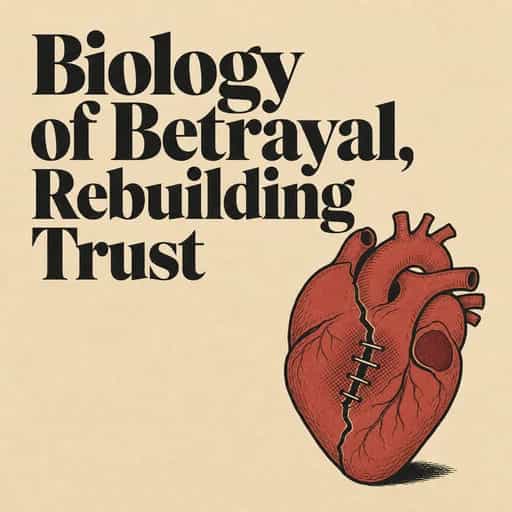
Lena: Exactly. Whether it's a stray on a trail or a person sitting across from you, the mechanics of trust are remarkably similar. In fact, research suggests that for people who have experienced developmental trauma—where their basic needs weren't met early on—animals can actually be the bridge back to feeling safe .
Jackson: So, the dog wasn't just checking if I had a sandwich in my pocket. He was assessing my "vibe," for lack of a better word?
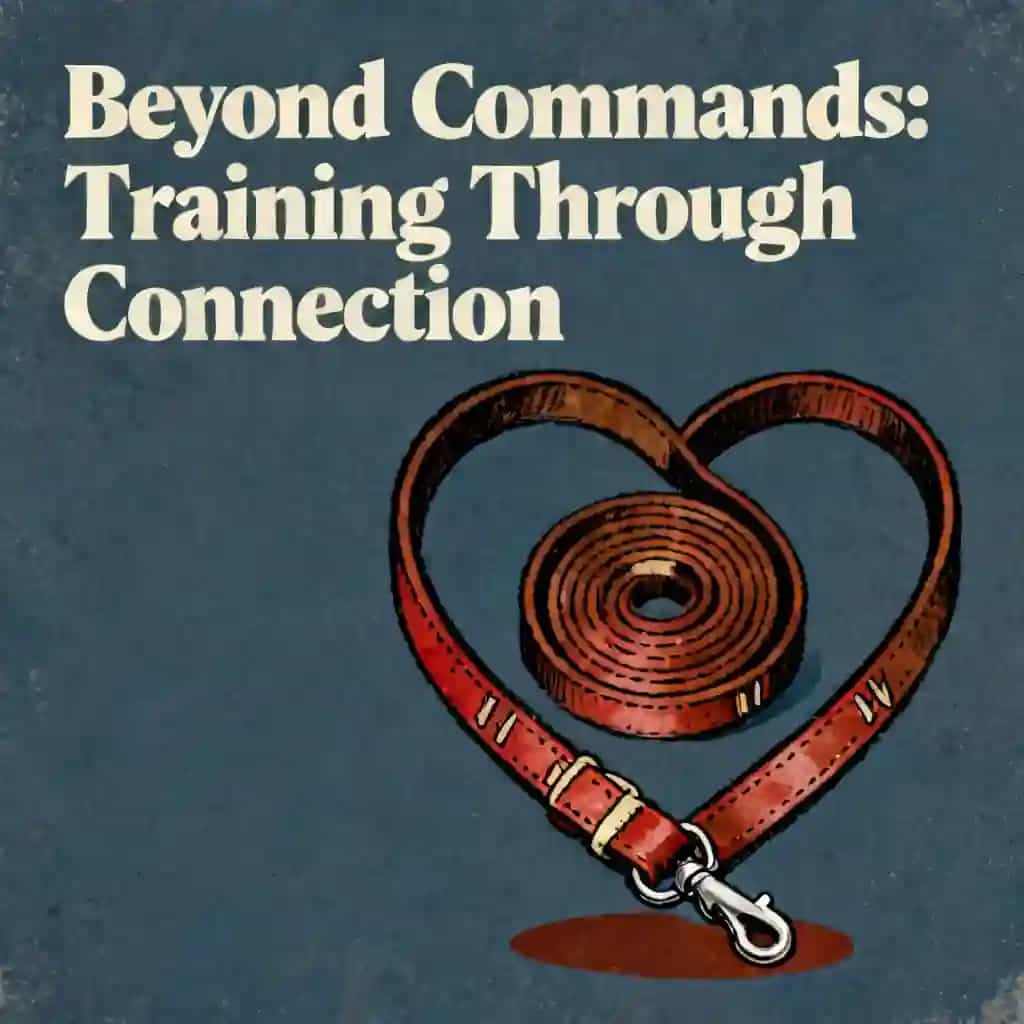
Lena: More than a vibe. He was reading your heart rate, your muscle tension, and your eye contact . It’s about "attunement"—being in sync with another’s mood and behavior . We’re going to dive deep today into why that scruffy dog might be the best teacher we have for understanding how to rebuild our own "trust accounts." We'll look at the neurochemistry of bonding and why predictability is actually more important than affection when you're starting from zero.
Jackson: I’m ready. Because if I can understand what that dog was looking for, maybe I can understand what I’m looking for, too. Let’s get into the actual "why" behind how dogs decide we’re worth the risk.