BeFreed
    Categories>Psychology>The Straight-Face Effect: Psychology of Gaze and Neutral Expressions

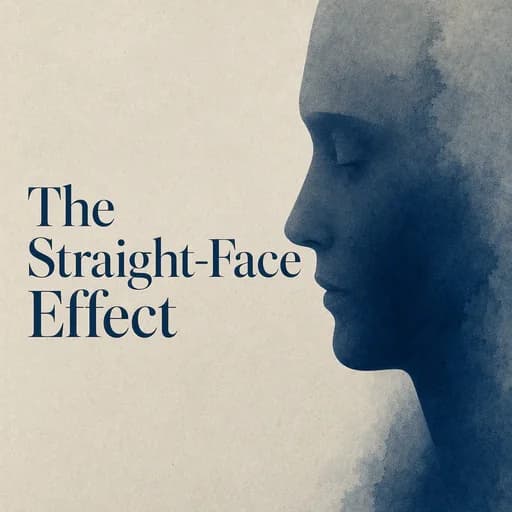
    The Straight-Face Effect: Psychology of Gaze and Neutral Expressions

    21분
    |
    |
    2026년 8월 23일
    PsychologyCommunicationHistory & Society

    Explore The Straight-Face Effect and how a neutral expression combined with a direct gaze can trigger threat perception and nonverbal communication signals.

    The Straight-Face Effect: Psychology of Gaze and Neutral Expressions
    전달 방식을 선택하세요

    하나의 에피소드, 다양한 청취 방식.

    The Straight-Face Effect: Psychology of Gaze and Neutral Expressions의 같은 아이디어를 나에게 맞는 목소리, 깊이, 속도로 만나보세요. 언제든 바꿀 수 있습니다.

    전체 대본 및 챕터

    챕터 1

    The Invisible Signal of the Straight Face

    Lena: Have you ever walked into a room feeling totally normal—maybe just thinking about your to-do list—and noticed that the person across from you suddenly starts moving twice as fast? Or maybe they look a little jumpy, like they’ve just seen a ghost? It’s such a jarring experience because, on your end, nothing has changed. You’re just being you. But for them, something about your presence has flipped a switch in their brain that says "danger."

    Nia: It’s actually fascinating because we often think of communication as what we say, but our bodies are constantly broadcasting signals on a frequency we aren’t even tuning into. One of the most powerful signals is something researchers call the "cone of direct gaze". It’s essentially the space where someone feels like you are looking right at them. When you combine that direct gaze with a neutral, "straight" face—no smile, no filter, just a steady expression—it creates a very specific psychological cocktail.

    Lena: And that cocktail usually tastes like a threat to the other person, doesn't it? Even if you’re just thinking about what to have for dinner.

    Nia: Exactly. In the world of social science, there’s this idea called the "shared signal hypothesis". It basically says that our brains process emotions much faster when the facial expression matches the direction of the gaze. So, if you’re looking right at someone and you aren't smiling, their brain might categorize that neutral face as "anger" or "happiness" almost instantly.

    Lena: That makes so much sense. I’ve definitely felt that "no filter" energy from people before, where it feels like they’re looking straight through you. It’s almost like their presence is a physical weight.

    Nia: It really is. And the reason people start "moving fast" or acting startled is that their bodies are literally preparing for a fight-or-flight response before they’ve even consciously realized it. Their motor system is Revving up because your steady, unsmiling gaze is being read as a potential confrontation. So, let's dive into why this happens and how your "no filter" approach is actually changing the physical chemistry of the people around you.
    챕터 2

    The Science of the "Predator" Response

    Lena: So, Nia, you mentioned that people’s bodies Rev up when they see a "straight face" looking at them. Is that why the listener noticed their sister or people at the gym literally speeding up their workouts or their talking?

    Nia: It is. It’s all about the "defense response cascade". When we perceive a threat, our brains don't just sit there and think about it. They prepare the body. One study found that when a threat is perceived as "directed toward" the observer—like a threat stimulus directed toward the observer—it actually decreases their reaction time. They start moving faster because their motor preparation is kicking into high gear.

    Lena: Wait, so they aren't just being clumsy or weird. Their brain is actually telling their muscles to move faster in case they need to defend themselves or escape?

    Nia: Precisely. It’s an evolutionary adaptation. Think about it: if you see something potentially dangerous coming straight at you, you don't want to be slow. You want your motor circuit primed and ready to go. This is why the listener’s sister might have started "talking fast and moving fast" the second she saw them walking up. Her system was likely perceiving an imminent threat and was preparing for an "overt defensive action," like a defensive attack or a quick exit.

    Lena: That sounds so intense! But the listener is just walking up to their own house. They aren't actually a predator. It’s just their face.

    Nia: Right, but our brains are wired to prioritize emotional stimuli, especially negative or threatening ones, because that's what kept our ancestors alive. When you keep a straight face and look directly at someone, you’re hitting a "threat" button in their amygdala. Research shows that a direct gaze combined with an angry face is perceived as much more intense and threatening than if you were looking away.

    Lena: It’s like a spotlight. If the spotlight is on you and you don't see a "safety signal"—like a smile—you assume the worst.

    Nia: Exactly. In fact, people who have had violent past experiences are even more sensitive to this. Their "trauma load" makes them react even more strongly to someone directed toward them. So, if the people the listener interacts with have their own histories of stress, their reaction to that "no filter" gaze is going to be even more explosive. It’s a fascinating overlap of perception, history, and physical movement.

    이 에피소드로 더 깊이 배우기

    이 에피소드의 아이디어를 BeFreed의 가이드 학습 경험으로 더 깊이 탐구해 보세요.

    챕터 3

    Why the "Straight Face" is Such a Strong Signal

    Lena: I’m stuck on this idea that a neutral face can be read as a threat. If I’m not doing anything—not scowling, not yelling—how is that "threatening"?

    Nia: It’s because neutrality is ambiguous, and in the wild, ambiguity is dangerous. There’s this concept called the "cone of direct gaze," or CoDG, which measures how wide of an angle someone perceives as being "looked at". Studies show that when people see faces expressing "anger" or "disgust," their cone of direct gaze actually widens. They are more likely to feel like you are looking right at them if they think you’re upset.

    Lena: So, if they’re already misreading your neutral face as "anger," they’re even more convinced you’re staring them down.

    Nia: Spot on. And because the listener mentioned having "no filter" and a "straight face," they aren't providing any of those pro-social cues that tell the other person, "Hey, I’m friendly." Without a smile to "filter" the interaction, the observer’s brain has to fill in the blanks. it can be interpreted as either approach- or avoidance-oriented, depending on the gaze direction. It assumes you’re an unpleasant or threatening partner, which triggers their avoidance behavior.

    Lena: It’s like the brain is doing a "risk assessment" every second. If it doesn't see a "yes" (a smile), it defaults to "no" (a threat).

    Nia: That’s a great way to put it. And here’s something even cooler: this isn't just about how they feel; it’s about their physical balance. Research using force platforms—basically high-tech scales that measure how you sway—found that seeing certain emotions changes your "postural control". While happy faces might lead to an "approach" tendency, threatening faces can actually alter postural stability.

    Lena: So, when the listener walks into the gym, people might literally be wobbling or shifting their weight away without knowing why?

    Nia: They could be. Or they might experience "attentive immobility"—a fancy term for freezing up to scan for danger before they suddenly burst into fast movement to get away or finish their task. It’s this constant push-and-pull between their brain wanting to stay still to hide and wanting to move fast to escape. Your presence is basically creating a miniature "survival scenario" for them every time you walk by.

    챕터 4

    The "No Filter" Family Legacy

    Lena: The listener mentioned their mom is the same way—no filter, straight face. It sounds like this isn't just a random habit; it’s almost like a family trait or a shared social style.

    Nia: It really points to how our "personality traits" and "emotional states" modulate how we perceive and project social cues. We aren't just blank slates; we bring our family history and our own internal "baseline" into every interaction. If the listener grew up with a mom who had a "no filter" approach, that straight face probably feels like home—it feels honest and direct. But to the outside world, it lacks the "social padding" people are used to.

    Lena: It’s like they’re speaking a different language. In their family, "straight face" means "I’m just here." But in the general "social language," it means "I’m unhappy with you."

    Nia: Exactly. And this "no filter" style can actually affect the "social status" you project. There’s a study that looked at how people perceive "dominance" versus "prestige". Dominance is about force and intimidation, while prestige is about being knowledgeable and skilled. People who perceive themselves as "dominant" often speak with a lower pitch and are less likely to vary their voice when talking to someone important. They have a steady, unshakeable presence.

    Lena: That sounds exactly like the "straight face" energy. It’s a "dominant" signal. You’re not trying to please anyone, you’re just... there.

    Nia: Right. And that can be very intimidating to people who rely on "prestige" or "social approval" to feel safe. If someone sees you and you aren't "filtering" your presence to make them feel comfortable, they might perceive you as high-dominance. Their voice might even go up in pitch when they talk to you, which is a submissive signal designed to avoid confrontation.

    Lena: So, when the sister starts talking fast, she might also be talking in a higher pitch, trying to sound "non-threatening" because she feels the "dominance" of the listener’s straight face?

    Nia: Precisely. It’s a submissive reflex. She’s basically trying to say, "I’m not a threat, please don't be a threat to me." It’s a dance that’s happening entirely below the surface of the conversation. The listener’s "straight face" is the lead in this dance, and everyone else is just trying to keep up.

    이 에피소드로 더 깊이 배우기

    이 에피소드의 아이디어를 BeFreed의 가이드 학습 경험으로 더 깊이 탐구해 보세요.

    챕터 5

    Anticipated Feedback and the Power of the "Yes"

    Lena: I keep thinking about how the listener mentioned their sister saw them "walking up to my house" and immediately started acting weird. It’s like she didn't even wait for them to say anything.

    Nia: That’s because of "anticipated facial feedback". We don't just react to what someone is doing; we react to what we think they are going to do. When you see a "no filter" person approaching, your brain starts simulating how they’ll react to you. If you expect them to be harsh or unsmiling, you might already be feeling the "social disapproval" before a single word is spoken.

    Lena: So, she’s already "feeling" the straight face before the listener even gets to the door?

    Nia: Exactly. Social influence can happen even if someone isn't physically there yet, just by imagining them. This "anticipated feedback" is a massive driver of how we behave. If you’re sensitive to faces, you’re constantly looking for that "social validation"—a nod, a small smile—to tell you that you’re okay. When the listener doesn't provide that "yes" signal, the other person feels a sense of "awkwardness" or "threat".

    Lena: It’s almost like the listener is a mirror that isn't reflecting anything back. And people find that silence or that "blankness" terrifying.

    Nia: They really do. The article mentions that many companies (e.g., Verizon Wireless, IKEA, and Continental Airlines) have already added “virtual agents,” that is, online customer service representatives with human-like faces and responses, to their websites to facilitate decisions and choices to show that people are much more likely to comply or feel comfortable when they see "expressive" facial feedback. When the face is "inexpressive" or "blank," the "face effect"—the persuasive power of being face-to-face—actually disappears.

    Lena: So, the listener’s "straight face" is actually neutralizing their social influence in a way, or at least making people want to get away rather than engage.

    Nia: It’s definitely making people "avoidance-oriented". They want to "inhibit negative feedback" from you, so they move faster, talk faster, and try to finish the interaction as quickly as possible. They aren't trying to be rude; they’re just trying to protect their own "self-concept" from the perceived rejection of your unsmiling face. It’s a deeply human reaction to a very steady, very "unfiltered" presence.

    챕터 6

    The Physicality of Intimidation

    Lena: Let’s talk about the gym for a second. The listener says people start "working out faster" when they’re around. That’s such a specific physical reaction.

    Nia: It’s a classic example of "motor readiness". When we see someone we perceive as "angry" or "threatening," our motor system prepares for "goal-directed actions". If you’re at the gym and you feel a "threat" nearby, your brain might tell you to work harder or faster to either "out-compete" that threat or just finish up and leave the "danger zone".

    Lena: It’s like the listener is an accidental personal trainer, but through fear instead of motivation!

    Nia: In a way, yeah! One study found that people initiate steps faster when they see an angry face compared to a fearful one. Angry faces—or faces perceived as angry—elicit an "immediate need for action" because they represent a direct threat to the observer. So, your "straight face" is basically a "Go" signal for their nervous system.

    Lena: But what about the "freezing" you mentioned earlier? Why do some people speed up while others just stare or get startled?

    Nia: It depends on the "perceived distance" and "inescapability" of the threat. If someone feels like they can’t escape, they might freeze up—that "attentive immobility" where they’re just watching you, paralyzed. But if they have a way to "move fast"—like their workout or a conversation—they’ll take it. It’s all about the "threat imminence continuum". The closer you get with that "unfiltered" gaze, the more their body shifts from "passive freezing" to "active flight".

    Lena: It’s wild to think that just walking across a room can cause such a complex chain reaction in someone else’s muscles and nerves.

    Nia: It really is. And it’s not something they’re doing on purpose. It’s a "task-independent" response. Their brain is scanning the environment, it sees threat stimuli directed toward the observer, it labels it "potential predator," and it triggers a subcorticocortical network that primes their body for action. You aren't just a person to them in that moment; you’re a "stimulus" that their body is evolved to handle with speed.

    이 에피소드로 더 깊이 배우기

    이 에피소드의 아이디어를 BeFreed의 가이드 학습 경험으로 더 깊이 탐구해 보세요.

    챕터 7

    Gaze Perception and the "Social Gaze"

    Lena: So, the "direct gaze" seems to be the linchpin here. If the listener just looked at the floor, would all of this stop?

    Nia: Likely, yes. Gaze direction is a massive signal for "intent". When someone looks right at you, it "guides attention toward the face" and triggers brain regions that "interpret emotions and encode face and eye movements". If you combine that direct look with a neutral expression, you’re forcing them to do a lot of "emotional work" to figure out what you want.

    Lena: And since people are generally "loss-averse" with social stuff, they assume the "work" is going to result in something bad.

    Nia: Exactly. "Interpreting facial expressions is mostly situation-dependent". If the situation is "I’m walking up to my sister’s house" and you aren't smiling, her brain looks at the "context" and the "gaze" and concludes something is wrong. Conversely, if you had a "deviated gaze"—if you were looking at your phone or the trees—she would feel much less "arousal" and "threat" because you aren't "targeting" her with your presence.

    Lena: It’s the "targeting" that’s the issue. The directness.

    Nia: Right. "Direct gaze perception triggers the activation of specific brain regions" that are recruited to interpret emotions and encode face and eye movements. If you want to "tone down" the intimidation, even just slightly averting your eyes can "shift the observer's visual attention" away from you and reduce their "arousal" levels. It breaks that "predator-prey" dynamic that’s happening in their subconscious.

    Lena: It’s such a simple fix, but it feels so counter-intuitive if you’re a "direct" person. If I’m a "no filter" person, I want to look you in the eye!

    Nia: And that's the conflict! Your "no filter" honesty—your desire to be direct and present—is exactly what's triggering the other person's "threat response". You're being authentic, but they're experiencing "hypervigilance". It’s a classic case of two different "operating systems" trying to talk to each other and getting a "system error" message in the form of a fast-moving sister or a jittery gym-goer.

    챕터 8

    Navigating the "Straight-Faced" World

    Lena: Okay, so we’ve established that an angry or fearful face, especially depending on gaze direction, can trigger avoidance or freezing responses in others. If you’re the listener, what do you do with that? You don't want to fake a smile every five seconds—that feels like having a "filter."

    Nia: It’s about "awareness" rather than "changing who you are." Just knowing that your steady gaze is a "high-arousal" signal for others can help you understand their reactions. If someone starts "moving fast" or "talking fast," you can recognize that their body is just in "motor preparation" mode. You don't have to take it personally, and you don't have to "fix" it.

    Lena: That’s a relief. You can just say, "Oh, their amygdala is talking to them right now. That has nothing to do with me."

    Nia: Exactly. But if you do want to put people at ease—maybe in a "personal" or "interpersonal" context like with your sister—you can try "softening" the gaze. You don't need a "fake smile," but just occasionally breaking eye contact can reduce that "cone of direct gaze" pressure. It’s like turning down the volume on a loud speaker.

    Lena: And what about the "no filter" aspect? Is there a way to be honest without being "intimidating"?

    Nia: It’s helpful to remember that "expressiveness" is what helps people feel safe. If you have a "straight face" but your words are kind or neutral, people might still be confused by the "incongruent" signals. Even a tiny bit more "facial expressiveness"—maybe just raising your eyebrows or nodding more—can provide enough "feedback" to tell the other person, "You’re safe, I’m not a threat".

    Lena: It’s like adding a little bit of "social grease" to the gears. You're still you, but the interaction isn't grinding to a halt because of fear.

    Nia: Right. And for those who perceive you as "dominant," you can use that to your advantage in professional settings. That "steady" presence is a sign of "social status". But in your personal life, remembering that your "unfiltered" mom-legacy is a "dominant" signal can help you be more "empathetic" to the people around you who might be feeling a little "small" or "startled" in your presence.

    이 에피소드로 더 깊이 배우기

    이 에피소드의 아이디어를 BeFreed의 가이드 학습 경험으로 더 깊이 탐구해 보세요.

    챕터 9

    Closing Reflections on Presence and Perception

    Lena: We’ve covered a lot today—from the "cone of direct gaze" to the "defense response cascade." It’s incredible how much is happening in just a few seconds of eye contact.

    Nia: It really is. The big takeaway here is that your "straight face" isn't just a facial expression; it’s a physical force. It changes people’s "postural stability," their "reaction times," and even the "pitch of their voice". When people "speed up" around you, they are reacting to a signal of "dominance" and "potential threat" that you’re projecting—likely without even knowing it.

    Lena: It’s a lot to hold! But also, there’s a certain power in it. Being a "no filter" person means you have a very "high-impact" presence.

    Nia: Absolutely. And as we wrap up, I want you to think about one thing: the next time you notice someone "startled" by your presence, instead of feeling like you’ve done something wrong, just notice the "gaze." Are you "targeting" them with your eyes? If you are, that's the "threat" they're feeling. A simple look away can signal danger in the immediate environment.

    Lena: It’s all about the dance between "dominance" and "connection."

    Nia: Exactly. We hope this helps you navigate your "unfiltered" world with a little more clarity and maybe a little less "startled" family members!

    Lena: Thanks for listening and diving into the science of presence with us. We’ll leave you to reflect on your own "social gaze" and how it’s shaping the world around you.
    Nia: Take care of yourself, and we'll see you next time.

    ★★★★★

    The Straight-Face Effect: Psychology of Gaze and Neutral Expressions의 끝까지 도달했어요

    “23일째 매일 사용하고 있어요. 이제 제 일상의 한 부분이 되었습니다.”

    jayallen

    The Straight-Face Effect: Psychology of Gaze and Neutral Expressions 베스트 인용

    “

    When you combine a direct gaze with a neutral, 'straight' face—no smile, no filter, just a steady expression—it creates a psychological cocktail that the brain often categorizes as a threat or a signal of dominance.

    ”
    Y

    Generated by Yadira Resendiz

    질문 입력

    Why do people start moving faster working out faster or get startled in my presence I don’t smile back I keep a straight face and I am no filter like my mom she was at my sisters house that is a snake and sees me walking up to my house she sees me and starts talking fast and moving fast

    호스트 음성
    Lenaplay
    Niaplay
    지식 출처
    Frontiers | Are You “Gazing” at Me? How Others' Gaze Direction and Facial Expression Influence Gaze Perception and Postural Control
    link
    https://www.frontiersin.org/journals/psychology/articles/10.3389/fpsyg.2021.730953/full
    How you perceive threat determines your behavior
    link
    https://pmc.ncbi.nlm.nih.gov/articles/PMC3792557/
    Frontiers | Stepping into emotions: investigating the effect of angry and fearful faces on forward stepping and quiet stance
    link
    https://www.frontiersin.org/journals/human-neuroscience/articles/10.3389/fnhum.2024.1411246/full
    Frontiers | The Role of the Face Itself in the Face Effect: Sensitivity, Expressiveness, and Anticipated Feedback in Individual Compliance
    link
    https://www.frontiersin.org/journals/psychology/articles/10.3389/fpsyg.2018.02499/full
    Your Voice Actually Changes When You Talk to Someone Intimidating
    link
    https://www.vice.com/en/article/your-voice-actually-changes-when-you-talk-to-someone-intimidating/
    Perceived differences in social status between speaker and listener affect the speaker's vocal characteristics | PLOS One
    link
    https://journals.plos.org/plosone/article?id=10.1371%2Fjournal.pone.0179407

    자주 묻는 질문

    The Straight-Face Effect refers to the psychological phenomenon where a neutral facial expression combined with a direct gaze is perceived as a threat by others. Even when a person feels completely normal or is simply thinking about daily tasks, their lack of a smile while looking at someone can flip a danger switch in the observer's brain. This creates a jarring experience where your presence unintentionally broadcasts a signal of hostility or tension.

    The cone of direct gaze is a social science concept describing the specific space where an individual feels like another person is looking right at them. When you are positioned within this cone and maintain a steady, unsmiling expression, it creates a powerful psychological cocktail. This combination often leads the other person to feel jumpy or defensive because they interpret the focused, neutral attention as a potential social or physical threat.

    The shared signal hypothesis is a theory in social science suggesting that the human brain processes emotions significantly faster when a facial expression matches the direction of the gaze. In the context of The Straight-Face Effect, if you are looking directly at someone with a neutral face, their brain quickly categorizes that lack of emotion as a negative signal. This rapid processing explains why people react so strongly to nonverbal cues before a single word is spoken.

    컬럼비아 대학교 동문들이 제작 | 샌프란시스코에서 개발

    BeFreed는 호기심 넘치는 글로벌 커뮤니티를 하나로 연결합니다

    4.7

    평균 평점

    앱 평가 7.84천 개 이상

    BeFreed 커뮤니티

    정말이지 아직 앱을 다 써 보지도 않았는데, 며칠 써 본 것만으로도 깊은 인상을 받았어요… BeFreed는 제가 써 본 어떤 학습 앱과도 차원이 달라요. 몰입감이 엄청나고 집중력도 실제로 좋아져서, 스마트폰을 하염없이 스크롤하는 분들께 딱이에요!

    @ladyInfinity

    정확히 23일 전에 BeFreed를 구입했는데, 그날부터 하루도 빠짐없이 쓰고 있어요. 제 일상 업무 흐름과 학습 습관에 완전히 자리 잡았어요.

    @jayallen

    솔직히 이 앱은 제 기대를 전부 뛰어넘었어요. 어떤 주제든 오디오로 만들어 달라고 할 수 있고, 결과물이 놀라워요. 제 전문 분야는 심리치료 쪽이고 여러 학문이 얽혀 있는데도 답변이 아주 정확해요.

    @Raguipa

    제일 고마운 건 스크롤하는 시간이 확 줄었다는 거예요. 검색하는 시간은 줄고 흡수하는 시간은 늘었어요. 오디오북 전권, 팟캐스트, 학습 플랜의 조합이 정말 훌륭해요.

    @colonyofcreatorsNGO

    저는 24년째 PhotoReading 속진 학습 강사로 일하고 있어요… 책과 독서, 배움이 제 전문인데, BeFreed는 정보를 소화하기 쉽게 전달하는 혁신적인 방식을 정말 잘 구현했어요.

    @BeFreed user

    단순한 책 요약 앱이 아니에요. '재미' 스타일을 써 봤는데, 전통적인 방식보다 훨씬 나은 요약이고 아이디어를 이해하기도 쉬워요. 이것만으로도 값어치를 해요.

    @austinakon

    이 앱이 정말 좋아요. 며칠 써 봤는데 듣는 걸 멈출 수가 없어요. 시작하기에 이보다 좋을 수 없어요.

    @jcrules328

    정말 마음에 들어요. 한 달 정도 써 봤는데 숨은 보석을 찾은 기분이에요. BeFreed로 제가 원하는 주제를 직접 만들 수 있어서 좋고, 목소리도 훌륭한 데다 내레이션 선택지가 무궁무진해요.

    @DanielCZ

    정말이지 아직 앱을 다 써 보지도 않았는데, 며칠 써 본 것만으로도 깊은 인상을 받았어요… BeFreed는 제가 써 본 어떤 학습 앱과도 차원이 달라요. 몰입감이 엄청나고 집중력도 실제로 좋아져서, 스마트폰을 하염없이 스크롤하는 분들께 딱이에요!

    @ladyInfinity

    정확히 23일 전에 BeFreed를 구입했는데, 그날부터 하루도 빠짐없이 쓰고 있어요. 제 일상 업무 흐름과 학습 습관에 완전히 자리 잡았어요.

    @jayallen

    솔직히 이 앱은 제 기대를 전부 뛰어넘었어요. 어떤 주제든 오디오로 만들어 달라고 할 수 있고, 결과물이 놀라워요. 제 전문 분야는 심리치료 쪽이고 여러 학문이 얽혀 있는데도 답변이 아주 정확해요.

    @Raguipa

    제일 고마운 건 스크롤하는 시간이 확 줄었다는 거예요. 검색하는 시간은 줄고 흡수하는 시간은 늘었어요. 오디오북 전권, 팟캐스트, 학습 플랜의 조합이 정말 훌륭해요.

    @colonyofcreatorsNGO

    저는 24년째 PhotoReading 속진 학습 강사로 일하고 있어요… 책과 독서, 배움이 제 전문인데, BeFreed는 정보를 소화하기 쉽게 전달하는 혁신적인 방식을 정말 잘 구현했어요.

    @BeFreed user

    단순한 책 요약 앱이 아니에요. '재미' 스타일을 써 봤는데, 전통적인 방식보다 훨씬 나은 요약이고 아이디어를 이해하기도 쉬워요. 이것만으로도 값어치를 해요.

    @austinakon

    이 앱이 정말 좋아요. 며칠 써 봤는데 듣는 걸 멈출 수가 없어요. 시작하기에 이보다 좋을 수 없어요.

    @jcrules328

    정말 마음에 들어요. 한 달 정도 써 봤는데 숨은 보석을 찾은 기분이에요. BeFreed로 제가 원하는 주제를 직접 만들 수 있어서 좋고, 목소리도 훌륭한 데다 내레이션 선택지가 무궁무진해요.

    @DanielCZ

    유용한 정보와 아이디어를 8~15분짜리 팟캐스트 스타일 오디오로 압축해서 들을 수 있다는 게 정말 좋아요. 원래 팟캐스트는 군더더기가 많아서 안 좋아했는데, 여기는 그걸 싹 걷어냈어요.

    @BeFreed user

    박사 과정을 마무리하는 중이라 낯선 자료를 많이 읽어야 해요… BeFreed에서는 프롬프트만 입력하면 앱이 자료를 찾아서 오디오 팟캐스트로 만들어 줘요. BeFreed의 과정이 NotebookLM보다 더 매끄럽게 느껴져요.

    @Brad

    아침을 준비하거나 산책하거나 출퇴근할 때 들을 것을 YouTube에서 자주 찾곤 했는데, BeFreed는 광고도 군더더기도 없이 훨씬 더 딱 맞는 걸 들려줘요!

    @BeFreed user

    이 플랫폼의 가장 큰 장점은 활용도예요. 다루지 못하는 주제가 말 그대로 하나도 없어요. 무엇을 던져도 다 소화해요… 제한이 전혀 없으면서 약속을 실제로 지키는 학습 도구는 정말 드물어요.

    @jayallen

    BeFreed는 환상적이에요. 디자인이 편해서 헤매는 시간은 줄고 배우는 시간은 늘었어요. 오디오북, 팟캐스트, 학습 플랜의 조합은 천재적이에요. 제 하루가 완전히 달라졌어요.

    @BeFreed user

    처음엔 이탈리아어로 팟캐스트를 만드는 방법을 이해하는 데 시간이 좀 걸렸는데, 알고 나니까 — 와! 정말 대단해요! 어떤 주제든 설명해 달라고 하면 정말 똑똑하게 잘 설명해 줘요!

    @matteo77

    BeFreed는 제가 매일 쓰는 오디오북 앱이 됐어요… 제일 마음에 드는 건 텍스트를 넣으면 이동 중에도 들을 수 있는 오디오로 만들어 준다는 점이에요.

    @kotanzu1

    유용한 정보와 아이디어를 8~15분짜리 팟캐스트 스타일 오디오로 압축해서 들을 수 있다는 게 정말 좋아요. 원래 팟캐스트는 군더더기가 많아서 안 좋아했는데, 여기는 그걸 싹 걷어냈어요.

    @BeFreed user

    박사 과정을 마무리하는 중이라 낯선 자료를 많이 읽어야 해요… BeFreed에서는 프롬프트만 입력하면 앱이 자료를 찾아서 오디오 팟캐스트로 만들어 줘요. BeFreed의 과정이 NotebookLM보다 더 매끄럽게 느껴져요.

    @Brad

    아침을 준비하거나 산책하거나 출퇴근할 때 들을 것을 YouTube에서 자주 찾곤 했는데, BeFreed는 광고도 군더더기도 없이 훨씬 더 딱 맞는 걸 들려줘요!

    @BeFreed user

    이 플랫폼의 가장 큰 장점은 활용도예요. 다루지 못하는 주제가 말 그대로 하나도 없어요. 무엇을 던져도 다 소화해요… 제한이 전혀 없으면서 약속을 실제로 지키는 학습 도구는 정말 드물어요.

    @jayallen

    BeFreed는 환상적이에요. 디자인이 편해서 헤매는 시간은 줄고 배우는 시간은 늘었어요. 오디오북, 팟캐스트, 학습 플랜의 조합은 천재적이에요. 제 하루가 완전히 달라졌어요.

    @BeFreed user

    처음엔 이탈리아어로 팟캐스트를 만드는 방법을 이해하는 데 시간이 좀 걸렸는데, 알고 나니까 — 와! 정말 대단해요! 어떤 주제든 설명해 달라고 하면 정말 똑똑하게 잘 설명해 줘요!

    @matteo77

    BeFreed는 제가 매일 쓰는 오디오북 앱이 됐어요… 제일 마음에 드는 건 텍스트를 넣으면 이동 중에도 들을 수 있는 오디오로 만들어 준다는 점이에요.

    @kotanzu1

    웹에서 BeFreed가 어떻게 논의되고 있는지 더 보기
    129.7K19.5K
    55.2K19.2K
    154.2K10827355
    48.1K2.5K
    81.2K6.6K
    82.3K1.8K
    지금 바로 학습 여정을 시작하세요
    BeFreed 앱
    BeFreed

    무엇이든 개인화된 학습

    DiscordLinkedIn
    추천 도서 요약
    Crucial ConversationsThe Perfect MarriageInto the WildNever Split the DifferenceAttachedGood to GreatSay Nothing
    인기 카테고리
    Self HelpCommunication SkillRelationshipMindfulnessPhilosophyInspirationProductivity
    유명인 추천 도서
    Elon MuskCharlie KirkBill GatesSteve JobsAndrew HubermanJoe RoganJordan Peterson
    수상작 컬렉션
    Pulitzer PrizeNational Book AwardGoodreads Choice AwardsNobel Prize in LiteratureNew York TimesCaldecott MedalNebula Award
    추천 주제
    ManagementAmerican HistoryWarTradingStoicismAnxietySex
    연도별 베스트 도서
    2025 Best Non Fiction Books2024 Best Non Fiction Books2023 Best Non Fiction Books
    추천 저자
    Chimamanda Ngozi AdichieGeorge OrwellO. J. SimpsonBarbara O'NeillWinston ChurchillCharlie Kirk
    BeFreed vs 다른 앱
    BeFreed vs. Other Book Summary AppsBeFreed vs. ElevenReaderBeFreed vs. ReadwiseBeFreed vs. Anki
    학습 도구
    Knowledge VisualizerAI Podcast Generator
    정보
    회사 소개arrow
    가격arrow
    FAQarrow
    블로그arrow
    채용arrow
    파트너십arrow
    앰배서더 프로그램arrow
    디렉토리arrow
    BeFreed
    Try now
    © 2026 BeFreed
    이용 약관개인정보 처리방침
    BeFreed

    무엇이든 개인화된 학습

    DiscordLinkedIn
    추천 도서 요약
    Crucial ConversationsThe Perfect MarriageInto the WildNever Split the DifferenceAttachedGood to GreatSay Nothing
    인기 카테고리
    Self HelpCommunication SkillRelationshipMindfulnessPhilosophyInspirationProductivity
    유명인 추천 도서
    Elon MuskCharlie KirkBill GatesSteve JobsAndrew HubermanJoe RoganJordan Peterson
    수상작 컬렉션
    Pulitzer PrizeNational Book AwardGoodreads Choice AwardsNobel Prize in LiteratureNew York TimesCaldecott MedalNebula Award
    추천 주제
    ManagementAmerican HistoryWarTradingStoicismAnxietySex
    연도별 베스트 도서
    2025 Best Non Fiction Books2024 Best Non Fiction Books2023 Best Non Fiction Books
    학습 도구
    Knowledge VisualizerAI Podcast Generator
    추천 저자
    Chimamanda Ngozi AdichieGeorge OrwellO. J. SimpsonBarbara O'NeillWinston ChurchillCharlie Kirk
    BeFreed vs 다른 앱
    BeFreed vs. Other Book Summary AppsBeFreed vs. ElevenReaderBeFreed vs. ReadwiseBeFreed vs. Anki
    정보
    회사 소개arrow
    가격arrow
    FAQarrow
    블로그arrow
    채용arrow
    파트너십arrow
    앰배서더 프로그램arrow
    디렉토리arrow
    BeFreed
    Try now
    © 2026 BeFreed
    이용 약관개인정보 처리방침

    비슷한 콘텐츠

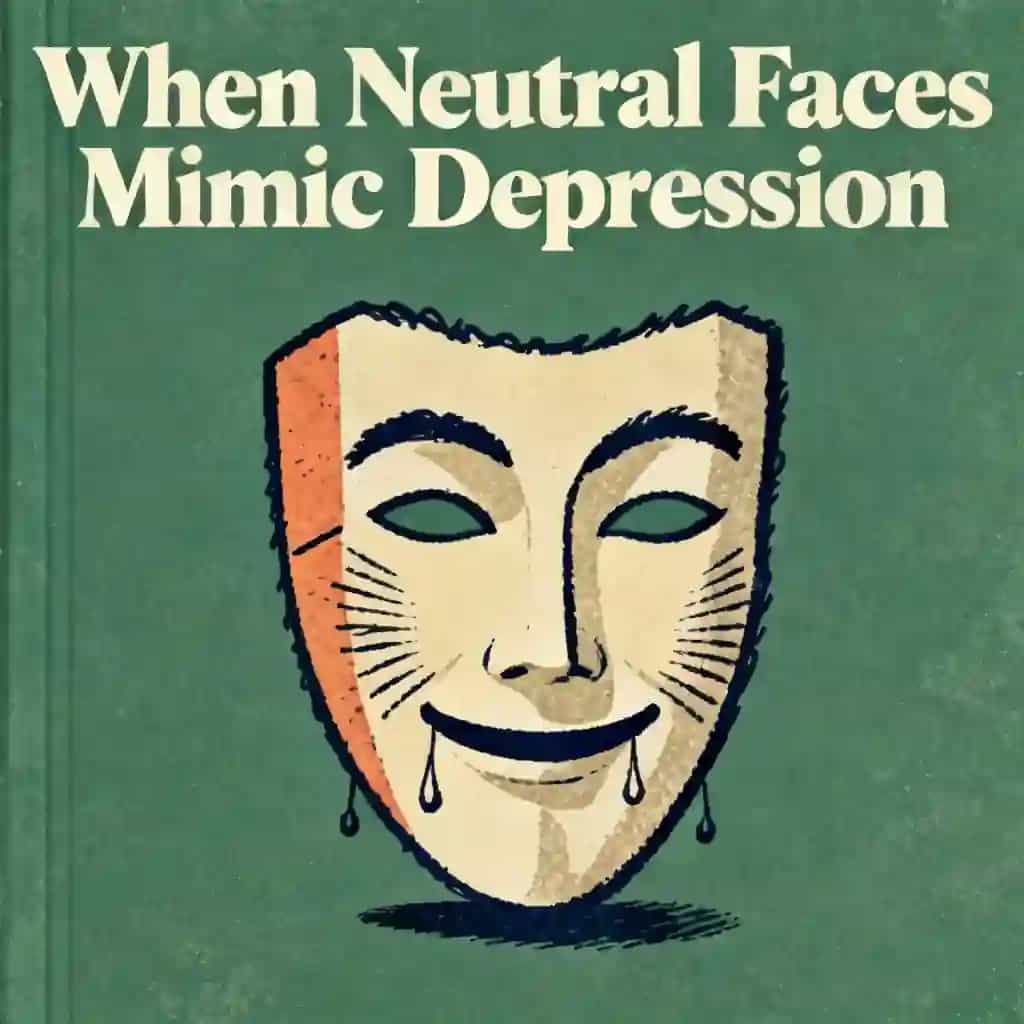
    Why a neutral face is often misread as depression 책 표지
    The Introvert AdvantageQuietOvercoming depressionThe Highly Sensitive Person: How to Thrive When the World Overwhelms You
    28 sources
    Why a neutral face is often misread as depression
    When teachers mistake your quiet nature for sadness, it's frustrating. Learn the science of flat affect and how to advocate for your true mood.
    14 min
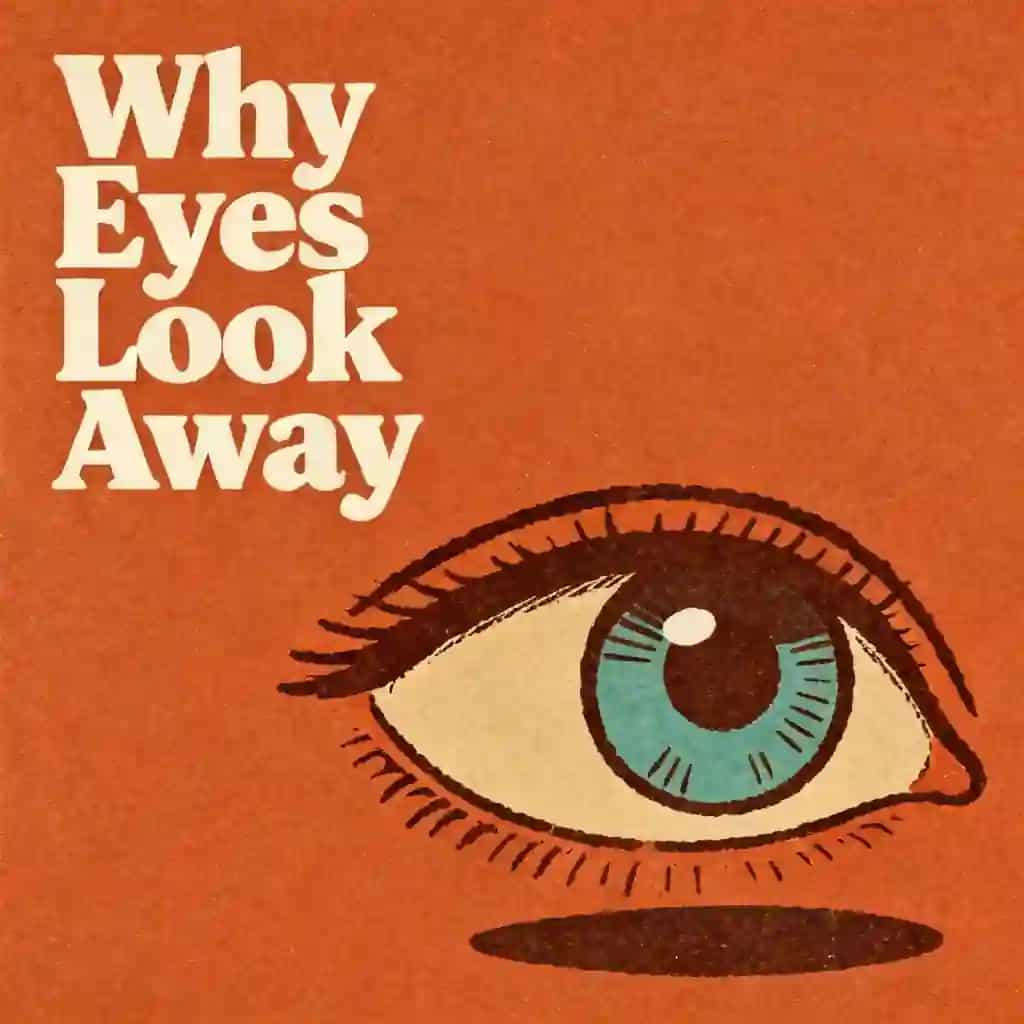
    Why Some People Avoid Eye Contact With You 책 표지
    The Chemistry of Love: Science Behind Choosing Your PersonThe Science of TrustLove's Laboratory: How Science Unlocks Lasting Romantic RelationshipsThe Five Flirting Styles
    20 sources
    Why Some People Avoid Eye Contact With You
    Discover the surprising psychology behind awkward social interactions and why genuinely nice people might seem distant - it's probably not what you think.
    33 min
    The Science of Social Friction 책 표지
    Yes, You Can Read People's Vibes (and Get Better at It) | Psychology Today New ZealandStop Ignoring That “Bad Vibe”: Why You Instantly Dislike Certain People (And When You Should Trust It)People Are Noticing Your Fitness Improvements? - GYMSIDERwhat it means when someone copies you
    6 sources
    The Science of Social Friction
    Ever feel instant resistance toward someone before they even speak? Learn why your brain flags 'off' vibes as a survival signal and how to trust it.
    1241 min
    Eye Contact Without the Intensity 책 표지
    How to Manage and Improve Eye Contact Despite Social Anxiety - AmberWilloOvercome Eye Contact Anxiety With 10 Practical Tips6 Eye Contact Habits That Could Be Hurting Your Conversations[PDF] HOW TO BE A PEOPLE MAGNET  EB by Leil Lowndes | 9780007121229, 9780007524129
    5 sources
    Eye Contact Without the Intensity
    Struggling with awkward stares or darting eyes? Learn how to use the 50/70 rule and soft gaze techniques to make every conversation feel more natural.
    17 min
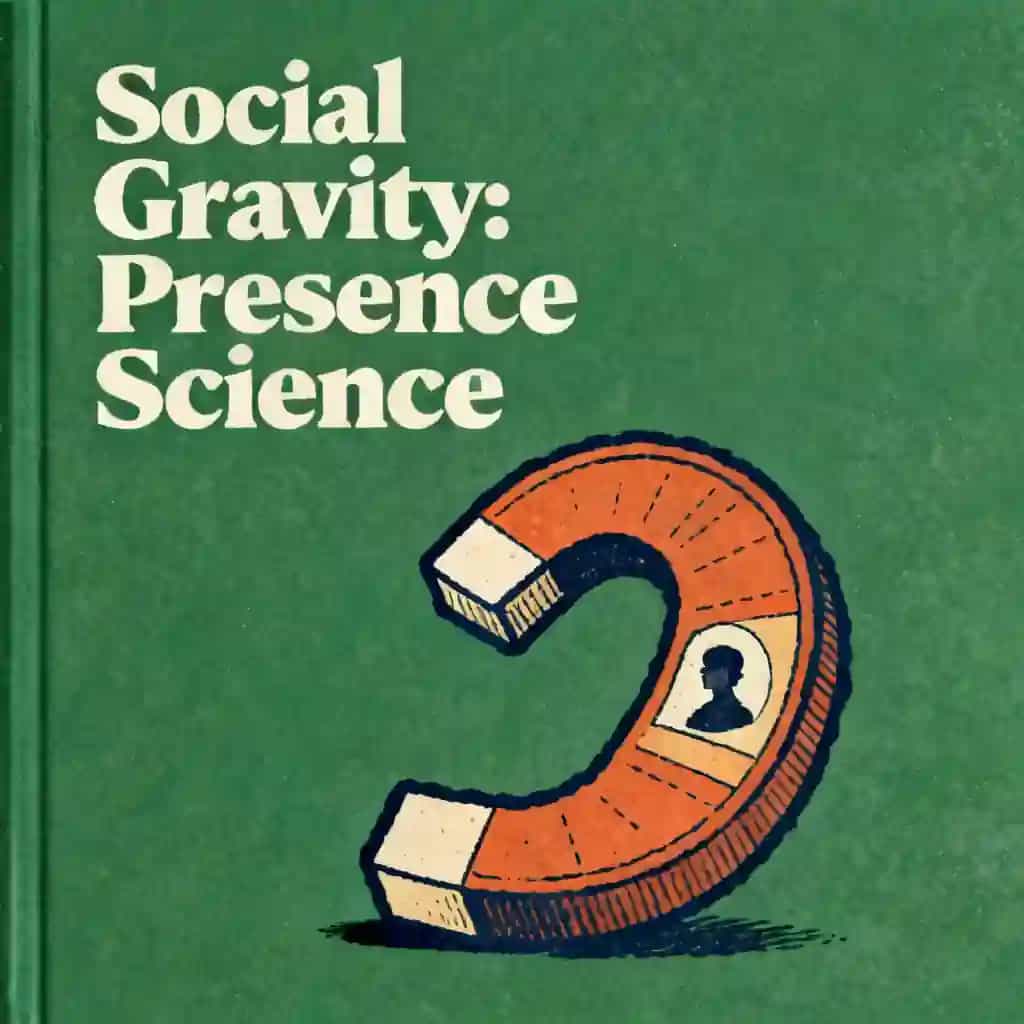
    Social Gravity: The Science of Presence 책 표지
    Confidence is sexy and it can be trained: Examining male social confidence in initial, opposite‐sex interactions8 Charismatic Personality Traits (Backed by Science)Human Pheromones - Neurobiology of Chemical Communication - NCBI BookshelfHow To Make Women Comply: The Psychology Of Subtle Leadership
    8 sources
    Social Gravity: The Science of Presence
    Struggling to get noticed? Learn how to shift from trying too hard to projecting natural competence and leadership that draws people toward you.
    22 min
    The Confident Glide: Mastering Your Gaze 책 표지
    11 Huge Walking Tips To Move With Grace And StyleHow to Walk Sexy & Confident: Men's Guide (W/ Videos) | Power MovesHow to Walk with Confidence: 17 Mental & Physical TricksManaging Eye Contact when Passing Strangers on the Street » Scary Symptoms
    5 sources
    The Confident Glide: Mastering Your Gaze
    Walking past strangers can feel like a high-stakes performance. Learn how to ground your movement and manage your eyes to feel at home in your skin.

    14 min
    The Science of Social Confidence 책 표지
    Confidence is sexy and it can be trained: Examining male social confidence in initial, opposite‐sex interactionsThe Psychology of Men Falling in LoveOxytocin during the initial stages of romantic attachment: Relations to couples’ interactive reciprocityMen Really Want Emotional Intimacy
    6 sources
    The Science of Social Confidence
    First impressions often feel like a mystery, but attraction is a signal you can tune. Learn how to project presence and build deeper connections.
    797 min
    Social Paranoia and the Friendship Filter 책 표지
    Signs of a Toxic Friendship: When Support Becomes Control | Boundary PlaybookTool – Tool for Recognizing When Care Is Actually Compliance Enforcement – Survivor LiteracyMusic May Reduce Loneliness and Act as Social Surrogate for a Friend: Evidence from an Experimental Listening StudyWhy Do I Walk Into a Room Thinking Everyone Hates Me? | Sanitas Hub
    7 sources
    Social Paranoia and the Friendship Filter
    When walking into a room feels like an interrogation, your brain may be misfiring. Learn to distinguish real care from manipulation and find your footing.
    767 min

    Recommended Learning Plans

    Master social cues, eye contact & talking
    학습 계획

    Master social cues, eye contact & talking

    In an era of digital disconnection, mastering face-to-face social dynamics is a critical competitive advantage. This plan is designed for professionals and individuals looking to overcome social anxiety, project confidence, and build authentic influence through nonverbal and verbal mastery.

    4 h 50 m•4 섹션
    Unshakable Social Confidence
    학습 계획

    Unshakable Social Confidence

    In an era of digital isolation, mastering the mechanics of face-to-face interaction is a vital professional and personal asset. This plan is designed for professionals and introverts who want to replace social dread with a structured, repeatable system for connection.

    1 h 30 m•3 섹션
    Neutralize Social Pressure with Poise
    학습 계획

    Neutralize Social Pressure with Poise

    In an age of constant external judgment, maintaining emotional autonomy is a critical skill for professional and personal success. This plan is designed for individuals who want to stop people-pleasing and start navigating social friction with calm, calculated confidence.

    1 h 12 m•3 섹션
    The Science of Social Connection
    학습 계획

    The Science of Social Connection

    In an increasingly digital world, the mechanics of face-to-face interaction are often overlooked but remain essential for personal and professional success. This plan is ideal for professionals and introverts looking to replace social anxiety with a systematic, science-based approach to building relationships.

    1 h 30 m•3 섹션
    Social Safety and Spontaneous Speech
    학습 계획

    Social Safety and Spontaneous Speech

    Many people struggle with social anxiety because their nervous system perceives conversation as a threat. This plan is ideal for professionals and introverts who want to overcome the 'freeze' response and speak up naturally using somatic science.

    1 h 30 m•3 섹션
    Read social cues to attract more people
    학습 계획

    Read social cues to attract more people

    Social connection is fundamental to human happiness and success, yet many people struggle to read the unspoken signals that govern relationships. This learning plan is perfect for anyone who feels they miss social cues, wants to build deeper connections, or wishes they were more naturally likable in both personal and professional settings.

    5 h 3 m•4 섹션
    From Social Freeze to Genuine Connection
    학습 계획

    From Social Freeze to Genuine Connection

    This plan is designed for individuals who experience physical 'freezing' or shutdown in social settings. It offers a practical roadmap to transition from anxiety-driven avoidance to confident, warm engagement by addressing both physiological responses and social skills.

    2 h•4 섹션
    Neutralizing the Dark Tetrad
    학습 계획

    Neutralizing the Dark Tetrad

    In high-stakes social and professional environments, understanding predatory personality traits is essential for self-preservation. This plan is designed for individuals seeking to safeguard their mental well-being and physical safety from manipulative actors.

    1 h 45 m•3 섹션