The Science of Being Magnetic
Stop relying on conversational autopilot and discover how curiosity, active listening, and unique hobbies can transform you into the most interesting person in the room.

The Science of Being Magnetic 베스트 인용
Being interesting isn't about having the most impressive job or traveling the world; it’s actually about how you engage. Research shows that people who are curious and ask lots of questions are often perceived as more likable than those who don't.
Generated by Mafer
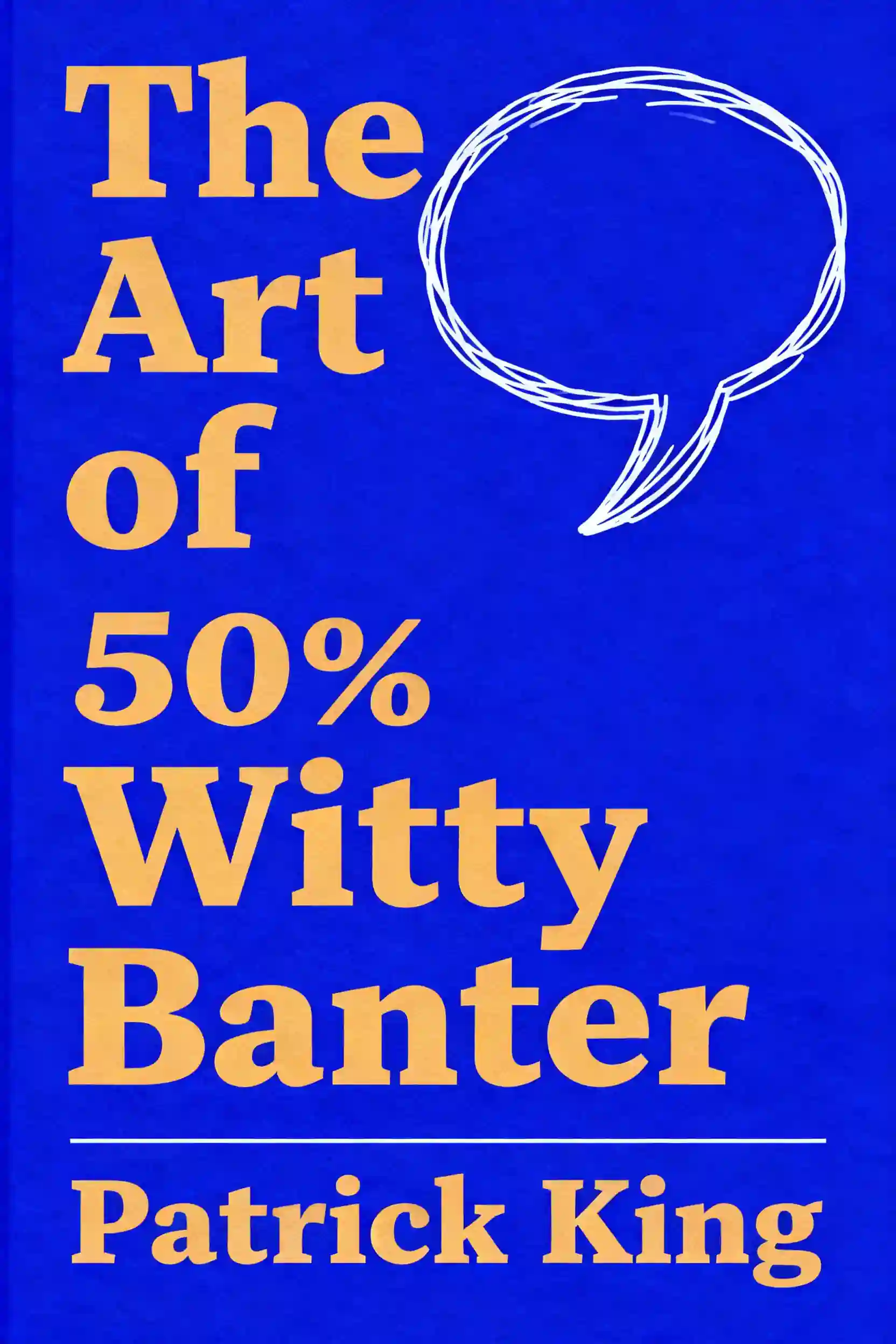
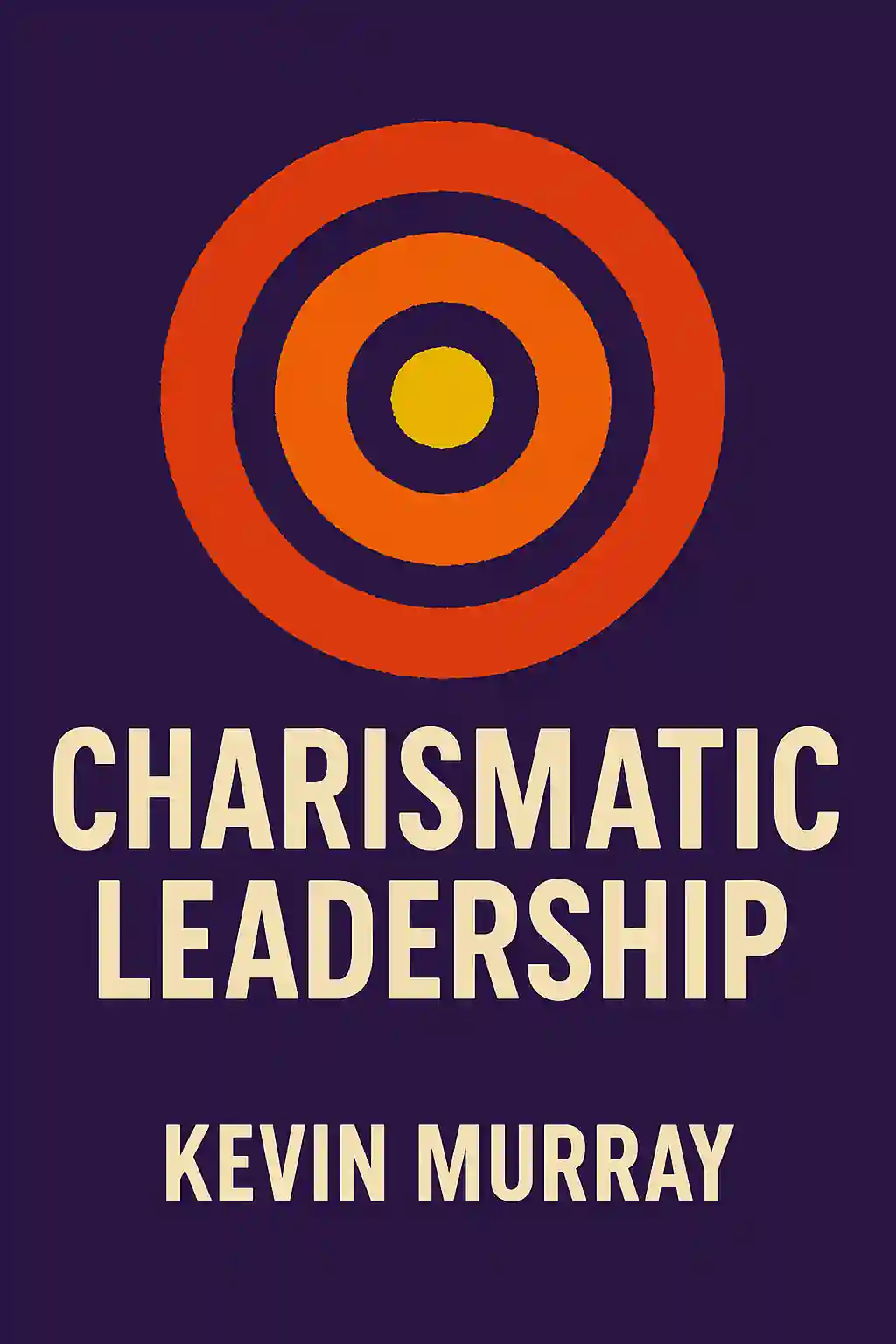
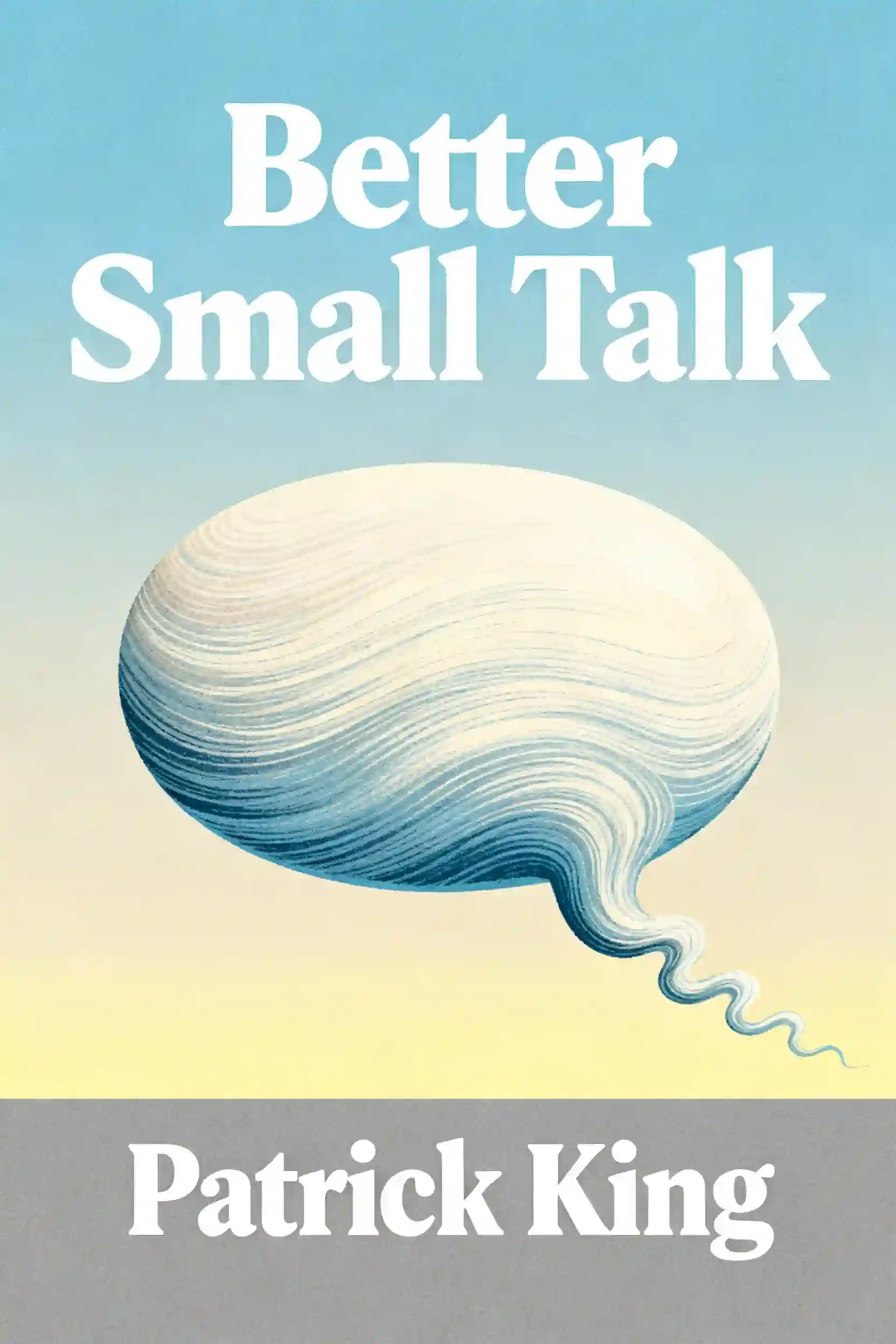
Becoming a more interesting person

자주 묻는 질문
Research suggests that charisma is not a mystical gift but a combination of two specific pillars: influence and affability. Influence refers to your presence, perceived competence, and ability to guide others, while affability is the warmth and approachability that makes others feel comfortable in your presence. Modern terms like "rizz" often describe the smooth confidence and vocal inflections that signal these traits to others.
Hobby hopping acts as a "conversational passport" by providing a broad base of knowledge. Even if you only spend twenty hours learning a new skill, you move from being ignorant to a "knowledgeable novice." This allows you to understand terminology and appreciate the effort involved in that craft, which enables you to ask insightful questions that experts enjoy answering, making you more versatile in various social circles.
Self-confidence is the belief in your ability to perform a specific task, such as telling a joke or initiating a conversation. Self-esteem, however, is your general assessment of your value as a person. If you have low self-esteem, you may feel like a fraud even after a successful social interaction. Building self-esteem through self-acceptance is crucial because it reduces self-consciousness, allowing you to be more present with others.
One effective method is the "ABT" framework, which stands for And, But, Therefore. This structure creates instant tension and resolution by connecting events: "We were doing X and it was fine, but then Y happened, therefore we tried Z." Additionally, using the "Show, Don't Tell" rule helps pull listeners into your world by using sensory details—like the smell of rain or the sound of sneakers—rather than just stating an emotion.
Being interesting is often more about the space you create for others than the stories you tell. Active listening involves using body language, such as leaning in and maintaining natural eye contact, to signal that the speaker is your priority. By shifting the spotlight to the other person and asking open-ended questions about their passions rather than just facts, you become a "conversational magnet" who makes others feel important.
샌프란시스코에서 컬럼비아 대학교 동문들이 만들었습니다
"Instead of endless scrolling, I just hit play on BeFreed. It saves me so much time."


"I never knew where to start with nonfiction—BeFreed’s book lists turned into podcasts gave me a clear path."


"Perfect balance between learning and entertainment. Finished ‘Thinking, Fast and Slow’ on my commute this week."
"Crazy how much I learned while walking the dog. BeFreed = small habits → big gains."
"Reading used to feel like a chore. Now it’s just part of my lifestyle."

"Feels effortless compared to reading. I’ve finished 6 books this month already."
"BeFreed turned my guilty doomscrolling into something that feels productive and inspiring."

"BeFreed turned my commute into learning time. 20-min podcasts are perfect for finishing books I never had time for."
"BeFreed replaced my podcast queue. Imagine Spotify for books — that’s it. 🙌"

"It is great for me to learn something from the book without reading it."
"The themed book list podcasts help me connect ideas across authors—like a guided audio journey."
"Makes me feel smarter every time before going to work"
샌프란시스코에서 컬럼비아 대학교 동문들이 만들었습니다
"Instead of endless scrolling, I just hit play on BeFreed. It saves me so much time."
"I never knew where to start with nonfiction—BeFreed’s book lists turned into podcasts gave me a clear path."
"Perfect balance between learning and entertainment. Finished ‘Thinking, Fast and Slow’ on my commute this week."
"Crazy how much I learned while walking the dog. BeFreed = small habits → big gains."
"Reading used to feel like a chore. Now it’s just part of my lifestyle."
"Feels effortless compared to reading. I’ve finished 6 books this month already."
"BeFreed turned my guilty doomscrolling into something that feels productive and inspiring."
"BeFreed turned my commute into learning time. 20-min podcasts are perfect for finishing books I never had time for."
"BeFreed replaced my podcast queue. Imagine Spotify for books — that’s it. 🙌"
"It is great for me to learn something from the book without reading it."
"The themed book list podcasts help me connect ideas across authors—like a guided audio journey."
"Makes me feel smarter every time before going to work"
"Instead of endless scrolling, I just hit play on BeFreed. It saves me so much time."
"I never knew where to start with nonfiction—BeFreed’s book lists turned into podcasts gave me a clear path."
"Perfect balance between learning and entertainment. Finished ‘Thinking, Fast and Slow’ on my commute this week."
"Crazy how much I learned while walking the dog. BeFreed = small habits → big gains."
"Reading used to feel like a chore. Now it’s just part of my lifestyle."
"Feels effortless compared to reading. I’ve finished 6 books this month already."
"BeFreed turned my guilty doomscrolling into something that feels productive and inspiring."
"BeFreed turned my commute into learning time. 20-min podcasts are perfect for finishing books I never had time for."
"BeFreed replaced my podcast queue. Imagine Spotify for books — that’s it. 🙌"
"It is great for me to learn something from the book without reading it."
"The themed book list podcasts help me connect ideas across authors—like a guided audio journey."
"Makes me feel smarter every time before going to work"
"Instead of endless scrolling, I just hit play on BeFreed. It saves me so much time."
"I never knew where to start with nonfiction—BeFreed’s book lists turned into podcasts gave me a clear path."
"Perfect balance between learning and entertainment. Finished ‘Thinking, Fast and Slow’ on my commute this week."
"Crazy how much I learned while walking the dog. BeFreed = small habits → big gains."
"Reading used to feel like a chore. Now it’s just part of my lifestyle."
"Feels effortless compared to reading. I’ve finished 6 books this month already."
"BeFreed turned my guilty doomscrolling into something that feels productive and inspiring."
"BeFreed turned my commute into learning time. 20-min podcasts are perfect for finishing books I never had time for."
"BeFreed replaced my podcast queue. Imagine Spotify for books — that’s it. 🙌"
"It is great for me to learn something from the book without reading it."
"The themed book list podcasts help me connect ideas across authors—like a guided audio journey."
"Makes me feel smarter every time before going to work"