Section 1: The New Blueprint—Why Everything Just Changed
Lena: Hey everyone, welcome to the session. You know, I was looking over the new requirements for becoming an insurance broker in Ontario, and I found something that really caught me off guard. If you’re sitting down to study for the RIBO Level 1 exam today, you aren't just looking at a few updated questions. As of January 1, 2025, the entire foundation of how the Registered Insurance Brokers of Ontario evaluates new talent has shifted from a "what do you know" model to a "what can you actually do" model .
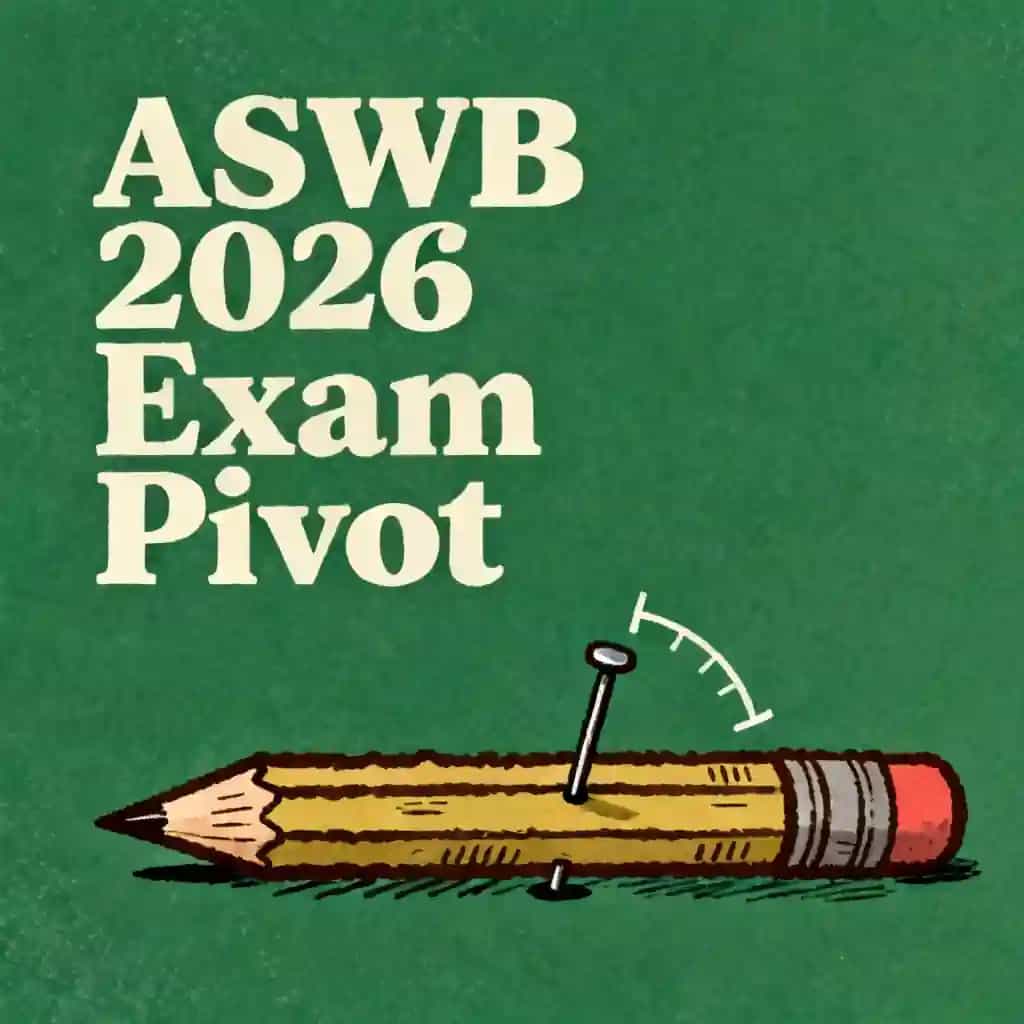
Miles: It’s a massive pivot. For the longest time, professional exams were basically about memorizing the book and spitting it back out. But the new Competency Profile and Blueprint that went live at the start of last year—meaning it's been the standard for over sixteen months now—is all about practical application . They’ve moved toward testing how you handle a client who’s panicking about a flooded basement or how you navigate a complex commercial contract.
Lena: That’s exactly what strikes me. It’s less about being a walking encyclopedia and more about being a functional professional. They’ve actually outlined ten core competencies that they track now, ranging from legal compliance to relationship management and even continuous learning . It’s a more holistic look at the career.
Miles: And for our listeners, that means your study strategy has to change. You can't just highlight definitions. You have to look at the "Blueprint" which tells you exactly how many questions land in each bucket. For instance, did you know there are now twenty questions dedicated specifically to Commercial Lines? That’s a brand-new content domain as of 2025 .
Lena: It’s a lot to take in, but it’s actually designed to make you a better broker on day one. The exam is still a three-hour marathon with 115 multiple-choice questions, including 15 unscored pilot questions, and you still need that 75 percent to pass . But the way those questions are weighted—especially with the new focus on "Personal Lines Habitational" and "Personal Lines Automobile"—means you need to be very strategic about where you put your energy .
Miles: Totally. It's about working smarter, not just longer. If you understand the structure, you can anticipate the "why" behind the questions. So, let’s pull back the curtain on these ten competencies and see how they actually show up when you’re staring at that exam screen.