The Physical Cost of AI: Energy, Water, and Environmental Impact
Explore the environmental impact of AI, from massive energy consumption and carbon emissions to billions of gallons of freshwater used by global data centers.
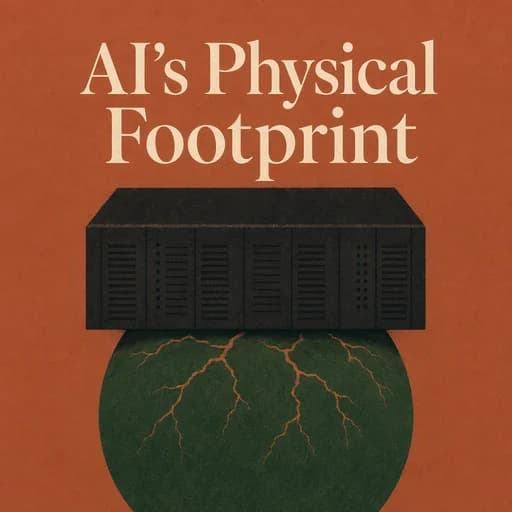
The Physical Cost of AI: Energy, Water, and Environmental Impact 베스트 인용
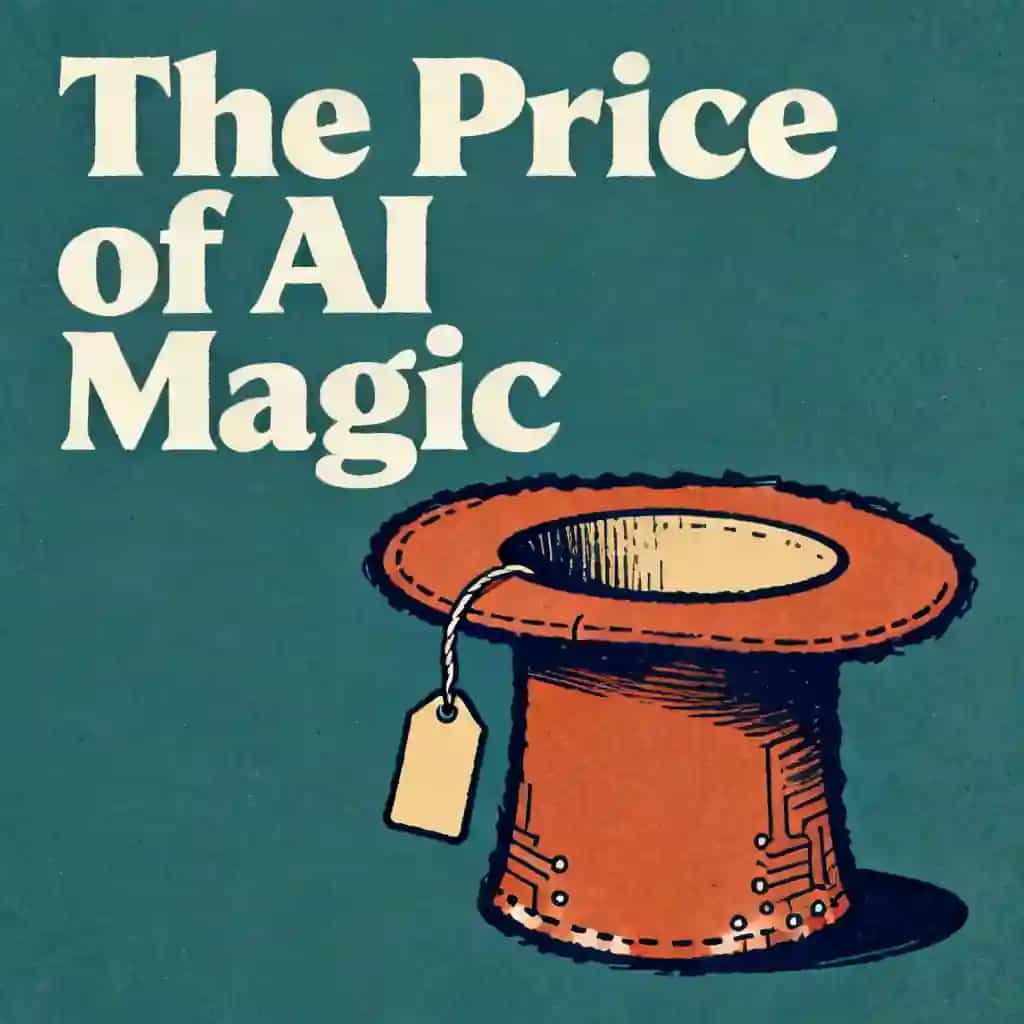
Every time you interact with an artificial intelligence model, you are triggering a chain reaction of resource consumption that stretches across the globe. We aren't just talking about a little bit of electricity here; we are talking about billions of gallons of freshwater, tons of carbon emissions, and the physical transformation of quiet neighborhoods into industrial hubs.
Generated by Mike
A deep research lesson on the energy use and environmental impact of Generative AI, covering both model training and inference. Analyze hard data on electricity consumption, water usage, non-renewable energy, chemicals, and community pollution. Evaluate claims from pro-AI advocates and environmental detractors to find objective datasets. Include case studies on Meta, Microsoft, OpenAI, Anthropic, and other hyperscalers, specifically regarding their data center buildout projects and the environmental footprint of their model lifecycles.

![[2505.09598v6] How Hungry is AI? Benchmarking Energy, Water, and Carbon Footprint of LLM Inference](https://d1y2du6z1jfm9e.cloudfront.net/assets/podcast/purple.png)




자주 묻는 질문
The physical cost of AI involves a significant chain reaction of resource consumption that includes billions of gallons of freshwater and substantial carbon emissions. While digital interactions feel weightless, every prompt triggers a physical reality where quiet neighborhoods are transformed into industrial hubs. Research indicates that a single long-form query can consume as much electricity as running a large LED television for thirteen minutes.
There are conflicting reports regarding the energy efficiency of AI versus traditional search engines. Early estimates suggested that an AI search could be ten times more expensive than a standard Google search. While tech giants claim massive efficiency gains have made the impact negligible, the actual environmental impact often lies in a complex middle ground between these two extremes.
AI resource consumption scales rapidly when hundreds of millions of people use these tools daily, leading to staggering numbers in electricity and water usage. Beyond the electricity required to power reasoning models, the industry consumes billions of gallons of freshwater to maintain data centers. This high demand contributes to a larger environmental footprint involving carbon emissions and the industrialization of local areas.
샌프란시스코에서 컬럼비아 대학교 동문들이 만들었습니다
"Instead of endless scrolling, I just hit play on BeFreed. It saves me so much time."


"I never knew where to start with nonfiction—BeFreed’s book lists turned into podcasts gave me a clear path."


"Perfect balance between learning and entertainment. Finished ‘Thinking, Fast and Slow’ on my commute this week."
"Crazy how much I learned while walking the dog. BeFreed = small habits → big gains."
"Reading used to feel like a chore. Now it’s just part of my lifestyle."

"Feels effortless compared to reading. I’ve finished 6 books this month already."
"BeFreed turned my guilty doomscrolling into something that feels productive and inspiring."

"BeFreed turned my commute into learning time. 20-min podcasts are perfect for finishing books I never had time for."
"BeFreed replaced my podcast queue. Imagine Spotify for books — that’s it. 🙌"

"It is great for me to learn something from the book without reading it."
"The themed book list podcasts help me connect ideas across authors—like a guided audio journey."
"Makes me feel smarter every time before going to work"
 Ask ChatGPT
 Ask Claude
샌프란시스코에서 컬럼비아 대학교 동문들이 만들었습니다
"Instead of endless scrolling, I just hit play on BeFreed. It saves me so much time."
"I never knew where to start with nonfiction—BeFreed’s book lists turned into podcasts gave me a clear path."
"Perfect balance between learning and entertainment. Finished ‘Thinking, Fast and Slow’ on my commute this week."
"Crazy how much I learned while walking the dog. BeFreed = small habits → big gains."
"Reading used to feel like a chore. Now it’s just part of my lifestyle."
"Feels effortless compared to reading. I’ve finished 6 books this month already."
"BeFreed turned my guilty doomscrolling into something that feels productive and inspiring."
"BeFreed turned my commute into learning time. 20-min podcasts are perfect for finishing books I never had time for."
"BeFreed replaced my podcast queue. Imagine Spotify for books — that’s it. 🙌"
"It is great for me to learn something from the book without reading it."
"The themed book list podcasts help me connect ideas across authors—like a guided audio journey."
"Makes me feel smarter every time before going to work"
"Instead of endless scrolling, I just hit play on BeFreed. It saves me so much time."
"I never knew where to start with nonfiction—BeFreed’s book lists turned into podcasts gave me a clear path."
"Perfect balance between learning and entertainment. Finished ‘Thinking, Fast and Slow’ on my commute this week."
"Crazy how much I learned while walking the dog. BeFreed = small habits → big gains."
"Reading used to feel like a chore. Now it’s just part of my lifestyle."
"Feels effortless compared to reading. I’ve finished 6 books this month already."
"BeFreed turned my guilty doomscrolling into something that feels productive and inspiring."
"BeFreed turned my commute into learning time. 20-min podcasts are perfect for finishing books I never had time for."
"BeFreed replaced my podcast queue. Imagine Spotify for books — that’s it. 🙌"
"It is great for me to learn something from the book without reading it."
"The themed book list podcasts help me connect ideas across authors—like a guided audio journey."
"Makes me feel smarter every time before going to work"
"Instead of endless scrolling, I just hit play on BeFreed. It saves me so much time."
"I never knew where to start with nonfiction—BeFreed’s book lists turned into podcasts gave me a clear path."
"Perfect balance between learning and entertainment. Finished ‘Thinking, Fast and Slow’ on my commute this week."
"Crazy how much I learned while walking the dog. BeFreed = small habits → big gains."
"Reading used to feel like a chore. Now it’s just part of my lifestyle."
"Feels effortless compared to reading. I’ve finished 6 books this month already."
"BeFreed turned my guilty doomscrolling into something that feels productive and inspiring."
"BeFreed turned my commute into learning time. 20-min podcasts are perfect for finishing books I never had time for."
"BeFreed replaced my podcast queue. Imagine Spotify for books — that’s it. 🙌"
"It is great for me to learn something from the book without reading it."
"The themed book list podcasts help me connect ideas across authors—like a guided audio journey."
"Makes me feel smarter every time before going to work"

![[47b6da3b-a464-4316-8b82-af70cb9bf146:c0000] Rays, >> raise >> Paris. Paris, Paris, Paris. Paris is be… p1-1](/_next/image?url=https%3A%2F%2Fd1y2du6z1jfm9e.cloudfront.net%2Fassets%2Fpodcast%2Fgreen.png&w=1024&q=50)
![[47b6da3b-a464-4316-8b82-af70cb9bf146:c0001] Rays, >> raise >> Paris. Paris, Paris, Paris. Paris is be… p1-1](/_next/image?url=https%3A%2F%2Fd1y2du6z1jfm9e.cloudfront.net%2Fassets%2Fpodcast%2Fyellow.png&w=1024&q=50)
![[0e0b5e2c-a4ef-488b-93bd-68ee55cf8209:c0000] Why SaaS freemium playbooks don’t work in AI, and what to do instead p1-1](/_next/image?url=https%3A%2F%2Fd1y2du6z1jfm9e.cloudfront.net%2Fassets%2Fpodcast%2Fpurple.png&w=1024&q=50)


![[3235bd8c-97b4-44f6-ab38-485801db41c1:c0003] Last night, sometime around 7 PM, You pulled out your pho… p1-1](/_next/image?url=https%3A%2F%2Fd1y2du6z1jfm9e.cloudfront.net%2Fassets%2Fpodcast%2Fblue.png&w=1024&q=50)