The Nez Perce Legacy
Discover the remarkable story of the Nimíipuu people, from their pioneering horse breeding skills to their 1,170-mile journey for freedom, and how they've maintained their cultural identity despite historical challenges.

The Nez Perce Legacy 베스트 인용
The Nez Perce understand that cultures survive by evolving, not by freezing in place; they are not trying to be museum pieces, but to honor the past while adapting to current realities.

이 오디오 레슨은 BeFreed 커뮤니티 멤버가 만들었습니다
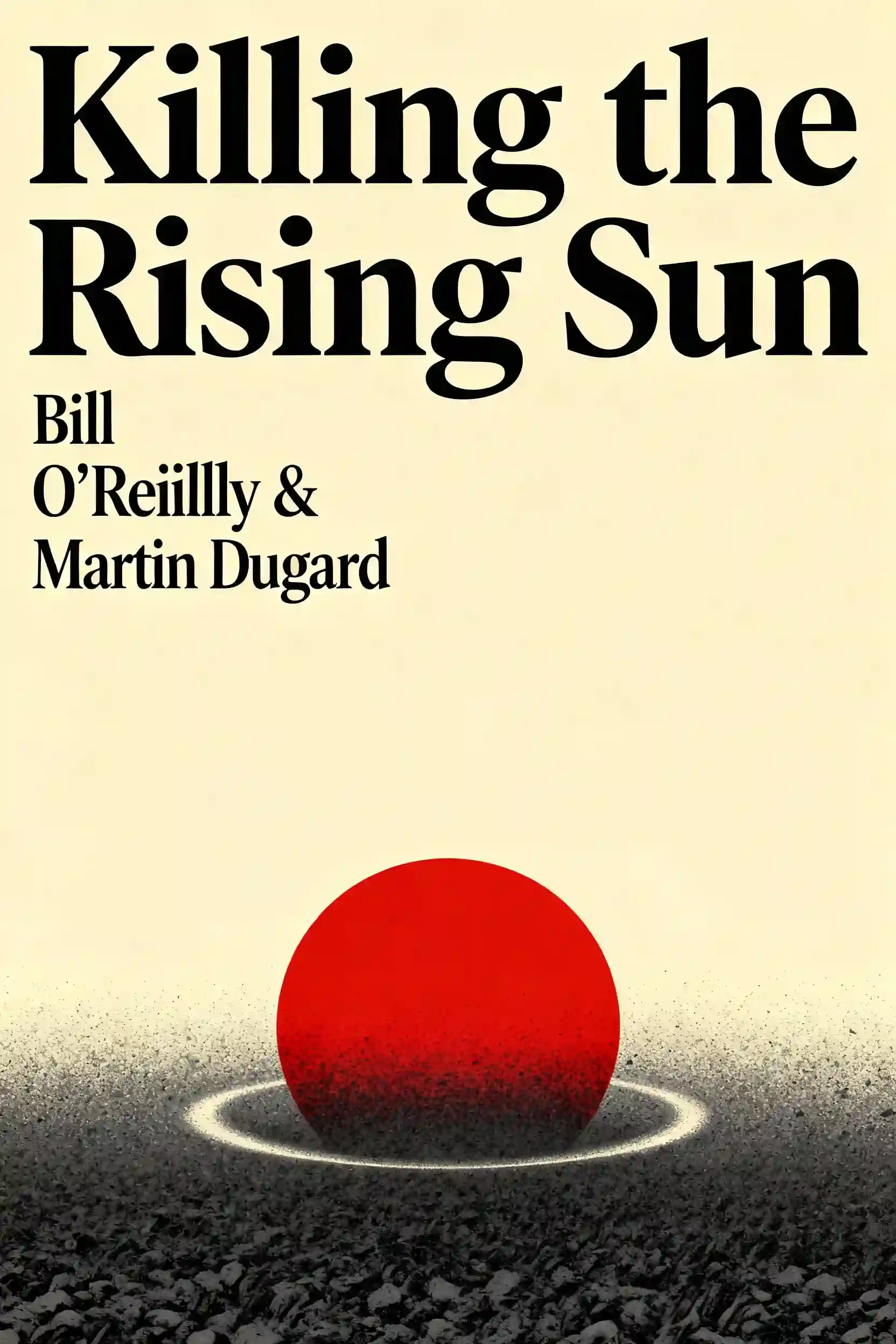
Nez Perce

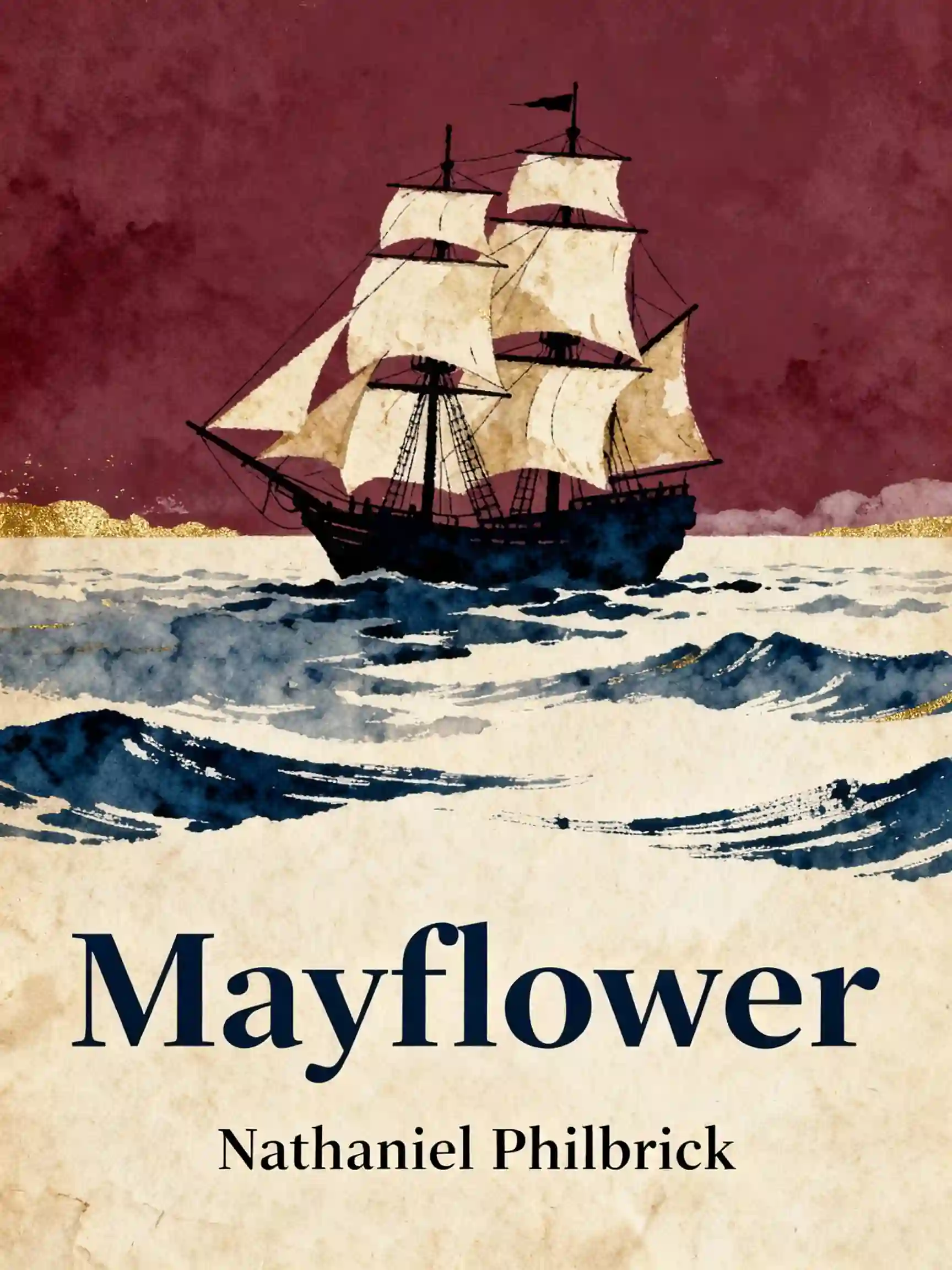
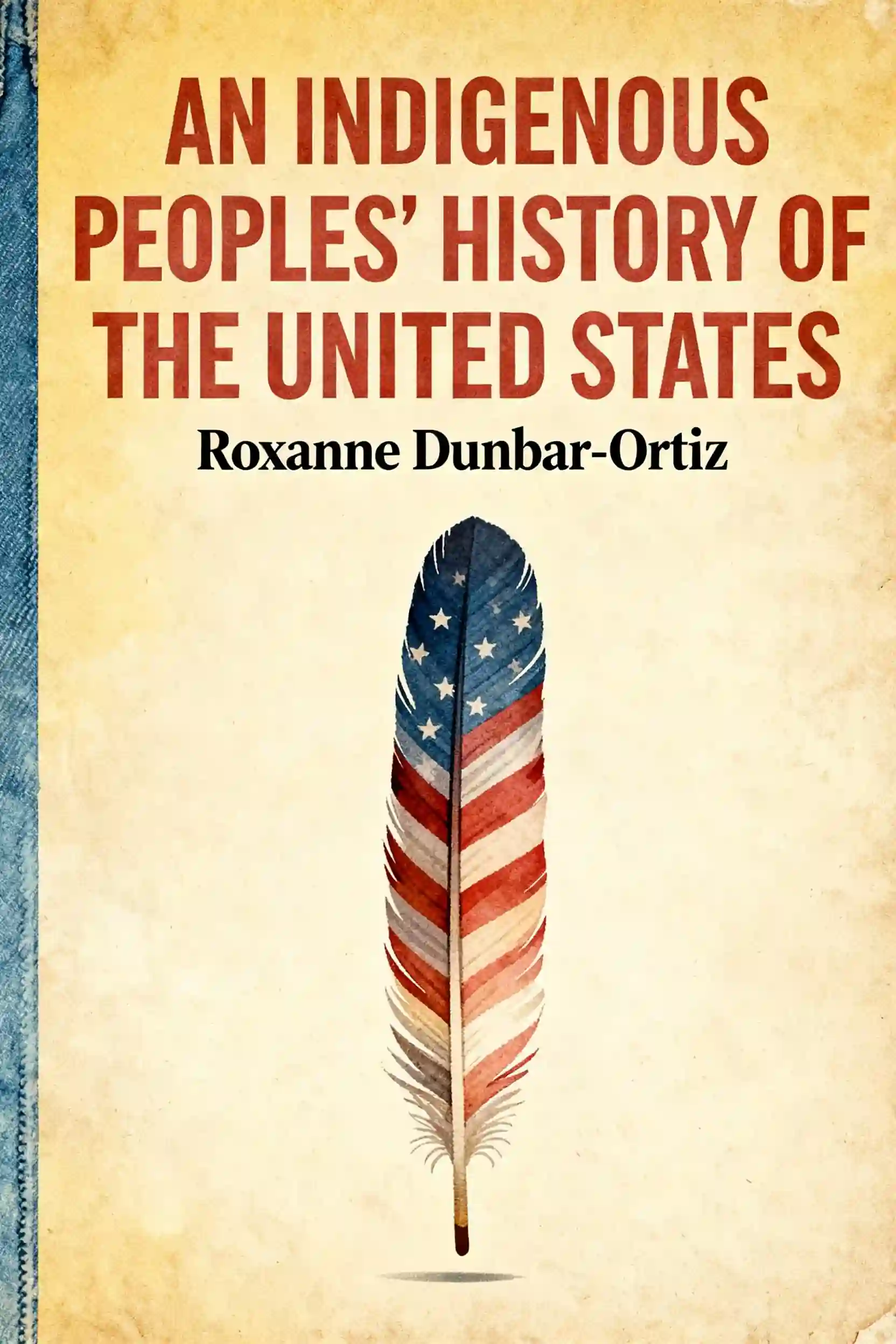
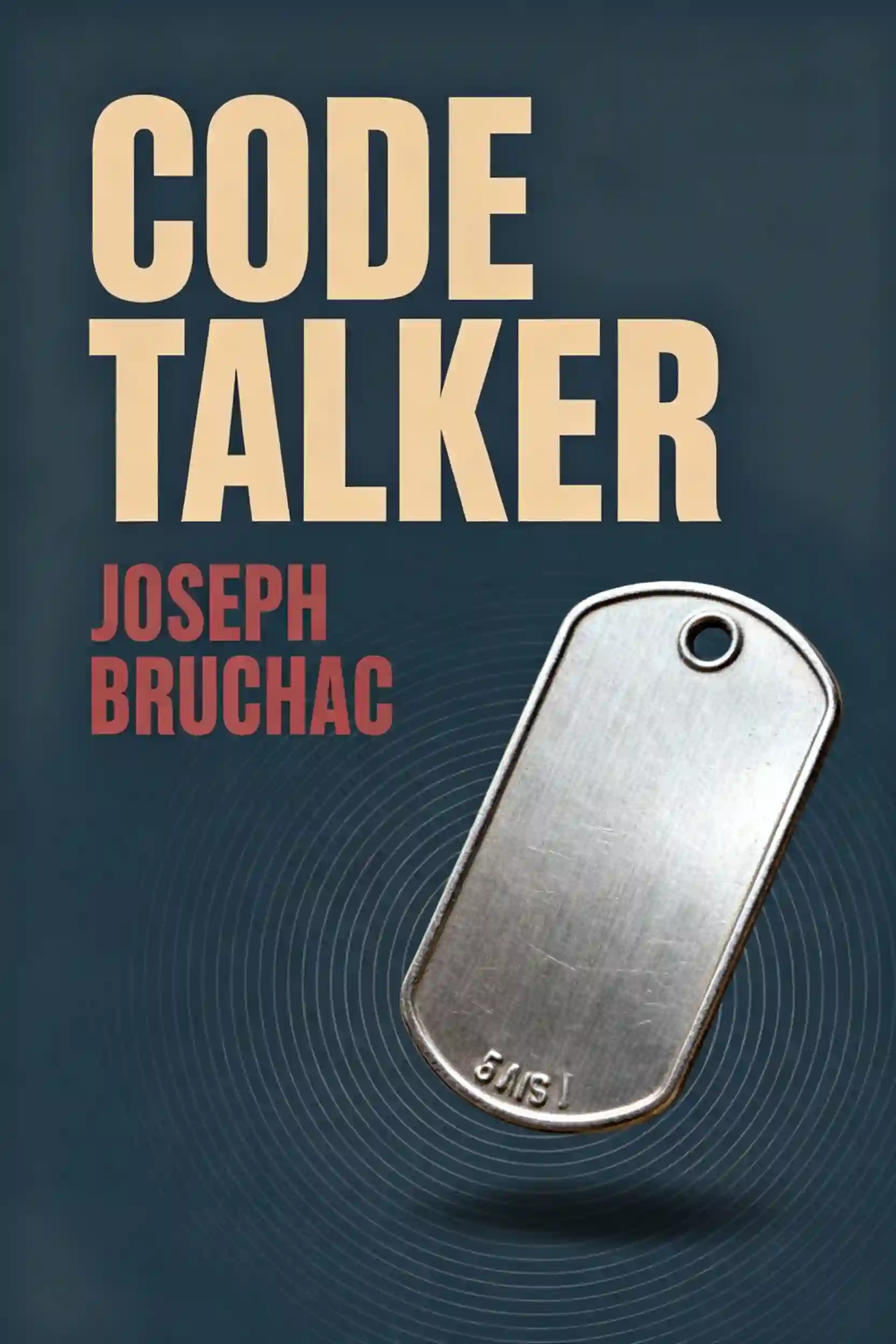
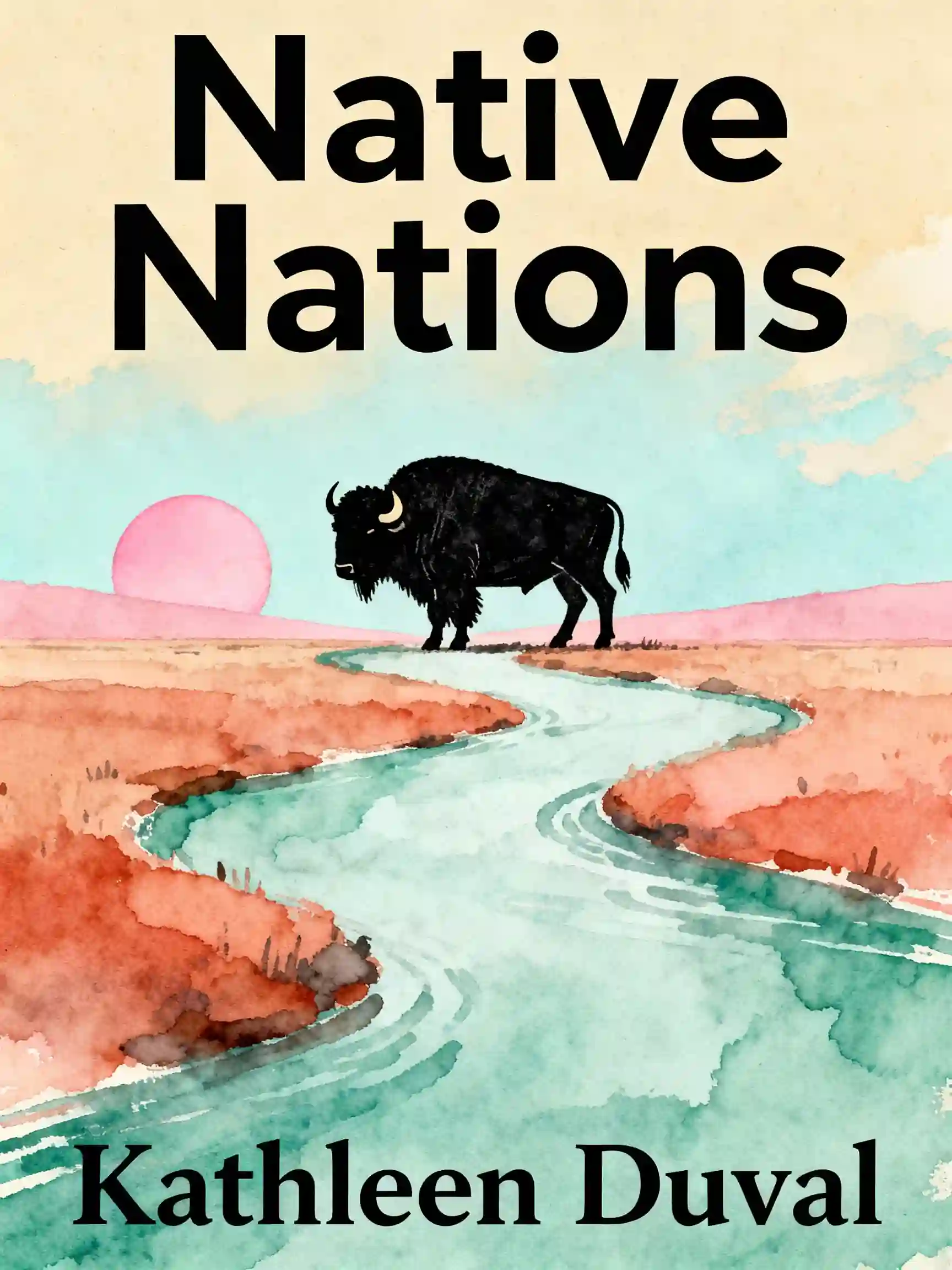
더 알아보기

Local historical records
This learning plan empowers community members, educators, and amateur historians to become stewards of their local heritage. It's ideal for genealogy enthusiasts, teachers developing local curriculum, retirees exploring their roots, or anyone passionate about preserving the stories that make their community unique before they're lost to time.
Homegoing: Key Characters & Plot Summary
This plan is essential for readers and students seeking a deep dive into the historical and psychological layers of Yaa Gyasi’s epic. It is perfect for literature enthusiasts interested in how generational trauma and colonial legacies shape modern identity.

History: From Empires to Myths
This learning plan bridges the gap between empirical history and enduring legends, offering a multidisciplinary look at how civilizations leave their mark. It is ideal for history enthusiasts, archaeology buffs, and curious minds who want to understand the intersection of human innovation and mythic storytelling.

the history and philosophy of zen
This learning plan offers a comprehensive bridge between ancient spiritual lineage and modern psychological well-being. It is ideal for seekers, history buffs, and professionals looking to cultivate resilience and simplicity in an increasingly complex world.

The Language of Mountains
This plan is essential for outdoor professionals and enthusiasts who need to bridge the gap between geological theory and practical wilderness survival. It is ideal for search-and-rescue teams, expedition leaders, and serious hikers looking to master high-stakes navigation and terrain strategy.

Bridge the Interspecies Gap
This learning plan is essential for animal lovers, pet owners, and conservationists looking to move beyond physical cues into intuitive understanding. It provides a structured path to quiet the ego and develop the specific sensory skills needed to truly hear what other species are communicating.

The Weaver's Legacy: Historic Textiles
This plan bridges the gap between material science and fashion history, offering a deep dive into how textiles shaped human culture. It is ideal for aspiring historians, costume designers, and textile enthusiasts looking to master heritage craft techniques.
L'épopée protestante : des Apôtres au CNEF
Ce parcours offre une synthèse historique et théologique indispensable pour comprendre l'identité protestante d'hier à aujourd'hui. Il s'adresse aux étudiants en histoire, aux passionnés de théologie ou à toute personne souhaitant saisir la diversité du protestantisme français actuel.
샌프란시스코에서 컬럼비아 대학교 동문들이 만들었습니다
"Instead of endless scrolling, I just hit play on BeFreed. It saves me so much time."


"I never knew where to start with nonfiction—BeFreed’s book lists turned into podcasts gave me a clear path."


"Perfect balance between learning and entertainment. Finished ‘Thinking, Fast and Slow’ on my commute this week."
"Crazy how much I learned while walking the dog. BeFreed = small habits → big gains."
"Reading used to feel like a chore. Now it’s just part of my lifestyle."

"Feels effortless compared to reading. I’ve finished 6 books this month already."
"BeFreed turned my guilty doomscrolling into something that feels productive and inspiring."

"BeFreed turned my commute into learning time. 20-min podcasts are perfect for finishing books I never had time for."
"BeFreed replaced my podcast queue. Imagine Spotify for books — that’s it. 🙌"

"It is great for me to learn something from the book without reading it."
"The themed book list podcasts help me connect ideas across authors—like a guided audio journey."
"Makes me feel smarter every time before going to work"
샌프란시스코에서 컬럼비아 대학교 동문들이 만들었습니다
"Instead of endless scrolling, I just hit play on BeFreed. It saves me so much time."
"I never knew where to start with nonfiction—BeFreed’s book lists turned into podcasts gave me a clear path."
"Perfect balance between learning and entertainment. Finished ‘Thinking, Fast and Slow’ on my commute this week."
"Crazy how much I learned while walking the dog. BeFreed = small habits → big gains."
"Reading used to feel like a chore. Now it’s just part of my lifestyle."
"Feels effortless compared to reading. I’ve finished 6 books this month already."
"BeFreed turned my guilty doomscrolling into something that feels productive and inspiring."
"BeFreed turned my commute into learning time. 20-min podcasts are perfect for finishing books I never had time for."
"BeFreed replaced my podcast queue. Imagine Spotify for books — that’s it. 🙌"
"It is great for me to learn something from the book without reading it."
"The themed book list podcasts help me connect ideas across authors—like a guided audio journey."
"Makes me feel smarter every time before going to work"
"Instead of endless scrolling, I just hit play on BeFreed. It saves me so much time."
"I never knew where to start with nonfiction—BeFreed’s book lists turned into podcasts gave me a clear path."
"Perfect balance between learning and entertainment. Finished ‘Thinking, Fast and Slow’ on my commute this week."
"Crazy how much I learned while walking the dog. BeFreed = small habits → big gains."
"Reading used to feel like a chore. Now it’s just part of my lifestyle."
"Feels effortless compared to reading. I’ve finished 6 books this month already."
"BeFreed turned my guilty doomscrolling into something that feels productive and inspiring."
"BeFreed turned my commute into learning time. 20-min podcasts are perfect for finishing books I never had time for."
"BeFreed replaced my podcast queue. Imagine Spotify for books — that’s it. 🙌"
"It is great for me to learn something from the book without reading it."
"The themed book list podcasts help me connect ideas across authors—like a guided audio journey."
"Makes me feel smarter every time before going to work"
"Instead of endless scrolling, I just hit play on BeFreed. It saves me so much time."
"I never knew where to start with nonfiction—BeFreed’s book lists turned into podcasts gave me a clear path."
"Perfect balance between learning and entertainment. Finished ‘Thinking, Fast and Slow’ on my commute this week."
"Crazy how much I learned while walking the dog. BeFreed = small habits → big gains."
"Reading used to feel like a chore. Now it’s just part of my lifestyle."
"Feels effortless compared to reading. I’ve finished 6 books this month already."
"BeFreed turned my guilty doomscrolling into something that feels productive and inspiring."
"BeFreed turned my commute into learning time. 20-min podcasts are perfect for finishing books I never had time for."
"BeFreed replaced my podcast queue. Imagine Spotify for books — that’s it. 🙌"
"It is great for me to learn something from the book without reading it."
"The themed book list podcasts help me connect ideas across authors—like a guided audio journey."
"Makes me feel smarter every time before going to work"