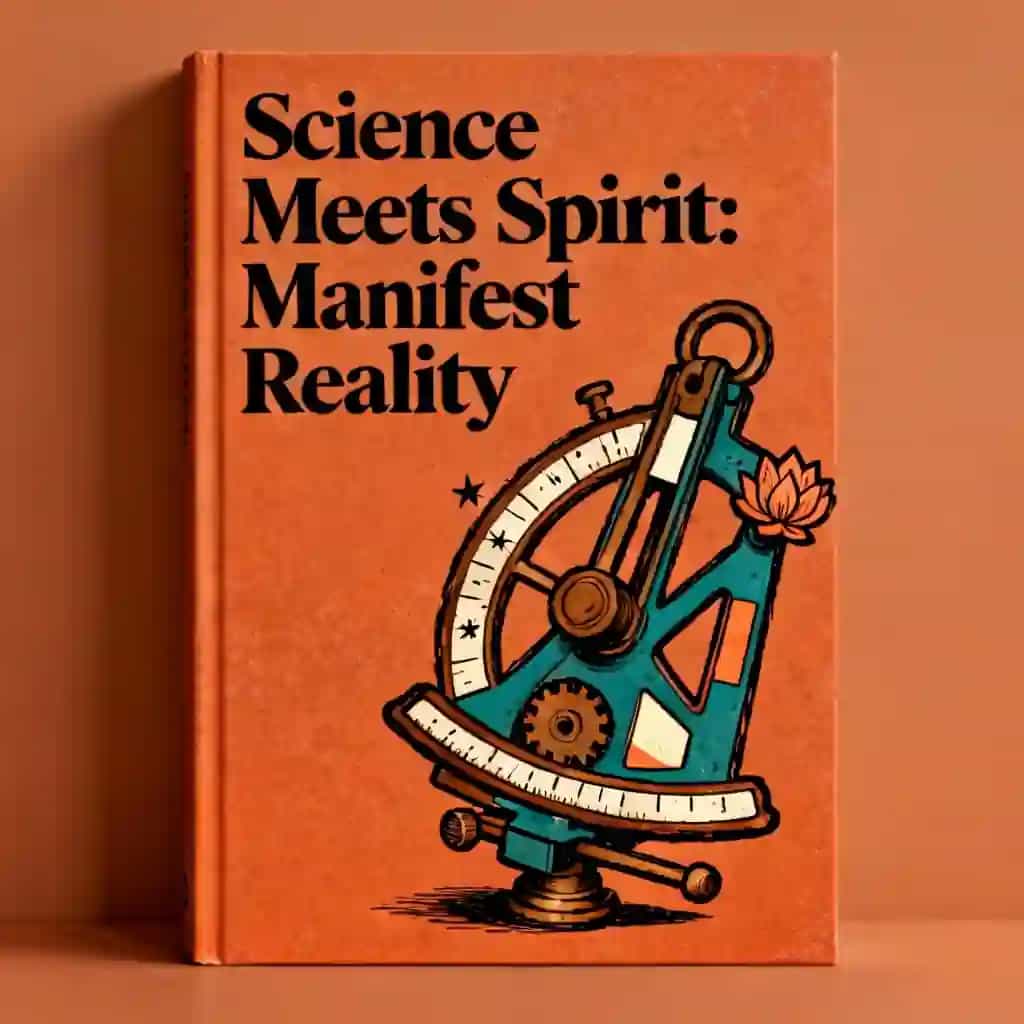
The Neuroscience of Manifestation
Discover how to bridge the gap between intention and reality by leveraging neuroplasticity and the science of focus to rewire your brain for success.

The Neuroscience of Manifestation 베스트 인용
Manifestation is really just intentional living; it’s the disciplined practice of choosing who you want to be and training your brain to build the mental and behavioral architecture to inhabit that vision.
Generated by Courtney
How to Manifesting anything and the science behind how it actually works

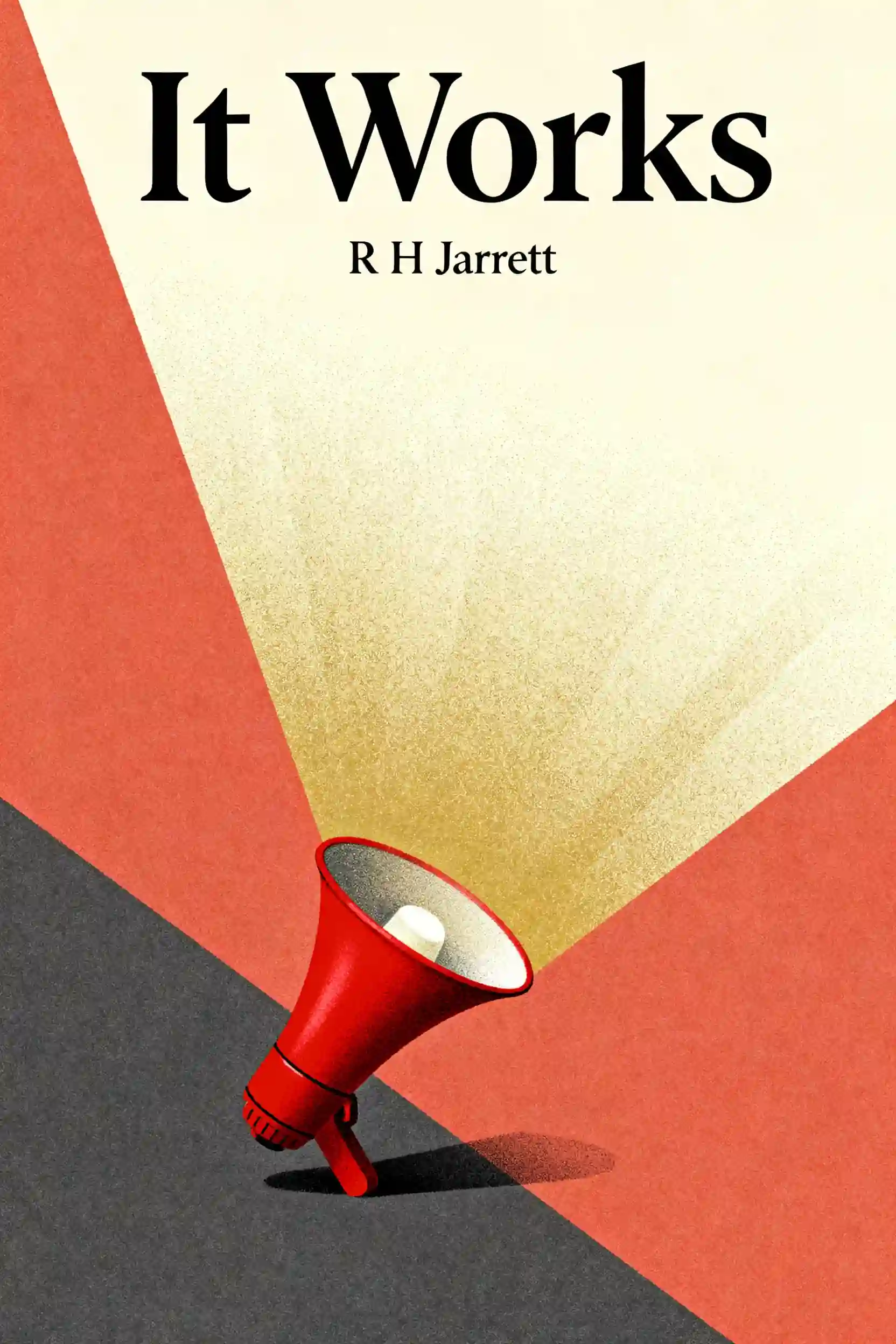
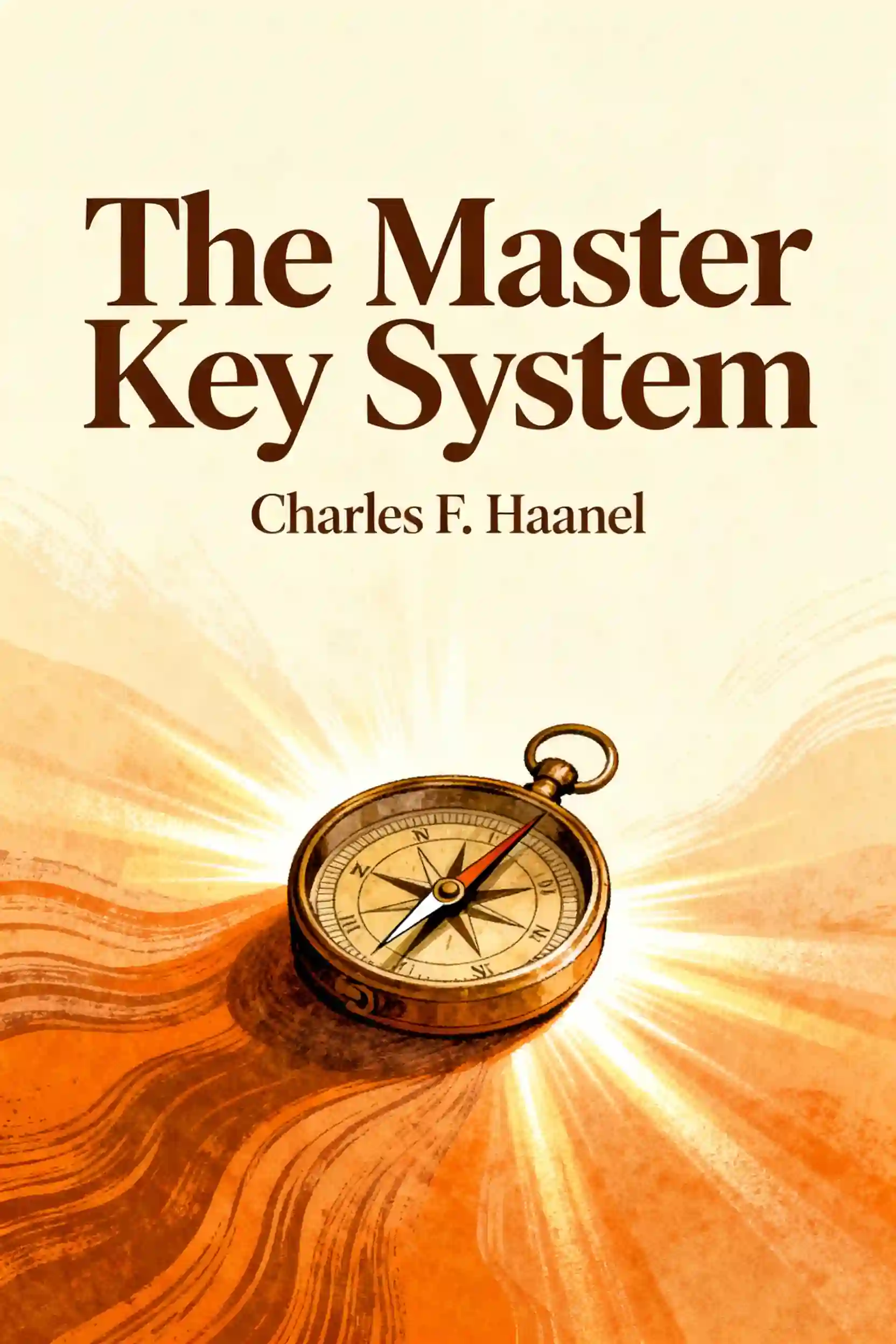
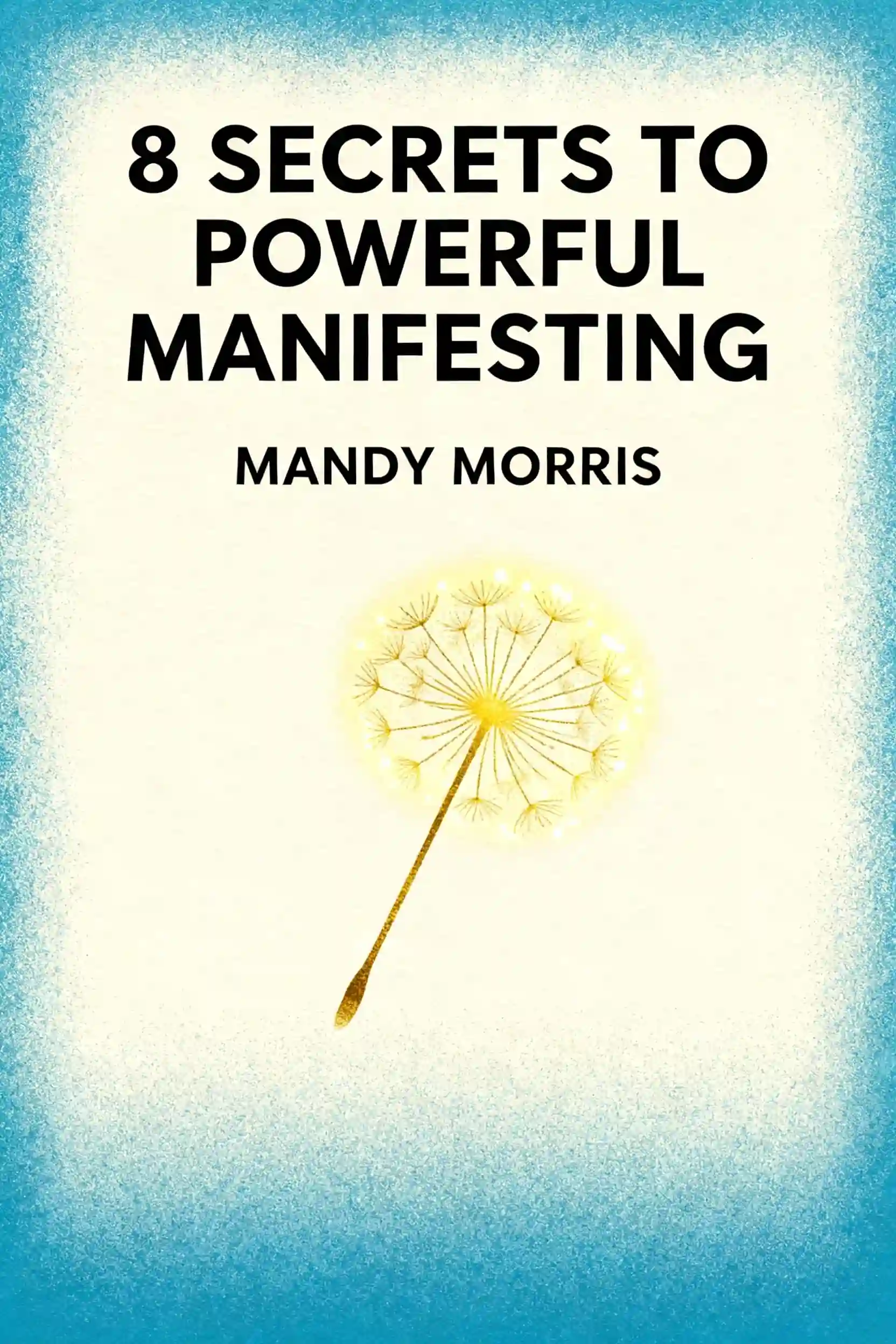
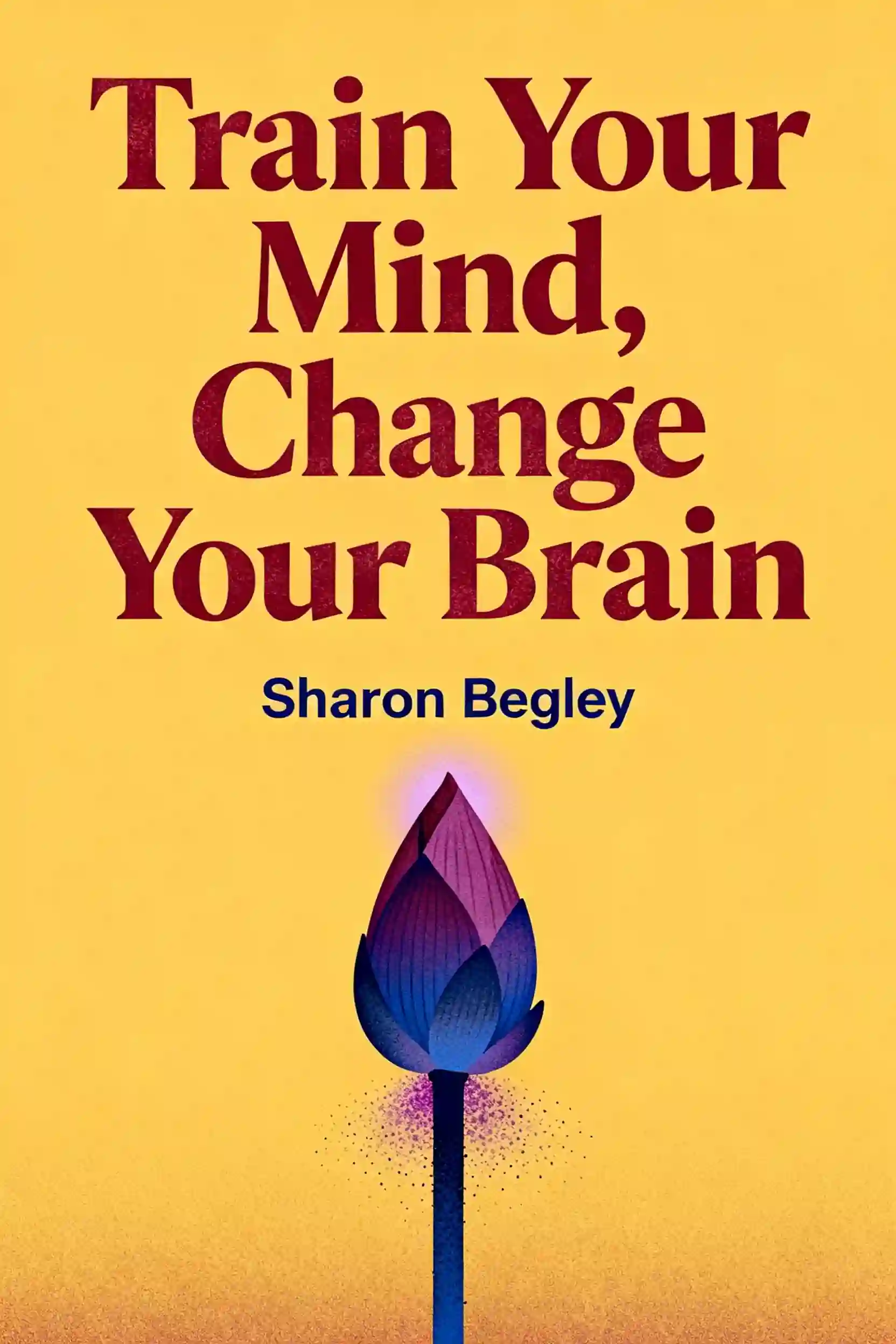
자주 묻는 질문
The RAS acts as the brain's gatekeeper or spam filter, deciding which of the millions of bits of data we encounter every second are important enough to enter our conscious awareness. When you set a clear, emotionally charged intention, you are essentially giving the RAS a new "search query." This biological mechanism doesn't "create" new opportunities out of thin air; rather, it shifts your selective attention so that you finally notice resources, people, and chances that were already present in your environment but previously filtered out.
Visualizing only the end goal, such as a trophy or a paycheck, can actually trick the brain into feeling as though the work is already finished, which may drain your motivation. In contrast, visualizing the process—the specific steps, handling tools, or staying calm under pressure—primes the engine for action. Research involving surgeons and police officers shows that process-oriented mental rehearsal improves performance and lowers stress. Using "mental contrasting" to visualize the desired future alongside the current obstacles creates a "mental bridge" that keeps dopamine levels high and motivation steady.
Cognitive dissonance is the psychological discomfort or "fake" feeling you experience when your current reality does not match a new belief you are trying to adopt. For example, if you affirm "I deserve respect" while in a toxic environment, your brain senses a mismatch. However, this tension serves as a powerful motivator; it creates internal pressure that eventually forces you to align your external life and boundaries with the new neural pathways you are building.
Emotions act as amplifiers for our thoughts, with the amygdala and limbic system "tagging" emotionally charged intentions as high priority. Conversely, high stress triggers cortisol, which narrows focus to immediate survival threats and impairs the prefrontal cortex—the area responsible for creative problem-solving. By practicing gratitude or grounding exercises, you move the body into a parasympathetic state, creating the "fertile soil" necessary for the brain to see long-term opportunities rather than just immediate dangers.
The WOOP method stands for Wish, Outcome, Obstacle, and Plan. It is a practical framework designed to ground manifestation in reality rather than "rosy fantasies." By identifying a wish and its positive outcome, and then immediately identifying the likely obstacles and a specific plan to handle them, you create "implementation intentions." This approach reduces decision fatigue and programs your behavior so that you act automatically when challenges arise.
샌프란시스코에서 컬럼비아 대학교 동문들이 만들었습니다
"Instead of endless scrolling, I just hit play on BeFreed. It saves me so much time."


"I never knew where to start with nonfiction—BeFreed’s book lists turned into podcasts gave me a clear path."


"Perfect balance between learning and entertainment. Finished ‘Thinking, Fast and Slow’ on my commute this week."
"Crazy how much I learned while walking the dog. BeFreed = small habits → big gains."
"Reading used to feel like a chore. Now it’s just part of my lifestyle."

"Feels effortless compared to reading. I’ve finished 6 books this month already."
"BeFreed turned my guilty doomscrolling into something that feels productive and inspiring."

"BeFreed turned my commute into learning time. 20-min podcasts are perfect for finishing books I never had time for."
"BeFreed replaced my podcast queue. Imagine Spotify for books — that’s it. 🙌"

"It is great for me to learn something from the book without reading it."
"The themed book list podcasts help me connect ideas across authors—like a guided audio journey."
"Makes me feel smarter every time before going to work"
샌프란시스코에서 컬럼비아 대학교 동문들이 만들었습니다
"Instead of endless scrolling, I just hit play on BeFreed. It saves me so much time."
"I never knew where to start with nonfiction—BeFreed’s book lists turned into podcasts gave me a clear path."
"Perfect balance between learning and entertainment. Finished ‘Thinking, Fast and Slow’ on my commute this week."
"Crazy how much I learned while walking the dog. BeFreed = small habits → big gains."
"Reading used to feel like a chore. Now it’s just part of my lifestyle."
"Feels effortless compared to reading. I’ve finished 6 books this month already."
"BeFreed turned my guilty doomscrolling into something that feels productive and inspiring."
"BeFreed turned my commute into learning time. 20-min podcasts are perfect for finishing books I never had time for."
"BeFreed replaced my podcast queue. Imagine Spotify for books — that’s it. 🙌"
"It is great for me to learn something from the book without reading it."
"The themed book list podcasts help me connect ideas across authors—like a guided audio journey."
"Makes me feel smarter every time before going to work"
"Instead of endless scrolling, I just hit play on BeFreed. It saves me so much time."
"I never knew where to start with nonfiction—BeFreed’s book lists turned into podcasts gave me a clear path."
"Perfect balance between learning and entertainment. Finished ‘Thinking, Fast and Slow’ on my commute this week."
"Crazy how much I learned while walking the dog. BeFreed = small habits → big gains."
"Reading used to feel like a chore. Now it’s just part of my lifestyle."
"Feels effortless compared to reading. I’ve finished 6 books this month already."
"BeFreed turned my guilty doomscrolling into something that feels productive and inspiring."
"BeFreed turned my commute into learning time. 20-min podcasts are perfect for finishing books I never had time for."
"BeFreed replaced my podcast queue. Imagine Spotify for books — that’s it. 🙌"
"It is great for me to learn something from the book without reading it."
"The themed book list podcasts help me connect ideas across authors—like a guided audio journey."
"Makes me feel smarter every time before going to work"
"Instead of endless scrolling, I just hit play on BeFreed. It saves me so much time."
"I never knew where to start with nonfiction—BeFreed’s book lists turned into podcasts gave me a clear path."
"Perfect balance between learning and entertainment. Finished ‘Thinking, Fast and Slow’ on my commute this week."
"Crazy how much I learned while walking the dog. BeFreed = small habits → big gains."
"Reading used to feel like a chore. Now it’s just part of my lifestyle."
"Feels effortless compared to reading. I’ve finished 6 books this month already."
"BeFreed turned my guilty doomscrolling into something that feels productive and inspiring."
"BeFreed turned my commute into learning time. 20-min podcasts are perfect for finishing books I never had time for."
"BeFreed replaced my podcast queue. Imagine Spotify for books — that’s it. 🙌"
"It is great for me to learn something from the book without reading it."
"The themed book list podcasts help me connect ideas across authors—like a guided audio journey."
"Makes me feel smarter every time before going to work"