The Nazca Lines Are Simpler Than You Think 베스트 인용
The Nazca lines aren't a puzzle to be solved—they’re a heartfelt plea for life, a giant prayer written into the earth itself to communicate with the forces that controlled their survival.

이 오디오 레슨은 BeFreed 커뮤니티 멤버가 만들었습니다
Create a short podcast with two speakers (host and tourist). Topic: Nazca Lines and John Reinhard’s theory. Explain simply how the lines were made, their purpose, and Reinhard’s idea linking them to water, mountains, and ritual paths. Use simple English, short sentences, reactions, and avoid speculation.

자주 묻는 질문
The Nazca people used a surprisingly simple technique that took advantage of the desert's natural geology. The surface of the Nazca desert is covered in dark, reddish-brown iron oxide stones, but directly beneath this layer lies lighter, grayish-yellow clay and sand. By scraping away the dark top layer and piling the stones along the edges to create a border, the creators revealed the lighter earth underneath, resulting in crisp, high-contrast lines. To ensure the lines remained straight over long distances, they used wooden stakes and ropes to sight lines across the flat plains, acting much like a modern carpenter’s chalk line.
The preservation of the geoglyphs is due to the extreme environmental conditions of the Peruvian desert. The region is one of the driest places on Earth and experiences almost no rainfall, which prevents the lines from being washed away. Additionally, there is very little wind at the ground level to shift the sand or cover the designs. This lack of weather-driven erosion has allowed the contrast between the dark surface stones and the light sub-surface soil to remain sharp for nearly two millennia.
While early theories by researchers like Maria Reiche suggested the lines were a giant astronomical calendar, more recent evidence points toward ritual and practical uses related to water. Many of the animal shapes are formed by a single, continuous line, suggesting they functioned as processional pathways or labyrinths for community rituals. Researchers like Johan Reinhard argue the lines were "petitions" or prayers to mountain deities who controlled the water supply. By walking these paths and leaving offerings like pottery, the Nazca people were likely communicating their need for rain and survival to their gods.
Beyond spiritual rituals, the Nazca were sophisticated engineers who developed an underground system called puquios. These were horizontal wells or aqueducts that tapped into the water table flowing down from the Andes Mountains. By moving the water through stone-lined tunnels deep underground, they prevented evaporation from the intense desert heat. These systems featured spiral-shaped openings called ojos for maintenance, and many of these impressive structures are still functional today, proving the Nazca had a deep practical understanding of their environment's hydrology.
더 알아보기

Lost Atlantis history
This learning plan bridges ancient philosophy, archaeology, and mythology to explore one of history's most enduring mysteries while developing critical analysis skills. It's ideal for history enthusiasts, students of classical studies, and anyone fascinated by how ancient civilizations recorded and transformed catastrophic events into lasting cultural narratives. Learners will gain valuable skills in evaluating historical sources and understanding how myth and reality intertwine in human storytelling.

Mythology
This learning plan offers essential knowledge for anyone seeking to understand the stories that have shaped human civilization and continue to influence modern culture. It's ideal for students of literature, writers, creatives, psychologists, educators, and curious minds who want to decode the powerful patterns underlying both ancient tales and contemporary narratives. By connecting ancient wisdom to modern applications, learners gain tools for deeper cultural literacy, storytelling prowess, and personal insight.
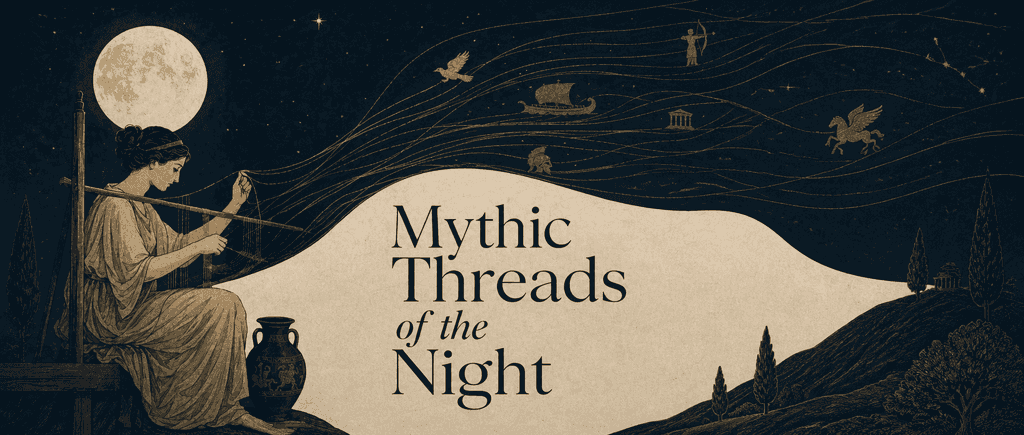
Mythic Threads of the Night
This plan is essential for creatives and folklore enthusiasts seeking to understand the intersection of nature and mysticism. It provides a deep dive into the symbolic language of the night, perfect for writers, artists, or anyone fascinated by the darker side of mythology.

The Secret Colors of Water
This plan is perfect for curious minds and young scientists who want to understand the physics of the natural world. It explains the complex interaction between light and liquid, making the mystery of the ocean's color accessible to everyone.
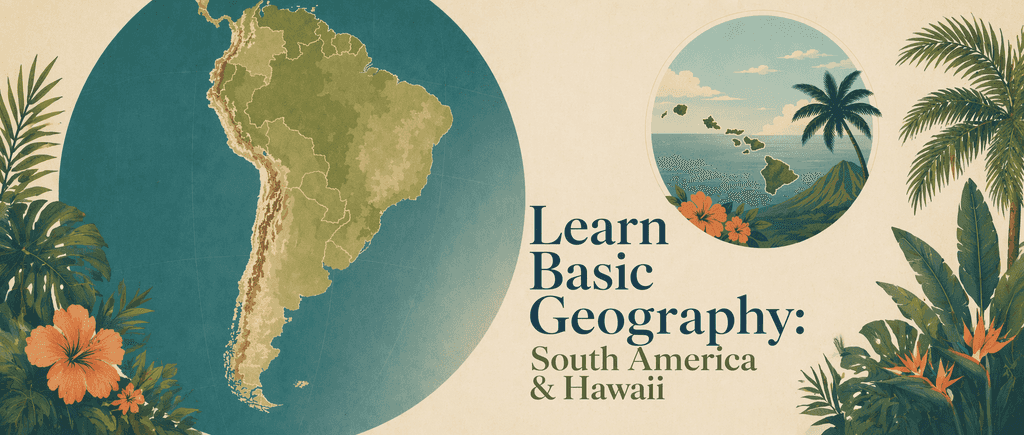
Learn Basic Geography: South America & Hawaii
This learning plan provides a solid foundation in physical geography by bridging global concepts with specific regional studies. It is ideal for students or curious travelers who want to understand the geological forces and cultural landscapes that define South America and the Pacific islands.

Celestial Roots of Ancient Myth
This course is essential for those seeking to understand the astronomical architecture underlying Western theology and mythology. It is ideal for researchers, history enthusiasts, and spiritual seekers looking to bridge the gap between ancient star lore and modern religious narratives.

Empires of the Sun and Marble
This plan provides a comprehensive overview of the foundational civilizations that defined the ancient world's power dynamics. It is ideal for history enthusiasts and students seeking to understand the intersection of monumental architecture, early legal systems, and military strategy.

The Grand Arcs of Civilization
This learning plan provides a panoramic view of human history by connecting macro-political shifts with the micro-innovations of daily life. It is ideal for history enthusiasts and strategic thinkers who want to understand the recurring patterns of power and progress.
샌프란시스코에서 컬럼비아 대학교 동문들이 만들었습니다
"Instead of endless scrolling, I just hit play on BeFreed. It saves me so much time."


"I never knew where to start with nonfiction—BeFreed’s book lists turned into podcasts gave me a clear path."


"Perfect balance between learning and entertainment. Finished ‘Thinking, Fast and Slow’ on my commute this week."
"Crazy how much I learned while walking the dog. BeFreed = small habits → big gains."
"Reading used to feel like a chore. Now it’s just part of my lifestyle."

"Feels effortless compared to reading. I’ve finished 6 books this month already."
"BeFreed turned my guilty doomscrolling into something that feels productive and inspiring."

"BeFreed turned my commute into learning time. 20-min podcasts are perfect for finishing books I never had time for."
"BeFreed replaced my podcast queue. Imagine Spotify for books — that’s it. 🙌"

"It is great for me to learn something from the book without reading it."
"The themed book list podcasts help me connect ideas across authors—like a guided audio journey."
"Makes me feel smarter every time before going to work"
샌프란시스코에서 컬럼비아 대학교 동문들이 만들었습니다
"Instead of endless scrolling, I just hit play on BeFreed. It saves me so much time."
"I never knew where to start with nonfiction—BeFreed’s book lists turned into podcasts gave me a clear path."
"Perfect balance between learning and entertainment. Finished ‘Thinking, Fast and Slow’ on my commute this week."
"Crazy how much I learned while walking the dog. BeFreed = small habits → big gains."
"Reading used to feel like a chore. Now it’s just part of my lifestyle."
"Feels effortless compared to reading. I’ve finished 6 books this month already."
"BeFreed turned my guilty doomscrolling into something that feels productive and inspiring."
"BeFreed turned my commute into learning time. 20-min podcasts are perfect for finishing books I never had time for."
"BeFreed replaced my podcast queue. Imagine Spotify for books — that’s it. 🙌"
"It is great for me to learn something from the book without reading it."
"The themed book list podcasts help me connect ideas across authors—like a guided audio journey."
"Makes me feel smarter every time before going to work"
"Instead of endless scrolling, I just hit play on BeFreed. It saves me so much time."
"I never knew where to start with nonfiction—BeFreed’s book lists turned into podcasts gave me a clear path."
"Perfect balance between learning and entertainment. Finished ‘Thinking, Fast and Slow’ on my commute this week."
"Crazy how much I learned while walking the dog. BeFreed = small habits → big gains."
"Reading used to feel like a chore. Now it’s just part of my lifestyle."
"Feels effortless compared to reading. I’ve finished 6 books this month already."
"BeFreed turned my guilty doomscrolling into something that feels productive and inspiring."
"BeFreed turned my commute into learning time. 20-min podcasts are perfect for finishing books I never had time for."
"BeFreed replaced my podcast queue. Imagine Spotify for books — that’s it. 🙌"
"It is great for me to learn something from the book without reading it."
"The themed book list podcasts help me connect ideas across authors—like a guided audio journey."
"Makes me feel smarter every time before going to work"
"Instead of endless scrolling, I just hit play on BeFreed. It saves me so much time."
"I never knew where to start with nonfiction—BeFreed’s book lists turned into podcasts gave me a clear path."
"Perfect balance between learning and entertainment. Finished ‘Thinking, Fast and Slow’ on my commute this week."
"Crazy how much I learned while walking the dog. BeFreed = small habits → big gains."
"Reading used to feel like a chore. Now it’s just part of my lifestyle."
"Feels effortless compared to reading. I’ve finished 6 books this month already."
"BeFreed turned my guilty doomscrolling into something that feels productive and inspiring."
"BeFreed turned my commute into learning time. 20-min podcasts are perfect for finishing books I never had time for."
"BeFreed replaced my podcast queue. Imagine Spotify for books — that’s it. 🙌"
"It is great for me to learn something from the book without reading it."
"The themed book list podcasts help me connect ideas across authors—like a guided audio journey."
"Makes me feel smarter every time before going to work"