Section 1: The Invisible Hijack of the Human Brain
Lena: Hey everyone, glad you're joining us today. I was just thinking about that moment—we’ve all had it—where someone says something so perfectly calculated to get under your skin that you feel like your brain just catches fire. You want to snap, you want to shout, or maybe you just want to sink into the floor. But what if the goal wasn't just to survive that moment, but to become what psychologists call "unoffendable"?
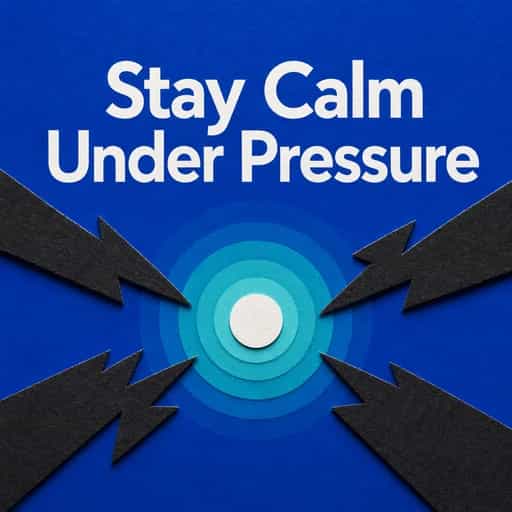
Miles: That’s a powerful concept, Lena. It’s not about being a doormat or just pretending you don't have feelings. It’s actually about recognizing that when someone tries to make you snap, they are essentially trying to rent space in your head for free . It’s a physiological heist. Your heart starts racing, your muscles tense up, and suddenly the "smart" part of your brain—the prefrontal cortex—just checks out, leaving the "instinct" brain to run the show .
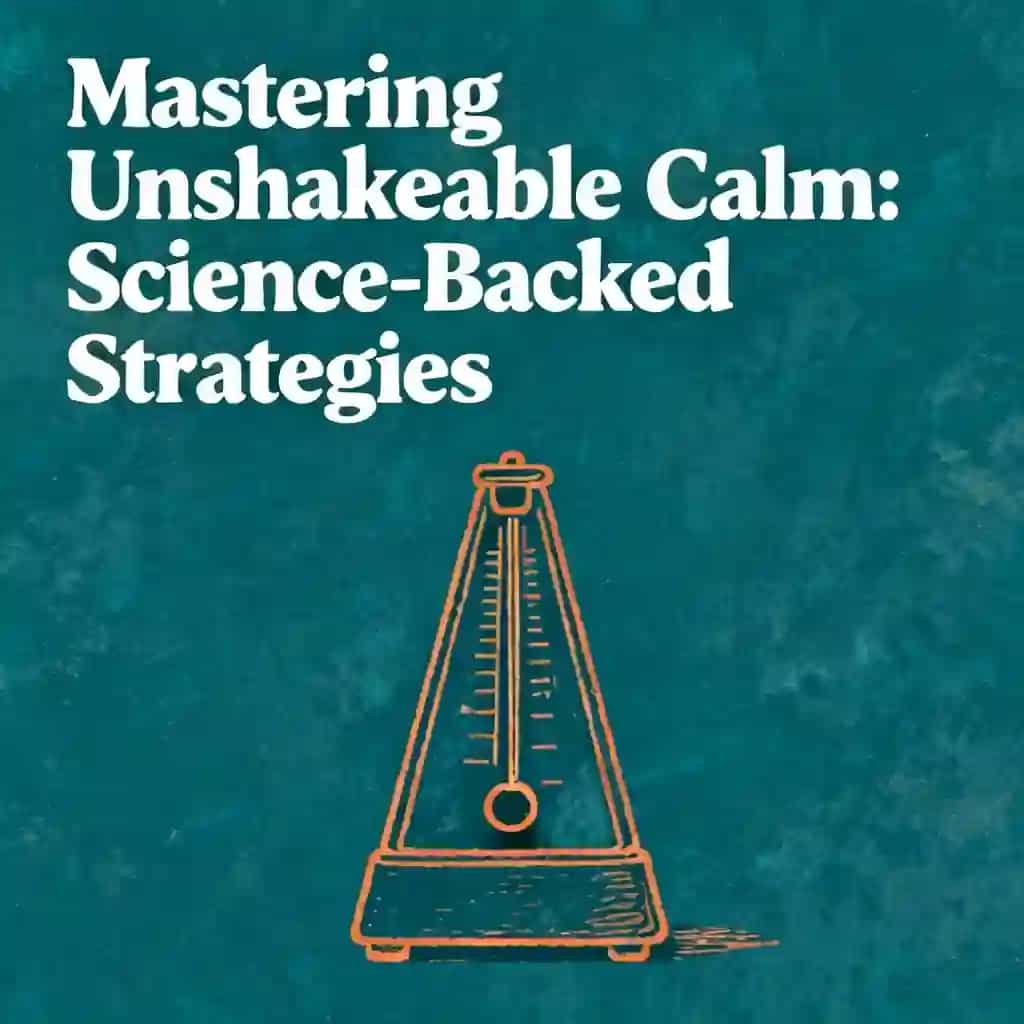
Lena: It’s wild how fast it happens. One snide comment and suddenly my biology is convinced I’m being hunted by a predator. But the research shows that staying calm isn’t just a personality trait you're born with. It’s actually a set of "micro-skills" that anyone can learn to shield their nervous system from that hijack .
Miles: Exactly. And that’s what we’re diving into today. We’re going to look at how to stop the "birds from building a nest in your hair," as the old saying goes . We’ll explore why your body reacts that way and, more importantly, the specific, quiet tactics used by people who seem completely unflappable even when they're being criticized or provoked .
Lena: I love the idea of "quiet tactics"—things you can do right in the middle of a heated exchange that no one even notices, but that completely change the temperature of the room. So, if you’ve ever felt like you're at the mercy of other people’s drama, stick around. We’re going to break down the mechanics of composure.
Miles: It’s all about moving from reactivity to reflection. Let’s start by looking at what’s actually happening inside your body the second that provocation hits.