BeFreed
    Categories>Communication>The Liking Gap: Why You Are More Likable Than You Think

    The Liking Gap: Why You Are More Likable Than You Think

    12분
    |
    |
    2026년 8월 16일
    CommunicationSelf-Growth

    Discover the Liking Gap and why you are more likable than you think. Learn how research from Harvard and Yale explains the psychology of social charisma and anxiety.

    The Liking Gap: Why You Are More Likable Than You Think
    전달 방식을 선택하세요

    하나의 에피소드, 다양한 청취 방식.

    The Liking Gap: Why You Are More Likable Than You Think의 같은 아이디어를 나에게 맞는 목소리, 깊이, 속도로 만나보세요. 언제든 바꿀 수 있습니다.

    전체 대본 및 챕터

    챕터 1

    Your inner critic is literally lying to you

    Okay, bestie, I have to tell you about the absolute lie we have all been living. You know that feeling after a networking event or a party where you're driving home and replaying every single awkward thing you said? Like, you're literally dying over that one joke that didn't land or the way you stumbled over your own job title? Well, it turns out your brain is a total gaslighter. Researchers at Harvard, Yale, and Cornell actually studied this and found something called the Liking Gap. Basically, they sat strangers down for a chat and then asked them two questions: "How much did you like the other person?" and "How much do you think they liked you?" Every single time, people underestimated how much their partner liked them. It is wild—your inner critic is playing a blooper reel in your head, but the other person is actually just seeing the highlight tape.

    This matters so much because that unnecessary cringe makes us play it safe and stay guarded when we should be leaning into the connection. If you’re shy, the gap is even wider, which is just the AUDACITY of our own psychology, honestly. But here is the tea: you are almost certainly more likable than you think you are right now. The science says people generally leave conversations with you feeling much more positive than you give yourself credit for. So, next time you start that post-event spiral, I need you to name it. Just say, "That’s the Liking Gap," and realize the other person probably liked you about 20 percent more than you think they did. Once you realize you aren't actually failing at socializing, we can start talking about the actual toolkit for being magnetic—because charisma isn't some magical "it" factor you're born with; it’s literally just a set of social reflexes you can train.
    챕터 2

    Charisma is just a vibe check you can hack

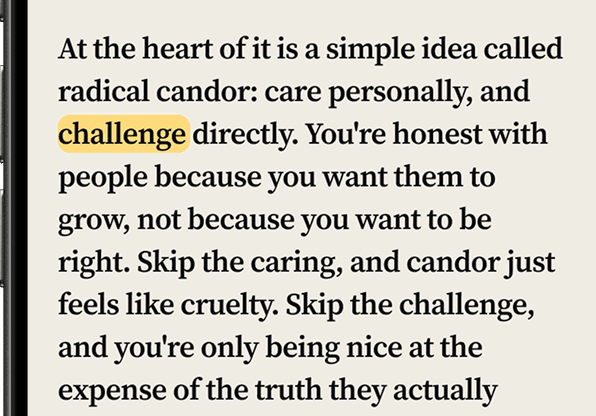
    Wait—the way people talk about charisma like it’s this mysterious gift from the heavens is so dramatic and also just wrong. It’s not a fixed trait. It’s actually just a personal quality evident in how you communicate—what you say, how you look, and even the literal tone of your voice. Think of it as a three-pillar system: presence, warmth, and power. Presence is being fully there with the person instead of planning your next sentence; warmth is making them feel valued; and power is just being socially calibrated and in control. When all three hit at once, you’re magnetic—but if one is missing, things get weird. Like, if you have power but no warmth, you just come off as intimidating or hard to read.

    The most iconic examples of this are people like Oprah Winfrey or Martin Luther King, Jr.—leaders who used these skills to unite people around shared values. And get this—there’s even a dark side to it called "dark rizz" where narcissistic people use that same magnetism to manipulate others. But for you, the goal is "effective charisma." It’s about being the kind of person who makes others feel genuinely seen and heard. It’s actually a survival advantage—strong social relationships give you a 50 percent greater chance of survival, which is as big of a health factor as literally quitting smoking. And in business, people who are rated as more more attractive and confident earn significantly more annually. So, we’re not just talking about being "popular"—we’re talking about a protocol stack for human operating systems. Now, if we’re going to build this from the ground up, we have to start with the first ten seconds of an interaction, because that’s where the real judgment happens.

    이 에피소드로 더 깊이 배우기

    이 에피소드의 아이디어를 BeFreed의 가이드 학습 경험으로 더 깊이 탐구해 보세요.

    챕터 3

    Warmth is the literal gatekeeper of trust

    Okay, so picture this: you walk into a networking event and someone immediately starts listing their titles and achievements. Does that make you want to be their bestie? Absolutely not. It’s actually threatening. Social psychologist Susan Fiske discovered that when we meet someone, we judge them on two dimensions: warmth and competence—and warmth is always evaluated first. If you lead with your credentials before you establish trust, you land in the "envy" quadrant where people respect your resume but low-key hate your vibe. You want to be in the "admiration" quadrant, which requires high warmth and high competence. The trick is to always lead with warmth to prove you’re on their side before you show them you’re actually good at your job.

    Most people are actually standing around waiting for the other person to be warm first—it’s like a social standoff where everyone is thinking, "I’ll be friendly once they are". The person who breaks that standoff and shows warmth first sets the entire tone for the room. And here is the wild part—your voice communicates this before you even say a word. Research at MIT found that tone of voice predicts the outcome of negotiations and interviews better than the actual words spoken. If you just take three seconds to smile before you speak—even on the phone—it literally changes your vocal tone and makes it sound warmer. You’re basically signaling that you're an ally, not a threat. Once that gate is open, you can move into the deep work of actually connecting, but if you don't nail the warmth part, you're basically talking to a brick wall.
    챕터 4

    Stop talking about yourself to actually be seen

    I am genuinely obsessed with this next part because it feels so backwards. If you want to be more charismatic, you actually have to stop focusing on yourself. There’s this researcher James Pennebaker who found that the more someone uses the word "I"—like "I," "me," "my"—the less power and status they actually have in that moment. It’s a tell! People who feel insecure or vulnerable tend to focus inward, so their language gets all self-referential. Even when we think we’re being polite with "diminishers"—like saying, "I was just wondering" or "Can I ask a stupid question?"—all we’re doing is signaling that we’re submissive and focused on our own discomfort. It’s like a dog rolling over to show its belly.

    Truly magnetic people don't use their words as "attentional boomerangs" that keep bringing the focus back to themselves. Instead, they use their energy to validate the person in front of them. This is called "identity echoing". Instead of just saying "That’s cool," you reflect back the version of themselves they are trying to show you. Like, "You’re the kind of person who really commits when you care about something, aren’t you?". That makes people feel deeply "gotten" because you're recognizing their underlying values, not just their surface behavior. It’s the difference between flattery and actual understanding. When you stop trying to be the center of attention, people actually pay more attention to you because you've become a rare source of genuine validation in a world where everyone is just waiting for their turn to talk.

    이 에피소드로 더 깊이 배우기

    이 에피소드의 아이디어를 BeFreed의 가이드 학습 경험으로 더 깊이 탐구해 보세요.

    챕터 5

    The magic of the follow-up question

    If you take only one thing away from this FaceTime, let it be this: follow-up questions are the absolute undisputed GOAT of conversation. Harvard researchers analyzed thousands of chats and found that asking follow-ups is the single strongest predictor of likability—more than being funny, more than having cool stories, more than anything. Why? Because a follow-up question says two things at once: "I am actually listening to you" (warmth) and "I am smart enough to understand what you said" (competence). Most people go into networking thinking they need to be impressive, but the data says you actually just need to be curious.

    In a speed-dating study, people who asked the most questions got a "yes" for a second date 39 percent of the time, compared to only 22 percent for the people who didn't ask much. The key is "conversational threading"—you listen for the specific details, like proper nouns or emotional hooks, and you pull on them. If someone says they just got back from a trip to Japan with their sister, a boring person says, "Oh, I want to go to Japan". A charismatic person says, "You traveled with your sister? Are you two close?". See the difference? You’re moving from surface-level small talk to something real. It makes the other person feel like they’re the most interesting person in the room, and ironically, that makes them think you’re the most interesting person in the room. It’s a total cheat code.

    챕터 6

    Vulnerability is your secret power move

    Okay, but what about when you actually mess up? Because we all do. There’s this wild thing called the Pratfall Effect, discovered by psychologist Elliot Aronson. He found that if you’re already seen as competent, making a small, relatable mistake actually makes you more likable. In his experiment, a person who answered 92 percent of a quiz correctly became even more popular after they accidentally spilled coffee on themselves. It humanizes you! Perfection actually creates distance, but humanity creates connection. This is why being "strategically vulnerable" is such a move. It’s not about oversharing your deepest trauma at a business lunch—it’s about sharing something real that’s just one layer deeper than the current conversation.

    Maybe you admit you’re nervous about a presentation or that you totally botched a project recently. Brene Brown’s research literally proves that vulnerability is the primary driver of deep connection. It builds trust faster than competence ever could. But remember the rule: the Pratfall Effect only works if you've already established that you're capable. If people don't think you're good at your job yet, spilling coffee just makes you look messy. But once they know you're a "Lovable Star"—high warmth and high competence—your little flaws become the things that make people truly love you. It’s about being an actual person instead of a LinkedIn profile in a suit.

    이 에피소드로 더 깊이 배우기

    이 에피소드의 아이디어를 BeFreed의 가이드 학습 경험으로 더 깊이 탐구해 보세요.

    챕터 7

    Your 30-day charisma workout plan

    So, how do you actually do this without feeling like a total fake? You have to treat it like a gym routine. You can’t just do all nine practices at once or your brain will short-circuit. Start with the foundation: presence. Spend a week just focusing on the 2-second eye contact rule—hold it for two full seconds when you meet someone before you even speak. Most people break eye contact instantly because they're nervous, which signals low status. Then, move on to warmth. Practice giving one specific, genuine compliment every day. Not "nice shirt," but "I loved how you handled that difficult question in the meeting". Specificity is key because it proves you were actually paying attention.

    Next, work on your "corridors of conversation". Instead of a rehearsed elevator pitch that feels like a monologue, give people a small, intriguing insight into what you’re doing and see if they walk through that door. Like, "I just got back from a project in India where we hit a wild strategic challenge". If they ask what challenge, you've opened a door. It’s much more human than a sales pitch. And finally, work on the "Callback". Write down one or two personal details after a chat—like someone’s kid’s name or a trip they’re planning—and bring it up next time you see them. It takes five seconds to ask, "How did your daughter's piano recital go?", but it communicates hours of caring. That is how you move from "that person I met" to "that person I really like".

    챕터 8

    Leaving them wanting more is the ultimate flex

    We have to talk about the exit, because how you end a conversation is literally how it’s remembered. There’s this thing called the Peak-End Rule—people judge an experience based on its most intense moment and how it ended. Most people let conversations just fizzle out awkwardly until someone mumbles about needing to find the restroom. Don't do that! The pro move is to leave when the energy is highest. It creates this psychological "Zeigarnik effect" where the other person keeps replaying the chat because it ended on a high note. You can even leave a "conversational cliffhanger"—like, "Remind me to tell you what happened with that project later". It leaves a cognitive thread untied, which makes them want to reinitiate contact later.

    Research says almost nobody knows when to end a conversation—only 2 percent of chats end when both people actually want them to. So, just be the one to lead the exit. A clean exit has three parts: a specific callback to something they said, a reason to reconnect, and a warm close. It sounds like, "I'm definitely going to check out that restaurant you mentioned—I'll let you know what I think. I'd love to continue this later, but it was so great talking to you". Boom. You're out, and they're left thinking you're the most magnetic person they've met all week. I know this was a lot, but I'm so excited for you to try these out. You’ve got the toolkit now—just remember that the Liking Gap is real and you're already doing better than you think. Take one of these moves—maybe the follow-up questions or the 2-second eye contact—and just try it today. You’ve got this, bestie! Thanks for letting me rant—now go be magnetic!

    ★★★★★

    The Liking Gap: Why You Are More Likable Than You Think의 끝까지 도달했어요

    “23일째 매일 사용하고 있어요. 이제 제 일상의 한 부분이 되었습니다.”

    jayallen

    The Liking Gap: Why You Are More Likable Than You Think 베스트 인용

    “

    Charisma isn't some magical 'it' factor you're born with; it’s literally just a set of social reflexes you can train, built on the three pillars of presence, warmth, and power.

    ”
    R

    Generated by Reddy

    질문 입력

    Modern human psychology and persuasion techniques for being charismatic in socializing and networking settings.

    호스트 음성
    Lenaplay
    지식 출처
    Charisma | Psychology Today
    link
    https://www.psychologytoday.com/us/basics/charisma
    How to Be Instantly Likeable: 10 Research-Backed Techniques
    link
    https://www.scienceofpeople.com/how-to-be-instantly-likeable/
    3 Ways to Become a Magnetic Conversationalist | Psychology Today
    link
    https://www.psychologytoday.com/us/blog/social-instincts/202601/3-ways-to-become-a-magnetic-conversationalist
    The Science of Great Conversations: A 2026 Research Guide
    link
    https://www.scienceofpeople.com/conversation-guide/
    To Be More Charismatic, Take the Focus off Yourself
    link
    https://insights.som.yale.edu/insights/to-be-more-charismatic-take-the-focus-off-yourself
    Carnegie for Gen Z: A Systems-Level Re-Read - THE UV JOURNAL
    link
    https://journal.utpalmv.com/carnegie/

    자주 묻는 질문

    The Liking Gap is a psychological phenomenon identified by researchers at Harvard, Yale, and Cornell. It describes the tendency for people to underestimate how much others actually like them after a conversation. While your inner critic focuses on awkward moments or failed jokes, the other person is typically focused on your highlights, leading to a disconnect between your self-perception and their positive reality.

    The Liking Gap creates unnecessary 'cringe' and social anxiety, which often causes people to play it safe or stay guarded during networking events. This gap is even wider for those who are shy. By understanding that you are likely more likable than you think, you can silence your inner critic and lean into genuine connections rather than spiraling over perceived mistakes that others didn't even notice.

    Research shows that your brain acts as a 'gaslighter' by replaying a blooper reel of your social interactions. Studies involving strangers chatting revealed that participants consistently underestimated their partner's level of interest and liking. Science suggests that people generally leave conversations with you feeling much more positive than you give yourself credit for, proving that your inner critic is often factually incorrect.

    컬럼비아 대학교 동문들이 제작 | 샌프란시스코에서 개발

    BeFreed는 호기심 넘치는 글로벌 커뮤니티를 하나로 연결합니다

    4.7

    평균 평점

    앱 평가 7.84천 개 이상

    BeFreed 커뮤니티

    정말이지 아직 앱을 다 써 보지도 않았는데, 며칠 써 본 것만으로도 깊은 인상을 받았어요… BeFreed는 제가 써 본 어떤 학습 앱과도 차원이 달라요. 몰입감이 엄청나고 집중력도 실제로 좋아져서, 스마트폰을 하염없이 스크롤하는 분들께 딱이에요!

    @ladyInfinity

    정확히 23일 전에 BeFreed를 구입했는데, 그날부터 하루도 빠짐없이 쓰고 있어요. 제 일상 업무 흐름과 학습 습관에 완전히 자리 잡았어요.

    @jayallen

    솔직히 이 앱은 제 기대를 전부 뛰어넘었어요. 어떤 주제든 오디오로 만들어 달라고 할 수 있고, 결과물이 놀라워요. 제 전문 분야는 심리치료 쪽이고 여러 학문이 얽혀 있는데도 답변이 아주 정확해요.

    @Raguipa

    제일 고마운 건 스크롤하는 시간이 확 줄었다는 거예요. 검색하는 시간은 줄고 흡수하는 시간은 늘었어요. 오디오북 전권, 팟캐스트, 학습 플랜의 조합이 정말 훌륭해요.

    @colonyofcreatorsNGO

    저는 24년째 PhotoReading 속진 학습 강사로 일하고 있어요… 책과 독서, 배움이 제 전문인데, BeFreed는 정보를 소화하기 쉽게 전달하는 혁신적인 방식을 정말 잘 구현했어요.

    @BeFreed user

    단순한 책 요약 앱이 아니에요. '재미' 스타일을 써 봤는데, 전통적인 방식보다 훨씬 나은 요약이고 아이디어를 이해하기도 쉬워요. 이것만으로도 값어치를 해요.

    @austinakon

    이 앱이 정말 좋아요. 며칠 써 봤는데 듣는 걸 멈출 수가 없어요. 시작하기에 이보다 좋을 수 없어요.

    @jcrules328

    정말 마음에 들어요. 한 달 정도 써 봤는데 숨은 보석을 찾은 기분이에요. BeFreed로 제가 원하는 주제를 직접 만들 수 있어서 좋고, 목소리도 훌륭한 데다 내레이션 선택지가 무궁무진해요.

    @DanielCZ

    정말이지 아직 앱을 다 써 보지도 않았는데, 며칠 써 본 것만으로도 깊은 인상을 받았어요… BeFreed는 제가 써 본 어떤 학습 앱과도 차원이 달라요. 몰입감이 엄청나고 집중력도 실제로 좋아져서, 스마트폰을 하염없이 스크롤하는 분들께 딱이에요!

    @ladyInfinity

    정확히 23일 전에 BeFreed를 구입했는데, 그날부터 하루도 빠짐없이 쓰고 있어요. 제 일상 업무 흐름과 학습 습관에 완전히 자리 잡았어요.

    @jayallen

    솔직히 이 앱은 제 기대를 전부 뛰어넘었어요. 어떤 주제든 오디오로 만들어 달라고 할 수 있고, 결과물이 놀라워요. 제 전문 분야는 심리치료 쪽이고 여러 학문이 얽혀 있는데도 답변이 아주 정확해요.

    @Raguipa

    제일 고마운 건 스크롤하는 시간이 확 줄었다는 거예요. 검색하는 시간은 줄고 흡수하는 시간은 늘었어요. 오디오북 전권, 팟캐스트, 학습 플랜의 조합이 정말 훌륭해요.

    @colonyofcreatorsNGO

    저는 24년째 PhotoReading 속진 학습 강사로 일하고 있어요… 책과 독서, 배움이 제 전문인데, BeFreed는 정보를 소화하기 쉽게 전달하는 혁신적인 방식을 정말 잘 구현했어요.

    @BeFreed user

    단순한 책 요약 앱이 아니에요. '재미' 스타일을 써 봤는데, 전통적인 방식보다 훨씬 나은 요약이고 아이디어를 이해하기도 쉬워요. 이것만으로도 값어치를 해요.

    @austinakon

    이 앱이 정말 좋아요. 며칠 써 봤는데 듣는 걸 멈출 수가 없어요. 시작하기에 이보다 좋을 수 없어요.

    @jcrules328

    정말 마음에 들어요. 한 달 정도 써 봤는데 숨은 보석을 찾은 기분이에요. BeFreed로 제가 원하는 주제를 직접 만들 수 있어서 좋고, 목소리도 훌륭한 데다 내레이션 선택지가 무궁무진해요.

    @DanielCZ

    유용한 정보와 아이디어를 8~15분짜리 팟캐스트 스타일 오디오로 압축해서 들을 수 있다는 게 정말 좋아요. 원래 팟캐스트는 군더더기가 많아서 안 좋아했는데, 여기는 그걸 싹 걷어냈어요.

    @BeFreed user

    박사 과정을 마무리하는 중이라 낯선 자료를 많이 읽어야 해요… BeFreed에서는 프롬프트만 입력하면 앱이 자료를 찾아서 오디오 팟캐스트로 만들어 줘요. BeFreed의 과정이 NotebookLM보다 더 매끄럽게 느껴져요.

    @Brad

    아침을 준비하거나 산책하거나 출퇴근할 때 들을 것을 YouTube에서 자주 찾곤 했는데, BeFreed는 광고도 군더더기도 없이 훨씬 더 딱 맞는 걸 들려줘요!

    @BeFreed user

    이 플랫폼의 가장 큰 장점은 활용도예요. 다루지 못하는 주제가 말 그대로 하나도 없어요. 무엇을 던져도 다 소화해요… 제한이 전혀 없으면서 약속을 실제로 지키는 학습 도구는 정말 드물어요.

    @jayallen

    BeFreed는 환상적이에요. 디자인이 편해서 헤매는 시간은 줄고 배우는 시간은 늘었어요. 오디오북, 팟캐스트, 학습 플랜의 조합은 천재적이에요. 제 하루가 완전히 달라졌어요.

    @BeFreed user

    처음엔 이탈리아어로 팟캐스트를 만드는 방법을 이해하는 데 시간이 좀 걸렸는데, 알고 나니까 — 와! 정말 대단해요! 어떤 주제든 설명해 달라고 하면 정말 똑똑하게 잘 설명해 줘요!

    @matteo77

    BeFreed는 제가 매일 쓰는 오디오북 앱이 됐어요… 제일 마음에 드는 건 텍스트를 넣으면 이동 중에도 들을 수 있는 오디오로 만들어 준다는 점이에요.

    @kotanzu1

    유용한 정보와 아이디어를 8~15분짜리 팟캐스트 스타일 오디오로 압축해서 들을 수 있다는 게 정말 좋아요. 원래 팟캐스트는 군더더기가 많아서 안 좋아했는데, 여기는 그걸 싹 걷어냈어요.

    @BeFreed user

    박사 과정을 마무리하는 중이라 낯선 자료를 많이 읽어야 해요… BeFreed에서는 프롬프트만 입력하면 앱이 자료를 찾아서 오디오 팟캐스트로 만들어 줘요. BeFreed의 과정이 NotebookLM보다 더 매끄럽게 느껴져요.

    @Brad

    아침을 준비하거나 산책하거나 출퇴근할 때 들을 것을 YouTube에서 자주 찾곤 했는데, BeFreed는 광고도 군더더기도 없이 훨씬 더 딱 맞는 걸 들려줘요!

    @BeFreed user

    이 플랫폼의 가장 큰 장점은 활용도예요. 다루지 못하는 주제가 말 그대로 하나도 없어요. 무엇을 던져도 다 소화해요… 제한이 전혀 없으면서 약속을 실제로 지키는 학습 도구는 정말 드물어요.

    @jayallen

    BeFreed는 환상적이에요. 디자인이 편해서 헤매는 시간은 줄고 배우는 시간은 늘었어요. 오디오북, 팟캐스트, 학습 플랜의 조합은 천재적이에요. 제 하루가 완전히 달라졌어요.

    @BeFreed user

    처음엔 이탈리아어로 팟캐스트를 만드는 방법을 이해하는 데 시간이 좀 걸렸는데, 알고 나니까 — 와! 정말 대단해요! 어떤 주제든 설명해 달라고 하면 정말 똑똑하게 잘 설명해 줘요!

    @matteo77

    BeFreed는 제가 매일 쓰는 오디오북 앱이 됐어요… 제일 마음에 드는 건 텍스트를 넣으면 이동 중에도 들을 수 있는 오디오로 만들어 준다는 점이에요.

    @kotanzu1

    웹에서 BeFreed가 어떻게 논의되고 있는지 더 보기
    129.7K19.5K
    55.2K19.2K
    154.2K10827355
    48.1K2.5K
    81.2K6.6K
    82.3K1.8K
    지금 바로 학습 여정을 시작하세요
    BeFreed 앱
    BeFreed

    무엇이든 개인화된 학습

    DiscordLinkedIn
    추천 도서 요약
    Crucial ConversationsThe Perfect MarriageInto the WildNever Split the DifferenceAttachedGood to GreatSay Nothing
    인기 카테고리
    Self HelpCommunication SkillRelationshipMindfulnessPhilosophyInspirationProductivity
    유명인 추천 도서
    Elon MuskCharlie KirkBill GatesSteve JobsAndrew HubermanJoe RoganJordan Peterson
    수상작 컬렉션
    Pulitzer PrizeNational Book AwardGoodreads Choice AwardsNobel Prize in LiteratureNew York TimesCaldecott MedalNebula Award
    추천 주제
    ManagementAmerican HistoryWarTradingStoicismAnxietySex
    연도별 베스트 도서
    2025 Best Non Fiction Books2024 Best Non Fiction Books2023 Best Non Fiction Books
    추천 저자
    Chimamanda Ngozi AdichieGeorge OrwellO. J. SimpsonBarbara O'NeillWinston ChurchillCharlie Kirk
    BeFreed vs 다른 앱
    BeFreed vs. Other Book Summary AppsBeFreed vs. ElevenReaderBeFreed vs. ReadwiseBeFreed vs. Anki
    학습 도구
    Knowledge VisualizerAI Podcast Generator
    정보
    회사 소개arrow
    가격arrow
    FAQarrow
    블로그arrow
    채용arrow
    파트너십arrow
    앰배서더 프로그램arrow
    디렉토리arrow
    BeFreed
    Try now
    © 2026 BeFreed
    이용 약관개인정보 처리방침
    BeFreed

    무엇이든 개인화된 학습

    DiscordLinkedIn
    추천 도서 요약
    Crucial ConversationsThe Perfect MarriageInto the WildNever Split the DifferenceAttachedGood to GreatSay Nothing
    인기 카테고리
    Self HelpCommunication SkillRelationshipMindfulnessPhilosophyInspirationProductivity
    유명인 추천 도서
    Elon MuskCharlie KirkBill GatesSteve JobsAndrew HubermanJoe RoganJordan Peterson
    수상작 컬렉션
    Pulitzer PrizeNational Book AwardGoodreads Choice AwardsNobel Prize in LiteratureNew York TimesCaldecott MedalNebula Award
    추천 주제
    ManagementAmerican HistoryWarTradingStoicismAnxietySex
    연도별 베스트 도서
    2025 Best Non Fiction Books2024 Best Non Fiction Books2023 Best Non Fiction Books
    학습 도구
    Knowledge VisualizerAI Podcast Generator
    추천 저자
    Chimamanda Ngozi AdichieGeorge OrwellO. J. SimpsonBarbara O'NeillWinston ChurchillCharlie Kirk
    BeFreed vs 다른 앱
    BeFreed vs. Other Book Summary AppsBeFreed vs. ElevenReaderBeFreed vs. ReadwiseBeFreed vs. Anki
    정보
    회사 소개arrow
    가격arrow
    FAQarrow
    블로그arrow
    채용arrow
    파트너십arrow
    앰배서더 프로그램arrow
    디렉토리arrow
    BeFreed
    Try now
    © 2026 BeFreed
    이용 약관개인정보 처리방침

    비슷한 콘텐츠

    The Liking Gap: You're More Likable Than You Think 책 표지
    You Are Not So SmartBlindspotThe Invisible GorillaBeing Wrong
    18 sources
    The Liking Gap: You're More Likable Than You Think
    Discover why we consistently underestimate how positively others view us after conversations, the psychology behind this social misjudgment, and practical tools to overcome this self-critical tendency.
    34 min
    The Science of Charm: Mastering Instant Likability 책 표지
    The Charisma MythInfluence is Your SuperpowerCommunication Skills TrainingThe Like Switch
    23 sources
    The Science of Charm: Mastering Instant Likability
    Move beyond "just being yourself" with actionable psychological tactics and body language hacks. Learn to balance power and warmth to build trust and command any room in seconds.
    22 min
    Mastering the Art of Silent Connection 책 표지
    The Art of Reading MindsThe Dictionary of Body LanguageThe Definitive Book of Body LanguageRead People Like a Book
    27 sources
    Mastering the Art of Silent Connection
    Unlock the C.O.R.E. framework to decode body language and overcome social biases. Learn how to project warmth and become the most likable person in the room by mastering the 'First Liker' mindset.
    27 min
    Social Confidence: Beyond the Awkwardness 책 표지
    How to Talk to AnyoneBetter Small TalkHow to Be Less Awkward | Confidence & Social Skills GuideHow to Make a Conversation Not Awkward
    6 sources
    Social Confidence: Beyond the Awkwardness
    Stop overthinking every word and learn to quiet your internal spotlight. Discover practical tools to move from social survival to genuine connection.
    35 min
    The Flow of Charisma: Beyond Small Talk 책 표지
    3 Ways to Become a Magnetic Conversationalist | Psychology TodayHow to Keep a Conversation Flowing (Without Forcing It) — Communication for NerdsHow to Keep a Conversation Flowing (Without Forcing It) — Communication for Nerds3 Ways to Become a Magnetic Conversationalist | Psychology Today
    7 sources
    The Flow of Charisma: Beyond Small Talk
    Struggling with awkward silences? Learn why conversation is about following threads rather than checklists to build genuine rapport and magnetism.
    955 min
    The Science of Social Charisma 책 표지
    Charisma in Everyday Life: Conceptualization and Validation of theThe Science of Charisma for Romance, Work, and Everyday LifeFrontiers | Charismatic Nonverbal Displays by Leaders Signal Receptivity and Formidability, and Tap Approach and Avoidance Motivational SystemsThe art and science of being charismatic
    6 sources
    The Science of Social Charisma
    Stop viewing magnetism as a mystery. Learn how to balance influence and affability to build genuine social confidence and own any room you enter.
    1551 min
    How to build charisma through practice 책 표지
    Charisma MythHow to Be More Charismatic: 9 Daily Practices That Build Natural Magnetism - The Art of CharmThe Psychology of Charisma (And How to Build It)Body Language for Charisma: 12 Science-Backed Technique
    6 sources
    How to build charisma through practice
    Think charisma is something you're born with? Learn the social reflexes and conversational habits that help you build a magnetic presence.
    35 min
    The Science of Being Universally Liked 책 표지
    The Likeability FactorHow to Be a People MagnetThe Social Skills GuidebookCaptivate
    19 sources
    The Science of Being Universally Liked
    Discover the psychology behind genuine connection and learn practical techniques to become more likeable, even if you're shy. It's not about being interesting—it's about being interested in others.
    14 min