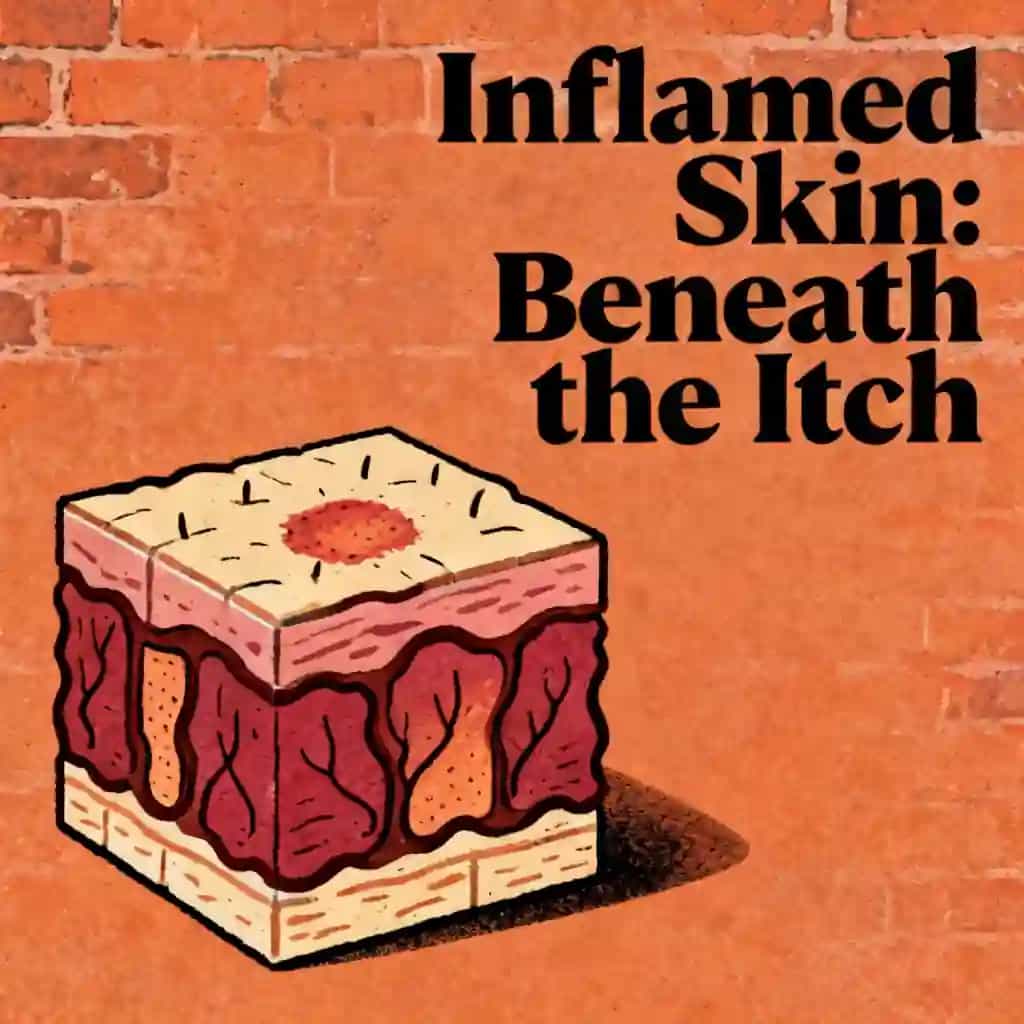
The Inflammation Paradox
Discover how inflammation serves as both protector and destroyer in your body. This episode explores the complex science behind inflammation, its connection to chronic diseases, and practical strategies to maintain balance.

The Inflammation Paradox 베스트 인용
Chronic inflammation is like having your security system stuck in high alert mode; instead of protecting you, the inflammatory cells that were meant to help heal you end up attacking your own body.

이 오디오 레슨은 BeFreed 커뮤니티 멤버가 만들었습니다
Inflammation

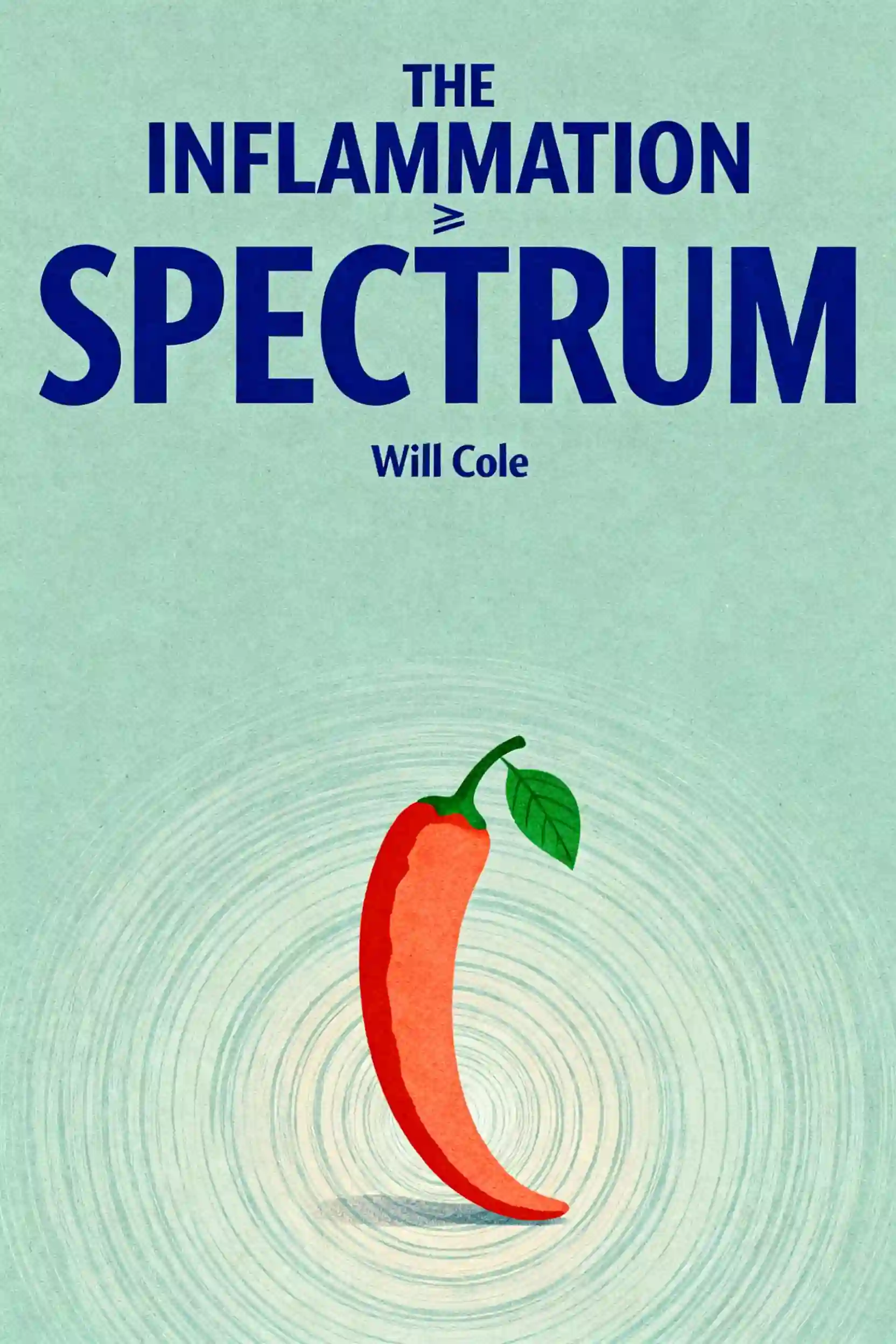
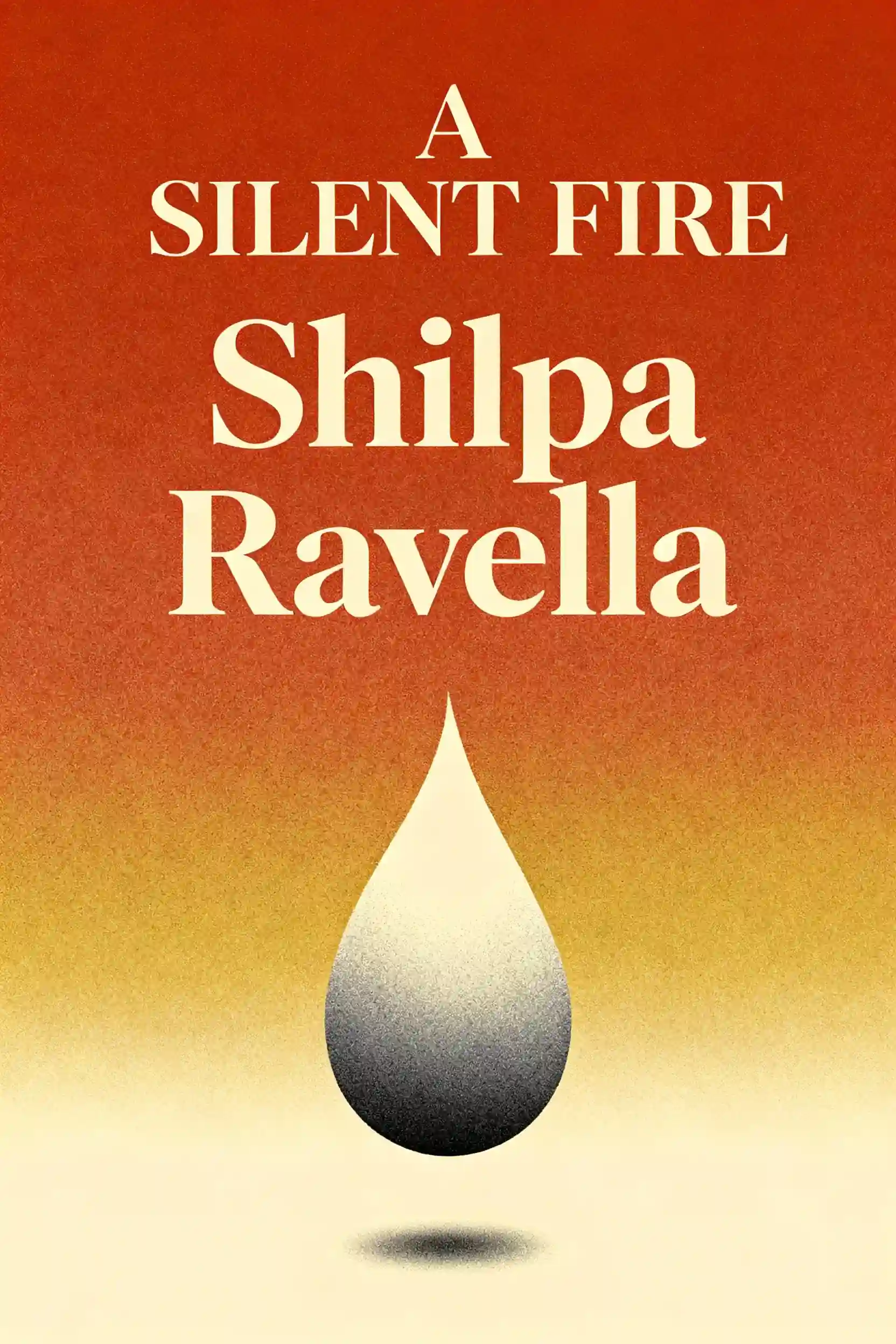
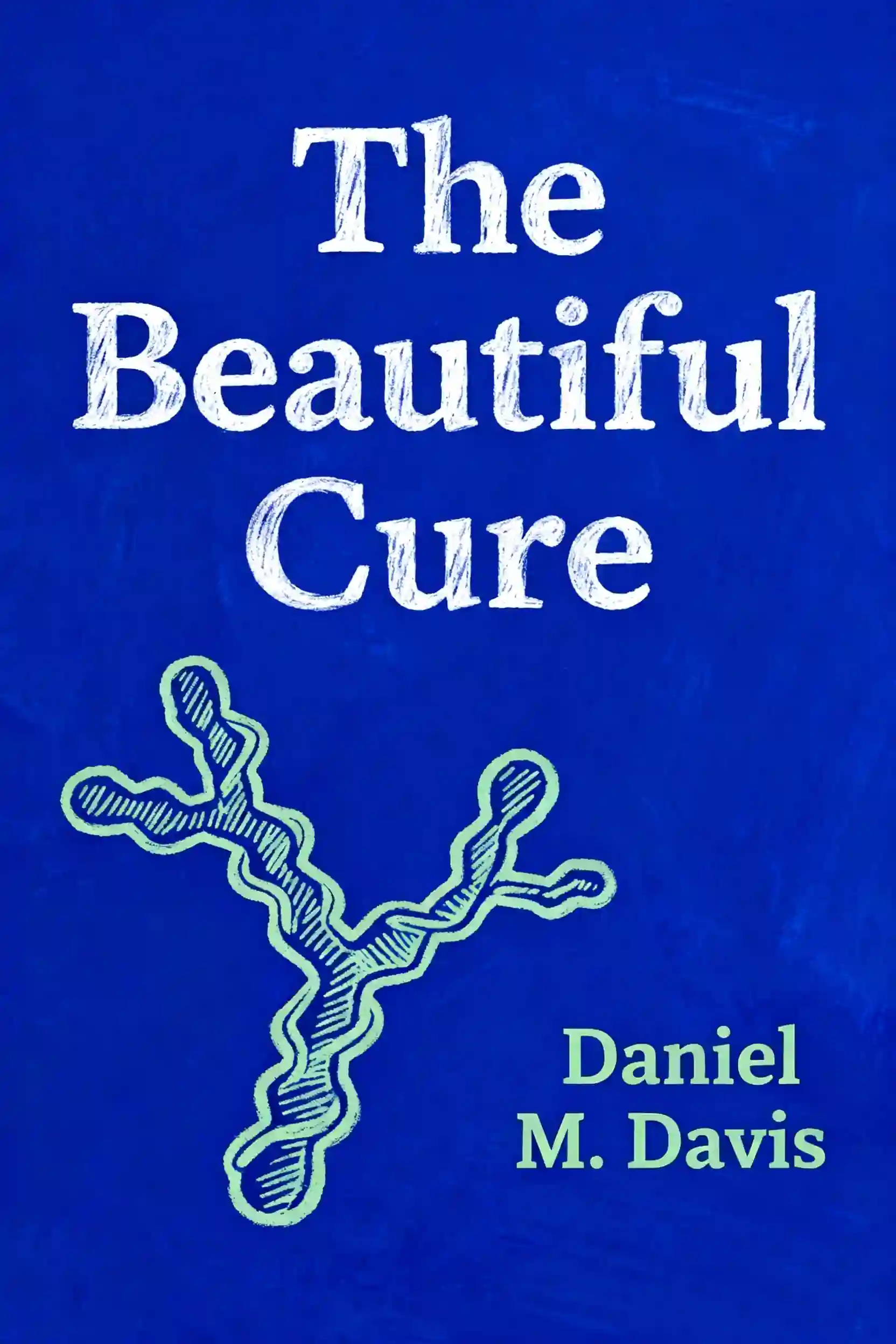
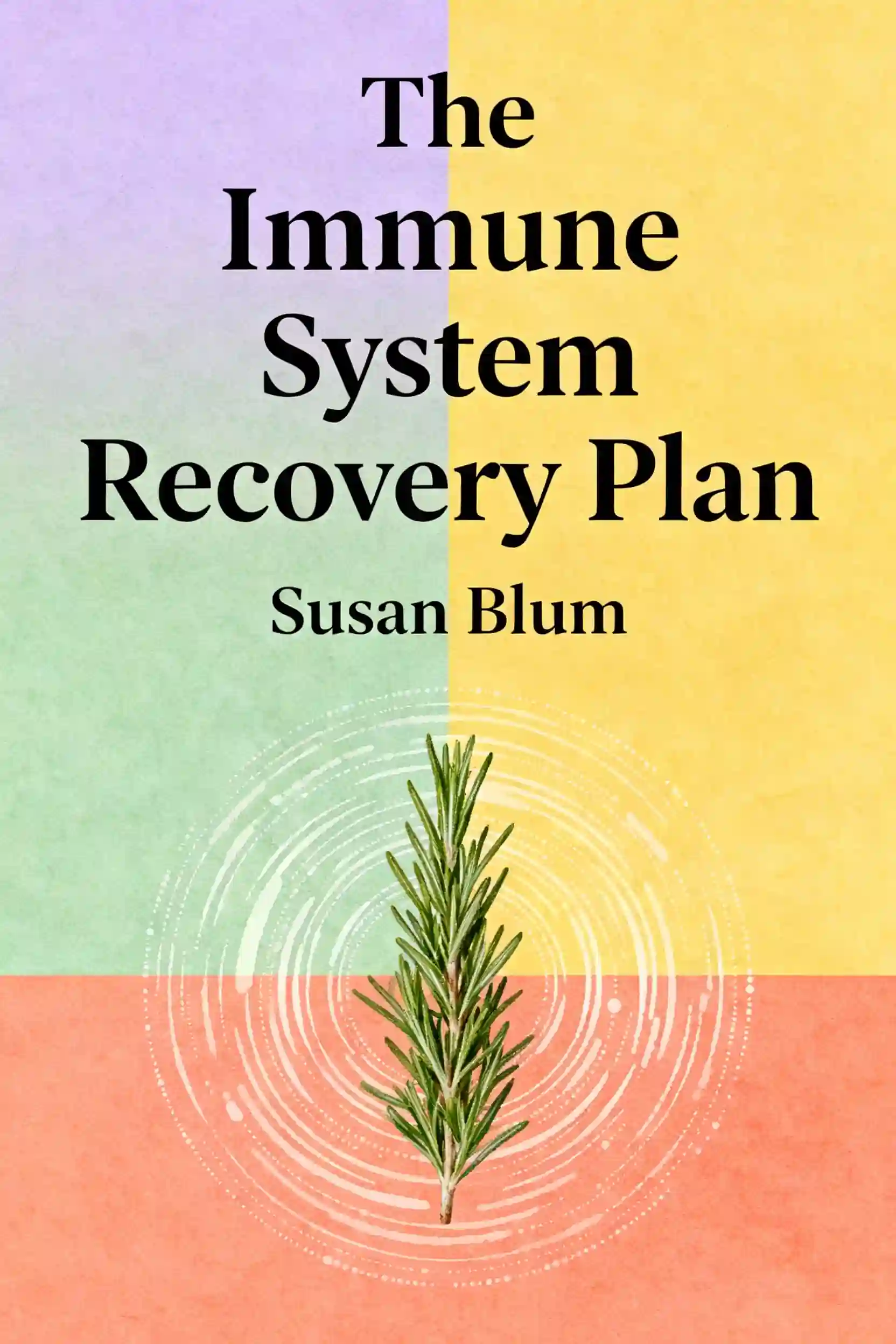
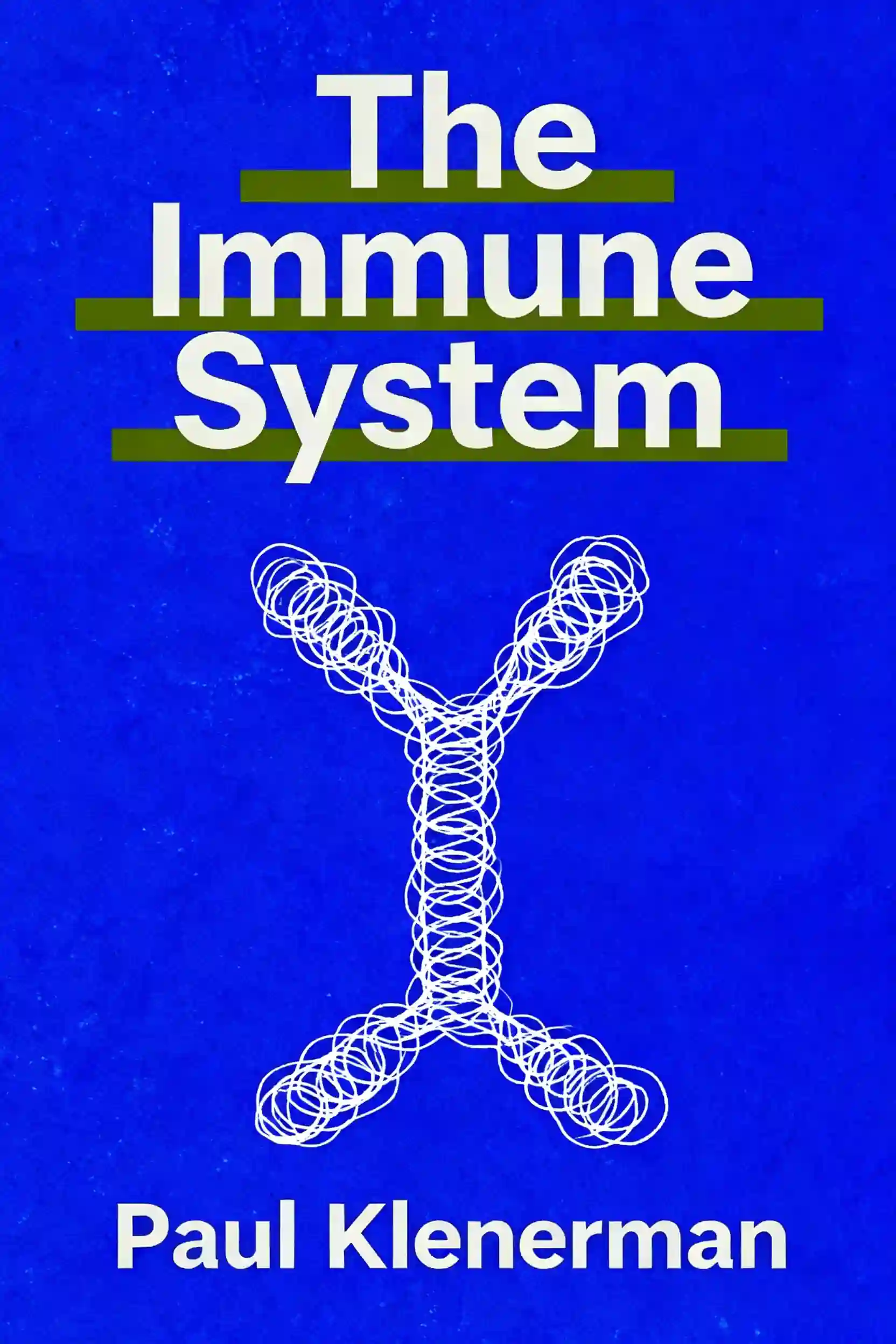
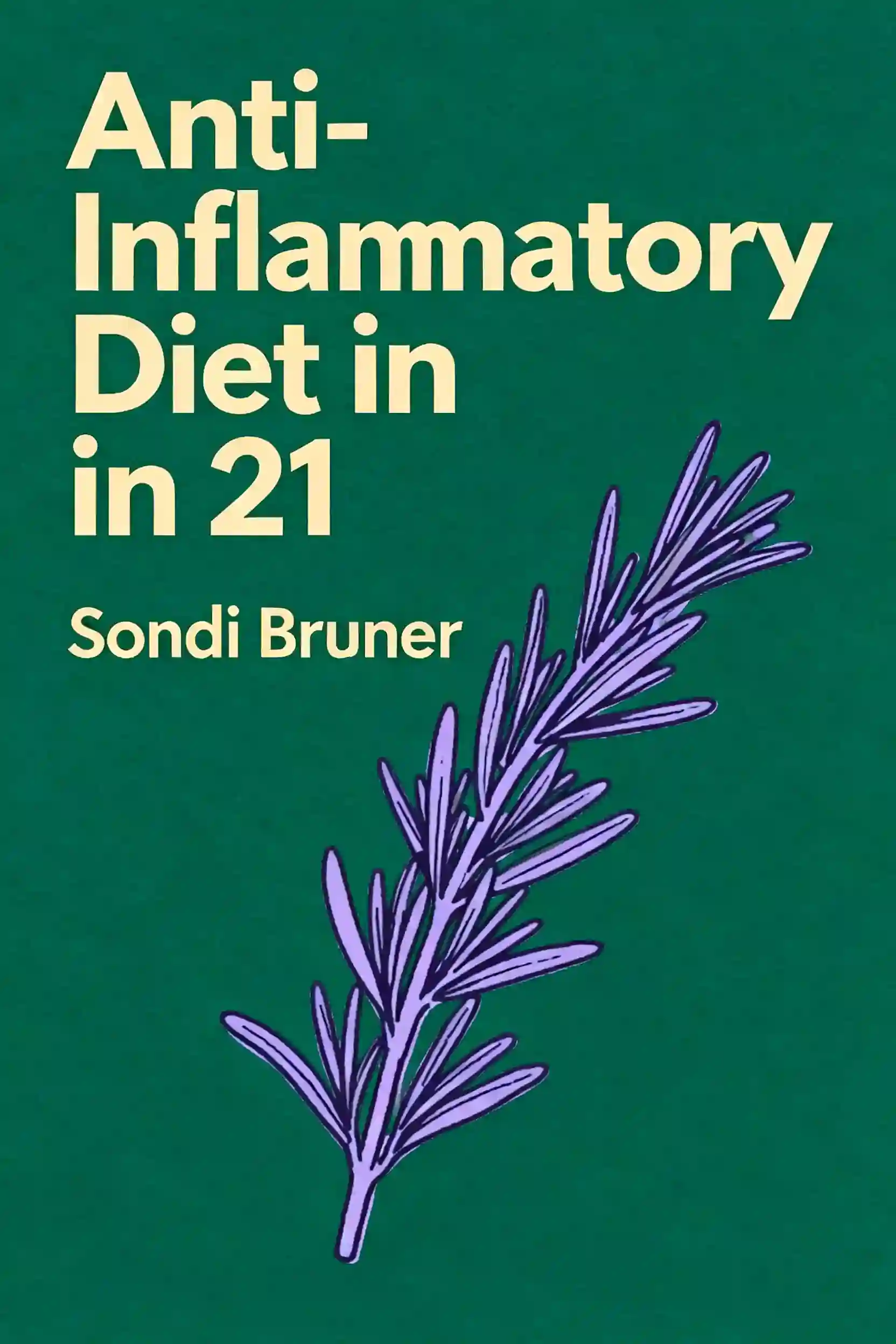
더 알아보기

The Science of Inner Peace
In an era of constant burnout, understanding the biological mechanics of stress is essential for mental longevity. This plan is designed for high-pressure professionals and individuals seeking to transform their reactive emotional patterns into a proactive state of calm and steady confidence.

Why the Pancreas Attacks Itself
This learning plan is essential for patients, caregivers, and health enthusiasts seeking to understand the mechanics of pancreatitis and metabolic stress. It bridges the gap between clinical diagnosis and biological cause, making it ideal for those navigating a new diagnosis or studying internal medicine.

Hepatitis and the Immune System
This learning plan provides a deep dive into the complex interplay between viral pathogens and the body's immune defenses. It is essential for medical professionals and researchers seeking to master the diagnostic and therapeutic nuances of both infectious and autoimmune liver diseases.

The Endocrine Master Map
This plan provides a foundational understanding of how hormones dictate physical health, energy levels, and stress management. It is ideal for students of biology, wellness enthusiasts, or anyone looking to master the internal mechanics of their own body.

The Liver Under Siege
This learning plan is essential for medical students and healthcare professionals seeking to master the complexities of Autoimmune Hepatitis. It bridges the gap between molecular immunology and clinical diagnostics, providing a comprehensive look at how the body's defenses turn against the liver.
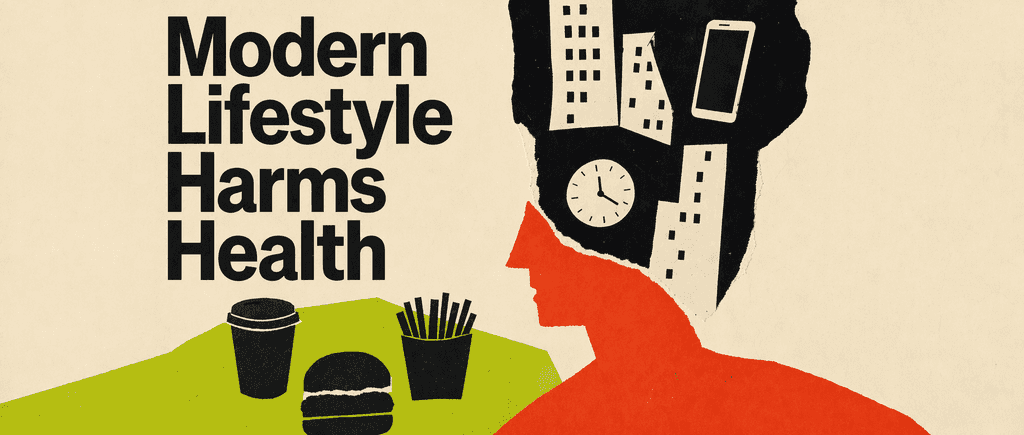
Modern lifestyle harms health
Our bodies evolved over millennia for environments vastly different from today's world of processed foods, sedentary habits, and constant digital stimulation. This learning plan helps anyone feeling disconnected, exhausted, or unhealthy understand the root causes of modern health challenges and implement practical solutions.
Reset out of survival mode
Modern life often leaves individuals trapped in a cycle of chronic stress and hypervigilance that mimics a survival state. This plan is essential for anyone feeling burnt out or stuck in reactive patterns, providing the biological insight and regulation tools needed to reclaim a sense of safety.

Control the Chaos Within
In an era of constant digital noise and increasing burnout, mastering internal regulation is a critical survival skill. This plan is designed for high-achievers and overwhelmed professionals who need practical, science-based tools to reclaim their focus and emotional agency.
샌프란시스코에서 컬럼비아 대학교 동문들이 만들었습니다
"Instead of endless scrolling, I just hit play on BeFreed. It saves me so much time."


"I never knew where to start with nonfiction—BeFreed’s book lists turned into podcasts gave me a clear path."


"Perfect balance between learning and entertainment. Finished ‘Thinking, Fast and Slow’ on my commute this week."
"Crazy how much I learned while walking the dog. BeFreed = small habits → big gains."
"Reading used to feel like a chore. Now it’s just part of my lifestyle."

"Feels effortless compared to reading. I’ve finished 6 books this month already."
"BeFreed turned my guilty doomscrolling into something that feels productive and inspiring."

"BeFreed turned my commute into learning time. 20-min podcasts are perfect for finishing books I never had time for."
"BeFreed replaced my podcast queue. Imagine Spotify for books — that’s it. 🙌"

"It is great for me to learn something from the book without reading it."
"The themed book list podcasts help me connect ideas across authors—like a guided audio journey."
"Makes me feel smarter every time before going to work"
샌프란시스코에서 컬럼비아 대학교 동문들이 만들었습니다
"Instead of endless scrolling, I just hit play on BeFreed. It saves me so much time."
"I never knew where to start with nonfiction—BeFreed’s book lists turned into podcasts gave me a clear path."
"Perfect balance between learning and entertainment. Finished ‘Thinking, Fast and Slow’ on my commute this week."
"Crazy how much I learned while walking the dog. BeFreed = small habits → big gains."
"Reading used to feel like a chore. Now it’s just part of my lifestyle."
"Feels effortless compared to reading. I’ve finished 6 books this month already."
"BeFreed turned my guilty doomscrolling into something that feels productive and inspiring."
"BeFreed turned my commute into learning time. 20-min podcasts are perfect for finishing books I never had time for."
"BeFreed replaced my podcast queue. Imagine Spotify for books — that’s it. 🙌"
"It is great for me to learn something from the book without reading it."
"The themed book list podcasts help me connect ideas across authors—like a guided audio journey."
"Makes me feel smarter every time before going to work"
"Instead of endless scrolling, I just hit play on BeFreed. It saves me so much time."
"I never knew where to start with nonfiction—BeFreed’s book lists turned into podcasts gave me a clear path."
"Perfect balance between learning and entertainment. Finished ‘Thinking, Fast and Slow’ on my commute this week."
"Crazy how much I learned while walking the dog. BeFreed = small habits → big gains."
"Reading used to feel like a chore. Now it’s just part of my lifestyle."
"Feels effortless compared to reading. I’ve finished 6 books this month already."
"BeFreed turned my guilty doomscrolling into something that feels productive and inspiring."
"BeFreed turned my commute into learning time. 20-min podcasts are perfect for finishing books I never had time for."
"BeFreed replaced my podcast queue. Imagine Spotify for books — that’s it. 🙌"
"It is great for me to learn something from the book without reading it."
"The themed book list podcasts help me connect ideas across authors—like a guided audio journey."
"Makes me feel smarter every time before going to work"
"Instead of endless scrolling, I just hit play on BeFreed. It saves me so much time."
"I never knew where to start with nonfiction—BeFreed’s book lists turned into podcasts gave me a clear path."
"Perfect balance between learning and entertainment. Finished ‘Thinking, Fast and Slow’ on my commute this week."
"Crazy how much I learned while walking the dog. BeFreed = small habits → big gains."
"Reading used to feel like a chore. Now it’s just part of my lifestyle."
"Feels effortless compared to reading. I’ve finished 6 books this month already."
"BeFreed turned my guilty doomscrolling into something that feels productive and inspiring."
"BeFreed turned my commute into learning time. 20-min podcasts are perfect for finishing books I never had time for."
"BeFreed replaced my podcast queue. Imagine Spotify for books — that’s it. 🙌"
"It is great for me to learn something from the book without reading it."
"The themed book list podcasts help me connect ideas across authors—like a guided audio journey."
"Makes me feel smarter every time before going to work"