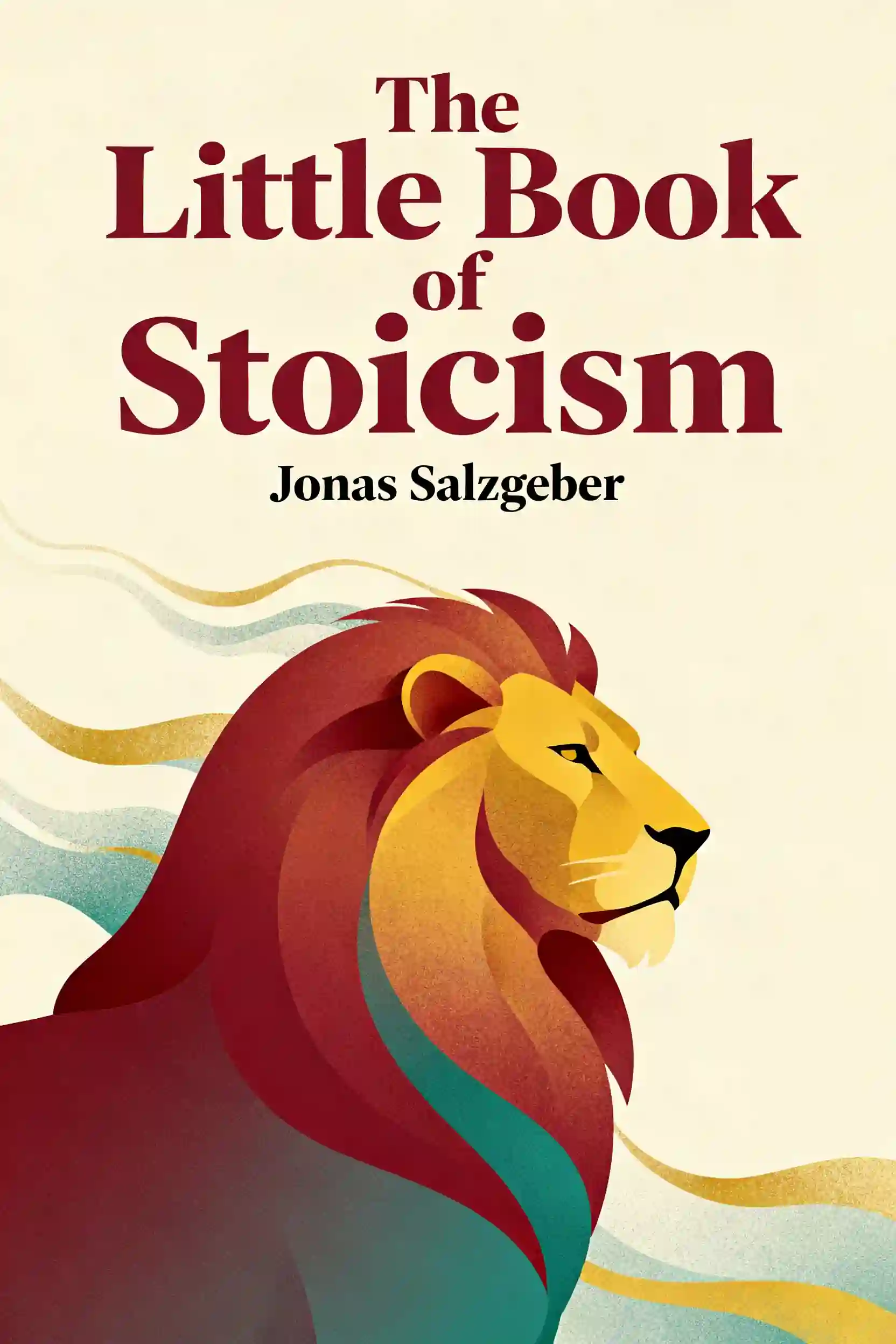
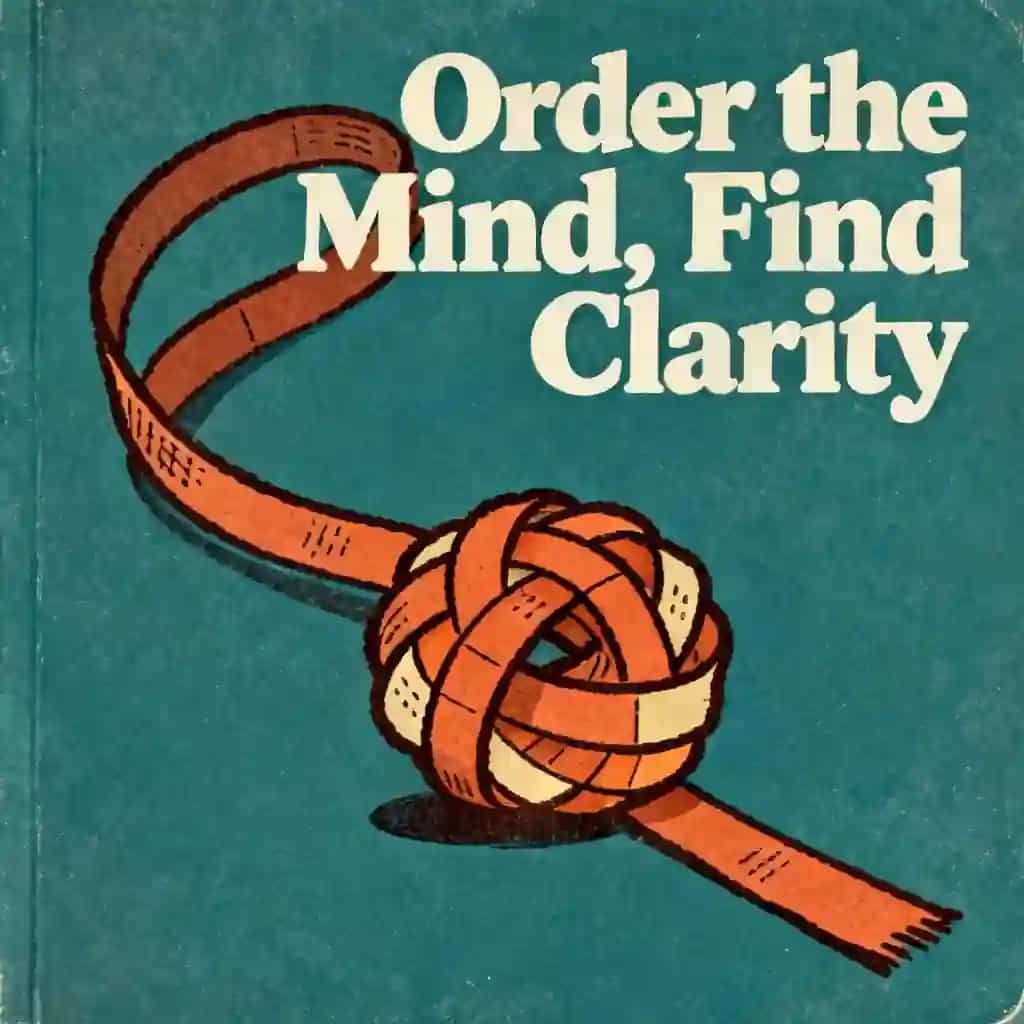
True mental clarity emerges when we release our attachment to controlling outcomes beyond our influence. The Stoics used the archer metaphor: we can control drawing the bow, aiming, and releasing the arrow, but once it's airborne, external factors determine the result. This "process focus" eliminates the mental clutter of anxiety about results.
Hobsbawm's concept of "reserve clause"-adding "fate permitting" to our intentions-creates similar mental freedom. When we accept that outcomes aren't guaranteed despite our best efforts, we stop wasting mental energy on scenarios beyond our control. This acceptance transforms us from victims of circumstance into creators of our experience.
The practice of voluntary discomfort, recommended by Stoics, builds mental resilience while reducing material desires. Whether drinking only water for a day or wearing old clothes, these exercises expand our comfort zone and demonstrate that happiness doesn't depend on external conditions. Similarly, Hobsbawm's approach to "housekeeping"-both attitude and action that stays close to where you live-extends beyond physical space to become a mindset focused on identifying what creates mental muddle and how to clear it.
Both traditions recognize that our relationship with possessions and desires directly impacts mental clarity. The Stoics classified everything as either virtues (good), vices (bad), or indifferent (everything external). This simple categorization system prevents the mental complexity that comes from treating neutral things as inherently good or bad.