BeFreed
    Categories>Philosophy & Spirituality>The Financialization of the Soul: Digital Assets and You, Inc.

    The Financialization of the Soul: Digital Assets and You, Inc.

    21분
    |
    |
    2026년 5월 10일
    • Philosophy & Spirituality
    • Technology
    • History & Society

    Explore how the digital economy treats human lives as financial assets. Learn about the market value of life, digital profiles, and the You, Inc. art project.

    The Financialization of the Soul: Digital Assets and You, Inc.
    0:00 / 0:00
    전달 방식을 선택하세요

    하나의 에피소드, 다양한 청취 방식.

    The Financialization of the Soul: Digital Assets and You, Inc.의 같은 아이디어를 나에게 맞는 목소리, 깊이, 속도로 만나보세요. 언제든 바꿀 수 있습니다.

    전체 대본 및 챕터

    챕터 1

    The Ticker Tape in the Human Heart

    Lena: Hey everyone, it’s so great to have you with us today. I was scrolling through my phone the other morning—you know that half-awake, blurry-eyed state—and I had this sudden, jarring realization. I wasn't just looking at my friends’ photos or reading the news; I was checking the "market value" of my own life. Every like, every share, every professional update felt like a tiny fluctuation in a stock price I never agreed to list. It made me wonder: when did we stop being people and start being assets?

    Miles: That’s a heavy way to wake up, but you’re hitting on the exact tension we’re diving into today. It’s this constant friction between the human heart—which really just wants stillness, privacy, and those quiet, unrecorded moments—and our digital profiles, which the modern economy treats as restless financial assets . We’re living in a world that’s increasingly trying to price everything, including the very essence of who we are.

    Lena: It feels like there’s a Wall Street terminal running in the background of our souls. I saw this art project called You, Inc. that actually makes this visible. The creator, Aaron, turned his entire life into a trading interface . His resume looks like SEC regulatory filings. If he changes careers, the system logs it as a "strategic restructuring." It’s a perfect, if terrifying, metaphor for how the digital economy views us.

    Miles: And the wildest part of that project is the "Request to Delist" button. When you click it, the system just says "no" because you’re still being mentioned in public discourse . It captures that feeling that we can’t opt out of a market that never asked our permission to list us in the first place.

    Lena: That is exactly what we’re exploring today—how our identity has been swapped for a "digital profile" that has to perform 24/7. We’re going to look at how we got here, from the invention of the "self" to the "creator coin" gold rush, and figure out what happens to the parts of us that can’t be charted or traded.

    Miles: It’s a journey from the ancient concept of the soul to the high-frequency trading of human attention. So, let’s dive into how this "financialization" of the human spirit actually works.
    챕터 2

    From Living Souls to Data Points

    Lena: To really understand why it feels so weird to be a "personal brand" today, we have to look back at what we used to call ourselves. I was reading a piece by Mary Harrington where she argues that our concept of who we are has gone through these massive shifts tied to technology . We started with "souls," then moved to "selves," and now we’re stuck with "identities."

    Miles: It’s a fascinating timeline. Harrington points out that the word "identity" didn’t even hit the mainstream until after the World Wars, and it really took off in the 1960s . Before that, the "soul" was the dominant framework, which emerged alongside literacy. Reading and writing gave us that first sense of a deep, private interior life—what scholars call "deep literacy" .

    Lena: So literacy gave us the "soul," and then the printing press gave us the "secular self." But now, the digital era is giving us something much more... fragmented. Harrington calls "identity" the dead byproduct of applying our technologies to our own minds and bodies . It’s like we’ve turned the tools of the industrial revolution inward.

    Miles: Right, and that’s where the "restless financial asset" part comes in. If you think of yourself as a soul, you have inherent value that’s totally independent of what anyone thinks. But an "identity" needs constant validation to feel real. In the digital world, that validation comes in the form of metrics. We’ve unmoored our sense of self from our bodies and our local communities and tied it to these virtual avatars that need "likes" to survive .

    Lena: It’s that shift from being to performing. If my value is tied to my "identity," and my identity is digital, then I have to keep producing content to prove I exist. It’s why we feel that pressure to document everything. A quiet walk in the woods doesn't "count" for the digital profile unless there’s a photo of it.

    Miles: Exactly. We’ve moved into what some call the "Fourth Industrial Revolution" or the transhumanist age, where we’ve merged with our tech . The smartphone is the ultimate example. It’s not just a tool; it’s an "always-on" connection that forces us to curate our lives for a dematerialized audience . We’re no longer just living; we’re managing a portfolio of "signals" that the market can sort and price .

    Lena: It makes me think about how disorienting it is to realize that our uniqueness—the thing that makes us us—is being reduced to a "confidence threshold" by an algorithm . We’re being squeezed into categories so we can be more legible to the market.

    Miles: And that legibility is the prerequisite for the "You, Inc." model. But before we get to the literal trading of people, we have to look at the systems that paved the way—the ones that started treating us like numbers long before the first "creator coin" was minted.

    이 에피소드로 더 깊이 배우기

    이 에피소드의 아이디어를 BeFreed의 가이드 학습 경험으로 더 깊이 탐구해 보세요.

    챕터 3

    The Invisible Ticker of Our Lives

    Lena: You know, it’s easy to blame social media for all of this, but the groundwork for "You, Inc." was laid decades ago. Think about the credit score. It’s a number between 300 and 850 that basically determines your life—where you can live, what you can buy, even what jobs you can get . We never signed up for that. We were just... assigned a value.

    Miles: That’s a perfect example of how we’ve been compressed into data points without our consent. And those numbers aren't neutral. They often encode existing inequalities—like how people in lower income brackets are systematically underscored compared to their actual behavior . It’s a form of "financial legibility" that doesn't actually see the person; it just sees the risk.

    Lena: It’s like we’re all walking around with an invisible ticker symbol over our heads. Remember Klout? A few years ago, it tried to assign everyone a social media "influence score" . Even if you didn't want a score, companies were using it to make hiring decisions. It was an early, clunky version of what’s happening now with data brokers.

    Miles: Data brokers are the real "market makers" here. They’re trading detailed profiles on millions of us—browsing history, location, shopping habits—and they’re doing it in a market we can't even see . We are already commodities. The "You, Inc." art piece just makes that hidden reality visible by using the language of Bloomberg terminals and SEC filings .

    Lena: What really got me about that project was how the algorithm would try to merge the creator's data with other people who had the same name—a basketball coach in Colorado, a tea buyer in California . To the machine, you aren't a unique human being; you’re a "namespace" . If your data signals are close enough to someone else's, the system would evaluate whether their data should be merged with yours, assign a confidence score, and then reject them

    Miles: It’s a complete erasure of the individual. When your life is reduced to "material events" and "strategic restructurings," the things that actually make you human—the connections, the interior growth—they just disappear from the record because they can't be charted .

    Lena: And that erasure isn't just a side effect; it’s a requirement for the market to function. For an asset to be tradable, it has to be standardized. But humans aren't standard. We’re messy and unpredictable. So the system tries to "optimize" us for market legibility, which is just a fancy way of saying it tries to make us act more like predictable assets.

    Miles: This brings us to a really tough question: if we’re already being priced and traded by data brokers and credit agencies, what happens when we start doing it to ourselves? What happens when we lean into the "You, Inc." model and start launching our own coins?

    챕터 4

    The Gold Rush of the Tokenized Self

    Lena: So, we’ve talked about how we’re being commodified from the outside, but now there’s this massive push for us to commodify ourselves. Every major crypto platform is trying to get creators to launch "personal tokens" or "writer coins" . The pitch sounds so empowering: "Own your upside! Let your fans invest in you!"

    Miles: It’s the ultimate "hustle culture" dream, right? But the reality is much darker. When you tokenize yourself, your worth becomes a matter of pure financial speculation. Your favorite author or artist isn't a person anymore; they’re a "financial instrument" . Their coin price rises and falls based on what people think they’ll earn in the future.

    Lena: It sounds like a nightmare for creativity. If my "price" drops because I haven't posted in two days, I’m going to feel this intense pressure to perform, not because I have something to say, but to protect my "valuation" . You end up managing yourself like a PR firm manages a corporation. Every decision has to pass through an "investor relations filter" .

    Miles: We’ve already seen how this goes wrong. Take BitClout, for example. Back in 2024, the SEC charged its founder with fraud. The platform had scraped 15,000 Twitter profiles and created tokens for people without even asking them . Even the Prime Minister of Singapore found people speculating on a coin with his face on it.

    Lena: And then there was Friend.tech. The founders walked away with $44 million, leaving users holding worthless tokens tied to people who never even agreed to be traded . It’s a "pump and dump" scheme, but the "stock" is a human being.

    Miles: The industry didn't stop, though. They just rebranded. Instead of "we’re tokenizing you," the message is now "you should tokenize yourself" . It’s the same operation, just with better marketing. It’s trying to convince us that the only way to survive the attention economy is to become a literal commodity.

    Lena: It feels like we’re being told to lean into the very thing that’s making us miserable. If the digital profile is a "restless financial asset," then launching a token is like giving that asset a high-octane fuel . It demands constant growth, constant performance, and constant "restlessness."

    Miles: And that restlessness is the direct enemy of the "stillness" the human heart craves. We’re being forced to choose between being a person and being a "creator coin." But is it even possible to stay human when the world is trying to put a price tag on your soul?

    이 에피소드로 더 깊이 배우기

    이 에피소드의 아이디어를 BeFreed의 가이드 학습 경험으로 더 깊이 탐구해 보세요.

    챕터 5

    The Vanishing Act of the Intangible

    Lena: I want to go back to something Aaron mentioned in his You, Inc. project. He talks about how, when you reduce a life to metrics, the most important things just... vanish. Those moments of real connection, the impact you had on someone that was never documented, the interior experiences that don't fit on a chart .

    Miles: It’s so true. Think about the last time a piece of writing or a piece of art really shifted something inside you. You probably never told the creator. That moment was incredibly real, but it left no digital trace . In the "You, Inc." model, that moment doesn't exist because it didn't drive "market performance."

    Lena: We’re losing the "unvalued" moments—the ones that are precious precisely because they aren't for sale. Mary Harrington talks about this too, how our efforts to "re-engineer" our desires and identities have led to a kind of "deadening" . We’ve turned eros—our deep desires—into "limbic capitalism," where industries just hack our pleasure centers for profit .

    Miles: And we’ve turned thumos—that ancient drive for recognition and spirit—into "clicktivism" and influencer status . Instead of seeking real honor or achievement in our communities, we’re chasing "likes" from a de-materialized audience. It’s a "hall of mirrors" where we’re constantly looking for a reflection that feels real, but it never quite does .

    Lena: It’s like we’re trying to satisfy a spiritual hunger with digital calories. Harrington makes this point that "identity" is just a "dead byproduct" of trying to commodify the soul . The more we try to "capture" who we are in a digital profile, the more the actual "self" recedes.

    Miles: It’s the ultimate irony. We’re performing more than ever to prove who we are, but the performance itself is what’s killing the very thing we’re trying to show. We’ve accepted a version of "reality" that’s mechanistic and "expressively dead," where everything is just matter to be mastered and managed .

    Lena: But what if the world isn't "expressively dead"? Harrington brings up quantum physics and this idea that the universe is way weirder and more "entangled" than the modernist model admits . If the world isn't just a machine, then maybe we aren't just assets in a market.

    Miles: That’s the "saving power" she talks about. If we can step out of that "modernist cul-de-sac" and realize that consciousness isn't just computation, we might find a way to reclaim our souls from the ticker tape . But that requires a radical shift in how we spend our time and attention.

    챕터 6

    The High Cost of Always Being "On"

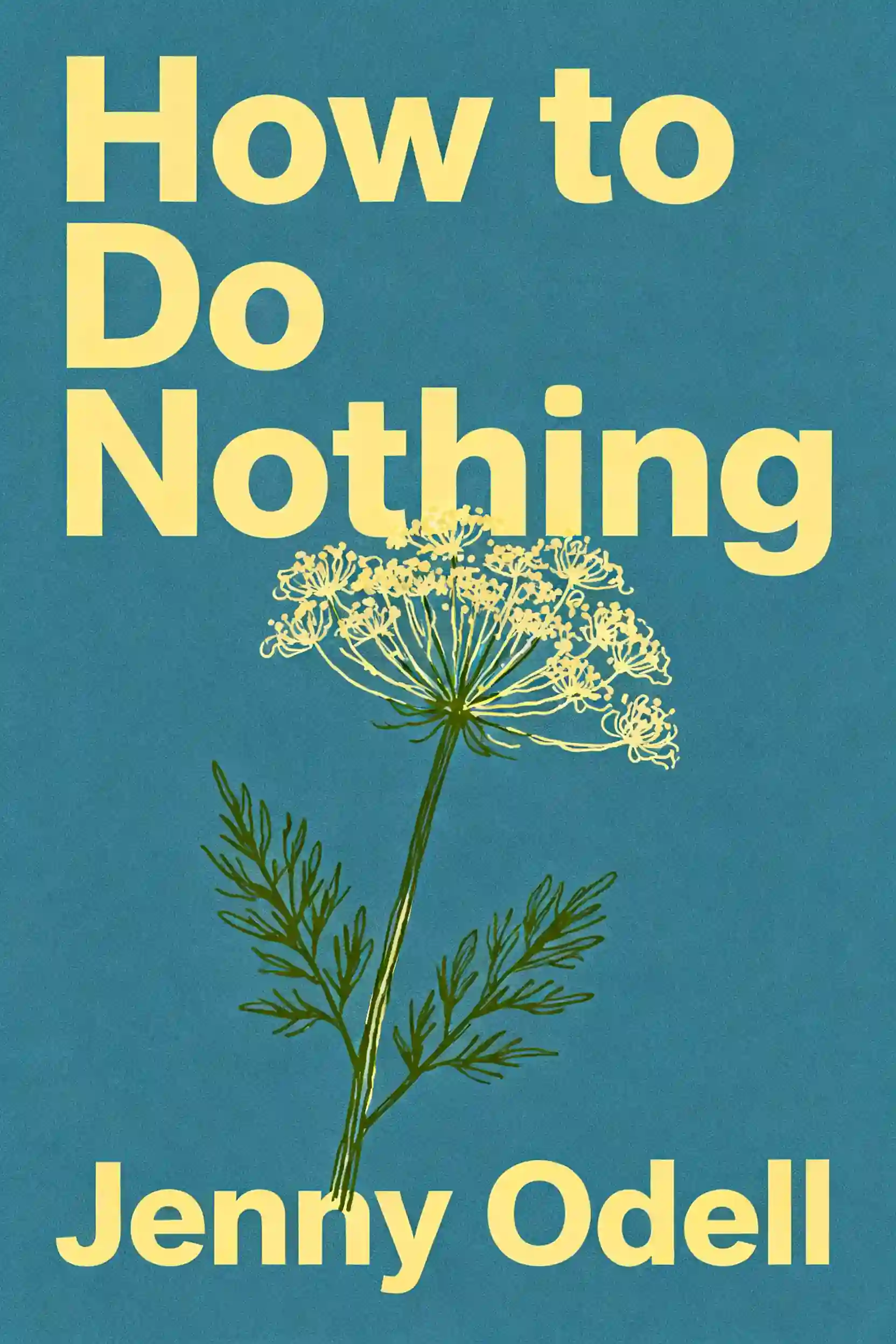
    Lena: We’ve been talking about this tension as a philosophical one, but it’s also a very physical, daily struggle. Jenny Odell, in her book How to Do Nothing, talks about the "attention economy" as this constant drain on our ability to actually inhabit our own lives . It’s not just that we’re being commodified; it’s that we’re being exhausted.

    Miles: Right, the "restless" part of the "restless financial asset." If you’re an asset in an attention economy, any moment you aren't "performing" is a moment of lost value. It’s why we feel guilty for just sitting still, or for doing something that doesn't "produce" anything .

    Lena: It’s that internal "investor relations filter" we mentioned earlier . It starts to colonize our leisure time. You’re at a beautiful sunset, and instead of just feeling it, your brain starts composing the caption. You’ve become a character in your own life, managed for external confidence rather than internal truth .

    Miles: And this has real consequences for our communities. When we’re all focused on our own "personal brands," we lose the ability to organize for anything bigger than ourselves. Harrington points out how "identity politics" often ends up being more about "merchandise and personal branding" than actual solidary movement-building .

    Lena: It’s "clicktivism" instead of community action. It’s much easier to post a flag or a slogan than to do the messy, unrecorded work of actually helping a neighbor or building an institution. The digital profile demands "performance," and performance is often the opposite of real work.

    Miles: There’s also the cost of what Harrington calls "dead thinking"—this probabilistic calculation we see in AI that we’re starting to mistake for real comprehension . We’re starting to treat our own thoughts as "data to be processed" rather than "ideas to be explored." We’re losing the "deep reading" and "itemized introspection" that literacy once gave us .

    Lena: It feels like we’re being hollowed out. We’re "entities" with "market performance," but we’re losing the capacity for the very things that make life worth living—silence, contemplation, and those deep, "unvalued" connections .

    Miles: So, if the "You, Inc." model is an "epistemological cul-de-sac," how do we find the exit? Is it as simple as "doing nothing," or is there something more radical we need to do to protect the "stillness of the heart"?

    이 에피소드로 더 깊이 배우기

    이 에피소드의 아이디어를 BeFreed의 가이드 학습 경험으로 더 깊이 탐구해 보세요.

    챕터 7

    Reclaiming the Unpriced Life

    Lena: If the most radical thing we can do is something that can't be priced, what does that actually look like in 2026? Aaron suggests a few things: a conversation you don't record, care that produces no "content," or a decision that never enters a database .

    Miles: It’s about accepting being "unvalued" by the market. Think about the parent who puts their phone away to be fully present with their kid, or the friendship that deliberately leaves no digital trace . Those moments are "radical" because they refuse to be converted into performance metrics.

    Lena: Jenny Odell calls this "standing apart" . It’s not necessarily about "unplugging" and living in a cave; it’s about shifting our "point of view" so that the attention economy isn't the only thing we see. It’s about rediscovering the "physical proximity" and "interpersonal relationships" that haven't been de-materialized into "identities" .

    Miles: Harrington echoes this when she says we need to retrieve the "older and fuller understanding of ourselves" as souls rather than data processors . We have to insist on the "conceptual distinction" between the soul and the simulacra we’ve engineered . My "creator coin" is not me. My "influence score" is not me.

    Lena: It’s a form of "digital privacy" that goes deeper than just hiding your data. It’s about keeping some part of your self private from your own "profile." It’s about refusing to let the "investor relations filter" decide who you are or what you do .

    Miles: But we have to be honest—this is hard. We live in a world that "prices everything" . Opting out feels like a luxury, or even a professional risk. If you don't have a digital presence, do you even exist in the modern economy?

    Lena: That’s the trap, isn't it? The "You, Inc." project shows that even if you try to "delist," the system keeps tracking you anyway . But maybe the goal isn't to perfectly "opt out" of the system, but to stop letting it "opt in" to our hearts.

    Miles: It’s about creating "pockets of stillness" within the noise. It’s about recognizing that "computation and comprehension are not the same thing" . We can use the tools of the digital era without becoming the tools ourselves.

    챕터 8

    Practical Steps for the Soul-Managed Life

    Lena: So, let’s get practical. For everyone listening who feels that "ticker tape" running in their head, how do we actually start to push back? How do we protect the "stillness of the heart" in a world that wants us to be "restless financial assets"?

    Miles: First, I think we have to audit our "performance." Ask yourself: "How much of what I did today was for the benefit of my 'digital profile' versus my actual 'self'?" If you’re only doing things because they’ll make for a good post, that’s a sign the "You, Inc." filter has taken over .

    Lena: I love the idea of "deliberate invisibility." Try doing something meaningful—something you’re proud of—and then not telling anyone online about it. Let it stay "unvalued" by the market . That builds a kind of "internal sovereignty" that the attention economy can't touch.

    Miles: Another big one is rediscovering "deep literacy." Put down the phone and the "probabilistic calculations" of social media and pick up a book that requires "itemized introspection" . Give your brain the chance to engage in "comprehension" rather than just "pattern recognition" .

    Lena: And don't forget the power of "physical proximity." Spend time with people who know you as a "soul" and a "self," not as an "identity" or a "brand" . Real-world connections are "messy" and "unpredictable," which is exactly why the market hates them and why we need them so much.

    Miles: We also need to be wary of "limbic capitalism." Recognize when an app or a platform is trying to "hijack" your desires for profit . When you feel that "restless" urge to check your notifications, remind yourself that you are not a "financial asset" that needs to be "updated" every few seconds.

    Lena: It’s also about political awareness. Support efforts that push back against the "datafication" of our lives. Whether it’s fighting against biased credit scoring or demanding more control over how data brokers trade our "namespaces," we have to recognize that this is a systemic issue, not just a personal one .

    Miles: Ultimately, it’s about deciding what "progress" really looks like. Is it "owning our upside" through tokens, or is it pursuing "human flourishing" across all parts of our nature—eros, thumos, and logos ?

    Lena: It’s a daily choice. Every time we choose "stillness" over "performance," we’re making a "Request to Delist" that actually matters.

    이 에피소드로 더 깊이 배우기

    이 에피소드의 아이디어를 BeFreed의 가이드 학습 경험으로 더 깊이 탐구해 보세요.

    챕터 9

    The Quiet After the Ticker Stops

    Lena: As we bring this to a close, I keep thinking about that "Request to Delist" button . Even if the digital terminal says "no," our hearts can still say "yes." We don't have to wait for permission from the market to reclaim our own humanity.

    Miles: It’s a powerful thought. The "You, Inc." model is all about "market legibility," but the most beautiful parts of being human are often the most "illegible." They’re the things that don't fit on a spreadsheet and can't be traded on an exchange .

    Lena: We’ve covered a lot today—from the ancient soul to the "creator token" gold rush, and the "invisible ticker" that tries to price our every move. But the core takeaway is simple: you are more than your data. You are more than your "identity." You are a soul with a capacity for "comprehension" that no machine can ever replicate .

    Miles: So, to everyone listening, we want to leave you with a question: what is one thing you can do today that will never enter a database? What is one moment of "stillness" you can protect from the "restless" demands of your digital profile?

    Lena: It could be a quiet walk, a private conversation, or just sitting still and letting your thoughts be yours and yours alone. Whatever it is, cherish it. It’s the most radical thing you can do.

    Miles: Thanks so much for joining us on this journey through the "You, Inc." world. It’s been a fascinating, and hopefully clarifying, exploration.

    Lena: We really appreciate your time and your attention—the real kind, not the "economic" kind. Take some time to reflect on what we’ve discussed today, and maybe try to "delist" your heart for a little while.

    Miles: Take care of yourselves—and your souls.

    Lena: Goodbye for now.

    ★★★★★

    The Financialization of the Soul: Digital Assets and You, Inc.의 끝까지 도달했어요

    “23일째 매일 사용하고 있어요. 이제 제 일상의 한 부분이 되었습니다.”

    jayallen

    The Financialization of the Soul: Digital Assets and You, Inc. 베스트 인용

    “

    We’ve moved into a world that’s increasingly trying to price everything, including the very essence of who we are, turning our identity into a restless financial asset that must perform 24/7.

    ”
    K

    Generated by Khari Angel

    질문 입력

    tension and conflict between the human heart, which seeks stillness and private connection, and the digital profile, which must perform as a restless financial asset in an attention economy

    호스트 음성
    Lenaplay
    Milesplay
    지식 출처
    How to Do Nothing
    Tokens
    Being Human in a World That Prices Everything
    link
    https://blog.aaronvick.com/being-human-in-a-world-that-prices-everything
    link
    https://static1.squarespace.com/static/65805dd44f3eb55e523b32e6/t/67a496e58a828a48ca38a6be/1738839784111/Mary+Harrington+Soul+Trader+Identity+in+a+Digital+Age.pdf
    link
    https://researchonline.lse.ac.uk/id/eprint/135678/1/Rose_200801306.pdf
    The Loneliness Paradox — The Auguro
    link
    https://www.theauguro.com/articles/the-loneliness-paradox

    자주 묻는 질문

    The financialization of the soul refers to the modern tension between the human heart and digital profiles. In today's digital economy, personal experiences like likes, shares, and professional updates are treated as fluctuations in a person's market value. This process suggests that we are moving away from being individuals and instead becoming restless financial assets that are constantly being priced by external systems.

    You, Inc. is an art project created by Aaron that visualizes the digital economy's view of human life. The project transforms a person's entire existence into a trading interface, where a resume is presented as SEC regulatory filings. It serves as a metaphor for how our personal and professional choices are tracked and categorized as financial data, such as viewing a career change as a strategic restructuring.

    The digital economy views personal updates and digital profiles as human assets that function like stocks on a Wall Street terminal. Every interaction on social media or professional platforms contributes to a perceived market value of life. This system treats private moments and career shifts as data points for strategic restructuring, often ignoring the human need for stillness and privacy in favor of constant financial tracking.

    컬럼비아 대학교 동문들이 제작 | 샌프란시스코에서 개발

    BeFreed는 호기심 넘치는 글로벌 커뮤니티를 하나로 연결합니다

    4.7

    평균 평점

    앱 평가 7.84천 개 이상

    BeFreed 커뮤니티

    정말이지 아직 앱을 다 써 보지도 않았는데, 며칠 써 본 것만으로도 깊은 인상을 받았어요… BeFreed는 제가 써 본 어떤 학습 앱과도 차원이 달라요. 몰입감이 엄청나고 집중력도 실제로 좋아져서, 스마트폰을 하염없이 스크롤하는 분들께 딱이에요!

    @ladyInfinity

    정확히 23일 전에 BeFreed를 구입했는데, 그날부터 하루도 빠짐없이 쓰고 있어요. 제 일상 업무 흐름과 학습 습관에 완전히 자리 잡았어요.

    @jayallen

    솔직히 이 앱은 제 기대를 전부 뛰어넘었어요. 어떤 주제든 오디오로 만들어 달라고 할 수 있고, 결과물이 놀라워요. 제 전문 분야는 심리치료 쪽이고 여러 학문이 얽혀 있는데도 답변이 아주 정확해요.

    @Raguipa

    제일 고마운 건 스크롤하는 시간이 확 줄었다는 거예요. 검색하는 시간은 줄고 흡수하는 시간은 늘었어요. 오디오북 전권, 팟캐스트, 학습 플랜의 조합이 정말 훌륭해요.

    @colonyofcreatorsNGO

    저는 24년째 PhotoReading 속진 학습 강사로 일하고 있어요… 책과 독서, 배움이 제 전문인데, BeFreed는 정보를 소화하기 쉽게 전달하는 혁신적인 방식을 정말 잘 구현했어요.

    @BeFreed user

    단순한 책 요약 앱이 아니에요. '재미' 스타일을 써 봤는데, 전통적인 방식보다 훨씬 나은 요약이고 아이디어를 이해하기도 쉬워요. 이것만으로도 값어치를 해요.

    @austinakon

    이 앱이 정말 좋아요. 며칠 써 봤는데 듣는 걸 멈출 수가 없어요. 시작하기에 이보다 좋을 수 없어요.

    @jcrules328

    정말 마음에 들어요. 한 달 정도 써 봤는데 숨은 보석을 찾은 기분이에요. BeFreed로 제가 원하는 주제를 직접 만들 수 있어서 좋고, 목소리도 훌륭한 데다 내레이션 선택지가 무궁무진해요.

    @DanielCZ

    정말이지 아직 앱을 다 써 보지도 않았는데, 며칠 써 본 것만으로도 깊은 인상을 받았어요… BeFreed는 제가 써 본 어떤 학습 앱과도 차원이 달라요. 몰입감이 엄청나고 집중력도 실제로 좋아져서, 스마트폰을 하염없이 스크롤하는 분들께 딱이에요!

    @ladyInfinity

    정확히 23일 전에 BeFreed를 구입했는데, 그날부터 하루도 빠짐없이 쓰고 있어요. 제 일상 업무 흐름과 학습 습관에 완전히 자리 잡았어요.

    @jayallen

    솔직히 이 앱은 제 기대를 전부 뛰어넘었어요. 어떤 주제든 오디오로 만들어 달라고 할 수 있고, 결과물이 놀라워요. 제 전문 분야는 심리치료 쪽이고 여러 학문이 얽혀 있는데도 답변이 아주 정확해요.

    @Raguipa

    제일 고마운 건 스크롤하는 시간이 확 줄었다는 거예요. 검색하는 시간은 줄고 흡수하는 시간은 늘었어요. 오디오북 전권, 팟캐스트, 학습 플랜의 조합이 정말 훌륭해요.

    @colonyofcreatorsNGO

    저는 24년째 PhotoReading 속진 학습 강사로 일하고 있어요… 책과 독서, 배움이 제 전문인데, BeFreed는 정보를 소화하기 쉽게 전달하는 혁신적인 방식을 정말 잘 구현했어요.

    @BeFreed user

    단순한 책 요약 앱이 아니에요. '재미' 스타일을 써 봤는데, 전통적인 방식보다 훨씬 나은 요약이고 아이디어를 이해하기도 쉬워요. 이것만으로도 값어치를 해요.

    @austinakon

    이 앱이 정말 좋아요. 며칠 써 봤는데 듣는 걸 멈출 수가 없어요. 시작하기에 이보다 좋을 수 없어요.

    @jcrules328

    정말 마음에 들어요. 한 달 정도 써 봤는데 숨은 보석을 찾은 기분이에요. BeFreed로 제가 원하는 주제를 직접 만들 수 있어서 좋고, 목소리도 훌륭한 데다 내레이션 선택지가 무궁무진해요.

    @DanielCZ

    유용한 정보와 아이디어를 8~15분짜리 팟캐스트 스타일 오디오로 압축해서 들을 수 있다는 게 정말 좋아요. 원래 팟캐스트는 군더더기가 많아서 안 좋아했는데, 여기는 그걸 싹 걷어냈어요.

    @BeFreed user

    박사 과정을 마무리하는 중이라 낯선 자료를 많이 읽어야 해요… BeFreed에서는 프롬프트만 입력하면 앱이 자료를 찾아서 오디오 팟캐스트로 만들어 줘요. BeFreed의 과정이 NotebookLM보다 더 매끄럽게 느껴져요.

    @Brad

    아침을 준비하거나 산책하거나 출퇴근할 때 들을 것을 YouTube에서 자주 찾곤 했는데, BeFreed는 광고도 군더더기도 없이 훨씬 더 딱 맞는 걸 들려줘요!

    @BeFreed user

    이 플랫폼의 가장 큰 장점은 활용도예요. 다루지 못하는 주제가 말 그대로 하나도 없어요. 무엇을 던져도 다 소화해요… 제한이 전혀 없으면서 약속을 실제로 지키는 학습 도구는 정말 드물어요.

    @jayallen

    BeFreed는 환상적이에요. 디자인이 편해서 헤매는 시간은 줄고 배우는 시간은 늘었어요. 오디오북, 팟캐스트, 학습 플랜의 조합은 천재적이에요. 제 하루가 완전히 달라졌어요.

    @BeFreed user

    처음엔 이탈리아어로 팟캐스트를 만드는 방법을 이해하는 데 시간이 좀 걸렸는데, 알고 나니까 — 와! 정말 대단해요! 어떤 주제든 설명해 달라고 하면 정말 똑똑하게 잘 설명해 줘요!

    @matteo77

    BeFreed는 제가 매일 쓰는 오디오북 앱이 됐어요… 제일 마음에 드는 건 텍스트를 넣으면 이동 중에도 들을 수 있는 오디오로 만들어 준다는 점이에요.

    @kotanzu1

    유용한 정보와 아이디어를 8~15분짜리 팟캐스트 스타일 오디오로 압축해서 들을 수 있다는 게 정말 좋아요. 원래 팟캐스트는 군더더기가 많아서 안 좋아했는데, 여기는 그걸 싹 걷어냈어요.

    @BeFreed user

    박사 과정을 마무리하는 중이라 낯선 자료를 많이 읽어야 해요… BeFreed에서는 프롬프트만 입력하면 앱이 자료를 찾아서 오디오 팟캐스트로 만들어 줘요. BeFreed의 과정이 NotebookLM보다 더 매끄럽게 느껴져요.

    @Brad

    아침을 준비하거나 산책하거나 출퇴근할 때 들을 것을 YouTube에서 자주 찾곤 했는데, BeFreed는 광고도 군더더기도 없이 훨씬 더 딱 맞는 걸 들려줘요!

    @BeFreed user

    이 플랫폼의 가장 큰 장점은 활용도예요. 다루지 못하는 주제가 말 그대로 하나도 없어요. 무엇을 던져도 다 소화해요… 제한이 전혀 없으면서 약속을 실제로 지키는 학습 도구는 정말 드물어요.

    @jayallen

    BeFreed는 환상적이에요. 디자인이 편해서 헤매는 시간은 줄고 배우는 시간은 늘었어요. 오디오북, 팟캐스트, 학습 플랜의 조합은 천재적이에요. 제 하루가 완전히 달라졌어요.

    @BeFreed user

    처음엔 이탈리아어로 팟캐스트를 만드는 방법을 이해하는 데 시간이 좀 걸렸는데, 알고 나니까 — 와! 정말 대단해요! 어떤 주제든 설명해 달라고 하면 정말 똑똑하게 잘 설명해 줘요!

    @matteo77

    BeFreed는 제가 매일 쓰는 오디오북 앱이 됐어요… 제일 마음에 드는 건 텍스트를 넣으면 이동 중에도 들을 수 있는 오디오로 만들어 준다는 점이에요.

    @kotanzu1

    웹에서 BeFreed가 어떻게 논의되고 있는지 더 보기
    129.7K19.5K
    55.2K19.2K
    154.2K10827355
    48.1K2.5K
    81.2K6.6K
    82.3K1.8K
    지금 바로 학습 여정을 시작하세요
    BeFreed 앱
    BeFreed

    무엇이든 개인화된 학습

    DiscordLinkedIn
    추천 도서 요약
    Crucial ConversationsThe Perfect MarriageInto the WildNever Split the DifferenceAttachedGood to GreatSay Nothing
    인기 카테고리
    Self HelpCommunication SkillRelationshipMindfulnessPhilosophyInspirationProductivity
    유명인 추천 도서
    Elon MuskCharlie KirkBill GatesSteve JobsAndrew HubermanJoe RoganJordan Peterson
    수상작 컬렉션
    Pulitzer PrizeNational Book AwardGoodreads Choice AwardsNobel Prize in LiteratureNew York TimesCaldecott MedalNebula Award
    추천 주제
    ManagementAmerican HistoryWarTradingStoicismAnxietySex
    연도별 베스트 도서
    2025 Best Non Fiction Books2024 Best Non Fiction Books2023 Best Non Fiction Books
    추천 저자
    Chimamanda Ngozi AdichieGeorge OrwellO. J. SimpsonBarbara O'NeillWinston ChurchillCharlie Kirk
    BeFreed vs 다른 앱
    BeFreed vs. Other Book Summary AppsBeFreed vs. ElevenReaderBeFreed vs. ReadwiseBeFreed vs. Anki
    학습 도구
    Knowledge VisualizerAI Podcast Generator
    정보
    회사 소개arrow
    가격arrow
    FAQarrow
    블로그arrow
    채용arrow
    파트너십arrow
    앰배서더 프로그램arrow
    디렉토리arrow
    BeFreed
    Try now
    © 2026 BeFreed
    이용 약관개인정보 처리방침
    BeFreed

    무엇이든 개인화된 학습

    DiscordLinkedIn
    추천 도서 요약
    Crucial ConversationsThe Perfect MarriageInto the WildNever Split the DifferenceAttachedGood to GreatSay Nothing
    인기 카테고리
    Self HelpCommunication SkillRelationshipMindfulnessPhilosophyInspirationProductivity
    유명인 추천 도서
    Elon MuskCharlie KirkBill GatesSteve JobsAndrew HubermanJoe RoganJordan Peterson
    수상작 컬렉션
    Pulitzer PrizeNational Book AwardGoodreads Choice AwardsNobel Prize in LiteratureNew York TimesCaldecott MedalNebula Award
    추천 주제
    ManagementAmerican HistoryWarTradingStoicismAnxietySex
    연도별 베스트 도서
    2025 Best Non Fiction Books2024 Best Non Fiction Books2023 Best Non Fiction Books
    학습 도구
    Knowledge VisualizerAI Podcast Generator
    추천 저자
    Chimamanda Ngozi AdichieGeorge OrwellO. J. SimpsonBarbara O'NeillWinston ChurchillCharlie Kirk
    BeFreed vs 다른 앱
    BeFreed vs. Other Book Summary AppsBeFreed vs. ElevenReaderBeFreed vs. ReadwiseBeFreed vs. Anki
    정보
    회사 소개arrow
    가격arrow
    FAQarrow
    블로그arrow
    채용arrow
    파트너십arrow
    앰배서더 프로그램arrow
    디렉토리arrow
    BeFreed
    Try now
    © 2026 BeFreed
    이용 약관개인정보 처리방침

    비슷한 콘텐츠

    The Digital Soul of Money 책 표지
    The Ascent of MoneyBroken MoneyI will teach you to be richModern Money for Beginners: A Complete Guide to Understanding Today's Financial System - Neciamediacollective
    7 sources
    The Digital Soul of Money
    Money feels invisible because 92% of it is digital. Discover how our financial system shifted from gold to trust and how to master this new landscape.
    13 min
    The High Cost of Digital Intimacy 책 표지
    Success MythSex bomb: The collateral damage of OnlyFans’ explosive successThe dirty truth about the OnlyFans economy - UnHerd'I got rich from adult site but it left me depressed, violated and unemployable' - Daily Star
    8 sources
    The High Cost of Digital Intimacy
    When profit and privacy blur, families often pay the price. Explore the reality of the attention economy and how to protect your self-worth.
    20 min
    The Price of Your Private Thoughts 책 표지
    Advertising to the distressed: The commodification of mental health data in AI chatbots - Journal of Medical Ethics blogWhen AI Rents Humans: A Warning for Healthcare | Impact EthicsDoes capitalism drive towards the commodification of everything?The moral limits of what, exactly?
    6 sources
    The Price of Your Private Thoughts
    As millions turn to AI for emotional support, our most vulnerable moments are being commodified. Explore the invisible market for your personal data.
    22 min
    The Digital Faust: Selling Your Soul to the Algorithm 책 표지
    Phoning Faust | Sophia WhittemoreFaust 2.0 by Pier Maria Colombo | Read & Discuss on FableStartup Hell — Caitlin RozakisSign Here by Claudia Lux: 9780593545775 | PenguinRandomHouse.com: Books
    9 sources
    The Digital Faust: Selling Your Soul to the Algorithm
    When the devil slides into your DMs, the cost of convenience is higher than you think. Explore how modern fiction reimagines the Faustian bargain.
    1020 min
    The Mythopoetic Mind and the Fiction of Money 책 표지
    [0a92d711-1a5a-4eef-a60f-135dc6927cbd:c0000] The Phenomenology of AI and the Mytho-Poetic Mind p1-1[0a92d711-1a5a-4eef-a60f-135dc6927cbd:c0001] The Phenomenology of AI and the Mytho-Poetic Mind p1-1[0a92d711-1a5a-4eef-a60f-135dc6927cbd:c0002] The Phenomenology of AI and the Mytho-Poetic Mind p1-1[0a92d711-1a5a-4eef-a60f-135dc6927cbd:c0003] The Phenomenology of AI and the Mytho-Poetic Mind p1-1
    13 sources
    The Mythopoetic Mind and the Fiction of Money
    Struggling with financial anxiety in a world of AI hype? Learn how to ground yourself in your own values by decoding the myths we build around tech.
    838 min
    The Human Premium 책 표지
    2026: Human Craft or AI Potential? | Getty ImagesAfter an oversaturation of AI-generated content, creators’ authenticity and ‘messiness’ are in high demand - DigidayThe Future Of Content: The Human Premium | KPMG UKIn the age of AI, human creative output is becoming a luxury
    7 sources
    The Human Premium
    As AI content floods our feeds, we're recoiling from digital perfection. Discover why the 'messiness' of human effort is becoming the new luxury.
    16 min
    The Attention Economy of Love 책 표지
    The Attention Economy of Love: A New Model of Relationship Failure — Daniel DashnawPay Attention, for Passion’s SakeDopamine in Relationships: What Gottman’s Research Reveals About the Stages of LoveThe science of human bonding | Meer
    6 sources
    The Attention Economy of Love
    Digital distractions are starving our relationships of focus. Learn how micro-investments of attention build the secure attachment needed to thrive.
    24 min
    Soul swiping and protecting your energy online 책 표지
    Practical Protection MagickThe Highly Sensitive Person's Guide to Dealing with Toxic PeopleThe Heart of the SoulThe book of psychic symbols
    30 sources
    Soul swiping and protecting your energy online
    Feeling drained by digital mimics? Learn how to stop energy vampires from swiping your identity and reclaim your sovereignty during a social media fast.
    38 min

    Recommended Learning Plans

    Digital Sociology: The Algorithmic Self
    학습 계획

    Digital Sociology: The Algorithmic Self

    As digital platforms increasingly dictate our social and psychological reality, understanding the hidden forces of algorithms is essential for modern literacy. This plan is ideal for sociologists, digital strategists, and anyone seeking to reclaim agency from the architectures of online influence.

    40 m•4 섹션
    The Hidden Logic of Prices
    학습 계획

    The Hidden Logic of Prices

    In an era of digital surveillance and behavioral economics, understanding how prices are set is essential for financial literacy. This plan is ideal for consumers, marketers, and students of economics who want to decode the invisible forces that dictate what we pay.

    2 h•4 섹션
    Unshakable: The Art of Emotional Detachment
    학습 계획

    Unshakable: The Art of Emotional Detachment

    In an era of constant social pressure, mastering emotional boundaries is essential for mental clarity. This plan is designed for individuals who feel drained by others' moods or struggle with social overthinking.

    1 h 30 m•3 섹션
    Mastering the Psychology of Wealth
    학습 계획

    Mastering the Psychology of Wealth

    Traditional finance often ignores the behavioral biases that dictate our financial success. This plan is essential for anyone looking to move beyond spreadsheets to master the emotional and psychological discipline required for true financial independence.

    2 h 30 m•5 섹션
    The End of the Feed
    학습 계획

    The End of the Feed

    This learning plan is essential for anyone seeking to understand how digital algorithms and data surveillance influence modern behavior. It is designed for digital citizens, activists, and tech professionals who want to reclaim their autonomy from predictive AI and invasive social structures.

    1 h 30 m•3 섹션
    Live Unmasked and Unshakable
    학습 계획

    Live Unmasked and Unshakable

    In an era of performative perfection, many feel exhausted by the constant need to manage their image. This plan is designed for individuals seeking to break free from social anxiety and people-pleasing by fostering radical self-acceptance and internal stability.

    1 h 30 m•3 섹션
    The Soul of Success
    학습 계획

    The Soul of Success

    This plan is essential for professionals and creatives who feel burned out by the hustle and seek a more spiritually aligned approach to achievement. It provides the tools to balance practical productivity with deep inner peace, making it ideal for anyone looking to redefine success on their own terms.

    1 h 30 m•3 섹션
    The Financial Intimacy Roadmap
    학습 계획

    The Financial Intimacy Roadmap

    This roadmap is essential for couples or individuals looking to align their psychological relationship with money with technical wealth management. It is designed for those who want to move past financial friction and build a structured, optimized system for long-term prosperity.

    2 h•4 섹션