Does the best worker make the worst manager?
Promoting your top performer often leads to management failure. Learn why the 'lone wolf' struggle is real and how to avoid the Peter Principle.
Does the best worker make the worst manager? 베스트 인용
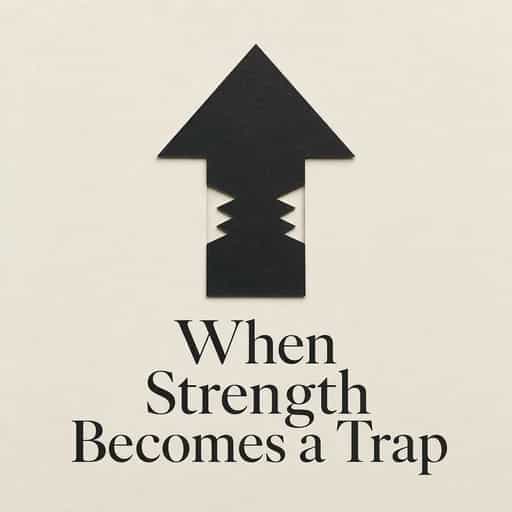
The Peter Principle is the idea that in a hierarchy, people keep getting promoted until they reach their 'level of incompetence.' The very thing that gets you the job—being an incredible individual contributor—is the exact thing that suggests you might struggle once you are in charge of others.
Generated with BeFreed
Does the best worker make the worst manager?






자주 묻는 질문
The Peter Principle is a management concept suggesting that in a hierarchy, every employee tends to rise to their "level of incompetence." This occurs because people are promoted based on their success in their current role rather than their aptitude for the new one. Eventually, they reach a position where their skills no longer match the requirements, and they stop being promoted, remaining stuck at a "plateau" where they are no longer effective.
The transition from an individual contributor to a manager requires a fundamental psychological shift from focusing on personal success to focusing on the success of others. Research shows that the traits of a "lone wolf"—such as autonomy and individual drive—can actually poison a team environment. Management requires "social processing skills" like listening, conflict resolution, and resource allocation, which are often the polar opposite of the skills required to be a top-tier salesperson or technical specialist.
The Incentive Dilemma is the difficult choice a firm must make between promoting the best manager or the best worker. If a company promotes based on managerial potential rather than current performance, it may improve leadership but destroy the motivation of the rest of the workforce. To keep the "office tournament" alive and prevent star performers from leaving, companies often promote high achievers even when they suspect those individuals will be mediocre or poor managers.
Promoting a high-performing individual who lacks collaborative or leadership skills can have a staggering negative impact on a team. Data suggests that when a "lone wolf" takes over, the performance of their subordinates can drop by approximately 7.5 percent. Conversely, if a firm were to promote based on managerial potential, team performance could be up to 30 percent higher. Furthermore, ineffective managers lead to lower employee engagement and higher rates of burnout.
One of the most effective solutions is the implementation of "dual career tracks," which allow specialists to receive raises, prestige, and authority without being forced into management roles. Organizations should also move away from using promotion as a "prize" for past performance and instead use scientific assessments to test for leadership traits, such as economic decision-making and the ability to create psychological safety. Training can also help, but only if the individual genuinely values the work of coaching and delegating.
샌프란시스코에서 컬럼비아 대학교 동문들이 만들었습니다
"Instead of endless scrolling, I just hit play on BeFreed. It saves me so much time."


"I never knew where to start with nonfiction—BeFreed’s book lists turned into podcasts gave me a clear path."


"Perfect balance between learning and entertainment. Finished ‘Thinking, Fast and Slow’ on my commute this week."
"Crazy how much I learned while walking the dog. BeFreed = small habits → big gains."
"Reading used to feel like a chore. Now it’s just part of my lifestyle."

"Feels effortless compared to reading. I’ve finished 6 books this month already."
"BeFreed turned my guilty doomscrolling into something that feels productive and inspiring."

"BeFreed turned my commute into learning time. 20-min podcasts are perfect for finishing books I never had time for."
"BeFreed replaced my podcast queue. Imagine Spotify for books — that’s it. 🙌"

"It is great for me to learn something from the book without reading it."
"The themed book list podcasts help me connect ideas across authors—like a guided audio journey."
"Makes me feel smarter every time before going to work"
샌프란시스코에서 컬럼비아 대학교 동문들이 만들었습니다
"Instead of endless scrolling, I just hit play on BeFreed. It saves me so much time."
"I never knew where to start with nonfiction—BeFreed’s book lists turned into podcasts gave me a clear path."
"Perfect balance between learning and entertainment. Finished ‘Thinking, Fast and Slow’ on my commute this week."
"Crazy how much I learned while walking the dog. BeFreed = small habits → big gains."
"Reading used to feel like a chore. Now it’s just part of my lifestyle."
"Feels effortless compared to reading. I’ve finished 6 books this month already."
"BeFreed turned my guilty doomscrolling into something that feels productive and inspiring."
"BeFreed turned my commute into learning time. 20-min podcasts are perfect for finishing books I never had time for."
"BeFreed replaced my podcast queue. Imagine Spotify for books — that’s it. 🙌"
"It is great for me to learn something from the book without reading it."
"The themed book list podcasts help me connect ideas across authors—like a guided audio journey."
"Makes me feel smarter every time before going to work"
"Instead of endless scrolling, I just hit play on BeFreed. It saves me so much time."
"I never knew where to start with nonfiction—BeFreed’s book lists turned into podcasts gave me a clear path."
"Perfect balance between learning and entertainment. Finished ‘Thinking, Fast and Slow’ on my commute this week."
"Crazy how much I learned while walking the dog. BeFreed = small habits → big gains."
"Reading used to feel like a chore. Now it’s just part of my lifestyle."
"Feels effortless compared to reading. I’ve finished 6 books this month already."
"BeFreed turned my guilty doomscrolling into something that feels productive and inspiring."
"BeFreed turned my commute into learning time. 20-min podcasts are perfect for finishing books I never had time for."
"BeFreed replaced my podcast queue. Imagine Spotify for books — that’s it. 🙌"
"It is great for me to learn something from the book without reading it."
"The themed book list podcasts help me connect ideas across authors—like a guided audio journey."
"Makes me feel smarter every time before going to work"
"Instead of endless scrolling, I just hit play on BeFreed. It saves me so much time."
"I never knew where to start with nonfiction—BeFreed’s book lists turned into podcasts gave me a clear path."
"Perfect balance between learning and entertainment. Finished ‘Thinking, Fast and Slow’ on my commute this week."
"Crazy how much I learned while walking the dog. BeFreed = small habits → big gains."
"Reading used to feel like a chore. Now it’s just part of my lifestyle."
"Feels effortless compared to reading. I’ve finished 6 books this month already."
"BeFreed turned my guilty doomscrolling into something that feels productive and inspiring."
"BeFreed turned my commute into learning time. 20-min podcasts are perfect for finishing books I never had time for."
"BeFreed replaced my podcast queue. Imagine Spotify for books — that’s it. 🙌"
"It is great for me to learn something from the book without reading it."
"The themed book list podcasts help me connect ideas across authors—like a guided audio journey."
"Makes me feel smarter every time before going to work"




![How to Get Promoted: The Daily Behaviors That Signal Leadership [2026]](/_next/image?url=https%3A%2F%2Fd1y2du6z1jfm9e.cloudfront.net%2Fassets%2Fpodcast%2Fgreen.png&w=1024&q=50)