BeFreed
    Categories>Psychology>Textiety: Managing the Stress of Waiting for a Text Back

    Textiety: Managing the Stress of Waiting for a Text Back

    18분
    |
    |
    2026년 5월 11일
    PsychologyRelationshipsCommunication

    Learn to manage textiety and the stress of waiting for a text back. Explore how digital communication impacts mental health and triggers an anxious stress response.

    Textiety: Managing the Stress of Waiting for a Text Back
    전달 방식을 선택하세요

    하나의 에피소드, 다양한 청취 방식.

    Textiety: Managing the Stress of Waiting for a Text Back의 같은 아이디어를 나에게 맞는 목소리, 깊이, 속도로 만나보세요. 언제든 바꿀 수 있습니다.

    전체 대본 및 챕터

    챕터 1

    Section 1: The Spiral that Starts at Two PM

    Lena: Hey Miles, I was thinking today about that specific kind of silence that feels heavy—you know the one? It’s Wednesday, it’s 2:00 pm, and you sent a text hours ago to someone you really, really like. You know they’re at the office, you know they’re busy, but your brain is currently convinced they’ve moved to a remote island to escape you .

    Miles: Oh, I know that silence. It’s like the air in the room changes. You start out feeling totally secure—after all, they’ve been intentional and safe with you for months—but suddenly, because that little bubble hasn't popped up on your screen, you’re spiraling. It’s what some people are calling "textiety," and it’s a genuine stress response that can absolutely hijack your entire day .

    Lena: "Textiety"—I love that, even though the feeling itself is the worst. It’s fascinating because it doesn't even mean you’re "needy" or "too much." Digital communication is just naturally ambiguous. We’re stripped of tone, facial expressions, and body language, leaving our brains to fill in the gaps. And let’s be real, when we’re anxious, we don’t fill those gaps with "Oh, they’re probably just crushing a presentation." We fill them with disaster .

    Miles: Exactly. We’re basically taking a casual exchange and treating it like a final exam that determines our entire worth . What’s wild is that research actually suggests that waiting for a text back can activate some of the same brain pathways as physical discomfort. The uncertainty is so painful that we compulsively check our phones just to try and resolve the itch .

    Lena: That makes so much sense! It’s like a loop—you send the text, the anxiety spikes, you check the phone, there’s no reply, and the spiral just tightens. It’s exhausting. But today, we’re going to break that loop. We’re looking at a practical playbook to manage this, from a simple two-step formula to some "sanity check" facts you can hold onto until that phone finally pings .

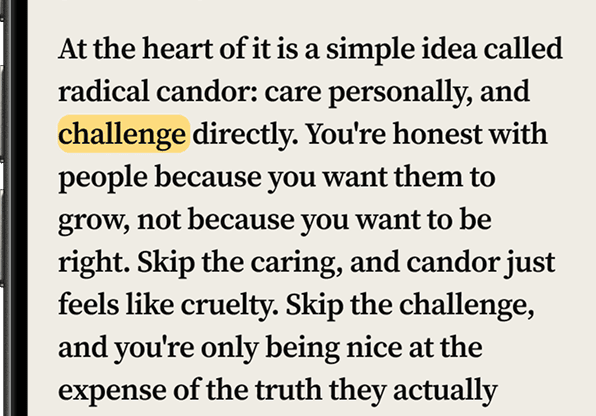
    Miles: It’s all about moving from a passive state of "waiting" to an active state of "living." Because the truth is, your worth isn't determined by how fast someone hits "send" .

    Lena: I love that. So, let’s dive into why our brains are actually wired to freak out over a missing emoji—and how we can start to take that power back.

    챕터 2

    Section 2: Why Your Brain Treats a Delayed Reply as a Survival Threat

    Miles: You know, Lena, it’s helpful to realize that our brains are actually trying to protect us when we spiral. Back in the day, being cast out of your social group was a literal survival issue. So, when you send a text and don't get a reply, the part of your brain that handles fear lights up because it perceives a threat of rejection .

    Lena: So, my brain thinks a late reply is basically the same as being left in the woods? That explains why my heart starts racing and my palms get sweaty just looking at a blank lock screen . It’s a total "fight or flight" response for something as small as a "k" or a period instead of an exclamation point.

    Miles: It really is. And because we don't have those non-verbal cues—like seeing them smile or hearing a playful tone in their voice—we default to the worst possible interpretation. A "haha" could be genuine, or it could be polite. A delayed response could mean they’re in a meeting, or it could mean they’re ghosting. Without context, the anxious brain defaults to catastrophe .

    Lena: I’ve definitely been there. You start rereading your own sent messages, analyzing every word choice, wondering if that last joke was actually offensive. It’s like you’re trying to decode a secret language that doesn't actually exist .

    Miles: And that’s the trap. We think if we can just "decode" the behavior, we’ll feel safe. But really, communication should be relatively seamless. If you’re having to spend hours deconstructing every text, that might be a sign the communication style just isn't a fit—but often, it’s just our own attachment style flaring up .

    Lena: Right, especially if you have an anxious attachment style. Every delay feels like confirmation that they’re pulling away. It’s that deep fear of abandonment being triggered by a three-hour gap in conversation .

    Miles: And it creates this addictive cycle. The unpredictability—sometimes they reply fast, sometimes slow—is like a slot machine for your brain. You’re hooked on the relief you feel when they finally do respond .

    Lena: It’s a lot to carry. But I think the first step is just acknowledging that this is a real thing. It’s not "drama"; it’s a physiological response to uncertainty .

    Miles: Totally. And once we see the mechanics of it, we can start to apply some logic. Like the two-step formula that starts with looking at the actual facts of the relationship rather than the stories we’re telling ourselves in the dark .

    Lena: That sounds like exactly what we need. Let’s break down how to actually look at those facts when the anxiety is screaming.

    이 에피소드로 더 깊이 배우기

    이 에피소드의 아이디어를 BeFreed의 가이드 학습 경험으로 더 깊이 탐구해 보세요.

    챕터 3

    Section 3: The Fact-Finding Mission to Silence the Noise

    Miles: Okay, so when you’re in the middle of that 2:00 pm Wednesday spiral, the very first thing you need to do—before you send another text or delete the app—is to look at the facts. Not how you feel, but what has actually happened in the past .

    Lena: That’s easier said than done when my brain is shouting "they hate you!" but I see the point. It’s about grounding yourself in reality. So, what kind of questions should we be asking ourselves?

    Miles: You want to ask: "How have they made me feel secure in the past?" or "What have they actually done to help me trust them?" Maybe there was a similar moment where you felt this exact anxiety, and they ended up reassuring you later .

    Lena: Oh, that’s a good one. Like, "Wait, they didn't text for four hours last Tuesday either because they were in a budget meeting, and then they called me right after." It’s about building a case for the relationship instead of a case against it.

    Miles: Exactly. It’s a "sanity check." If they’ve been intentional and safe up to this point, one afternoon of silence doesn't erase that history. Now, if you find yourself struggling to find any examples of security or trust, that’s a different conversation—that might be a sign to reevaluate the relationship entirely .

    Lena: That’s a really important distinction. There’s a difference between "texting anxiety" and "my gut telling me this person isn't showing up." If they consistently take days—not hours—to reply, or if they only text late at night, that’s not your anxiety overreacting. That’s low interest .

    Miles: Right. Trust patterns, not single incidents. If the pattern is "they’re great in person but suck at texting during work hours," that’s a fact you can work with. You have to convince yourself of what you rationally know: they haven't just stopped liking you since breakfast .

    Lena: I like the idea of saying it out loud. "They still love me. I am still lovable." It sounds a bit cheesy, but when your body is in "threat mode," you need that direct verbal reassurance .

    Miles: It’s about using logic to bridge the gap until you can get to the second step of the formula, which is self-regulation. Because once you’ve looked at the facts, you still have to figure out what to do with all that nervous energy while you wait .

    Lena: And that’s the hard part—not checking the phone every thirty seconds to see if the facts have changed.

    챕터 4

    Section 4: Taking the Reins Through Self-Regulation

    Miles: So, once you’ve acknowledged the facts—"They’re at work, they’ve been great so far, they aren't ghosting"—you have to step away from the trigger. And in this case, the trigger is that rectangular piece of glass in your hand .

    Lena: This is the part where I usually fail. I’ll tell myself I’m not checking, and then two minutes later, I’ve refreshed the chat three times. It’s like a reflex.

    Miles: That’s why you have to make it physical. Put the phone on a charger in a completely different room. Or give it to a friend. You can’t spiral over what you can’t see .

    Lena: I’ve heard of people putting their phone in a drawer or even a bag. It creates that "out of sight, out of mind" buffer. And then what? Just sit there and vibrate with anxiety?

    Miles: No, you fill the gap! Anxiety loves empty space. You need something that actually engages your brain—not just passive scrolling on social media, because your mind will just wander back to the text. Try some movement, go for a walk outside, or get back to your actual to-do list for the day .

    Lena: Connecting with nature is a huge one. It’s hard to feel like a delayed text is a life-or-death situation when you’re looking at a tree or a park. It just drops the priority of that text in your brain .

    Miles: Another great move is to phone a friend. But—and this is the key—not to talk about the texting anxiety! Call them just to catch up and feel connected to someone else. It reminds you that your social world is bigger than just this one person .

    Lena: That’s a brilliant distinction. If I call a friend just to vent about why he hasn't texted, I’m still obsessing. But if we talk about her new job or a movie, I’m actually regulating my system.

    Miles: Precisely. You’re teaching your brain that you can feel secure and connected without that specific person’s immediate validation. It’s about being mindful and present in the environment around you instead of being trapped in your thoughts .

    Lena: It’s like we’re training ourselves. And the more we practice this two-step formula—look at facts, then self-regulate—the less we’ll need it over time as we get more comfortable with their schedule and who they are .

    Miles: It takes patience, for sure. But it’s also about realizing you have the power to help yourself out. You don't have to be a victim of your own notification settings.

    이 에피소드로 더 깊이 배우기

    이 에피소드의 아이디어를 BeFreed의 가이드 학습 경험으로 더 깊이 탐구해 보세요.

    챕터 5

    Section 5: Ditching the Decoding and Choosing Clarity

    Lena: You know, Miles, something we talked about earlier really stuck with me—this idea of "decoding." I think so much of our anxiety comes from trying to be a mind reader. We see a smirk emoji and we’re like, "Is that a confirmation? Is it sarcasm? Does it mean they’re bored?" .

    Miles: It’s a waste of mental energy. If every text feels like a riddle you have to solve, you have to ask yourself: "Should it really be this hard?" Communication with the right person should be relatively seamless. But if you are confused, the most radical thing you can do is just... ask .

    Lena: Wait, you mean I can just say, "Hey, I wasn't sure what that emoji meant, are we still on for Saturday?" . That feels so "needy" though!

    Miles: I know! People are terrified of coming off as "high maintenance." But you’re a key player in the relationship too. Being assertive and seeking clarification actually saves time and prevents you from sitting in "limbo" while you wait .

    Lena: That’s a great point. It’s better to have an answer—even if it’s not the one you want—than to spend seventy-two hours in a rabbit hole of "what-ifs."

    Miles: And honestly, if texting is making a situation messier than it needs to be, just pick up the phone or wait until you see them in person. Hearing a tone of voice or seeing a facial expression can clear up a "misunderstanding" and reduce the likelihood of misunderstanding .

    Lena: It’s so old school, but so effective. Non-verbal cues like eye contact and posture help you discern if someone is being sarcastic or genuine. It takes the guesswork out of the equation .

    Miles: And if you’re in a committed, healthy relationship, you can even lean on your partner. You can share your triggers with them. Not in a "you’re doing this wrong" way, but a "hey, I’m working on my texting anxiety, and it really helps me when I get a quick update if you’re busy" way .

    Lena: I love that framing—making it "us against the problem" instead of "me against you." It’s not their job to "fix" your anxiety, but a supportive partner will usually be happy to assist by sending a quick "busy at work, talk later!" text .

    Miles: Exactly. It’s about authentic connection. We use texting for shortcuts and efficiency, but real intimacy requires a bit more than just "k" and "lol" .

    Lena: So, instead of being a detective trying to solve a crime, we should just be... people talking to people.

    챕터 6

    Section 6: The Perfectionism Trap and the Two-Minute Rule

    Miles: Another thing that really fuels the fire is this "perfectionism trap." We want to sound funny, interesting, and effortless all at once. So we draft, delete, re-draft, and then send a screenshot to the group chat for approval .

    Lena: Oh, the group chat approval! I’ve definitely been the person waiting twenty minutes for my best friend to tell me if a comma makes me look "too intense."

    Miles: Here’s the reality: most people spend about two seconds reading your text. They aren't analyzing your punctuation. Your third draft isn't meaningfully better than your first; it’s just more overthought .

    Lena: That’s a tough pill to swallow, but it’s so true. We treat it like a cover letter, but to them, it’s just a casual exchange while they’re waiting for coffee .

    Miles: So, to break this, we need a "type, read, send" rule. Give yourself one edit for obvious errors, and that’s it. Or better yet, set a timer for sixty seconds. When it goes off, you hit send, no exceptions . Trust your first instinct .

    Lena: Sixty seconds? That sounds terrifying. But I guess it forces you to be authentic. If you wouldn't say it out loud to their face, you shouldn't be texting it anyway. Formal, carefully constructed texts often feel stiff and weird because nobody actually talks like that .

    Miles: Right! If it sounds like you’re writing a business proposal, start over. "Write like you talk" is the best way to keep the spontaneity that makes conversations actually enjoyable .

    Lena: It’s funny how we try so hard to seem "perfect" that we end up sounding like a robot. And then we wonder why the connection feels off.

    Miles: And once that "imperfect" text is out there, you have to resist the "anxious follow-up." You know, the "hey, you okay?" or "did I do something wrong?" when they haven't replied in two hours .

    Lena: Those are the worst. They put so much pressure on the other person to constantly reassure you, which can actually push them away .

    Miles: If you must send something, make it a natural continuation of the conversation, not an anxiety-driven check-in. Unless it’s been several days and you had plans—then a casual "hey, are we still on for Friday?" is totally reasonable .

    Lena: It’s about maintaining your own dignity and boundaries while also giving them space to be a human with a life.

    이 에피소드로 더 깊이 배우기

    이 에피소드의 아이디어를 BeFreed의 가이드 학습 경험으로 더 깊이 탐구해 보세요.

    챕터 7

    Section 7: A Practical Playbook for Your Next High-Stakes Text

    Miles: Okay, Lena, let’s wrap this into a real-world game plan. Imagine it’s that Wednesday afternoon again. You’ve sent the text, the silence is loud, and the heart is racing. What’s the first move?

    Lena: First move: The 60-second timer. I’m typing my authentic thought, reading it once for typos, and hitting send. No group chats, no third drafts .

    Miles: Perfect. Then, immediately—and I mean immediately—the phone goes in another room. Or a drawer. You create physical distance so you can’t compulsively check for that reply .

    Lena: And while the phone is in the "penalty box," I’m doing the Fact-Finding Mission. I’m asking myself: "Has this person been consistent? Did they tell me they had a big meeting today?" I’m reminding myself that "I am still lovable" even if my phone is silent .

    Miles: Then, you fill the gap. Go for a 20-minute walk, do some cardio to burn off that nervous energy, or call a friend to talk about anything else. This trains your brain that life goes on without a notification .

    Lena: I also like the "So What?" exercise. If I follow the scary thought to the end—"They aren't interested" -> "So what?" -> "I’ll keep meeting other people" -> "I’ll eventually find a better match." It makes the "worst case" feel way less catastrophic .

    Miles: That’s a powerful one. And if you’re really struggling, try "low-stakes practice." Text your friends or family without overthinking. Send a typo and don't fix it. Notice that the world doesn't end and they still like you .

    Lena: It’s like exposure therapy for our texting habits. And if things are truly confusing, I’m going to stop being a detective and just ask a clarifying question or suggest a quick call. No more decoding emojis like they’re ancient hieroglyphics .

    Miles: And finally, turn off the read receipts and the "last seen" status. Ignorance really is bliss when you’re prone to spiraling over someone seeing a message and not replying immediately .

    Lena: That’s a huge one. It’s about removing the data points that our anxiety uses to build its fake cases against us.

    Miles: Exactly. You’re taking control of your environment instead of letting the technology control your emotions.

    챕터 8

    Section 8: Closing Reflection on Secure Connection

    Lena: So, as we bring this to a close, I’m realizing that "healthy texting" isn't about not caring. It’s human to care if someone you like texts you back. The goal is just to care without it running your entire day .

    Miles: Right. Secure texting is about being comfortable with silence. It’s about sending a message that reflects who you actually are—typos and all—and then going about your life, trusting that the right person won't be scared off by an "imperfect" text .

    Lena: I love that. The right person isn't looking for a perfect performance; they’re looking for a real connection. And being real means accepting that sometimes conversations fizzle or pauses happen, and it doesn't mean the relationship is over .

    Miles: It’s a practice. You might have to use that two-step formula every single day for a while until it becomes second nature. But over time, as you get to know someone’s rhythm, the anxiety naturally starts to pull back .

    Lena: It really does come down to that—time and trust. Both in the other person and in ourselves. We’re not broken for feeling this way; we’re just navigating a very weird, digital-first dating world .

    Miles: We really are. So, for everyone listening, maybe try one "imperfect" text today. Don't reread it, don't edit it, just send it and put the phone down for twenty minutes. See how it feels to let go of that control.

    Lena: I’m going to try that myself. It’s a small step toward taking the power back.

    Miles: It definitely is. Thanks for exploring this with me today, Lena. It’s been a really grounding conversation.

    Lena: I agree. And thank you all for listening. We hope this gives you a little more peace of mind the next time you’re staring at that 2:00 pm silence. Take a breath, look at the facts, and remember that you’re worth way more than a text back.

    Miles: Well said. Reflect on those facts today, everyone. See you next time.

    ★★★★★

    Textiety: Managing the Stress of Waiting for a Text Back의 끝까지 도달했어요

    “23일째 매일 사용하고 있어요. 이제 제 일상의 한 부분이 되었습니다.”

    jayallen

    Textiety: Managing the Stress of Waiting for a Text Back 베스트 인용

    “

    It’s all about moving from a passive state of 'waiting' to an active state of 'living.' Because the truth is, your worth isn't determined by how fast someone hits 'send.'

    ”
    M

    Generated by Mick

    질문 입력

    Dating can be tough. Worried that they are losing interest because they haven’t messaged for the day. Even though I know they are interested. The anxiety is fucked

    호스트 음성
    Lenaplay
    Milesplay
    지식 출처
    A 2-Step Formula to Manage Texting Anxiety in Dating — NYC Dating Coach: Stevie Bowen | The City of Dating
    link
    https://www.thecityofdating.com/datingadvicecolumn/managetextinganxietyindating
    4 Tips to Help You Manage Your Texting Anxiety | Psychology Today Canada
    link
    https://www.psychologytoday.com/ca/blog/modern-dating/202110/4-tips-help-you-manage-your-texting-anxiety
    Texting anxiety | “I still feel anxious when he doesn’t text back”: Coping with texting anxiety in romantic relationships
    link
    https://anxiously-attached.com/texting-anxiety-romantic-relationships/
    Texting Anxiety in Dating: Why It Happens and How to Stop It | TextVibe
    link
    https://textvibe.app/blog/texting-anxiety-dating/
    How to Stop Overthinking Every Text Message You Send - Meet Millie
    link
    https://meetmillie.app/how-to-stop-overthinking-every-text-message-you-send/

    자주 묻는 질문

    Textiety is a modern stress response triggered by the silence following a sent message. In digital communication, we are often stripped of essential cues like tone, facial expressions, and body language. This ambiguity leaves the brain to fill in the gaps, often leading to anxiety or a sense of disaster when a response is delayed. It can hijack your day, even if the other person has previously been intentional and safe.

    Waiting for a text can feel like a heavy silence that changes the air in the room. Even when you feel secure in a relationship, the absence of a reply bubble can cause a spiral. This experience is a genuine stress response where a casual exchange is treated with the intensity of a final exam. Research suggests that this waiting game activates specific mental pathways that can impact your sense of worth and overall mental health.

    Feeling textiety does not necessarily mean you are needy or "too much." It is a common reaction to the naturally ambiguous nature of texting. Because digital communication lacks the physical presence of a partner, anxious minds often fill the silence with negative scenarios rather than logical explanations, such as the other person being busy at work. Understanding this can help you manage relationship anxiety and the stress of the waiting game.
    컬럼비아 대학교 동문들이 제작 | 샌프란시스코에서 개발

    BeFreed는 호기심 넘치는 글로벌 커뮤니티를 하나로 연결합니다

    4.7

    평균 평점

    앱 평가 7.84천 개 이상

    BeFreed 커뮤니티

    정말이지 아직 앱을 다 써 보지도 않았는데, 며칠 써 본 것만으로도 깊은 인상을 받았어요… BeFreed는 제가 써 본 어떤 학습 앱과도 차원이 달라요. 몰입감이 엄청나고 집중력도 실제로 좋아져서, 스마트폰을 하염없이 스크롤하는 분들께 딱이에요!

    @ladyInfinity

    정확히 23일 전에 BeFreed를 구입했는데, 그날부터 하루도 빠짐없이 쓰고 있어요. 제 일상 업무 흐름과 학습 습관에 완전히 자리 잡았어요.

    @jayallen

    솔직히 이 앱은 제 기대를 전부 뛰어넘었어요. 어떤 주제든 오디오로 만들어 달라고 할 수 있고, 결과물이 놀라워요. 제 전문 분야는 심리치료 쪽이고 여러 학문이 얽혀 있는데도 답변이 아주 정확해요.

    @Raguipa

    제일 고마운 건 스크롤하는 시간이 확 줄었다는 거예요. 검색하는 시간은 줄고 흡수하는 시간은 늘었어요. 오디오북 전권, 팟캐스트, 학습 플랜의 조합이 정말 훌륭해요.

    @colonyofcreatorsNGO

    저는 24년째 PhotoReading 속진 학습 강사로 일하고 있어요… 책과 독서, 배움이 제 전문인데, BeFreed는 정보를 소화하기 쉽게 전달하는 혁신적인 방식을 정말 잘 구현했어요.

    @BeFreed user

    단순한 책 요약 앱이 아니에요. '재미' 스타일을 써 봤는데, 전통적인 방식보다 훨씬 나은 요약이고 아이디어를 이해하기도 쉬워요. 이것만으로도 값어치를 해요.

    @austinakon

    이 앱이 정말 좋아요. 며칠 써 봤는데 듣는 걸 멈출 수가 없어요. 시작하기에 이보다 좋을 수 없어요.

    @jcrules328

    정말 마음에 들어요. 한 달 정도 써 봤는데 숨은 보석을 찾은 기분이에요. BeFreed로 제가 원하는 주제를 직접 만들 수 있어서 좋고, 목소리도 훌륭한 데다 내레이션 선택지가 무궁무진해요.

    @DanielCZ

    정말이지 아직 앱을 다 써 보지도 않았는데, 며칠 써 본 것만으로도 깊은 인상을 받았어요… BeFreed는 제가 써 본 어떤 학습 앱과도 차원이 달라요. 몰입감이 엄청나고 집중력도 실제로 좋아져서, 스마트폰을 하염없이 스크롤하는 분들께 딱이에요!

    @ladyInfinity

    정확히 23일 전에 BeFreed를 구입했는데, 그날부터 하루도 빠짐없이 쓰고 있어요. 제 일상 업무 흐름과 학습 습관에 완전히 자리 잡았어요.

    @jayallen

    솔직히 이 앱은 제 기대를 전부 뛰어넘었어요. 어떤 주제든 오디오로 만들어 달라고 할 수 있고, 결과물이 놀라워요. 제 전문 분야는 심리치료 쪽이고 여러 학문이 얽혀 있는데도 답변이 아주 정확해요.

    @Raguipa

    제일 고마운 건 스크롤하는 시간이 확 줄었다는 거예요. 검색하는 시간은 줄고 흡수하는 시간은 늘었어요. 오디오북 전권, 팟캐스트, 학습 플랜의 조합이 정말 훌륭해요.

    @colonyofcreatorsNGO

    저는 24년째 PhotoReading 속진 학습 강사로 일하고 있어요… 책과 독서, 배움이 제 전문인데, BeFreed는 정보를 소화하기 쉽게 전달하는 혁신적인 방식을 정말 잘 구현했어요.

    @BeFreed user

    단순한 책 요약 앱이 아니에요. '재미' 스타일을 써 봤는데, 전통적인 방식보다 훨씬 나은 요약이고 아이디어를 이해하기도 쉬워요. 이것만으로도 값어치를 해요.

    @austinakon

    이 앱이 정말 좋아요. 며칠 써 봤는데 듣는 걸 멈출 수가 없어요. 시작하기에 이보다 좋을 수 없어요.

    @jcrules328

    정말 마음에 들어요. 한 달 정도 써 봤는데 숨은 보석을 찾은 기분이에요. BeFreed로 제가 원하는 주제를 직접 만들 수 있어서 좋고, 목소리도 훌륭한 데다 내레이션 선택지가 무궁무진해요.

    @DanielCZ

    유용한 정보와 아이디어를 8~15분짜리 팟캐스트 스타일 오디오로 압축해서 들을 수 있다는 게 정말 좋아요. 원래 팟캐스트는 군더더기가 많아서 안 좋아했는데, 여기는 그걸 싹 걷어냈어요.

    @BeFreed user

    박사 과정을 마무리하는 중이라 낯선 자료를 많이 읽어야 해요… BeFreed에서는 프롬프트만 입력하면 앱이 자료를 찾아서 오디오 팟캐스트로 만들어 줘요. BeFreed의 과정이 NotebookLM보다 더 매끄럽게 느껴져요.

    @Brad

    아침을 준비하거나 산책하거나 출퇴근할 때 들을 것을 YouTube에서 자주 찾곤 했는데, BeFreed는 광고도 군더더기도 없이 훨씬 더 딱 맞는 걸 들려줘요!

    @BeFreed user

    이 플랫폼의 가장 큰 장점은 활용도예요. 다루지 못하는 주제가 말 그대로 하나도 없어요. 무엇을 던져도 다 소화해요… 제한이 전혀 없으면서 약속을 실제로 지키는 학습 도구는 정말 드물어요.

    @jayallen

    BeFreed는 환상적이에요. 디자인이 편해서 헤매는 시간은 줄고 배우는 시간은 늘었어요. 오디오북, 팟캐스트, 학습 플랜의 조합은 천재적이에요. 제 하루가 완전히 달라졌어요.

    @BeFreed user

    처음엔 이탈리아어로 팟캐스트를 만드는 방법을 이해하는 데 시간이 좀 걸렸는데, 알고 나니까 — 와! 정말 대단해요! 어떤 주제든 설명해 달라고 하면 정말 똑똑하게 잘 설명해 줘요!

    @matteo77

    BeFreed는 제가 매일 쓰는 오디오북 앱이 됐어요… 제일 마음에 드는 건 텍스트를 넣으면 이동 중에도 들을 수 있는 오디오로 만들어 준다는 점이에요.

    @kotanzu1

    유용한 정보와 아이디어를 8~15분짜리 팟캐스트 스타일 오디오로 압축해서 들을 수 있다는 게 정말 좋아요. 원래 팟캐스트는 군더더기가 많아서 안 좋아했는데, 여기는 그걸 싹 걷어냈어요.

    @BeFreed user

    박사 과정을 마무리하는 중이라 낯선 자료를 많이 읽어야 해요… BeFreed에서는 프롬프트만 입력하면 앱이 자료를 찾아서 오디오 팟캐스트로 만들어 줘요. BeFreed의 과정이 NotebookLM보다 더 매끄럽게 느껴져요.

    @Brad

    아침을 준비하거나 산책하거나 출퇴근할 때 들을 것을 YouTube에서 자주 찾곤 했는데, BeFreed는 광고도 군더더기도 없이 훨씬 더 딱 맞는 걸 들려줘요!

    @BeFreed user

    이 플랫폼의 가장 큰 장점은 활용도예요. 다루지 못하는 주제가 말 그대로 하나도 없어요. 무엇을 던져도 다 소화해요… 제한이 전혀 없으면서 약속을 실제로 지키는 학습 도구는 정말 드물어요.

    @jayallen

    BeFreed는 환상적이에요. 디자인이 편해서 헤매는 시간은 줄고 배우는 시간은 늘었어요. 오디오북, 팟캐스트, 학습 플랜의 조합은 천재적이에요. 제 하루가 완전히 달라졌어요.

    @BeFreed user

    처음엔 이탈리아어로 팟캐스트를 만드는 방법을 이해하는 데 시간이 좀 걸렸는데, 알고 나니까 — 와! 정말 대단해요! 어떤 주제든 설명해 달라고 하면 정말 똑똑하게 잘 설명해 줘요!

    @matteo77

    BeFreed는 제가 매일 쓰는 오디오북 앱이 됐어요… 제일 마음에 드는 건 텍스트를 넣으면 이동 중에도 들을 수 있는 오디오로 만들어 준다는 점이에요.

    @kotanzu1

    웹에서 BeFreed가 어떻게 논의되고 있는지 더 보기
    129.7K19.5K
    55.2K19.2K
    154.2K10827355
    48.1K2.5K
    81.2K6.6K
    82.3K1.8K
    지금 바로 학습 여정을 시작하세요
    BeFreed 앱
    BeFreed

    무엇이든 개인화된 학습

    DiscordLinkedIn
    추천 도서 요약
    Crucial ConversationsThe Perfect MarriageInto the WildNever Split the DifferenceAttachedGood to GreatSay Nothing
    인기 카테고리
    Self HelpCommunication SkillRelationshipMindfulnessPhilosophyInspirationProductivity
    유명인 추천 도서
    Elon MuskCharlie KirkBill GatesSteve JobsAndrew HubermanJoe RoganJordan Peterson
    수상작 컬렉션
    Pulitzer PrizeNational Book AwardGoodreads Choice AwardsNobel Prize in LiteratureNew York TimesCaldecott MedalNebula Award
    추천 주제
    ManagementAmerican HistoryWarTradingStoicismAnxietySex
    연도별 베스트 도서
    2025 Best Non Fiction Books2024 Best Non Fiction Books2023 Best Non Fiction Books
    추천 저자
    Chimamanda Ngozi AdichieGeorge OrwellO. J. SimpsonBarbara O'NeillWinston ChurchillCharlie Kirk
    BeFreed vs 다른 앱
    BeFreed vs. Other Book Summary AppsBeFreed vs. ElevenReaderBeFreed vs. ReadwiseBeFreed vs. Anki
    학습 도구
    Knowledge VisualizerAI Podcast Generator
    정보
    회사 소개arrow
    가격arrow
    FAQarrow
    블로그arrow
    채용arrow
    파트너십arrow
    앰배서더 프로그램arrow
    디렉토리arrow
    BeFreed
    Try now
    © 2026 BeFreed
    이용 약관개인정보 처리방침
    BeFreed

    무엇이든 개인화된 학습

    DiscordLinkedIn
    추천 도서 요약
    Crucial ConversationsThe Perfect MarriageInto the WildNever Split the DifferenceAttachedGood to GreatSay Nothing
    인기 카테고리
    Self HelpCommunication SkillRelationshipMindfulnessPhilosophyInspirationProductivity
    유명인 추천 도서
    Elon MuskCharlie KirkBill GatesSteve JobsAndrew HubermanJoe RoganJordan Peterson
    수상작 컬렉션
    Pulitzer PrizeNational Book AwardGoodreads Choice AwardsNobel Prize in LiteratureNew York TimesCaldecott MedalNebula Award
    추천 주제
    ManagementAmerican HistoryWarTradingStoicismAnxietySex
    연도별 베스트 도서
    2025 Best Non Fiction Books2024 Best Non Fiction Books2023 Best Non Fiction Books
    학습 도구
    Knowledge VisualizerAI Podcast Generator
    추천 저자
    Chimamanda Ngozi AdichieGeorge OrwellO. J. SimpsonBarbara O'NeillWinston ChurchillCharlie Kirk
    BeFreed vs 다른 앱
    BeFreed vs. Other Book Summary AppsBeFreed vs. ElevenReaderBeFreed vs. ReadwiseBeFreed vs. Anki
    정보
    회사 소개arrow
    가격arrow
    FAQarrow
    블로그arrow
    채용arrow
    파트너십arrow
    앰배서더 프로그램arrow
    디렉토리arrow
    BeFreed
    Try now
    © 2026 BeFreed
    이용 약관개인정보 처리방침

    비슷한 콘텐츠

    The Anxiety of the Unanswered Text 책 표지
    Waiting for a Reply (Anxious) — How to Stop Spiralling | Attachment Style GuideWhy You Panic When Your Partner Doesn’t Text Back: Attachment Anxiety, Three-Dot Dread, and Science-Backed Coping MovesWhy You Overthink Text Messages in Dating (And How to Stop Spiraling) | New York, NY | Psychotherapy for Young WomenHow to Stop Overthinking Text Messages: The Moment Your Brain Turns Silence Into a Story — relationship.sbs
    6 sources
    The Anxiety of the Unanswered Text
    Waiting for a reply can feel like a survival threat. Learn why your brain spirals into panic and how to stay grounded while the phone stays silent.
    807 min
    Anxious Attachment and the Digital Silence 책 표지
    The Texting Anxiety Survival Guide » Thoughts On Life And Love | Mental Health TherapyWhy You Panic When Your Partner Doesn’t Text Back: Attachment Anxiety, Three-Dot Dread, and Science-Backed Coping MovesSelf-Soothing Techniques for Anxious Attachment | Sentari7 Tips to Avoid Texting Anxiety When You Have An Anxious Attachment Style - Loveful Mind
    4 sources
    Anxious Attachment and the Digital Silence
    When a text goes unanswered, your brain can trigger a survival-level panic. Learn why silence feels like a threat and how to stop the spiral.
    833 min
    Texting Your Girlfriend: The Perfect Balance 책 표지
    How to Avoid Falling in Love with a JerkI Didn't Know I Needed ThisThe Game of DesireThe Five Flirting Styles
    25 sources
    Texting Your Girlfriend: The Perfect Balance
    Discover the unwritten rules of texting etiquette that keep relationships thriving, from timing your messages to crafting engaging content that strengthens your connection beyond the screen.
    12 min
    Stop overthinking in relationships by calming your body 책 표지
    Secret Language of the BodyAccessing the healing power of the vagus nerveGetting Past Your PastUnbroken
    24 sources
    Stop overthinking in relationships by calming your body
    When a text goes unanswered, your nervous system triggers a survival response. Learn to quiet the alarm and move from panic to clarity and self-trust.
    25 min
    The Digital Escape: Finding Quiet in the Scroll 책 표지
    The Hidden Cost of Constant ScrollingNeuroscientists reveal what happens in your brain during constant scrolling—and why you can't stop - Le RaviScrolling and the brain: why the swipe never feels like rest - Neuro & PsychoWhy You Should Stop Rejecting Unpleasant Feelings
    7 sources
    The Digital Escape: Finding Quiet in the Scroll
    When silence feels uncomfortable, we reach for our phones. Learn why we use digital noise to avoid our feelings and how to reclaim your presence.
    12 min
    Ghosting and the Psychology of Silence 책 표지
    The Psychology of Ghosting: Why Silence is the Loudest Message in 2026What Ghosting Means and How To CopeWhy Partners Disappear: The Psychology of Ghosting | Psychology TodayMoving On After Getting Ghosted: How to Find Closure Without an Explanation | The Tempesta Group
    6 sources
    Ghosting and the Psychology of Silence
    Struggling with a sudden digital disappearance? Learn why ghosting is rarely about you and how to close the loop without the late-night double text.
    18 min
    Resilience in the Waiting Room 책 표지
    Managing Emotional Challenges During Long-Term Rehab ProgramsHow to develop emotional resilience during addiction treatment - Samba RecoveryThe Anxiety of Waiting: How to Cope When You’re Stuck in the Unknown – Melissa Jones PsychotherapyPreparing for a Housing Interview 2016
    8 sources
    Resilience in the Waiting Room
    Waiting for housing while apart from your child is an agonizing endurance test. Learn to manage the 'soul-ache' and stay grounded through the unknown.
    652 min
    The Art of Sitting in Silence 책 표지
    Meditation for Severe Anxiety and Overthinking | When Silence Makes It WorseMindfulness for Overthinkers: How to Quiet a Wandering MindThe Quiet Practice: Why Solitude Is the Most Underrated Skill of Our Time - Start Early TodayCreative minds at rest: Creative individuals are more associative ...
    8 sources
    The Art of Sitting in Silence
    When silence feels like a threat, we reach for our phones to escape. Learn to quiet the restless urge for stimulation and unlock your creativity.
    1114 min

    Recommended Learning Plans

    The Strategic Use of Silence
    학습 계획

    The Strategic Use of Silence

    This learning plan is essential for professionals and individuals navigating high-stimulus environments who feel overwhelmed by constant communication. It provides a psychological framework for reclaiming mental clarity and emotional autonomy through the disciplined practice of quiet.

    1 h 12 m•3 섹션
    Quiet the Spinning Mind
    학습 계획

    Quiet the Spinning Mind

    In an era of constant overstimulation, many struggle with a mind that refuses to shut down. This plan is designed for high-stress individuals and chronic overthinkers who need practical, body-based tools to regain control over their mental state.

    1 h 12 m•3 섹션
    Keep the conversation alive
    학습 계획

    Keep the conversation alive

    In an era of digital disconnection, many struggle with social anxiety and the fear of awkward silences. This plan is designed for professionals and individuals looking to transform their social presence by shifting from self-consciousness to bold, intentional communication.

    1 h•3 섹션
    Decode the Silent Standoff
    학습 계획

    Decode the Silent Standoff

    This plan is designed for individuals looking to bridge communication gaps and resolve tension in their relationships. It is particularly beneficial for those who struggle to interpret nonverbal signals or navigate the transition from casual chat to emotional intimacy.

    1 h 30 m•3 섹션
    The Architecture of Inner Quiet
    학습 계획

    The Architecture of Inner Quiet

    In an era of constant digital and mental noise, the ability to regulate your nervous system is a vital skill. This plan is designed for high-pressure professionals and overthinkers seeking to transition from reactive stress to proactive psychological resilience.

    1 h 30 m•3 섹션
    Spot hidden habits killing productivity
    학습 계획

    Spot hidden habits killing productivity

    In an era of constant digital noise, traditional time management is no longer enough to stay effective. This plan is designed for professionals and students who feel busy but unproductive, offering the tools to reclaim focus and master cognitive energy.

    3 h 16 m•4 섹션
    Finding Your Baseline Calm
    학습 계획

    Finding Your Baseline Calm

    In an era of constant connectivity, many people live in a state of perpetual high alert without realizing it. This plan is designed for busy professionals and overwhelmed individuals who need practical, science-based tools to regulate their nervous system and reclaim their inner peace.

    1 h 30 m•3 섹션
    Stop overthinking and bypass mental noise
    학습 계획

    Stop overthinking and bypass mental noise

    In an era of constant information overload, many professionals and students find themselves paralyzed by chronic overthinking and anxiety. This plan offers a structured path for anyone seeking to regain control over their focus, reduce stress, and transform their relationship with their inner dialogue.

    5 h 41 m•4 섹션