BeFreed
    Categories>Politics>Tax reform and the 2025 fiscal Rubicon

    Tax reform and the 2025 fiscal Rubicon

    23분
    |
    |
    2026년 3월 19일
    • Politics
    • Finance & Economics
    • History & Society

    Is the 2025 tax landscape a national emergency or a power grab? Explore the SAVE Act and fiscal policy through a surreal lens of history and power.

    Tax reform and the 2025 fiscal Rubicon
    0:00 / 0:00
    전달 방식을 선택하세요

    하나의 에피소드, 다양한 청취 방식.

    Tax reform and the 2025 fiscal Rubicon의 같은 아이디어를 나에게 맞는 목소리, 깊이, 속도로 만나보세요. 언제든 바꿀 수 있습니다.

    전체 대본 및 챕터

    챕터 1

    Crossing the Rubicon of Tax Reform

    Picture this: Julius Caesar’s face pressed onto a fresh one-dollar coin while Kanye West argues it’s the ultimate "genius" branding move. You’re stepping into a multiverse where Harry Truman’s plain-spoken grit meets Caecilius—yes, the man from the garden—to deconstruct the Ides of March and the 2025 tax landscape. We’re diving into why the GOP is debating the SAVE Act and whether the 2025 trade imbalance is a true national emergency or just a "Caesarist" grab for unchecked power. Can Caecilius write off his villa’s atrium as a business expense under new legislation? Stay tuned, because the Republic—and your wallet—might just be crossing the Rubicon.

    챕터 2

    The Architecture of Power and the Crumbled Concrete of the East Wing

    Imagine Harry Truman leaning over a mahogany desk, his spectacles sliding down his nose as he stares at a grainy video of an excavator chewing through the East Wing of the White House. He would probably tell you, in that clipped Missouri cadence, that the presidency isn't a real estate play—it is a temporary lease on a house owned by the people. Yet, as we look at the 2025 landscape, the demolition of that wing to make room for a multimillion—dollar ballroom for high rollers feels less like a renovation and more like a statement of intent. It is a physical manifestation of what some critics are calling a move toward "Caesarism"—the idea that the leader's personal vision overrides the historical and legal guardrails of the institution. Truman’s own renovation in the late 1940s was a desperate struggle against gravity; the building was literally falling down, with piano legs crashing through floors and bathtubs sagging into dining rooms. He didn’t tear it down because he wanted a more "opulent" stage—he did it because the republic's home was structurally unsound. He worked with a bipartisan commission, including the president of the American Institute of Architects, to ensure every historical mantel and chandelier was preserved.

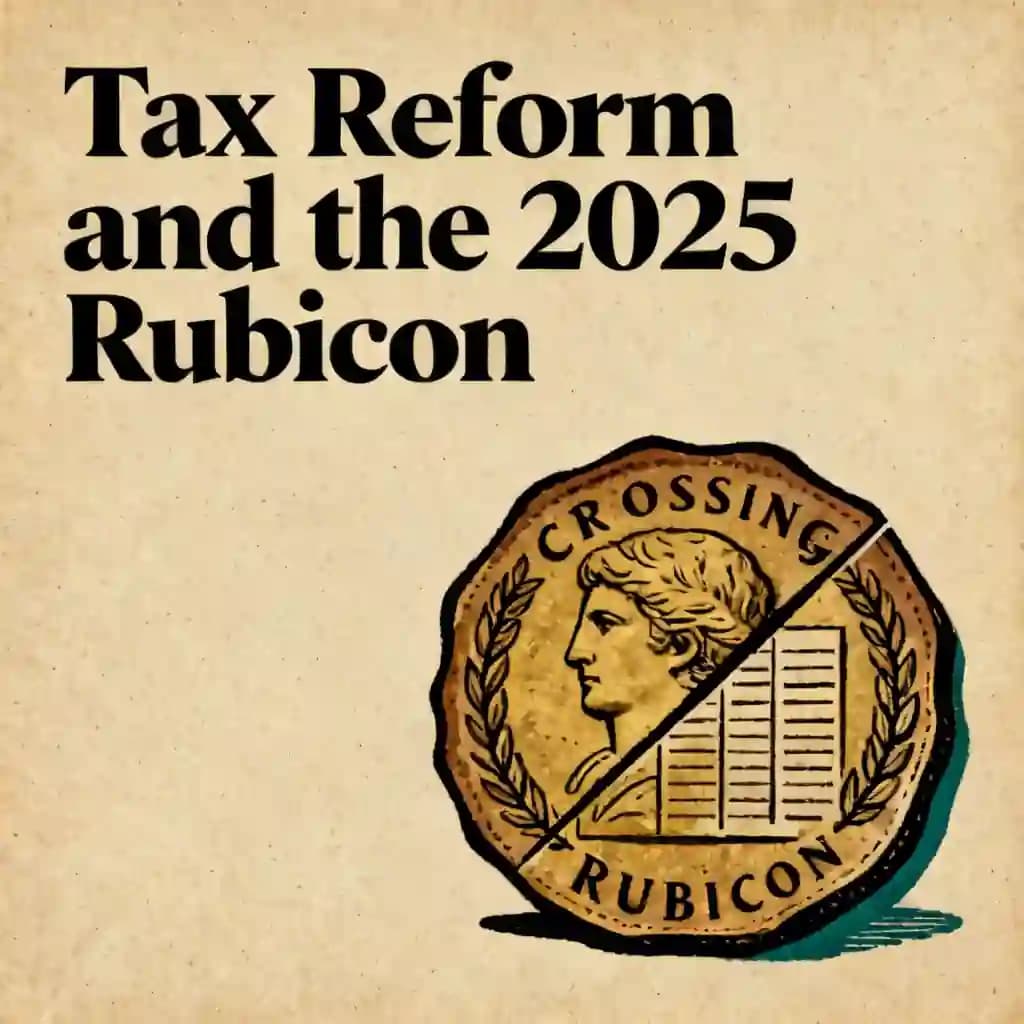
    Contrast that with the current atmosphere, where the National Capital Planning Commission wasn't even consulted before the debris started piling up. It’s a move that Kanye would likely call "architectural disruption," a way to "edit the past" to fit a new, bolder brand. But in the world of Roman history, this kind of unilateral reshaping of the landscape has a darker name. When Julius Caesar began placing his likeness on coins—the first living Roman to ever do so—it wasn't just a branding exercise. It was a signal that the Republic was dead and the era of the "Dictator for Life" had begun. Today, as we discuss the proposed 2026 one—dollar coin featuring a profile of the president and a defiant "fight, fight, fight" on the reverse, we are treading on the same hallowed, and dangerous, ground. An old law actually prohibits the likeness of any living person from appearing on U.S. currency, yet the push for this coin mirrors the way Caesar’s supporters "read the room" and moved to deify him before he even asked.

    Caecilius, our friend from the Pompeian garden, would recognize this immediately. In his world, the "atrium" was the heart of the home where business and politics merged—a place where the "patron" dispensed favors to his "clients." The modern White House East Wing becoming a ballroom for donors is just a high—tech version of the ancient Roman patronage system. If Caecilius were looking at the 2025 tax code, he would be asking if the costs of "entertaining" these donors could be deducted as a business expense. Under the "One Big Beautiful Bill Act" of 2025, the lines are blurring. We see a shift where the personalist system of state exactions begins to replace the legislated system of taxation for revenue. It is about political domination through the purse. When you have a leader declaring a trade imbalance a "national emergency" to bypass Congress and levy tariffs, you aren't just adjusting the economy—you are crossing the Rubicon into a space where the executive's will is the only law that matters.

    이 에피소드로 더 깊이 배우기

    이 에피소드의 아이디어를 BeFreed의 가이드 학습 경험으로 더 깊이 탐구해 보세요.

    챕터 3

    The Fiscal Toga and the Sovereign’s Personalist Purse

    Kanye might tell you that "revenue is just energy," but for the Roman Senate, revenue was the leash that kept the generals in check. The moment that leash snapped was the moment the Republic began its long, slow slide into Empire. We are seeing a modern echo of this in the way the Internal Revenue Service is being treated today. There’s an attempt to replace a neutral, legislated system with what historians call "personalist finance"—using the tax code not to fund the roads or the schools, but to reward friends and punish enemies. Think about the 2025 threats to the tax—exempt status of universities or the arbitrary nature of the new tariffs. One day a tariff on China is ten percent, the next it’s fifty, then it’s a hundred, all potentially triggered by a television ad that annoyed the Oval Office. It’s capricious, it’s nonsensical, and as Caecilius would tell you while adjusting his signet ring, it’s exactly how a Caesar operates.

    The core of the Roman Republic was the idea that no one man could declare war, levy taxes, or hand out favors without the "general consent of the realm." This goes back to the Magna Carta and even further to the Roman detestation of anything that smacked of "Rex"—or king. Yet, the 2025 tax legislation, often referred to as "Taxmageddon," is being pushed through "budget reconciliation"—a fast—track process that allows a simple majority to bypass the typical sixty—vote "cooling saucer" of the Senate. This isn't just a procedural quirk; it’s a way to reshape the entire American economic landscape without broad consensus. We’re talking about a plan that could cut taxes by four—and—a—half trillion dollars while increasing the deficit by trillions more. It’s a massive gamble on "growth" that mirrors the way Roman generals would plunder Gaul to pay off their legions and keep the "plebes" happy with bread and circuses.

    Caecilius is particularly interested in the "no tax on tips" and "no tax on overtime" provisions of the new law. To him, these look like "congiaria"—the traditional gifts of money a Roman leader would distribute to the citizens to maintain his popularity. From a psychological perspective, these targeted tax cuts are brilliant; they speak directly to the working man’s pocketbook. But from a fiscal perspective, they create a massive hole in the federal budget that must be filled. The plan? Tariffs. The administration claims that the International Emergency Economic Powers Act of 1977 gives the president total, unchecked power to levy tariffs on everything from Canadian timber to Chinese electronics. This is the "Caesarist" argument in its purest form: "I must have unchecked power to keep you safe and your economy strong." But as Harry Truman would remind us, "emergency powers" are only supposed to be used during actual emergencies—not to end—run the Constitution because you want to build a bigger ballroom.

    The tension here is between two visions of the American president: the "Mr. Fix—it" dictator, a temporary emergency problem—solver like Cincinnatus, and the "Caesarist" leader who seeks permanent, arbitrary power. The 2025 tax code is the battlefield where this struggle is being fought. When you use tariffs to punish a trading partner like Brazil because they prosecuted one of your political allies, you aren't doing "trade policy"—you are doing "personalist politics." It’s the same way Sulla used "proscriptions"—lists of enemies whose property was confiscated—to fund his own version of the Roman state. We are seeing a "fiscal debilitation" of the independent agencies meant to oversee these things, with the IRS losing a quarter of its workforce, particularly those who audit the wealthiest. It’s an environment where the "atrium" of the powerful is shielded, while the rest of the republic is left to wonder who will pay for the "shattered concrete" of our shared institutions.
    챕터 4

    The Divine Comedy of the American Pope and the Global IRS

    Just when you think the tax code couldn't get more surreal, let's talk about the "American Pope." On May 8, 2025, Cardinal Robert Francis Prevost—a Chicago—born friar—ascended to the papal throne as Pope Leo XIV. In a twist that Kanye would call "the ultimate crossover," Leo XIV became the first pontiff in history to inherit a full suite of American tax obligations. Because the United States operates on a "citizen—based" taxation system—a philosophy so aggressive it would make a Roman tax farmer blush—the Pope must report his worldwide income to the IRS. Whether it’s a papal stipend or an honorarium for blessing a fleet of Fiats, the IRS wants its cut. It’s a "divine predicament" that highlights the sheer reach of American fiscal power.

    Caecilius would find this hilarious. In his day, you paid taxes to the person who protected your walls. But the IRS claims a bond stronger than the papacy itself. Pope Leo XIV now has to navigate the "Byzantine" world of FBAR—Foreign Bank Account Reporting. If the Vatican Bank—the Institute for the Works of Religion—holds accounts for his personal use that exceed ten thousand dollars, he has to file. And the penalties for non—compliance? Draconian. We’re talking civil penalties that could reach fifty percent of the account balance. It’s a "Divine Comedy" where the Book of Revelation looks like a bedtime story compared to Form 8938. Imagine the diplomatic fallout: the IRS auditing the Pope for not reporting a gift from a foreign government that exceeded a hundred thousand dollars. It exposes the "fundamental absurdity" of a system that taxes a leader living in a foreign city—state who receives zero government services from the U.S. in return.

    This "fiscal overreach" mirrors the way the Roman Empire eventually tried to squeeze every last sestertius from its provinces, leading to the "calcification" of the state. In 2025, we are seeing a similar tension. The "One Big Beautiful Bill Act" seeks to extend the 2017 tax cuts permanently, but it also creates these strange, overlapping layers of compliance and "surveillance" through things like FATCA—the Foreign Account Tax Compliance Act. Even the Vatican had to sign a FATCA agreement, meaning the Vatican Bank is now contractually obligated to snitch on the Pope to the American tax authorities. It is a world where "citizenship is an inescapable fiscal bond," much like the way Roman citizenship eventually became a tool for tax extraction rather than a badge of liberty.

    Kanye might argue that the Pope should just "rebrand the Vatican as a non—profit creative hub" to avoid the tax, but the IRS doesn't care about your brand—it cares about its forms. This situation perfectly encapsulates the "American Purgatory" of 2025: a system designed for a pre—globalization era that now ensnares even the "Vicar of Christ." It highlights the need for "residence—based taxation reform," a move that both Republicans and Democrats have flirted with but have yet to achieve. Without it, we continue to treat our citizens abroad like "fiscal subjects" of an empire that never sleeps. It’s a reminder that while we debate "no tax on tips" at home, the reach of our "Caesarist" tax code is truly global, creating a "diplomatic embarrassment" that would make even the most hardened Roman senator pause.

    이 에피소드로 더 깊이 배우기

    이 에피소드의 아이디어를 BeFreed의 가이드 학습 경험으로 더 깊이 탐구해 보세요.

    챕터 5

    The SAVE Act and the Struggle for the Republic’s Soul

    If you want to understand the "falling apart" of a republic, don't look at the wars—look at the voting booths. In the late Roman Republic, the "Populares" and the "Optimates" stopped debating policy and started debating the right to participate. Today, the "Safeguard American Voter Eligibility" or SAVE Act is the new "Rubicon" of American politics. Proponents argue it’s a necessary shield against "cheating," requiring proof of citizenship and outlawing most mail—in voting. But critics see it as a "voter suppression" tactic straight out of the "Redeemer" playbook of the post—Civil War South. It’s a fight over who gets to be a "citizen" in the eyes of the state, much like the "Social War" in Rome where the Italian allies fought for the right to vote in Roman elections.

    Kanye would probably say the SAVE Act is about "protecting the master recording of democracy," but the reality is much more grounded in power. When the GOP—controlled House pushes for the SAVE Act, they are attempting to reshape the electorate before the 2026 midterms. They know that "republics fail not because would—be Caesars seize power, but because cowards give it to them under the false pretense of an emergency." If the "emergency" is a perceived threat to "voter integrity," then any measure—no matter how restrictive—can be justified. This mirrors the way Sulla used his "dictatorship" to rewrite the Roman constitution, stripping the "plebeian tribunes" of their power to veto the Senate. He claimed he was "saving the Republic," but he was really just ensuring that his faction would never lose again.

    The 2025 tax legislation is deeply intertwined with this struggle. The "One Big Beautiful Bill Act" isn't just about rates and deductions; it’s about "funding the base." By targeting tax cuts to specific groups—like the "rural Opportunity Zones" that now get a thirty percent step—up in basis—the administration is essentially "gerrymandering the tax code." They are creating "fiscal islands" of support. And meanwhile, the SAVE Act seeks to ensure that only those "islands" have an easy path to the ballot. It’s a "dual strategy of fiscal debilitation and voter suppression" that has been used by oligarchs throughout American history, from the Southern slaveholders who capped taxes on their "property" to the Gilded Age industrialists who tried to disenfranchise the working class in New York City.

    Harry Truman would be horrified by the "politicization" of the voting process. He understood that a "republic, if you can keep it," requires a level of trust that the system is fair. When you have a president refusing to rule out running for a third term—which is expressly forbidden by the Twenty—Second Amendment—and calling for the repeal of that "limit," you are moving into "Gaius Gracchus" territory. Gracchus was the Roman populist who tried to run for a third consecutive term as tribune to escape legal repercussions, a move that ended in his suicide and a massive spike in political violence. The lesson from history is clear: when the "rules of the game" become the "stakes of the game," the game is already over. The SAVE Act and the "One Big Beautiful Bill" are two sides of the same coin—a coin that, increasingly, has only one face on it.

    챕터 6

    The Practical Playbook for Navigating Taxmageddon

    So, what are you supposed to do while the "Caesars" and "Populares" fight over the wreckage of the East Wing? If you’re a taxpayer in 2025, the first rule is: don't move too fast. As the "JC Castle Accounting" experts point out, there is a massive difference between "campaign rhetoric" and "enacted law." You might hear "no income tax" in a speech, but until the IRS issues "official guidance," you shouldn't change your withholding. Employers, in particular, need to be careful—changing how you handle payroll based on a social media post is a recipe for a "fiscal massacre" come tax season. The "One Big Beautiful Bill Act" has many moving parts, and many of the changes—like the "no tax on tips" or the new "overtime deduction"—don't even fully kick in until 2026.

    Caecilius would advise you to "diversify your villa." In modern terms, that means looking at "Opportunity Zones," especially the new rural ones. If you have capital gains, reinvesting them in these designated areas can provide a "thirty percent step—up in basis" under the new law. It’s a way to "render unto Caesar" while keeping a bit more for yourself. But beware the "stricter rules." The new law requires "disclosure of total assets" and "data on employment." The era of "vague investment" is over; the "surveillance state" of the IRS is now part of the OZ package. You need to be as "detail—oriented" as a Roman architect if you want to make these credits work for you.

    For the business owners out there, the revival of "one hundred percent bonus depreciation" is the "victory wreath" of the 2025 bill. It allows you to deduct the full cost of equipment in the year you buy it. This is a massive incentive to "invest now," but you have to balance it against the "repeal of clean energy credits." If your business was banking on "EV vehicle credits" or "residential clean energy" incentives, those are largely gone—signed away on July 4, 2025. You need to pivot your strategy toward "Clean Fuel Tax Credits" or "carbon oxide sequestration," which were actually expanded. It’s about "reading the new map" of the economy and realizing that the "green" incentives of the past have been replaced by an "America First" energy policy.

    Finally, keep an eye on the "SALT cap." The new legislation raised the deduction limit to forty thousand dollars for 2025 to appease "blue state" Republicans, but it’s a "temporary gift." It starts phasing out in a few years and reverts to ten thousand in 2030. It’s a "classic Roman trap"—a short—term favor designed to win an election, with a "sunset provision" that leaves you hanging later. The best "play" is to work with a CPA to run "scenarios." What happens if the corporate rate drops to fifteen percent for "domestic manufacturers"? What happens if the "SAVE Act" changes the political landscape and a new administration tries to "retroactively" repeal these cuts? In a world of "Taxmageddon," the only real defense is "liquidity and flexibility." Don't get locked into a "long—term toga" when the fashion is changing every six months.

    이 에피소드로 더 깊이 배우기

    이 에피소드의 아이디어를 BeFreed의 가이드 학습 경험으로 더 깊이 탐구해 보세요.

    챕터 7

    The Last of the Americans and the Pax Americana

    As we wrap up this journey through the "multiverse" of Truman, Kanye, and Caecilius, we’re left with a haunting question: who will be the "Last of the Americans"? In the dying days of the Roman Republic, Marcus Junius Brutus was called the "Last of the Romans" because he embodied the "old spirit" of the law, even as he resorted to the ultimate "political violence" to try and save it. We are at a similar crossroads. We see a "systematic breakdown of legal statutes and precedent," from the "gerrymandering" of congressional maps in Texas and California to the "overwhelming volume" of executive orders—over two hundred in less than nine months—that seek to "drown the opposition" in a sea of litigation.

    Kanye might see this as "the ultimate performance art," but for the people living through it, it’s a "calcification" of democracy. When we look at the "shattered concrete" of the East Wing, we aren't just seeing a building being torn down—we’re seeing the "shared history" of the presidency being treated as an "obstacle to progress." Truman’s renovation was about "preserving the historic walls" because he knew those walls belonged to the nation. Today’s demolition is about "building a monument to the individual." It’s the difference between a "Republic" and a "Caesarism." As Benjamin Franklin famously said, it’s "a republic, if you can keep it." The tragedy of Rome wasn't that Caesar was a villain—it was that the "cowards" in the Senate gave up their power because they were afraid of the "emergencies" he manufactured.

    The 2025 tax code, the SAVE Act, the "American Pope," and the "Trump Coin" are all artifacts of this "notable shift from democracy to autocracy." But history doesn't have to be a "suicide pact." Even the end of the Roman Republic led to the "Pax Romana," a two—hundred—year golden age of peace and prosperity. Perhaps the "Pax Americana" of the future will be a world of "no tax on tips" and "rural opportunity," but it will come at the cost of the "checks and balances" that once defined us. The "Last of the Americans" will be those who still believe that the "law" is more important than the "leader," and that the "atrium" of our democracy should be open to all, not just the "high rollers" in the new ballroom.

    Take a moment to look at your own "fiscal garden." Are you building on "solid ground," or are you just "rearranging the deck chairs on the Titanic"? The lessons of Caesar, Truman, and even Caecilius are there if you’re willing to listen. The "Rubicon" isn't just a river in Italy—it’s the "line in the sand" we draw every time we decide whether to follow the "rules" or the "rhetoric." As you navigate the "Taxmageddon" of 2025, remember that you are more than just a "taxpayer"—you are a "citizen" of a republic that is only as "virtuous" as the people who inhabit it. Thank you for spending this time in the "multiverse" with us. Take a look at your own "wallet" and your own "values," and ask yourself what kind of "monument" you want to leave behind. Reflection is the first step toward "rejuvenation." Stay curious, stay skeptical, and most importantly, stay "American" in the truest sense of the word.

    ★★★★★

    Tax reform and the 2025 fiscal Rubicon의 끝까지 도달했어요

    “23일째 매일 사용하고 있어요. 이제 제 일상의 한 부분이 되었습니다.”

    jayallen

    Tax reform and the 2025 fiscal Rubicon 베스트 인용

    “

    Republics fail not because would-be Caesars seize power, but because cowards give it to them under the false pretense of an emergency.

    ”
    J

    Generated by John Aydin

    질문 입력

    Henry Truman, Kanye, and Caecilius from Cambridge Latin discussing caesar 's death and 2025 tax legislation of america

    호스트 음성
    Lenaplay
    지식 출처
    The Case for Trump
    Presidents of War
    Leadership
    Prime Ministers
    Leadership
    JAY-Z

    자주 묻는 질문

    Caesarism refers to a shift in governance where a leader’s personal vision and executive will override historical legal guardrails and institutional checks and balances. The script illustrates this through the unilateral demolition of the White House East Wing to build a private ballroom and the proposal of a one-dollar coin featuring the living president’s likeness. In fiscal terms, it manifests as "personalist finance," where the tax code and tariffs are used arbitrarily to reward political allies or punish enemies, rather than serving as a neutral system for generating state revenue.

    This legislation represents a massive shift toward targeted tax relief and executive control over the economy. Key provisions include the "no tax on tips" and "no tax on overtime" policies, which the script compares to ancient Roman gifts used to maintain popularity with the public. It also revives 100 percent bonus depreciation for businesses while repealing many green energy credits in favor of "America First" energy policies. Furthermore, the bill utilizes the budget reconciliation process to bypass the traditional sixty-vote Senate requirement, allowing for a sweeping overhaul of the economic landscape with only a simple majority.

    Because the United States utilizes a citizen-based taxation system, any U.S. citizen living abroad—including the Chicago-born Pope Leo XIV—is required to report worldwide income to the IRS. This creates a complex legal situation where the head of the Catholic Church must navigate Foreign Bank Account Reporting (FBAR) and the Foreign Account Tax Compliance Act (FATCA). Under these rules, the Vatican Bank is contractually obligated to report the Pope’s financial activities to American authorities, highlighting the global reach and "fundamental absurdity" of U.S. tax jurisdiction.

    The Safeguard American Voter Eligibility (SAVE) Act is a legislative push to require proof of citizenship for voting and to restrict mail-in ballots. The script describes this as a "dual strategy" alongside tax reform; while the tax code is used to create "fiscal islands" of support through targeted cuts, the SAVE Act seeks to reshape the electorate by tightening voting requirements. Critics argue this mirrors historical "Redeemer" tactics or the actions of Roman dictators like Sulla, who rewrote constitutional rules to ensure their specific faction remained in power indefinitely.

    Taxpayers are advised to remain flexible and avoid making sudden financial changes based solely on campaign rhetoric or social media posts until official IRS guidance is released. For those with capital gains, the script suggests exploring new rural Opportunity Zones which offer a thirty percent step-up in basis, though these come with stricter surveillance and disclosure requirements. Business owners are encouraged to utilize the restored bonus depreciation for equipment purchases but must also account for the expiration of clean energy incentives and the temporary nature of the increased SALT deduction cap.

    컬럼비아 대학교 동문들이 제작 | 샌프란시스코에서 개발

    BeFreed는 호기심 넘치는 글로벌 커뮤니티를 하나로 연결합니다

    4.7

    평균 평점

    앱 평가 7.84천 개 이상

    BeFreed 커뮤니티

    정말이지 아직 앱을 다 써 보지도 않았는데, 며칠 써 본 것만으로도 깊은 인상을 받았어요… BeFreed는 제가 써 본 어떤 학습 앱과도 차원이 달라요. 몰입감이 엄청나고 집중력도 실제로 좋아져서, 스마트폰을 하염없이 스크롤하는 분들께 딱이에요!

    @ladyInfinity

    정확히 23일 전에 BeFreed를 구입했는데, 그날부터 하루도 빠짐없이 쓰고 있어요. 제 일상 업무 흐름과 학습 습관에 완전히 자리 잡았어요.

    @jayallen

    솔직히 이 앱은 제 기대를 전부 뛰어넘었어요. 어떤 주제든 오디오로 만들어 달라고 할 수 있고, 결과물이 놀라워요. 제 전문 분야는 심리치료 쪽이고 여러 학문이 얽혀 있는데도 답변이 아주 정확해요.

    @Raguipa

    제일 고마운 건 스크롤하는 시간이 확 줄었다는 거예요. 검색하는 시간은 줄고 흡수하는 시간은 늘었어요. 오디오북 전권, 팟캐스트, 학습 플랜의 조합이 정말 훌륭해요.

    @colonyofcreatorsNGO

    저는 24년째 PhotoReading 속진 학습 강사로 일하고 있어요… 책과 독서, 배움이 제 전문인데, BeFreed는 정보를 소화하기 쉽게 전달하는 혁신적인 방식을 정말 잘 구현했어요.

    @BeFreed user

    단순한 책 요약 앱이 아니에요. '재미' 스타일을 써 봤는데, 전통적인 방식보다 훨씬 나은 요약이고 아이디어를 이해하기도 쉬워요. 이것만으로도 값어치를 해요.

    @austinakon

    이 앱이 정말 좋아요. 며칠 써 봤는데 듣는 걸 멈출 수가 없어요. 시작하기에 이보다 좋을 수 없어요.

    @jcrules328

    정말 마음에 들어요. 한 달 정도 써 봤는데 숨은 보석을 찾은 기분이에요. BeFreed로 제가 원하는 주제를 직접 만들 수 있어서 좋고, 목소리도 훌륭한 데다 내레이션 선택지가 무궁무진해요.

    @DanielCZ

    정말이지 아직 앱을 다 써 보지도 않았는데, 며칠 써 본 것만으로도 깊은 인상을 받았어요… BeFreed는 제가 써 본 어떤 학습 앱과도 차원이 달라요. 몰입감이 엄청나고 집중력도 실제로 좋아져서, 스마트폰을 하염없이 스크롤하는 분들께 딱이에요!

    @ladyInfinity

    정확히 23일 전에 BeFreed를 구입했는데, 그날부터 하루도 빠짐없이 쓰고 있어요. 제 일상 업무 흐름과 학습 습관에 완전히 자리 잡았어요.

    @jayallen

    솔직히 이 앱은 제 기대를 전부 뛰어넘었어요. 어떤 주제든 오디오로 만들어 달라고 할 수 있고, 결과물이 놀라워요. 제 전문 분야는 심리치료 쪽이고 여러 학문이 얽혀 있는데도 답변이 아주 정확해요.

    @Raguipa

    제일 고마운 건 스크롤하는 시간이 확 줄었다는 거예요. 검색하는 시간은 줄고 흡수하는 시간은 늘었어요. 오디오북 전권, 팟캐스트, 학습 플랜의 조합이 정말 훌륭해요.

    @colonyofcreatorsNGO

    저는 24년째 PhotoReading 속진 학습 강사로 일하고 있어요… 책과 독서, 배움이 제 전문인데, BeFreed는 정보를 소화하기 쉽게 전달하는 혁신적인 방식을 정말 잘 구현했어요.

    @BeFreed user

    단순한 책 요약 앱이 아니에요. '재미' 스타일을 써 봤는데, 전통적인 방식보다 훨씬 나은 요약이고 아이디어를 이해하기도 쉬워요. 이것만으로도 값어치를 해요.

    @austinakon

    이 앱이 정말 좋아요. 며칠 써 봤는데 듣는 걸 멈출 수가 없어요. 시작하기에 이보다 좋을 수 없어요.

    @jcrules328

    정말 마음에 들어요. 한 달 정도 써 봤는데 숨은 보석을 찾은 기분이에요. BeFreed로 제가 원하는 주제를 직접 만들 수 있어서 좋고, 목소리도 훌륭한 데다 내레이션 선택지가 무궁무진해요.

    @DanielCZ

    유용한 정보와 아이디어를 8~15분짜리 팟캐스트 스타일 오디오로 압축해서 들을 수 있다는 게 정말 좋아요. 원래 팟캐스트는 군더더기가 많아서 안 좋아했는데, 여기는 그걸 싹 걷어냈어요.

    @BeFreed user

    박사 과정을 마무리하는 중이라 낯선 자료를 많이 읽어야 해요… BeFreed에서는 프롬프트만 입력하면 앱이 자료를 찾아서 오디오 팟캐스트로 만들어 줘요. BeFreed의 과정이 NotebookLM보다 더 매끄럽게 느껴져요.

    @Brad

    아침을 준비하거나 산책하거나 출퇴근할 때 들을 것을 YouTube에서 자주 찾곤 했는데, BeFreed는 광고도 군더더기도 없이 훨씬 더 딱 맞는 걸 들려줘요!

    @BeFreed user

    이 플랫폼의 가장 큰 장점은 활용도예요. 다루지 못하는 주제가 말 그대로 하나도 없어요. 무엇을 던져도 다 소화해요… 제한이 전혀 없으면서 약속을 실제로 지키는 학습 도구는 정말 드물어요.

    @jayallen

    BeFreed는 환상적이에요. 디자인이 편해서 헤매는 시간은 줄고 배우는 시간은 늘었어요. 오디오북, 팟캐스트, 학습 플랜의 조합은 천재적이에요. 제 하루가 완전히 달라졌어요.

    @BeFreed user

    처음엔 이탈리아어로 팟캐스트를 만드는 방법을 이해하는 데 시간이 좀 걸렸는데, 알고 나니까 — 와! 정말 대단해요! 어떤 주제든 설명해 달라고 하면 정말 똑똑하게 잘 설명해 줘요!

    @matteo77

    BeFreed는 제가 매일 쓰는 오디오북 앱이 됐어요… 제일 마음에 드는 건 텍스트를 넣으면 이동 중에도 들을 수 있는 오디오로 만들어 준다는 점이에요.

    @kotanzu1

    유용한 정보와 아이디어를 8~15분짜리 팟캐스트 스타일 오디오로 압축해서 들을 수 있다는 게 정말 좋아요. 원래 팟캐스트는 군더더기가 많아서 안 좋아했는데, 여기는 그걸 싹 걷어냈어요.

    @BeFreed user

    박사 과정을 마무리하는 중이라 낯선 자료를 많이 읽어야 해요… BeFreed에서는 프롬프트만 입력하면 앱이 자료를 찾아서 오디오 팟캐스트로 만들어 줘요. BeFreed의 과정이 NotebookLM보다 더 매끄럽게 느껴져요.

    @Brad

    아침을 준비하거나 산책하거나 출퇴근할 때 들을 것을 YouTube에서 자주 찾곤 했는데, BeFreed는 광고도 군더더기도 없이 훨씬 더 딱 맞는 걸 들려줘요!

    @BeFreed user

    이 플랫폼의 가장 큰 장점은 활용도예요. 다루지 못하는 주제가 말 그대로 하나도 없어요. 무엇을 던져도 다 소화해요… 제한이 전혀 없으면서 약속을 실제로 지키는 학습 도구는 정말 드물어요.

    @jayallen

    BeFreed는 환상적이에요. 디자인이 편해서 헤매는 시간은 줄고 배우는 시간은 늘었어요. 오디오북, 팟캐스트, 학습 플랜의 조합은 천재적이에요. 제 하루가 완전히 달라졌어요.

    @BeFreed user

    처음엔 이탈리아어로 팟캐스트를 만드는 방법을 이해하는 데 시간이 좀 걸렸는데, 알고 나니까 — 와! 정말 대단해요! 어떤 주제든 설명해 달라고 하면 정말 똑똑하게 잘 설명해 줘요!

    @matteo77

    BeFreed는 제가 매일 쓰는 오디오북 앱이 됐어요… 제일 마음에 드는 건 텍스트를 넣으면 이동 중에도 들을 수 있는 오디오로 만들어 준다는 점이에요.

    @kotanzu1

    웹에서 BeFreed가 어떻게 논의되고 있는지 더 보기
    129.7K19.5K
    55.2K19.2K
    154.2K10827355
    48.1K2.5K
    81.2K6.6K
    82.3K1.8K
    지금 바로 학습 여정을 시작하세요
    BeFreed 앱
    BeFreed

    무엇이든 개인화된 학습

    DiscordLinkedIn
    추천 도서 요약
    Crucial ConversationsThe Perfect MarriageInto the WildNever Split the DifferenceAttachedGood to GreatSay Nothing
    인기 카테고리
    Self HelpCommunication SkillRelationshipMindfulnessPhilosophyInspirationProductivity
    유명인 추천 도서
    Elon MuskCharlie KirkBill GatesSteve JobsAndrew HubermanJoe RoganJordan Peterson
    수상작 컬렉션
    Pulitzer PrizeNational Book AwardGoodreads Choice AwardsNobel Prize in LiteratureNew York TimesCaldecott MedalNebula Award
    추천 주제
    ManagementAmerican HistoryWarTradingStoicismAnxietySex
    연도별 베스트 도서
    2025 Best Non Fiction Books2024 Best Non Fiction Books2023 Best Non Fiction Books
    추천 저자
    Chimamanda Ngozi AdichieGeorge OrwellO. J. SimpsonBarbara O'NeillWinston ChurchillCharlie Kirk
    BeFreed vs 다른 앱
    BeFreed vs. Other Book Summary AppsBeFreed vs. ElevenReaderBeFreed vs. ReadwiseBeFreed vs. Anki
    학습 도구
    Knowledge VisualizerAI Podcast Generator
    정보
    회사 소개arrow
    가격arrow
    FAQarrow
    블로그arrow
    채용arrow
    파트너십arrow
    앰배서더 프로그램arrow
    디렉토리arrow
    BeFreed
    Try now
    © 2026 BeFreed
    이용 약관개인정보 처리방침
    BeFreed

    무엇이든 개인화된 학습

    DiscordLinkedIn
    추천 도서 요약
    Crucial ConversationsThe Perfect MarriageInto the WildNever Split the DifferenceAttachedGood to GreatSay Nothing
    인기 카테고리
    Self HelpCommunication SkillRelationshipMindfulnessPhilosophyInspirationProductivity
    유명인 추천 도서
    Elon MuskCharlie KirkBill GatesSteve JobsAndrew HubermanJoe RoganJordan Peterson
    수상작 컬렉션
    Pulitzer PrizeNational Book AwardGoodreads Choice AwardsNobel Prize in LiteratureNew York TimesCaldecott MedalNebula Award
    추천 주제
    ManagementAmerican HistoryWarTradingStoicismAnxietySex
    연도별 베스트 도서
    2025 Best Non Fiction Books2024 Best Non Fiction Books2023 Best Non Fiction Books
    학습 도구
    Knowledge VisualizerAI Podcast Generator
    추천 저자
    Chimamanda Ngozi AdichieGeorge OrwellO. J. SimpsonBarbara O'NeillWinston ChurchillCharlie Kirk
    BeFreed vs 다른 앱
    BeFreed vs. Other Book Summary AppsBeFreed vs. ElevenReaderBeFreed vs. ReadwiseBeFreed vs. Anki
    정보
    회사 소개arrow
    가격arrow
    FAQarrow
    블로그arrow
    채용arrow
    파트너십arrow
    앰배서더 프로그램arrow
    디렉토리arrow
    BeFreed
    Try now
    © 2026 BeFreed
    이용 약관개인정보 처리방침

    비슷한 콘텐츠

    The 2026 Professional Tax Playbook 책 표지
    Grant Thornton 2026 individual tax planning guide | Grant Thornton2026 Tax Planning Guide: 20 Strategies to Cut Your Tax BillFifteenth - Personal Taxes Made SimpleGambit - Personalized Tax Strategies
    4 sources
    The 2026 Professional Tax Playbook
    Tax rules are shifting from temporary cuts to permanent laws. Learn to navigate the OBBBA landscape and move from reactive filing to proactive strategy.
    23 min
    Project 2025 and the Blueprint for Institutional Chaos 책 표지
    Great AgainCrippled AmericaDon't Wait for the Next WarEdge of Chaos
    22 sources
    Project 2025 and the Blueprint for Institutional Chaos
    Is Project 2025 more than just policy? Explore how reclassifying civil servants and using executive saturation could dismantle the federal government.
    28 min
    Income Tax Act 2025: What the New Rules Mean for You 책 표지
    The Power of Zero, Revised and UpdatedTax-Free WealthThe White Coat Investor's Financial Boot CampRestart
    22 sources
    Income Tax Act 2025: What the New Rules Mean for You
    Tax season just got a reboot. Learn how the new slabs, higher meal exemptions, and standard deductions will change your take-home pay and 2026 filings.
    23 min
    Project 2025: The Architecture of Transition 책 표지
    The Project 2025 Presidency - The AtlanticSecret Project 2025 plan aims to give Trump command of U.S. police | Phoenix New TimesProject 2025 - WikipediaProject 2025, Cabinet-by-Design, and Multi-Theater Coercion Under the Second Trump Administration: A Complex Systems Analysis
    7 sources
    Project 2025: The Architecture of Transition
    Is the federal government being mapped for a total overhaul? Explore the personnel, $22 million budget, and legal theories behind this shadow network.
    1385 min
    India’s New Tax Reality 책 표지
    Vast majority of Indians prioritize long-term investment; 63% stick to Old Tax Regime: Policybazaar SurveyOld Tax regime vs New tax regime Budget 2026: Why old income tax regime still appeals to salaried taxpayers | Budget 2026 News - Business StandardNew Income Tax Act 2025: What it means for Indian middle class | Policy CircleNew Tax Regime Shrinks Deductions, Shifts Relief to Rebates - FACTLY
    5 sources
    India’s New Tax Reality
    With the 2025 Act now the default, the old ways of saving are fading. Learn how to navigate the new breakeven points and master your own financial future.
    24 min
    The SFIO Audit Probe and Tax Law Shift 책 표지
    SFIO widens probe into IndusInd Bank; summons audit firms over ₹2,000 crore derivatives irregularities - The Economic TimesICAI Clarifies Applicability of Financial Statement Guidance Notes for LLPs and Non-Corporates from FY 2025-26Tax Compliance Calendar India FY 2026-27 | April & May DeadlinesCompliance Calendar for April 2026 - Tax Updates
    7 sources
    The SFIO Audit Probe and Tax Law Shift
    Regulators are intensifying scrutiny on audit firms while a new tax act takes effect. Master the transition and meet critical April deadlines.
    15 min
    Indian accounting shifts under the 2026 Budget 책 표지
    The financial numbers game10 Minute Guide to Accounting for Non-Accountants (10 Minute Guides)Economics in One LessonWisdom of Finance
    25 sources
    Indian accounting shifts under the 2026 Budget
    Tax slabs are frozen but the rules are changing. Learn how new fiscal policies are turning Indian CAs from tax filers into strategic advisors.
    27 min
    Year-End Tax Strategies for High Earners 책 표지
    Top 10 year-end tax planning tips for high earners in 2025source 2High-Net-Worth Tax Strategies for 2025: An Essential Planning Guide5 Year-End Tax Planning Actions to Take Before 2026 | J.P. Morgan
    6 sources
    Year-End Tax Strategies for High Earners
    Jackson and Miles reveal powerful tax-saving strategies high earners must implement before December 31st, 2025. From Roth conversions to charitable giving tactics, discover how to save tens of thousands while building long-term wealth.
    10 min

    Recommended Learning Plans

    Small Business Tax Roadmap
    학습 계획

    Small Business Tax Roadmap

    This roadmap is essential for entrepreneurs who want to bridge the gap between daily bookkeeping and official tax compliance. It is designed for small business owners and self-employed professionals looking to demystify IRS requirements and gain financial clarity.

    1 h 36 m•4 섹션
    The Digital Power Grab
    학습 계획

    The Digital Power Grab

    In an era where data is the new oil, understanding the intersection of technology and political power is essential for maintaining democratic integrity. This plan is designed for policy advocates, tech ethics students, and concerned citizens who want to understand how surveillance capitalism reshapes our social and political institutions.

    1 h 12 m•3 섹션
    Save 100,000 by 2028
    학습 계획

    Save 100,000 by 2028

    This plan is designed for ambitious individuals who want to move beyond basic budgeting and achieve significant capital accumulation in a short timeframe. It combines psychological shifts with practical income-generation and investment strategies to build a comprehensive wealth machine.

    5 h 22 m•4 섹션
    Power, Ideas, and the State
    학습 계획

    Power, Ideas, and the State

    In an era of deep polarization, understanding the intersection of economic interests and political theory is essential for informed citizenship. This plan is designed for aspiring leaders and policy enthusiasts who want to move beyond headlines to the structural roots of governance.

    1 h 30 m•3 섹션
    The Bridgetown Financial Reform Agenda
    학습 계획

    The Bridgetown Financial Reform Agenda

    As climate change intensifies fiscal instability, understanding the Bridgetown Initiative is essential for policymakers and financial analysts. This plan provides the tools needed to bridge the gap between global finance and climate resilience, making it ideal for professionals in international development and economic reform.

    1 h 45 m•4 섹션
    The Black Tax Survival Framework
    학습 계획

    The Black Tax Survival Framework

    This framework is essential for professionals navigating the unique pressure of supporting extended family while trying to build personal wealth. It provides a compassionate yet structured approach to balancing cultural expectations with sustainable financial health.

    1 h 12 m•3 섹션
    The Westminster Policy Duel
    학습 계획

    The Westminster Policy Duel

    This plan provides a deep dive into the ideological battles shaping the United Kingdom's future. It is essential for policy professionals, political analysts, and engaged citizens who want to understand the trade-offs between competing fiscal and social agendas.

    1 h 30 m•3 섹션
    China's 2035 Tech Sovereignty Roadmap
    학습 계획

    China's 2035 Tech Sovereignty Roadmap

    This learning plan is essential for policy analysts, investors, and tech strategists tracking global power shifts. It provides a critical look at how China navigates geopolitical constraints and internal economic pressures to achieve its 2035 vision.

    1 h 30 m•3 섹션