Spotting Deception and Exposing False Testimony
Most people are no better than a coin flip at detecting lies. Learn how to use micro-expressions and cognitive load to dismantle false narratives.

Spotting Deception and Exposing False Testimony 베스트 인용
The higher the stakes, the more 'leakage' we see. The truth has a way of trying to make itself known because our brains and bodies have to work against their own nature to sustain a falsehood.
Generated by Adam Bair
I want to learn all about deception detection and how to uncover lies to expose the false testimony at my retrial.

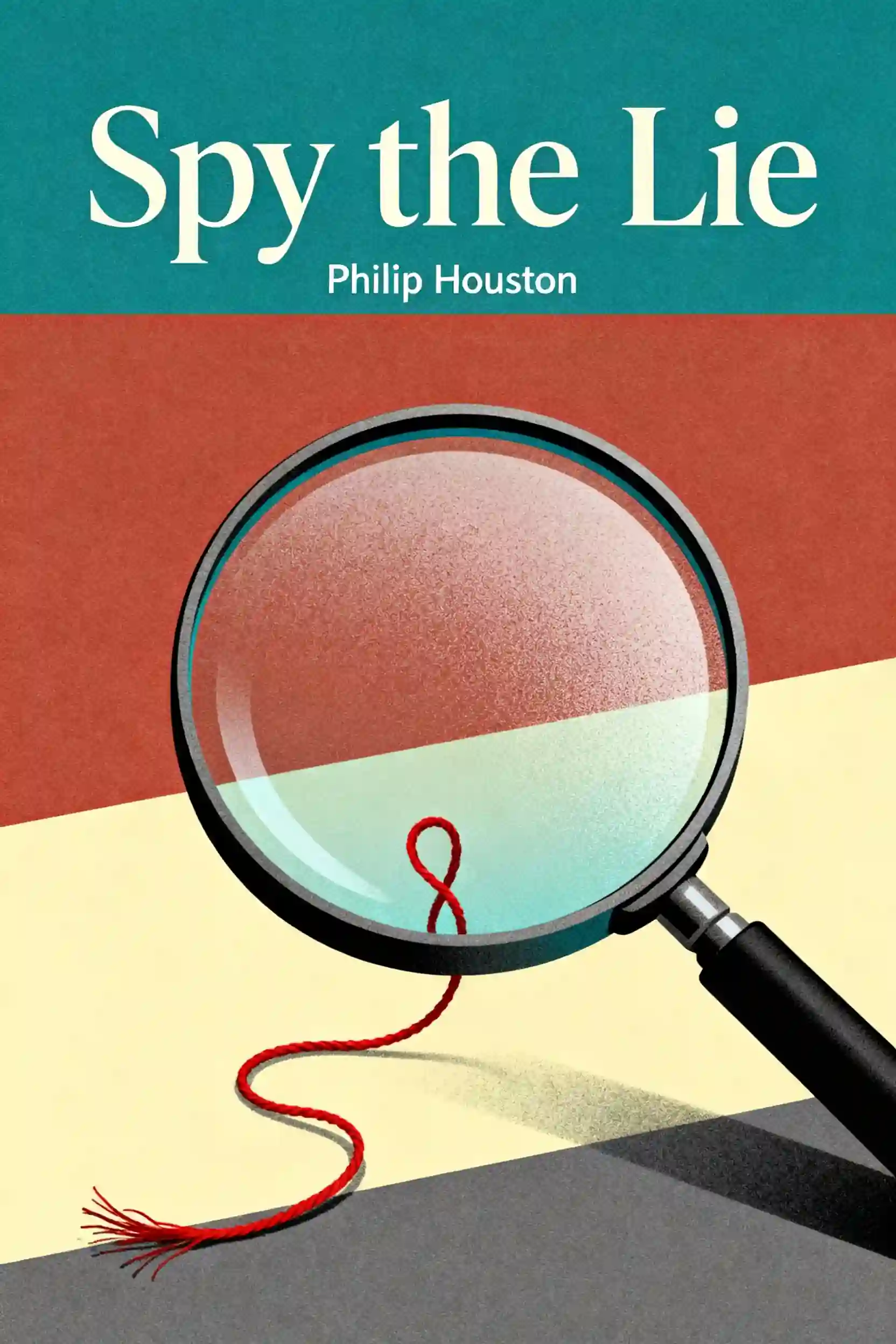
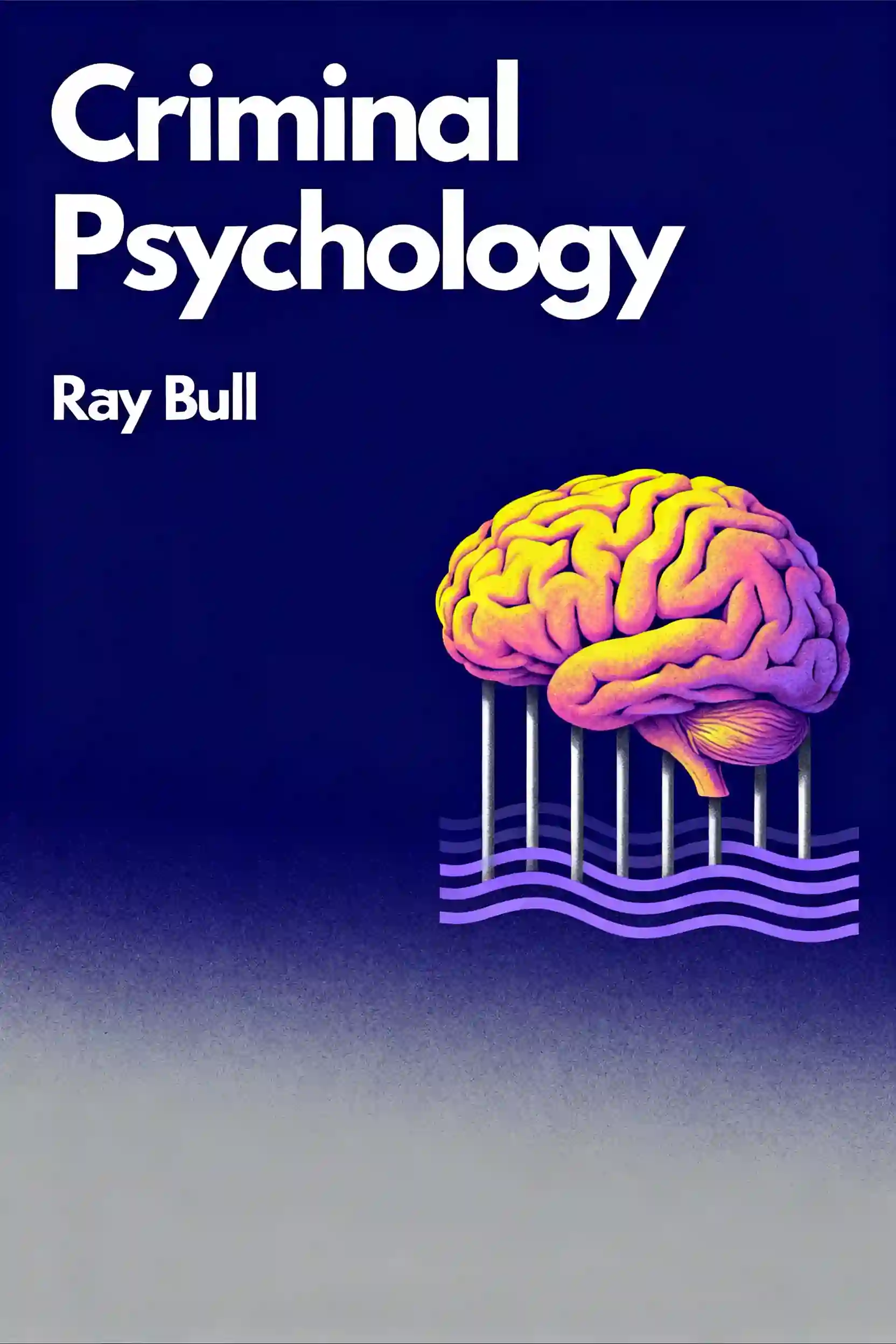
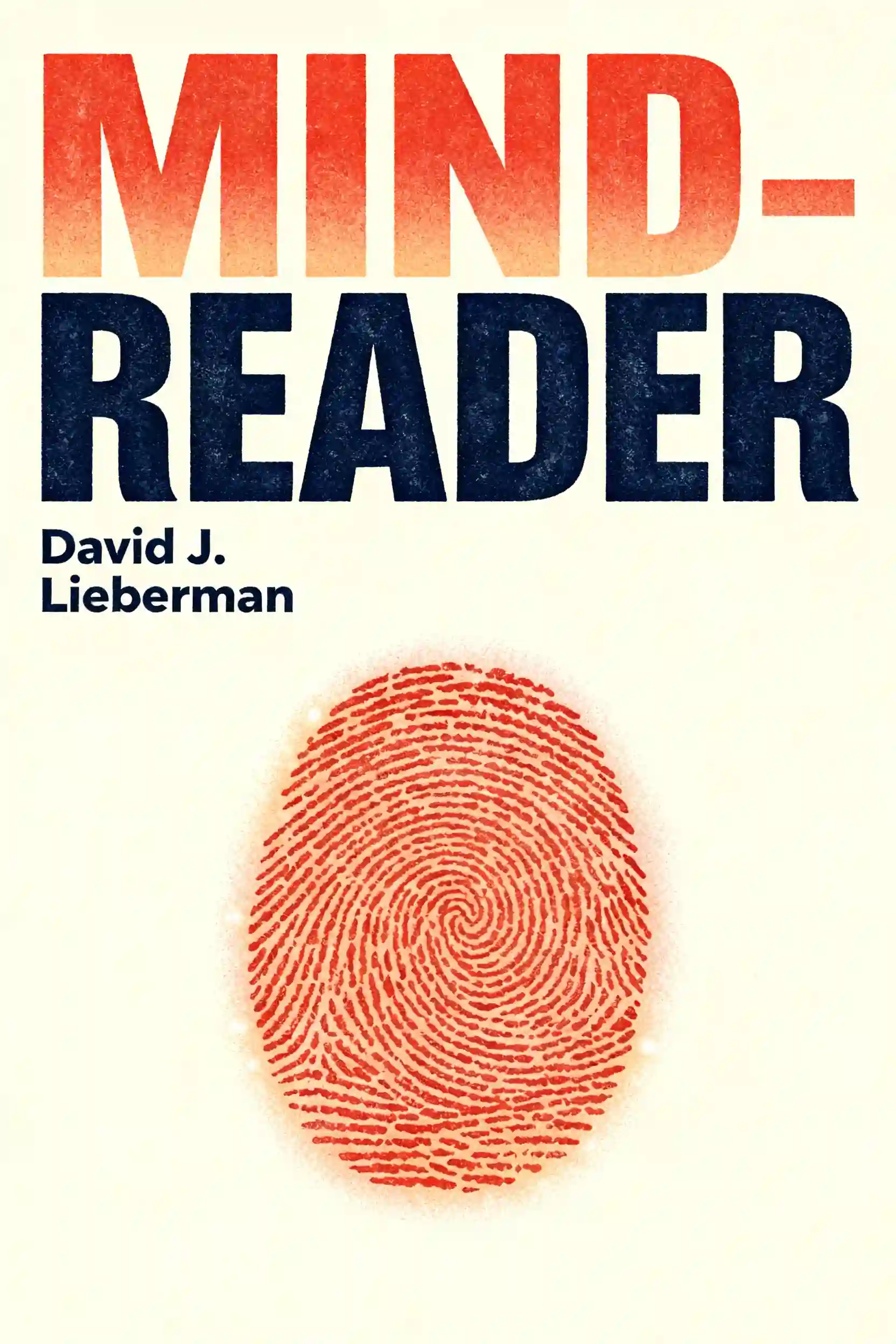
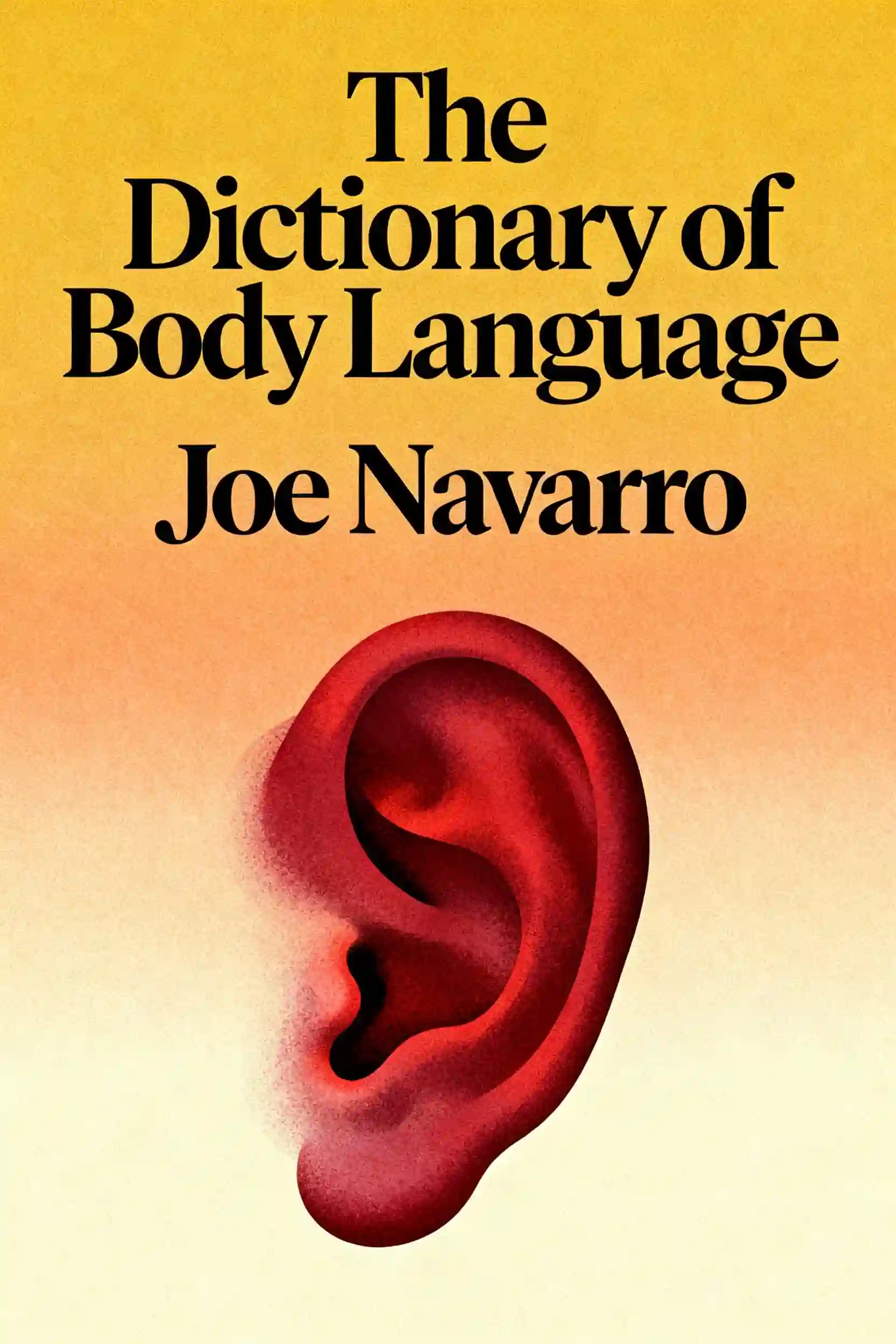
자주 묻는 질문
Research shows that the average person has only a fifty-four percent success rate at spotting deception, which is essentially the same as flipping a coin. Most people focus on the wrong signals, such as eye contact, which is actually a poor indicator of truthfulness. In high-stakes legal environments like a retrial, relying on intuition rather than research-backed methods like psychophysiological detection can lead to dangerous mistakes.
PDD is the scientific term for polygraphy, and it operates on the principle that the autonomic nervous system produces involuntary physical responses when a person lies. When a witness is deceptive, their brain triggers a "fight-or-flight" response that releases adrenaline and cortisol. A PDD exam measures three specific channels: respiratory patterns, cardiovascular activity (blood pressure and pulse), and electrodermal responses (sweat gland activity in the fingertips).
Cognitive load refers to the mental strain caused by the fact that lying is much harder for the brain than telling the truth. A liar must simultaneously invent a story, suppress the truth, monitor the listener for suspicion, and control their own physical reactions. This mental overload often causes "information frugality," where the witness sticks to a very short, rigid script and avoids "low-salience" peripheral details that they haven't pre-rehearsed.
Micro-expressions are involuntary facial movements that flash for about a twenty-fifth of a second, representing "emotional leakage" from the limbic system. There are seven universal emotions—joy, sadness, fear, anger, surprise, disgust, and contempt—that are almost impossible to suppress. By identifying a "cluster" of these expressions that contradict a witness's spoken words, an attorney can pinpoint "hotspots" for more aggressive cross-examination to dismantle a false narrative.
A qualified expert should be a member of the American Polygraph Association (APA) and have graduated from an APA-accredited school. They must follow validated techniques and technical frameworks, such as ASTM International standards. It is also critical that the examiner remains neutral, provides a report that includes raw data and charts for peer review, and ensures the examinee is "suitable" for testing—meaning they are not in pain, overly fatigued, or under the influence of dampening medications.
샌프란시스코에서 컬럼비아 대학교 동문들이 만들었습니다
"Instead of endless scrolling, I just hit play on BeFreed. It saves me so much time."


"I never knew where to start with nonfiction—BeFreed’s book lists turned into podcasts gave me a clear path."


"Perfect balance between learning and entertainment. Finished ‘Thinking, Fast and Slow’ on my commute this week."
"Crazy how much I learned while walking the dog. BeFreed = small habits → big gains."
"Reading used to feel like a chore. Now it’s just part of my lifestyle."

"Feels effortless compared to reading. I’ve finished 6 books this month already."
"BeFreed turned my guilty doomscrolling into something that feels productive and inspiring."

"BeFreed turned my commute into learning time. 20-min podcasts are perfect for finishing books I never had time for."
"BeFreed replaced my podcast queue. Imagine Spotify for books — that’s it. 🙌"

"It is great for me to learn something from the book without reading it."
"The themed book list podcasts help me connect ideas across authors—like a guided audio journey."
"Makes me feel smarter every time before going to work"
샌프란시스코에서 컬럼비아 대학교 동문들이 만들었습니다
"Instead of endless scrolling, I just hit play on BeFreed. It saves me so much time."
"I never knew where to start with nonfiction—BeFreed’s book lists turned into podcasts gave me a clear path."
"Perfect balance between learning and entertainment. Finished ‘Thinking, Fast and Slow’ on my commute this week."
"Crazy how much I learned while walking the dog. BeFreed = small habits → big gains."
"Reading used to feel like a chore. Now it’s just part of my lifestyle."
"Feels effortless compared to reading. I’ve finished 6 books this month already."
"BeFreed turned my guilty doomscrolling into something that feels productive and inspiring."
"BeFreed turned my commute into learning time. 20-min podcasts are perfect for finishing books I never had time for."
"BeFreed replaced my podcast queue. Imagine Spotify for books — that’s it. 🙌"
"It is great for me to learn something from the book without reading it."
"The themed book list podcasts help me connect ideas across authors—like a guided audio journey."
"Makes me feel smarter every time before going to work"
"Instead of endless scrolling, I just hit play on BeFreed. It saves me so much time."
"I never knew where to start with nonfiction—BeFreed’s book lists turned into podcasts gave me a clear path."
"Perfect balance between learning and entertainment. Finished ‘Thinking, Fast and Slow’ on my commute this week."
"Crazy how much I learned while walking the dog. BeFreed = small habits → big gains."
"Reading used to feel like a chore. Now it’s just part of my lifestyle."
"Feels effortless compared to reading. I’ve finished 6 books this month already."
"BeFreed turned my guilty doomscrolling into something that feels productive and inspiring."
"BeFreed turned my commute into learning time. 20-min podcasts are perfect for finishing books I never had time for."
"BeFreed replaced my podcast queue. Imagine Spotify for books — that’s it. 🙌"
"It is great for me to learn something from the book without reading it."
"The themed book list podcasts help me connect ideas across authors—like a guided audio journey."
"Makes me feel smarter every time before going to work"
"Instead of endless scrolling, I just hit play on BeFreed. It saves me so much time."
"I never knew where to start with nonfiction—BeFreed’s book lists turned into podcasts gave me a clear path."
"Perfect balance between learning and entertainment. Finished ‘Thinking, Fast and Slow’ on my commute this week."
"Crazy how much I learned while walking the dog. BeFreed = small habits → big gains."
"Reading used to feel like a chore. Now it’s just part of my lifestyle."
"Feels effortless compared to reading. I’ve finished 6 books this month already."
"BeFreed turned my guilty doomscrolling into something that feels productive and inspiring."
"BeFreed turned my commute into learning time. 20-min podcasts are perfect for finishing books I never had time for."
"BeFreed replaced my podcast queue. Imagine Spotify for books — that’s it. 🙌"
"It is great for me to learn something from the book without reading it."
"The themed book list podcasts help me connect ideas across authors—like a guided audio journey."
"Makes me feel smarter every time before going to work"