Speaking Math: Unlocking Mathematical Intelligence Through Language
Discover how the way we talk about math might be the key to mathematical thinking. Explore research showing why spoken mathematical reasoning differs from written equations and how language shapes our mathematical identity.

Speaking Math: Unlocking Mathematical Intelligence Through Language 베스트 인용
Language isn't just a way to communicate our thoughts—it's actually a tool for thinking. When we treat language as the vehicle that makes sophisticated mathematical thinking possible, we move beyond just crunching numbers to truly understanding reasoning.

이 오디오 레슨은 BeFreed 커뮤니티 멤버가 만들었습니다
To become smarter into lacto mathematical, good spoken

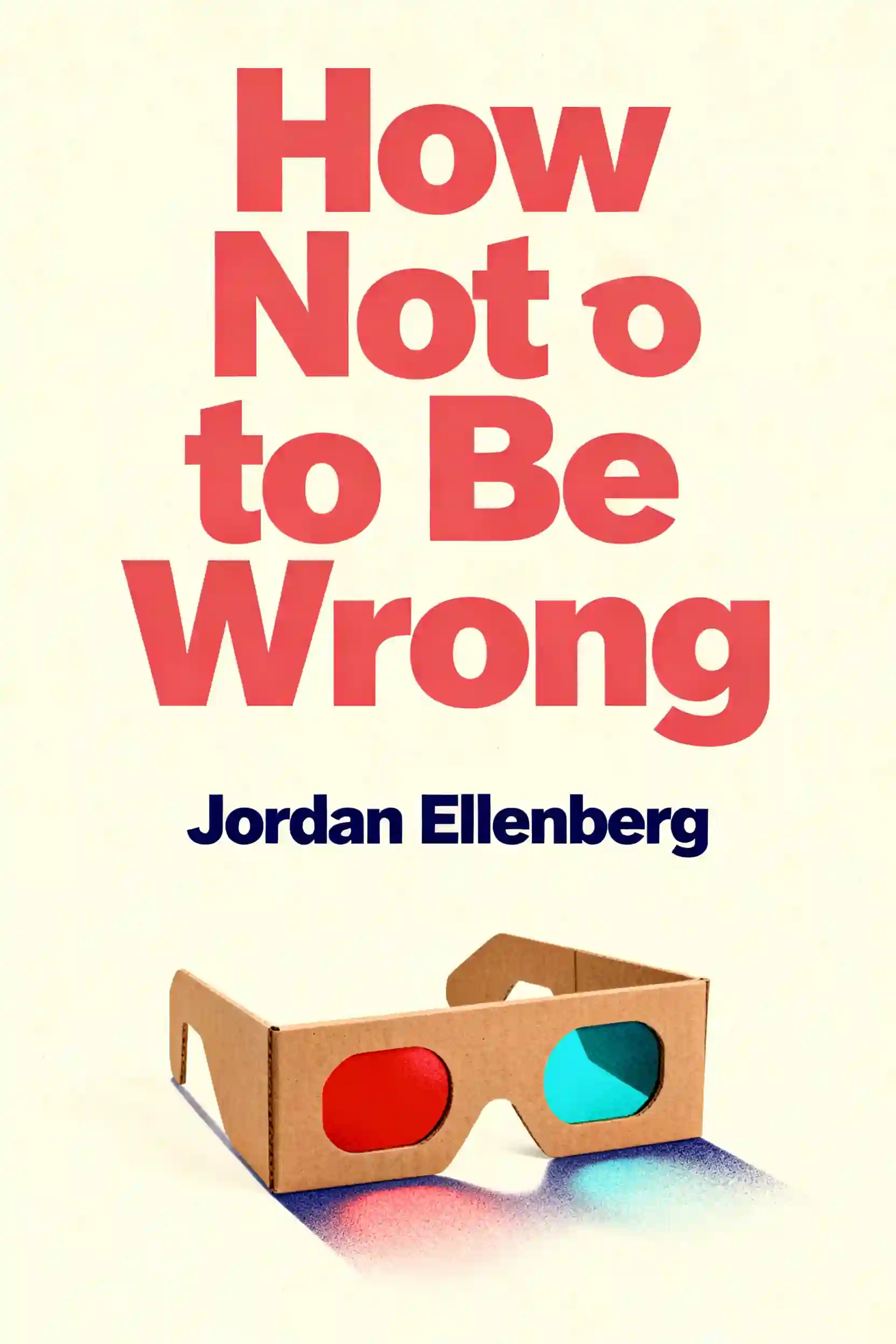
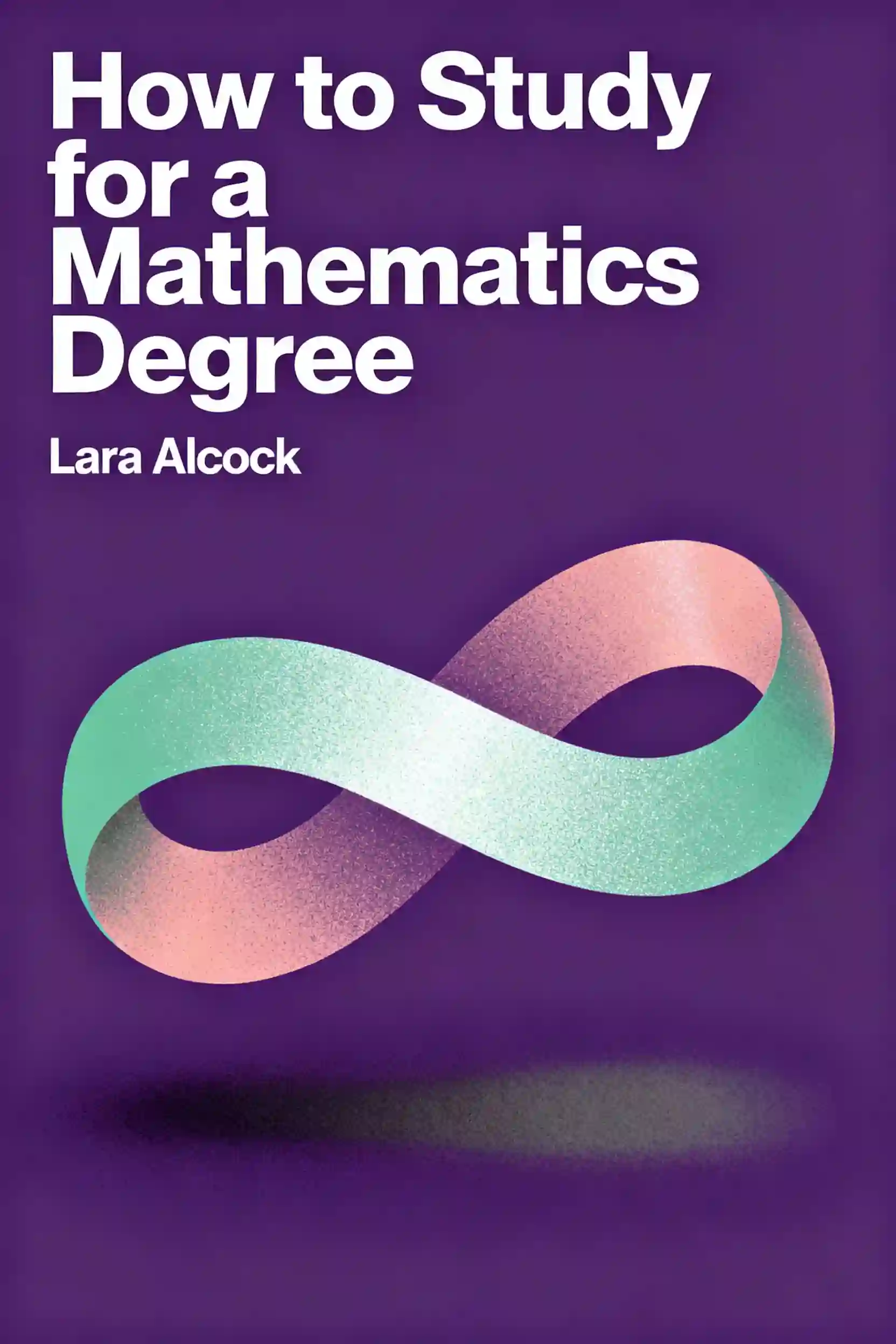
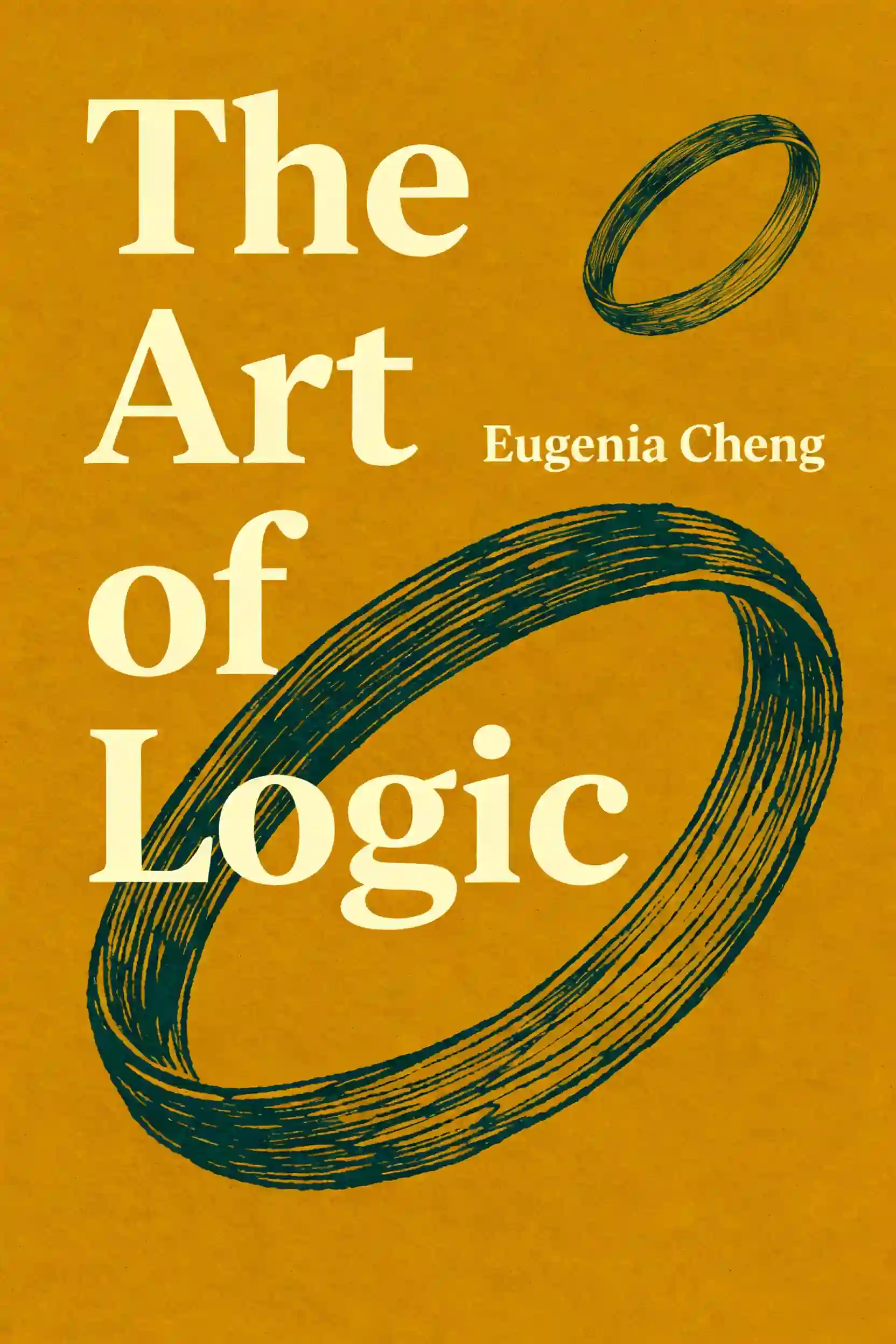
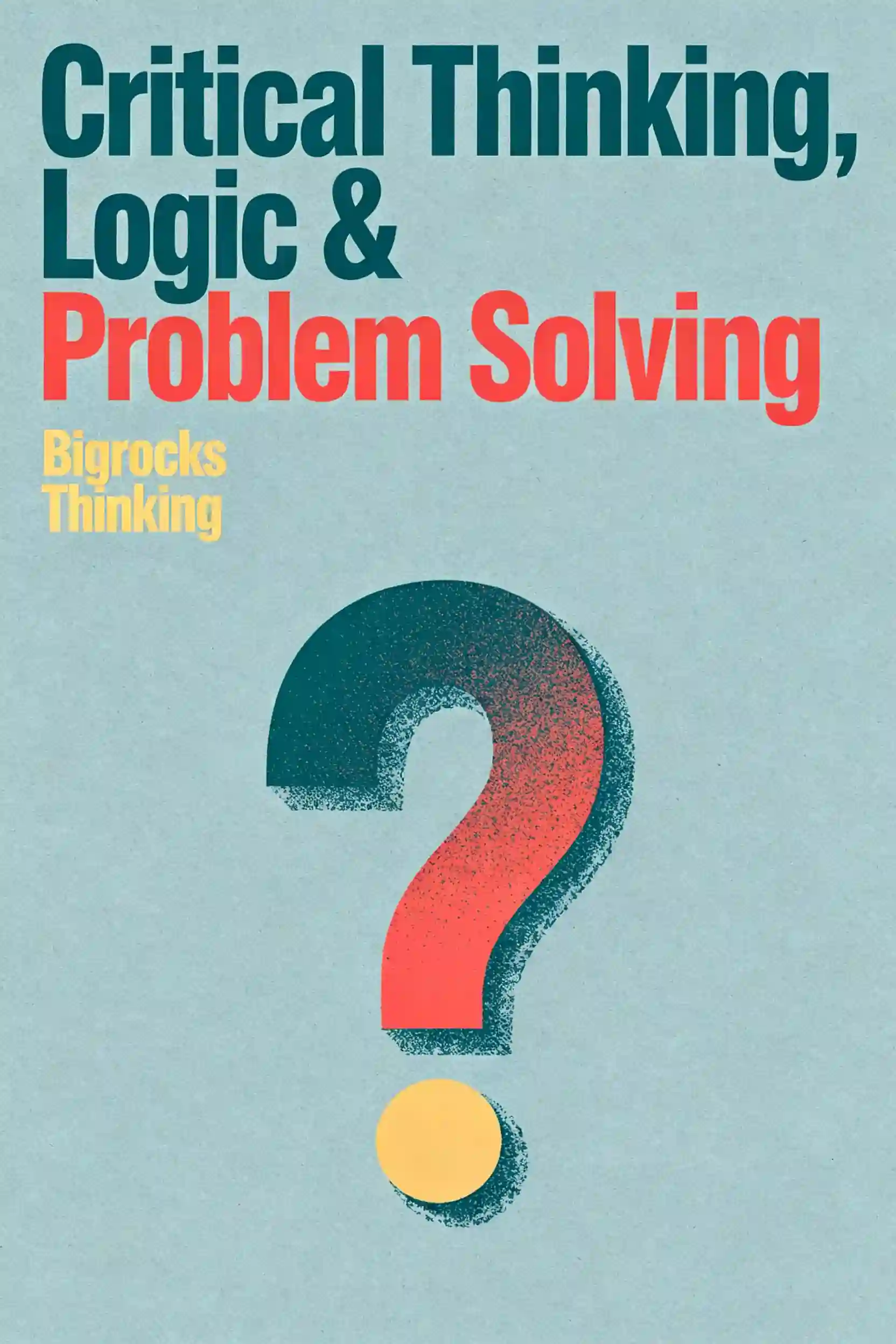
더 알아보기

Learn mathematics
Mathematics is the universal language of logic and science, essential for navigating modern technology and data-driven fields. This plan is designed for students and professionals who want to transition from basic calculations to advanced problem-solving and modeling.

Math
This plan is essential for anyone looking to bridge the gap between basic arithmetic and high-level abstract reasoning. It is ideal for students, professionals, or lifelong learners who want to master logical problem-solving and the universal principles of mathematics.

Math Theorems for Beginners
Mathematical theorems are the building blocks of logical thinking and problem-solving across science, technology, engineering, and everyday decision-making. This learning plan is ideal for students beginning their mathematical journey, professionals seeking to strengthen their analytical skills, or curious learners who want to understand the elegant logic underlying mathematics and its profound impact on our understanding of reality.

The Silent Narrative: Reading Minds and Rooms
In high-stakes professional environments, what remains unsaid is often more important than the verbal exchange. This plan is essential for leaders, negotiators, and communicators who need to master non-verbal intelligence and emotional decoding to influence outcomes.

Improve speech and intelligence
This plan bridges the gap between cognitive capacity and verbal expression, ensuring your ideas are as sharp as your delivery. It is ideal for professionals, leaders, and students who want to enhance their mental performance while mastering the art of influential communication.

Spelling and speech
Effective communication is the cornerstone of personal and professional success, yet many people struggle with spelling, unclear speech, or lacking confidence when presenting ideas. This learning plan is ideal for professionals seeking to enhance their credibility, students wanting to improve academic performance, or anyone who wants to speak and write with greater clarity and influence.

Speak eloquently with confidence & precision
Effective communication is the cornerstone of professional success, yet many talented individuals struggle to articulate their ideas with the clarity and confidence their expertise deserves. This learning plan is ideal for professionals, leaders, and aspiring executives who want to elevate their speaking abilities, strengthen their influence, and be recognized as articulate, intelligent communicators in high-stakes environments.

The Hidden Language of Intent
This plan is essential for leaders and negotiators who need to decode human behavior under pressure. It provides a scientific framework for reading minds and influencing outcomes in competitive environments.
샌프란시스코에서 컬럼비아 대학교 동문들이 만들었습니다
"Instead of endless scrolling, I just hit play on BeFreed. It saves me so much time."


"I never knew where to start with nonfiction—BeFreed’s book lists turned into podcasts gave me a clear path."


"Perfect balance between learning and entertainment. Finished ‘Thinking, Fast and Slow’ on my commute this week."
"Crazy how much I learned while walking the dog. BeFreed = small habits → big gains."
"Reading used to feel like a chore. Now it’s just part of my lifestyle."

"Feels effortless compared to reading. I’ve finished 6 books this month already."
"BeFreed turned my guilty doomscrolling into something that feels productive and inspiring."

"BeFreed turned my commute into learning time. 20-min podcasts are perfect for finishing books I never had time for."
"BeFreed replaced my podcast queue. Imagine Spotify for books — that’s it. 🙌"

"It is great for me to learn something from the book without reading it."
"The themed book list podcasts help me connect ideas across authors—like a guided audio journey."
"Makes me feel smarter every time before going to work"
샌프란시스코에서 컬럼비아 대학교 동문들이 만들었습니다
"Instead of endless scrolling, I just hit play on BeFreed. It saves me so much time."
"I never knew where to start with nonfiction—BeFreed’s book lists turned into podcasts gave me a clear path."
"Perfect balance between learning and entertainment. Finished ‘Thinking, Fast and Slow’ on my commute this week."
"Crazy how much I learned while walking the dog. BeFreed = small habits → big gains."
"Reading used to feel like a chore. Now it’s just part of my lifestyle."
"Feels effortless compared to reading. I’ve finished 6 books this month already."
"BeFreed turned my guilty doomscrolling into something that feels productive and inspiring."
"BeFreed turned my commute into learning time. 20-min podcasts are perfect for finishing books I never had time for."
"BeFreed replaced my podcast queue. Imagine Spotify for books — that’s it. 🙌"
"It is great for me to learn something from the book without reading it."
"The themed book list podcasts help me connect ideas across authors—like a guided audio journey."
"Makes me feel smarter every time before going to work"
"Instead of endless scrolling, I just hit play on BeFreed. It saves me so much time."
"I never knew where to start with nonfiction—BeFreed’s book lists turned into podcasts gave me a clear path."
"Perfect balance between learning and entertainment. Finished ‘Thinking, Fast and Slow’ on my commute this week."
"Crazy how much I learned while walking the dog. BeFreed = small habits → big gains."
"Reading used to feel like a chore. Now it’s just part of my lifestyle."
"Feels effortless compared to reading. I’ve finished 6 books this month already."
"BeFreed turned my guilty doomscrolling into something that feels productive and inspiring."
"BeFreed turned my commute into learning time. 20-min podcasts are perfect for finishing books I never had time for."
"BeFreed replaced my podcast queue. Imagine Spotify for books — that’s it. 🙌"
"It is great for me to learn something from the book without reading it."
"The themed book list podcasts help me connect ideas across authors—like a guided audio journey."
"Makes me feel smarter every time before going to work"
"Instead of endless scrolling, I just hit play on BeFreed. It saves me so much time."
"I never knew where to start with nonfiction—BeFreed’s book lists turned into podcasts gave me a clear path."
"Perfect balance between learning and entertainment. Finished ‘Thinking, Fast and Slow’ on my commute this week."
"Crazy how much I learned while walking the dog. BeFreed = small habits → big gains."
"Reading used to feel like a chore. Now it’s just part of my lifestyle."
"Feels effortless compared to reading. I’ve finished 6 books this month already."
"BeFreed turned my guilty doomscrolling into something that feels productive and inspiring."
"BeFreed turned my commute into learning time. 20-min podcasts are perfect for finishing books I never had time for."
"BeFreed replaced my podcast queue. Imagine Spotify for books — that’s it. 🙌"
"It is great for me to learn something from the book without reading it."
"The themed book list podcasts help me connect ideas across authors—like a guided audio journey."
"Makes me feel smarter every time before going to work"