Lena: You mentioned the "Siren’s song" earlier, and it makes me think about how much of this charisma is actually auditory. We talk about "looks," but what about the sound of these women? Marilyn Monroe had that breathy, childlike whisper that felt like she was sharing a secret just with you.
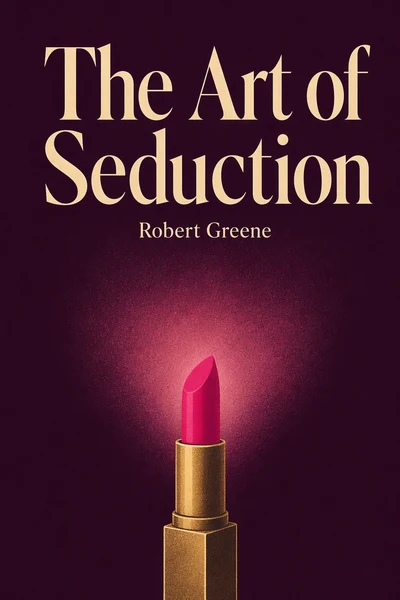
Miles: Oh, the voice is a massive weapon in the Siren’s arsenal. It’s often low, languorous, and hypnotic. Think about Empress Josephine or even Cleopatra—historical accounts always mention their voices. They didn't bark orders; they purred. Robert Greene points out that the Siren never hurries when she speaks. She sounds calm, almost as if she’s just woken up. It’s a "lullaby for strong men."
Lena: It’s like a "slow-motion" effect for the ears. In a world where everyone is shouting and rushing, that slow, deliberate cadence creates a "psychological vortex." You have to quiet down just to hear her, and by the time you’ve adjusted your volume to hers, you’re already in her orbit.
Miles: It’s a "breathless" quality, literally. Marilyn actually worked with vocal coaches to develop that style to overcome a stutter, but it became her signature. It suggested vulnerability and mischief at the same time. And it’s not just about being "sexy"—it’s about "emotional regulation." A woman who speaks with that kind of calm, grounded clarity creates a sense of "safety" and "intrigue" simultaneously.
Lena: It’s the "dark feminine" trait of "emotional depth." She isn't reacting to the room; she’s regulating the room. I love the idea that her voice doesn't "burst out"—it "drifts." It disarms the listener. You might not even remember exactly what she said, but you definitely remember how it felt to be spoken to by her.
Miles: That’s a key distinction—it’s about the "sensory experience." The Siren uses "suggestion over action." It’s the perfume, the whisper, the slow blink. These are "sensory stimuli" that bypass the rational brain. Logic goes out the window when the senses are being "short-circuited" by a specific scent or a certain tone of voice.
Lena: It makes me think of the "Coquette" archetype, too—the master of "mixed signals." They use that voice to draw you in with warmth, and then they use silence to pull away. It creates this "anticipation" and "longing." If you’re always "on," you’re exhausting. But if you’re "warm" one minute and "shadowy" the next, you become an "elusive shadow" that people can’t stop chasing.
Miles: Exactly. The Coquette understands that we value what is "hard to attain." By being "slightly unavailable," they create "mystery." Take someone like Empress Joséphine—she kept Napoleon in a state of absolute obsession by alternating between being incredibly affectionate and then suddenly aloof. He never knew where he stood, so he was always "pursuing."
Lena: And that pursuit is what keeps the "breathless" feeling alive. It’s the "delayed gratification." Modern "it girls" on social media do this with "staged candids" or "low-light" photos. They’re hinting at a story that’s just out of frame. It’s that "unfinished painting" vibe again. They aren't giving you the 4K, full-sunlight version of their life; they’re giving you the "filtered, shadowy" version that invites you to fill in the blanks.
Miles: It’s the "Idol" effect of the "Star" archetype. A Star like Beyoncé or even an old-school icon like Dietrich—they create a persona that feels both "relatable" and "unattainable." They’re a "canvas for others' dreams." You see a glimpse of their "humanity" to make a connection, but the rest is "shrouded in magic and intrigue."
Lena: So, the "breathless" allure is really a combination of "stillness," a "hypnotic voice," and the "strategic use of shadow." It’s about not being "too much" while simultaneously being "unforgettable."
Miles: Right. It’s "float and flirt." You’re present, you’re grounded, but you’re also "fluid, ungraspable, and endlessly enticing." Like water—which is the symbol for the Siren. You can’t grab a handful of water and hold it; it just slips through your fingers, which only makes you want to reach for it again.