BeFreed
    Categories>Well-Being>Psychedelic Breakthrough: War on Drugs Blocks Healing

    Psychedelic Breakthrough: War on Drugs Blocks Healing

    35분
    |
    |
    2025년 12월 7일
    • Well-Being
    • Politics
    • Psychology

    Explore groundbreaking research showing psychedelics like MDMA and psilocybin can revolutionize PTSD and depression treatment, while outdated drug policies prevent life-saving medical advances.

    Psychedelic Breakthrough: War on Drugs Blocks Healing
    0:00 / 0:00
    전달 방식을 선택하세요

    하나의 에피소드, 다양한 청취 방식.

    Psychedelic Breakthrough: War on Drugs Blocks Healing의 같은 아이디어를 나에게 맞는 목소리, 깊이, 속도로 만나보세요. 언제든 바꿀 수 있습니다.

    전체 대본 및 챕터

    챕터 1

    Opening & The Underground Renaissance

    Lena: Hey everyone, welcome back to BeFreed! I'm Lena, and I'm here with my co-host Eli, and we are absolutely thrilled to dive into something that's been making waves in both the scientific community and beyond-the incredible therapeutic potential of psychedelic drugs and how outdated policies might be standing in the way of breakthrough treatments.

    Eli: That's right, Lena! And you know what's fascinating? We're not talking about some fringe movement here. We're talking about substances that are showing remarkable promise for treating PTSD, depression, addiction, and so many other conditions that have been incredibly difficult to address with traditional approaches. But here's the kicker-many of these substances are still classified as having "no accepted medical use" despite mounting evidence to the contrary.

    Lena: Exactly! And that's what makes this conversation so important. We're looking at research that could literally transform how we approach mental health treatment, but there are these massive barriers-legal, regulatory, social-that are preventing us from fully exploring what these medicines might offer. It's like we're standing at the edge of a medical revolution, but we're being held back by policies that were created decades ago under very different circumstances.

    Eli: Right, and what's really striking is that some of these substances are already being used therapeutically in other countries. Take heroin, for instance-I know that sounds shocking to many listeners-but it's routinely prescribed in the UK for pain management, even for children and women in labor. Meanwhile, in the US, it's classified as having no medical value whatsoever.

    챕터 2

    Setting the Stage: From Medicine to Taboo

    Lena: That's such a perfect example of how arbitrary these classifications can be. But before we dive deeper, let's set some context here. Eli, can you walk us through how we ended up in this situation where potentially life-saving medicines became completely off-limits to researchers?

    Eli: Absolutely, and it's really a story about how fear and politics can override science. So picture this: in the early 1900s, heroin was actually an over-the-counter medication. It was in cough syrups, pain relievers-people had no idea about its addictive potential. But when that became clear, and when it started causing serious social problems, the pendulum swung hard in the other direction.

    Lena: And that's where we get into the Harrison Narcotics Act of 1914, right? Which was actually part of a broader international effort, but it essentially started the process of criminalizing these substances rather than just regulating them medically.

    Eli: Exactly! And then you fast-forward to 1970 and the Controlled Substances Act, which created this scheduling system we still use today. Schedule I substances are defined as having "high potential for abuse," "no currently accepted medical use," and lacking "accepted safety for use under medical supervision." But here's the thing-and this is crucial for our listeners to understand-these classifications aren't necessarily based on scientific evidence.

    Lena: That's what's so frustrating about this whole system. It's like we created these categories based on the social and political climate of the 1970s, and then we've been stuck with them ever since. But science has moved forward, hasn't it? We've learned so much more about how these substances actually work in the brain.

    Eli: Oh, absolutely! And you know what's really interesting? When you look at the history of marijuana regulation, it tells a similar story. Marijuana was actually on the US formulary until 1937. The American Medical Association actually opposed the Marijuana Tax Act because they thought the evidence against it was flimsy and sensationalized.

    Lena: Right, and their consultant at the time, Dr. William Woodward, testified against using what he called "inflammatory and dubious anecdotal evidence." He wanted marijuana regulated under the existing Harrison Act, which would have allowed doctors to still prescribe it while controlling its use. But instead, they went with this prohibitive tax that essentially made it impossible for physicians to use it.

    Eli: And that brings us to what I think is one of the most important concepts for our listeners to understand-this "Catch-22" situation we're in now. These substances are classified as having no medical use, which makes them nearly impossible to study. But because we can't study them, we can't generate the evidence needed to prove they have medical use. It's a perfect circle of bureaucratic logic that's preventing potentially groundbreaking research.

    이 에피소드로 더 깊이 배우기

    이 에피소드의 아이디어를 BeFreed의 가이드 학습 경험으로 더 깊이 탐구해 보세요.

    챕터 3

    The Therapeutic Revolution Hidden in Plain Sight

    Lena: So let's talk about what we're actually missing out on here. Because when you look at the research that has managed to get through these barriers, the results are pretty incredible. Eli, what are some of the most compelling findings you've come across?

    Eli: Oh man, where do I even start? Let's begin with MDMA for PTSD treatment. We're talking about studies where 83% of participants no longer met the criteria for PTSD after just two sessions combined with psychotherapy. Compare that to traditional treatments where 40 to 60 percent of patients don't respond adequately to current therapies.

    Lena: Those numbers are staggering! And what's really interesting is how MDMA seems to work. It's not just masking symptoms-it's actually creating a therapeutic window where people can process traumatic memories without being overwhelmed by fear and anxiety.

    Eli: Exactly! And the mechanism is fascinating. MDMA increases levels of serotonin, dopamine, oxytocin-it literally creates a neurochemical state that's conducive to healing. It reduces amygdala activity, which is that fear center in the brain that's often hyperactive in PTSD patients. At the same time, it increases trust and empathy, which strengthens the therapeutic relationship.

    Lena: And that's just one example. What about psilocybin? I've been reading about some remarkable results with depression treatment.

    Eli: Psilocybin is incredible! There are studies showing that a single dose can lead to significant improvements in treatment-resistant depression that last for months. And we're not talking about mild improvements-we're talking about people who had tried everything else suddenly experiencing profound shifts in their mental health.

    Lena: Right, and what's really striking is that these aren't just temporary highs or escapes from reality. These substances seem to create lasting changes in brain plasticity. They're literally rewiring neural pathways in ways that promote healing and growth.

    Eli: And that brings up something really important-the role of set and setting in these treatments. This isn't about people taking drugs recreationally. These are carefully controlled therapeutic environments with trained professionals, specific protocols, preparation sessions, integration work. It's a completely different paradigm from how we typically think about medication.

    Lena: That's such a crucial distinction. When we talk about MDMA-assisted psychotherapy, for instance, the MDMA isn't the therapy itself-it's a tool that makes the therapy more effective. Patients typically have multiple preparation sessions, then two or three MDMA sessions spaced weeks apart, followed by extensive integration work to process what came up.

    Eli: And the setting matters enormously. These sessions often take place in comfortable, aesthetically pleasing rooms with two trained therapists present. There's carefully curated music designed to support the therapeutic process. The approach is non-directive, meaning the therapists aren't trying to control the experience-they're creating a safe container for whatever needs to emerge.

    챕터 4

    The Neuroscience of Healing

    Lena: Let's dive a bit deeper into the science here, because I think understanding how these substances actually work in the brain helps explain why they're so different from traditional psychiatric medications. Eli, what's happening neurologically when someone takes psilocybin or MDMA in a therapeutic context?

    Eli: Great question! So traditional antidepressants work by gradually adjusting neurotransmitter levels over weeks or months. But psychedelics seem to work through what scientists call "neuroplasticity"-they rapidly promote the growth of new neural connections and help break down rigid thought patterns.

    Lena: Right, and that's where the concept of "critical periods" becomes really important. There's fascinating research showing that MDMA can reopen what's called a critical period for social reward learning. Basically, it temporarily returns the brain to a more flexible, learning-oriented state similar to what we see in childhood development.

    Eli: Exactly! And this happens through the oxytocin system. MDMA dramatically increases oxytocin levels, which is often called the "bonding hormone." This isn't just about feeling good-it's about creating the neurochemical conditions where deep therapeutic work becomes possible. People can revisit traumatic memories without being overwhelmed by them.

    Lena: And with classical psychedelics like psilocybin and LSD, you're seeing effects on the default mode network in the brain. This is the network that's active when we're not focused on a specific task-it's associated with self-referential thinking, rumination, our sense of a fixed self.

    Eli: Right! And in conditions like depression and PTSD, this network can become hyperactive and rigid. People get stuck in negative thought loops, catastrophic thinking patterns. Psychedelics seem to temporarily dissolve these rigid patterns, allowing for new perspectives and insights to emerge.

    Lena: What's really fascinating is that brain imaging studies show decreased activity in the amygdala during psychedelic experiences. The amygdala is our fear center, and it's often overactive in people with trauma histories. So these substances are literally reducing fear responses while simultaneously increasing openness and emotional processing capacity.

    Eli: And that's why the therapeutic context is so crucial. When someone's fear responses are reduced and their capacity for insight is enhanced, they can do therapeutic work that might be impossible under normal circumstances. They can approach traumatic memories, examine limiting beliefs, process difficult emotions-all while feeling fundamentally safe and supported.

    Lena: It's like these substances create a temporary neurochemical environment that's optimized for healing. And the effects seem to persist long after the acute experience ends. People report lasting changes in personality traits like openness, improvements in emotional regulation, enhanced capacity for empathy and connection.

    이 에피소드로 더 깊이 배우기

    이 에피소드의 아이디어를 BeFreed의 가이드 학습 경험으로 더 깊이 탐구해 보세요.

    챕터 5

    Breaking Down the Barriers

    Lena: So if the therapeutic potential is so clear, what exactly is preventing this research from moving forward? Because it seems like we're dealing with multiple layers of obstacles here.

    Eli: You're absolutely right-it's not just one barrier, it's a whole system of interconnected obstacles. First, there's the legal and regulatory framework. The DEA controls access to these substances, and getting approval for research is incredibly difficult and expensive. Researchers need special licenses, secure storage facilities, extensive security protocols.

    Lena: And then there's the funding issue. NIDA, which is the NIH institute that would logically fund this research, has explicitly stated that studying the therapeutic benefits of Schedule I substances is "not within their mission." So even when researchers manage to design rigorous studies, they can't get federal funding to conduct them.

    Eli: Right, and that creates this impossible situation where the only research that gets funded focuses on the harms and abuse potential of these substances, not their therapeutic benefits. It's like we've institutionalized bias into the research system itself.

    Lena: And let's not forget about the social and cultural barriers. There's so much stigma around these substances that even mentioning research can be career-limiting for scientists. Institutions worry about their reputations, IRBs are overly cautious, researchers face skepticism from their peers.

    Eli: Absolutely! And this is where the "War on Drugs" mentality has really done damage. We've created this cultural narrative where any discussion of these substances is automatically associated with drug abuse, criminal behavior, moral failing. It makes it incredibly difficult to have rational, evidence-based conversations about their medical potential.

    Lena: What's particularly frustrating is that this isn't just about individual choice or personal freedom-though those are important issues. We're talking about people who are suffering from debilitating mental health conditions that aren't adequately addressed by current treatments. Veterans with PTSD, people with treatment-resistant depression, individuals struggling with addiction.

    Eli: Exactly! And the human cost of these barriers is enormous. We have effective treatments for PTSD that could help thousands of veterans, but they can't access them because of regulatory obstacles. We have potential breakthrough treatments for depression, but they're trapped in bureaucratic limbo.

    Lena: And meanwhile, people are dying. Suicide rates among veterans are staggering. The opioid crisis is killing tens of thousands of people annually. We have a mental health crisis in this country, and we're preventing researchers from exploring some of the most promising therapeutic approaches we've ever discovered.

    챕터 6

    The Underground Wisdom

    Lena: You know, one thing that really strikes me about this whole situation is that while academic research has been stalled, there's been this whole underground movement of practitioners and researchers who have been quietly advancing this work. Eli, what can you tell us about that?

    Eli: Oh, this is such an important part of the story! So while university researchers have been tied up in red tape, there have been underground therapists, indigenous practitioners, and international researchers who have been developing incredibly sophisticated approaches to psychedelic therapy.

    Lena: Right, and some of these underground practitioners have been working with these substances for decades. They've developed detailed protocols, safety procedures, integration practices-all based on direct clinical experience rather than controlled studies.

    Eli: Exactly! And in many cases, their approaches are more sophisticated than what we see in the clinical trials. They emphasize extensive preparation work-really diving deep into someone's personal history, family dynamics, trauma patterns. They understand that the therapeutic work doesn't just happen during the substance session-it's a comprehensive process that can take months or years.

    Lena: And then you have the indigenous traditions, which have been using these substances for healing purposes for thousands of years. The ayahuasca traditions in South America, for instance, have incredibly developed frameworks for understanding how these substances can facilitate healing and personal growth.

    Eli: Right! And what's fascinating is that many of these traditional approaches align remarkably well with what we're learning from modern neuroscience. The emphasis on set and setting, the importance of integration, the understanding that these substances can access different levels of consciousness-indigenous practitioners have understood this for millennia.

    Lena: But there's also a really important ethical dimension here that we need to acknowledge. As psychedelics gain mainstream acceptance, there's a risk of cultural appropriation and exploitation of indigenous knowledge without proper recognition or compensation.

    Eli: Absolutely! Many of these substances were preserved and protected by indigenous communities who faced persecution for their practices. Now that Western science is validating their traditional knowledge, it's crucial that these communities benefit from any commercialization or medical applications.

    Lena: And that brings up broader questions about access and equity. If these treatments do become approved, who's going to be able to access them? Will they be available to the communities that have been most harmed by the War on Drugs? Or will they become expensive treatments available only to the wealthy?

    Eli: That's such a critical question. Right now, the few legal psychedelic therapy programs that exist are extremely expensive and mostly accessible to affluent, white populations. But the communities that have been most impacted by drug criminalization-communities of color, low-income populations-they're the ones who could benefit most from these healing approaches.

    이 에피소드로 더 깊이 배우기

    이 에피소드의 아이디어를 BeFreed의 가이드 학습 경험으로 더 깊이 탐구해 보세요.

    챕터 7

    The Ethical Landscape

    Lena: Speaking of ethics, there are some really complex questions that come up when we start talking about research with controlled substances. How do we balance the potential benefits against the real risks? How do we ensure informed consent when people might be desperate for treatment?

    Eli: These are really important questions, and I think they highlight how our current ethical frameworks might not be adequate for this type of research. Traditional research ethics assume that participants are making rational decisions based on complete information. But when you're dealing with substances that can profoundly alter consciousness, those assumptions become more complicated.

    Lena: Right, and then there's the question of vulnerability. Are people with severe mental health conditions more vulnerable to coercion or undue inducement? Or are they actually more informed about the risks and benefits because they have direct experience with the limitations of current treatments?

    Eli: That's such a nuanced question! On one hand, someone who's been struggling with treatment-resistant depression for years might be willing to accept higher risks for the chance of relief. On the other hand, that same desperation could make them less able to objectively assess those risks.

    Lena: And what about people who have previous experience with these substances? Are they better informed because they understand the effects, or are they more likely to minimize risks because of positive past experiences?

    Eli: Exactly! And these questions become even more complex when you consider that many of the conditions we're trying to treat-PTSD, depression, addiction-can themselves affect decision-making capacity. How do we determine whether someone is capable of truly informed consent?

    Lena: I think part of the answer has to involve much more comprehensive informed consent processes. Not just a single conversation, but ongoing discussions throughout the treatment process. Really taking time to explore someone's motivations, expectations, support systems.

    Eli: And we need to be honest about what we don't know. These are still experimental treatments with unknown long-term effects. The short-term results are incredibly promising, but we need longitudinal studies to understand the full picture.

    Lena: There's also the question of how we handle adverse events. What happens if someone has a difficult experience or develops complications? Do we have adequate support systems in place? Are therapists properly trained to handle psychological emergencies?

    Eli: Those are crucial considerations. And this is where the underground community actually has a lot to offer. Many underground practitioners have decades of experience managing difficult sessions, supporting people through challenging psychological material. That knowledge needs to be integrated into formal training programs.

    챕터 8

    The Science of Set and Setting

    Lena: Let's talk more about this concept of "set and setting" because it seems so fundamental to how these substances work therapeutically. For our listeners who might not be familiar, can you explain what this means?

    Eli: Absolutely! "Set" refers to the person's mindset going into the experience-their expectations, emotional state, psychological preparation, intentions. "Setting" refers to the physical and social environment where the experience takes place. And with psychedelics, these factors have an enormous influence on the outcome.

    Lena: Right, and this is so different from how we typically think about medication. If I take an aspirin for a headache, it doesn't really matter whether I'm in a beautiful room with soothing music or in a sterile hospital environment. But with psychedelics, the environment becomes part of the medicine itself.

    Eli: Exactly! And this is backed up by neuroscience research. These substances don't just have direct pharmacological effects-they amplify and modulate whatever psychological and environmental inputs are present. So creating the right container for the experience becomes crucial for therapeutic outcomes.

    Lena: And that's why the therapeutic protocols are so detailed about things like room setup, music selection, the training and demeanor of the therapists. It's not just window dressing-these elements are actually part of the therapeutic intervention.

    Eli: Right! Take music, for example. There's specific research showing that music can guide and enhance psychedelic experiences. The playlists used in clinical trials are carefully curated to support different phases of the experience-building energy during the onset, providing emotional support during the peak, facilitating integration as effects diminish.

    Lena: And the role of the therapists is fascinating too. In traditional therapy, the therapist is actively directing the session, asking questions, providing interpretations. But in psychedelic-assisted therapy, the approach is much more non-directive. The therapists are there to provide safety and support, but they're not trying to control or interpret the experience.

    Eli: Exactly! There's this beautiful phrase that gets used: "Trust, let go, be open." The idea is that the substance and the person's own inner healing intelligence will guide the process. The therapists are there to hold space, provide reassurance if needed, but mostly to get out of the way and let the medicine do its work.

    Lena: And this connects to something really important about how healing happens in these contexts. It's not that the therapist is fixing or curing the person. Instead, these substances seem to activate the person's own capacity for healing and growth.

    Eli: Right! And that's why the preparation and integration phases are so crucial. Before the substance session, there's extensive work to set intentions, address fears, build trust with the therapeutic team. After the session, there's ongoing work to understand and integrate whatever insights or experiences emerged.

    이 에피소드로 더 깊이 배우기

    이 에피소드의 아이디어를 BeFreed의 가이드 학습 경험으로 더 깊이 탐구해 보세요.

    챕터 9

    Beyond Individual Healing

    Lena: One thing that really strikes me about this research is that it's not just about individual healing-there seem to be broader implications for how we understand consciousness, mental health, and human potential. Eli, what are some of the larger questions this work is raising?

    Eli: Oh, that's such a profound question! I think this research is fundamentally challenging some of our basic assumptions about the nature of mind and consciousness. The fact that a single dose of psilocybin can create lasting changes in personality traits-something we thought were relatively fixed-that's revolutionary.

    Lena: Right, and it's raising questions about the relationship between brain chemistry and subjective experience. People report profound spiritual experiences, encounters with deceased loved ones, direct experiences of interconnectedness with all life. How do we understand these reports from a scientific perspective?

    Eli: And that's where things get really interesting! Some researchers are starting to explore whether these substances might be revealing aspects of consciousness that our normal waking state obscures. Maybe the mystical experiences aren't just interesting side effects-maybe they're actually central to the therapeutic process.

    Lena: There's also fascinating research on how these experiences affect people's relationships and social connections. People report feeling more empathy, more connected to others, less concerned with status and material success. If these effects are lasting, that could have profound implications for society as a whole.

    Eli: Absolutely! And think about the implications for how we approach mental health treatment more broadly. Instead of just managing symptoms with daily medications, we might be moving toward a model where intensive, transformative experiences create lasting healing.

    Lena: It's almost like we're rediscovering something that traditional cultures have always known-that altered states of consciousness can be profoundly healing and transformative when approached with proper preparation and integration.

    Eli: Exactly! And that raises important questions about our materialist, reductionist approach to mental health. Maybe consciousness isn't just an emergent property of brain chemistry. Maybe there are aspects of healing and human potential that can only be accessed through these expanded states of awareness.

    Lena: But we also need to be careful not to get too mystical about this, right? The rigorous scientific research is what's going to ultimately convince regulatory agencies and medical institutions. We need both the subjective reports and the objective data.

    Eli: Absolutely! And that's what's so exciting about where the field is heading. We're seeing this beautiful integration of ancient wisdom and modern science, subjective experience and objective measurement. It's like we're finally developing tools sophisticated enough to study consciousness scientifically.

    챕터 10

    The Path Forward

    Lena: So as we start to wrap up our conversation, let's talk about what needs to happen for this research to move forward. What are the key steps that need to occur for these treatments to become more widely available?

    Eli: Well, first and foremost, we need policy reform. The scheduling system needs to be updated based on current scientific evidence rather than historical prejudices. There are already efforts underway to reschedule substances like psilocybin and MDMA, but it's a slow process.

    Lena: And we need more funding for research. Whether that comes from federal agencies, private foundations, or pharmaceutical companies, we need resources to conduct the large-scale, long-term studies that will be required for FDA approval.

    Eli: Right, and we need to train a whole generation of therapists who understand how to work with these substances safely and effectively. This isn't just about learning new protocols-it requires a fundamentally different understanding of the therapeutic relationship and the healing process.

    Lena: There's also the question of how to integrate traditional and indigenous knowledge into modern medical frameworks. We need to find ways to honor and learn from these ancient traditions while also meeting the standards of contemporary medicine.

    Eli: And we need to address issues of access and equity from the beginning. As these treatments become available, we need to ensure they're not just luxury services for the wealthy. Communities that have been most harmed by drug criminalization should be prioritized for access to these healing approaches.

    Lena: What about the role that each of us can play as individuals? For our listeners who are excited about this research, how can they contribute to moving things forward?

    Eli: Great question! First, people can educate themselves and others about the actual science behind these treatments. Share articles, have conversations, help dispel myths and misconceptions. The more people understand the real research, the more support there will be for policy reform.

    Lena: People can also support organizations that are doing this research and advocacy work. Groups like MAPS, the Multidisciplinary Association for Psychedelic Studies, have been pioneers in this field. They rely on donations to fund their research and legal efforts.

    Eli: And if people are struggling with mental health conditions that might benefit from these approaches, they can seek out legal options where they exist. There are clinical trials recruiting participants, and some states have decriminalized or legalized certain substances for therapeutic use.

    Lena: But it's also important to emphasize safety. While we're excited about the potential of these substances, they can be powerful and potentially dangerous if used improperly. Anyone considering these approaches should work with qualified professionals and prioritize safety above all else.

    Eli: Absolutely! And that brings up something important-we need to be having these conversations openly and honestly. The more we can move beyond stigma and fear-based thinking, the more we can focus on evidence-based approaches to policy and treatment.

    이 에피소드로 더 깊이 배우기

    이 에피소드의 아이디어를 BeFreed의 가이드 학습 경험으로 더 깊이 탐구해 보세요.

    챕터 11

    Integration and Future Horizons

    Lena: You know, Eli, as we've been talking, I keep coming back to this idea that we're potentially witnessing a fundamental shift in how we understand healing and human potential. These substances seem to offer something qualitatively different from traditional psychiatric medications.

    Eli: Absolutely! Instead of just managing symptoms or correcting chemical imbalances, we're talking about catalyzing profound personal transformation. People aren't just feeling better-they're experiencing fundamental shifts in their relationship to themselves, their trauma, their sense of meaning and purpose.

    Lena: And that has implications that go way beyond individual therapy. If these substances can help people develop greater empathy, feel more connected to others and to nature, become less materialistic and more altruistic-that could contribute to addressing some of our larger social and environmental challenges.

    Eli: Right! There's actually research showing that psychedelic experiences can increase environmental concern and pro-social behavior. Imagine if we had treatments that not only healed individual trauma but also helped people feel more connected to the larger web of life.

    Lena: But we also need to be realistic about the challenges ahead. Even if these substances become legal and available, they're not going to be appropriate for everyone. We'll need to develop careful screening procedures, comprehensive support systems, and integration with other forms of therapy and healing.

    Eli: Exactly! And we need to avoid the trap of thinking these substances are magic bullets. They're powerful tools, but they work best as part of a comprehensive approach that includes preparation, integration, lifestyle changes, ongoing support.

    Lena: There's also the question of how to scale these treatments if they prove effective. The current model requires intensive, personalized therapy with highly trained practitioners. How do we make that available to the millions of people who might benefit?

    Eli: That's a huge challenge, but there are some interesting possibilities emerging. Group therapy models, peer support networks, technology-assisted integration-there are lots of ways we might be able to make these approaches more accessible while maintaining safety and effectiveness.

    Lena: And we're also seeing innovation in the substances themselves. Researchers are developing new compounds that might have similar therapeutic effects but shorter duration, fewer side effects, or more targeted mechanisms of action.

    Eli: Right! And there's fascinating work being done on understanding which specific aspects of the psychedelic experience are necessary for therapeutic benefit. Maybe we can develop approaches that provide the healing without some of the more challenging aspects of the full psychedelic experience.

    Lena: But at the same time, we need to be careful not to lose the profound, transformative aspects of these experiences in our rush to make them more palatable or convenient. Sometimes the challenging parts of the journey are exactly what's needed for healing to occur.

    Eli: That's such an important point! There's wisdom in indigenous traditions that emphasize the importance of ordeal, of going through difficulty to reach the other side. We need to balance accessibility with maintaining the integrity of these powerful healing processes.

    챕터 12

    Closing Reflections and the Road Ahead

    Lena: So as we bring this conversation to a close, I'm struck by how this research represents both a return to ancient wisdom and a leap forward into new possibilities for human healing and flourishing.

    Eli: Absolutely! And what gives me so much hope is that this isn't just happening in academic institutions or pharmaceutical companies. There's a grassroots movement of researchers, therapists, advocates, and individuals who are committed to making these healing approaches available to anyone who might benefit.

    Lena: Right, and the momentum seems to be building rapidly. We've got breakthrough therapy designations from the FDA, major universities conducting research, cities and states changing their laws, mainstream media covering the science seriously rather than sensationally.

    Eli: And perhaps most importantly, we're seeing a shift in the cultural conversation. People are starting to recognize that the War on Drugs approach has been a massive failure that's caused enormous harm while preventing us from exploring potentially life-saving treatments.

    Lena: For our listeners who are dealing with mental health challenges, I want to emphasize that there's reason for hope. Whether or not these specific treatments become available, the research is advancing our understanding of healing in ways that are already influencing other therapeutic approaches.

    Eli: Exactly! And the principles we've been discussing-the importance of set and setting, the value of preparation and integration, the recognition that healing often requires going through difficulty rather than around it-these insights can be applied regardless of whether psychedelics are involved.

    Lena: There's also something profound about reclaiming our relationship with consciousness itself. For too long, we've been taught to fear altered states, to see them as dangerous or pathological. But these substances are helping us remember that consciousness is vast and multifaceted, and that exploring its depths can be profoundly healing.

    Eli: And that connects to larger questions about human potential and what it means to live a fully realized life. If these substances can help people access greater creativity, empathy, spiritual connection, and psychological flexibility-that's not just about treating illness, it's about supporting human flourishing.

    Lena: But we also want to acknowledge that this is still a developing field with many unknowns. While the early results are incredibly promising, we need more research, better safety protocols, and careful attention to ethical considerations as these treatments become more widely available.

    Eli: Absolutely! And we need to stay grounded in science while remaining open to the profound mysteries these substances reveal. It's a delicate balance between rigorous research and humble recognition that there's still so much we don't understand about consciousness and healing.

    Lena: What I find most inspiring is that this research is being driven not just by scientific curiosity, but by genuine compassion for human suffering. These researchers and advocates are working tirelessly because they've seen how these treatments can transform lives.

    Eli: And that compassionate motivation is so important because it helps ensure that as this field develops, it stays focused on healing rather than just profit or academic prestige. The goal is to reduce suffering and support human flourishing, not to create new forms of exploitation or inequality.

    Lena: So to everyone listening, stay curious, keep those questions coming, and remember that we're all part of this larger conversation about how to create a more healing-oriented society. Whether you're a researcher, a healthcare provider, someone struggling with mental health challenges, or just someone interested in human potential-your voice matters in shaping how this unfolds.

    Eli: Exactly! And remember that healing happens in community. While these substances can catalyze profound individual transformation, lasting change requires supportive relationships, meaningful work, connection to something larger than ourselves. We're not just talking about new medicines-we're talking about new ways of being human together.

    Lena: And on that note, we want to thank you all for joining us for this deep dive into the therapeutic potential of psychedelic substances and the barriers that have prevented us from fully exploring their benefits. This is clearly a conversation that's going to continue evolving as research progresses and policies change.

    Eli: Keep exploring, keep questioning, and keep your hearts and minds open to the possibility that healing and transformation are always possible, even in the most challenging circumstances. Until next time, this is Eli-

    Lena: -and Lena, encouraging you to stay curious and keep pushing the boundaries of what's possible for human healing and flourishing. Thanks for listening to BeFreed!

    ★★★★★

    Psychedelic Breakthrough: War on Drugs Blocks Healing의 끝까지 도달했어요

    “23일째 매일 사용하고 있어요. 이제 제 일상의 한 부분이 되었습니다.”

    jayallen

    Psychedelic Breakthrough: War on Drugs Blocks Healing 베스트 인용

    “

    These substances are classified as having no medical use, which makes them nearly impossible to study. But because we can't study them, we can't generate the evidence needed to prove they have medical use. It's a perfect circle of bureaucratic logic that's preventing potentially groundbreaking research.

    ”
    C

    Generated by Craig Rowe

    질문 입력

    Research on the benefits of psychedelic drugs on certain mental health conditions and why the unjust war on drugs has advancements

    호스트 음성
    Lenaplay
    Eliplay
    지식 출처
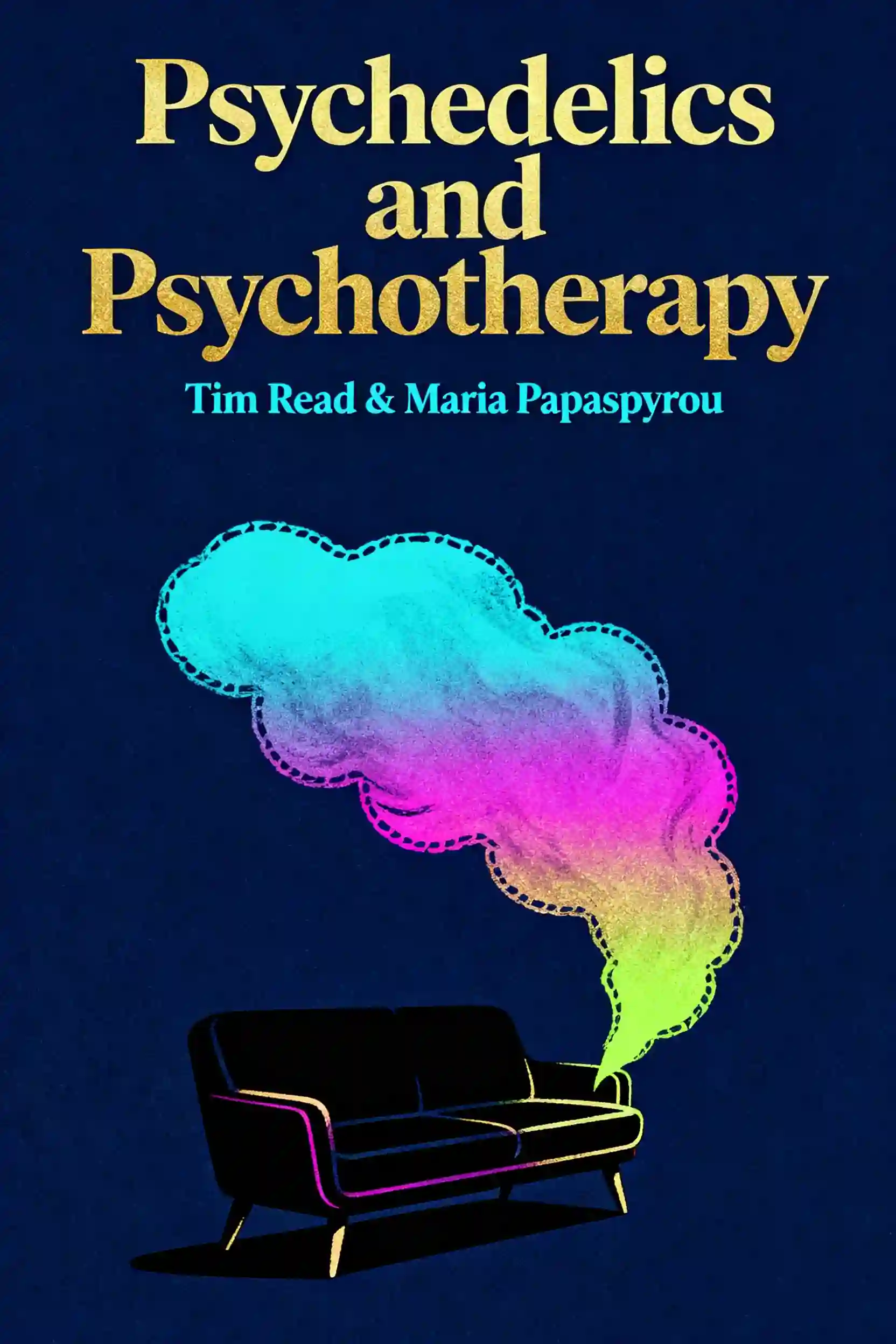
    Psychedelics and Psychotherapy
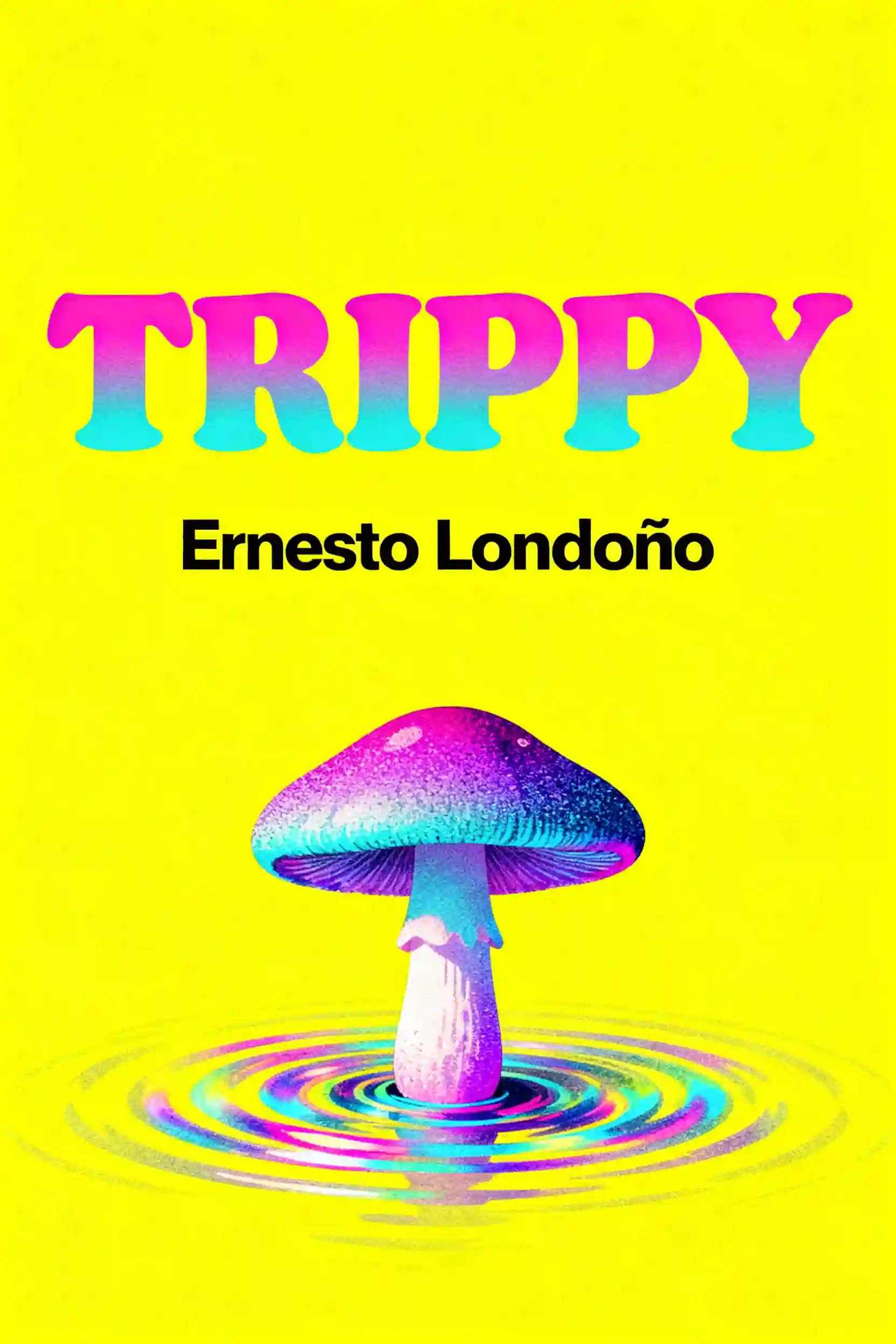
    Trippy
    Effects of Schedule I drug laws on neuroscience research and treatment innovation, Nutt D.J. et al., 2013 - GRECC
    link
    https://www.grecc.org/publications/ressources-documentaires/substances-psychedeliques-et-therapeutique/effects-of-schedule-i-drug-laws-on-neuroscience-research-and-treatment-innovation-nutt-d-j-et-al-2013/
    From stigma to science: Rethinking the U.S. drug scheduling system
    link
    https://kevinmd.com/2025/07/from-stigma-to-science-rethinking-the-u-s-drug-scheduling-system.html
    Reviewing the Potential of Psychedelics for the Treatment of PTSD
    link
    https://pmc.ncbi.nlm.nih.gov/articles/PMC7311646/
    An ethical exploration of barriers to research on controlled drugs
    link
    https://pmc.ncbi.nlm.nih.gov/articles/PMC4849133/

    컬럼비아 대학교 동문들이 제작 | 샌프란시스코에서 개발

    BeFreed는 호기심 넘치는 글로벌 커뮤니티를 하나로 연결합니다

    4.7

    평균 평점

    앱 평가 7.84천 개 이상

    BeFreed 커뮤니티

    정말이지 아직 앱을 다 써 보지도 않았는데, 며칠 써 본 것만으로도 깊은 인상을 받았어요… BeFreed는 제가 써 본 어떤 학습 앱과도 차원이 달라요. 몰입감이 엄청나고 집중력도 실제로 좋아져서, 스마트폰을 하염없이 스크롤하는 분들께 딱이에요!
    @ladyInfinity

    정확히 23일 전에 BeFreed를 구입했는데, 그날부터 하루도 빠짐없이 쓰고 있어요. 제 일상 업무 흐름과 학습 습관에 완전히 자리 잡았어요.

    @jayallen

    솔직히 이 앱은 제 기대를 전부 뛰어넘었어요. 어떤 주제든 오디오로 만들어 달라고 할 수 있고, 결과물이 놀라워요. 제 전문 분야는 심리치료 쪽이고 여러 학문이 얽혀 있는데도 답변이 아주 정확해요.

    @Raguipa

    제일 고마운 건 스크롤하는 시간이 확 줄었다는 거예요. 검색하는 시간은 줄고 흡수하는 시간은 늘었어요. 오디오북 전권, 팟캐스트, 학습 플랜의 조합이 정말 훌륭해요.

    @colonyofcreatorsNGO

    저는 24년째 PhotoReading 속진 학습 강사로 일하고 있어요… 책과 독서, 배움이 제 전문인데, BeFreed는 정보를 소화하기 쉽게 전달하는 혁신적인 방식을 정말 잘 구현했어요.

    @BeFreed user

    단순한 책 요약 앱이 아니에요. '재미' 스타일을 써 봤는데, 전통적인 방식보다 훨씬 나은 요약이고 아이디어를 이해하기도 쉬워요. 이것만으로도 값어치를 해요.

    @austinakon

    이 앱이 정말 좋아요. 며칠 써 봤는데 듣는 걸 멈출 수가 없어요. 시작하기에 이보다 좋을 수 없어요.

    @jcrules328

    정말 마음에 들어요. 한 달 정도 써 봤는데 숨은 보석을 찾은 기분이에요. BeFreed로 제가 원하는 주제를 직접 만들 수 있어서 좋고, 목소리도 훌륭한 데다 내레이션 선택지가 무궁무진해요.

    @DanielCZ

    정말이지 아직 앱을 다 써 보지도 않았는데, 며칠 써 본 것만으로도 깊은 인상을 받았어요… BeFreed는 제가 써 본 어떤 학습 앱과도 차원이 달라요. 몰입감이 엄청나고 집중력도 실제로 좋아져서, 스마트폰을 하염없이 스크롤하는 분들께 딱이에요!

    @ladyInfinity

    정확히 23일 전에 BeFreed를 구입했는데, 그날부터 하루도 빠짐없이 쓰고 있어요. 제 일상 업무 흐름과 학습 습관에 완전히 자리 잡았어요.

    @jayallen

    솔직히 이 앱은 제 기대를 전부 뛰어넘었어요. 어떤 주제든 오디오로 만들어 달라고 할 수 있고, 결과물이 놀라워요. 제 전문 분야는 심리치료 쪽이고 여러 학문이 얽혀 있는데도 답변이 아주 정확해요.

    @Raguipa

    제일 고마운 건 스크롤하는 시간이 확 줄었다는 거예요. 검색하는 시간은 줄고 흡수하는 시간은 늘었어요. 오디오북 전권, 팟캐스트, 학습 플랜의 조합이 정말 훌륭해요.

    @colonyofcreatorsNGO

    저는 24년째 PhotoReading 속진 학습 강사로 일하고 있어요… 책과 독서, 배움이 제 전문인데, BeFreed는 정보를 소화하기 쉽게 전달하는 혁신적인 방식을 정말 잘 구현했어요.

    @BeFreed user

    단순한 책 요약 앱이 아니에요. '재미' 스타일을 써 봤는데, 전통적인 방식보다 훨씬 나은 요약이고 아이디어를 이해하기도 쉬워요. 이것만으로도 값어치를 해요.

    @austinakon

    이 앱이 정말 좋아요. 며칠 써 봤는데 듣는 걸 멈출 수가 없어요. 시작하기에 이보다 좋을 수 없어요.

    @jcrules328

    정말 마음에 들어요. 한 달 정도 써 봤는데 숨은 보석을 찾은 기분이에요. BeFreed로 제가 원하는 주제를 직접 만들 수 있어서 좋고, 목소리도 훌륭한 데다 내레이션 선택지가 무궁무진해요.

    @DanielCZ

    유용한 정보와 아이디어를 8~15분짜리 팟캐스트 스타일 오디오로 압축해서 들을 수 있다는 게 정말 좋아요. 원래 팟캐스트는 군더더기가 많아서 안 좋아했는데, 여기는 그걸 싹 걷어냈어요.

    @BeFreed user

    박사 과정을 마무리하는 중이라 낯선 자료를 많이 읽어야 해요… BeFreed에서는 프롬프트만 입력하면 앱이 자료를 찾아서 오디오 팟캐스트로 만들어 줘요. BeFreed의 과정이 NotebookLM보다 더 매끄럽게 느껴져요.

    @Brad

    아침을 준비하거나 산책하거나 출퇴근할 때 들을 것을 YouTube에서 자주 찾곤 했는데, BeFreed는 광고도 군더더기도 없이 훨씬 더 딱 맞는 걸 들려줘요!

    @BeFreed user

    이 플랫폼의 가장 큰 장점은 활용도예요. 다루지 못하는 주제가 말 그대로 하나도 없어요. 무엇을 던져도 다 소화해요… 제한이 전혀 없으면서 약속을 실제로 지키는 학습 도구는 정말 드물어요.

    @jayallen

    BeFreed는 환상적이에요. 디자인이 편해서 헤매는 시간은 줄고 배우는 시간은 늘었어요. 오디오북, 팟캐스트, 학습 플랜의 조합은 천재적이에요. 제 하루가 완전히 달라졌어요.

    @BeFreed user

    처음엔 이탈리아어로 팟캐스트를 만드는 방법을 이해하는 데 시간이 좀 걸렸는데, 알고 나니까 — 와! 정말 대단해요! 어떤 주제든 설명해 달라고 하면 정말 똑똑하게 잘 설명해 줘요!

    @matteo77

    BeFreed는 제가 매일 쓰는 오디오북 앱이 됐어요… 제일 마음에 드는 건 텍스트를 넣으면 이동 중에도 들을 수 있는 오디오로 만들어 준다는 점이에요.

    @kotanzu1

    유용한 정보와 아이디어를 8~15분짜리 팟캐스트 스타일 오디오로 압축해서 들을 수 있다는 게 정말 좋아요. 원래 팟캐스트는 군더더기가 많아서 안 좋아했는데, 여기는 그걸 싹 걷어냈어요.

    @BeFreed user

    박사 과정을 마무리하는 중이라 낯선 자료를 많이 읽어야 해요… BeFreed에서는 프롬프트만 입력하면 앱이 자료를 찾아서 오디오 팟캐스트로 만들어 줘요. BeFreed의 과정이 NotebookLM보다 더 매끄럽게 느껴져요.

    @Brad

    아침을 준비하거나 산책하거나 출퇴근할 때 들을 것을 YouTube에서 자주 찾곤 했는데, BeFreed는 광고도 군더더기도 없이 훨씬 더 딱 맞는 걸 들려줘요!

    @BeFreed user

    이 플랫폼의 가장 큰 장점은 활용도예요. 다루지 못하는 주제가 말 그대로 하나도 없어요. 무엇을 던져도 다 소화해요… 제한이 전혀 없으면서 약속을 실제로 지키는 학습 도구는 정말 드물어요.

    @jayallen

    BeFreed는 환상적이에요. 디자인이 편해서 헤매는 시간은 줄고 배우는 시간은 늘었어요. 오디오북, 팟캐스트, 학습 플랜의 조합은 천재적이에요. 제 하루가 완전히 달라졌어요.

    @BeFreed user

    처음엔 이탈리아어로 팟캐스트를 만드는 방법을 이해하는 데 시간이 좀 걸렸는데, 알고 나니까 — 와! 정말 대단해요! 어떤 주제든 설명해 달라고 하면 정말 똑똑하게 잘 설명해 줘요!

    @matteo77

    BeFreed는 제가 매일 쓰는 오디오북 앱이 됐어요… 제일 마음에 드는 건 텍스트를 넣으면 이동 중에도 들을 수 있는 오디오로 만들어 준다는 점이에요.

    @kotanzu1

    웹에서 BeFreed가 어떻게 논의되고 있는지 더 보기
    129.7K19.5K
    55.2K19.2K
    154.2K10827355
    48.1K2.5K
    81.2K6.6K
    82.3K1.8K
    지금 바로 학습 여정을 시작하세요
    BeFreed 앱
    BeFreed

    무엇이든 개인화된 학습

    DiscordLinkedIn
    추천 도서 요약
    Crucial ConversationsThe Perfect MarriageInto the WildNever Split the DifferenceAttachedGood to GreatSay Nothing
    인기 카테고리
    Self HelpCommunication SkillRelationshipMindfulnessPhilosophyInspirationProductivity
    유명인 추천 도서
    Elon MuskCharlie KirkBill GatesSteve JobsAndrew HubermanJoe RoganJordan Peterson
    수상작 컬렉션
    Pulitzer PrizeNational Book AwardGoodreads Choice AwardsNobel Prize in LiteratureNew York TimesCaldecott MedalNebula Award
    추천 주제
    ManagementAmerican HistoryWarTradingStoicismAnxietySex
    연도별 베스트 도서
    2025 Best Non Fiction Books2024 Best Non Fiction Books2023 Best Non Fiction Books
    추천 저자
    Chimamanda Ngozi AdichieGeorge OrwellO. J. SimpsonBarbara O'NeillWinston ChurchillCharlie Kirk
    BeFreed vs 다른 앱
    BeFreed vs. Other Book Summary AppsBeFreed vs. ElevenReaderBeFreed vs. ReadwiseBeFreed vs. Anki
    학습 도구
    Knowledge VisualizerAI Podcast Generator
    정보
    회사 소개arrow
    가격arrow
    FAQarrow
    블로그arrow
    채용arrow
    파트너십arrow
    앰배서더 프로그램arrow
    디렉토리arrow
    BeFreed
    Try now
    © 2026 BeFreed
    이용 약관개인정보 처리방침
    BeFreed

    무엇이든 개인화된 학습

    DiscordLinkedIn
    추천 도서 요약
    Crucial ConversationsThe Perfect MarriageInto the WildNever Split the DifferenceAttachedGood to GreatSay Nothing
    인기 카테고리
    Self HelpCommunication SkillRelationshipMindfulnessPhilosophyInspirationProductivity
    유명인 추천 도서
    Elon MuskCharlie KirkBill GatesSteve JobsAndrew HubermanJoe RoganJordan Peterson
    수상작 컬렉션
    Pulitzer PrizeNational Book AwardGoodreads Choice AwardsNobel Prize in LiteratureNew York TimesCaldecott MedalNebula Award
    추천 주제
    ManagementAmerican HistoryWarTradingStoicismAnxietySex
    연도별 베스트 도서
    2025 Best Non Fiction Books2024 Best Non Fiction Books2023 Best Non Fiction Books
    학습 도구
    Knowledge VisualizerAI Podcast Generator
    추천 저자
    Chimamanda Ngozi AdichieGeorge OrwellO. J. SimpsonBarbara O'NeillWinston ChurchillCharlie Kirk
    BeFreed vs 다른 앱
    BeFreed vs. Other Book Summary AppsBeFreed vs. ElevenReaderBeFreed vs. ReadwiseBeFreed vs. Anki
    정보
    회사 소개arrow
    가격arrow
    FAQarrow
    블로그arrow
    채용arrow
    파트너십arrow
    앰배서더 프로그램arrow
    디렉토리arrow
    BeFreed
    Try now
    © 2026 BeFreed
    이용 약관개인정보 처리방침

    이 학습 계획의 일부

    How psychoactive substances work
    학습 계획

    How psychoactive substances work

    5 h 20 m•4 에피소드

    비슷한 콘텐츠

    Rewiring the Brain: The Science of Psychoplastogens 책 표지
    Psychedelic-Induced Neural Plasticity: A Comprehensive Review and a Discussion of Clinical Implications - PMC
    1 source
    Rewiring the Brain: The Science of Psychoplastogens
    When mental health feels stuck, traditional meds can fall short. Explore how compounds like psilocybin act as a reset button to regrow neural connections.
    35 min
    Psychedelics and Psychotherapy 책 표지
    Psychedelics and Psychotherapy
    Tim Read & Maria Papaspyrou
    29 min
    Psilocybin Trials: A Guide to Reading the Research 책 표지
    an open-label pilot clinical trial | Communications MedicineFor veterans with severe PTSD, psilocybin-assisted therapy may helpTen Questions for Ethics Committees Evaluating the Strength of Evidence in Support of Early Phase Trials10 tips for understanding the real trial results in biotech investing
    5 sources
    Psilocybin Trials: A Guide to Reading the Research
    Medical breakthroughs often hide behind complex data and hype. Learn to evaluate clinical trials using a 5-point checklist to find real hope.
    1250 min
    Veterans, PTSD, and the Cannabis Shift 책 표지
    In Their Own Words: A Qualitative Exploration of Veterans’ Perspectives and Experiences of Medical Cannabis Use | Journal of General Internal Medicine | Springer Nature LinkMichigan veteran uses cannabis to treat PTSD as researchers study its effects | WOODTV.comThe Andrew Lopez Story | War, Pain, Cannabis & Finding Life Again | Herbage Magazine • Herbage MagazineVeteran KJ Saffold’s patient story - Leafwell
    8 sources
    Veterans, PTSD, and the Cannabis Shift
    When traditional meds fail, many veterans are turning to cannabis for relief. Explore the move from pharmaceuticals to plant-based healing.
    903 min
    Psychopharmacology: From Medieval Madness to Modern Miracles 책 표지
    source 1source 2source 3source 4
    6 sources
    Psychopharmacology: From Medieval Madness to Modern Miracles
    Explore the remarkable 70-year journey of psychiatric medicine, from accidental discoveries like Thorazine to revolutionary treatments like ketamine, revealing how brain chemistry breakthroughs transformed mental illness from hopeless conditions to treatable medical disorders.
    23 min
    Altered States: The Psychology of Substance Use 책 표지
    Major life changes following psychedelic use: A retrospective survey among people using psychedelics naturalisticallySubjective and neurocognitive profiling of clinical doses of 3,4-methylenedioxymethamphetamine (MDMA) in healthy volunteers: implications for therapeutic use - Molecular PsychiatryJohns Hopkins Study Finds Cannabis Use May Pose Greater Mental Health Risks in Adolescents than AdultsTypes of psychoactive drugs and their effects - Medical News Today
    8 sources
    Altered States: The Psychology of Substance Use
    Stuck in a mental fog? Explore how substances from caffeine to psychedelics rewire our brains, the risks for young minds, and the path to safer choices.
    16 min
    Sober Trips: The Science of Altered States 책 표지
    Decreased CO2 saturation during circular breathwork supports emergence of altered states of consciousness | Communications PsychologyFrontiers | An exploratory study of breathwork-induced altered states of consciousness in experienced practitioners: the airways to alteration (A2A) trialNeural tracking at theta predicts drumming-induced altered states of consciousness | Scientific ReportsInducing Psychedelic-Like States Through Brain Stimulation: A Review of Mechanisms, Clinical Evidence, and Psychotherapeutic Implications | BJPsych Open | Cambridge Core
    7 sources
    Sober Trips: The Science of Altered States
    Is it possible to reach psychedelic heights without substances? Discover the biological triggers and sensory techniques that unlock profound insight.
    862 min
    Trippy 책 표지
    Trippy
    Ernesto Londoño
    28 min

    Recommended Learning Plans

    How psychoactive substances work
    학습 계획

    How psychoactive substances work

    This learning plan is essential for anyone interested in the intersection of neuroscience, pharmacology, and mental health. It benefits students, healthcare professionals, or curious minds seeking to understand the biological roots of behavior and the therapeutic potential of psychoactive substances.

    5 h 20 m•4 섹션
    Medicine and pharmacology: psychopharmacology
    학습 계획

    Medicine and pharmacology: psychopharmacology

    This plan provides a comprehensive bridge between neuroscience and clinical practice. It is ideal for medical students, healthcare professionals, or researchers looking to master the complexities of psychiatric drug mechanisms and modern treatment strategies.

    5 h 15 m•4 섹션
    Psychedelic apes by Alex boese
    학습 계획

    Psychedelic apes by Alex boese

    This plan bridge the gap between evolutionary biology and the frontier of consciousness studies. It is ideal for curious minds, psychology students, and history buffs interested in how psychedelics and primate evolution shaped the modern human experience.

    5 h 5 m•4 섹션
    Rebuild Prefrontal Cortex After Addiction
    학습 계획

    Rebuild Prefrontal Cortex After Addiction

    This plan is essential for individuals in recovery who want to move beyond behavioral changes and address the underlying neurological impact of addiction. It is designed for those seeking to restore their mental clarity and self-control through evidence-based cognitive rehabilitation.

    5 h 11 m•4 섹션
    Study benefit finding and related concepts
    학습 계획

    Study benefit finding and related concepts

    This plan is essential for mental health professionals and individuals seeking to transform adversity into personal strength. It provides a scientific roadmap for understanding how the mind processes trauma to find profound meaning and wisdom.

    4 h 14 m•4 섹션
    Break addiction cycles after 5 lost years
    학습 계획

    Break addiction cycles after 5 lost years

    This plan is designed for individuals seeking to reclaim their lives after long-term struggle, moving beyond willpower to science-based recovery. It provides a holistic roadmap for those ready to address the neurological, emotional, and social roots of addiction to build a lasting new identity.

    4 h 47 m•4 섹션
    Rewiring the Traumatized Mind
    학습 계획

    Rewiring the Traumatized Mind

    This plan is essential for anyone seeking to understand the intersection of neuroscience and emotional recovery. It is designed for individuals or professionals looking to break cycles of trauma by addressing both the physical nervous system and early relational blueprints.

    1 h 30 m•3 섹션
    The Neurobiology of Dissociative Sleep
    학습 계획

    The Neurobiology of Dissociative Sleep

    This plan is essential for clinicians and researchers seeking to understand the intersection of trauma-induced brain remodeling and sleep-wake boundary failures. It provides a unique lens into how the nervous system can be stabilized through targeted neurobiological interventions.

    1 h 15 m•3 섹션