BeFreed
    Categories>Psychology>Only Child Myths Debunked by Science

    Only Child Myths Debunked by Science

    40분
    |
    |
    2025년 11월 30일
    • Psychology
    • Technology
    • History & Society

    Discover how rigorous research completely dismantles century-old stereotypes about only children, revealing they actually outperform peers in character, achievement, and prosocial behavior across cultures.

    Only Child Myths Debunked by Science
    0:00 / 0:00
    전달 방식을 선택하세요

    하나의 에피소드, 다양한 청취 방식.

    Only Child Myths Debunked by Science의 같은 아이디어를 나에게 맞는 목소리, 깊이, 속도로 만나보세요. 언제든 바꿀 수 있습니다.

    전체 대본 및 챕터

    챕터 1

    Opening & Welcome

    Jackson: Hey everyone, welcome to another personalized episode from BeFreed! I'm Jackson, and I'm genuinely excited to dive into today's topic because it's one that touches so many families yet remains surprisingly misunderstood.

    Miles: And I'm Miles-absolutely thrilled to be here with you, Jackson. You know, when we started preparing for this conversation about being an only child, I was struck by how much fascinating research has emerged that completely challenges what most people think they know about this topic.

    Jackson: Exactly! And for everyone listening today, we're going to explore some really eye-opening insights that might just change how you think about family dynamics, childhood development, and what it really means to grow up without siblings. The science here is genuinely surprising.

    챕터 2

    Topic Introduction & Source Material Setup

    Miles: So Jackson, let's set the stage here. When most people think about only children, what immediately comes to mind?

    Jackson: Oh, the stereotypes are pretty harsh, aren't they? I mean, we've all heard the terms-spoiled, selfish, antisocial. There's this persistent image of the "little emperor" who gets everything they want and never learns to share or cooperate.

    Miles: Right, and it's fascinating because these stereotypes have such deep historical roots. I was just reading about this in the research, and it turns out that G. Stanley Hall-the very first president of the American Psychological Association-actually wrote that being an only child is "a disease in and of itself." Can you imagine?

    Jackson: That's incredible, and it really shows how these biases became embedded in our thinking from the very beginning of psychology as a field. But what's really striking is how the landscape has changed. The data shows that the share of mothers who had one child doubled between 1976 and 2021, reaching 22% according to Pew Research.

    Miles: And that's just in the United States. When you look globally, the picture becomes even more interesting. In European Union countries, 49% of households with children have only one child. Countries like South Korea, Japan, Italy, Spain, Canada, and China all have fertility rates lower than the U.S.

    Jackson: So we're talking about a massive demographic shift that's happening worldwide. But here's what I find most compelling-despite this trend toward smaller families, most Americans still think the ideal family has more than one child. In 2023 Gallup polls, 44% said two children is best, and 45% said three or more is ideal.

    Miles: That disconnect is fascinating, isn't it? People are choosing to have fewer children, but they still hold onto these beliefs about larger families being better. And I think that's where the research we're going to discuss today becomes so important-it's forcing us to question whether our assumptions match reality.

    Jackson: Absolutely. We're drawing from several comprehensive studies today, including Toni Falbo's quantitative review of only child literature, recent findings from the National Children's Study of China, and fascinating research on birth order effects. What I love about this collection of research is how it spans different cultures, time periods, and methodologies.

    Miles: And that's crucial because, as we'll see, the context really matters. The experience of being an only child in rural China under the one-child policy is different from growing up as an only child in suburban America, which is different from the Swedish experience where two-child families were the norm for so long.

    이 에피소드로 더 깊이 배우기

    이 에피소드의 아이디어를 BeFreed의 가이드 학습 경험으로 더 깊이 탐구해 보세요.

    챕터 3

    Debunking the Stereotypes

    Jackson: Miles, let's dive right into what the research actually tells us about these long-standing stereotypes. Because honestly, when I first looked at these studies, I was pretty surprised by what they found.

    Miles: Oh, you're going to love this. So Toni Falbo and Denise Polit conducted this massive meta-analysis-they looked at 115 studies on only children, covering everything from achievement and adjustment to character, intelligence, and social relationships. And the results? They basically demolish every negative stereotype we have about only children.

    Jackson: That's a huge sample size. What specifically did they find?

    Miles: Well, get this-only children actually surpassed all other groups except firstborns and people from two-child families on achievement and intelligence measures. They also outperformed all non-only children, especially those from families with three or more children, when it came to character development.

    Jackson: So they're not selfish and spoiled-they actually show better character development?

    Miles: Exactly! And here's another fascinating finding from more recent research. When Joshua Foster and his colleagues studied over 8,600 college students using narcissism measures-because narcissism is essentially what people mean when they call only children "selfish"-they found absolutely no differences between only children and those with siblings.

    Jackson: That's remarkable. So the idea that only children are more narcissistic just doesn't hold up to scrutiny.

    Miles: Not at all. And it gets even more interesting when you look at the Chinese research. There's this study from the National Children's Study of China that examined prosocial behaviors-things like cooperation, sharing, helping others-in rural Chinese children. The researchers found that only children actually showed more prosocial tendencies than their peers with siblings.

    Jackson: Wait, so they're more cooperative and helpful, not less?

    Miles: That's right! Specifically, they scored higher on trait-related, relational, and altruistic prosocial behaviors. The researchers were so confident in their findings that they used multiple statistical techniques to account for potential biases, and the results held up across all of them.

    Jackson: This is fascinating because it suggests that the "little emperor" stereotype that became so prominent during China's one-child policy era might be completely backwards. But I'm curious-how do we explain this disconnect between the stereotypes and the reality?

    Miles: Well, there's actually a really interesting explanation for that. Carl Pickhardt, who's a counseling psychologist with 30 years of private practice experience, noticed something revealing. He worked with a disproportionate number of only children-not because they were more troubled or maladjusted, but because their parents were highly vigilant.

    Jackson: Ah, so it's a selection bias in who seeks help?

    Miles: Exactly! As Pickhardt put it, "All of their focus was on this kid, and if they saw something they couldn't understand or had trouble dealing with, they sought help." So only children were overrepresented in therapy not because they had more problems, but because their parents were more likely to seek professional guidance.

    Jackson: That makes so much sense. And it probably contributed to the historical bias we saw with G. Stanley Hall's observations too-he was seeing only children in clinical settings, not representative samples of the general population.

    Miles: Right, and this pattern has persisted. Even today, many of the assumptions about only children come from clinical observations rather than population-based research. When you actually look at representative samples, like in these large-scale studies, the picture is completely different.

    챕터 4

    The Resource Advantage

    Jackson: So if only children aren't suffering from all these supposed disadvantages, what is it about their family structure that might actually be working in their favor? I'm thinking there has to be something about the way resources are allocated in one-child families.

    Miles: You've hit on something really important here-what researchers call the "quantity-quality trade-off." The basic idea is that parents have finite resources-time, money, attention, emotional energy-and when those resources aren't divided among multiple children, the only child gets the full benefit.

    Jackson: That makes intuitive sense, but I'd love to hear about the specific ways this plays out.

    Miles: Well, let's start with the most obvious one-educational resources. Only children typically receive more parental investment in their education, better access to educational materials, and more one-on-one tutoring or help with homework. But it goes way beyond just material resources.

    Jackson: How so?

    Miles: Think about the quality of parent-child interactions. When parents aren't constantly managing sibling conflicts, mediating disputes, or dividing their attention between multiple children's needs, they can engage more deeply with their only child. The research shows that only children tend to have more positive relationships with their parents than children with siblings.

    Jackson: And I imagine that has developmental benefits beyond just the relationship quality itself.

    Miles: Absolutely! Linda Blair, who's a clinical psychologist and birth order expert, puts it beautifully: "They get the precious gift of full attention from their parents without distraction, which is beneficial for their cognitive development, in particular linguistic development."

    Jackson: That's interesting-linguistic development specifically. Is there research backing that up?

    Miles: There is! Only children often read above their grade level and show more sophisticated comprehension skills. They're essentially growing up in an adult-oriented environment where their primary conversation partners are adults, so they're exposed to more complex vocabulary and reasoning patterns from an early age.

    Jackson: But I can see how that might be a double-edged sword. What about the social implications of being so adult-oriented?

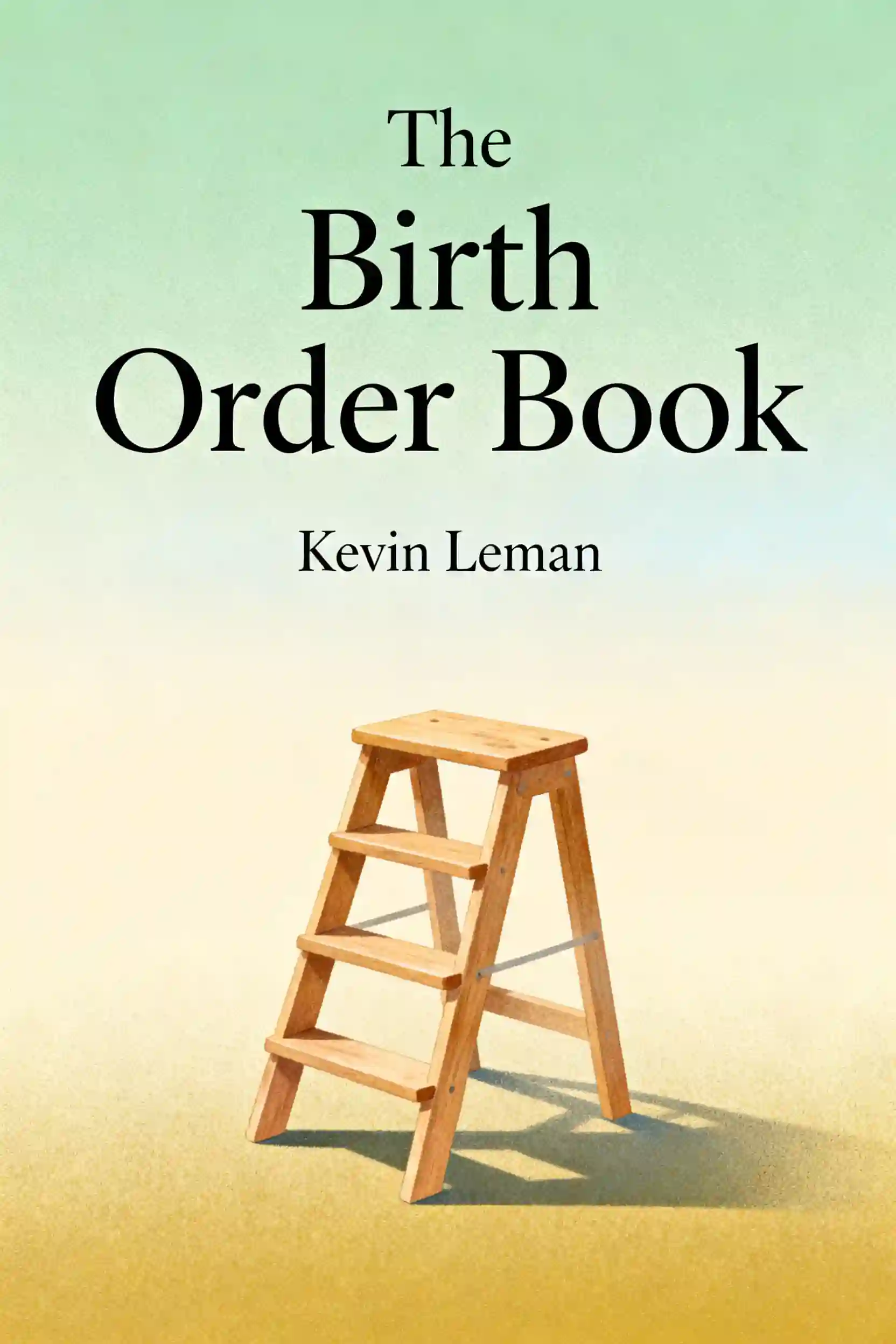
    Miles: You're right to pick up on that complexity. The research from "The Birth Order Book" notes that only children often connect better with people much older or younger than their peers. They can struggle more with peer relationships because they're so accustomed to adult interaction patterns.

    Jackson: So they might be socially sophisticated in some ways but less skilled in others?

    Miles: Exactly. It's not that they're antisocial-it's that their social skills are calibrated differently. Carl Pickhardt observed that "only children learn early on how to get along with adults, which is a huge advantage. When they exit adolescence, their emotional sensitivity and social skills for getting along in the adult world are typically very well developed."

    Jackson: That's actually a pretty valuable skill set in professional contexts.

    Miles: Definitely! And there's another resource advantage that's often overlooked-creativity and independence. Susan Newman, who's written extensively about only children, points out that they spend more time alone, which gives them extra opportunities to explore their creativity and develop self-reliance.

    Jackson: I've read about this-the idea that solitude can be developmentally beneficial rather than problematic.

    Miles: Right! There was actually a fascinating study of young adults in China that found only children scored higher on cognitive flexibility, which is a measure of creative thinking. The researchers even found differences in brain structure that correlated with these enhanced creative abilities.

    Jackson: So the time alone that people worry about might actually be fostering important cognitive skills.

    Miles: Exactly. And as Carl Pickhardt noted, "The greatest gift of being an only child is that you learn to be content with your own company and spend a lot of time with yourself. And that's huge. After all, our primary relationship in life is with ourselves."

    이 에피소드로 더 깊이 배우기

    이 에피소드의 아이디어를 BeFreed의 가이드 학습 경험으로 더 깊이 탐구해 보세요.

    챕터 5

    Parenting Styles and Quality of Care

    Jackson: Miles, I want to dig deeper into something you mentioned earlier about the quality of parent-child interactions. Because it seems like the parenting style differences might be just as important as the resource differences when it comes to explaining these positive outcomes for only children.

    Miles: Oh, absolutely. This is where the research gets really fascinating. The Chinese study I mentioned earlier didn't just look at prosocial behaviors-they also examined parenting styles to understand why only children were performing better. And what they found was that only children consistently experienced more positive parenting approaches.

    Jackson: What does "positive parenting" mean in this context?

    Miles: Great question. The researchers looked at several dimensions. First, there's authoritative parenting, which involves being warm and supportive while still maintaining clear expectations. Then there's what they called "value affirmation"-parents believing in their children's capabilities and recognizing their accomplishments. And finally, "instrumental help"-actually paying attention to and providing assistance for their children's needs.

    Jackson: And only children received more of all of these?

    Miles: They did. And here's what's really interesting-when the researchers controlled for these parenting variables in their statistical models, the advantages of being an only child decreased significantly. That suggests that much of the benefit comes from the quality of parenting rather than just the family structure itself.

    Jackson: So it's not magic-it's that parents of only children are able to invest more in high-quality parenting practices.

    Miles: Exactly! And this makes perfect sense when you think about it. Parenting, as the research notes, relies on parents' time, patience, and cognitive resources. When you're not juggling the needs of multiple children, you have more capacity for the kind of thoughtful, responsive parenting that promotes healthy development.

    Jackson: But I'm curious about the flip side. Are there ways that this intense focus might create challenges for only children?

    Miles: You've touched on something really important. The research does identify some potential downsides to being the sole focus of parental attention. Kevin Leman talks about how only children can become "super-firstborns"-even more perfectionistic and achievement-oriented than typical firstborns.

    Jackson: And I imagine that pressure can be overwhelming sometimes.

    Miles: It can be. Carl Pickhardt observed that only children are "acutely aware that theirs is the only report card coming home." There's no sibling to share the spotlight or deflect attention when things don't go perfectly. Every achievement and every failure is magnified because it's the only one parents are tracking.

    Jackson: That sounds like it could create a lot of anxiety around performance.

    Miles: It can, especially during adolescence when kids are naturally trying to individuate and establish their own identity. Pickhardt notes that for only children, "that differentiation and opposition require extra courage" because "you don't want to alienate your parents-they're the most important people in your world."

    Jackson: So they might struggle more with the normal developmental task of becoming independent from their parents?

    Miles: That's one of the challenges, yes. The research suggests that only children sometimes have difficulty fully separating from their parents emotionally. Some adults report still feeling their parents' influence strongly well into their forties and beyond.

    Jackson: But let's balance this out-are there ways that good parenting can mitigate these potential downsides?

    Miles: Absolutely. The Chinese study found that authoritative parenting-the warm but structured approach-actually amplified the positive effects of being an only child, while authoritarian parenting-which is more controlling and less warm-tended to reduce those benefits.

    Jackson: So it's not just about having more parental resources, but about how those resources are deployed.

    Miles: Exactly. And this has practical implications for parents. The research suggests that families can enhance their children's prosocial behaviors and overall development by adopting more constructive parenting strategies, regardless of family size.

    챕터 6

    Social Skills and Peer Relationships

    Jackson: Let's tackle what I think is probably the biggest concern people have about only children-the social piece. If they're not growing up with siblings, how does that affect their ability to navigate relationships with peers and eventually in their adult lives?

    Miles: This is such an important question, and honestly, the research reveals a much more nuanced picture than the simple "only children are antisocial" narrative we often hear. Let's start with what we know about sibling relationships and social development.

    Jackson: Right, because the assumption is that siblings teach you crucial social skills-sharing, negotiating, dealing with conflict. Is there truth to that?

    Miles: There's definitely some truth to it. The research shows that sibling relationships provide what's called "rough and tumble" learning experiences. You're forced to work around the consequences of your decisions within a family relationship where you can't just walk away. You have to figure out how to resolve conflicts because, as the saying goes, "they'll always be your siblings."

    Jackson: And only children miss out on that daily practice.

    Miles: They do miss out on that specific type of social learning. But here's where it gets interesting-they're not just sitting in social isolation. They're having different types of social experiences that develop different skill sets.

    Jackson: What do you mean by different skill sets?

    Miles: Well, think about it. Only children are primarily interacting with adults in their home environment, so they become really skilled at adult-style communication and social navigation. Carl Pickhardt observed that "only children learn early on how to get along with adults, which is a huge advantage."

    Jackson: But what about with peers their own age?

    Miles: That's where the picture gets more complex. Some research suggests only children might be less social at school initially. There was this large longitudinal study called Project Talent that followed over 400,000 teenagers and found that only children were more interested in solitude than their counterparts with siblings.

    Jackson: That sounds concerning on the surface.

    Miles: It might sound concerning, but here's the thing-being comfortable with solitude isn't necessarily a deficit. And the research suggests that any initial social differences don't necessarily translate into long-term problems. Studies looking at loneliness throughout the lifespan found that only children aren't lonelier as adults.

    Jackson: So they might start out more solitary but catch up socially?

    Miles: It seems like they develop different but equally valid social strategies. And there's another important factor here-only children often build extensive friendships outside the family to compensate for not having siblings. They create what researchers call external "families" where they feel valued and connected.

    Jackson: That's actually a pretty adaptive response.

    Miles: It is! And it develops some valuable skills. Think about middle children for a moment-they often become excellent negotiators because they're constantly navigating between siblings. Only children develop similar negotiation skills, but they're doing it in peer groups and friendships rather than within the family.

    Jackson: But what about some of the more concerning findings? I know there's research suggesting only children might struggle more with conflict resolution.

    Miles: You're thinking of Carl Pickhardt's clinical observations. He noted that only children often struggled with conflict and joint decision-making in their early romantic relationships. The theory is that without exposure to sibling rivalry and the need to work through conflicts daily, they might avoid confrontation rather than engage with it constructively.

    Jackson: That could definitely impact relationships.

    Miles: It can, but it's important to remember that these are tendencies, not destinies. And there are also social advantages that only children develop. For instance, they often have better relationships with authority figures, they're more comfortable in professional settings, and they tend to be good at one-on-one relationships.

    Jackson: And I imagine some of the social challenges can be addressed through awareness and practice.

    Miles: Absolutely. The research suggests that understanding these patterns can help only children-and their parents-make more intentional choices about social development. For example, parents might make extra efforts to provide opportunities for peer interaction, conflict resolution practice, and group decision-making experiences.

    Jackson: What about the prosocial behavior findings from the Chinese study? How do those fit into this picture?

    Miles: That's a great connection to make. The Chinese research found that only children actually showed more prosocial behaviors-more cooperation, sharing, and helping-than children with siblings. This suggests that whatever social skills they might miss from sibling interactions, they're developing strong prosocial orientations through other pathways.

    Jackson: So maybe the social development is different rather than deficient?

    Miles: That's exactly how I'd frame it. Only children develop social skills that are well-suited to adult environments and professional contexts, though they might need more intentional practice with peer-level conflict resolution and group dynamics. But the idea that they're fundamentally antisocial or selfish? The research just doesn't support that at all.

    이 에피소드로 더 깊이 배우기

    이 에피소드의 아이디어를 BeFreed의 가이드 학습 경험으로 더 깊이 탐구해 보세요.

    챕터 7

    Cultural and Contextual Differences

    Jackson: Miles, I want to explore something that's been running through my mind as we've been talking. It seems like the experience of being an only child might vary dramatically depending on cultural context and social policies. The research spans different countries and time periods-what patterns do we see?

    Miles: You've identified something really crucial here. Alice Goisis, who's a demographer at University College London, makes this exact point in her research. She says, "It's not so much being an only child per se, but what does being an only child mean in different times and places?"

    Jackson: That's such an important distinction. Can you give us some concrete examples of how context shapes the only child experience?

    Miles: Absolutely. Let's start with China, since that's where we have some of the most dramatic policy-driven variation. Children born under China's one-child policy-which was enforced from 1980 to 2015-had a very different experience than only children in other contexts because being an only child wasn't a family choice, it was a legal requirement.

    Jackson: And how did that policy context affect outcomes?

    Miles: Interestingly, the research suggests that only children born under the one-child policy actually had better mental and physical health outcomes than their counterparts with siblings. But this was largely because many of these only children were raised by educated urban parents who, if allowed by law, could have afforded to support a larger family.

    Jackson: So they were getting the resource advantages we talked about earlier, but in a very concentrated way.

    Miles: Exactly. But here's where it gets really interesting-the experience was different in rural versus urban areas even within China. In rural areas, the policy was less strictly enforced, and families could sometimes have a second child if the first was a girl. This created different family dynamics and resource allocations.

    Jackson: And the research we discussed from the National Children's Study focused specifically on rural Chinese children, right?

    Miles: That's right. And what's fascinating is that even in rural China, where you might expect more traditional preferences for larger families, only children still showed these positive prosocial behaviors. This suggests that the resource and parenting advantages we've been discussing are pretty robust across different cultural contexts within China.

    Jackson: What about other countries? How does the only child experience vary in different cultural settings?

    Miles: Sweden provides a really interesting contrast. For many years, Sweden had a strong two-child norm, which meant that families with only one child actually had fewer resources on average. And the research shows this-only children in Sweden have had worse long-term health outcomes than people from larger families.

    Jackson: So in Sweden, being an only child was actually associated with disadvantage rather than advantage?

    Miles: In some ways, yes. Swedish only children were more likely to be overweight or obese in adolescence and more likely to die before age 50. This suggests that when only children come from families with fewer resources rather than more resources, the outcomes can be quite different.

    Jackson: That really drives home the point about context mattering more than family size per se.

    Miles: Absolutely. And then you have the United States, which presents yet another pattern. In the U.S., only children tend to fall somewhere in the middle on socioeconomic measures-they're not systematically from the wealthiest or poorest families. And the research by Alice Goisis found that they did at least as well as children with siblings on cognitive measures and overall well-being.

    Jackson: So in the U.S. context, being an only child seems pretty neutral in terms of advantages or disadvantages?

    Miles: That's a good way to put it. The U.S. research suggests that only children do fine-they're not suffering from the supposed disadvantages, but they're also not necessarily getting the same concentrated advantages we see in some other contexts.

    Jackson: This makes me think about how these findings should influence policy discussions. Are there implications for how societies think about family planning and support?

    Miles: That's a really thoughtful question. The research suggests that rather than worrying about whether families have one child or multiple children, we should focus on supporting high-quality parenting practices and ensuring that all children have access to adequate resources.

    Jackson: Because it's really about the quality of the family environment rather than the quantity of children.

    Miles: Exactly. And this has implications for how we support families. For instance, the Chinese research noted that in rural areas, parents often aren't engaged in modern parenting practices. The recommendation was to provide more training and support for parental involvement, regardless of family size.

    Jackson: So the takeaway isn't necessarily "have only one child" or "have multiple children," but rather "invest in creating supportive family environments."

    Miles: That's beautifully put. And it also suggests that we need to be careful about generalizing findings from one cultural context to another. What works in urban China might not apply in rural Sweden, and what we see in the contemporary United States might not match historical patterns or predict future trends.

    챕터 8

    Adult Outcomes and Long-term Effects

    Jackson: Now I want to shift our focus to the long-term picture. We've talked a lot about childhood development, but what happens to only children as they become adults? Do these early differences persist, and are there unique challenges or advantages that emerge later in life?

    Miles: This is where the research gets really interesting, because some advantages persist while others transform, and some new challenges emerge that people don't often anticipate. Let's start with the career and achievement side, because that's where we see some of the most striking long-term effects.

    Jackson: The research on professional achievement is pretty remarkable, isn't it?

    Miles: It really is. The statistics are almost hard to believe-64% of U.S. presidents have been firstborns or only children, and 21 of the first 23 astronauts were firstborns or functional firstborns. Kevin Leman mentions conducting a seminar where 19 out of 20 CEOs were firstborns, and when he addressed the Ohio Society of Accountants, nearly all 221 accountants identified as firstborns or only children.

    Jackson: Those numbers are staggering. What explains this pattern?

    Miles: It goes back to those early developmental advantages we discussed-the achievement orientation, the comfort with adults, the perfectionist tendencies. Only children grow up in environments that reward these traits, and they carry them into professional settings where they can be real advantages.

    Jackson: But I imagine there might be some downsides to that perfectionist, high-achievement orientation as well.

    Miles: Absolutely. The research suggests that only children can struggle with what we might call "performance pressure" throughout their lives. They're used to being the sole focus of their parents' expectations, and that can translate into putting enormous pressure on themselves professionally and personally.

    Jackson: And what about relationships? How do only children fare in marriages and long-term partnerships?

    Miles: This is fascinating territory. The research on marriage patterns shows some really interesting dynamics. The most volatile marriages often involve two firstborns or two only children locked in power struggles. As the research puts it, "perfectionists fight over minor details from driving routes to household habits, creating constant tension."

    Jackson: So two highly controlling, achievement-oriented people might clash?

    Miles: Exactly. But here's the flip side-research on over 57,000 people found that firstborn-lastborn marriages, which would include only child-lastborn pairings, report some of the highest satisfaction rates. It's that opposites-attract dynamic where one partner provides organization and the other brings spontaneity.

    Jackson: That makes sense. But are there relationship skills that only children might need to work on specifically?

    Miles: Carl Pickhardt observed some patterns in his clinical work that are worth noting. He found that only children often struggled with conflict and joint decision-making in their early romantic relationships. The theory is that without daily practice navigating sibling conflicts, they might avoid confrontation rather than engage with it constructively.

    Jackson: So they might need to learn conflict resolution skills that other people developed earlier?

    Miles: That's one way to think about it. But it's important to note that these are learnable skills, and many only children do just fine in relationships once they understand these dynamics.

    Jackson: What about the caregiving responsibilities that come later in life? I imagine that could be particularly challenging for only children.

    Miles: You've hit on something really significant. Alice Goisis's research in the United Kingdom found that only children were more likely to provide care to their aging parents in middle adulthood. And this makes perfect sense-there are no siblings to share the responsibility.

    Jackson: That could be an enormous burden, both emotionally and practically.

    Miles: It can be. As Goisis puts it, "What in earlier life was a resource can potentially become a disadvantage later in life." Only children might find themselves serving as power of attorney, tax preparer, physical caretaker, and emotional support all rolled into one.

    Jackson: And I imagine that financial pressure could be significant too.

    Miles: The research from China noted exactly this concern. The study found that for only children having to support aging parents, "only an elite job could supply enough income to enable one person to support so many dependents." This creates pressure to achieve at very high levels professionally.

    Jackson: But let's balance this out-are there advantages to being an only child that persist into adulthood?

    Miles: Definitely. That comfort with solitude we talked about earlier can be a real asset in adult life. Only children often report being content with their own company and having rich inner lives. They tend to be self-reliant and comfortable with independent decision-making.

    Jackson: And presumably those early advantages in adult-oriented social skills serve them well professionally.

    Miles: Absolutely. Only children often excel in professional environments because they're comfortable with authority figures, skilled at one-on-one interactions, and able to focus intensely on their work without needing constant social stimulation.

    Jackson: So it sounds like the adult outcomes really depend on how well only children understand and work with their particular strengths and challenges.

    Miles: That's exactly right. The research suggests that awareness is key. Only children who understand their tendencies toward perfectionism can learn to manage that pressure. Those who recognize they might need extra practice with conflict resolution can seek out those skills. And those who know they'll bear sole responsibility for aging parents can plan accordingly.

    Jackson: It's really about playing to your strengths while being intentional about developing in areas that might not come as naturally.

    Miles: Beautifully put. And I think that's true for everyone, regardless of birth order or family size. But only children do have some specific patterns that are worth understanding and working with rather than against.

    이 에피소드로 더 깊이 배우기

    이 에피소드의 아이디어를 BeFreed의 가이드 학습 경험으로 더 깊이 탐구해 보세요.

    챕터 9

    Practical Applications & Listener Takeaways

    Jackson: Miles, as we start to wrap up our conversation, I want to make sure we give our listeners some practical takeaways. Whether someone is an only child themselves, parenting an only child, or just trying to understand the only children in their lives, what are the key insights they should walk away with?

    Miles: That's such an important question, Jackson. I think the first and most crucial takeaway is that we need to completely rethink our assumptions about only children. The research consistently shows that the negative stereotypes-selfish, spoiled, antisocial-just don't hold up to scientific scrutiny.

    Jackson: Right, and I think that shift in perspective could be really liberating for only children who've internalized these negative messages about themselves.

    Miles: Absolutely. If you're an only child listening to this, I hope you're feeling validated. The research shows that you're likely to be just as well-adjusted, if not more so, than people with siblings. You're not missing some crucial developmental experience-you're just having a different developmental experience with its own unique advantages.

    Jackson: And for parents who are considering having only one child, or who already have an only child, what guidance does the research offer?

    Miles: The research suggests that parents can feel confident about their choice to have one child. The key is understanding how to maximize the advantages while being aware of potential challenges. For instance, since only children benefit from high-quality parenting, parents should focus on developing those authoritative parenting skills-being warm and supportive while maintaining clear expectations.

    Jackson: And what about those specific challenges we discussed, like the perfectionism and performance pressure?

    Miles: Great point. Parents of only children should be mindful about not putting all their emotional eggs in one basket, so to speak. It's important to maintain your own interests and identity so that your child doesn't feel like they're carrying the weight of all your hopes and dreams.

    Jackson: That makes a lot of sense. What about the social development piece? Should parents be doing anything specific to address the potential challenges there?

    Miles: The research suggests that parents should be intentional about providing opportunities for peer interaction and conflict resolution practice. This might mean encouraging participation in team sports, group activities, or other settings where children have to navigate peer-level social dynamics.

    Jackson: And for the only children themselves who are now adults, what should they be aware of?

    Miles: I think self-awareness is key. Understanding your tendencies can help you leverage your strengths and address potential blind spots. For example, if you recognize that you might avoid conflict, you can practice engaging with disagreements more constructively. If you know you tend toward perfectionism, you can work on managing that pressure.

    Jackson: What about in professional settings? How can only children use this knowledge to their advantage?

    Miles: Only children often have natural advantages in professional environments-they're comfortable with authority, good at one-on-one relationships, and able to focus intensely. But they should also be aware that they might need to work on team dynamics and collaborative decision-making skills.

    Jackson: And for people who work with or are in relationships with only children, what insights might be helpful?

    Miles: Understanding that only children might have different social calibrations can be really helpful. They're not being antisocial when they need alone time-they're recharging. They're not being controlling when they want to plan things out-they're using skills that have served them well. And they might need a little extra patience when it comes to group conflict resolution.

    Jackson: I love that framing-different calibrations rather than deficits.

    Miles: Exactly. And I think that applies to birth order dynamics more broadly. The research shows that every birth position has its advantages and challenges. Firstborns and only children tend to be achievement-oriented but might struggle with perfectionism. Middle children are great negotiators but might have trouble asserting themselves. Lastborns are creative and charming but might need help with responsibility and follow-through.

    Jackson: So it's really about understanding and working with these natural tendencies rather than fighting against them.

    Miles: Right. And for our listeners who are thinking about family planning, the research suggests that the number of children you have is less important than the quality of the family environment you create. Whether you have one child or five, focus on providing warmth, support, appropriate challenges, and opportunities for growth.

    Jackson: What about those concerns about only children and eldercare that we discussed?

    Miles: That's definitely something only children should plan for. The research shows they're more likely to bear sole responsibility for aging parents, so it's worth having conversations early about expectations, resources, and support systems. But it's also worth noting that this can be an opportunity for deep, meaningful relationships with parents.

    Jackson: And finally, what about the broader societal implications? As more families choose to have fewer children, what should we be thinking about?

    Miles: I think the research suggests we should be optimistic rather than worried. The idea that declining birth rates will produce a generation of selfish, antisocial individuals just isn't supported by the evidence. If anything, only children might be better prepared for the collaborative, relationship-intensive work environments of the future.

    Jackson: That's a really hopeful note. The research really does paint a much more positive picture than the cultural stereotypes would suggest.

    Miles: It does. And I think that's the most important takeaway for everyone listening-question those assumptions, look at the actual evidence, and recognize that family diversity is a strength, not a problem to be solved.

    챕터 10

    Wrap-up & Closing Reflection

    Jackson: Miles, as we bring this conversation to a close, I have to say I'm struck by how much this research challenges conventional wisdom. When we started this discussion, I thought I had a pretty good sense of what the science would show about only children, but I've been genuinely surprised by these findings.

    Miles: I know exactly what you mean, Jackson. There's something really powerful about seeing rigorous research systematically dismantle stereotypes that have persisted for over a century. When you think about G. Stanley Hall calling being an only child "a disease in and of itself" back in the 1890s, and then you look at modern studies showing only children outperforming their peers on prosocial behaviors-that's a complete reversal of our understanding.

    Jackson: And what I find most compelling is how consistent these positive findings are across different cultures and methodologies. Whether we're looking at Toni Falbo's meta-analysis of 115 studies, the large-scale Chinese research on prosocial behaviors, or the longitudinal studies from the UK, the story is remarkably similar.

    Miles: Absolutely. And I think that consistency gives us confidence that we're seeing real patterns, not just statistical flukes or cultural anomalies. The fact that only children show advantages in achievement, character development, and prosocial behavior across such diverse contexts suggests there's something fundamental about the family dynamics we've been discussing.

    Jackson: You know, one thing that really resonates with me is how this research reframes what we think of as "normal" family development. We've been so focused on the idea that sibling relationships are essential for healthy development, but maybe that's just one pathway among many.

    Miles: That's such an insightful way to put it. The research suggests that children are remarkably adaptable-they'll develop the social and emotional skills they need using whatever family structure and resources are available to them. Only children aren't missing out on crucial experiences; they're having different experiences that develop different but equally valuable capabilities.

    Jackson: And I think there's something hopeful in that message for families who are making these choices today. With birth rates declining globally and more families choosing to have fewer children, it's reassuring to know that these children are likely to thrive.

    Miles: Right, and it also suggests that we should be supporting all families in creating high-quality environments rather than worrying about family size per se. The research consistently points to parenting quality, resource availability, and emotional support as the key factors-not the number of siblings in the household.

    Jackson: What strikes me too is how this research highlights the importance of looking beyond surface-level stereotypes to understand human development. How many other assumptions do we carry that might not hold up to rigorous scientific examination?

    Miles: That's a fascinating question, and it really speaks to the value of evidence-based thinking. I mean, these stereotypes about only children have shaped family decisions, influenced policy discussions, and probably affected how only children see themselves for generations. But when we actually looked at the data, the story was completely different.

    Jackson: And for our listeners who are only children, I hope this conversation has been validating. The message from the research is clear: you're not broken, you're not selfish, and you're not missing out on essential developmental experiences. You're simply the product of a different but equally valid family structure.

    Miles: And for parents considering their family size, or those who already have only children, the research offers a lot of encouragement. You can feel confident that your child has every opportunity to develop into a well-adjusted, successful, prosocial adult-probably with some unique advantages along the way.

    Jackson: I also think there's a broader lesson here about the power of concentrated resources and attention. Whether we're talking about families, schools, or other developmental environments, there's something to be said for depth over breadth, quality over quantity.

    Miles: That's a beautiful connection. The quantity-quality trade-off that we see in only-child families might have applications in many other contexts where we're thinking about how to allocate limited resources for maximum developmental impact.

    Jackson: As we wrap up, I want to leave our listeners with one final thought. This research reminds us that human development is incredibly complex and that simple narratives-whether positive or negative-rarely capture the full picture. The only child story isn't just about debunking negative stereotypes; it's about appreciating the rich variety of pathways that can lead to healthy, successful, fulfilling lives.

    Miles: Beautifully said, Jackson. And I think that's ultimately what makes this research so valuable-it expands our understanding of what normal, healthy development can look like. Whether you're an only child, have siblings, are a parent, or are just someone interested in human development, there's wisdom here about the importance of supportive relationships, high-quality interactions, and creating environments where people can thrive.

    Jackson: So to everyone listening, keep questioning assumptions, stay curious about the research, and remember that the most important thing isn't the structure of your family but the quality of the relationships within it. Thanks for joining us for this deep dive into the fascinating world of only child research.

    Miles: And on that note, keep those questions coming, stay curious, and we'll see you next time for another exploration into the science of human behavior and development. Until then, take care!

    ★★★★★

    Only Child Myths Debunked by Science의 끝까지 도달했어요

    “23일째 매일 사용하고 있어요. 이제 제 일상의 한 부분이 되었습니다.”

    jayallen

    Only Child Myths Debunked by Science 베스트 인용

    “

    The research suggests that the number of children you have is less important than the quality of the family environment you create; only children actually surpass or equal their peers in achievement, character development, and social adjustment.

    ”
    F

    Generated by Freedee_37BE898C

    질문 입력

    Being an only child

    호스트 음성
    Jacksonplay
    Milesplay
    지식 출처
    Only children are often misunderstood. Take a closer look at the ...
    link
    https://www.apa.org/monitor/2024/09/only-children
    [PDF] The Rise of Single-Child Families: Psychologically Harming the Child?
    link
    https://scholarsarchive.byu.edu/cgi/viewcontent.cgi?article=1191&context=intuition
    Quantitative review of the only child literature: Research evidence and theory development.
    link
    https://psycnet.apa.org/record/1987-00682-001
    An Investigation into the Only-Child Effect on Childhood Development and Adult Outcomes
    link
    https://papers.ssrn.com/sol3/papers.cfm?abstract_id=4950159
    Birth Order Book
    Being an only child and children's prosocial behaviors: evidence from rural China and the role of parenting styles
    link
    https://www.nature.com/articles/s41599-024-03078-2

    컬럼비아 대학교 동문들이 제작 | 샌프란시스코에서 개발

    BeFreed는 호기심 넘치는 글로벌 커뮤니티를 하나로 연결합니다

    4.7

    평균 평점

    앱 평가 7.84천 개 이상

    BeFreed 커뮤니티

    정말이지 아직 앱을 다 써 보지도 않았는데, 며칠 써 본 것만으로도 깊은 인상을 받았어요… BeFreed는 제가 써 본 어떤 학습 앱과도 차원이 달라요. 몰입감이 엄청나고 집중력도 실제로 좋아져서, 스마트폰을 하염없이 스크롤하는 분들께 딱이에요!

    @ladyInfinity

    정확히 23일 전에 BeFreed를 구입했는데, 그날부터 하루도 빠짐없이 쓰고 있어요. 제 일상 업무 흐름과 학습 습관에 완전히 자리 잡았어요.

    @jayallen

    솔직히 이 앱은 제 기대를 전부 뛰어넘었어요. 어떤 주제든 오디오로 만들어 달라고 할 수 있고, 결과물이 놀라워요. 제 전문 분야는 심리치료 쪽이고 여러 학문이 얽혀 있는데도 답변이 아주 정확해요.

    @Raguipa

    제일 고마운 건 스크롤하는 시간이 확 줄었다는 거예요. 검색하는 시간은 줄고 흡수하는 시간은 늘었어요. 오디오북 전권, 팟캐스트, 학습 플랜의 조합이 정말 훌륭해요.

    @colonyofcreatorsNGO

    저는 24년째 PhotoReading 속진 학습 강사로 일하고 있어요… 책과 독서, 배움이 제 전문인데, BeFreed는 정보를 소화하기 쉽게 전달하는 혁신적인 방식을 정말 잘 구현했어요.

    @BeFreed user

    단순한 책 요약 앱이 아니에요. '재미' 스타일을 써 봤는데, 전통적인 방식보다 훨씬 나은 요약이고 아이디어를 이해하기도 쉬워요. 이것만으로도 값어치를 해요.

    @austinakon

    이 앱이 정말 좋아요. 며칠 써 봤는데 듣는 걸 멈출 수가 없어요. 시작하기에 이보다 좋을 수 없어요.

    @jcrules328

    정말 마음에 들어요. 한 달 정도 써 봤는데 숨은 보석을 찾은 기분이에요. BeFreed로 제가 원하는 주제를 직접 만들 수 있어서 좋고, 목소리도 훌륭한 데다 내레이션 선택지가 무궁무진해요.

    @DanielCZ

    정말이지 아직 앱을 다 써 보지도 않았는데, 며칠 써 본 것만으로도 깊은 인상을 받았어요… BeFreed는 제가 써 본 어떤 학습 앱과도 차원이 달라요. 몰입감이 엄청나고 집중력도 실제로 좋아져서, 스마트폰을 하염없이 스크롤하는 분들께 딱이에요!

    @ladyInfinity

    정확히 23일 전에 BeFreed를 구입했는데, 그날부터 하루도 빠짐없이 쓰고 있어요. 제 일상 업무 흐름과 학습 습관에 완전히 자리 잡았어요.

    @jayallen

    솔직히 이 앱은 제 기대를 전부 뛰어넘었어요. 어떤 주제든 오디오로 만들어 달라고 할 수 있고, 결과물이 놀라워요. 제 전문 분야는 심리치료 쪽이고 여러 학문이 얽혀 있는데도 답변이 아주 정확해요.

    @Raguipa

    제일 고마운 건 스크롤하는 시간이 확 줄었다는 거예요. 검색하는 시간은 줄고 흡수하는 시간은 늘었어요. 오디오북 전권, 팟캐스트, 학습 플랜의 조합이 정말 훌륭해요.

    @colonyofcreatorsNGO

    저는 24년째 PhotoReading 속진 학습 강사로 일하고 있어요… 책과 독서, 배움이 제 전문인데, BeFreed는 정보를 소화하기 쉽게 전달하는 혁신적인 방식을 정말 잘 구현했어요.

    @BeFreed user

    단순한 책 요약 앱이 아니에요. '재미' 스타일을 써 봤는데, 전통적인 방식보다 훨씬 나은 요약이고 아이디어를 이해하기도 쉬워요. 이것만으로도 값어치를 해요.

    @austinakon

    이 앱이 정말 좋아요. 며칠 써 봤는데 듣는 걸 멈출 수가 없어요. 시작하기에 이보다 좋을 수 없어요.

    @jcrules328

    정말 마음에 들어요. 한 달 정도 써 봤는데 숨은 보석을 찾은 기분이에요. BeFreed로 제가 원하는 주제를 직접 만들 수 있어서 좋고, 목소리도 훌륭한 데다 내레이션 선택지가 무궁무진해요.

    @DanielCZ

    유용한 정보와 아이디어를 8~15분짜리 팟캐스트 스타일 오디오로 압축해서 들을 수 있다는 게 정말 좋아요. 원래 팟캐스트는 군더더기가 많아서 안 좋아했는데, 여기는 그걸 싹 걷어냈어요.

    @BeFreed user

    박사 과정을 마무리하는 중이라 낯선 자료를 많이 읽어야 해요… BeFreed에서는 프롬프트만 입력하면 앱이 자료를 찾아서 오디오 팟캐스트로 만들어 줘요. BeFreed의 과정이 NotebookLM보다 더 매끄럽게 느껴져요.

    @Brad

    아침을 준비하거나 산책하거나 출퇴근할 때 들을 것을 YouTube에서 자주 찾곤 했는데, BeFreed는 광고도 군더더기도 없이 훨씬 더 딱 맞는 걸 들려줘요!

    @BeFreed user

    이 플랫폼의 가장 큰 장점은 활용도예요. 다루지 못하는 주제가 말 그대로 하나도 없어요. 무엇을 던져도 다 소화해요… 제한이 전혀 없으면서 약속을 실제로 지키는 학습 도구는 정말 드물어요.

    @jayallen

    BeFreed는 환상적이에요. 디자인이 편해서 헤매는 시간은 줄고 배우는 시간은 늘었어요. 오디오북, 팟캐스트, 학습 플랜의 조합은 천재적이에요. 제 하루가 완전히 달라졌어요.

    @BeFreed user

    처음엔 이탈리아어로 팟캐스트를 만드는 방법을 이해하는 데 시간이 좀 걸렸는데, 알고 나니까 — 와! 정말 대단해요! 어떤 주제든 설명해 달라고 하면 정말 똑똑하게 잘 설명해 줘요!

    @matteo77

    BeFreed는 제가 매일 쓰는 오디오북 앱이 됐어요… 제일 마음에 드는 건 텍스트를 넣으면 이동 중에도 들을 수 있는 오디오로 만들어 준다는 점이에요.

    @kotanzu1

    유용한 정보와 아이디어를 8~15분짜리 팟캐스트 스타일 오디오로 압축해서 들을 수 있다는 게 정말 좋아요. 원래 팟캐스트는 군더더기가 많아서 안 좋아했는데, 여기는 그걸 싹 걷어냈어요.

    @BeFreed user

    박사 과정을 마무리하는 중이라 낯선 자료를 많이 읽어야 해요… BeFreed에서는 프롬프트만 입력하면 앱이 자료를 찾아서 오디오 팟캐스트로 만들어 줘요. BeFreed의 과정이 NotebookLM보다 더 매끄럽게 느껴져요.

    @Brad

    아침을 준비하거나 산책하거나 출퇴근할 때 들을 것을 YouTube에서 자주 찾곤 했는데, BeFreed는 광고도 군더더기도 없이 훨씬 더 딱 맞는 걸 들려줘요!

    @BeFreed user

    이 플랫폼의 가장 큰 장점은 활용도예요. 다루지 못하는 주제가 말 그대로 하나도 없어요. 무엇을 던져도 다 소화해요… 제한이 전혀 없으면서 약속을 실제로 지키는 학습 도구는 정말 드물어요.

    @jayallen

    BeFreed는 환상적이에요. 디자인이 편해서 헤매는 시간은 줄고 배우는 시간은 늘었어요. 오디오북, 팟캐스트, 학습 플랜의 조합은 천재적이에요. 제 하루가 완전히 달라졌어요.

    @BeFreed user

    처음엔 이탈리아어로 팟캐스트를 만드는 방법을 이해하는 데 시간이 좀 걸렸는데, 알고 나니까 — 와! 정말 대단해요! 어떤 주제든 설명해 달라고 하면 정말 똑똑하게 잘 설명해 줘요!

    @matteo77

    BeFreed는 제가 매일 쓰는 오디오북 앱이 됐어요… 제일 마음에 드는 건 텍스트를 넣으면 이동 중에도 들을 수 있는 오디오로 만들어 준다는 점이에요.

    @kotanzu1

    웹에서 BeFreed가 어떻게 논의되고 있는지 더 보기
    129.7K19.5K
    55.2K19.2K
    154.2K10827355
    48.1K2.5K
    81.2K6.6K
    82.3K1.8K
    지금 바로 학습 여정을 시작하세요
    BeFreed 앱
    BeFreed

    무엇이든 개인화된 학습

    DiscordLinkedIn
    추천 도서 요약
    Crucial ConversationsThe Perfect MarriageInto the WildNever Split the DifferenceAttachedGood to GreatSay Nothing
    인기 카테고리
    Self HelpCommunication SkillRelationshipMindfulnessPhilosophyInspirationProductivity
    유명인 추천 도서
    Elon MuskCharlie KirkBill GatesSteve JobsAndrew HubermanJoe RoganJordan Peterson
    수상작 컬렉션
    Pulitzer PrizeNational Book AwardGoodreads Choice AwardsNobel Prize in LiteratureNew York TimesCaldecott MedalNebula Award
    추천 주제
    ManagementAmerican HistoryWarTradingStoicismAnxietySex
    연도별 베스트 도서
    2025 Best Non Fiction Books2024 Best Non Fiction Books2023 Best Non Fiction Books
    추천 저자
    Chimamanda Ngozi AdichieGeorge OrwellO. J. SimpsonBarbara O'NeillWinston ChurchillCharlie Kirk
    BeFreed vs 다른 앱
    BeFreed vs. Other Book Summary AppsBeFreed vs. ElevenReaderBeFreed vs. ReadwiseBeFreed vs. Anki
    학습 도구
    Knowledge VisualizerAI Podcast Generator
    정보
    회사 소개arrow
    가격arrow
    FAQarrow
    블로그arrow
    채용arrow
    파트너십arrow
    앰배서더 프로그램arrow
    디렉토리arrow
    BeFreed
    Try now
    © 2026 BeFreed
    이용 약관개인정보 처리방침
    BeFreed

    무엇이든 개인화된 학습

    DiscordLinkedIn
    추천 도서 요약
    Crucial ConversationsThe Perfect MarriageInto the WildNever Split the DifferenceAttachedGood to GreatSay Nothing
    인기 카테고리
    Self HelpCommunication SkillRelationshipMindfulnessPhilosophyInspirationProductivity
    유명인 추천 도서
    Elon MuskCharlie KirkBill GatesSteve JobsAndrew HubermanJoe RoganJordan Peterson
    수상작 컬렉션
    Pulitzer PrizeNational Book AwardGoodreads Choice AwardsNobel Prize in LiteratureNew York TimesCaldecott MedalNebula Award
    추천 주제
    ManagementAmerican HistoryWarTradingStoicismAnxietySex
    연도별 베스트 도서
    2025 Best Non Fiction Books2024 Best Non Fiction Books2023 Best Non Fiction Books
    학습 도구
    Knowledge VisualizerAI Podcast Generator
    추천 저자
    Chimamanda Ngozi AdichieGeorge OrwellO. J. SimpsonBarbara O'NeillWinston ChurchillCharlie Kirk
    BeFreed vs 다른 앱
    BeFreed vs. Other Book Summary AppsBeFreed vs. ElevenReaderBeFreed vs. ReadwiseBeFreed vs. Anki
    정보
    회사 소개arrow
    가격arrow
    FAQarrow
    블로그arrow
    채용arrow
    파트너십arrow
    앰배서더 프로그램arrow
    디렉토리arrow
    BeFreed
    Try now
    © 2026 BeFreed
    이용 약관개인정보 처리방침

    비슷한 콘텐츠

    The Myth of the Childless Woman 책 표지
    Motif Akademi Halkbilimi Dergisi » 
    Makale
    »
    BABA YAGA: RUS FOLKLORUNDA CADI VE ANNE ARKETİPİ BAĞLAMINDA YAŞLANAN KADIN BEDENİNİN ŞEYTANLAŞTIRILMASIThe Daughter of the Childless KingShtriga : The Vampiric Witch - MythlokDid Athena Have Children? - Mythical Encyclopedia
    8 sources
    The Myth of the Childless Woman
    Folklore often casts childless women as predators or hags. Explore how these ancient stories still shape our views on female autonomy and worth today.
    19 min
    50 Great Myths of Popular Psychology 책 표지
    50 Great Myths of Popular Psychology
    Scott O. Lilienfeld
    Debunks common psychological misconceptions, empowering readers to think critically about human behavior and separate fact from fiction.
    40 min
    Nurture Assumption 책 표지
    Nurture Assumption
    Judith Rich Harris
    A provocative exploration of child development, challenging the belief that parenting style determines children's outcomes in life.
    25 min
    The Hidden Burden of the Good Child 책 표지
    Overview of Behavioral Problems in Children - Pediatrics - Merck Manual Professional EditionBehavioral Issues in Children: Common CausesWhy Good Kids Make Bad Choices: The Psychology Behind Teen Rebellion | Residential Treatment Centers Troubled BoysSudden Behavioral Changes in Children
    7 sources
    The Hidden Burden of the Good Child
    When kids are 'too easy,' they may be masking deep emotional struggles. Learn to see past the compliance to support your child’s true needs.
    1042 min
    The Science of Carefree Kids 책 표지
    Carefreeness and the Good LifeChildhood as a solution to explore–exploit tensions - PMCExperience and the developing prefrontal cortex | PNASsource 4
    4 sources
    The Science of Carefree Kids
    Adults often trade childhood freedom for stress and plans. Discover how a child's unique brain chemistry and lack of 'life plans' fuel rapid learning.
    26 min
    Obstacle Parenting: Better Kids Through Less Rescuing 책 표지
    Between Parent and ChildUnlocking Parental IntelligenceThe Parenting MapThe Book You Wish Your Parents Had Read (and Your Children Will Be Glad That You Did)
    26 sources
    Obstacle Parenting: Better Kids Through Less Rescuing
    Discover how stepping back from constant intervention actually empowers children to become more capable, resilient, and self-reliant. Learn science-backed strategies to raise confident kids by doing less.
    18 min
    The Hidden Science Behind Raising Unshakeable Kids 책 표지
    source 1Raising Mentally Strong Kids: Lessons from Dr. Daniel Amensource 3source 4
    6 sources
    The Hidden Science Behind Raising Unshakeable Kids
    Discover how cutting-edge neuroscience meets proven parenting wisdom to raise mentally resilient children. Learn the four pillars of mental strength and why loving boundaries create stronger kids than rescue parenting.
    12 min
    Connection Over Control: Science-Backed Parenting for Life 책 표지
    source 1source 2source 3Three Principles to Improve Outcomes for Children and Families - Center on the Developing Child at Harvard University
    6 sources
    Connection Over Control: Science-Backed Parenting for Life
    Discover how responsive relationships and emotional intelligence create secure attachment in just 30% of interactions. Learn evidence-based strategies that build resilience, break generational patterns, and shape your child's brain architecture for lifelong success.
    9 min

    Recommended Learning Plans

    The Only-Child's Guide to Self-Reliance
    학습 계획

    The Only-Child's Guide to Self-Reliance

    This guide is essential for individuals who grew up as only children and find themselves struggling with social integration or decision paralysis. It provides a roadmap for transforming solo-oriented habits into collaborative strengths and self-assured leadership.

    1 h 12 m•3 섹션
    Raising confident children gen z
    학습 계획

    Raising confident children gen z

    Today's children face unprecedented challenges navigating identity development in a hyper-connected world. This learning plan equips parents with evidence-based strategies to raise confident Gen Z children who can thrive both online and offline while developing authentic self-assurance.

    4 h 3 m•5 섹션
    Maximize kids' growth, happiness & wellbeing
    학습 계획

    Maximize kids' growth, happiness & wellbeing

    This plan is essential for parents and caregivers seeking a science-backed approach to child-rearing. It bridges the gap between developmental psychology and practical daily parenting to ensure children thrive from infancy through adolescence.

    5 h 47 m•4 섹션
    Children of alcoholic parents
    학습 계획

    Children of alcoholic parents

    Growing up with an alcoholic parent creates lasting impacts on emotional development, self-worth, and relationship patterns that persist into adulthood. This learning plan is essential for adult children of alcoholics who struggle with codependency, relationship difficulties, shame, or repeating unhealthy family patterns. Understanding and healing these wounds is critical for breaking the cycle and building the fulfilling, authentic life you deserve.

    4 h 47 m•4 섹션
    Raise smart, kind, and creative kids
    학습 계획

    Raise smart, kind, and creative kids

    In an era of rapid change, raising well-rounded children requires a balance of emotional security and intellectual agility. This plan is essential for parents and educators seeking evidence-based methods to nurture empathy, innovation, and cognitive growth in the next generation.

    5 h 16 m•4 섹션
    Kids social media detox
    학습 계획

    Kids social media detox

    As children spend increasing hours on social media, parents are witnessing concerning changes in their kids' mental health, sleep patterns, and social development. This learning plan is essential for parents who want to break the cycle of digital dependency and help their children reclaim childhood through meaningful offline experiences. It's particularly valuable for families struggling with screen time conflicts or noticing signs of social media's negative impact on their child's wellbeing.

    3 h 49 m•4 섹션
    The Multi-Age Parenting Playbook
    학습 계획

    The Multi-Age Parenting Playbook

    Raising children of different ages requires a dynamic approach to discipline and connection that traditional parenting guides often overlook. This playbook is essential for parents seeking to balance diverse developmental needs without burning out, providing a roadmap for a more peaceful and organized home.

    2 h 18 m•3 섹션
    Becoming a better parent
    학습 계획

    Becoming a better parent

    Parenting is one of life's most important roles, yet most of us receive no formal training for it. This learning plan provides evidence-based strategies grounded in child development research and psychology to help parents build stronger connections, handle challenges effectively, and raise emotionally healthy children. It's ideal for parents at any stage—from those with young children seeking a strong foundation to those navigating the turbulent teenage years.

    4 h 37 m•4 섹션