Neuro-Discipline: Hacking Your Brain for Success
Discover how your brain is wired against achieving goals and learn 20+ science-backed techniques to overcome your default settings. Turn neurological obstacles into your competitive advantage.

Neuro-Discipline: Hacking Your Brain for Success 베스트 인용
The ability to act despite discomfort is what separates people who change their lives from people who just think about changing their lives.

이 오디오 레슨은 BeFreed 커뮤니티 멤버가 만들었습니다
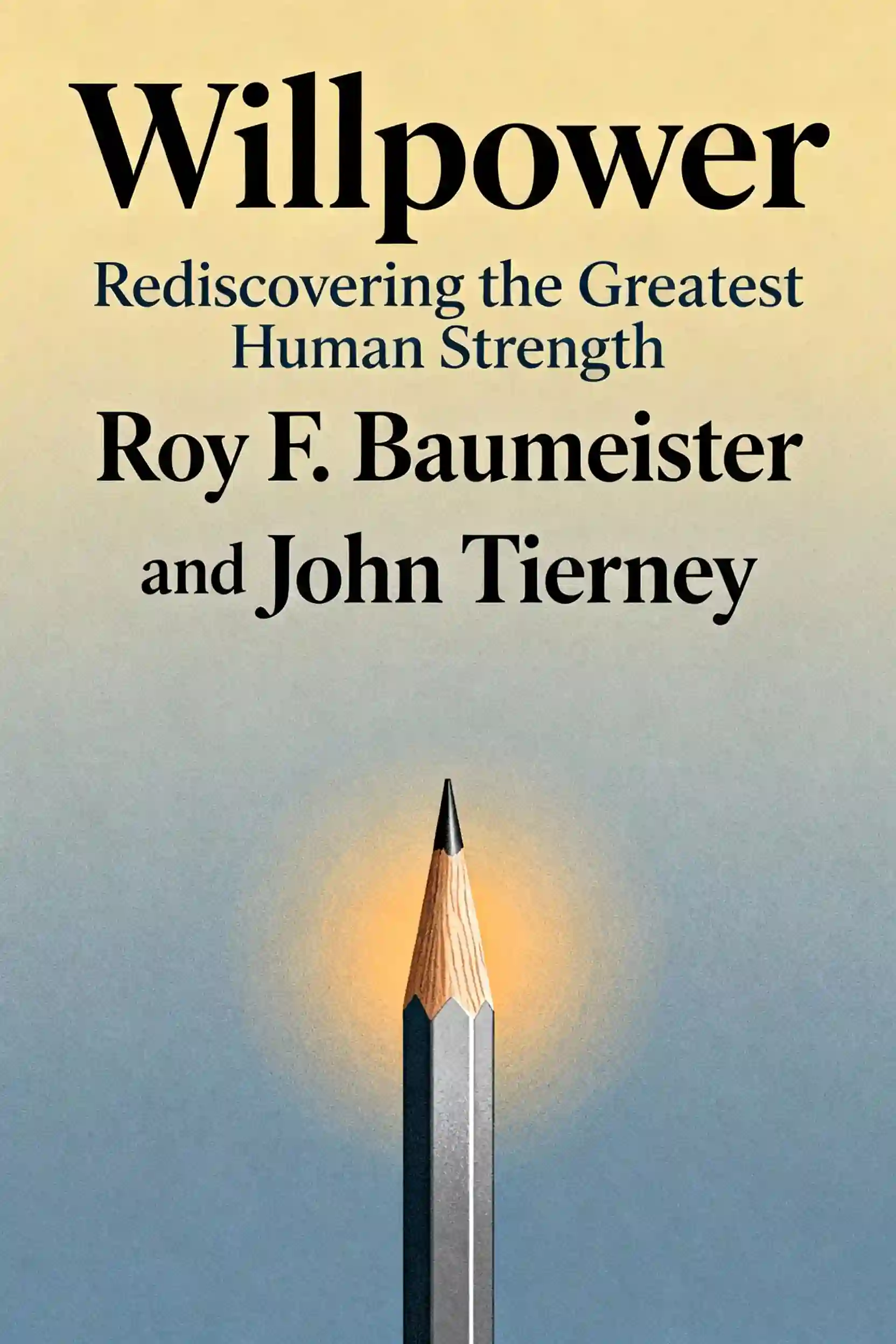
Neuro Discipline

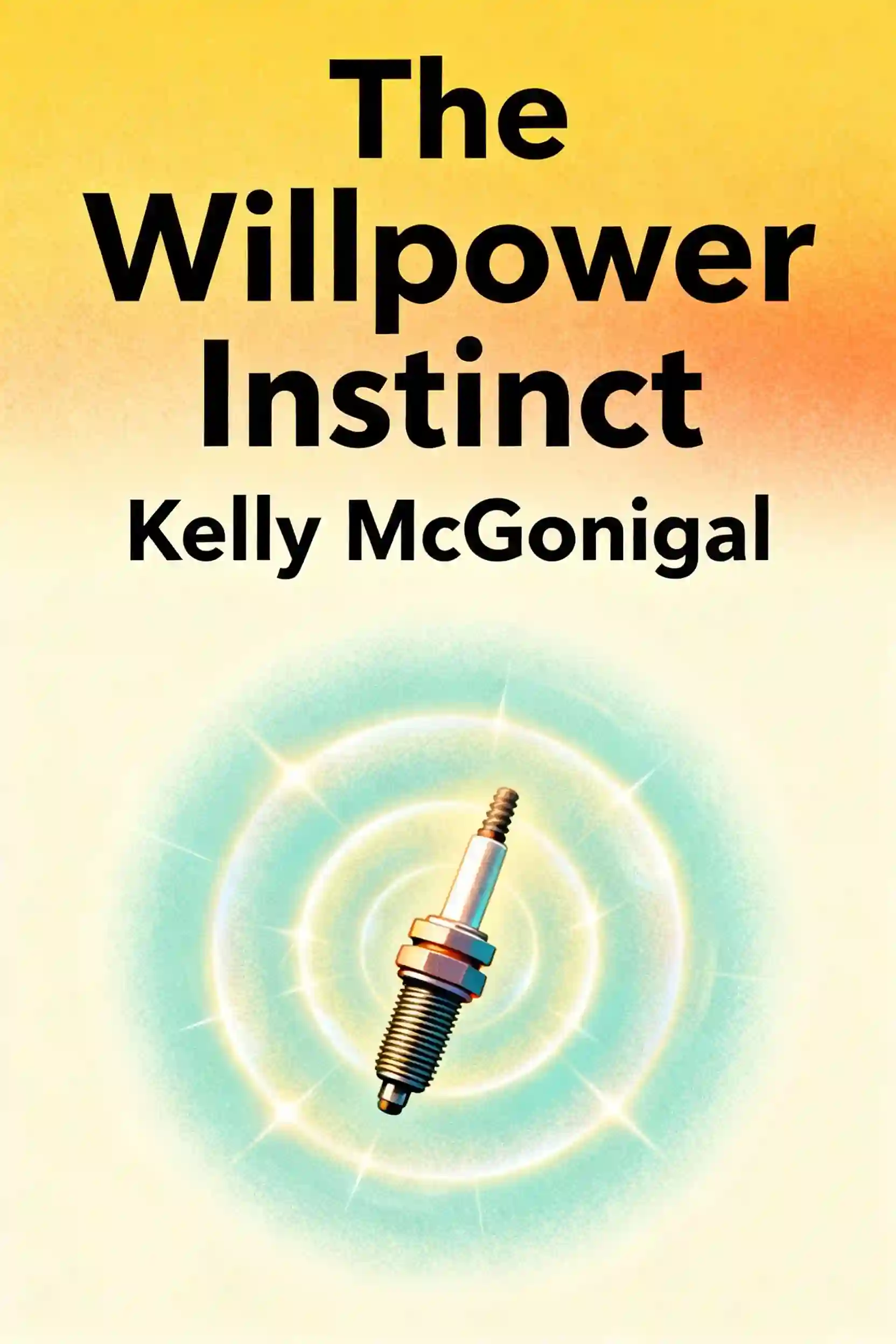
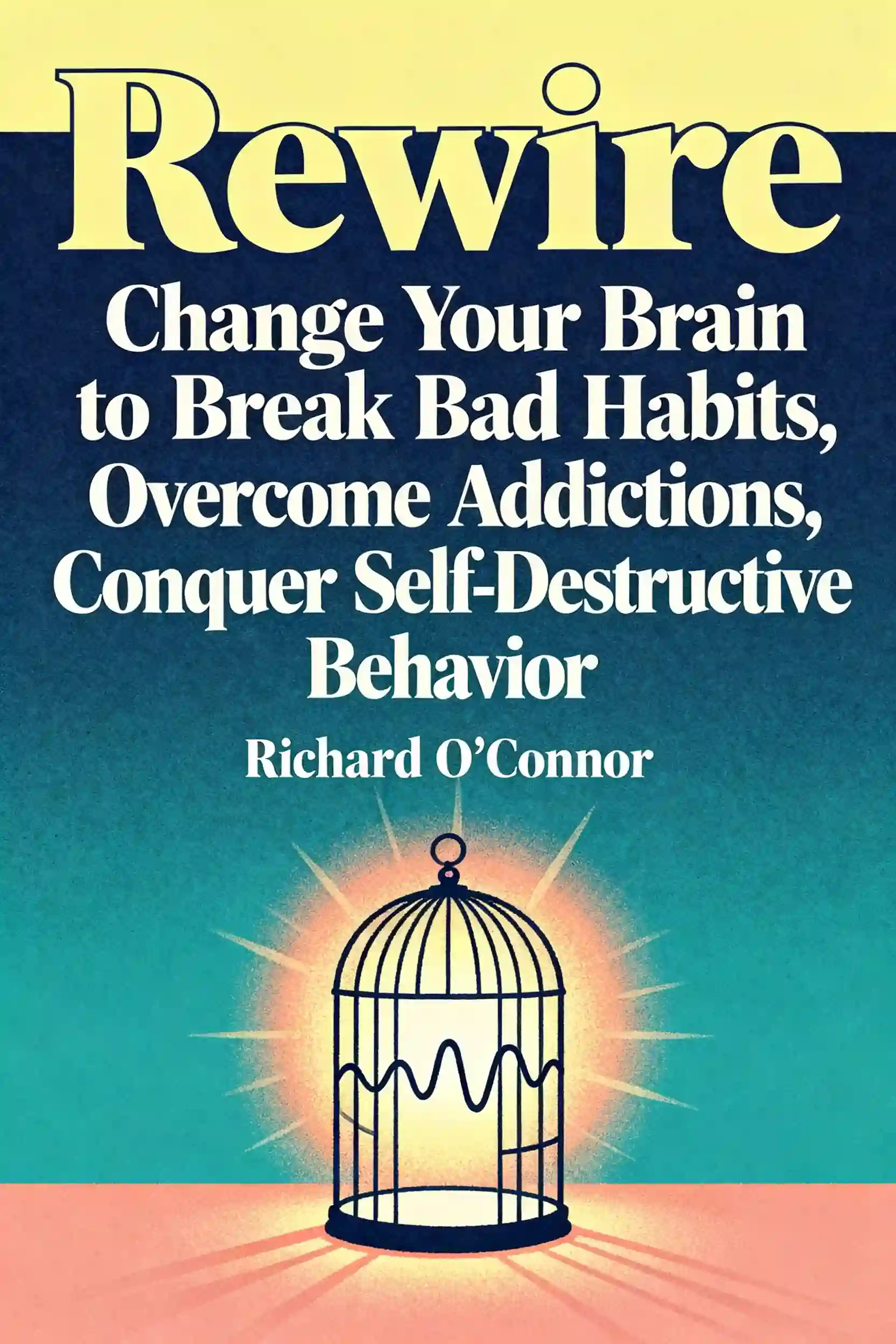
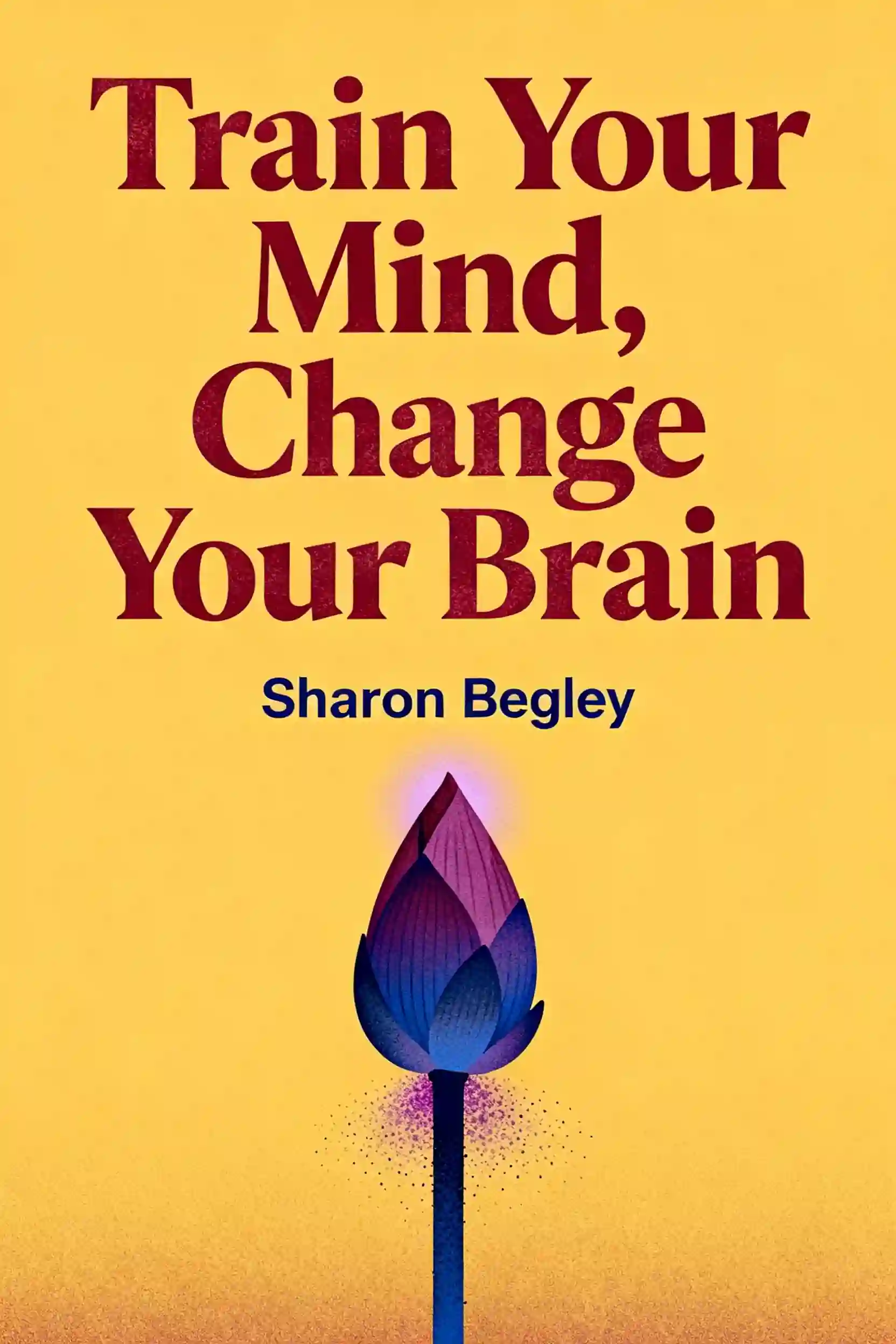
더 알아보기

The Neuropsychology of Self-Mastery
This plan bridges the gap between brain science and personal agency, offering a biological blueprint for self-regulation. It is essential for high-performers and leaders looking to overcome subconscious barriers and master their internal landscape.

The Science of Self-Control
In an age of constant distraction, mastering the biological and psychological drivers of behavior is essential for personal growth. This plan is designed for professionals and students who want to move past impulsive reactions and build lasting discipline through neuroscientific principles.

Master Mind, Habits & Behavioral Science
This plan bridges the gap between neurological theory and practical application for anyone seeking total self-mastery. It is ideal for professionals, leaders, and individuals looking to optimize their performance by understanding the science of how they think and act.

Self-Mastery: Build Discipline & End Escapism
In an era of constant digital distraction, mastering self-regulation is the ultimate competitive advantage. This plan is designed for professionals and students who feel stuck in cycles of procrastination and want to build the psychological framework necessary for long-term success.

Fix Your Trading Brain
Discipline is often the missing link for traders who have a strategy but lack emotional control. This plan is designed for funded traders and retail investors who struggle with self-sabotage and want to apply neuroscience to improve their performance.

The Neuro-Productivity Protocol
Traditional productivity methods often fail because they ignore the biological constraints of the human brain. This protocol is designed for high-performance professionals and knowledge workers who need to optimize their metabolic energy and neurological focus for demanding cognitive work.

Build discipline and control desires
In an era of constant distraction, mastering self-control is the ultimate competitive advantage. This plan is designed for professionals and students who want to move beyond fleeting motivation by combining modern neuroscience with timeless Stoic philosophy.
Boost Neuroplasticity for Growth & Relations
This plan is essential for anyone seeking to overcome mental plateaus and deepen their human connections. It is ideal for professionals and individuals who want to leverage neuroscience to improve both cognitive efficiency and emotional awareness.
샌프란시스코에서 컬럼비아 대학교 동문들이 만들었습니다
"Instead of endless scrolling, I just hit play on BeFreed. It saves me so much time."


"I never knew where to start with nonfiction—BeFreed’s book lists turned into podcasts gave me a clear path."


"Perfect balance between learning and entertainment. Finished ‘Thinking, Fast and Slow’ on my commute this week."
"Crazy how much I learned while walking the dog. BeFreed = small habits → big gains."
"Reading used to feel like a chore. Now it’s just part of my lifestyle."

"Feels effortless compared to reading. I’ve finished 6 books this month already."
"BeFreed turned my guilty doomscrolling into something that feels productive and inspiring."

"BeFreed turned my commute into learning time. 20-min podcasts are perfect for finishing books I never had time for."
"BeFreed replaced my podcast queue. Imagine Spotify for books — that’s it. 🙌"

"It is great for me to learn something from the book without reading it."
"The themed book list podcasts help me connect ideas across authors—like a guided audio journey."
"Makes me feel smarter every time before going to work"
샌프란시스코에서 컬럼비아 대학교 동문들이 만들었습니다
"Instead of endless scrolling, I just hit play on BeFreed. It saves me so much time."
"I never knew where to start with nonfiction—BeFreed’s book lists turned into podcasts gave me a clear path."
"Perfect balance between learning and entertainment. Finished ‘Thinking, Fast and Slow’ on my commute this week."
"Crazy how much I learned while walking the dog. BeFreed = small habits → big gains."
"Reading used to feel like a chore. Now it’s just part of my lifestyle."
"Feels effortless compared to reading. I’ve finished 6 books this month already."
"BeFreed turned my guilty doomscrolling into something that feels productive and inspiring."
"BeFreed turned my commute into learning time. 20-min podcasts are perfect for finishing books I never had time for."
"BeFreed replaced my podcast queue. Imagine Spotify for books — that’s it. 🙌"
"It is great for me to learn something from the book without reading it."
"The themed book list podcasts help me connect ideas across authors—like a guided audio journey."
"Makes me feel smarter every time before going to work"
"Instead of endless scrolling, I just hit play on BeFreed. It saves me so much time."
"I never knew where to start with nonfiction—BeFreed’s book lists turned into podcasts gave me a clear path."
"Perfect balance between learning and entertainment. Finished ‘Thinking, Fast and Slow’ on my commute this week."
"Crazy how much I learned while walking the dog. BeFreed = small habits → big gains."
"Reading used to feel like a chore. Now it’s just part of my lifestyle."
"Feels effortless compared to reading. I’ve finished 6 books this month already."
"BeFreed turned my guilty doomscrolling into something that feels productive and inspiring."
"BeFreed turned my commute into learning time. 20-min podcasts are perfect for finishing books I never had time for."
"BeFreed replaced my podcast queue. Imagine Spotify for books — that’s it. 🙌"
"It is great for me to learn something from the book without reading it."
"The themed book list podcasts help me connect ideas across authors—like a guided audio journey."
"Makes me feel smarter every time before going to work"
"Instead of endless scrolling, I just hit play on BeFreed. It saves me so much time."
"I never knew where to start with nonfiction—BeFreed’s book lists turned into podcasts gave me a clear path."
"Perfect balance between learning and entertainment. Finished ‘Thinking, Fast and Slow’ on my commute this week."
"Crazy how much I learned while walking the dog. BeFreed = small habits → big gains."
"Reading used to feel like a chore. Now it’s just part of my lifestyle."
"Feels effortless compared to reading. I’ve finished 6 books this month already."
"BeFreed turned my guilty doomscrolling into something that feels productive and inspiring."
"BeFreed turned my commute into learning time. 20-min podcasts are perfect for finishing books I never had time for."
"BeFreed replaced my podcast queue. Imagine Spotify for books — that’s it. 🙌"
"It is great for me to learn something from the book without reading it."
"The themed book list podcasts help me connect ideas across authors—like a guided audio journey."
"Makes me feel smarter every time before going to work"