Master AI Prompts: From Frustration to Results
Stop getting generic AI responses! Learn the systematic framework that transforms vague prompts into clear instructions, turning your AI interactions from frustrating guesswork into consistently useful results.

Master AI Prompts: From Frustration to Results 베스트 인용
Stop thinking of AI as magic and start thinking of it as a highly capable but literal-minded assistant that needs clear, structured instructions. It’s not about being technical or clever; it’s about being clear.

이 오디오 레슨은 BeFreed 커뮤니티 멤버가 만들었습니다
How to write or improve in writing AI prompts

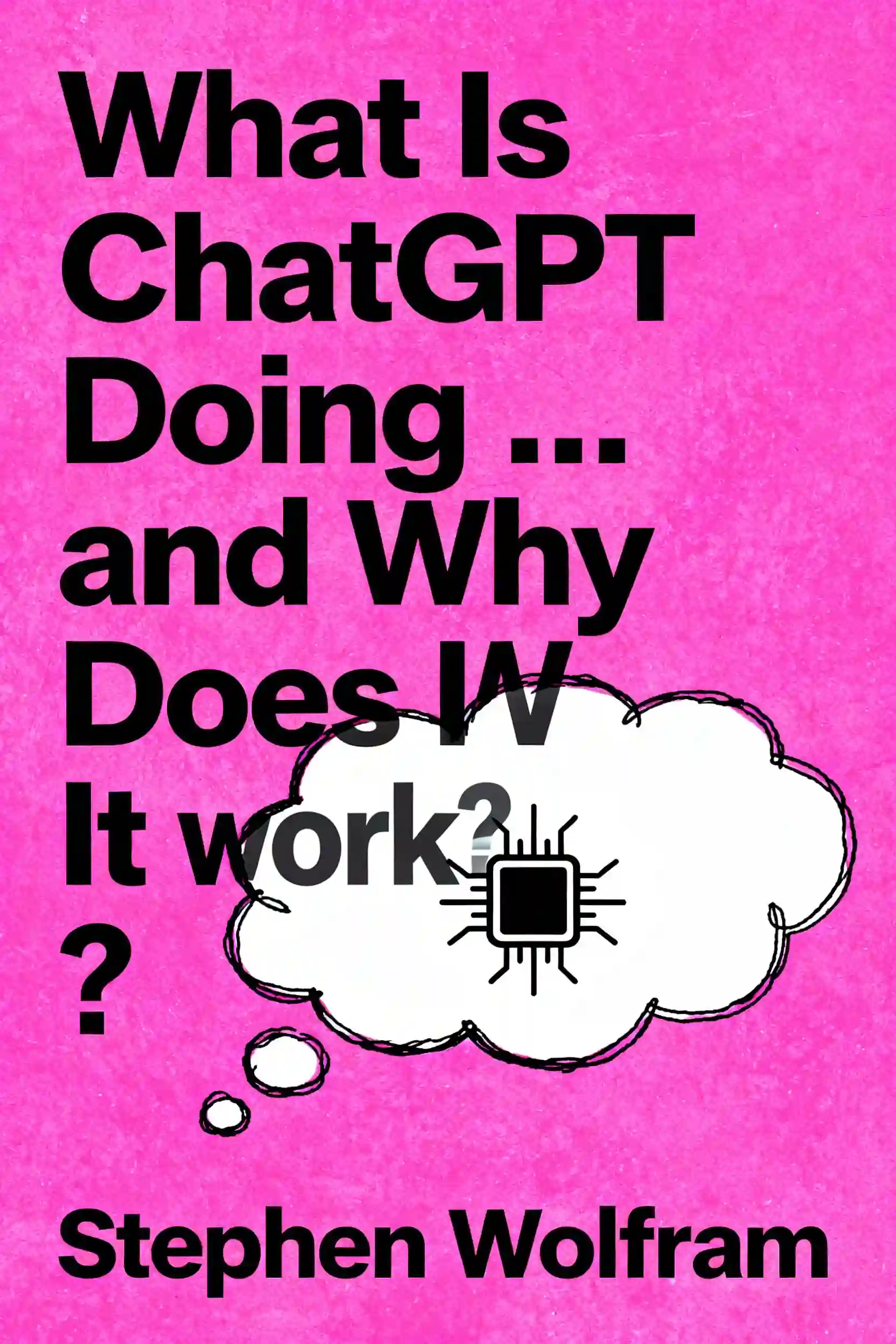
더 알아보기

Master Conversational Prompting with Claude
As AI becomes a staple in the modern workplace, mastering Claude's unique conversational capabilities is essential for maximum productivity. This plan is ideal for professionals and data analysts who want to move beyond basic chat and leverage advanced features like XML structuring and Artifacts for complex project management.

Master AI for work & growth
As artificial intelligence rapidly transforms every industry, professionals who understand and can effectively work with AI tools have a significant competitive advantage. This learning plan is designed for anyone looking to future-proof their career, boost productivity, and lead AI initiatives—whether you're a business professional, entrepreneur, manager, or individual contributor seeking to thrive in the age of intelligent automation.

Master Effective AI Use in the Organization
As AI reshapes the global economy, leaders must move beyond basic awareness to strategic execution. This plan is designed for executives and managers who need to bridge the gap between technical potential and organizational reality while ensuring ethical oversight.

Master AI efficiency and stay current.
As AI reshapes the professional landscape, mastering these tools is no longer optional but a competitive necessity. This plan is ideal for professionals and creators looking to transition from basic AI users to advanced engineers who stay ahead of the curve.

Master AI, Claude & Agents for Tech Career
As artificial intelligence redefines the industry, technical professionals must evolve from passive users to expert builders of autonomous systems. This plan is designed for developers and tech leads looking to master LLMs and agentic workflows to secure a competitive edge in the modern job market.

AI Implementation for Daily Productivity
In an era of rapid technological shifts, mastering AI integration is essential for maintaining a competitive edge. This plan is designed for busy professionals looking to move beyond basic chat prompts toward a fully automated personal operating system.

Chat GPT prompts
Effective prompt engineering unlocks the full potential of AI language models, turning basic interactions into powerful tools for problem-solving and content creation. This learning plan benefits professionals, creators, and enthusiasts seeking to leverage AI as a productivity multiplier rather than just a novelty.

Want to learn about using AI effectively.
This learning plan is essential for professionals looking to stay competitive in an increasingly automated world. It is designed for anyone from beginners to managers who want to move beyond basic chat tools and integrate AI strategically into their daily productivity and decision-making.
샌프란시스코에서 컬럼비아 대학교 동문들이 만들었습니다
"Instead of endless scrolling, I just hit play on BeFreed. It saves me so much time."


"I never knew where to start with nonfiction—BeFreed’s book lists turned into podcasts gave me a clear path."


"Perfect balance between learning and entertainment. Finished ‘Thinking, Fast and Slow’ on my commute this week."
"Crazy how much I learned while walking the dog. BeFreed = small habits → big gains."
"Reading used to feel like a chore. Now it’s just part of my lifestyle."

"Feels effortless compared to reading. I’ve finished 6 books this month already."
"BeFreed turned my guilty doomscrolling into something that feels productive and inspiring."

"BeFreed turned my commute into learning time. 20-min podcasts are perfect for finishing books I never had time for."
"BeFreed replaced my podcast queue. Imagine Spotify for books — that’s it. 🙌"

"It is great for me to learn something from the book without reading it."
"The themed book list podcasts help me connect ideas across authors—like a guided audio journey."
"Makes me feel smarter every time before going to work"
샌프란시스코에서 컬럼비아 대학교 동문들이 만들었습니다
"Instead of endless scrolling, I just hit play on BeFreed. It saves me so much time."
"I never knew where to start with nonfiction—BeFreed’s book lists turned into podcasts gave me a clear path."
"Perfect balance between learning and entertainment. Finished ‘Thinking, Fast and Slow’ on my commute this week."
"Crazy how much I learned while walking the dog. BeFreed = small habits → big gains."
"Reading used to feel like a chore. Now it’s just part of my lifestyle."
"Feels effortless compared to reading. I’ve finished 6 books this month already."
"BeFreed turned my guilty doomscrolling into something that feels productive and inspiring."
"BeFreed turned my commute into learning time. 20-min podcasts are perfect for finishing books I never had time for."
"BeFreed replaced my podcast queue. Imagine Spotify for books — that’s it. 🙌"
"It is great for me to learn something from the book without reading it."
"The themed book list podcasts help me connect ideas across authors—like a guided audio journey."
"Makes me feel smarter every time before going to work"
"Instead of endless scrolling, I just hit play on BeFreed. It saves me so much time."
"I never knew where to start with nonfiction—BeFreed’s book lists turned into podcasts gave me a clear path."
"Perfect balance between learning and entertainment. Finished ‘Thinking, Fast and Slow’ on my commute this week."
"Crazy how much I learned while walking the dog. BeFreed = small habits → big gains."
"Reading used to feel like a chore. Now it’s just part of my lifestyle."
"Feels effortless compared to reading. I’ve finished 6 books this month already."
"BeFreed turned my guilty doomscrolling into something that feels productive and inspiring."
"BeFreed turned my commute into learning time. 20-min podcasts are perfect for finishing books I never had time for."
"BeFreed replaced my podcast queue. Imagine Spotify for books — that’s it. 🙌"
"It is great for me to learn something from the book without reading it."
"The themed book list podcasts help me connect ideas across authors—like a guided audio journey."
"Makes me feel smarter every time before going to work"
"Instead of endless scrolling, I just hit play on BeFreed. It saves me so much time."
"I never knew where to start with nonfiction—BeFreed’s book lists turned into podcasts gave me a clear path."
"Perfect balance between learning and entertainment. Finished ‘Thinking, Fast and Slow’ on my commute this week."
"Crazy how much I learned while walking the dog. BeFreed = small habits → big gains."
"Reading used to feel like a chore. Now it’s just part of my lifestyle."
"Feels effortless compared to reading. I’ve finished 6 books this month already."
"BeFreed turned my guilty doomscrolling into something that feels productive and inspiring."
"BeFreed turned my commute into learning time. 20-min podcasts are perfect for finishing books I never had time for."
"BeFreed replaced my podcast queue. Imagine Spotify for books — that’s it. 🙌"
"It is great for me to learn something from the book without reading it."
"The themed book list podcasts help me connect ideas across authors—like a guided audio journey."
"Makes me feel smarter every time before going to work"