BeFreed
    Categories>Philosophy & Spirituality>Marcus Aurelius: The Philosopher Emperor's Legacy

    Marcus Aurelius: The Philosopher Emperor's Legacy

    43분
    |
    |
    2026년 1월 24일
    • Philosophy & Spirituality
    • Leadership & Corp Culture
    • Self-Growth

    Discover how a Roman Emperor's private journal became timeless wisdom, exploring Marcus Aurelius's life, Stoic philosophy, and how his 'Meditations' continue to guide leaders and seekers through life's challenges.

    Marcus Aurelius: The Philosopher Emperor's Legacy
    0:00 / 0:00
    전달 방식을 선택하세요

    하나의 에피소드, 다양한 청취 방식.

    Marcus Aurelius: The Philosopher Emperor's Legacy의 같은 아이디어를 나에게 맞는 목소리, 깊이, 속도로 만나보세요. 언제든 바꿀 수 있습니다.

    전체 대본 및 챕터

    챕터 1

    The Emperor's Secret Journal

    Lena: Have you ever wondered what it would be like to peek inside the private journal of the most powerful person in the world? Well, that's exactly what we get to do with Marcus Aurelius! This Roman Emperor ruled over a million square miles of territory and commanded the mightiest army on Earth, yet in his quiet moments, he wrote these incredibly thoughtful notes to himself.

    Blythe: It's absolutely fascinating, isn't it? Here was a man who could have indulged in every luxury imaginable—I mean, he was literally the emperor of Rome—but instead, he spent his evenings writing philosophical reflections about how to be a better person. And what's even more remarkable is that he never intended anyone to read them!

    Lena: Wait, seriously? The Meditations weren't meant for publication?

    Blythe: Right! He titled them "To Himself," and they were essentially his personal journal. It's like we're getting this incredibly intimate glimpse into the mind of someone who lived nearly 2,000 years ago, wrestling with the same human challenges we face today—how to deal with difficult people, how to face adversity, how to live virtuously.

    Lena: And he wasn't just philosophizing from some ivory tower. Marcus was dealing with wars along the Danube, a devastating plague that killed millions, and the constant pressures of running the largest empire in the Western world. Yet somehow, he maintained this incredible sense of perspective.

    Blythe: Exactly! He was the embodiment of what the Stoics called a "philosopher-king"—someone who didn't just talk about wisdom but actually applied it in the most challenging circumstances imaginable. Let's explore how this reluctant emperor became one of history's most influential philosophical voices and why his writings continue to inspire everyone from world leaders to everyday people seeking guidance in troubled times.

    챕터 2

    The Making of a Reluctant Ruler

    Blythe: You know, what really strikes me about Marcus is how he almost didn't want the throne. This wasn't some power-hungry politician clawing his way to the top—he was literally adopted into the imperial family at seventeen and groomed for leadership.

    Lena: That's such a different path than we usually think about, right? Most people in positions of power actively seek it out, but Marcus seemed to view it more as a burden than a privilege.

    Blythe: Absolutely! And I think that reluctance actually made him a better leader. His teacher Junius Rusticus had introduced him to the writings of Epictetus, this former slave turned philosopher, and Marcus became completely absorbed in Stoic philosophy. He was more interested in understanding virtue than accumulating power.

    Lena: It's like he had this internal compass that kept pointing him toward what was right rather than what was easy or profitable. But I'm curious—how did his philosophical training actually prepare him for the brutal realities of being emperor?

    Blythe: That's where it gets really interesting! The Stoics had this concept called the "discipline of desire"—essentially learning to want what you have rather than having what you want. So when Marcus became emperor in 161 CE, he approached it not as "finally, I get to rule!" but as "this is my duty, and I must do it well."

    Lena: And he immediately faced crisis after crisis, didn't he? I mean, talk about trial by fire.

    Blythe: The timing was almost cosmic in its cruelty! Within years of taking power, the Parthian Empire launched a major offensive in the east, Germanic tribes were pressing against the northern borders, and then this devastating plague—what we now call the Antonine Plague—swept through the empire. It was like everything that could go wrong did go wrong.

    Lena: But here's what I find remarkable—instead of becoming bitter or overwhelmed, he seemed to use these challenges as opportunities to deepen his philosophical practice. Is that when he started writing the Meditations?

    Blythe: Exactly right! Most of what we have was written during his military campaigns along the Danube frontier between 170 and 180 CE. Picture this: he's in his tent after long days of military strategy and political decisions, and instead of drowning his sorrows or plotting revenge against his enemies, he's writing these profound reflections on human nature and virtue.

    Lena: It's almost like he was using philosophy as a form of mental armor, wasn't it? A way to maintain his sanity and moral center while dealing with the chaos of empire.

    Blythe: That's a perfect metaphor! And you can see this in how he writes. He's constantly reminding himself of Stoic principles—not because he's trying to impress anyone, but because he genuinely needs these reminders to stay grounded. He writes things like, "Remember that very little disturbs the wise man" or "You have power over your mind—not outside events."

    Lena: Those sound like mantras he was repeating to himself during incredibly stressful moments. But what I find fascinating is how he balanced the philosophical ideal of accepting what you can't control with the very real responsibility of actually controlling an empire.

    Blythe: You've hit on something crucial there! This is where Marcus really innovated within Stoic thought. Previous Stoics like Seneca had written about politics and power, but Marcus was actually living it at the highest level. He had to figure out how to apply these philosophical principles while making decisions that affected millions of lives.

    Lena: And he seemed to do it by focusing on his own character and actions rather than trying to control outcomes. Like, he could control whether he made just decisions, but he couldn't control whether those decisions would lead to the results he hoped for.

    Blythe: Exactly! He writes, "Confine yourself to the present"—meaning focus on doing the right thing in this moment rather than worrying about all the possible future consequences. It's this incredibly practical approach to philosophy that makes his writings so enduring.

    이 에피소드로 더 깊이 배우기

    이 에피소드의 아이디어를 BeFreed의 가이드 학습 경험으로 더 깊이 탐구해 보세요.

    챕터 3

    The Inner Workings of Stoic Leadership

    Lena: So let's dig deeper into how Marcus actually applied Stoic principles in his day-to-day leadership. I mean, it's one thing to write beautiful philosophical thoughts, but how did he translate that into governing an empire?

    Blythe: Well, one of the most striking things is how he approached decision-making. The Stoics believed in what they called the "discipline of action"—the idea that you should act based on virtue rather than emotion or personal gain. For Marcus, this meant every major decision had to pass through this filter of "Is this just? Is this wise? Does this serve the common good?"

    Lena: That sounds almost impossibly idealistic for someone with absolute power. I mean, most rulers throughout history have made decisions based on what benefits them personally or what strengthens their position.

    Blythe: Right, and that's what makes Marcus so remarkable! Take his handling of the Avidius Cassius rebellion in 175 CE. Cassius was one of his most trusted generals, and when false reports spread that Marcus had died, Cassius declared himself emperor. This was treason of the highest order—the kind of thing that typically resulted in brutal executions and purges.

    Lena: Oh, I can only imagine how most emperors would have responded to that. Probably would have made some heads roll, literally.

    Blythe: Exactly! But Marcus's response was completely different. He was hurt, certainly—you can feel it in his writings—but his first instinct was to understand why it happened and how to respond virtuously. He actually felt some responsibility, wondering if he had somehow failed as a leader or friend.

    Lena: That's such an incredible level of self-reflection. Instead of just getting angry and seeking revenge, he's examining his own role in the situation.

    Blythe: And when Cassius was eventually killed by his own officers before Marcus could reach him, Marcus was reportedly relieved—not because his enemy was dead, but because he wouldn't have to decide whether to execute him. He even gave a speech to the Senate asking them not to celebrate Cassius's death too enthusiastically.

    Lena: Wow, that shows such emotional maturity. But I'm curious about the more mundane aspects of leadership. How did his Stoicism influence his approach to things like administration, legal decisions, or dealing with difficult subordinates?

    Blythe: Great question! One thing that comes through clearly in the Meditations is his constant struggle with what we might call "difficult people management." He writes extensively about dealing with individuals who are selfish, incompetent, or just plain annoying—which, let's face it, describes a lot of people in any organization!

    Lena: Ha! Some things never change, do they? So what was his approach?

    Blythe: He had this beautiful passage where he reminds himself that people act badly usually out of ignorance rather than malice. He writes, "Whenever you want to cheer yourself, consider the good qualities of your companions." Instead of focusing on what irritated him about people, he trained himself to look for their strengths.

    Lena: That's like the ancient version of "assume positive intent," isn't it? But that must have been incredibly difficult when dealing with corrupt officials or incompetent generals.

    Blythe: Absolutely, and he doesn't sugarcoat the challenge! He acknowledges that some people are genuinely difficult, but his approach was to focus on his own response rather than trying to change them. He'd remind himself, "You can commit injustice by doing nothing"—meaning that sometimes virtue requires taking firm action, even if it's unpleasant.

    Lena: So he found this balance between accepting people as they are while still holding them accountable for their actions. That seems like such a sophisticated leadership approach.

    Blythe: And what's really striking is how he applied this to himself. He was constantly examining his own motivations and actions. There are passages where he's basically giving himself performance reviews, asking whether he acted from virtue or from ego, whether he was truly serving the common good or just trying to look good.

    Lena: It's like he had this built-in accountability system that didn't depend on external feedback. He was his own toughest critic, but in a constructive rather than destructive way.

    챕터 4

    When Philosophy Meets Crisis

    Blythe: Now, let's talk about how Marcus's Stoicism was really put to the test during some of the most challenging moments of his reign. Because it's easy to be philosophical when things are going well, but how do these principles hold up under extreme pressure?

    Lena: Right, and Marcus faced what can only be described as a perfect storm of crises. We mentioned the wars and the plague, but let's get specific about what he was actually dealing with.

    Blythe: The Antonine Plague alone was catastrophic—it's estimated to have killed between five and ten million people across the empire. That's roughly 10% of the entire population! And this wasn't some distant crisis he could delegate; it was affecting his armies, his administration, even his own family.

    Lena: And he lost several of his own children during this period, didn't he? I can't even imagine trying to lead a empire while dealing with such personal grief.

    Blythe: Exactly. His son Marcus Annius Verus died in 169, right around the same time his co-emperor Lucius Verus also died, possibly from the plague. So he's dealing with the loss of both a child and his governing partner while trying to manage this empire-wide catastrophe.

    Lena: How on earth did he maintain his composure? I mean, most people would be completely overwhelmed by just one of these challenges.

    Blythe: This is where we see his Stoic training really paying off. He had spent years practicing what the Stoics called "negative visualization"—essentially preparing mentally for loss and adversity. Not in a morbid way, but as a form of psychological inoculation.

    Lena: Like mental rehearsal for difficult situations?

    Blythe: Exactly! He writes in the Meditations, "Loss is nothing else but change, and change is Nature's delight." He's not being callous about death—he's trying to frame it within a larger cosmic perspective that helps him function despite the grief.

    Lena: But that seems almost superhuman. Was he really that emotionally detached, or was this more about finding a way to process intense emotions while still fulfilling his duties?

    Blythe: I think it's definitely the latter. If you read the Meditations carefully, you can feel the emotional weight he's carrying. There are passages where he's clearly struggling, where he has to remind himself multiple times of the same Stoic principles. It's not that he didn't feel pain—it's that he had developed tools for working with that pain constructively.

    Lena: And meanwhile, he's still having to make life-and-death decisions about military strategy, resource allocation, and governance. How did he prevent his personal struggles from compromising his leadership?

    Blythe: One technique he used was what we might call "zooming out"—taking a cosmic perspective on events. He'd remind himself that in the grand scheme of the universe, even the Roman Empire was just a tiny speck, and individual setbacks were even smaller. This wasn't meant to minimize the importance of his work, but to prevent him from being overwhelmed by the magnitude of the challenges.

    Lena: It's like he was using philosophy as a form of emotional regulation. Instead of getting caught up in the immediate crisis, he could step back and see the bigger picture.

    Blythe: And you can see this in how he handled the Marcomannic Wars. These were brutal conflicts that lasted for years, with Germanic tribes repeatedly breaking through Roman defenses. Traditional Roman strategy might have been to seek quick, decisive victories through overwhelming force. But Marcus took a more patient, strategic approach.

    Lena: How so?

    Blythe: He recognized that sustainable peace required more than just military victory—it required understanding the underlying causes of the conflict and addressing them systematically. He spent years on the frontier, not just commanding armies but also negotiating settlements, establishing buffer zones, and trying to create stable relationships with tribal leaders.

    Lena: That sounds like he was applying Stoic principles of rationality and long-term thinking to military strategy. Instead of just reacting emotionally to attacks, he was trying to solve the root problems.

    Blythe: Exactly! And this is where his philosophy really proved its practical value. By maintaining emotional equilibrium and focusing on what he could control, he was able to make better strategic decisions even under extreme stress.

    이 에피소드로 더 깊이 배우기

    이 에피소드의 아이디어를 BeFreed의 가이드 학습 경험으로 더 깊이 탐구해 보세요.

    챕터 5

    The Art of Philosophical Self-Examination

    Lena: One thing that really fascinates me about the Meditations is how brutally honest Marcus is with himself. This isn't some polished treatise meant to impress readers—it's raw, unfiltered self-examination. What can we learn from his approach to introspection?

    Blythe: It's remarkable, isn't it? He's basically doing cognitive behavioral therapy on himself, centuries before that was even a concept! He's constantly questioning his own thoughts, examining his motivations, and challenging his assumptions about how the world works.

    Lena: And he doesn't let himself off the hook easily. There are passages where he's essentially scolding himself for petty thoughts or selfish impulses. It's like having a front-row seat to someone's internal moral development.

    Blythe: Right, and what's so valuable about this is that it shows us that even someone as philosophically advanced as Marcus still struggled with very human problems. He writes about getting irritated with people, feeling sorry for himself, or being tempted by the perks of power. The difference is that he recognized these tendencies and actively worked to counter them.

    Lena: It makes him much more relatable, doesn't it? Like, if the emperor-philosopher of Rome struggled with road rage—well, the ancient equivalent—then maybe the rest of us shouldn't feel so bad about our own mental battles.

    Blythe: Exactly! And his method is really sophisticated. He doesn't just say "I shouldn't think this way"—he actually works through the logic of why certain thoughts are unhelpful. For instance, when he's dealing with difficult people, he reminds himself that getting angry at them is like expecting a fig tree to produce apples. It's just not in their nature to act differently.

    Lena: That's such a practical reframe. Instead of wasting energy being frustrated by people's limitations, he's training himself to accept them as facts of nature and work around them.

    Blythe: And he applies this same analytical approach to his own emotions and desires. There's this fascinating passage where he's examining his attachment to fame and recognition. He walks himself through the logical absurdity of seeking approval from people he doesn't even respect, and whose opinions won't matter after they're dead.

    Lena: It's like he's debugging his own mental software! But what I find interesting is how he balances this self-criticism with self-compassion. He's not beating himself up—he's trying to understand and improve.

    Blythe: That's a crucial distinction! Modern psychology has shown that harsh self-criticism is actually counterproductive—it tends to create shame spirals rather than positive change. Marcus seems to have intuited this. He's firm with himself but not cruel.

    Lena: And he's also incredibly practical about it. He's not trying to become some perfect, emotionless sage. He's trying to become a better version of himself while still functioning effectively as a leader and a human being.

    Blythe: This comes through in how he writes about duty and responsibility. He doesn't see his role as emperor as something that prevents him from philosophical growth—he sees it as the arena where he practices philosophy. Every difficult decision, every challenging interaction, becomes an opportunity to apply Stoic principles.

    Lena: It's like he turned his entire life into a philosophical laboratory. But that raises an interesting question—was this sustainable? Could someone really maintain this level of self-examination and moral intensity for decades?

    Blythe: Well, he did it for nearly twenty years as emperor, so it was certainly possible for him! But I think the key is that he didn't see it as an extra burden on top of his regular responsibilities. The philosophical practice was what made everything else manageable. Without it, the pressures of leadership might have crushed him.

    Lena: So it was more like a form of mental fitness training. The more he practiced these cognitive skills, the stronger and more resilient he became.

    Blythe: Perfect analogy! And just like physical fitness, it required daily practice. That's why the Meditations are so repetitive—he's not trying to be literary, he's reinforcing neural pathways through repetition. He's literally rewiring his brain to default to more helpful thought patterns.

    챕터 6

    The Stoic Approach to Power and Corruption

    Lena: Let's talk about something that I think is incredibly relevant today—how Marcus dealt with the corrupting influence of absolute power. History is littered with leaders who started with good intentions but gradually became tyrants. How did Marcus avoid that trap?

    Blythe: This is one of the most impressive aspects of his character, honestly. He had unlimited power over the largest empire in the world, yet he seemed to become more humble and self-reflective over time rather than more arrogant and entitled.

    Lena: What was his secret? Because the famous saying is that "power corrupts, and absolute power corrupts absolutely," right?

    Blythe: Well, I think Marcus had several philosophical safeguards built into his thinking. First, he never saw power as something he owned—he saw it as something he was temporarily stewarding for the common good. He writes about how everything we have is essentially on loan from the universe, and we'll have to give it back eventually.

    Lena: That's such a different mindset than thinking "I deserve this" or "I've earned the right to do whatever I want."

    Blythe: Exactly! And he constantly reminded himself of what he called the "vanity of earthly things." He'd reflect on how all the pomp and ceremony of imperial life was essentially theater—impressive to observers, but ultimately meaningless in terms of his actual character or worth as a person.

    Lena: But surely there must have been temptations. I mean, when you can literally do anything you want, how do you maintain moral boundaries?

    Blythe: Oh, he definitely felt the temptations! There are passages in the Meditations where he's clearly wrestling with the appeal of luxury, flattery, or taking the easy path. But he had developed this practice of what we might call "philosophical guardrails"—automatic mental responses that kicked in when he was tempted.

    Lena: What did those look like in practice?

    Blythe: Well, when people flattered him, he'd remind himself that their praise was really about his position, not his character. When he was tempted to indulge in luxury, he'd think about how these pleasures were temporary and ultimately empty. When he felt the urge to use his power for personal gain, he'd reflect on his duty to future generations.

    Lena: It sounds like he was constantly reality-testing his own thoughts and impulses. But what about the people around him? Surely there were plenty of courtiers and advisors who were telling him what he wanted to hear.

    Blythe: This is where his philosophical education really paid off. He had learned to be deeply skeptical of flattery and to value honest feedback, even when it was uncomfortable. He surrounded himself with people who shared his commitment to virtue rather than those who would simply enable his worst impulses.

    Lena: And he seemed to have this remarkable ability to separate his personal desires from his public responsibilities. Like, he might have wanted to retreat to a quiet life of philosophical contemplation, but he understood that his duty was to serve the empire.

    Blythe: That tension is all over the Meditations! You can feel how much he sometimes resented the demands of leadership, how he longed for simplicity and peace. But he never let those personal preferences override his sense of obligation to others.

    Lena: It's like he had this internal compass that always pointed toward "what serves the greater good" rather than "what makes me happy in the moment."

    Blythe: And I think that's the key insight for anyone in a position of power or influence. The question isn't "what can I get away with?" but "what does virtue require of me in this situation?" Marcus made that question automatic, so it became his default way of approaching decisions.

    Lena: But let's be honest—this level of self-discipline and moral consistency is pretty rare, isn't it? What made Marcus different from other powerful people throughout history?

    Blythe: I think it comes down to his deep conviction that external things—wealth, status, power—couldn't actually make him happy. Because he truly believed that only virtue could provide lasting satisfaction, he wasn't as tempted by the usual corrupting influences of power.

    Lena: So it wasn't just willpower or good intentions—it was a fundamental philosophical reorientation about what actually matters in life.

    Blythe: Exactly! And this is why his approach is so relevant today. Whether you're running a company, leading a team, or just trying to live with integrity in your personal life, the same principle applies: external achievements and possessions can't give you the satisfaction that comes from knowing you've acted according to your deepest values.

    이 에피소드로 더 깊이 배우기

    이 에피소드의 아이디어를 BeFreed의 가이드 학습 경험으로 더 깊이 탐구해 보세요.

    챕터 7

    Death as Teacher and Motivator

    Lena: There's something that really stands out when you read the Meditations—Marcus thinks about death constantly. Not in a morbid way, but almost as a philosophical tool. What was that about?

    Blythe: This is one of the most distinctive aspects of Stoic philosophy, and Marcus really perfected it. The Stoics practiced what they called "memento mori"—remembering death—not to become depressed, but to clarify their priorities and motivate right action.

    Lena: That seems counterintuitive to me. Wouldn't thinking about death all the time make you paralyzed or nihilistic?

    Blythe: You'd think so, but for Marcus it had the opposite effect! When you really accept that your time is limited and uncertain, it forces you to focus on what truly matters. He writes, "It is not death that a man should fear, but never beginning to live."

    Lena: So it was more about urgency than despair—like, "I don't know how much time I have, so I better make it count."

    Blythe: Exactly! And he used death as a way to put daily annoyances in perspective. When someone was rude to him or when political setbacks occurred, he'd remind himself that in a hundred years, none of the people involved would even exist. It helped him focus on responding virtuously rather than getting caught up in petty emotions.

    Lena: That's actually pretty liberating when you think about it. Like, if we're all going to be forgotten eventually anyway, why not just focus on doing the right thing regardless of how others react?

    Blythe: Right! And Marcus took this even further. He'd reflect on how even the greatest emperors and conquerors of the past were now just names in history books—if they were remembered at all. It kept him humble and focused on character rather than legacy.

    Lena: But he also seemed to use mortality as a way to appreciate life more fully. There are these beautiful passages where he's marveling at simple things—the way bread cracks when it bakes, the way figs split open when they're ripe.

    Blythe: That's the paradox of memento mori—by accepting that everything is temporary, you become more present to the beauty and meaning in each moment. He writes about how even ordinary things become precious when you realize you won't experience them forever.

    Lena: It's like the opposite of taking things for granted. When you know something won't last, you pay more attention to it.

    Blythe: And this extended to his relationships too. He seemed to appreciate people more deeply because he understood that every interaction might be the last. There's this tenderness in how he writes about his adoptive father Antoninus Pius, even years after his death.

    Lena: But what about the fear aspect? I mean, he was human—didn't he ever feel scared or anxious about dying?

    Blythe: Oh, absolutely! But his approach was to examine those fears rationally rather than just being overwhelmed by them. He'd ask himself, "What exactly am I afraid of? The process of dying? Not existing? Missing out on experiences?" And then he'd work through the logic of whether those fears were actually rational.

    Lena: That's such a practical approach. Instead of just saying "don't be afraid," he's actually analyzing the fear and breaking it down into manageable pieces.

    Blythe: And he came to see death as simply a natural process, like leaves falling from trees or waves returning to the ocean. He writes, "Death smiles at us all, but all a man can do is smile back." It's this attitude of acceptance without surrender.

    Lena: What I find remarkable is how he used his own mortality as motivation for serving others. Like, because his time was limited, he felt even more obligated to use it well.

    Blythe: That's beautifully put! He saw his temporary stewardship of power as even more precious because it was temporary. Every day he didn't act justly or serve the common good was a day wasted, because there were only so many days available to him.

    Lena: And near the end of his life, when he was literally dying on the frontier, he was still writing these philosophical reflections and still trying to secure the empire's borders. He really lived his philosophy right up until the end.

    Blythe: It's incredibly moving when you think about it. Here's someone who could have retired to luxury at any point, but he stayed at his post because he understood that was where duty called him. Death didn't make him withdraw from life—it made him engage more fully.

    챕터 8

    The Ripple Effects Through History

    Lena: So we've talked about Marcus as a leader and philosopher, but I'm really curious about his influence over time. How did his ideas spread, and who were some of the people throughout history who drew inspiration from the Meditations?

    Blythe: Oh, this is such a fascinating story! The Meditations had this really interesting journey through history. For centuries after Marcus died, the text was relatively unknown—it was just this private journal that survived by accident. But once it was rediscovered and translated in the Renaissance, it became incredibly influential.

    Lena: Wait, so some of history's most important philosophical insights were almost lost forever? That's terrifying to think about!

    Blythe: Right? The first printed edition didn't appear until 1558, more than 1,300 years after Marcus died! But once it became available, it spread like wildfire among intellectuals and leaders. Everyone from Montaigne to Descartes to Frederick the Great was reading and quoting from it.

    Lena: What was it about Marcus's approach that resonated so strongly with later thinkers?

    Blythe: I think it was the combination of profound wisdom with practical applicability. These weren't abstract philosophical theories—they were the actual mental tools that someone had used to navigate the most challenging leadership role in the ancient world. Plus, the personal, intimate tone made it feel like you were getting advice from a trusted mentor.

    Lena: And some pretty impressive people throughout history have cited Marcus as an influence, haven't they?

    Blythe: Absolutely! Frederick the Great of Prussia carried the Meditations with him during military campaigns. John Stuart Mill called it "the highest ethical product of the ancient mind." Even modern leaders like Bill Clinton and James Mattis have talked about how much Marcus influenced their approach to leadership.

    Lena: What is it about his ideas that translates so well across different cultures and time periods?

    Blythe: I think it's because he was dealing with fundamentally human challenges that haven't changed much over the centuries. How do you maintain integrity when everyone around you is compromising? How do you stay calm under pressure? How do you balance personal desires with public responsibilities? These are timeless questions.

    Lena: And his answers seem to work regardless of whether you're running an empire, a business, or just trying to live a good life as an ordinary person.

    Blythe: Exactly! Take his idea about focusing on what you can control—that's as relevant for a modern parent dealing with a difficult teenager as it was for an emperor dealing with barbarian invasions. The specific circumstances change, but the underlying principle remains powerful.

    Lena: I've heard that his influence extends beyond just individual leaders to entire philosophical movements. Is that right?

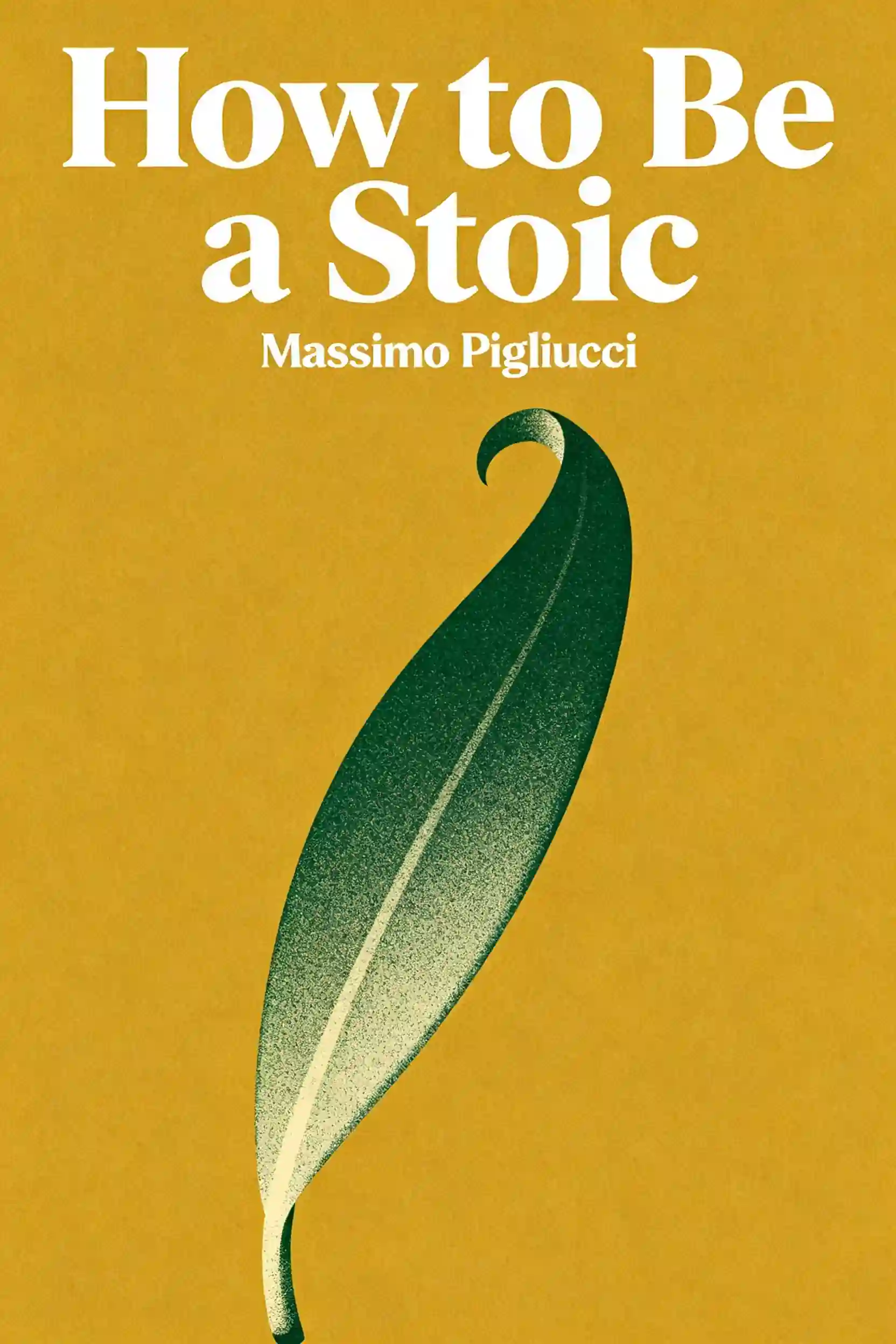
    Blythe: Oh yes! The Stoic revival that's happening right now—with books like Ryan Holiday's The Obstacle Is the Way and Massimo Pigliucci's How to Be a Stoic—draws heavily on Marcus's writings. He's probably introduced more people to Stoic philosophy than any other single source.

    Lena: And it's interesting how his ideas have been adapted for modern contexts like cognitive behavioral therapy and resilience training, isn't it?

    Blythe: That's one of the most exciting developments! Psychologists have found that many Stoic techniques—like examining your thoughts, reframing negative events, and focusing on what you can control—are incredibly effective for treating anxiety and depression. Marcus was essentially doing CBT on himself 1,800 years before it was invented!

    Lena: It makes you wonder what other ancient wisdom we might be overlooking or rediscovering. But what about his influence on political and military leadership specifically?

    Blythe: Military academies around the world still teach Marcus's writings as examples of leadership under pressure. His approach to decision-making—staying calm, gathering information, considering long-term consequences, and always asking "what does virtue require?"—has become a model for crisis leadership.

    Lena: And in an era where we're constantly questioning the integrity of our leaders, his example of power exercised with wisdom and restraint feels especially relevant.

    Blythe: Absolutely! He proved that it's possible to hold tremendous power without being corrupted by it, to make difficult decisions without losing your humanity, and to serve the common good even when it conflicts with personal interests. That's a pretty powerful example for leaders in any era.

    이 에피소드로 더 깊이 배우기

    이 에피소드의 아이디어를 BeFreed의 가이드 학습 경험으로 더 깊이 탐구해 보세요.

    챕터 9

    Practical Wisdom for Modern Life

    Lena: Alright, so we've explored Marcus's life and philosophy in depth, but I think our listeners are probably wondering: "This all sounds great, but how do I actually apply these ideas in my daily life?" Let's get practical here.

    Blythe: Perfect question! Because the beautiful thing about Stoicism is that it's not just theoretical—it's designed to be lived. Marcus was writing these notes as practical reminders for himself, so they're already formatted as actionable advice.

    Lena: So where should someone start? I mean, if you're not a Roman emperor dealing with plagues and invasions, how do you begin practicing Stoic principles?

    Blythe: I'd start with what Marcus called the "discipline of perception"—learning to see things as they really are rather than through the filter of your emotions or assumptions. When something upsetting happens, instead of immediately reacting, pause and ask yourself: "What exactly happened here? What part of this is fact, and what part is my interpretation?"

    Lena: That sounds like it would prevent a lot of unnecessary drama and conflict. Can you give us a concrete example?

    Blythe: Sure! Let's say your boss sends you a terse email that feels dismissive or critical. Your immediate reaction might be anger, hurt, or anxiety. But if you apply Marcus's approach, you'd step back and ask: "What are the facts here? They sent a short email. Everything else—that they're angry with me, that my job is in danger, that they don't respect me—those are interpretations I'm adding."

    Lena: And once you separate the facts from your emotional interpretation, you can respond more rationally rather than reactively.

    Blythe: Exactly! Marcus writes, "You have power over your mind—not outside events. Realize this, and you will find strength." It's incredibly liberating when you understand that most of your suffering comes from your thoughts about events, not the events themselves.

    Lena: What about the practical application of that famous Stoic concept we mentioned earlier—focusing on what you can control?

    Blythe: This is probably the most immediately useful Stoic tool! Whenever you're feeling stressed or overwhelmed, make a mental list: What aspects of this situation can I actually influence? What aspects are completely outside my control? Then put 100% of your energy into the first category and practice accepting the second.

    Lena: That seems like it would save so much mental energy. Instead of spinning your wheels worrying about things you can't change, you're directing that energy toward productive action.

    Blythe: Right! And Marcus was the master of this. He couldn't control whether Germanic tribes invaded, but he could control how well-prepared his armies were and how he responded to the invasion. He couldn't control whether people got sick from the plague, but he could control the resources he devoted to medical care and disaster relief.

    Lena: What about dealing with difficult people? That seems to be something everyone struggles with, and Marcus certainly had his share of challenging personalities to manage.

    Blythe: Marcus had this beautiful reframe for difficult people. Instead of getting frustrated with them, he'd remind himself that they're acting according to their own understanding of what's right. They're not trying to be difficult—they're just working with limited information or different values.

    Lena: So it's like assuming positive intent, but taking it even further?

    Blythe: Exactly! He writes, "Whenever you want to cheer yourself, consider the good qualities of your companions." Instead of focusing on what annoys you about someone, actively look for their strengths and positive qualities. It completely changes the dynamic of the relationship.

    Lena: That sounds challenging but really powerful. What about self-discipline and personal habits? Marcus seemed to have incredible self-control.

    Blythe: He did, but it wasn't willpower in the traditional sense—it was more about having clear priorities and systems. He'd regularly remind himself of what he valued most and make decisions based on those values rather than momentary impulses.

    Lena: Can you give us a practical framework for that?

    Blythe: Sure! Before making any significant decision, ask yourself three questions that Marcus would have asked: First, "Is this just?"—meaning, does this serve the common good, not just my personal interests? Second, "Is this wise?"—am I thinking long-term, or just reacting emotionally? And third, "Is this courageous?"—am I doing what's right even if it's difficult or unpopular?

    Lena: Those are like guardrails for decision-making. And what about building resilience for when things go wrong?

    Blythe: Marcus was brilliant at this! He practiced what Stoics call "negative visualization"—regularly imagining loss or setbacks, not to be pessimistic, but to build psychological immunity. If you've already mentally prepared for something to go wrong, you're less likely to be devastated when it actually happens.

    Lena: That's like emotional cross-training, isn't it? You're building strength for challenges before they arrive.

    Blythe: Perfect analogy! And the final piece is what Marcus called "the discipline of desire"—learning to find satisfaction in what you have rather than constantly wanting more. This doesn't mean being passive or unambitious, but it means your happiness isn't dependent on external achievements or acquisitions.

    Lena: So it's about finding contentment while still striving for improvement?

    Blythe: Exactly! Marcus managed to be both deeply satisfied with his life and constantly working to improve himself and serve others better. That's the sweet spot where ancient wisdom meets modern flourishing.

    챕터 10

    The Emperor's Enduring Gift

    Lena: As we bring our exploration of Marcus Aurelius to a close, I keep thinking about how remarkable it is that we're still learning from someone who lived nearly two thousand years ago. What do you think makes his wisdom so timeless?

    Blythe: You know, I think it comes down to the fact that Marcus was dealing with the same fundamental human challenges we all face—just on an enormous scale. Whether you're managing an empire or managing your own life, you still have to figure out how to make good decisions under pressure, how to treat people fairly, and how to find meaning in the face of uncertainty and loss.

    Lena: And what strikes me is how he never claimed to have all the answers. The Meditations isn't some confident manifesto—it's the journal of someone who's actively struggling to live up to his own ideals. That makes it so much more relatable and authentic.

    Blythe: Absolutely! He's not preaching from on high; he's working through the same doubts and challenges that we all experience. When he writes, "Be like the rocky headland on which the waves constantly break. It stands firm, and round it the seething waters are laid to rest," he's not saying he's already achieved that kind of stability—he's reminding himself to aspire to it.

    Lena: It's like having a conversation with someone who's a few steps ahead of you on the path, but who remembers what it was like to struggle with the same issues you're facing.

    Blythe: And I think that's why his approach to leadership remains so relevant. In an era where we're often disappointed by our leaders—whether in politics, business, or other institutions—Marcus provides a model of what leadership can look like when it's grounded in genuine service and philosophical reflection.

    Lena: He proved that power doesn't have to corrupt, that you can hold tremendous responsibility without losing your humanity or your commitment to doing what's right.

    Blythe: Right! And perhaps most importantly, he showed that philosophy isn't just an academic exercise—it's a practical toolkit for navigating the complexities of real life. Every principle he wrote about, he had to apply in the most challenging circumstances imaginable.

    Lena: What do you think he would say to someone listening today who's feeling overwhelmed by the pace of modern life or discouraged by the state of the world?

    Blythe: I think he'd remind us that we can't control external events, but we can control our response to them. He'd probably say something like: "Focus on your own circle of influence. Act justly in your own life. Treat the people around you with kindness and respect. Do your duty as you understand it, and let the results take care of themselves."

    Lena: And he'd probably remind us that every generation faces challenges that feel overwhelming in the moment, but that human resilience and virtue have carried us through before and can do so again.

    Blythe: Exactly! He lived through what many historians consider one of the most difficult periods in Roman history, yet he never lost his fundamental optimism about human nature and our capacity for goodness. That's incredibly inspiring.

    Lena: For our listeners who want to dive deeper into Marcus Aurelius and Stoic philosophy, where would you recommend they start?

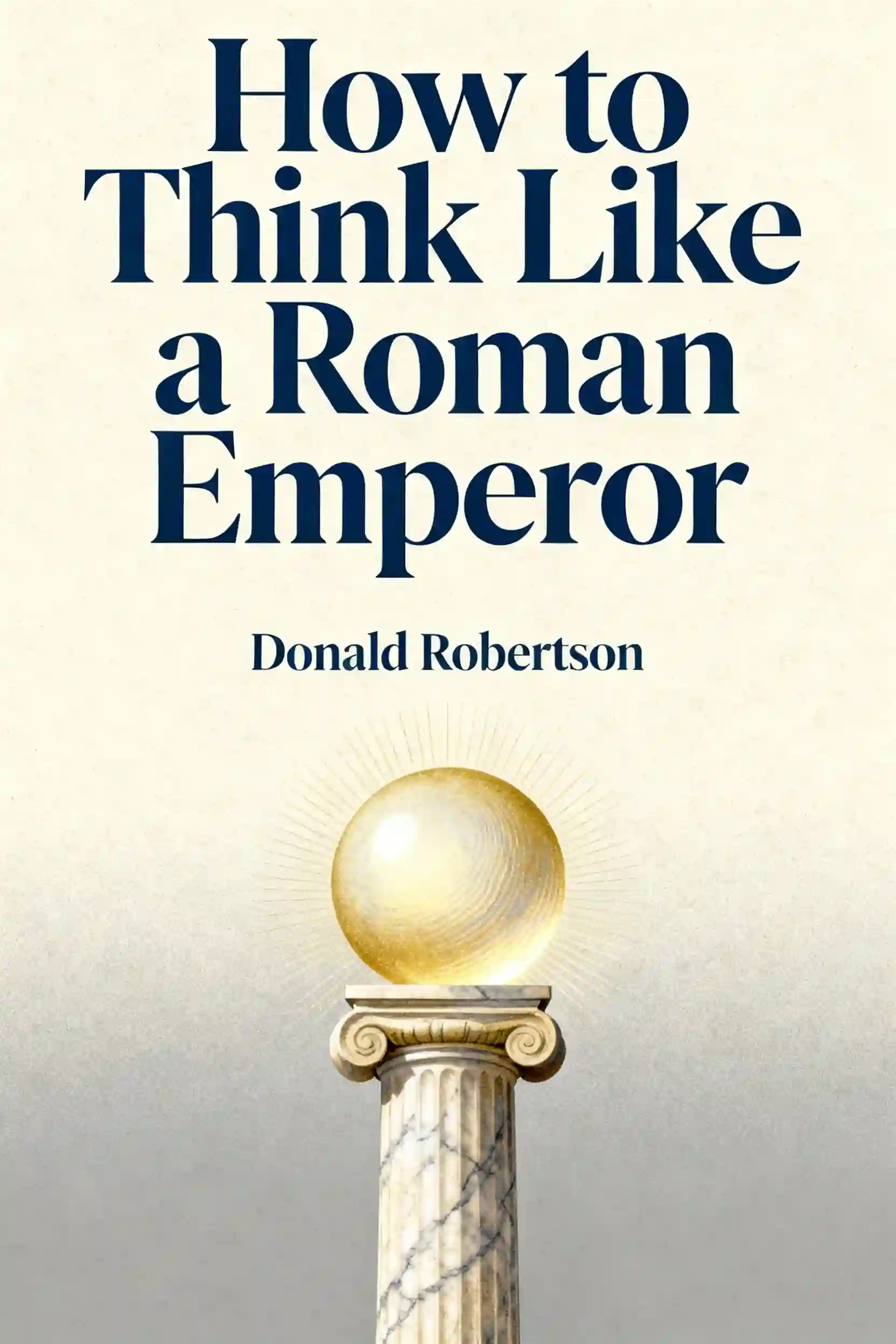
    Blythe: Definitely begin with the Meditations itself—there are several excellent translations available. Gregory Hays's version is particularly accessible for modern readers. And if you want to explore how these ancient ideas apply to contemporary life, books like Ryan Holiday's The Obstacle Is the Way and Donald Robertson's How to Think Like a Roman Emperor are fantastic bridges between Marcus's world and ours.

    Lena: What I love is that Marcus would probably be amazed to know that his private journal entries are still helping people find clarity and purpose two millennia later. It's a reminder that when we commit to living with integrity and wisdom, the impact can ripple far beyond what we imagine.

    Blythe: That's beautifully said! And maybe that's the ultimate lesson from Marcus Aurelius—that the most important legacy we can leave isn't monuments or achievements, but the example of a life lived according to our highest values. Whether anyone remembers our names or not, the good we do and the virtue we practice contributes to the ongoing human project of building a more just and compassionate world.

    Lena: To everyone listening, thank you for joining us on this journey through the life and wisdom of Marcus Aurelius. We hope his example inspires you to approach your own challenges with greater wisdom, courage, and compassion. If these ideas resonated with you, we'd love to hear about how you're applying Stoic principles in your own life. Until next time, remember that philosophy isn't just something to think about—it's something to live.

    Blythe: Beautifully said, Lena. And remember, as Marcus himself wrote: "Very little is needed to make a happy life; it is all within yourself, in your way of thinking." Here's to thinking—and living—like a philosopher-emperor.

    ★★★★★

    Marcus Aurelius: The Philosopher Emperor's Legacy의 끝까지 도달했어요

    “23일째 매일 사용하고 있어요. 이제 제 일상의 한 부분이 되었습니다.”

    jayallen

    Marcus Aurelius: The Philosopher Emperor's Legacy 베스트 인용

    “

    You have power over your mind—not outside events. Realize this, and you will find strength.

    ”
    D

    Generated by Danny

    질문 입력

    I want to learn about Marcus Aurelius. Not only himself but his works and how it impacted his time and modern

    호스트 음성
    Lenaplay
    Blytheplay
    지식 출처
    How to Think Like a Roman Emperor
    Right Thing, Right Now: Justice in an Unjust World
    How to Be a Stoic
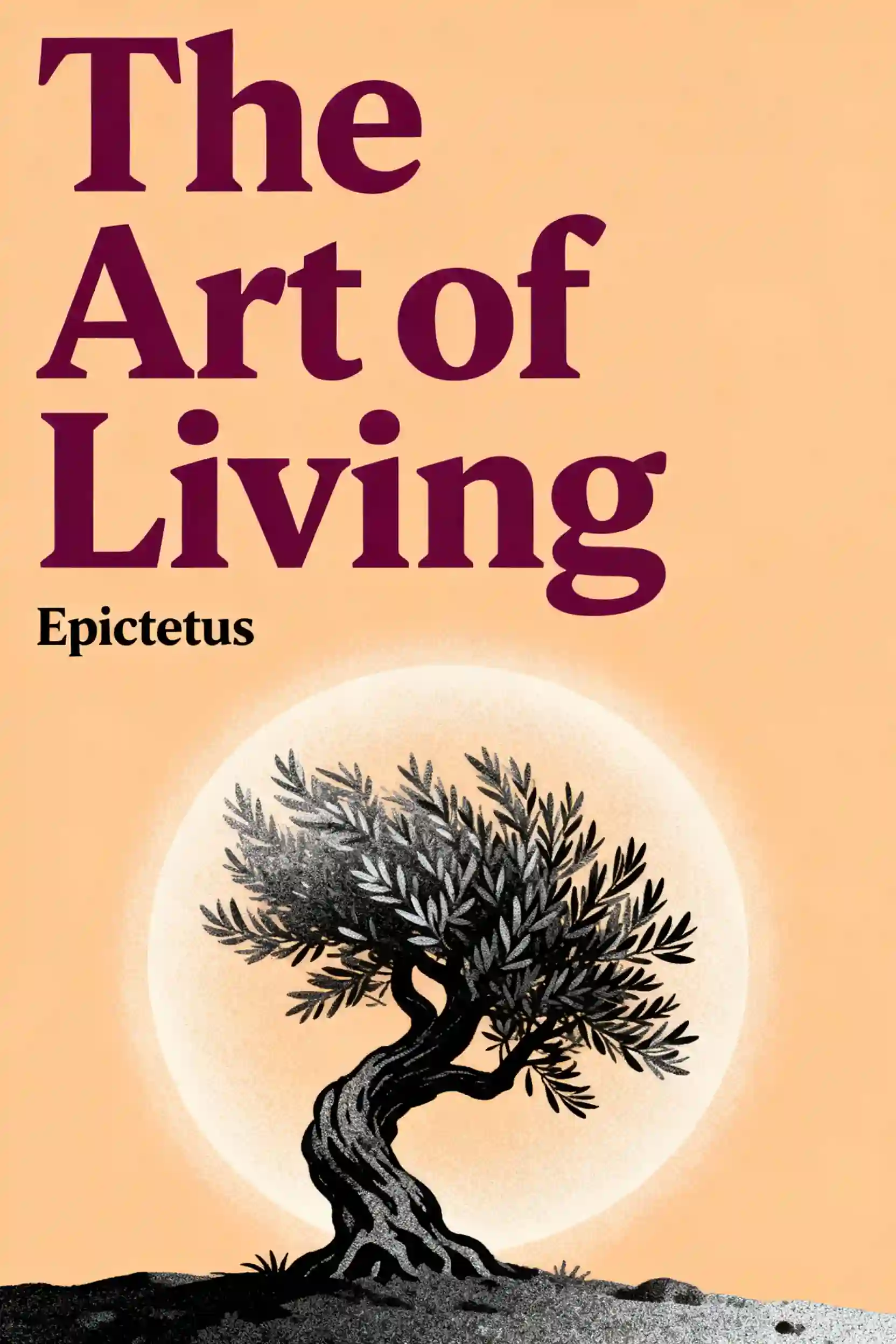
    The Art of Living
    Lives of the Stoics
    How to Be a Leader

    컬럼비아 대학교 동문들이 제작 | 샌프란시스코에서 개발

    BeFreed는 호기심 넘치는 글로벌 커뮤니티를 하나로 연결합니다

    4.7

    평균 평점

    앱 평가 7.84천 개 이상

    BeFreed 커뮤니티

    정말이지 아직 앱을 다 써 보지도 않았는데, 며칠 써 본 것만으로도 깊은 인상을 받았어요… BeFreed는 제가 써 본 어떤 학습 앱과도 차원이 달라요. 몰입감이 엄청나고 집중력도 실제로 좋아져서, 스마트폰을 하염없이 스크롤하는 분들께 딱이에요!

    @ladyInfinity

    정확히 23일 전에 BeFreed를 구입했는데, 그날부터 하루도 빠짐없이 쓰고 있어요. 제 일상 업무 흐름과 학습 습관에 완전히 자리 잡았어요.

    @jayallen

    솔직히 이 앱은 제 기대를 전부 뛰어넘었어요. 어떤 주제든 오디오로 만들어 달라고 할 수 있고, 결과물이 놀라워요. 제 전문 분야는 심리치료 쪽이고 여러 학문이 얽혀 있는데도 답변이 아주 정확해요.

    @Raguipa

    제일 고마운 건 스크롤하는 시간이 확 줄었다는 거예요. 검색하는 시간은 줄고 흡수하는 시간은 늘었어요. 오디오북 전권, 팟캐스트, 학습 플랜의 조합이 정말 훌륭해요.

    @colonyofcreatorsNGO

    저는 24년째 PhotoReading 속진 학습 강사로 일하고 있어요… 책과 독서, 배움이 제 전문인데, BeFreed는 정보를 소화하기 쉽게 전달하는 혁신적인 방식을 정말 잘 구현했어요.

    @BeFreed user

    단순한 책 요약 앱이 아니에요. '재미' 스타일을 써 봤는데, 전통적인 방식보다 훨씬 나은 요약이고 아이디어를 이해하기도 쉬워요. 이것만으로도 값어치를 해요.

    @austinakon

    이 앱이 정말 좋아요. 며칠 써 봤는데 듣는 걸 멈출 수가 없어요. 시작하기에 이보다 좋을 수 없어요.

    @jcrules328

    정말 마음에 들어요. 한 달 정도 써 봤는데 숨은 보석을 찾은 기분이에요. BeFreed로 제가 원하는 주제를 직접 만들 수 있어서 좋고, 목소리도 훌륭한 데다 내레이션 선택지가 무궁무진해요.

    @DanielCZ

    정말이지 아직 앱을 다 써 보지도 않았는데, 며칠 써 본 것만으로도 깊은 인상을 받았어요… BeFreed는 제가 써 본 어떤 학습 앱과도 차원이 달라요. 몰입감이 엄청나고 집중력도 실제로 좋아져서, 스마트폰을 하염없이 스크롤하는 분들께 딱이에요!

    @ladyInfinity

    정확히 23일 전에 BeFreed를 구입했는데, 그날부터 하루도 빠짐없이 쓰고 있어요. 제 일상 업무 흐름과 학습 습관에 완전히 자리 잡았어요.

    @jayallen

    솔직히 이 앱은 제 기대를 전부 뛰어넘었어요. 어떤 주제든 오디오로 만들어 달라고 할 수 있고, 결과물이 놀라워요. 제 전문 분야는 심리치료 쪽이고 여러 학문이 얽혀 있는데도 답변이 아주 정확해요.

    @Raguipa

    제일 고마운 건 스크롤하는 시간이 확 줄었다는 거예요. 검색하는 시간은 줄고 흡수하는 시간은 늘었어요. 오디오북 전권, 팟캐스트, 학습 플랜의 조합이 정말 훌륭해요.

    @colonyofcreatorsNGO

    저는 24년째 PhotoReading 속진 학습 강사로 일하고 있어요… 책과 독서, 배움이 제 전문인데, BeFreed는 정보를 소화하기 쉽게 전달하는 혁신적인 방식을 정말 잘 구현했어요.

    @BeFreed user

    단순한 책 요약 앱이 아니에요. '재미' 스타일을 써 봤는데, 전통적인 방식보다 훨씬 나은 요약이고 아이디어를 이해하기도 쉬워요. 이것만으로도 값어치를 해요.

    @austinakon

    이 앱이 정말 좋아요. 며칠 써 봤는데 듣는 걸 멈출 수가 없어요. 시작하기에 이보다 좋을 수 없어요.

    @jcrules328

    정말 마음에 들어요. 한 달 정도 써 봤는데 숨은 보석을 찾은 기분이에요. BeFreed로 제가 원하는 주제를 직접 만들 수 있어서 좋고, 목소리도 훌륭한 데다 내레이션 선택지가 무궁무진해요.

    @DanielCZ

    유용한 정보와 아이디어를 8~15분짜리 팟캐스트 스타일 오디오로 압축해서 들을 수 있다는 게 정말 좋아요. 원래 팟캐스트는 군더더기가 많아서 안 좋아했는데, 여기는 그걸 싹 걷어냈어요.

    @BeFreed user

    박사 과정을 마무리하는 중이라 낯선 자료를 많이 읽어야 해요… BeFreed에서는 프롬프트만 입력하면 앱이 자료를 찾아서 오디오 팟캐스트로 만들어 줘요. BeFreed의 과정이 NotebookLM보다 더 매끄럽게 느껴져요.

    @Brad

    아침을 준비하거나 산책하거나 출퇴근할 때 들을 것을 YouTube에서 자주 찾곤 했는데, BeFreed는 광고도 군더더기도 없이 훨씬 더 딱 맞는 걸 들려줘요!

    @BeFreed user

    이 플랫폼의 가장 큰 장점은 활용도예요. 다루지 못하는 주제가 말 그대로 하나도 없어요. 무엇을 던져도 다 소화해요… 제한이 전혀 없으면서 약속을 실제로 지키는 학습 도구는 정말 드물어요.

    @jayallen

    BeFreed는 환상적이에요. 디자인이 편해서 헤매는 시간은 줄고 배우는 시간은 늘었어요. 오디오북, 팟캐스트, 학습 플랜의 조합은 천재적이에요. 제 하루가 완전히 달라졌어요.

    @BeFreed user

    처음엔 이탈리아어로 팟캐스트를 만드는 방법을 이해하는 데 시간이 좀 걸렸는데, 알고 나니까 — 와! 정말 대단해요! 어떤 주제든 설명해 달라고 하면 정말 똑똑하게 잘 설명해 줘요!

    @matteo77

    BeFreed는 제가 매일 쓰는 오디오북 앱이 됐어요… 제일 마음에 드는 건 텍스트를 넣으면 이동 중에도 들을 수 있는 오디오로 만들어 준다는 점이에요.

    @kotanzu1

    유용한 정보와 아이디어를 8~15분짜리 팟캐스트 스타일 오디오로 압축해서 들을 수 있다는 게 정말 좋아요. 원래 팟캐스트는 군더더기가 많아서 안 좋아했는데, 여기는 그걸 싹 걷어냈어요.

    @BeFreed user

    박사 과정을 마무리하는 중이라 낯선 자료를 많이 읽어야 해요… BeFreed에서는 프롬프트만 입력하면 앱이 자료를 찾아서 오디오 팟캐스트로 만들어 줘요. BeFreed의 과정이 NotebookLM보다 더 매끄럽게 느껴져요.

    @Brad

    아침을 준비하거나 산책하거나 출퇴근할 때 들을 것을 YouTube에서 자주 찾곤 했는데, BeFreed는 광고도 군더더기도 없이 훨씬 더 딱 맞는 걸 들려줘요!

    @BeFreed user

    이 플랫폼의 가장 큰 장점은 활용도예요. 다루지 못하는 주제가 말 그대로 하나도 없어요. 무엇을 던져도 다 소화해요… 제한이 전혀 없으면서 약속을 실제로 지키는 학습 도구는 정말 드물어요.

    @jayallen

    BeFreed는 환상적이에요. 디자인이 편해서 헤매는 시간은 줄고 배우는 시간은 늘었어요. 오디오북, 팟캐스트, 학습 플랜의 조합은 천재적이에요. 제 하루가 완전히 달라졌어요.

    @BeFreed user

    처음엔 이탈리아어로 팟캐스트를 만드는 방법을 이해하는 데 시간이 좀 걸렸는데, 알고 나니까 — 와! 정말 대단해요! 어떤 주제든 설명해 달라고 하면 정말 똑똑하게 잘 설명해 줘요!

    @matteo77

    BeFreed는 제가 매일 쓰는 오디오북 앱이 됐어요… 제일 마음에 드는 건 텍스트를 넣으면 이동 중에도 들을 수 있는 오디오로 만들어 준다는 점이에요.

    @kotanzu1

    웹에서 BeFreed가 어떻게 논의되고 있는지 더 보기
    129.7K19.5K
    55.2K19.2K
    154.2K10827355
    48.1K2.5K
    81.2K6.6K
    82.3K1.8K
    지금 바로 학습 여정을 시작하세요
    BeFreed 앱
    BeFreed

    무엇이든 개인화된 학습

    DiscordLinkedIn
    추천 도서 요약
    Crucial ConversationsThe Perfect MarriageInto the WildNever Split the DifferenceAttachedGood to GreatSay Nothing
    인기 카테고리
    Self HelpCommunication SkillRelationshipMindfulnessPhilosophyInspirationProductivity
    유명인 추천 도서
    Elon MuskCharlie KirkBill GatesSteve JobsAndrew HubermanJoe RoganJordan Peterson
    수상작 컬렉션
    Pulitzer PrizeNational Book AwardGoodreads Choice AwardsNobel Prize in LiteratureNew York TimesCaldecott MedalNebula Award
    추천 주제
    ManagementAmerican HistoryWarTradingStoicismAnxietySex
    연도별 베스트 도서
    2025 Best Non Fiction Books2024 Best Non Fiction Books2023 Best Non Fiction Books
    추천 저자
    Chimamanda Ngozi AdichieGeorge OrwellO. J. SimpsonBarbara O'NeillWinston ChurchillCharlie Kirk
    BeFreed vs 다른 앱
    BeFreed vs. Other Book Summary AppsBeFreed vs. ElevenReaderBeFreed vs. ReadwiseBeFreed vs. Anki
    학습 도구
    Knowledge VisualizerAI Podcast Generator
    정보
    회사 소개arrow
    가격arrow
    FAQarrow
    블로그arrow
    채용arrow
    파트너십arrow
    앰배서더 프로그램arrow
    디렉토리arrow
    BeFreed
    Try now
    © 2026 BeFreed
    이용 약관개인정보 처리방침
    BeFreed

    무엇이든 개인화된 학습

    DiscordLinkedIn
    추천 도서 요약
    Crucial ConversationsThe Perfect MarriageInto the WildNever Split the DifferenceAttachedGood to GreatSay Nothing
    인기 카테고리
    Self HelpCommunication SkillRelationshipMindfulnessPhilosophyInspirationProductivity
    유명인 추천 도서
    Elon MuskCharlie KirkBill GatesSteve JobsAndrew HubermanJoe RoganJordan Peterson
    수상작 컬렉션
    Pulitzer PrizeNational Book AwardGoodreads Choice AwardsNobel Prize in LiteratureNew York TimesCaldecott MedalNebula Award
    추천 주제
    ManagementAmerican HistoryWarTradingStoicismAnxietySex
    연도별 베스트 도서
    2025 Best Non Fiction Books2024 Best Non Fiction Books2023 Best Non Fiction Books
    학습 도구
    Knowledge VisualizerAI Podcast Generator
    추천 저자
    Chimamanda Ngozi AdichieGeorge OrwellO. J. SimpsonBarbara O'NeillWinston ChurchillCharlie Kirk
    BeFreed vs 다른 앱
    BeFreed vs. Other Book Summary AppsBeFreed vs. ElevenReaderBeFreed vs. ReadwiseBeFreed vs. Anki
    정보
    회사 소개arrow
    가격arrow
    FAQarrow
    블로그arrow
    채용arrow
    파트너십arrow
    앰배서더 프로그램arrow
    디렉토리arrow
    BeFreed
    Try now
    © 2026 BeFreed
    이용 약관개인정보 처리방침

    비슷한 콘텐츠

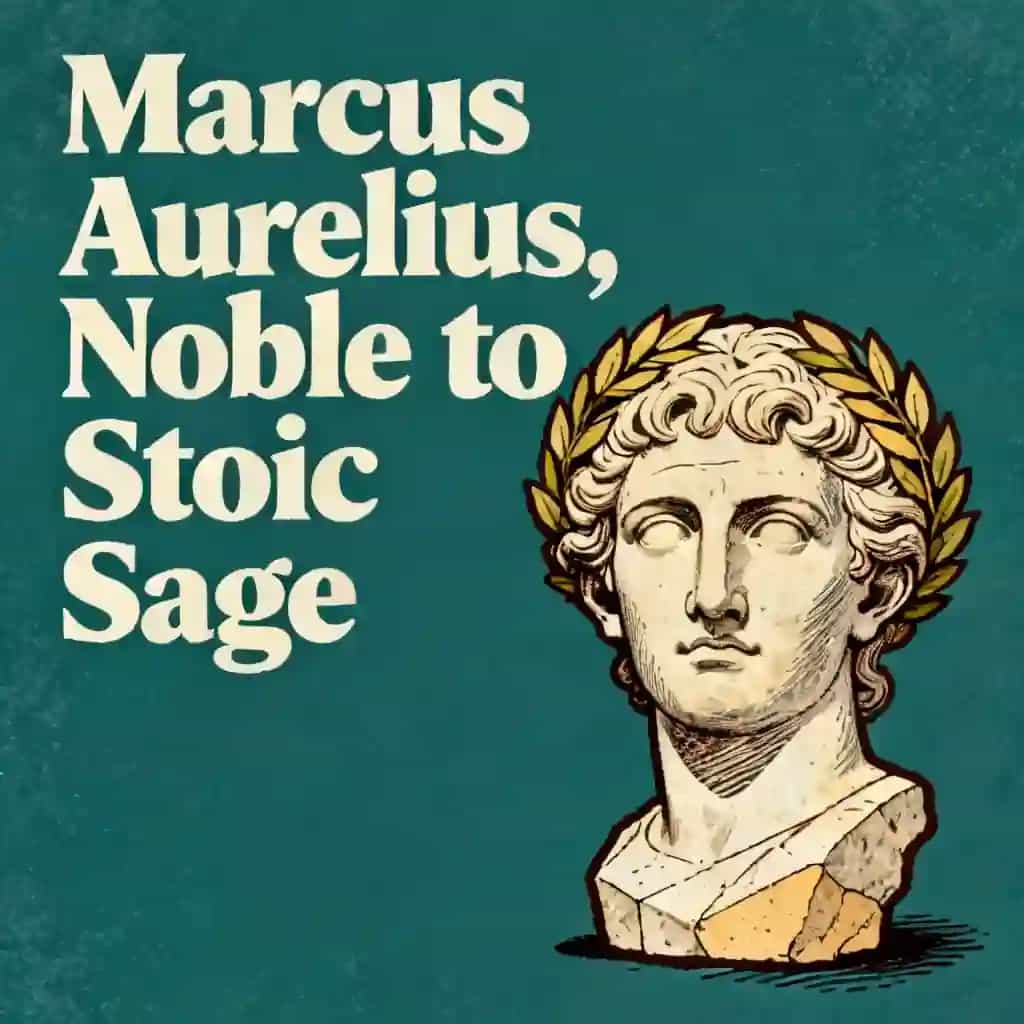
    Marcus Aurelius: Noble to Stoic Sage 책 표지
    How to Think Like a Roman EmperorMeditationsThe Art of LivingHow to Be a Stoic
    21 sources
    Marcus Aurelius: Noble to Stoic Sage
    Explore how a privileged Roman emperor became history's most influential Stoic philosopher. From sleeping on bare ground to writing Meditations during war, discover why his practical wisdom endures today.
    24 min
    Marcus Aurelius: Ancient Wisdom for Modern Resilience 책 표지
    MeditationsMeditations by Marcus Aurelius: Book Summary, Key Lessons and ...How to Think Like a Roman EmperorMarcus Aurelius - Stanford Encyclopedia of Philosophy
    6 sources
    Marcus Aurelius: Ancient Wisdom for Modern Resilience
    Explore how the Roman Emperor's private journal became history's most practical guide to mental strength. Discover timeless techniques for mastering your mind and finding peace in chaos.
    10 min
    Marcus Aurelius: Meditations for a Messy World 책 표지
    [meditations-by-marcus-aurelius:c0000] Meditations p1-1[meditations-by-marcus-aurelius:c0001] Meditations p1-1[meditations-by-marcus-aurelius:c0002] Meditations p1-1[meditations-by-marcus-aurelius:c0003] Meditations p1-1
    7 sources
    Marcus Aurelius: Meditations for a Messy World
    Struggling with daily chaos? Discover how Marcus Aurelius used a private diary to turn obstacles into fuel and build a character that lasts.
    986 min
    Meditations 책 표지
    Meditations
    Marcus Aurelius
    Stoic wisdom from a Roman Emperor on living a virtuous, focused life.
    24 min
    The Emperor's Battlefield Resilience Journal 책 표지
    How to Think Like a Roman EmperorHow to Be a StoicLessons in StoicismThe Art of Living
    20 sources
    The Emperor's Battlefield Resilience Journal
    Discover how Marcus Aurelius wrote personal notes during wars and crises to build mental strength. We explore his timeless Stoic wisdom and how his battlefield philosophy can help us develop resilience in today's chaotic world.
    14 min
    The Essential Marcus Aurelius 책 표지
    The Essential Marcus Aurelius
    Marcus Aurelius
    27 min
    Marcus Aurelius: A Private Guide to Stoicism 책 표지
    Meditations by Marcus Aurelius: Summary & 7 Key ThemesMeditations by Marcus Aurelius: A Practical Guide - memoir appMeditations by Marcus Aurelius: A Guide for Modern ReadersMeditations by Marcus Aurelius: A Guide for Modern Readers
    7 sources
    Marcus Aurelius: A Private Guide to Stoicism
    When the world feels chaotic, how do you stay sane? Discover the personal tools Marcus Aurelius used to find resilience and calm under pressure.
    1309 min
    Battlefield Wisdom: Marcus Aurelius's Resilience Legacy 책 표지
    How to Think Like a Roman EmperorHow to Be a StoicRight Thing, Right NowThe Book of Five Rings
    18 sources
    Battlefield Wisdom: Marcus Aurelius's Resilience Legacy
    Discover how Marcus Aurelius's ancient Stoic principles became a resilience framework used across history's battlefields—from Roman legions to modern special forces—and how these battle-tested methods can strengthen your mental toughness today.
    13 min

    Recommended Learning Plans

    The Emperor’s Private Discipline
    학습 계획

    The Emperor’s Private Discipline

    This plan distills the timeless wisdom of Marcus Aurelius into actionable strategies for the modern age. It is ideal for leaders and professionals seeking to maintain mental clarity and moral integrity in high-pressure environments.

    1 h 30 m•3 섹션
    The Stoic Inner Citadel
    학습 계획

    The Stoic Inner Citadel

    In an era of constant distraction and stress, this plan offers a timeless framework for emotional stability and moral clarity. It is designed for professionals and individuals seeking to build mental fortitude and practical wisdom through the proven techniques of ancient philosophy.

    2 h•5 섹션
    Apply Stoicism in Modern Life
    학습 계획

    Apply Stoicism in Modern Life

    Stoicism offers timeless strategies for managing stress, making sound decisions, and finding meaning in an increasingly chaotic world. This learning plan is ideal for professionals facing high-pressure situations, anyone seeking greater emotional control and resilience, or individuals looking to build a philosophy-based foundation for personal growth and fulfillment.

    4 h 1 m•4 섹션
    Be more stoic
    학습 계획

    Be more stoic

    Stoicism offers timeless tools for navigating life's challenges with composure and purpose, making it increasingly relevant in our anxiety-prone, fast-paced world. This learning plan is ideal for anyone seeking greater emotional resilience, mental clarity, and a practical philosophy for living well regardless of external circumstances.

    4 h 19 m•4 섹션
    Stoicism
    학습 계획

    Stoicism

    Stoicism offers a time-tested framework for navigating life's challenges with clarity, resilience, and purpose—skills that are increasingly vital in our fast-paced, unpredictable world. This learning path is ideal for anyone seeking practical wisdom to manage stress, make better decisions, and cultivate unshakeable inner strength, from professionals facing high-pressure environments to individuals pursuing personal growth and emotional mastery.

    4 h 21 m•4 섹션
    The Inner Citadel: Stoic Resilience
    학습 계획

    The Inner Citadel: Stoic Resilience

    In an era of constant digital noise and uncertainty, this plan offers a practical framework for mental sovereignty. It is ideal for professionals and individuals seeking to build emotional stability and focus through the timeless principles of Stoic philosophy.

    2 h•4 섹션
    Stoicism for the Modern Humanist
    학습 계획

    Stoicism for the Modern Humanist

    In an era of constant distraction and uncertainty, this plan offers a practical toolkit for emotional regulation and ethical clarity. It is ideal for individuals seeking to balance personal peace with modern social responsibilities through a logic-based approach to life.

    2 h 30 m•5 섹션
    Master Stoicism & Beat Procrastination
    학습 계획

    Master Stoicism & Beat Procrastination

    This learning path combines ancient Stoic wisdom with modern neuroscience to address one of today's most critical challenges: maintaining focus and productivity in an age of constant distraction. It's ideal for professionals, students, and anyone struggling with procrastination, seeking emotional resilience, or wanting to apply historical wisdom to navigate modern complexity with greater clarity and purpose.

    4 h 25 m•4 섹션