정말이지 아직 앱을 다 써 보지도 않았는데, 며칠 써 본 것만으로도 깊은 인상을 받았어요… BeFreed는 제가 써 본 어떤 학습 앱과도 차원이 달라요. 몰입감이 엄청나고 집중력도 실제로 좋아져서, 스마트폰을 하염없이 스크롤하는 분들께 딱이에요!
@ladyInfinity
Struggling to build sentences? Learn how focusing on high-frequency grammar markers and n-grams can help you master the language's skeleton for fluency.

Instead of learning a thousand nouns, if you learn these top twenty tools, you can manipulate a hundred nouns in a thousand different ways.
Learning Japanese with n- grams the 150 3n-grams more common


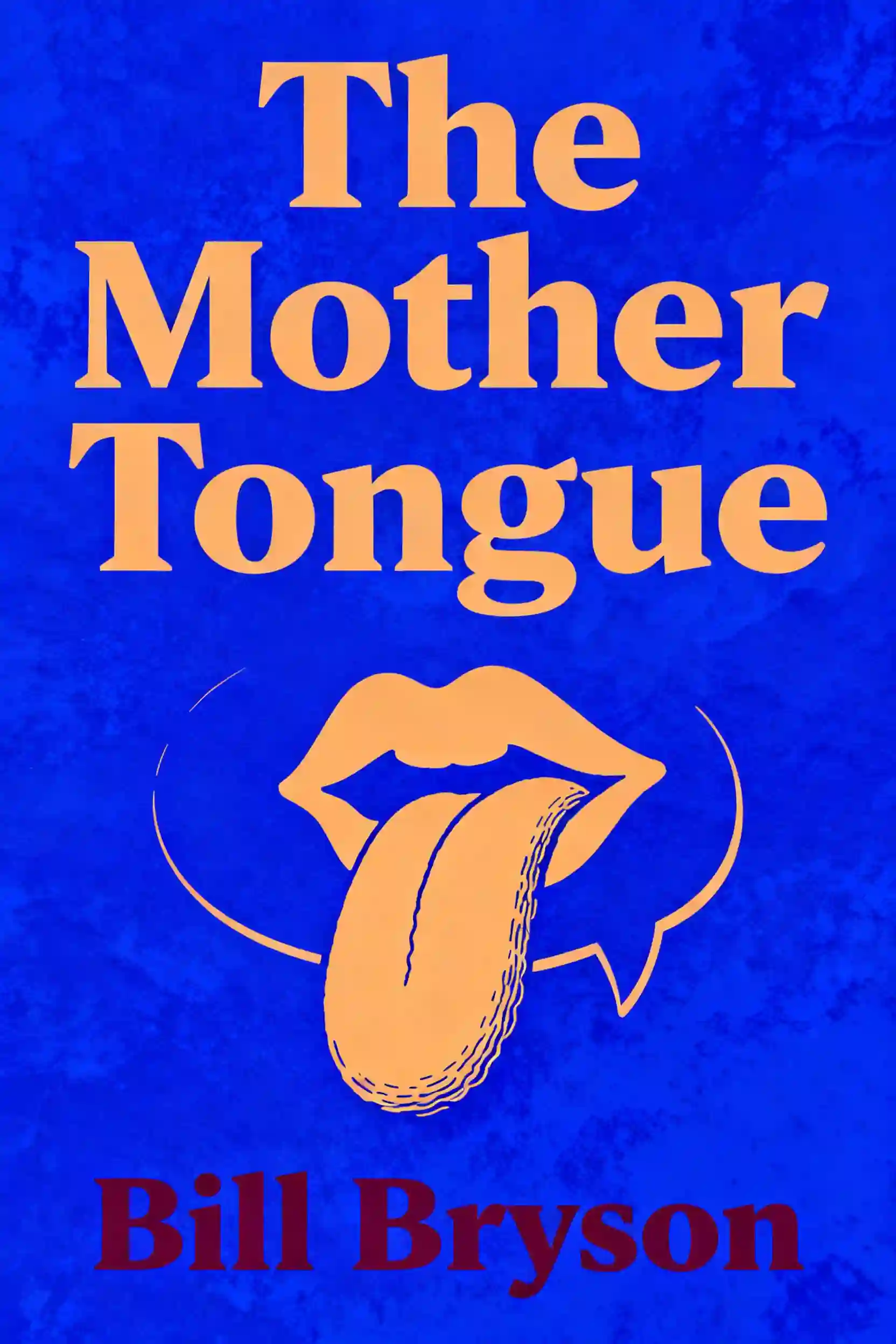

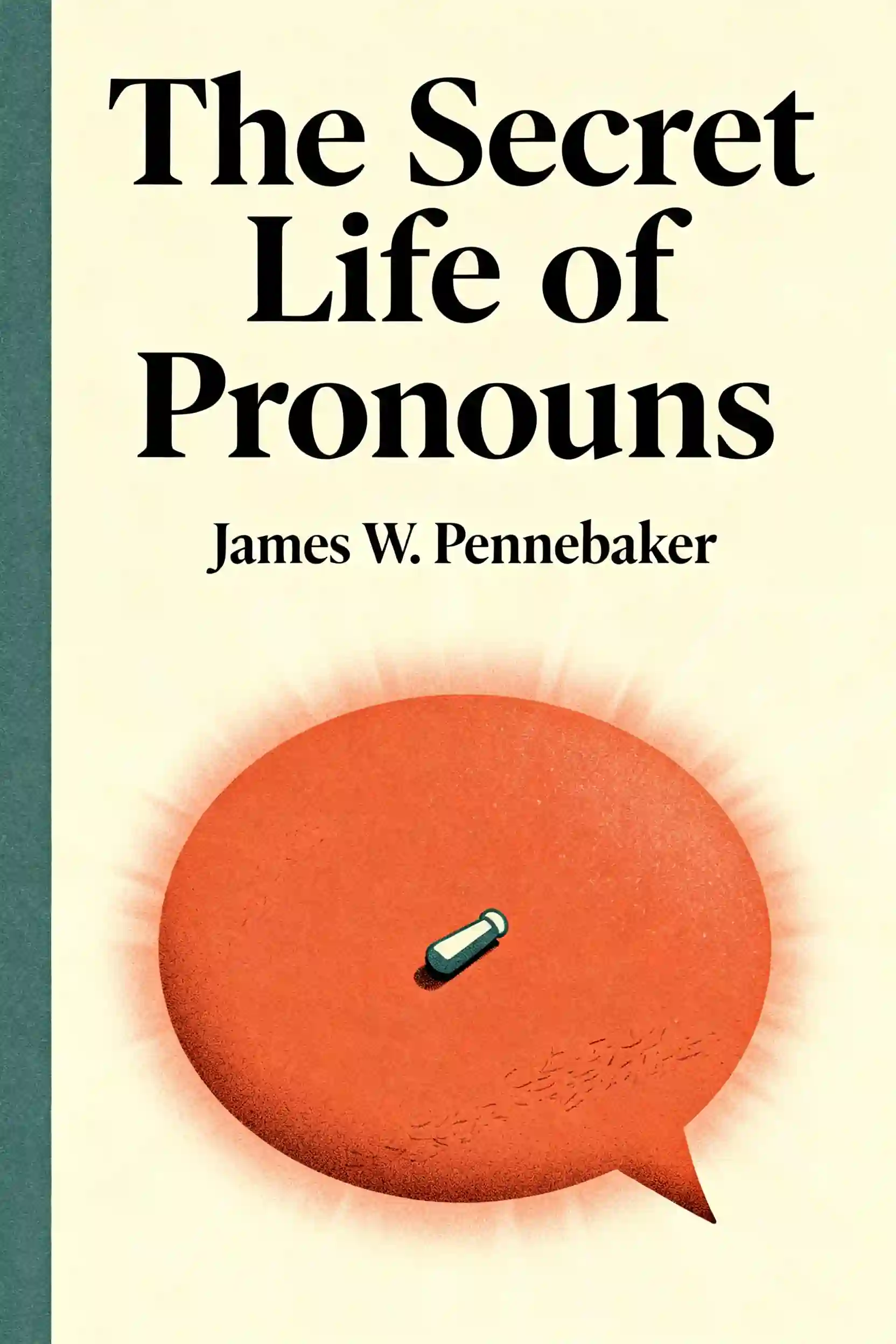
While nouns like "water" or "friend" provide the "bricks" of a language, particles like no, ni, and wa act as the "mortar" or the skeleton. Statistically, seven of the top ten most frequent words in Japanese are grammar markers rather than traditional vocabulary. By mastering these first, you learn the functional structure of the language, which allows you to string sentences together and understand the relationship between different words in a way that memorizing isolated nouns cannot achieve.
The literal translation method involves looking at what a particle is actually doing in the Japanese brain rather than finding an exact English equivalent. For example, instead of translating the particle wa as a vague grammar rule, you think of it literally as "as-for." This makes the logic of the sentence clear; Watashi wa gakusei desu becomes "I, as-for, student am." This approach helps learners build a mental map of how a Japanese sentence flows from point A to point B without getting confused by English definitions that don't quite fit.
An n-gram is a contiguous sequence of items, such as a single word (unigram) or a cluster of words (bigram or trigram). Learning Japanese in "chunks" or n-grams—like sono ato ("after that") or to omoimasu ("I think that")—is more efficient than learning individual words. This "chunking" strategy reduces the mental effort required to assemble sentences because you are treating common phrases as single units of meaning, which helps you sound more natural and fluent.
Frequency lists derived from Wikipedia analysis tend to rank formal or institutional words higher due to the nature of the content. For instance, words like nen (year), daigaku (university), and okonau (to carry out) appear very high on these lists because Wikipedia is heavy on history and facts. In contrast, conversational lists might rank social verbs like "eating" or "seeing" higher. However, the core "glue" words—the particles and basic verbs—remain consistently at the top of both types of lists, making them the most high-yield targets for any learner.
The slot method is a practical way to build muscle memory by taking a common grammatical structure and swapping out specific components. For example, once you learn the "destination + ni + iku (to go)" slot, you can practice by dropping in different locations like eki (station) or Tōkyō. This allows you to master the "infrastructure" of the language so that you can eventually plug in any vocabulary word to express a wide variety of thoughts.
컬럼비아 대학교 동문들이 제작 | 샌프란시스코에서 개발
평균 평점
앱 평가 7.84천 개 이상
BeFreed 커뮤니티
정말이지 아직 앱을 다 써 보지도 않았는데, 며칠 써 본 것만으로도 깊은 인상을 받았어요… BeFreed는 제가 써 본 어떤 학습 앱과도 차원이 달라요. 몰입감이 엄청나고 집중력도 실제로 좋아져서, 스마트폰을 하염없이 스크롤하는 분들께 딱이에요!
@ladyInfinity
정확히 23일 전에 BeFreed를 구입했는데, 그날부터 하루도 빠짐없이 쓰고 있어요. 제 일상 업무 흐름과 학습 습관에 완전히 자리 잡았어요.
@jayallen
솔직히 이 앱은 제 기대를 전부 뛰어넘었어요. 어떤 주제든 오디오로 만들어 달라고 할 수 있고, 결과물이 놀라워요. 제 전문 분야는 심리치료 쪽이고 여러 학문이 얽혀 있는데도 답변이 아주 정확해요.
@Raguipa
제일 고마운 건 스크롤하는 시간이 확 줄었다는 거예요. 검색하는 시간은 줄고 흡수하는 시간은 늘었어요. 오디오북 전권, 팟캐스트, 학습 플랜의 조합이 정말 훌륭해요.
@colonyofcreatorsNGO
저는 24년째 PhotoReading 속진 학습 강사로 일하고 있어요… 책과 독서, 배움이 제 전문인데, BeFreed는 정보를 소화하기 쉽게 전달하는 혁신적인 방식을 정말 잘 구현했어요.
@BeFreed user
단순한 책 요약 앱이 아니에요. '재미' 스타일을 써 봤는데, 전통적인 방식보다 훨씬 나은 요약이고 아이디어를 이해하기도 쉬워요. 이것만으로도 값어치를 해요.
@austinakon
이 앱이 정말 좋아요. 며칠 써 봤는데 듣는 걸 멈출 수가 없어요. 시작하기에 이보다 좋을 수 없어요.
@jcrules328
정말 마음에 들어요. 한 달 정도 써 봤는데 숨은 보석을 찾은 기분이에요. BeFreed로 제가 원하는 주제를 직접 만들 수 있어서 좋고, 목소리도 훌륭한 데다 내레이션 선택지가 무궁무진해요.
@DanielCZ
유용한 정보와 아이디어를 8~15분짜리 팟캐스트 스타일 오디오로 압축해서 들을 수 있다는 게 정말 좋아요. 원래 팟캐스트는 군더더기가 많아서 안 좋아했는데, 여기는 그걸 싹 걷어냈어요.
@BeFreed user
박사 과정을 마무리하는 중이라 낯선 자료를 많이 읽어야 해요… BeFreed에서는 프롬프트만 입력하면 앱이 자료를 찾아서 오디오 팟캐스트로 만들어 줘요. BeFreed의 과정이 NotebookLM보다 더 매끄럽게 느껴져요.
@Brad
아침을 준비하거나 산책하거나 출퇴근할 때 들을 것을 YouTube에서 자주 찾곤 했는데, BeFreed는 광고도 군더더기도 없이 훨씬 더 딱 맞는 걸 들려줘요!
@BeFreed user
이 플랫폼의 가장 큰 장점은 활용도예요. 다루지 못하는 주제가 말 그대로 하나도 없어요. 무엇을 던져도 다 소화해요… 제한이 전혀 없으면서 약속을 실제로 지키는 학습 도구는 정말 드물어요.
@jayallen
BeFreed는 환상적이에요. 디자인이 편해서 헤매는 시간은 줄고 배우는 시간은 늘었어요. 오디오북, 팟캐스트, 학습 플랜의 조합은 천재적이에요. 제 하루가 완전히 달라졌어요.
@BeFreed user
처음엔 이탈리아어로 팟캐스트를 만드는 방법을 이해하는 데 시간이 좀 걸렸는데, 알고 나니까 — 와! 정말 대단해요! 어떤 주제든 설명해 달라고 하면 정말 똑똑하게 잘 설명해 줘요!
@matteo77
BeFreed는 제가 매일 쓰는 오디오북 앱이 됐어요… 제일 마음에 드는 건 텍스트를 넣으면 이동 중에도 들을 수 있는 오디오로 만들어 준다는 점이에요.
@kotanzu1




This plan is essential for professionals who need to move beyond basic conversation and command authority in Japanese corporate environments. It is ideal for executives and negotiators who must master both linguistic precision and cultural etiquette to succeed in high-stakes meetings.
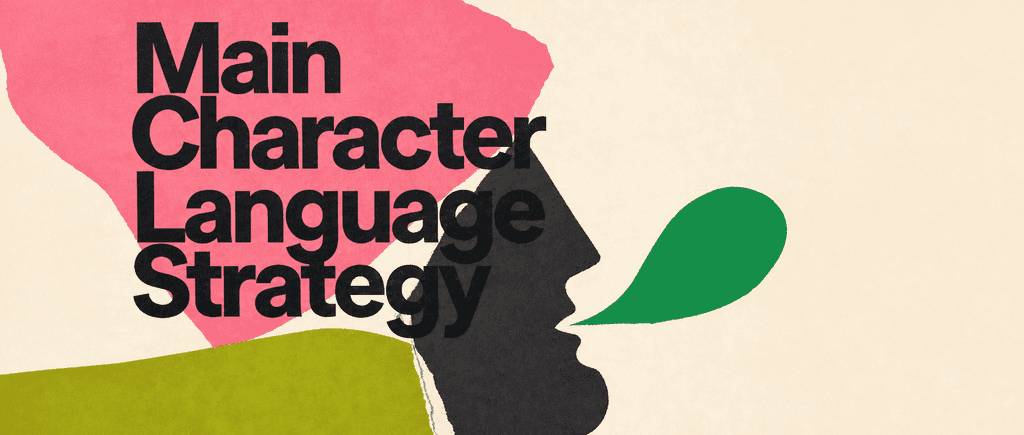
This strategy is essential for language learners who feel stuck in traditional classrooms and want to leverage pop culture for fluency. It is specifically designed for fans of anime and dramas who want to turn their hobbies into a rigorous, science-backed training system.

This plan is designed for advanced learners who feel stuck in the 'plateau' where they understand everything but struggle to speak with sophistication. It bridges the gap between theoretical knowledge and real-world execution by focusing on cognitive memory and social nuance.

This comprehensive plan is designed for learners who want to bridge the gap between basic understanding and professional fluency. It is ideal for students or professionals aiming to master grammar, elegant writing, and persuasive speaking in any cultural context.

This plan is essential for non-native speakers who possess technical knowledge but struggle with the nuances of natural flow. It is ideal for professionals and students looking to bridge the gap between textbook English and authentic, confident communication.
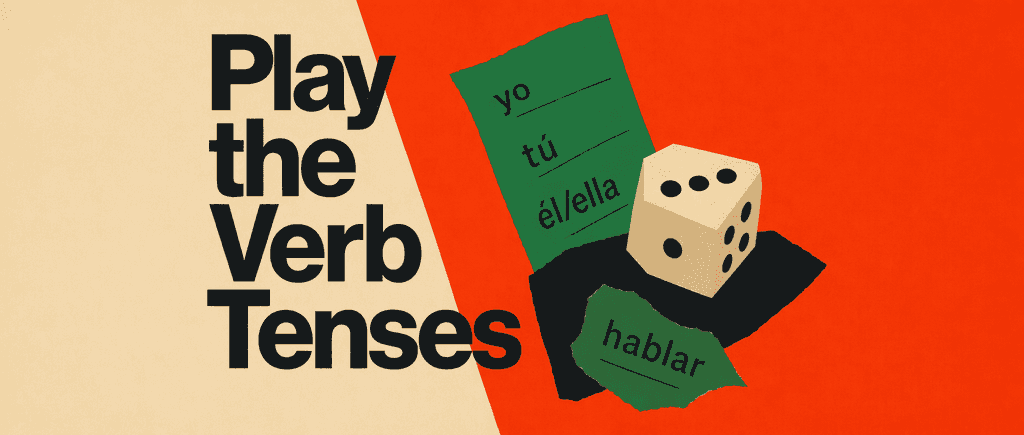
This plan bridges the gap between linguistic mastery and digital engagement, making it essential for educators and developers. It is ideal for those looking to transform dry grammar drills into immersive, high-impact educational games.

This plan is essential for professionals and students who need to bridge the gap between basic knowledge and high-level fluency. It is designed for those looking to eliminate hesitation and project a more sophisticated, confident image in English-speaking environments.

This plan is designed for intermediate learners who feel stuck using language apps and want to transition to real-world content. It provides the structural tools and cognitive strategies needed to move from textbook exercises to enjoying authentic Hispanic literature with native-level fluency.